
A Converter Certificate That Does Nothing for an Uncertified Mill
A converter's chain of custody certificate cannot retroactively grant certified status to packaging made from uncertified paper mill substrate.
A converter's chain of custody certificate cannot retroactively grant certified status to packaging made from uncertified paper mill substrate.

Radiant UV lamp infrared energy and mechanical nip friction strip paperboard surface moisture, driving hygrothermal curl and score cracking that require cold-mirror optics, UV-LED arrays, or chilled impression rolls to preserve converting yield.

Matching substrate furnish and bulk to press stress secures structural integrity, optimizes print quality, and minimizes total landed packaging cost.

Aligning packaging redesign cycles with PPWR recyclability milestones requires qualifying substrates 36 months before regulatory enforcement dates.

Matt lamination cracks at the crease because silica matting inclusions reduce film elongation capacity, requiring expanded matrix channels to lower folding strain.
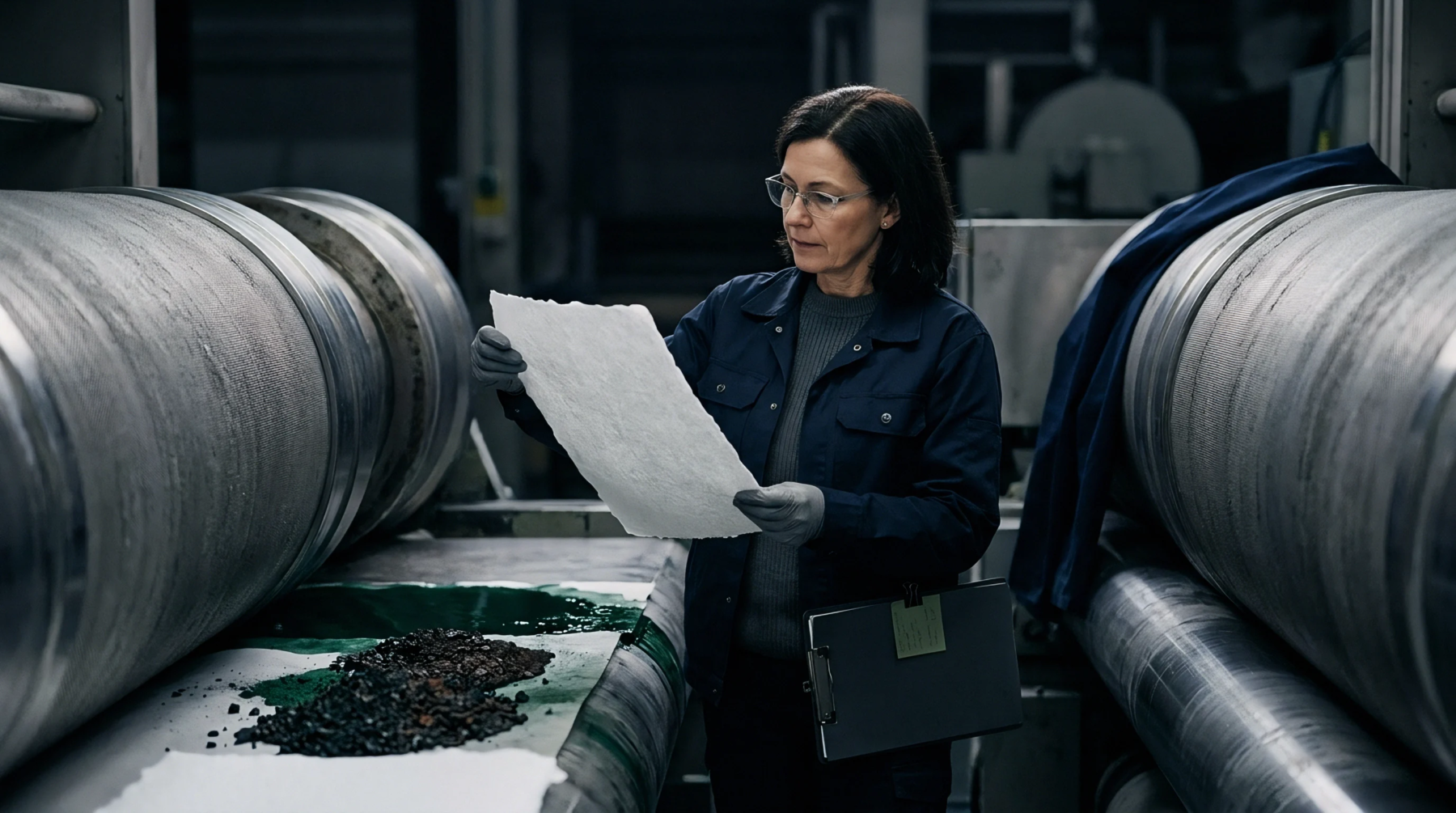
Retailers accept recycled content claims backed by lot-specific chain of custody transaction certificates, valid scope codes, and verified migration test reports.

Commercial landed cost variance depends on sheet yield, press spoilage, and EPR de-inkability fee surcharges triggered by grade substitution.

Online acoustic emission monitoring detects micro delamination along carton scores in real time to prevent line jams and outer liner cracking.

Grammage and caliper specifications require ISO test method conditioning standards and tight bulk tolerance clauses to prevent converting line failures and yield losses.
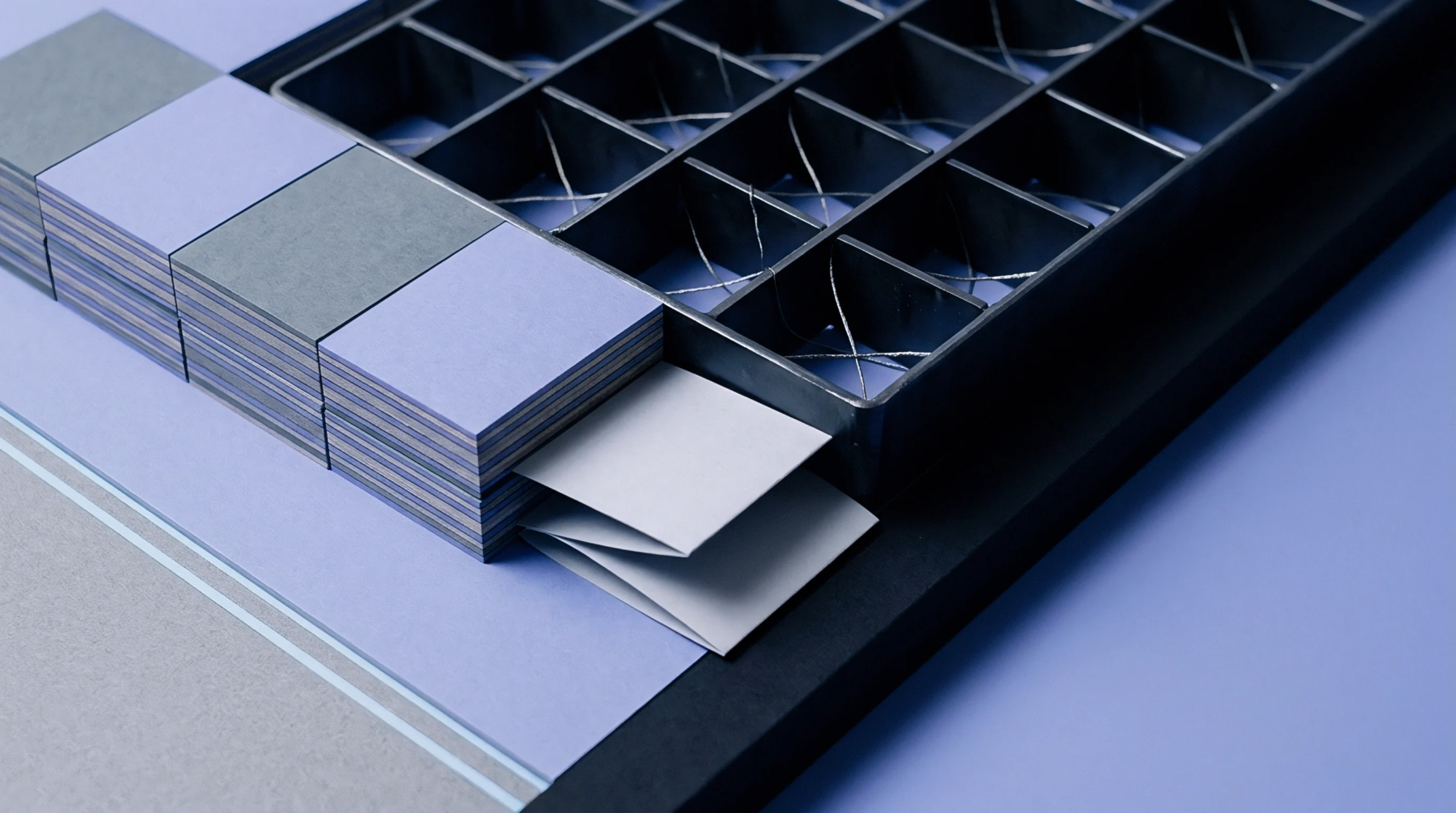
Committing embossing die funds before verifying batch-specific board caliper causes die clearance errors, crushed paperboard profiles, and ruined tooling.
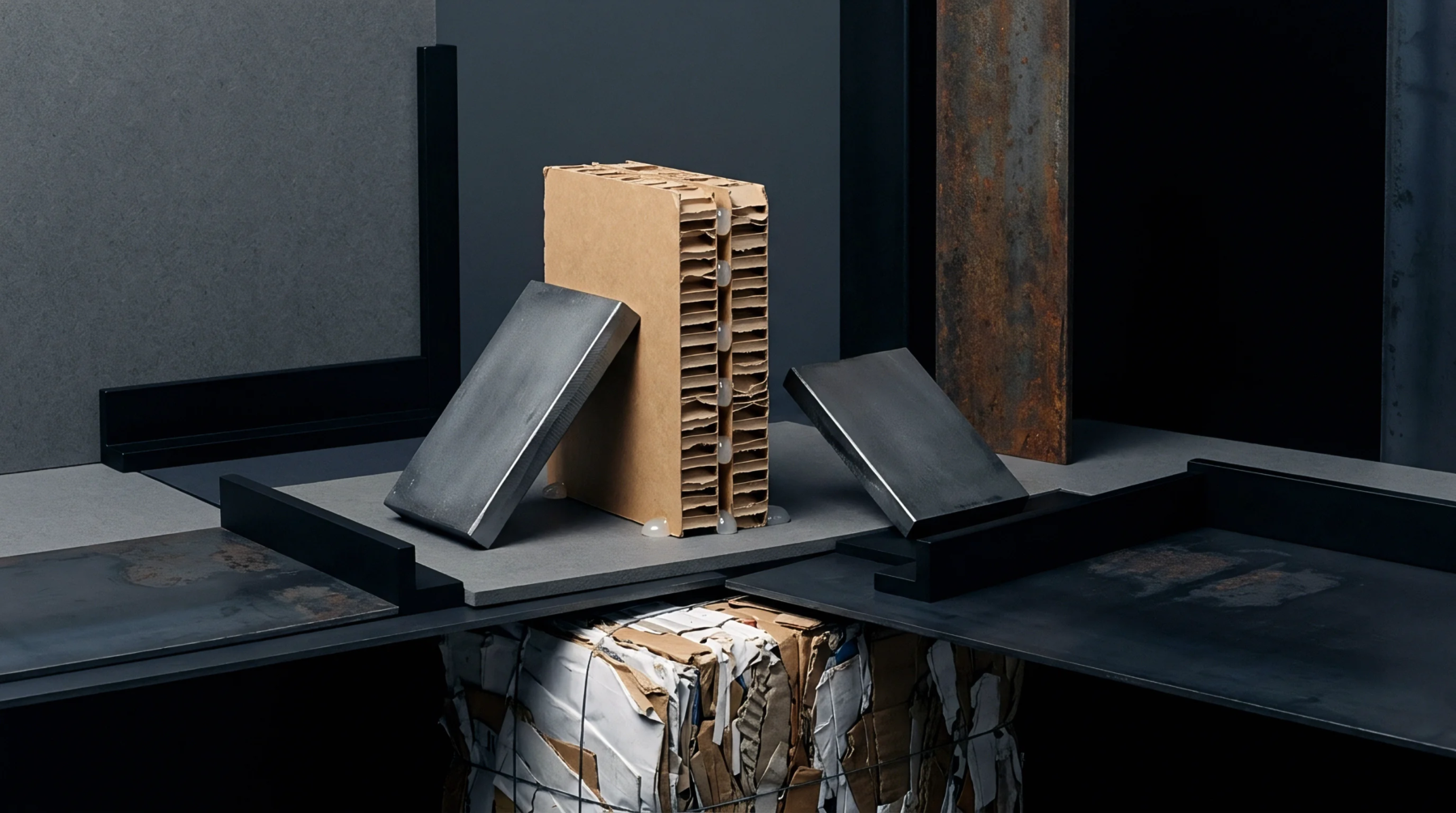
Parent sheet yield and trim waste govern grade selection when high-bulk downgauging balances mill deckle fit, layout imposition, and net landed cost per unit.

Mill credit accounting requires dry fiber mass balance calculations, yield factor adjustments for coating mass, and strict rolling credit ledger management.
Non-contact laser profiling accuracy on board converting lines depends on blue laser selection, dynamic vibration damping, and proper spatial filter settings.
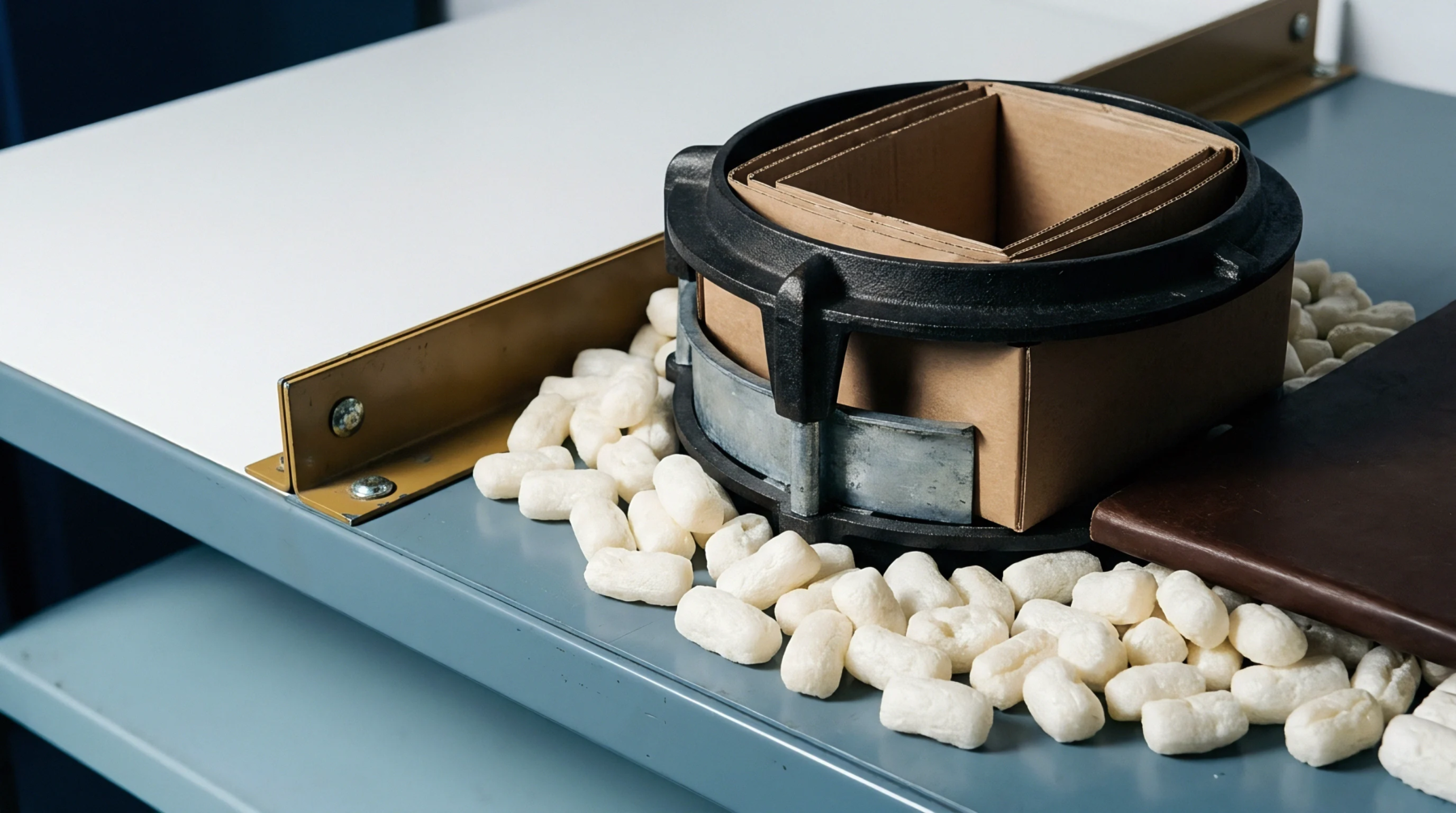
Predicting dynamic Z-direction fiber compression requires balancing dwell time, thermal diffusivity, and lignin glass transition to maximize permanent set.
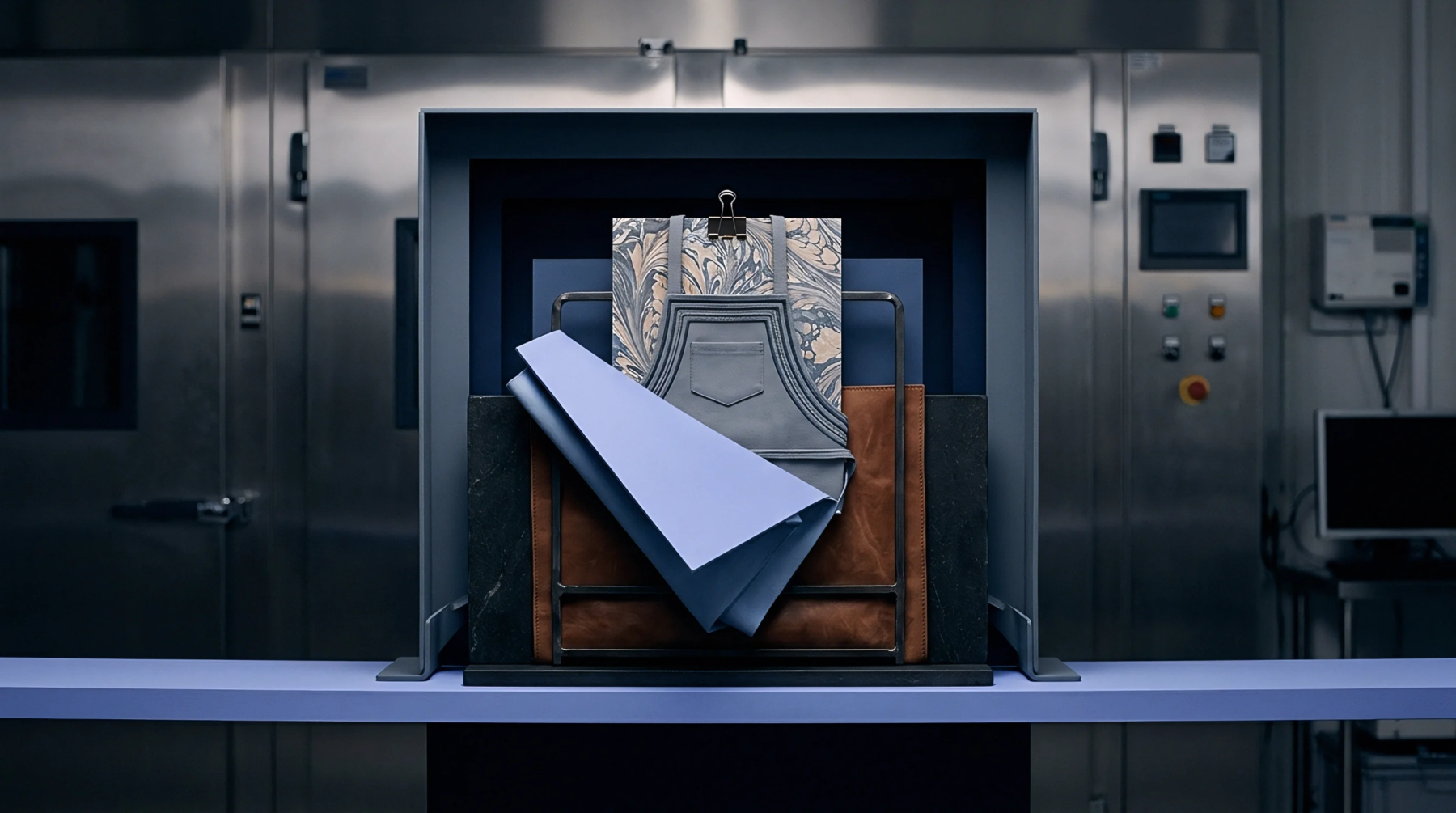
Controlled inter-ply shear delamination inside the middle layers under rule stroke impact converts rigid board into thin lamina, eliminating score cracking.

Sutherland rub sled pressure elevates specular gloss by shearing coating asperities into smooth optical planes, requiring hard crosslinked resins to limit delta gloss spikes.
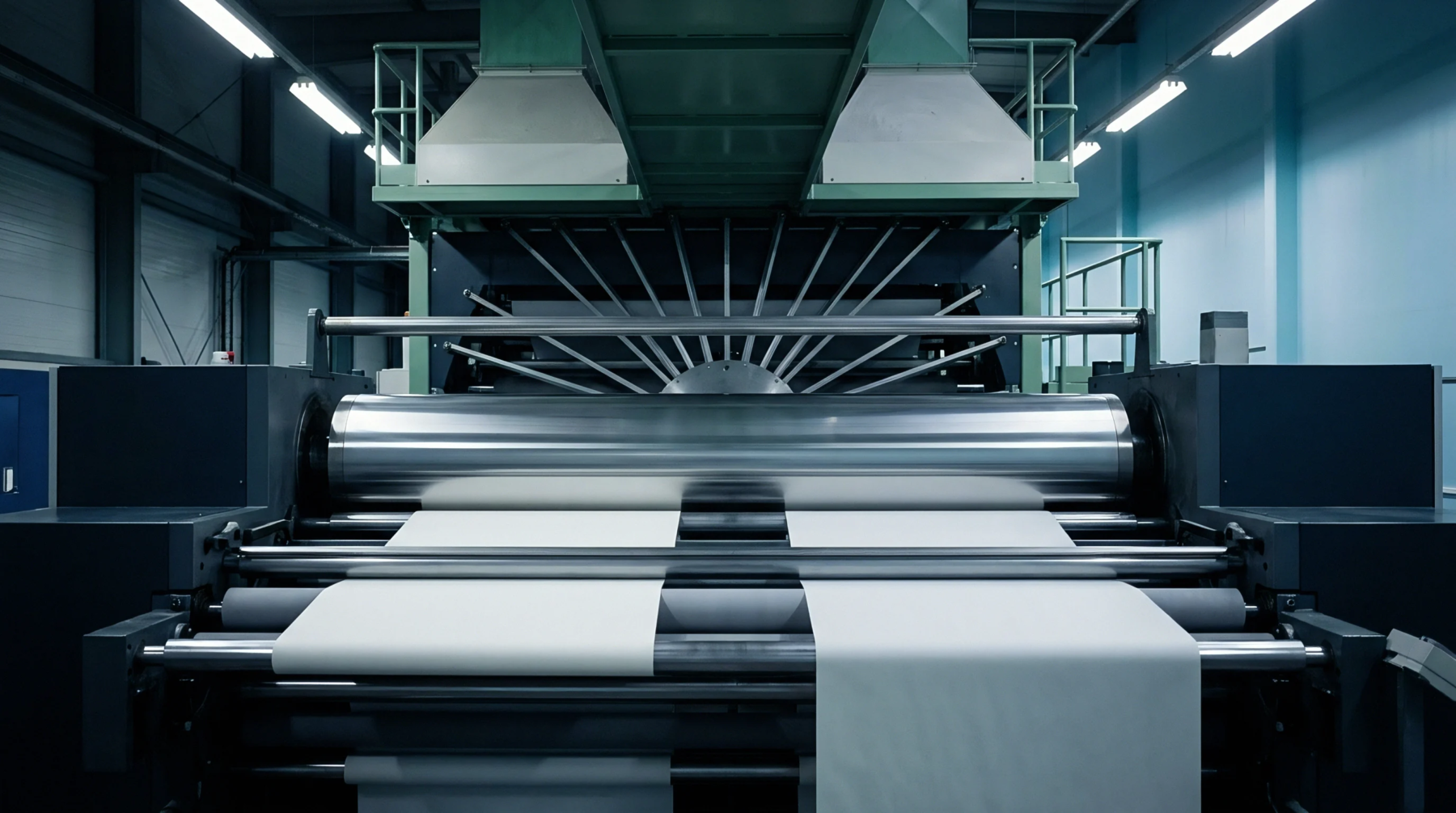
Active dual-beam telecentric triangulation combined with real-time FPGA filtering cancels web vibration and speckle noise to guarantee sub-micron inline caliper accuracy.
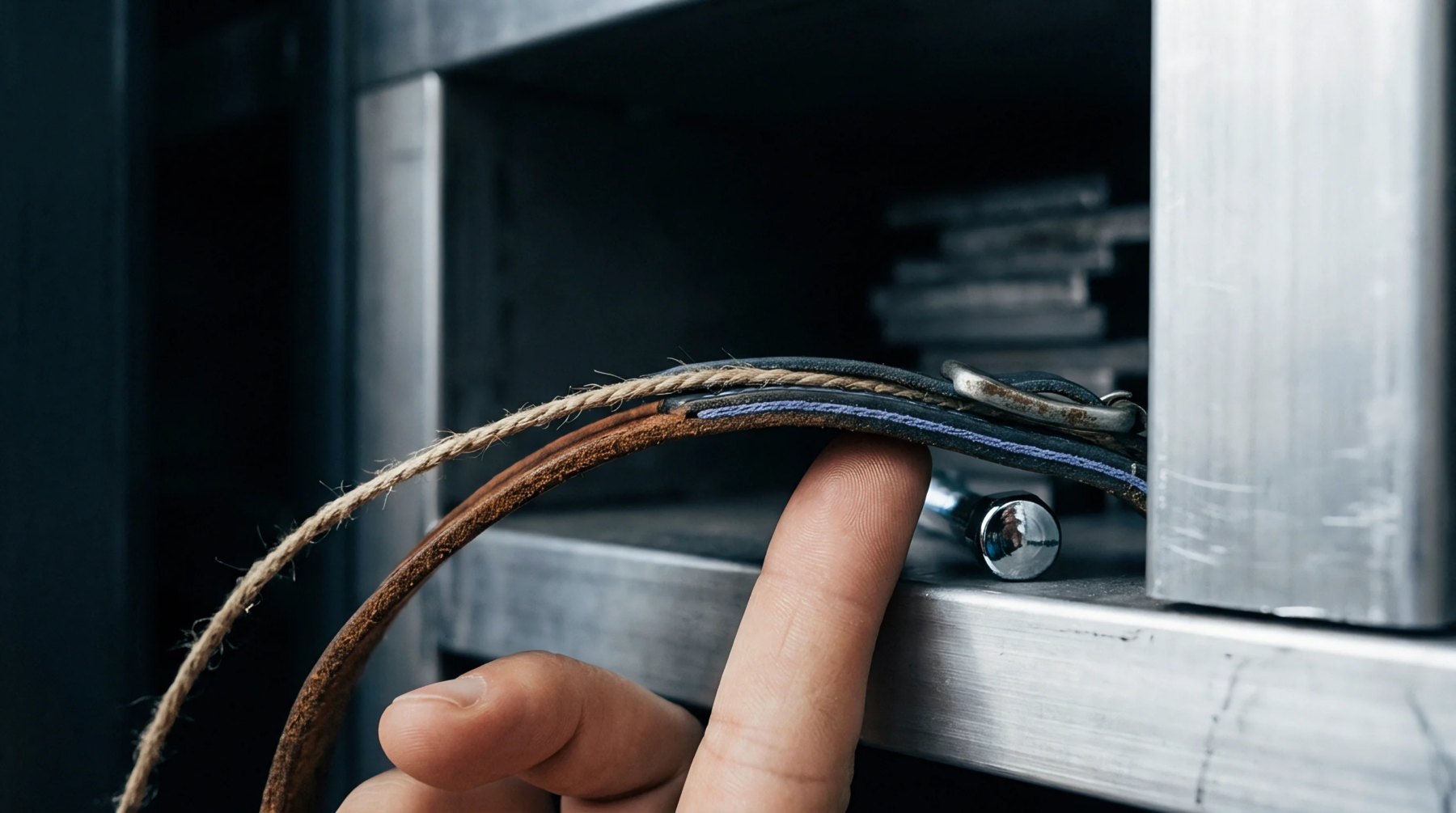
Cross direction score lines on solid bleached sulfate require a 50 percent crease stiffness reduction ratio achieved via a 1.8 to 2.0 times caliper matrix width.
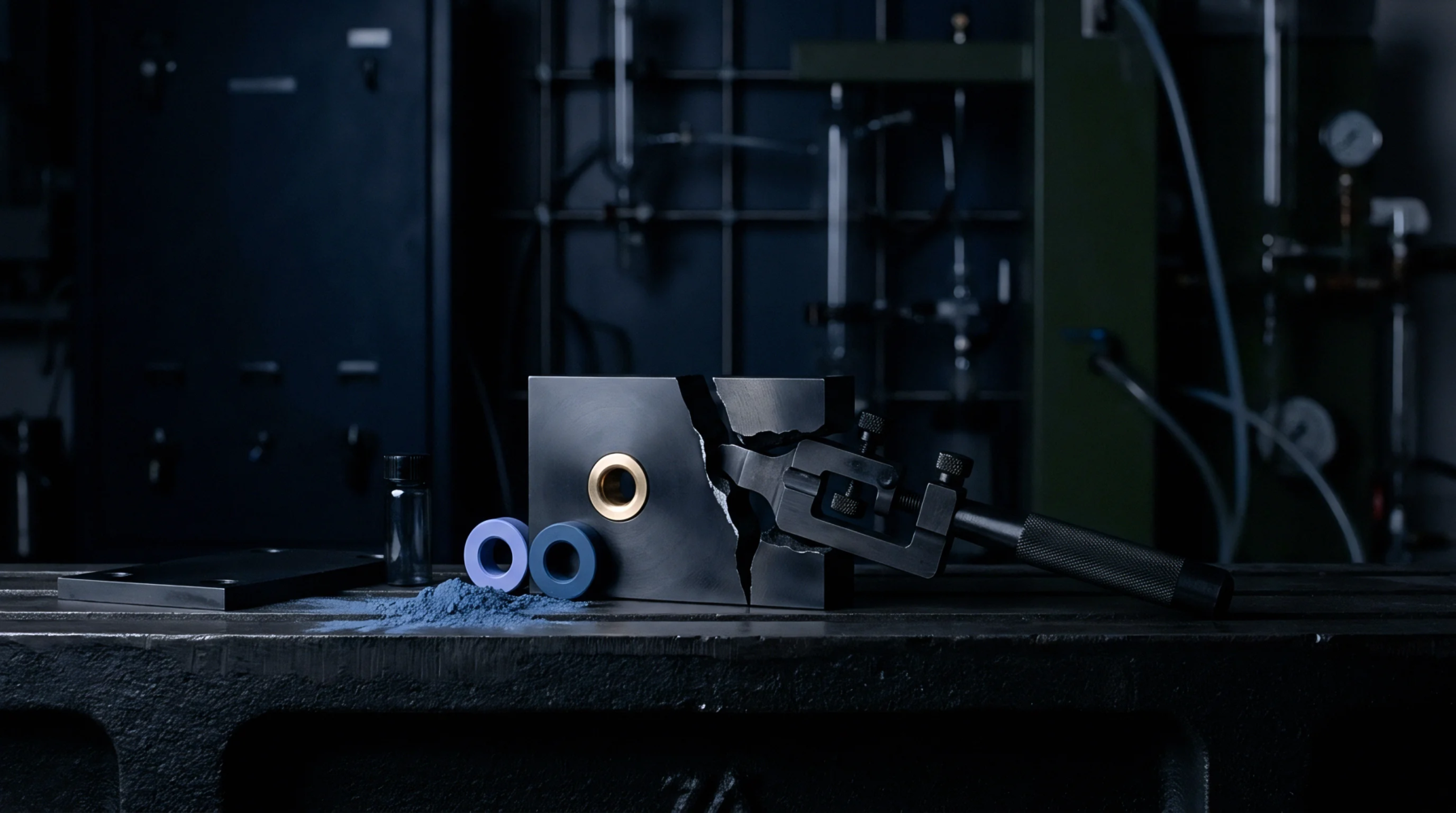
Optimizing creasing geometry for barrier board requires expanding female channel width and applying polished male rule radii to prevent barrier film splitting.

Virgin SBS provides superior print brightness, stiffness consistency, and crack-free scoring, whereas recycled board lowers initial cost but adds waste.

Verify certificate status against public scope schedules to ensure product group codes, grammages, and converting sites explicitly cover every delivered batch.

Non-contact optical gauges eliminate mechanical board compression on high-speed lines, enabling tighter cross-machine caliper targets and reduced fiber mass.

SBS bending stiffness scales with the third power of caliper and dictates carton bulking resistance, requiring verification via ISO 2493 load-cell testing.
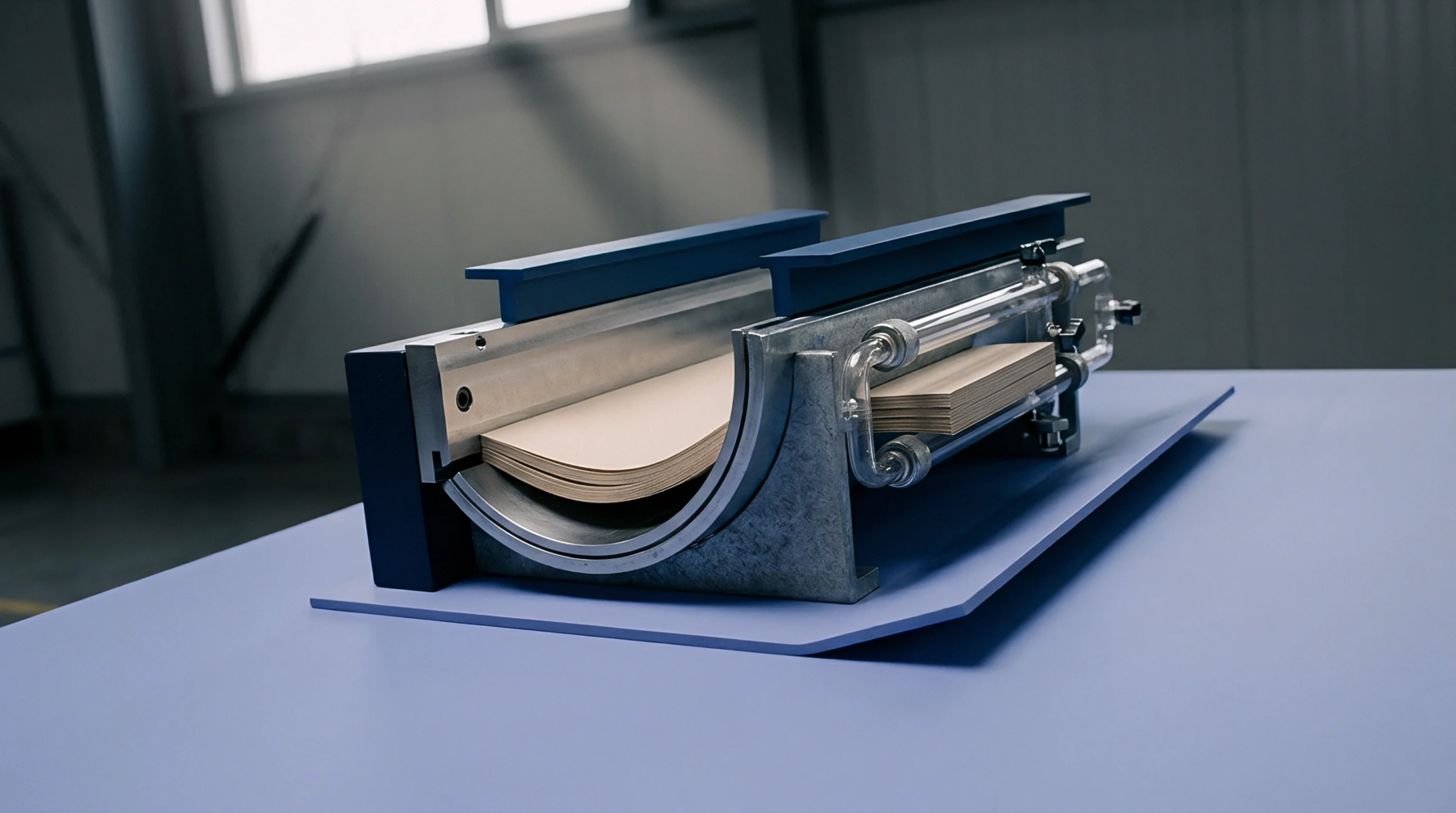
Imposition layouts that nest cartons across grain directions reduce parent sheet trim but induce bimodal stiffness variance and high-speed feeder jams.
Paperboard credit systems balance financial ledgers rather than physical fibers, requiring buyers to separate administrative certificates from batch fiber testing.
Substrate core thermal expansion limits dictate sheet dimensional stability, requiring precise thermal control to prevent misregister and bimetallic warp.
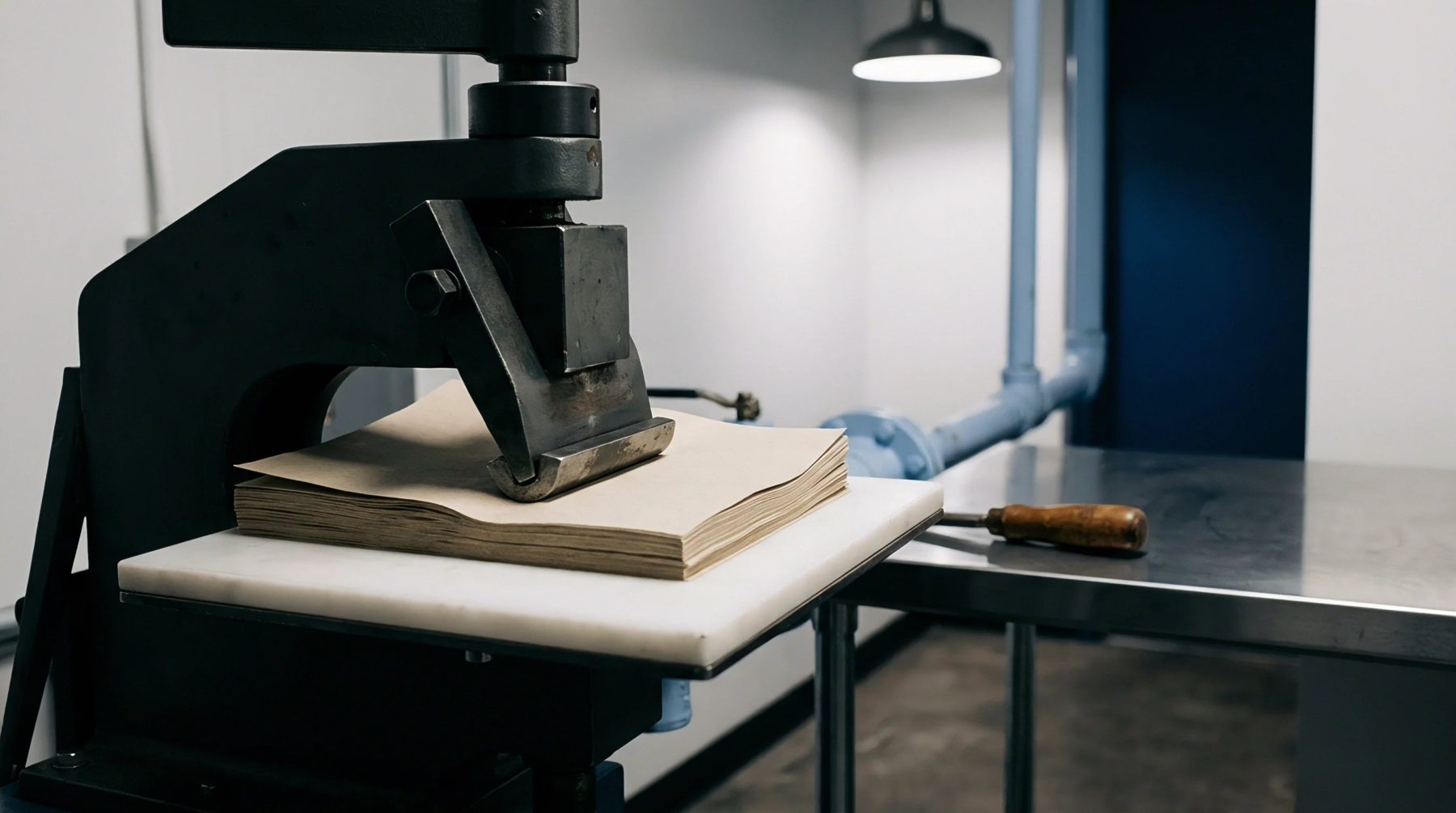
Piezoelectric stress wave monitoring detects cartonboard score cracking in real time by capturing high-frequency elastic strain transients at rotary die nips.

Select matrix channel width equal to 1.5 times board caliper plus creasing rule thickness to achieve controlled internal ply delamination without liner cracking.
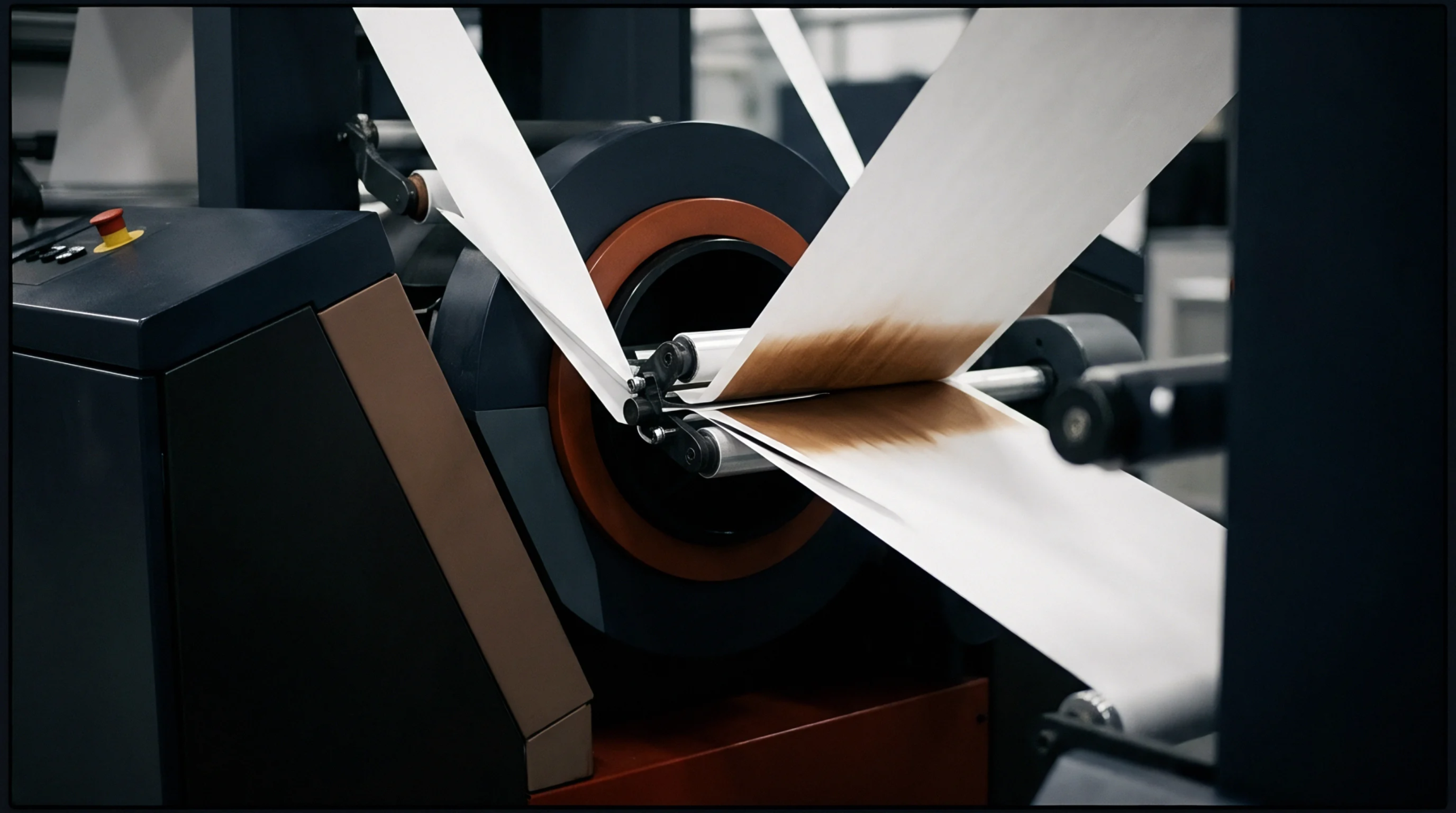
Active dual-beam telecentric triangulation eliminates web flutter noise by maintaining constant optical magnification and canceling out-of-plane displacement in real time.

Counter matrix channel width equals creasing rule thickness plus 1.5 to 1.7 times board caliper under ISO 534 conditioning to optimize delamination.
Expertise is a utility, not a secret. sentiention™ publishes its working knowledge as open reference: intelligence layer covering the materials it sources, the markets it enters, and the reference that serves both.