Fibre Architecture
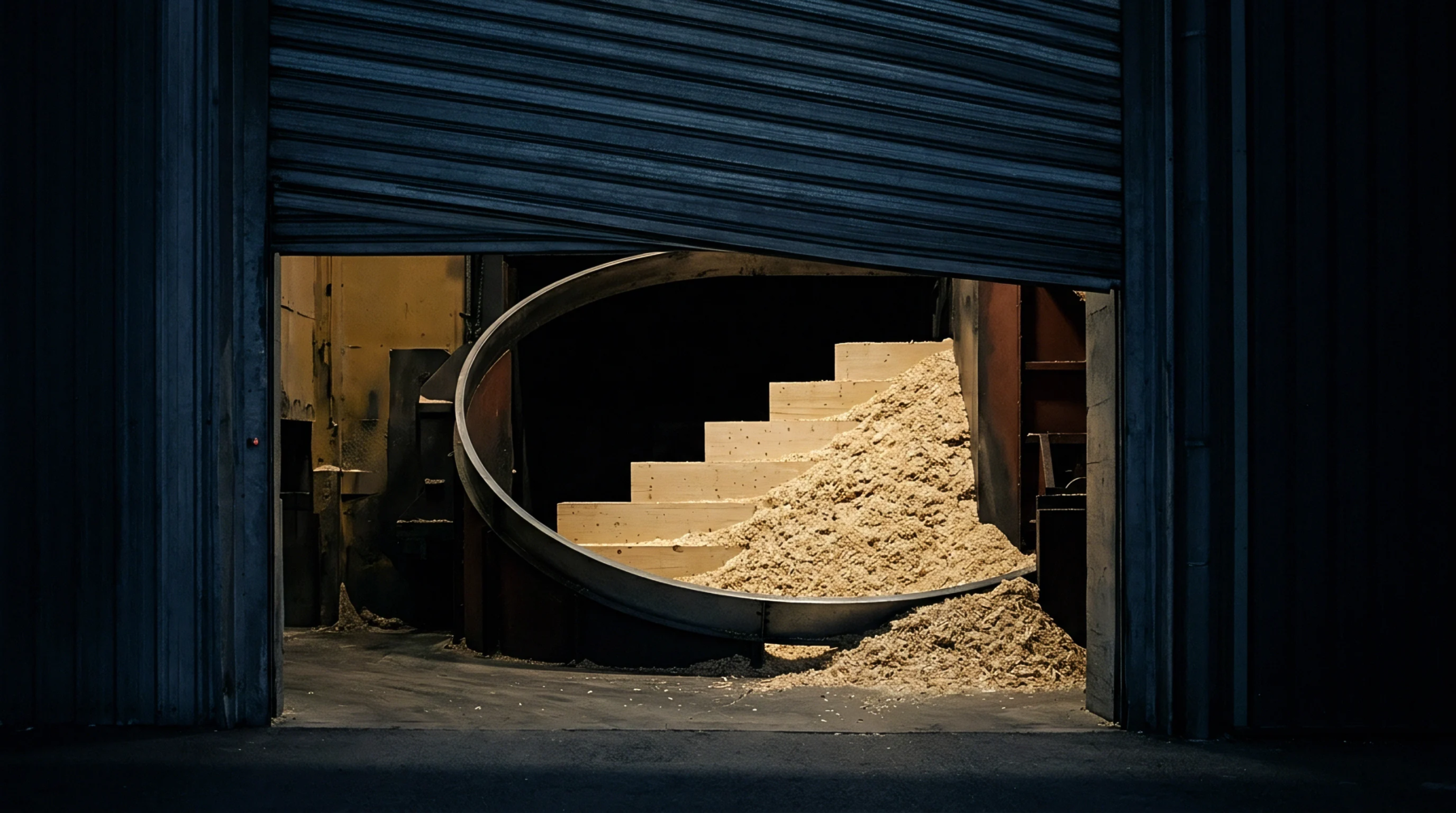
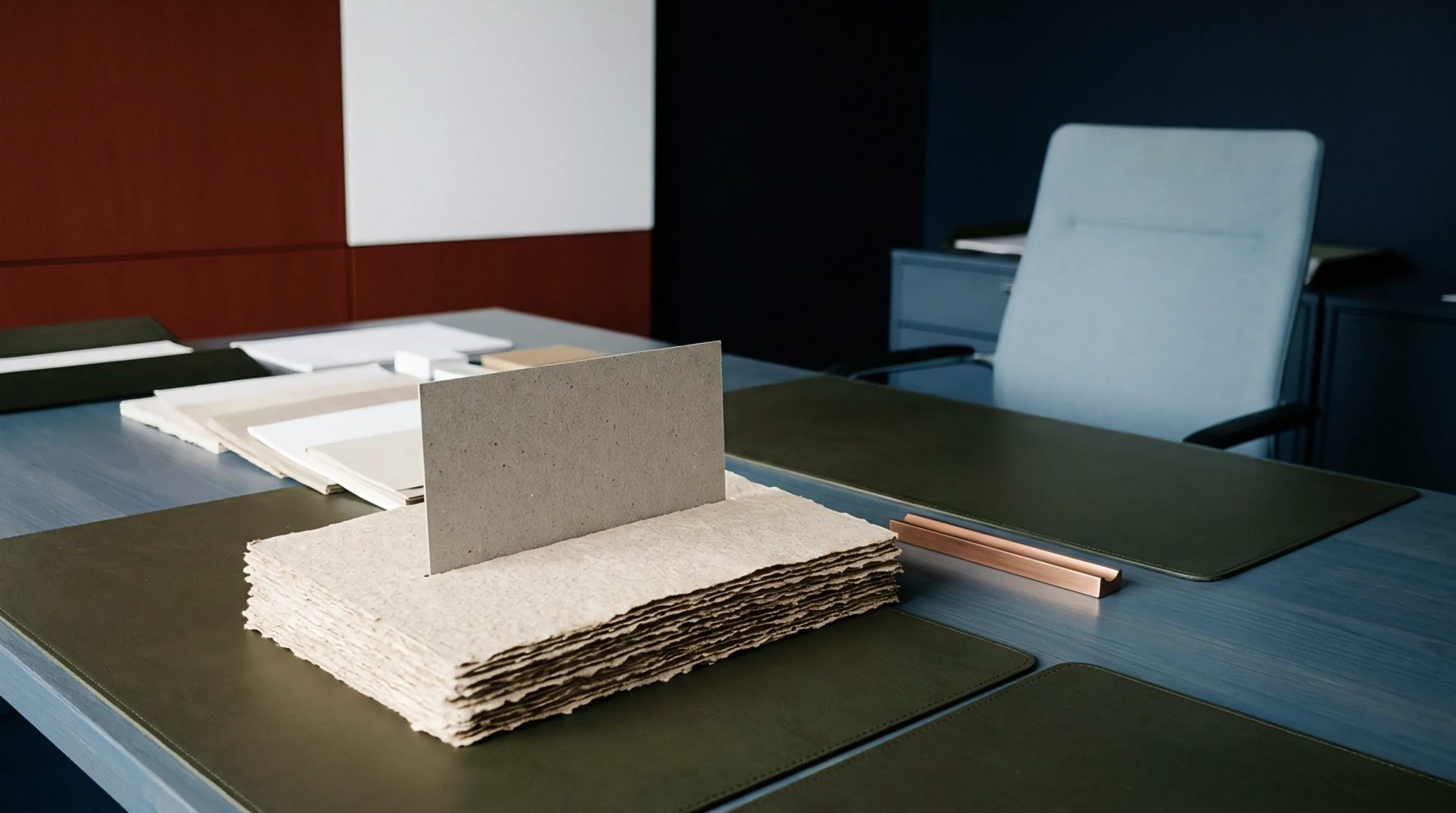
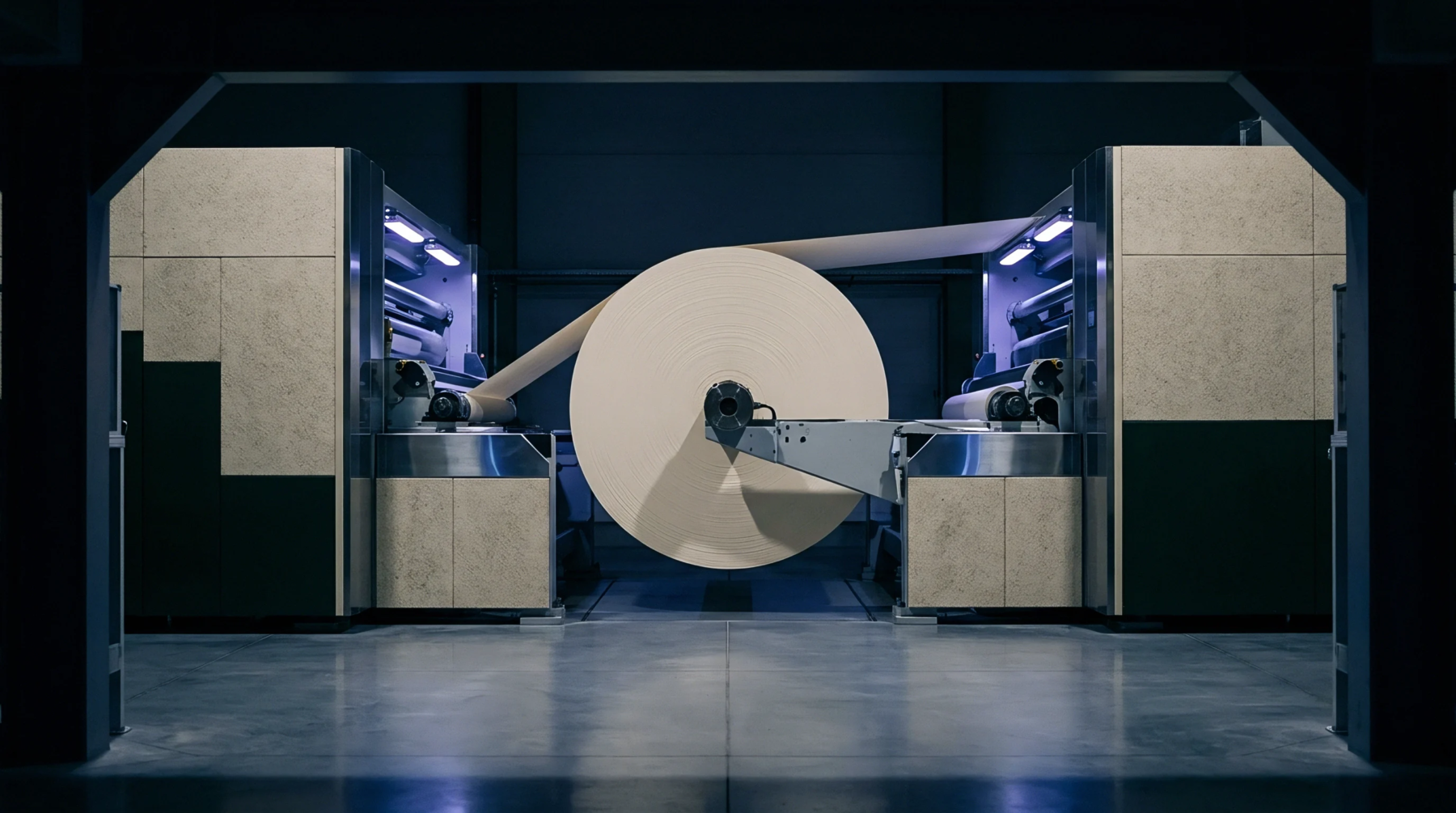
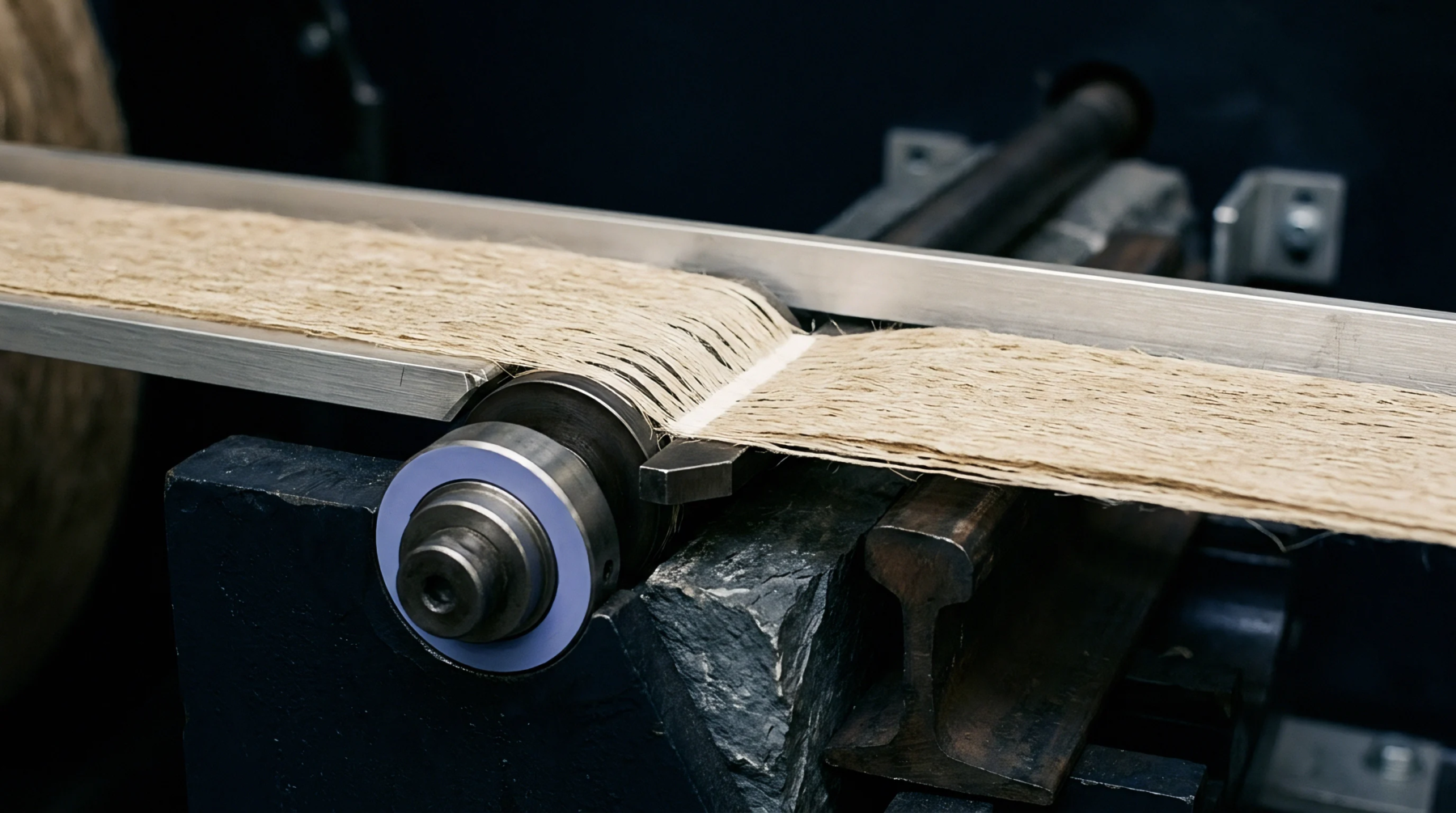
Mechanical pulping damages cellulose integrity, whereas chemical digestion removes lignin completely to produce solid bleached sulfate. Bleaching sequences using chlorine dioxide elevate brightness levels beyond standard thresholds without degrading the underlying polymer chains. Converting lines demand this specific board because internal sizing prevents moisture absorption during high speed offset printing.
Multi ply formation spreads refining loads across distinct layers, balancing stiffness ratios against surface smoothness targets.
Surface Coating
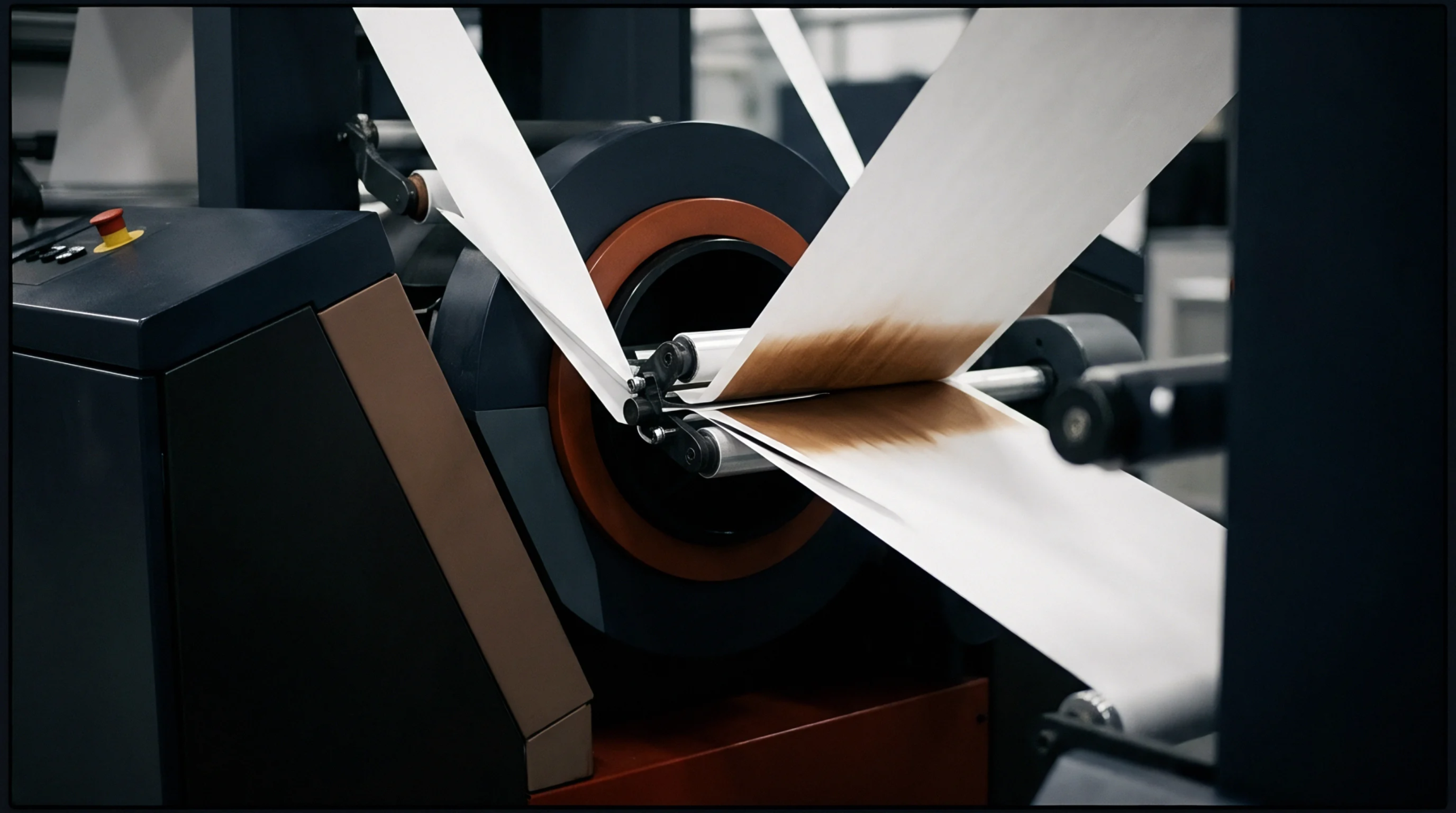
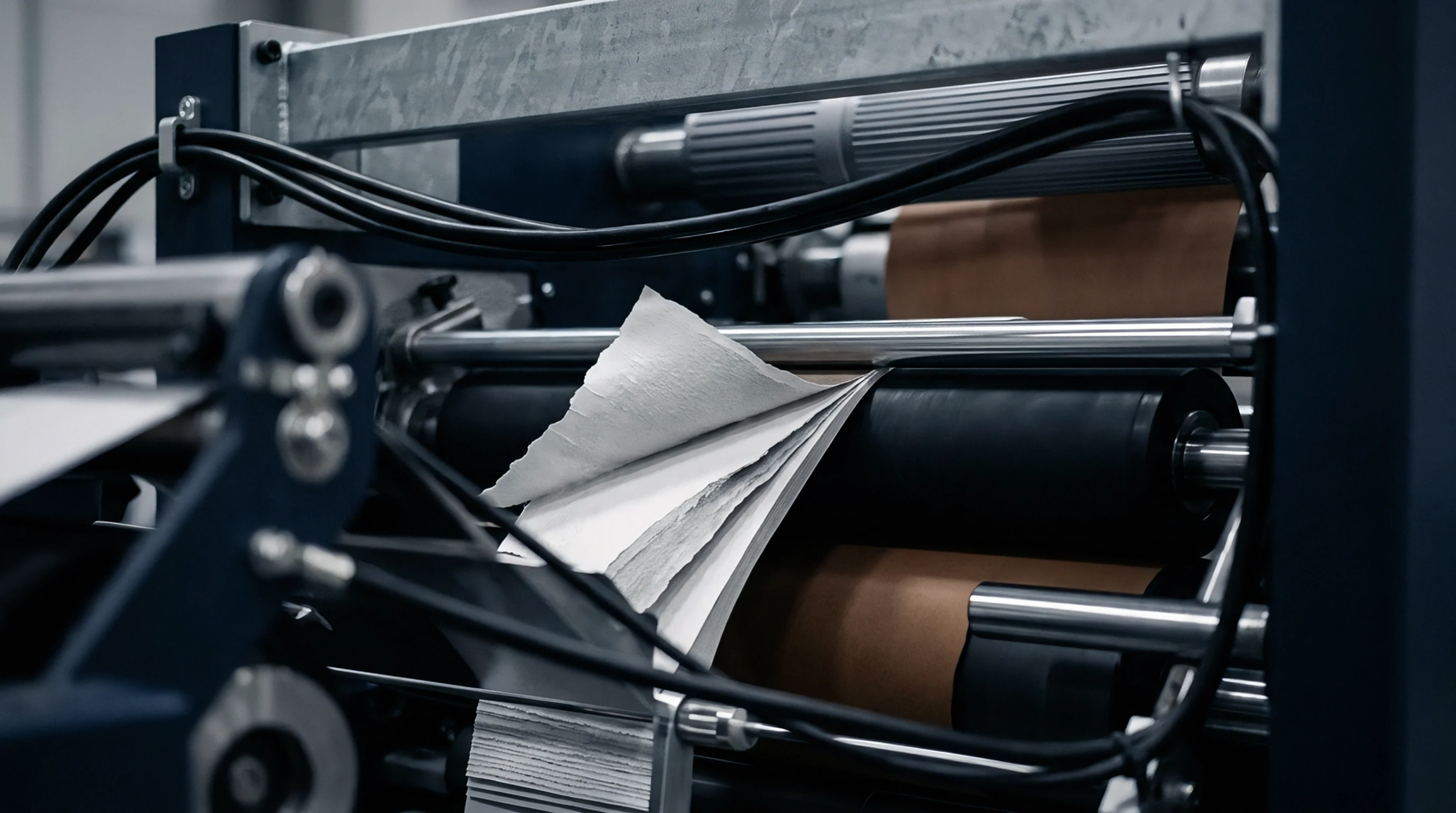
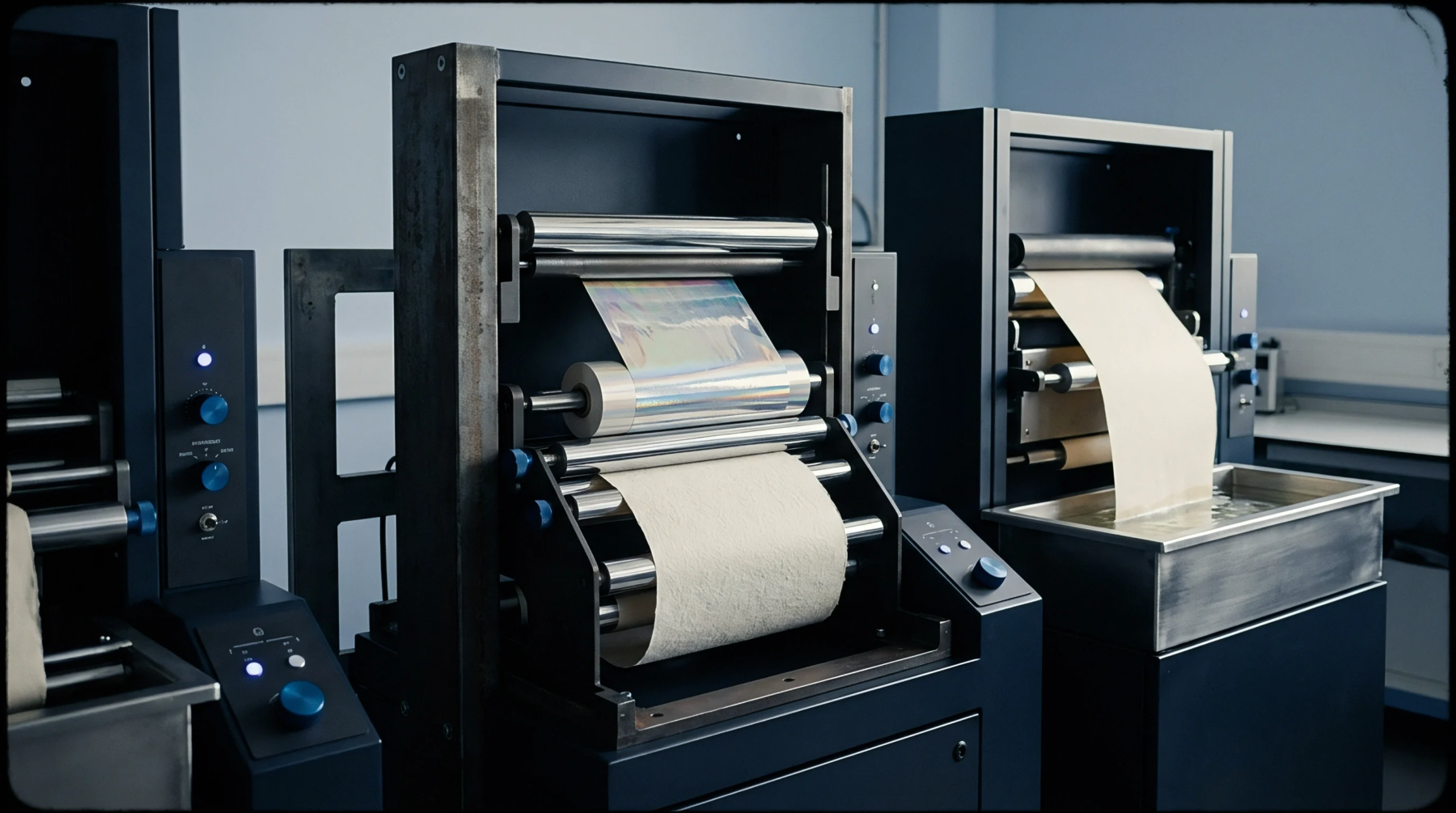
Clay application fills microscopic voids between fibres to achieve ink holdout required for luxury packaging finishes. Doctor blade angles regulate coating weight distribution across the moving web before hot air dryers set the emulsion. Extrusion polyethylene barriers bond securely to the primed substrate when packaging frozen foods or greasy confectioneries.
Printing plates transfer ultraviolet curable inks cleanly onto the treated plane without dot gain distortion.
Performance Tolerances
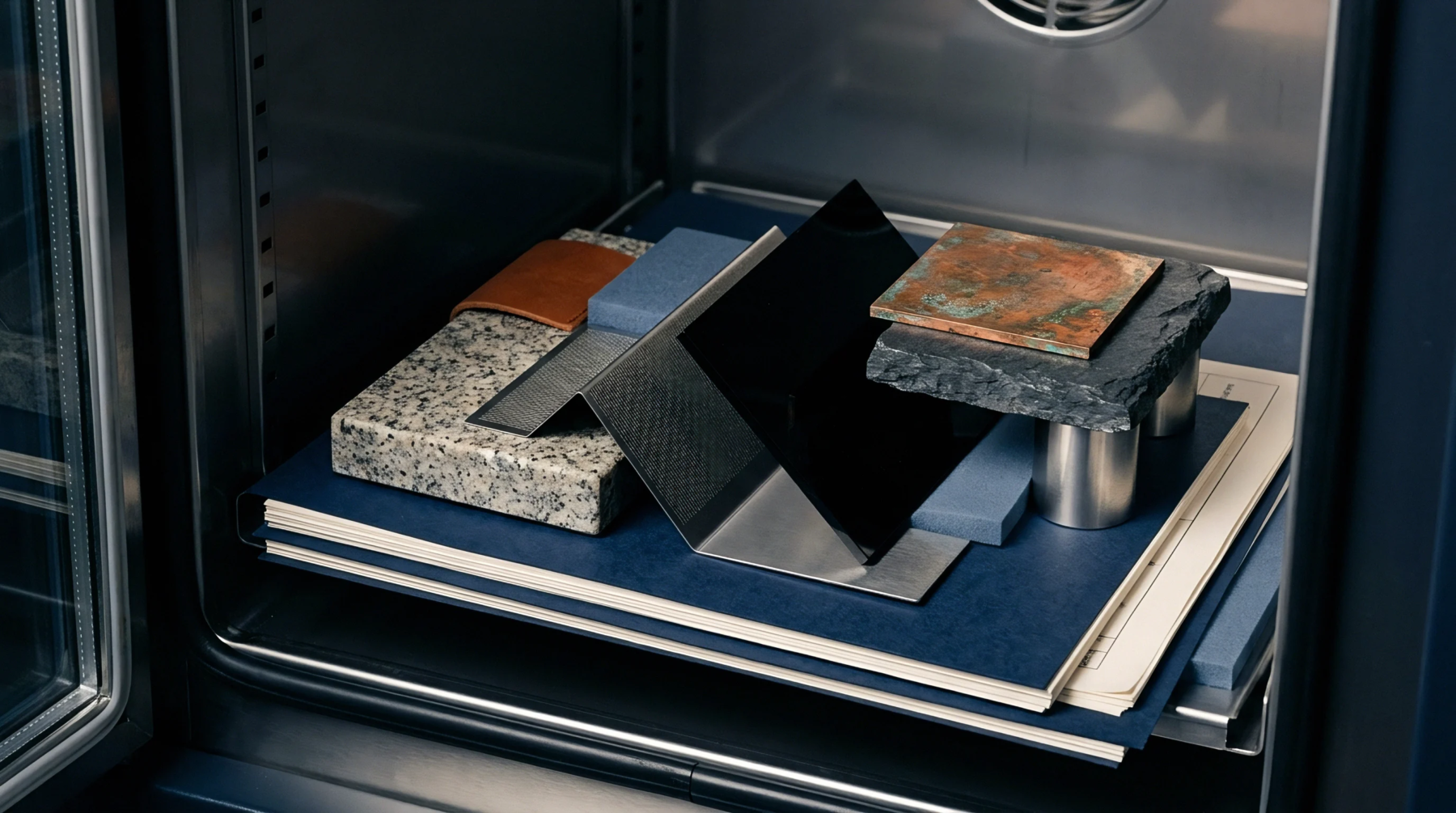
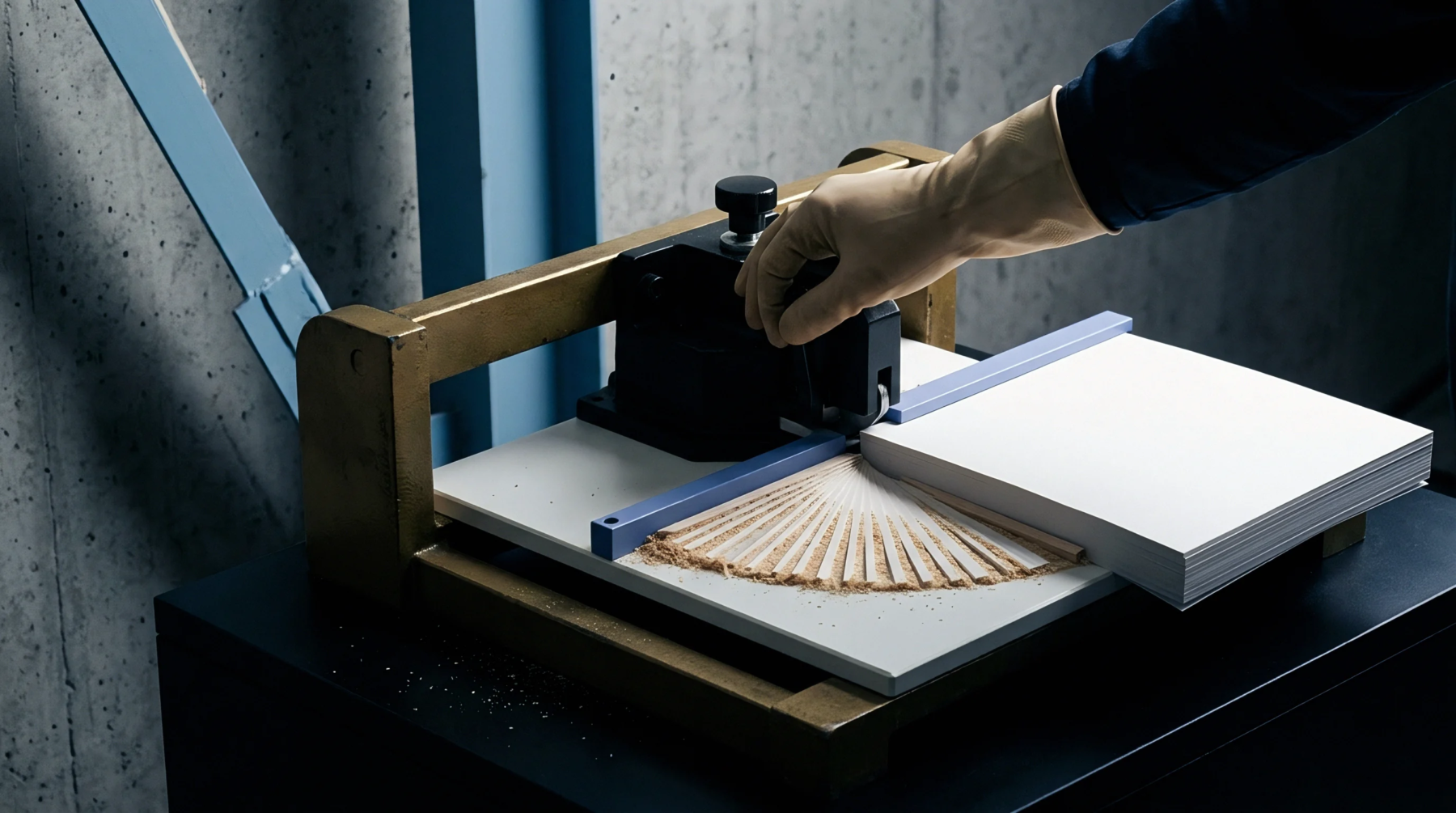
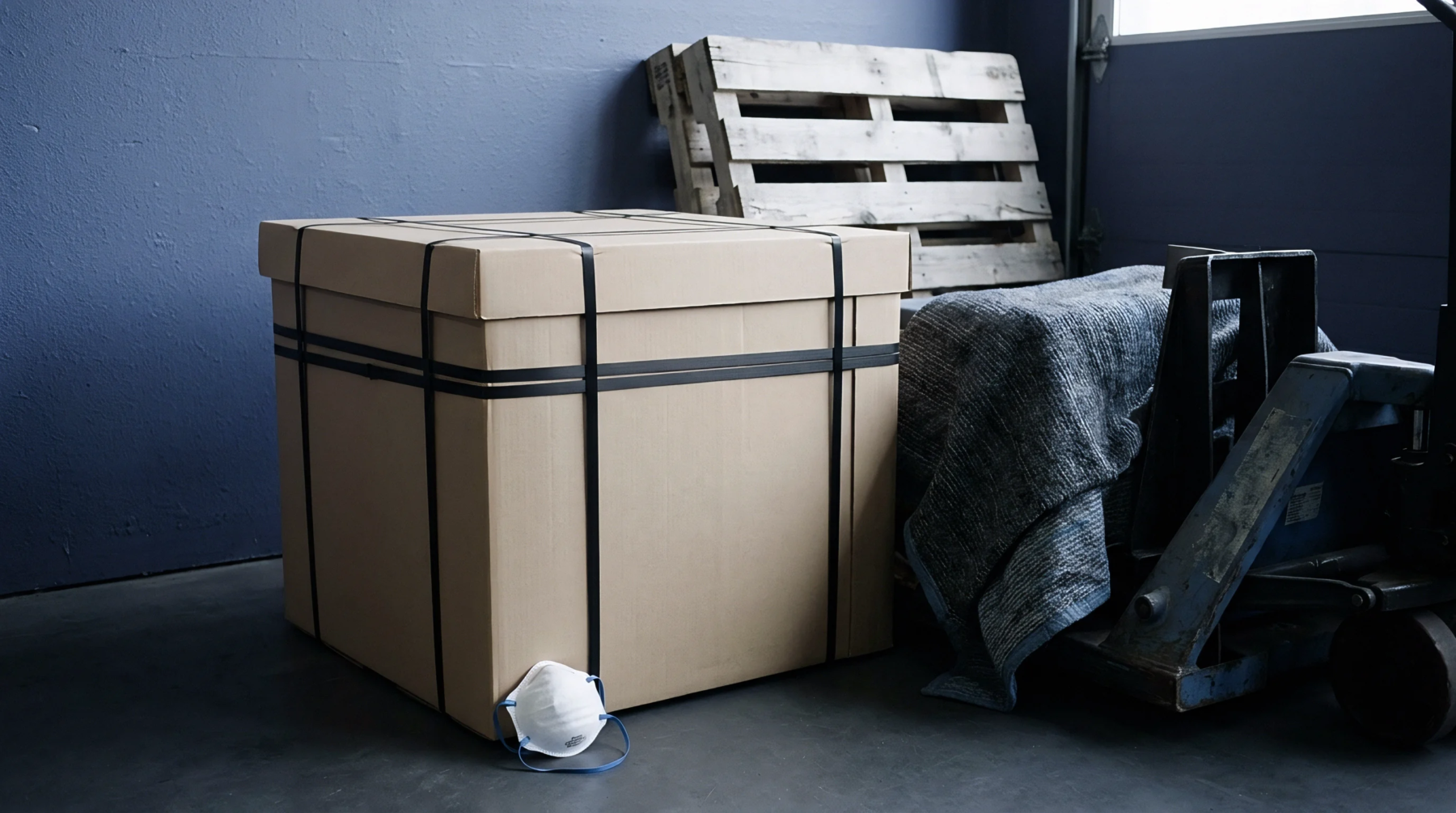
Tensile strength metrics dictate maximum stacking loads for retail cartons moving through automated fulfillment centres. Caliper measurements establish score line depths required for clean folding without cracking outer liner layers. Relative humidity shifts alter moisture content within the sheet, changing bending resistance values across seasonal storage cycles.
Structural engineers specify this grade whenever packaging failure threatens brand integrity during transcontinental freight distribution.