Verifying Forest Chain of Custody and Substrate Declarations in Imported Packaging Files
Validate foreign packaging files by checking invoice claim strings on scheme registers, testing fiber furnish by microscopy, and screening barrier extraction.
Validate foreign packaging files by checking invoice claim strings on scheme registers, testing fiber furnish by microscopy, and screening barrier extraction.

Compressive pallet pressure crushes cartonboard micro-roughness, multiplying contact area and forcing chemical migrants into reverse plies during storage.

Set-off migration prediction requires calculating pressure-dependent contact areas and temperature-driven diffusion rates across stacked cartonboard sheets.
Establishing a 70% gloss retention threshold under calibrated abrasion prevents transit scuffing while maintaining certified recyclability and low EPR fees.

Twenty-degree gloss drops three times faster than seventy-five-degree gloss under Sutherland rub cycles because micro-scratches scatter narrow specular beams.

Abrasion sheen loss in coated cartonboard is quantified by measuring sixty-degree delta gloss after standardized contact-rub cycles under ASTM D5264.
Polymer component screening identifies residual monomers, mobile additives, and degradation products in aqueous food packaging coatings before line conversion.

Thermal dwell matching polymer glass transition arrests micro embossed geometry loss, preventing stack creep from flattening diffraction peaks under pallet storage.

Micro-scale tooling forces hollow cellulosic cell walls past transverse yield, where apex radii under thirty micrometers balance wall densification against fiber shear.

Surfactant diffusion kinetics govern short-time surface tension during blade metering, preventing pinholing and ensuring carton converting adhesion.
Clay coating orientation and core pulp density govern transient thermal lag across cartonboards, dictating minimum dwell times for heat seal activation.

Dynamic web quenching demands closed-loop embedded sensor telemetry because internal fluid setpoints fail to reflect actual die interface micro-dwell heat.
Dynamic vapor sorption parameterization identifies the water activity threshold where microfibril coatings swell, plasticize, and forfeit barrier performance.
Standard testing requires disintegrating 4% stock at 40°C, separating films via 0.15mm slotted screens, and confirming >80% yield with macro-stickies below thresholds.
Polymer film lamination triggers severe EPR fee penalties across Europe; switching to certified repulpable dispersion barriers restores base fiber tariffs.
Single-sided lamination curl stems from thermal shrinkage and one-way moisture gradients, causing severe converting scrap that requires mechanical breaker controls.

Controlling extensional relaxation times in flexographic inks prevents cell emptying failure, eliminates high-speed misting, and maximizes substrate runnability.
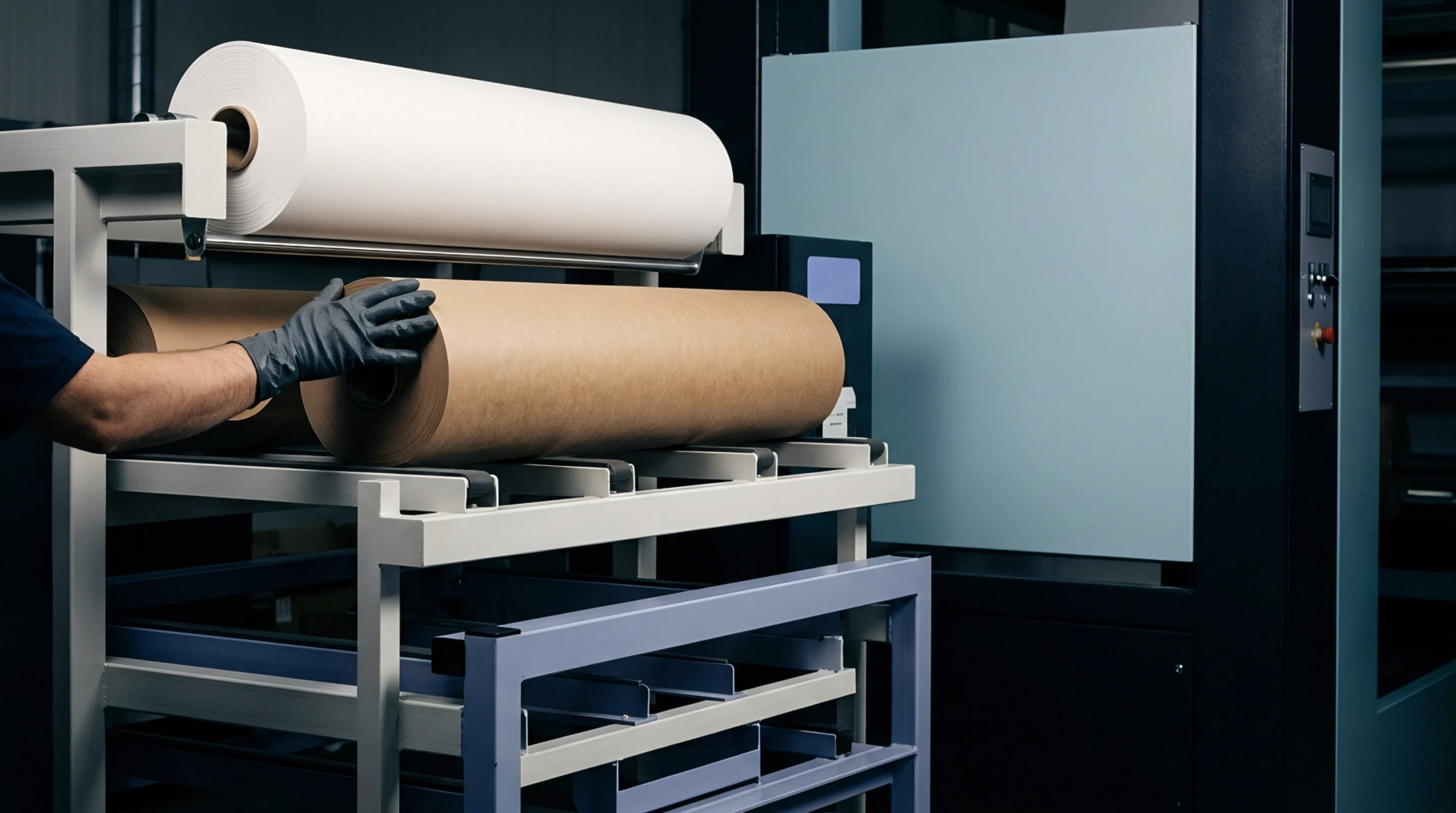
Anilox cell volume evaluation demands balancing interferometric 3D optics for wall geometry against liquid displacement tests for true operational ink release.
Dynamic moisture cycles accelerate double coated board stack creep through sorption asymmetry, requiring safety factors above 3.0 to avoid collapse.
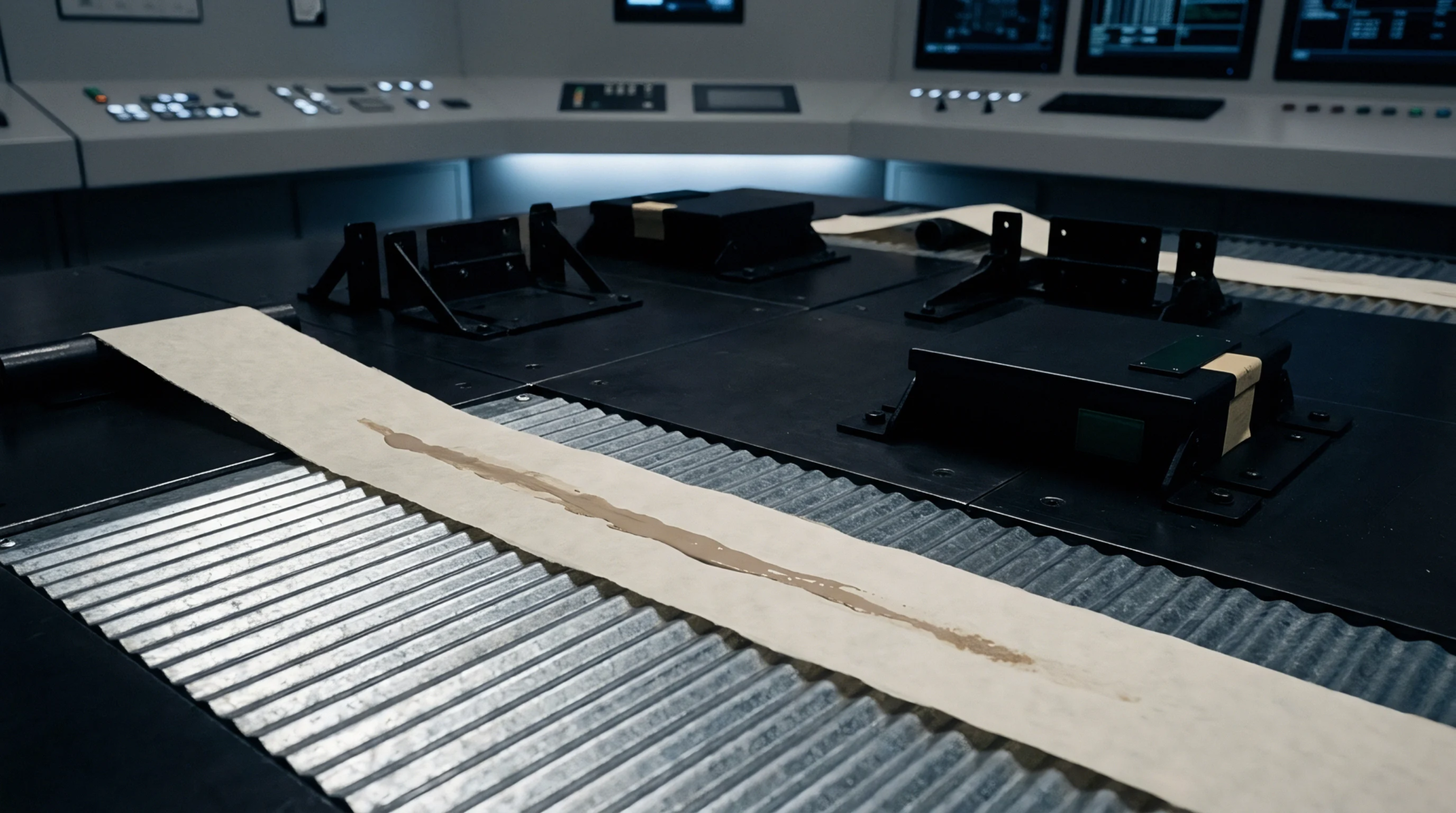
Reverse side water application restores moisture balance and eliminates curl by re-wetting dry wire-side fibers before converting stresses lock the sheet.
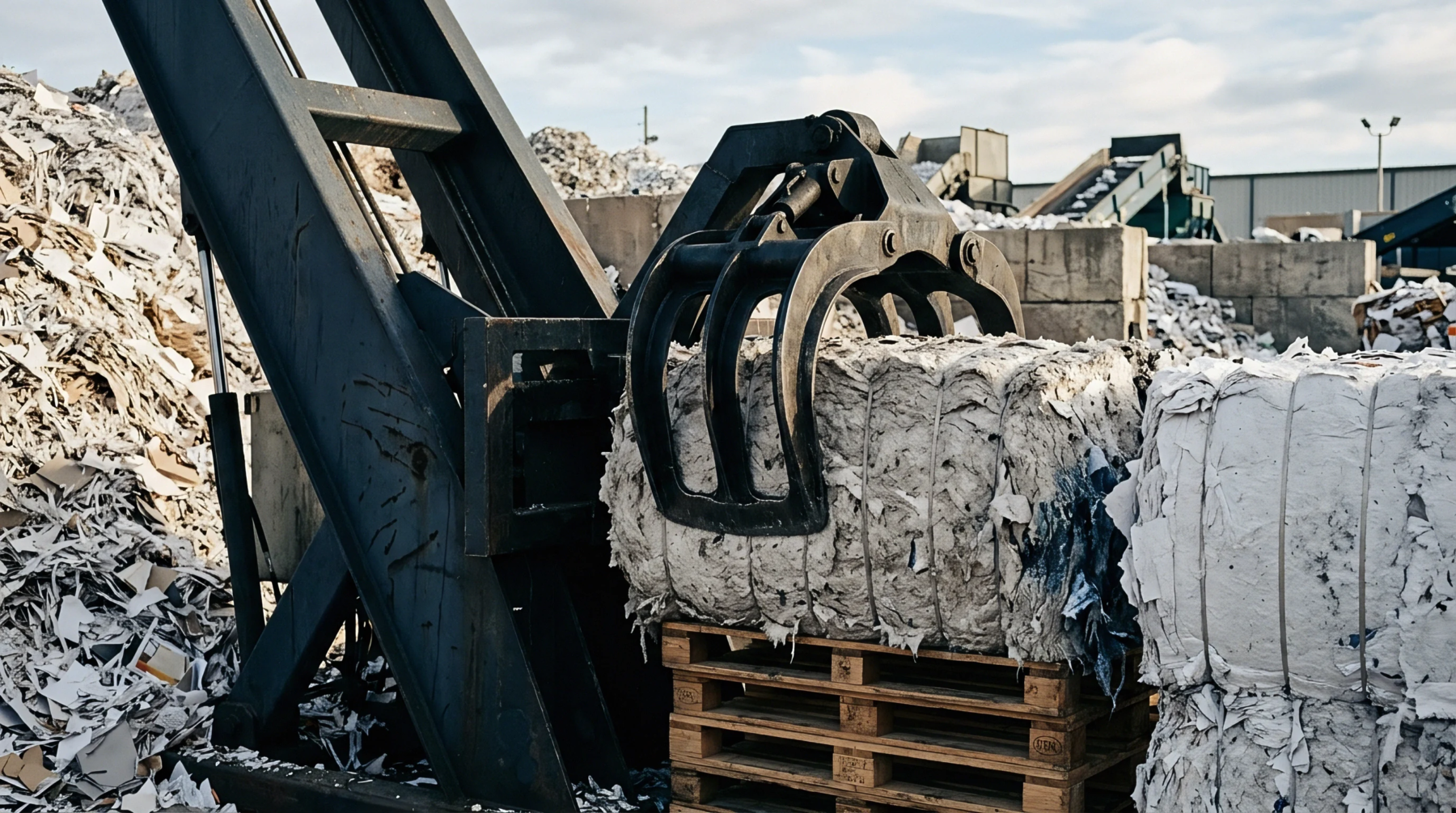
Operationalizing physical segregation across multi-site mills demands absolute logyard boundaries, automated stock chest isolation, and verified line flushes.

Bio-based barrier coatings undergo rapid free volume collapse post-converting, doubling storage modulus within seven days and causing severe crease cracking.

Water-coated SBS board requires wider female creasing channels to offset aqueous polymer springback and prevent high-speed folder-gluer carton failures.
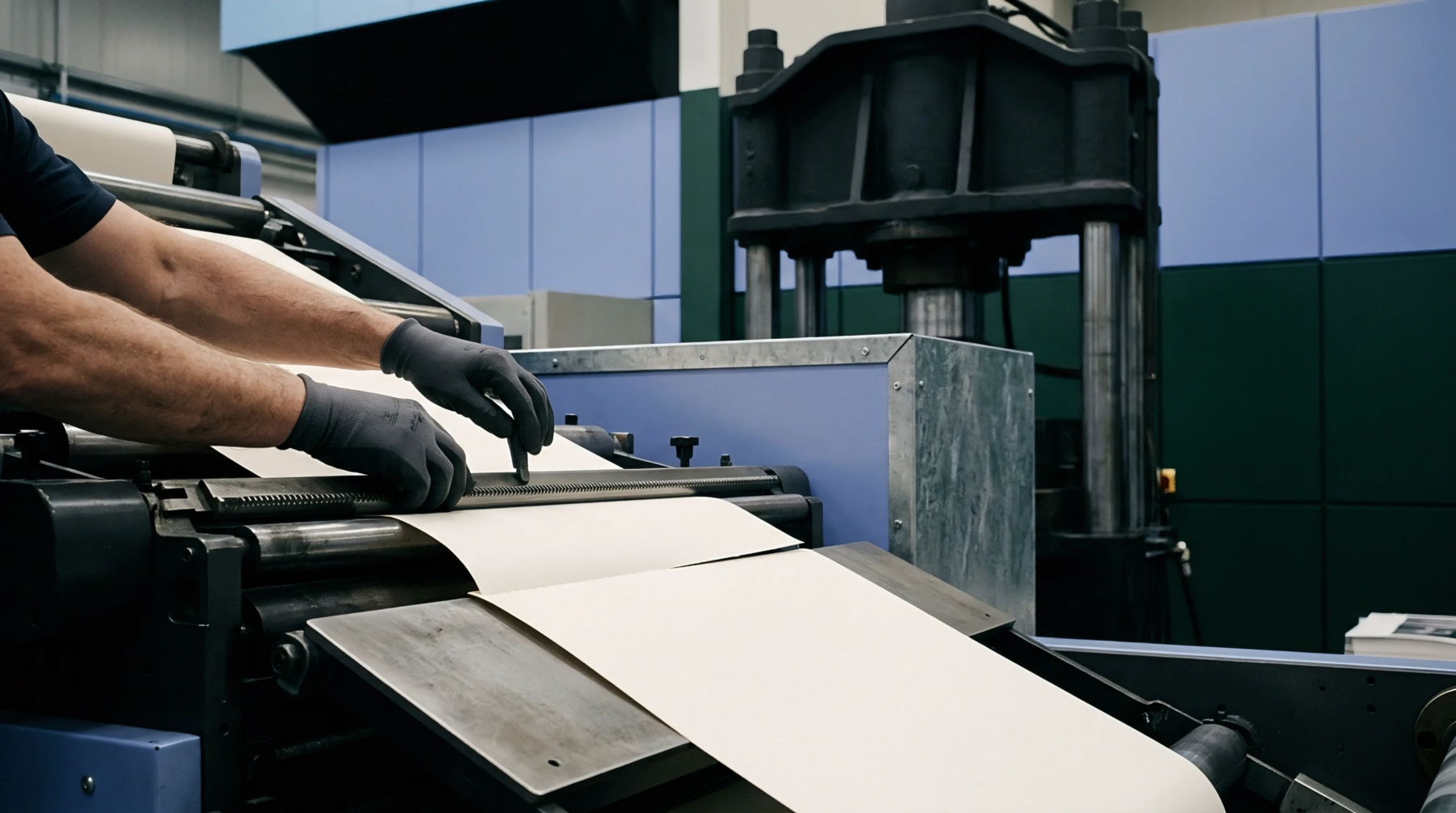
Nesting carton blanks across web deckles saves converting trim but rotates crease lines against machine grain, escalating carton erection failures at speed.
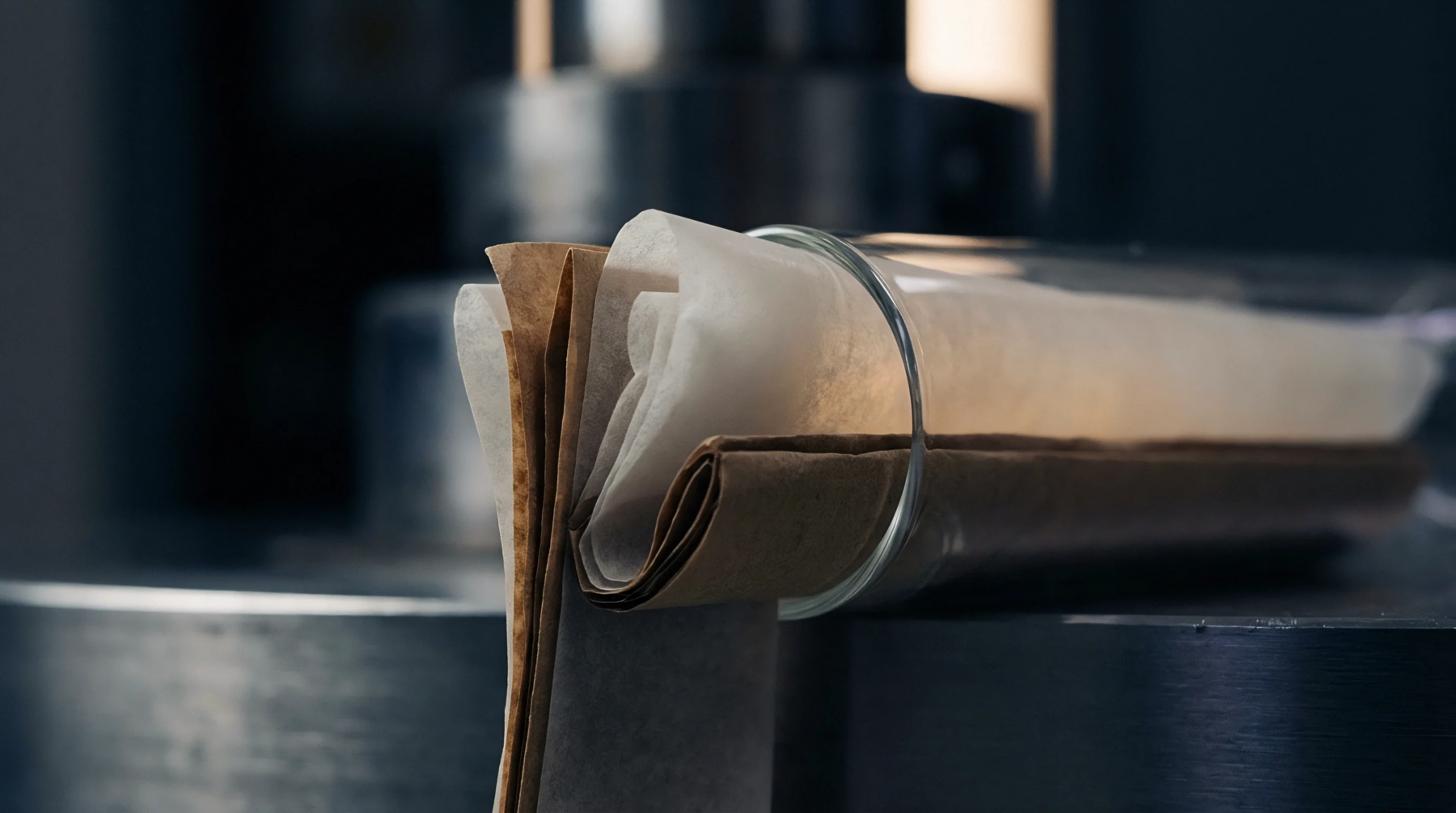
Validate chain of custody certificate codes and product group scopes on public scheme registers before approving invoices carrying on-pack sustainability marks.
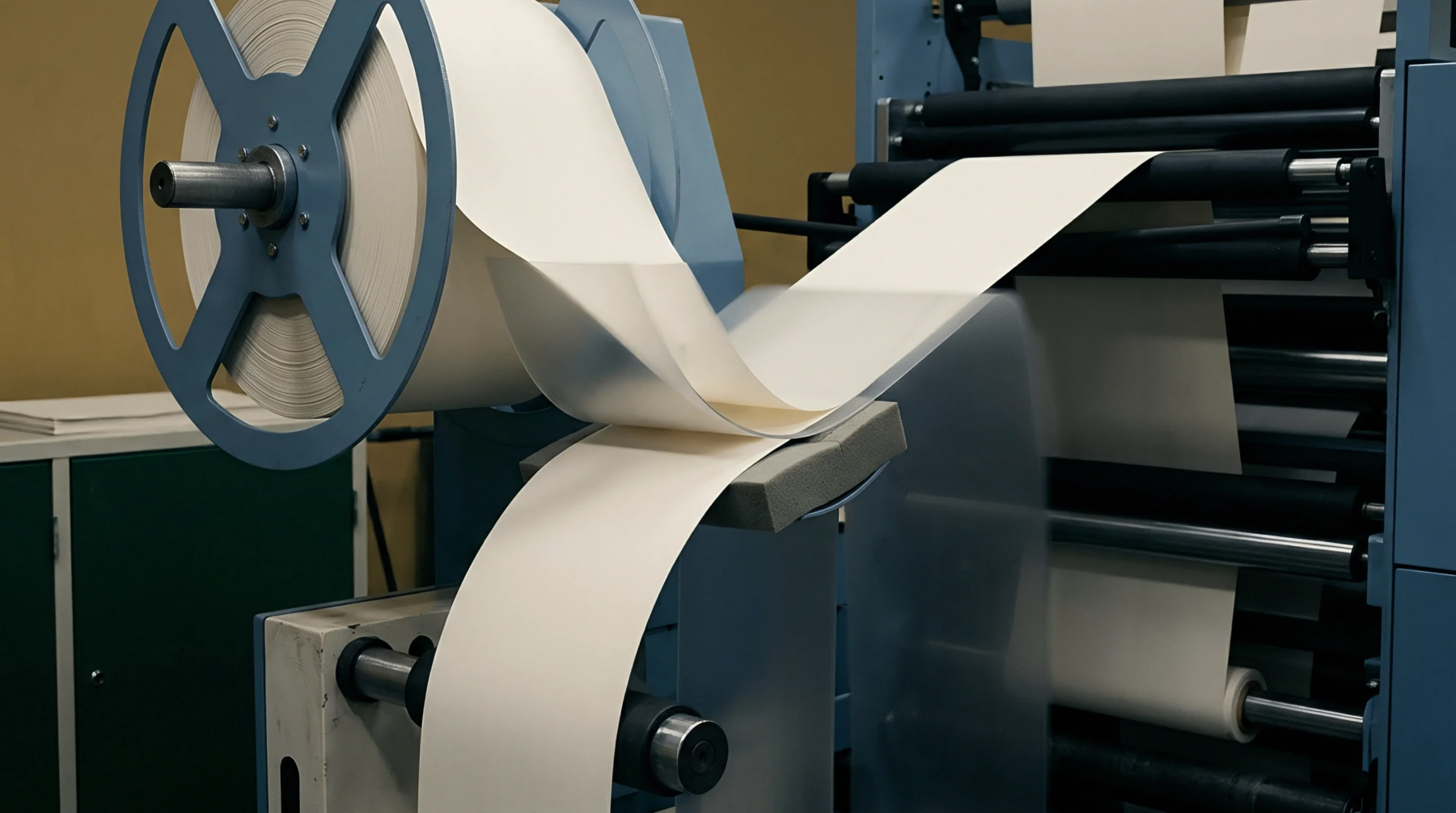
Dynamic folder-gluer speeds collapse polypropylene failure elongation from 150% to under 12%, demanding calibrated crease geometry to prevent split scores.
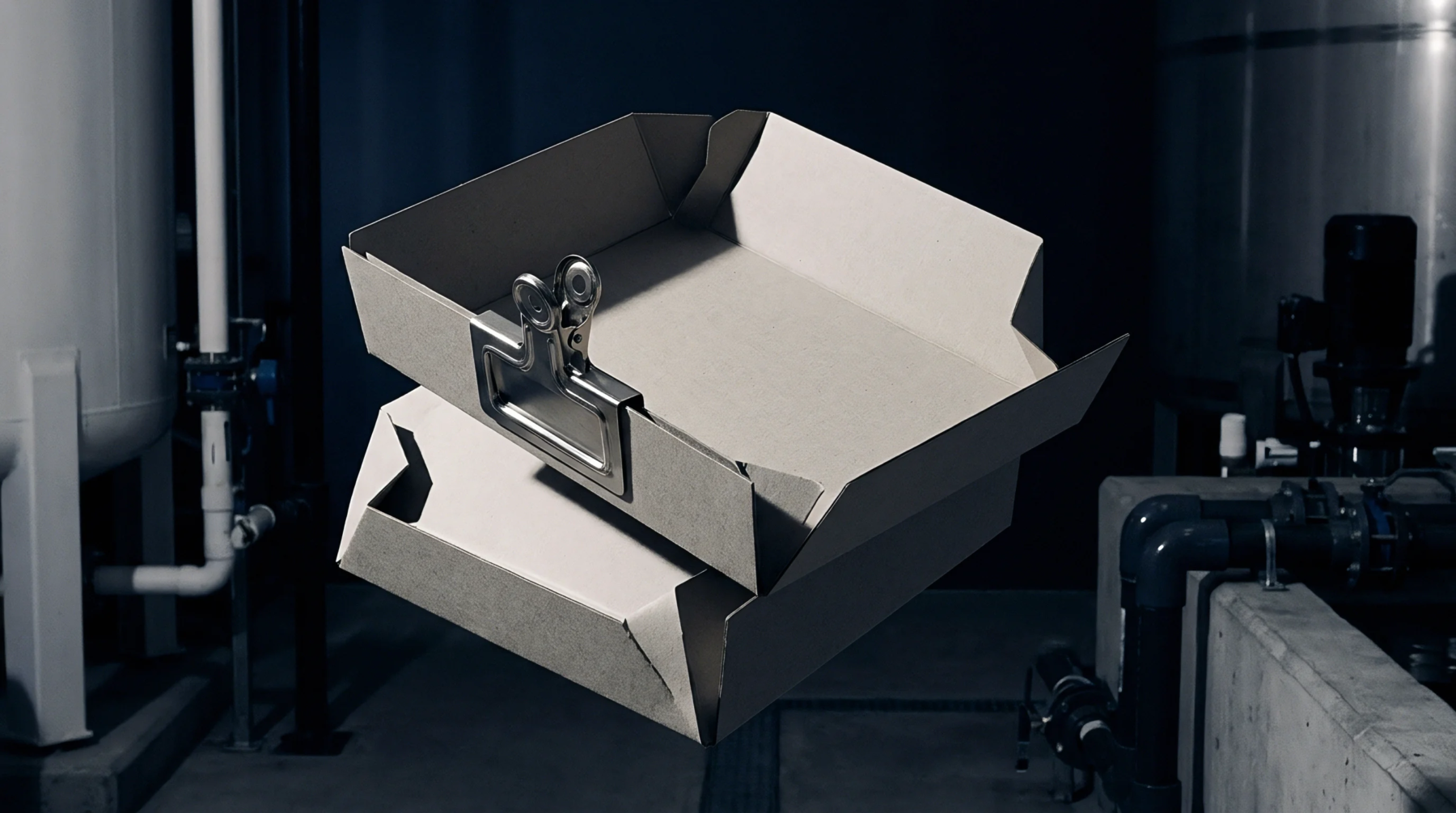
Selecting paperboard caliper and bulk requires balancing furnish density against flexural rigidity to maximize blank yield and carton compression strength.
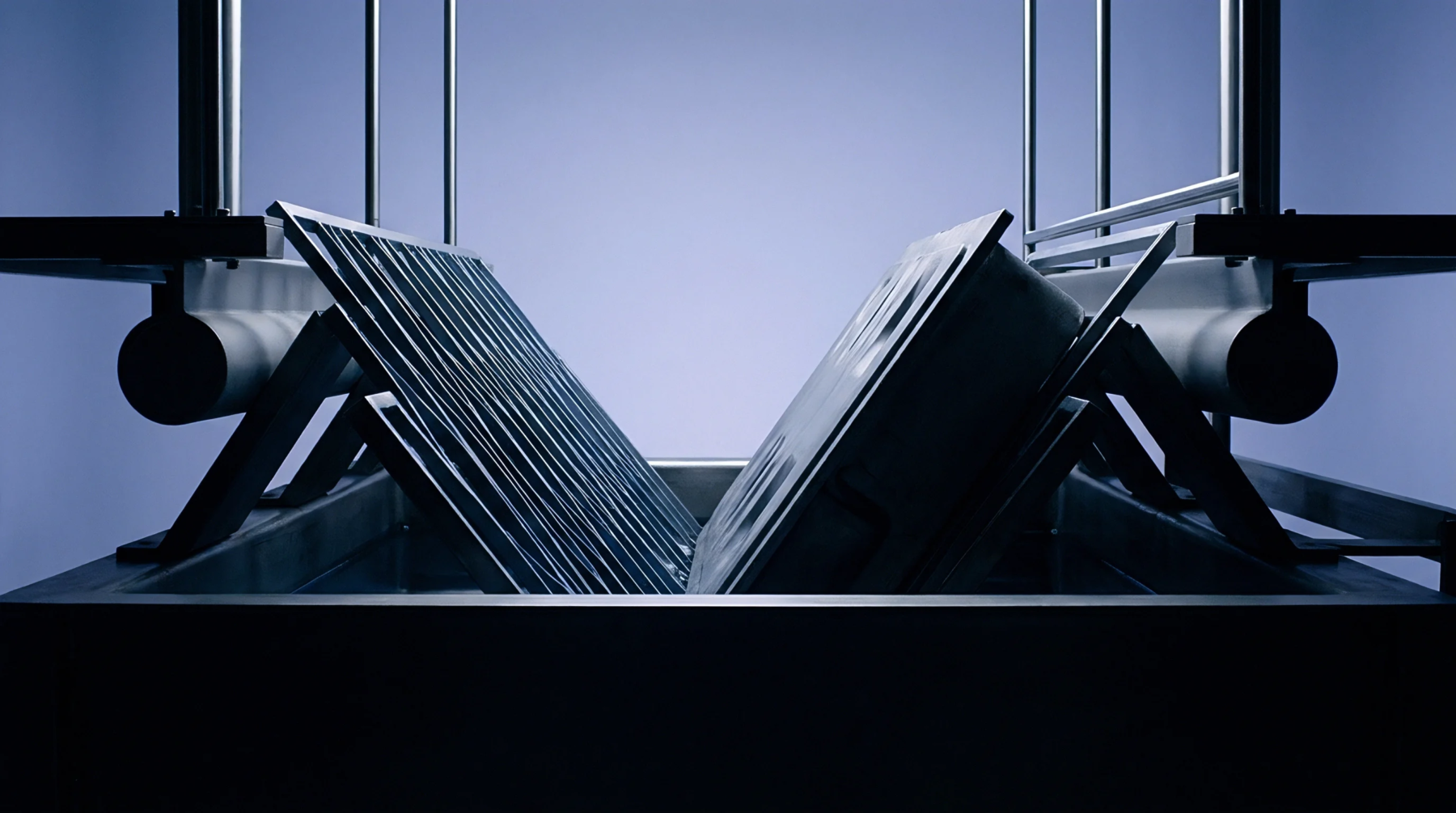
Paperboard moisture equilibrium dictates converting stability: matching substrate sorption hysteresis to hall humidity prevents carton cracking and register loss.

BCTMP cores lower basis weight for target stiffness, but elevated humidity plasticizes lignin, accelerating score memory loss and risking carton wall bulge.
Maintain crease depth ratios between 0.55 and 0.65 to induce internal ply shear, reducing panel springback torque for clean high-speed package ejection.
Expertise is a utility, not a secret. sentiention™ publishes its working knowledge as open reference: intelligence layer covering the materials it sources, the markets it enters, and the reference that serves both.