
Polypropylene Surface Lamination Crease Failure Mechanics in Folding Carton Converting
Polypropylene lamination crease failure is prevented by expanding female matrix channel width to one point seven times board caliper plus rule thickness.
Polypropylene lamination crease failure is prevented by expanding female matrix channel width to one point seven times board caliper plus rule thickness.
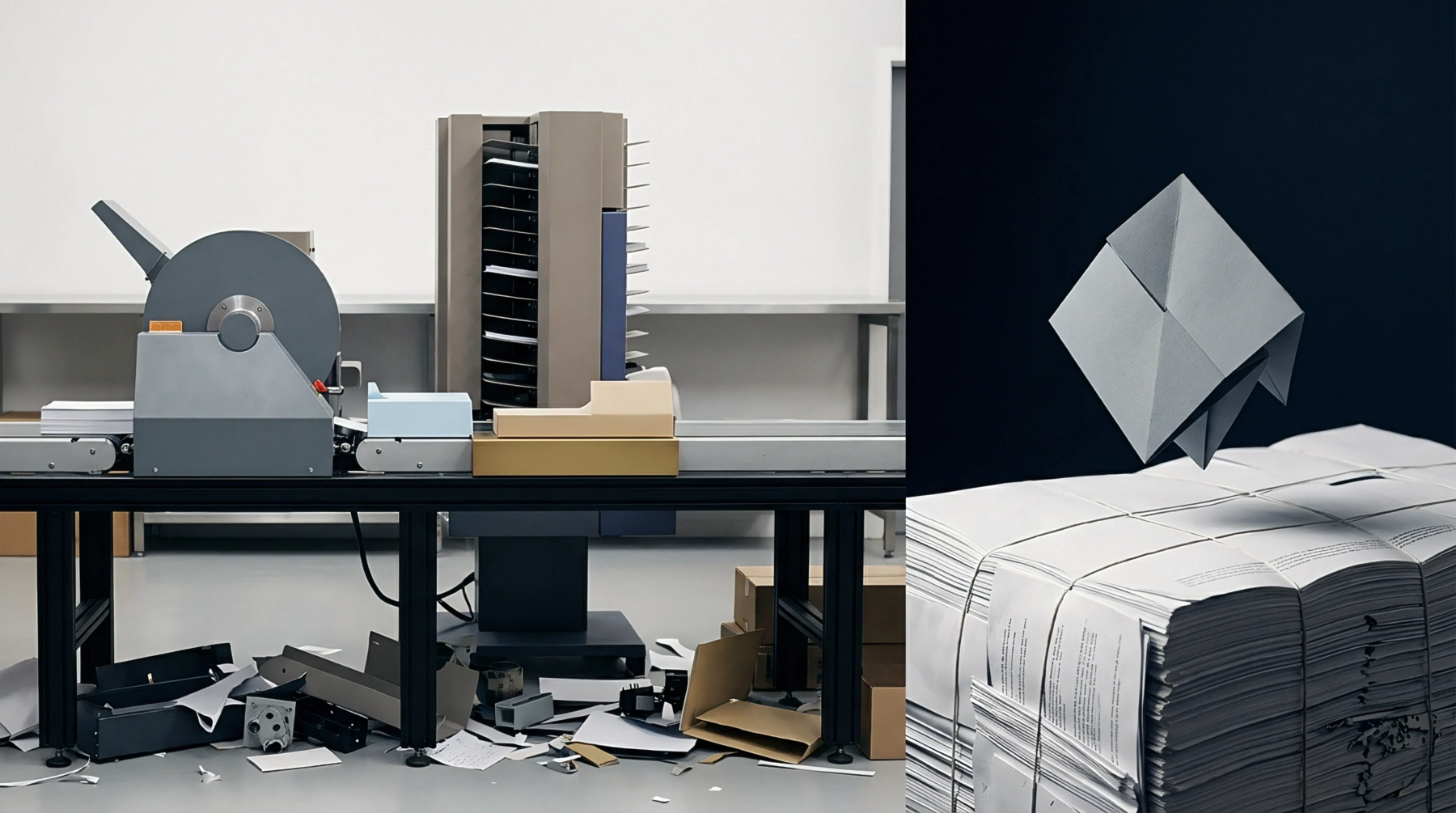
Substrate core thermal expansion limits dictate sheet dimensional stability, requiring precise thermal control to prevent misregister and bimetallic warp.
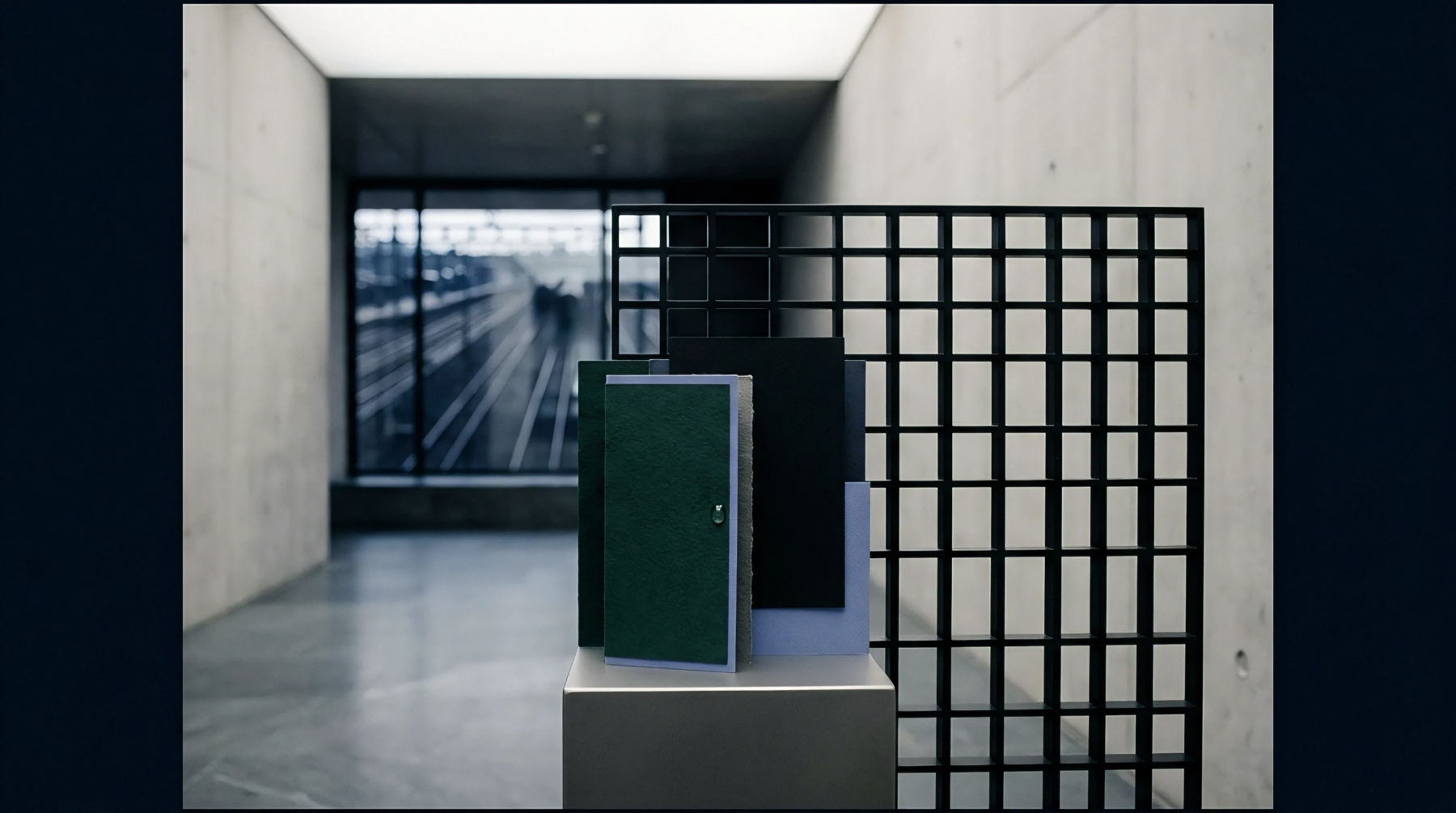
Matte laminated boxboard demands channel width expansion of twelve to eighteen percent over raw stock formulas to absorb film strain and prevent score rupture.
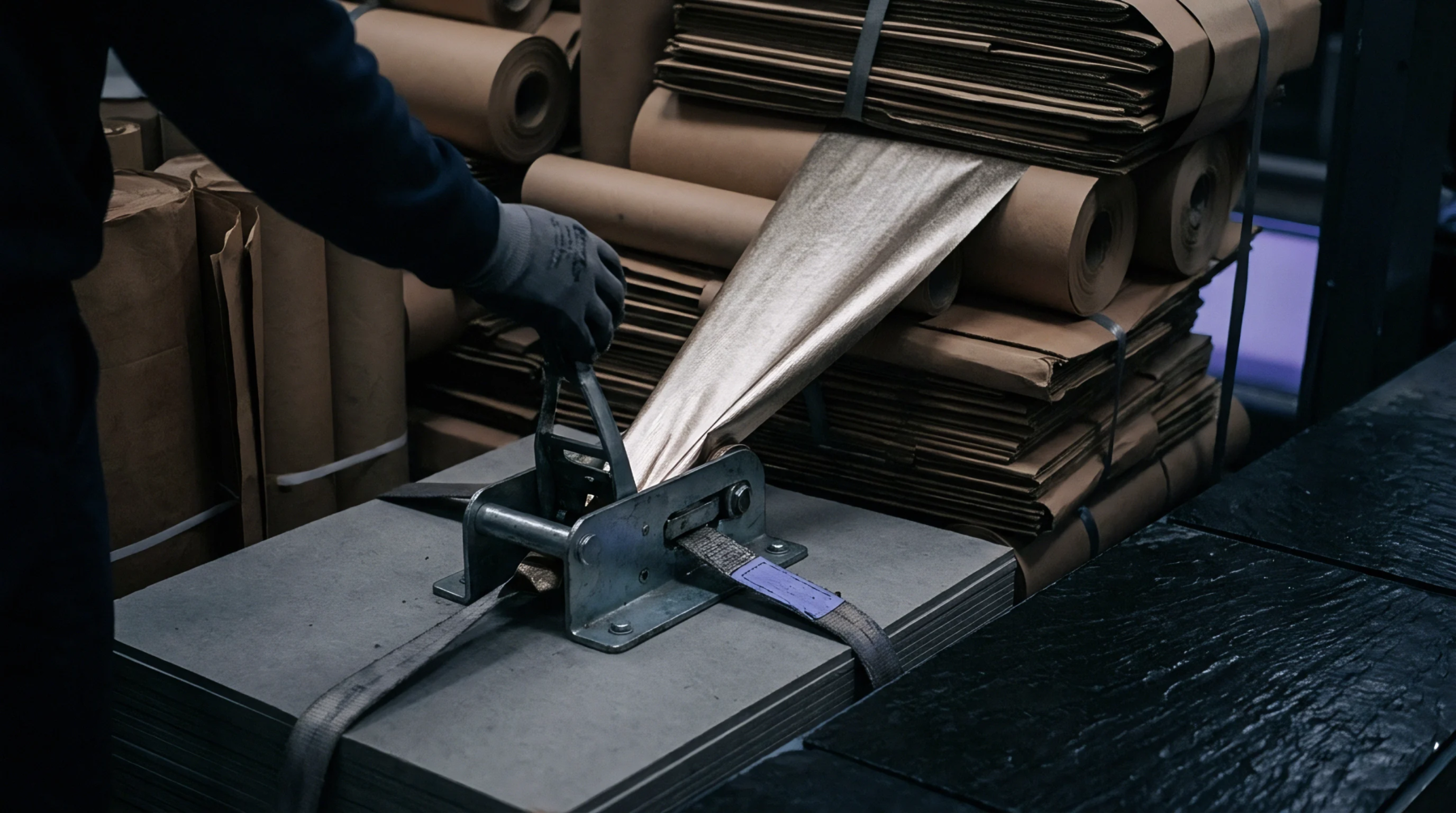
Dynamic tension on folder-gluers strains polypropylene film across score radii, where excessive speed triggers stress whitening and adhesive shear failure.
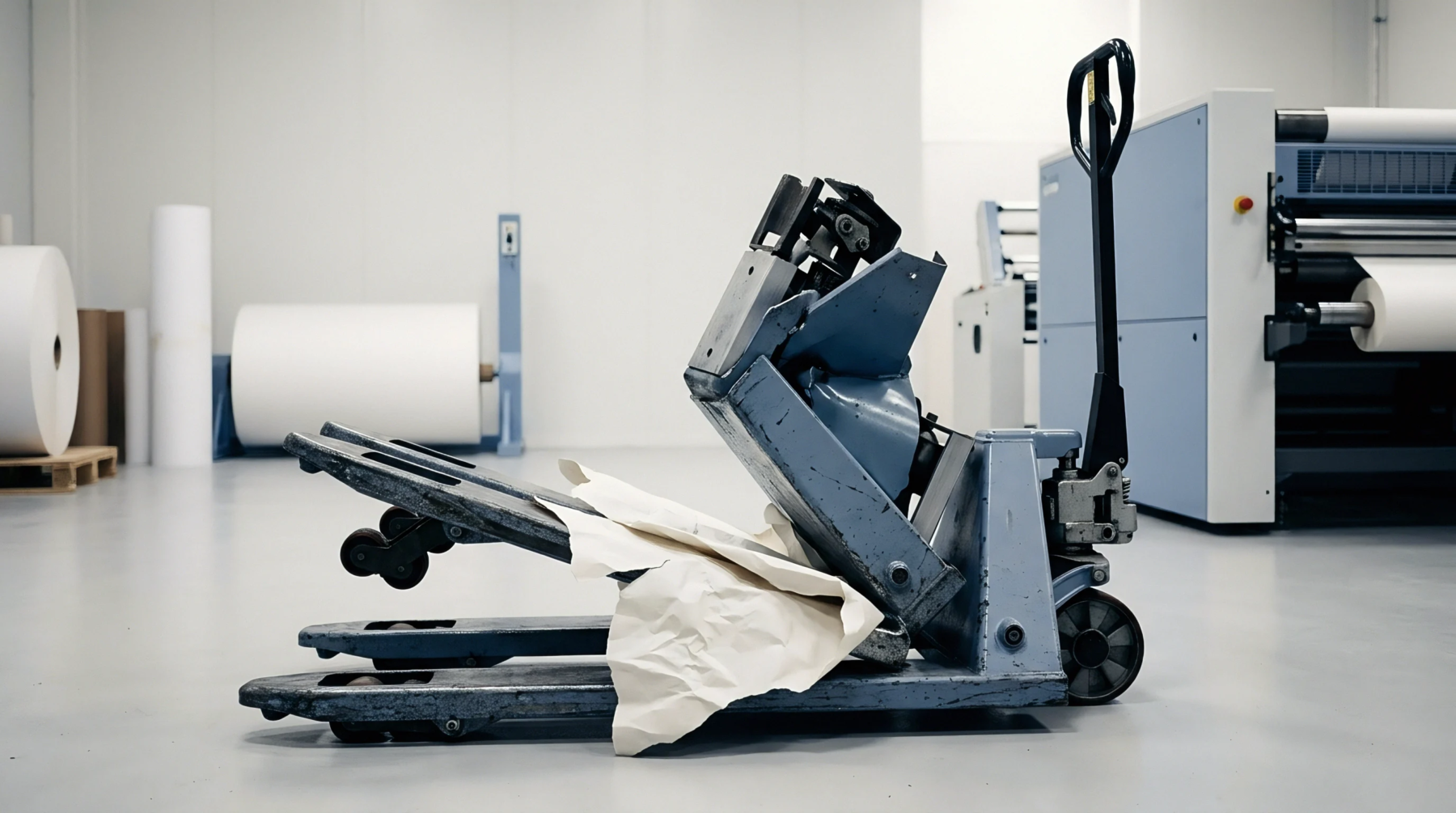
Matte polyolefin converting speed limits depend on dynamic surface shear thresholds that prevent particle detachment and skin delamination under roll pressure.

Foil adhesion succeeds when polymer film surface energy exceeds forty-two dynes per centimeter and sizing chemistry matches the polar surface component.

Single-sided lamination curl stems from differential thermal shrinkage of polymer film opposing moisture-driven hygroexpansion across anisotropic board fibers.
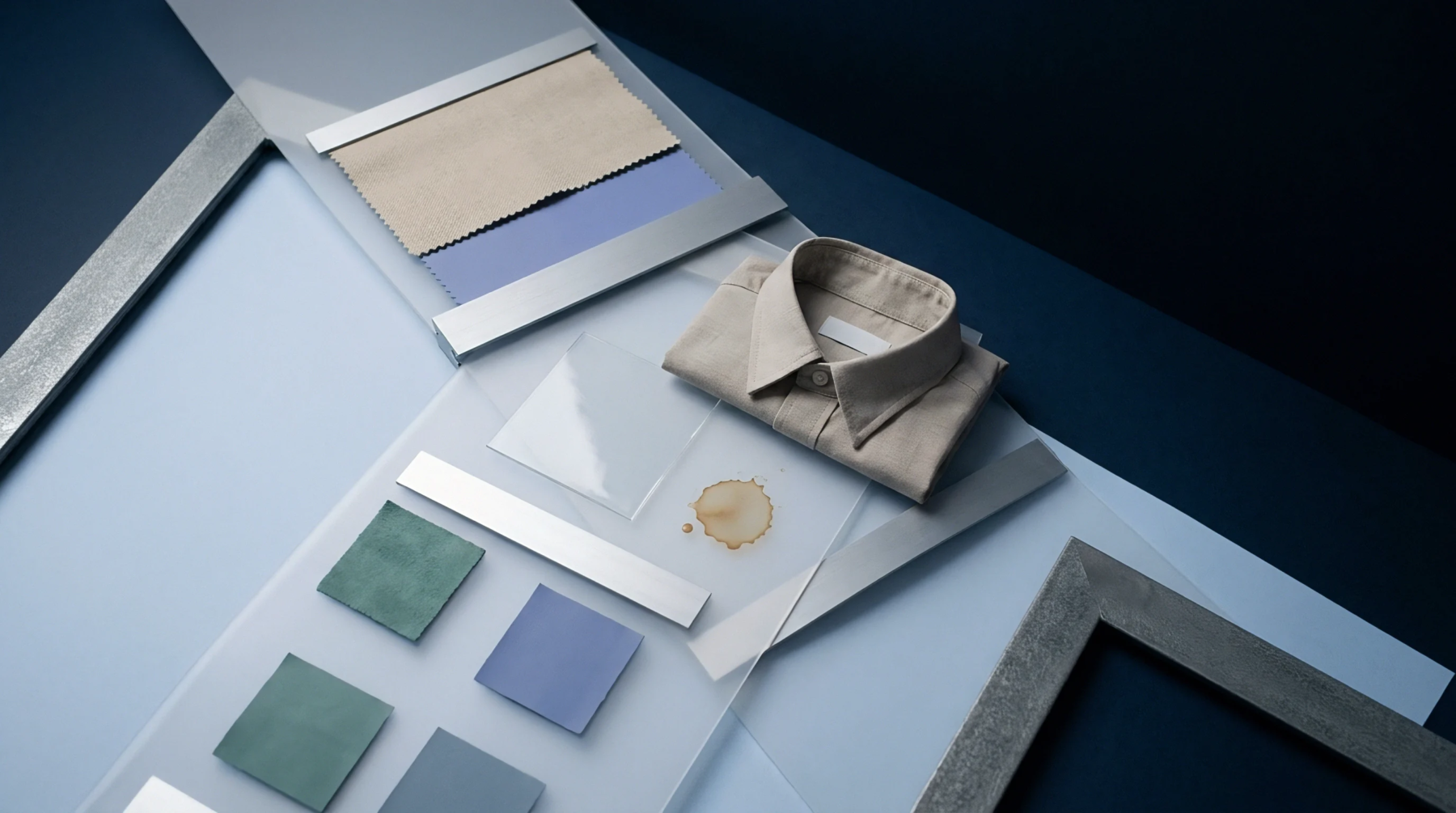
Polyolefin surface energy quantification relies on standardized liquid titration or goniometry to secure ink adhesion and lamination bond strength across runs.
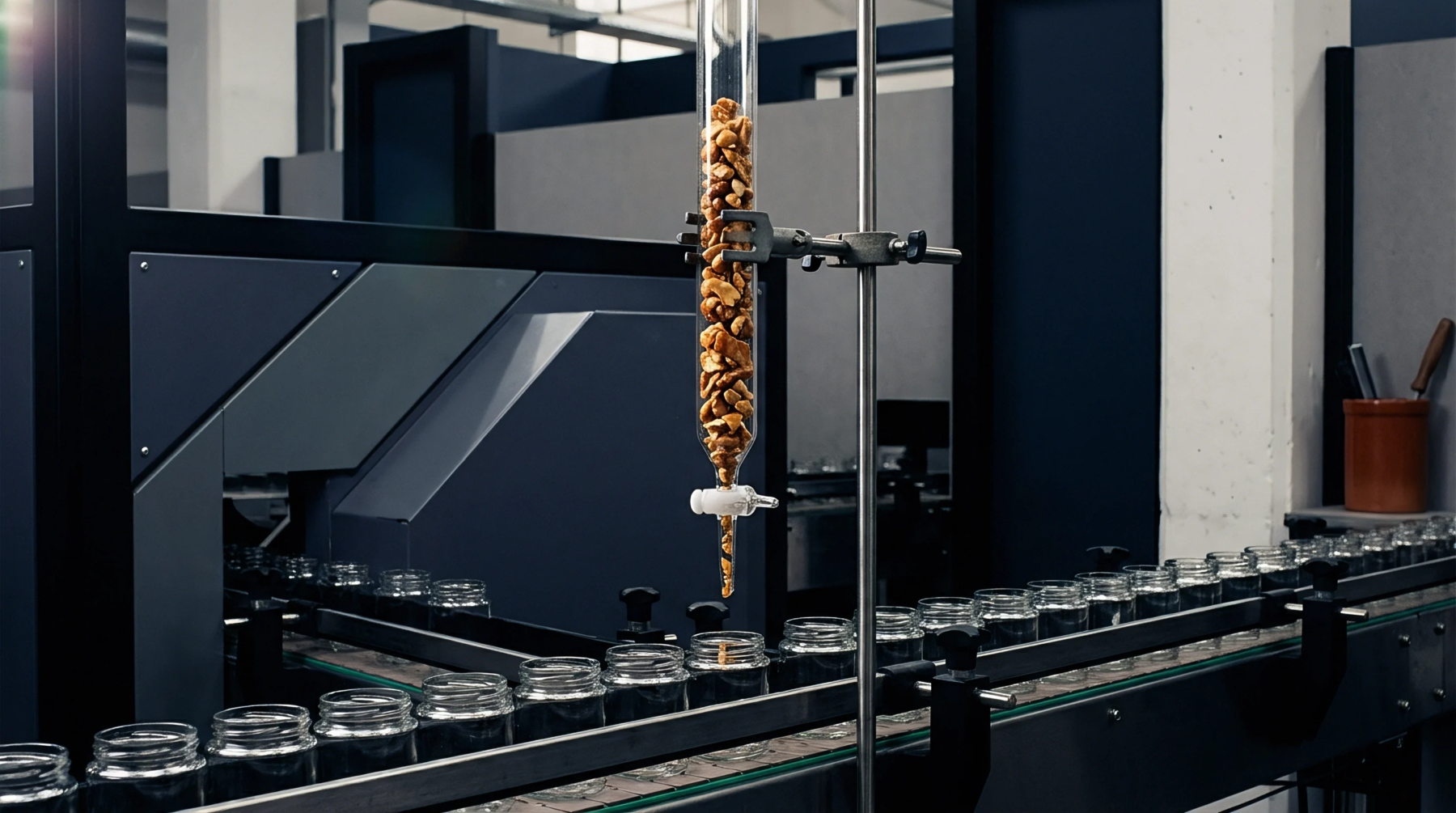
Mathematical diffusion models quantify NIAS transfer through polyolefins, enabling rapid, low-cost compliance validation for flexographic food packaging.
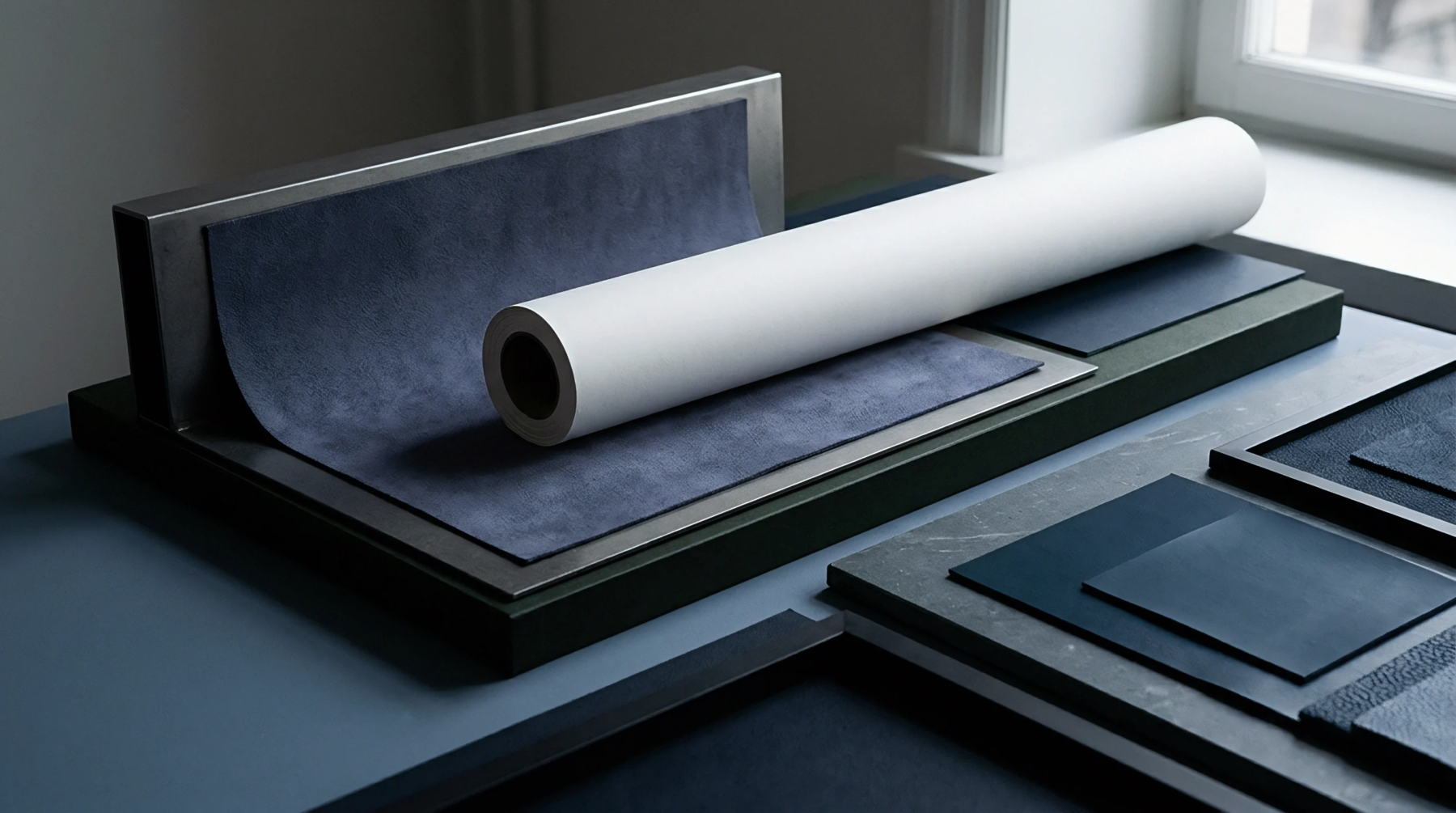
Polyurethane soft-touch films provide superior scratch resistance and score fold integrity compared to BOPP but require higher temperature control and lower web yields.

Counter die relief profiles for film laminated folding boxboard require expanding channel widths by twenty percent to prevent outer film shear tearing.
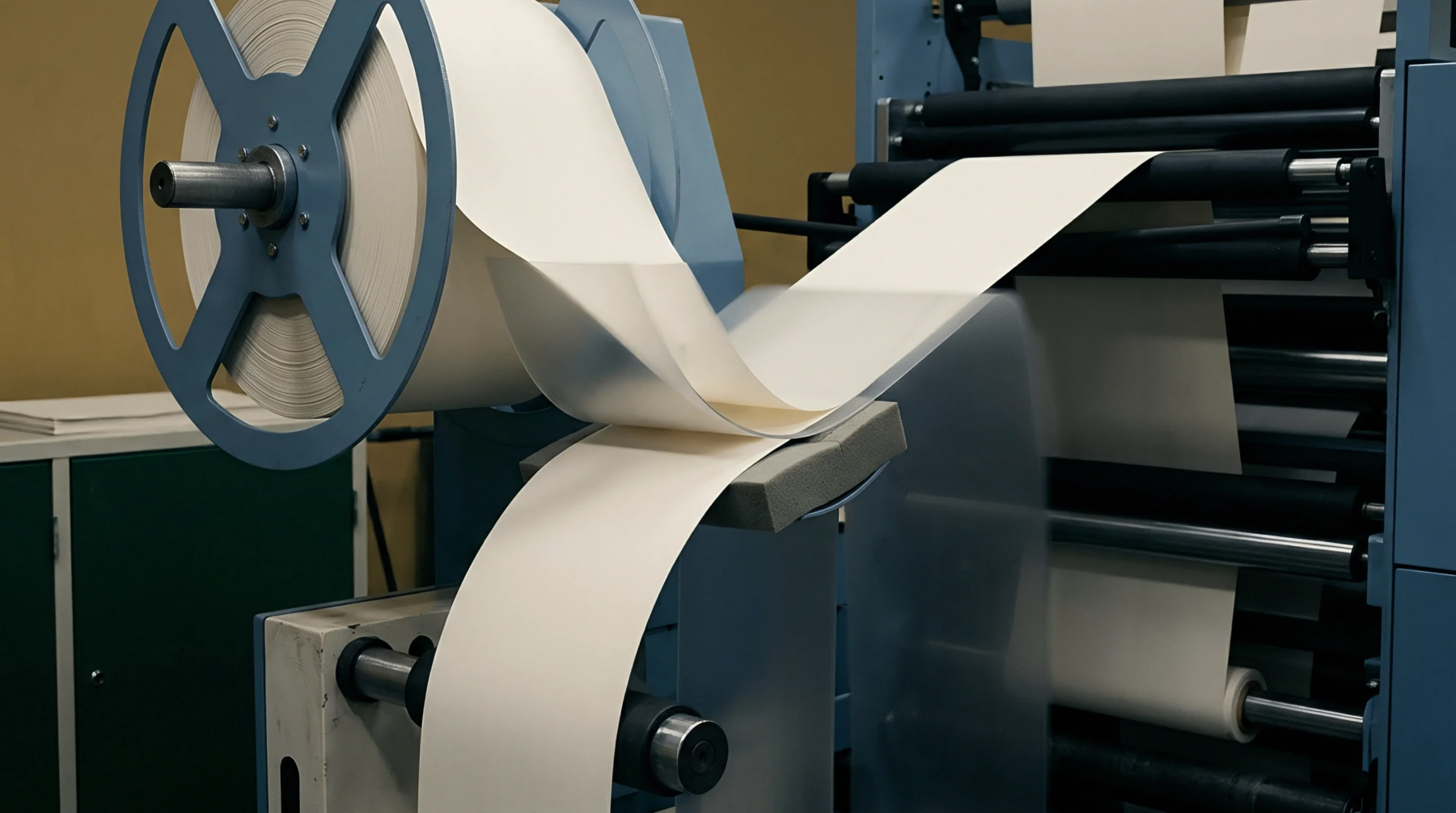
Dynamic folder-gluer speeds collapse polypropylene failure elongation from 150% to under 12%, demanding calibrated crease geometry to prevent split scores.
Matching folder gluer carrier belt speeds within one percent prevents surface shear from delaminating film coatings on scoring hinges.
Polypropylene lamination delaminates at high crease strain rates because viscoelastic stiffening elevates shear stress beyond interfacial adhesive bond strength.
Corona decay on BOPP stems from hydrophobic chain turnover and slip additive blooming, requiring forty dynes or in-line re-treatment to prevent bond failure.

Eliminate matte polyolefin skin shear failure by compatibilizing the skin-core interface and capping skin thickness below 1.5 micrometers to resist converting drag.
Dynamic shear stress must exceed the polyolefin adiabatic yield threshold via precise knife clearance to eliminate edge drawing, micro-tears, and slitting dust.

High velocity contact loading softens polyolefin matte asperities through adiabatic shear heating, accelerating surface glazing and interfacial peel failure.
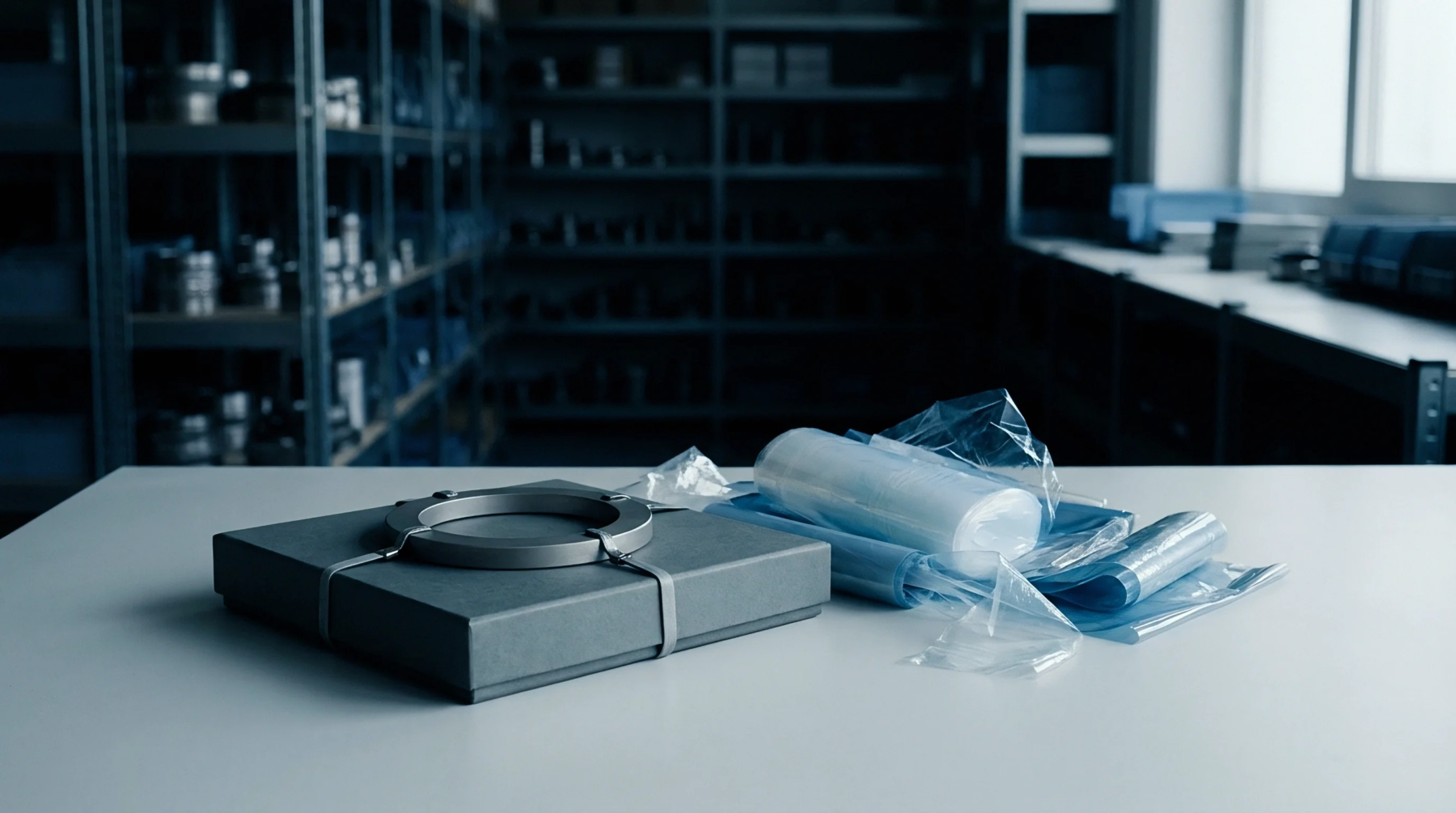
Mechanical decurling forces paperboard fibers past their plastic yield point to counteract the thermal contraction of single-sided laminating film.

Single-sided lamination curl stems from thermal shrinkage and one-way moisture gradients, causing severe converting scrap that requires mechanical breaker controls.
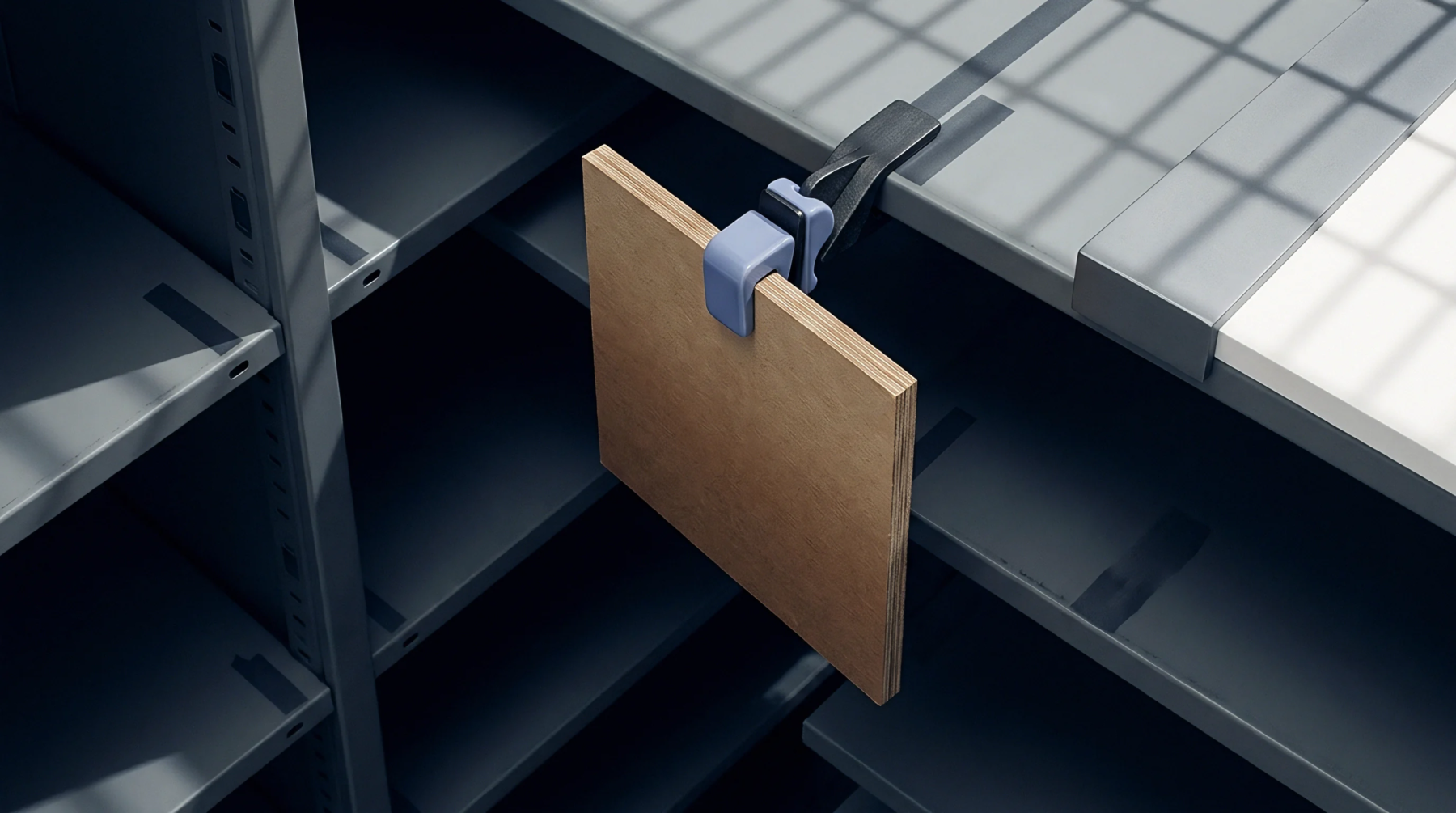
Managing hygroexpansion in multi-pass laminating requires balancing substrate moisture, tension, and barrier symmetry to stop curl and register failures.
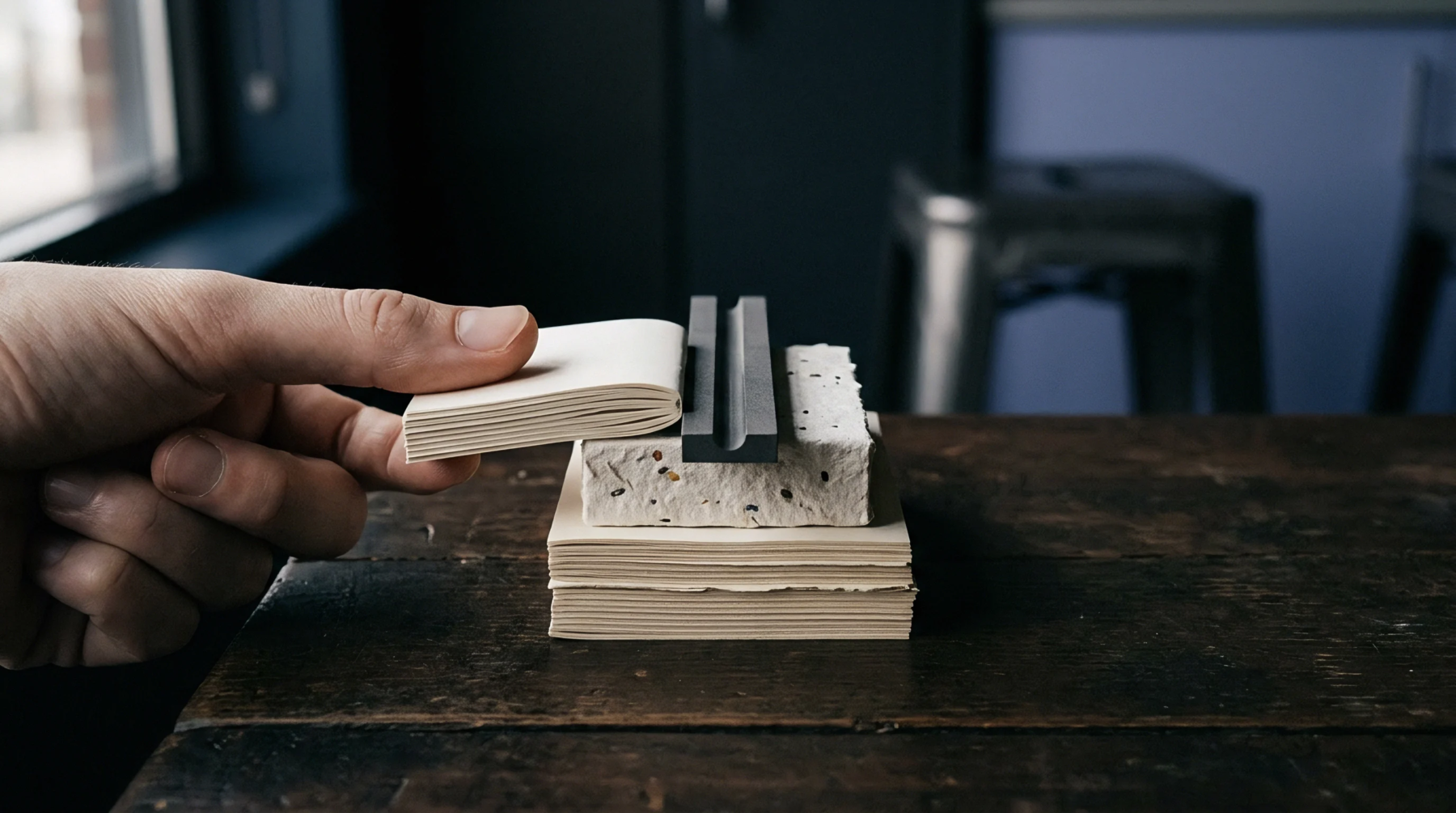
Controlled transverse shear delaminates the middle ply into sliding plates, lowering folding torque and protecting outer coated liners from tensile fracture.
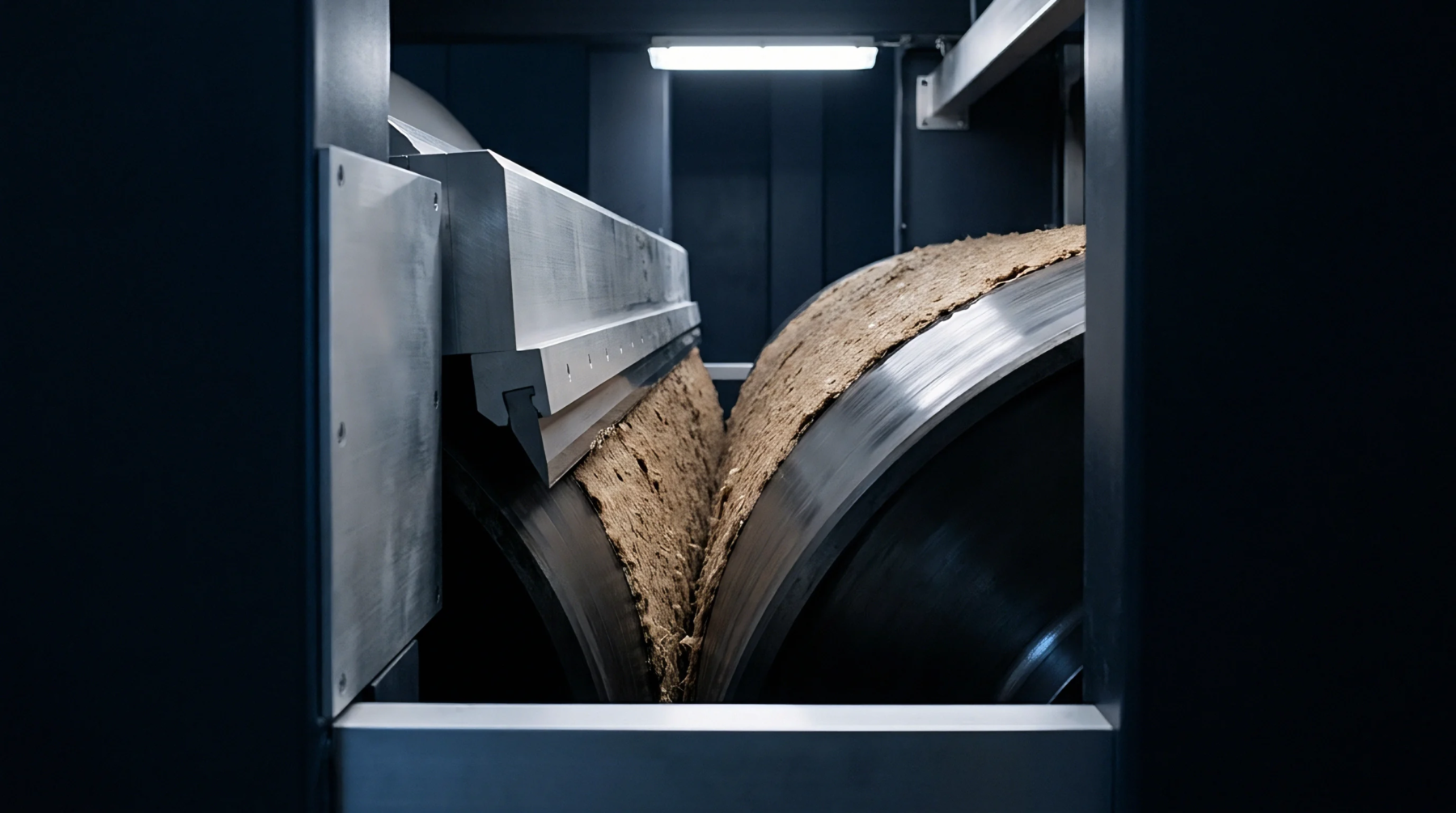
Flory-Huggins thermodynamic modeling predicts slip amide migration across polyurethane adhesives, preventing laminate bond failure and seal contamination.
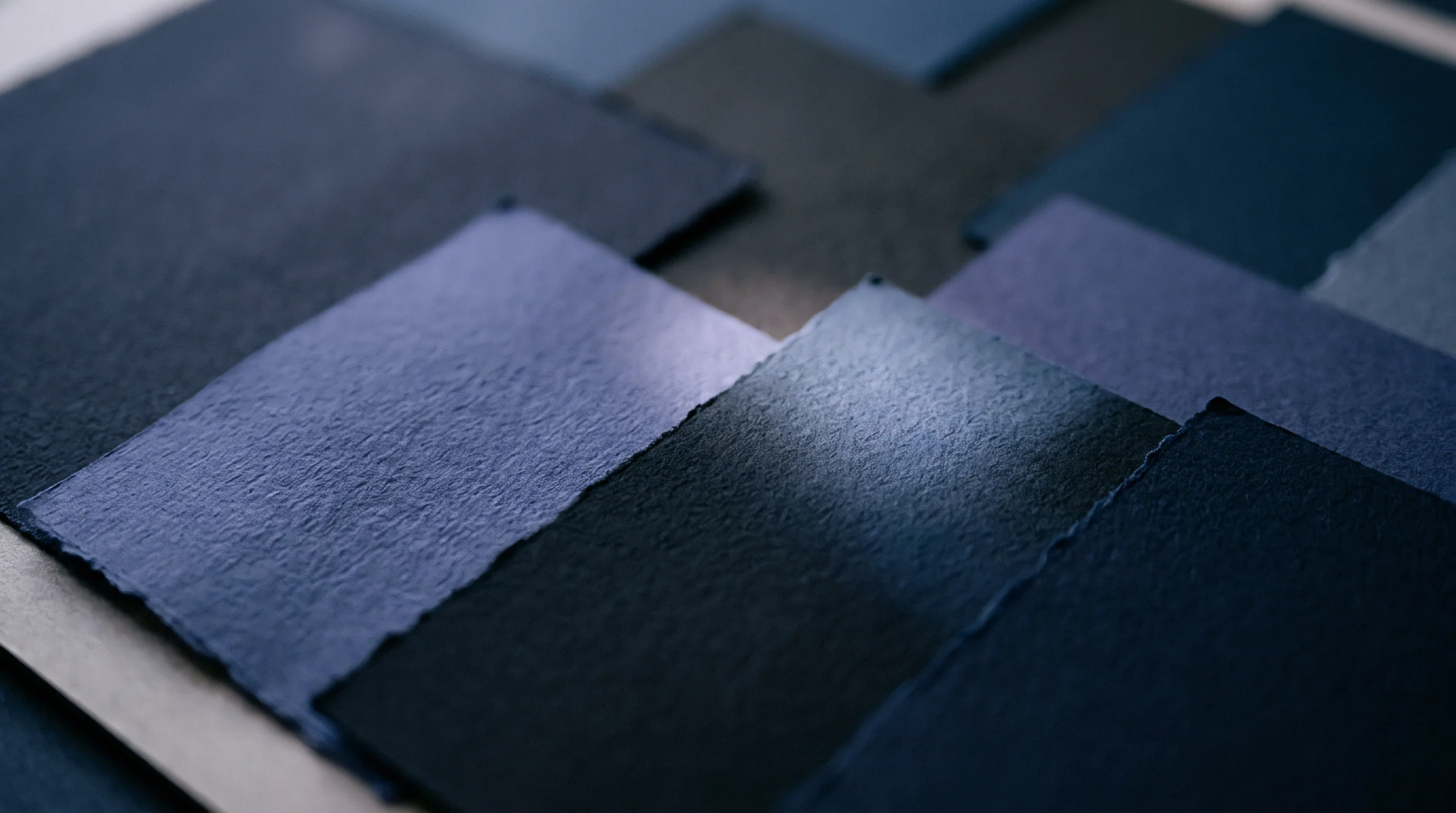
Accurate dyne testing on polyolefin films requires certified ASTM D2578 solutions and strict two-second timing to prevent adhesive delamination.
Maintain laminate surface energy above 42 dynes/cm to hold flatbed stamping dwell between 35 and 65 ms at 115°C, preventing board distortion and adhesive bleed.
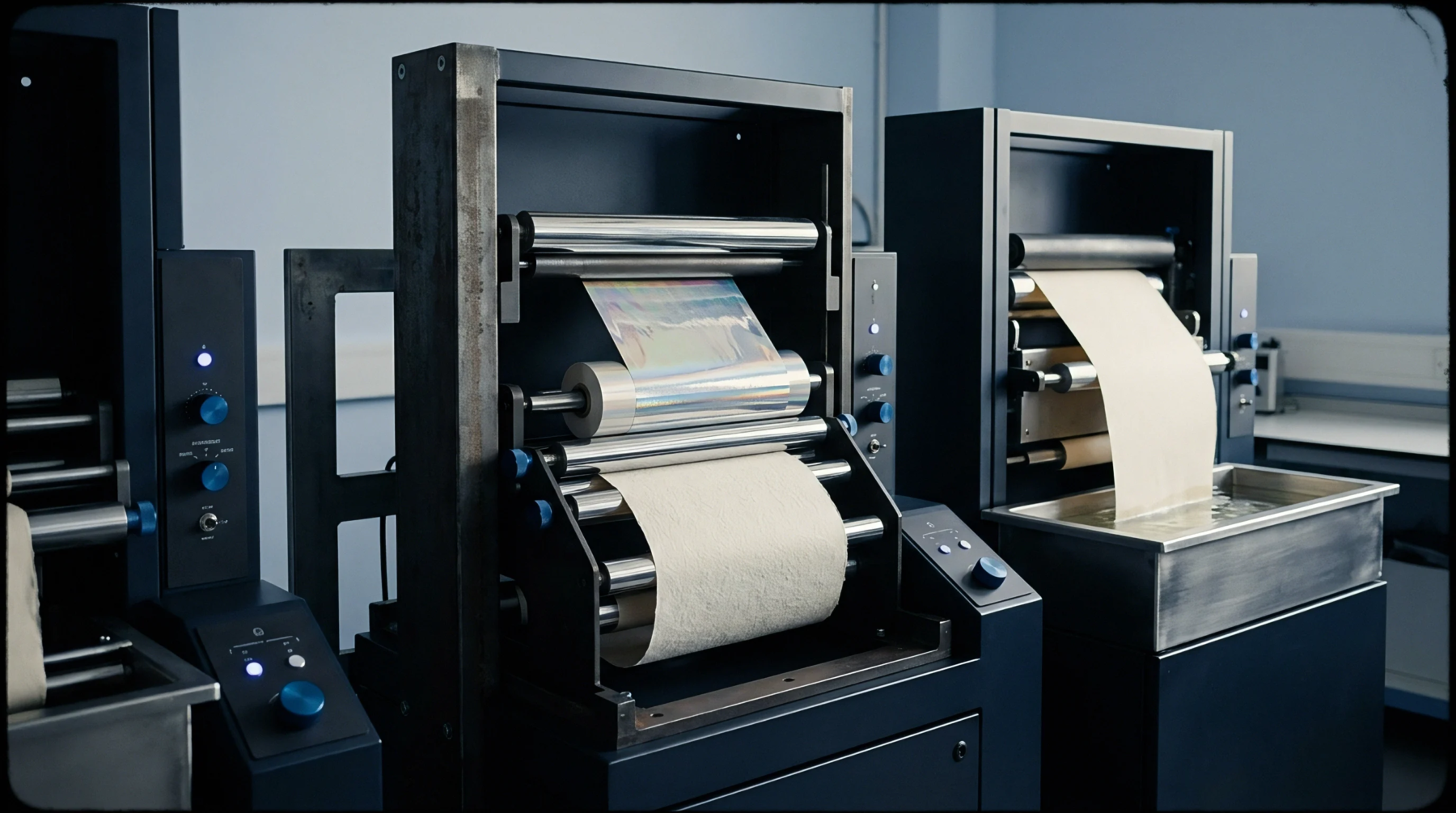
Balancing moisture loss with back-side rewetting and web decurling holds single-sided laminated boards flat across die-cutting and high-speed packing.
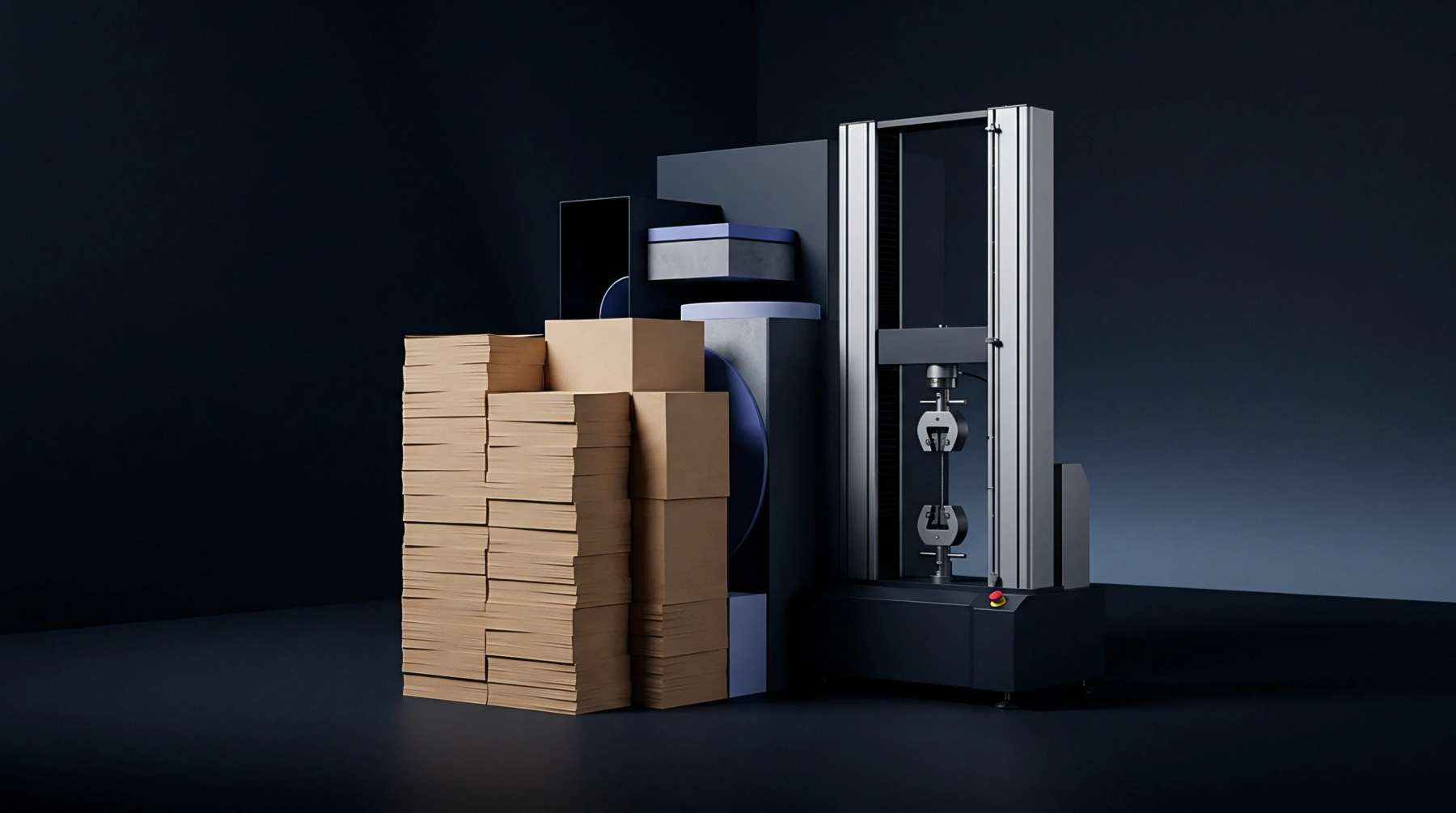
Analytical differential stress modelling balances thermal film shrinkage against board hygroexpansion to prevent post-converting carton curl inversion.

Polymeric film cracking along folding boxboard scores ceases when rule clearance maintains localized tensile elongation below seven percent across the bead.

Dynamic phase shift algorithms separate thermal web creep from surface relief, eliminating false thickness readings that ruin barrier packaging runs.
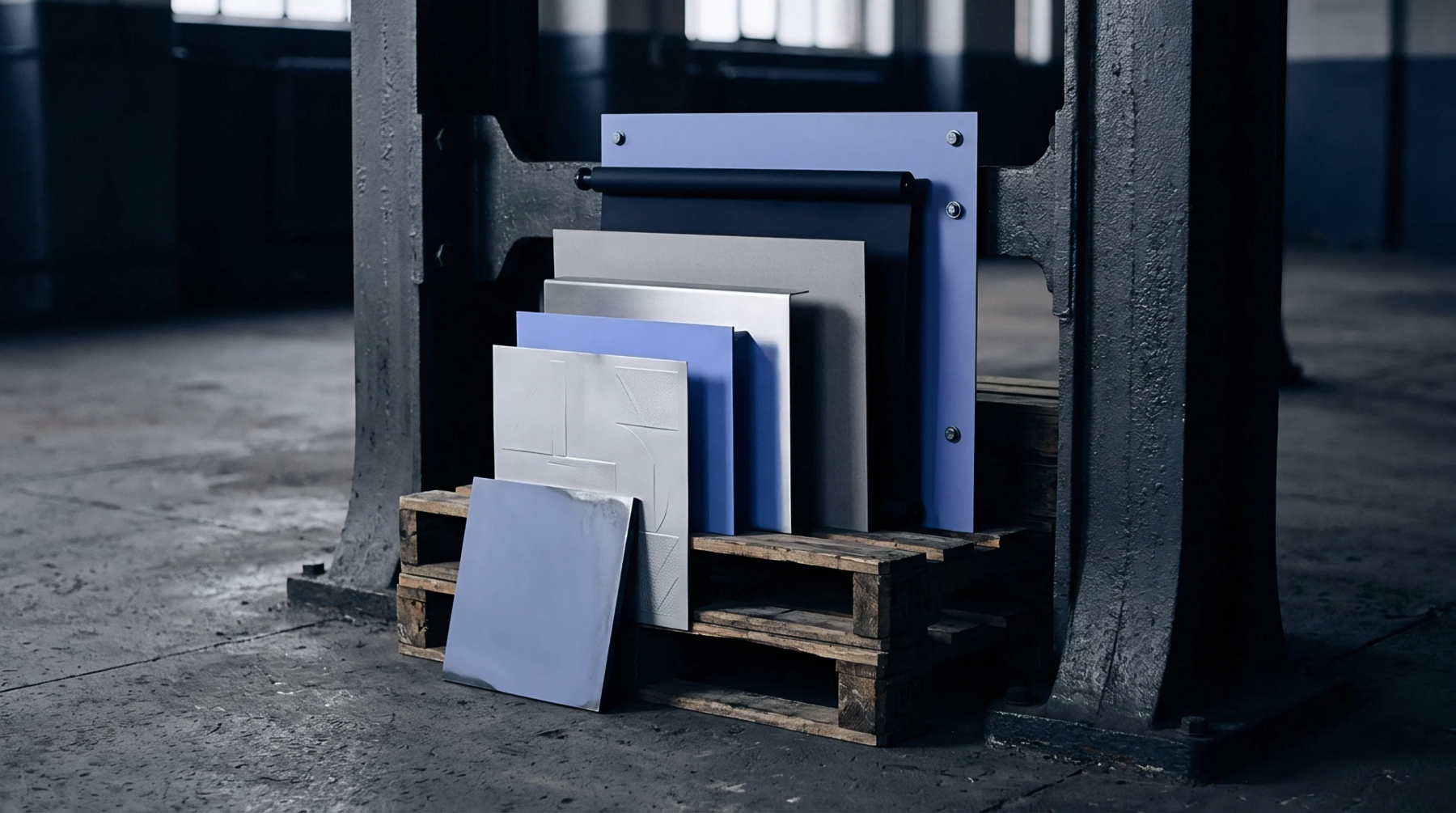
Corona discharge elevates polypropylene surface tension to forty-eight dynes per centimeter before hydrophobic recovery drops wetting below forty within days.
Expertise is a utility, not a secret. sentiention™ publishes its working knowledge as open reference: intelligence layer covering the materials it sources, the markets it enters, and the reference that serves both.