
Thermoelastic Acoustic Wave Generation in Coated Packaging Paperboard
Pulsed thermoelastic wave excitation provides real-time non-destructive coat weight and interface stiffness monitoring for coated packaging paperboard lines.
Pulsed thermoelastic wave excitation provides real-time non-destructive coat weight and interface stiffness monitoring for coated packaging paperboard lines.
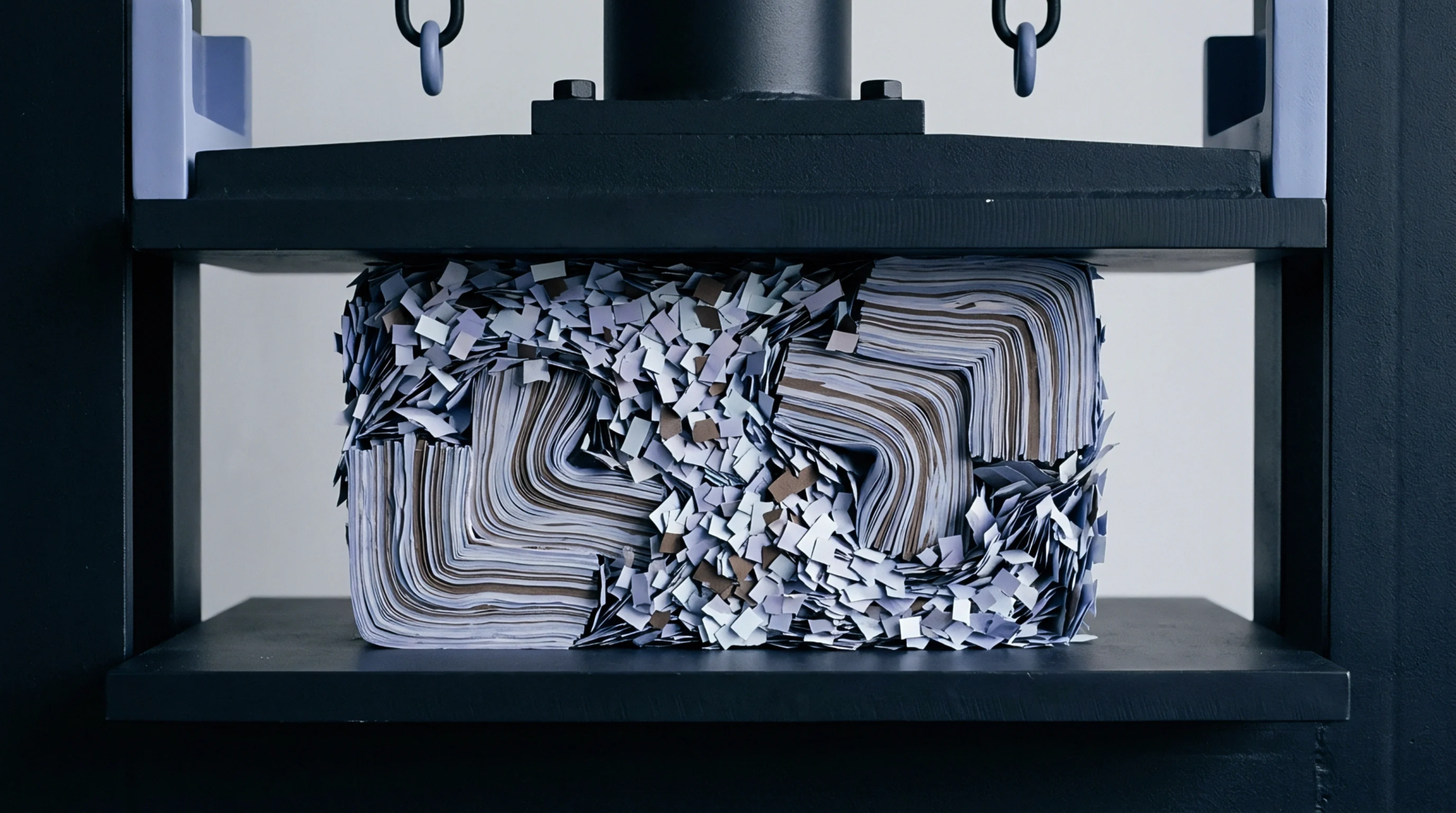
In-plane shear deformation in multi-layer paperboard operates via core matrix yield and inter-ply slippage, requiring core stiffness control to prevent splay.
Ultrasonic wave velocity verification isolates micro-delamination and dynamic stiffness drops in laminated cartonboard scores prior to line erection failures.
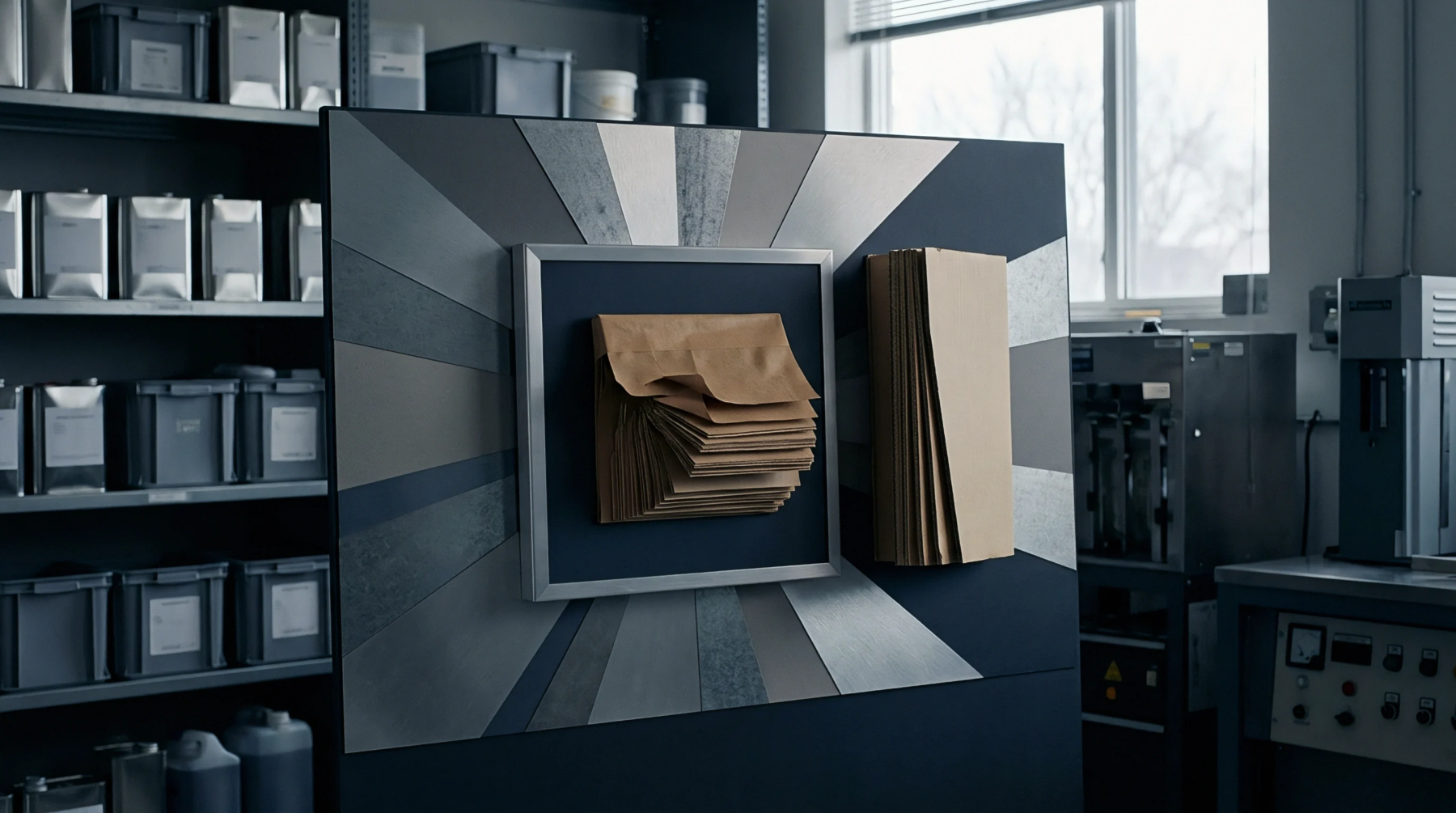
Acoustic wave velocity and attenuation measurements non-destructively quantify internal paperboard ply delamination and predict score line folding stiffness.
Uncoated kraft linerboard static compression decays exponentially above 70 percent relative humidity, requiring strict McKee safety factor adjustments and certified moisture mass audits.
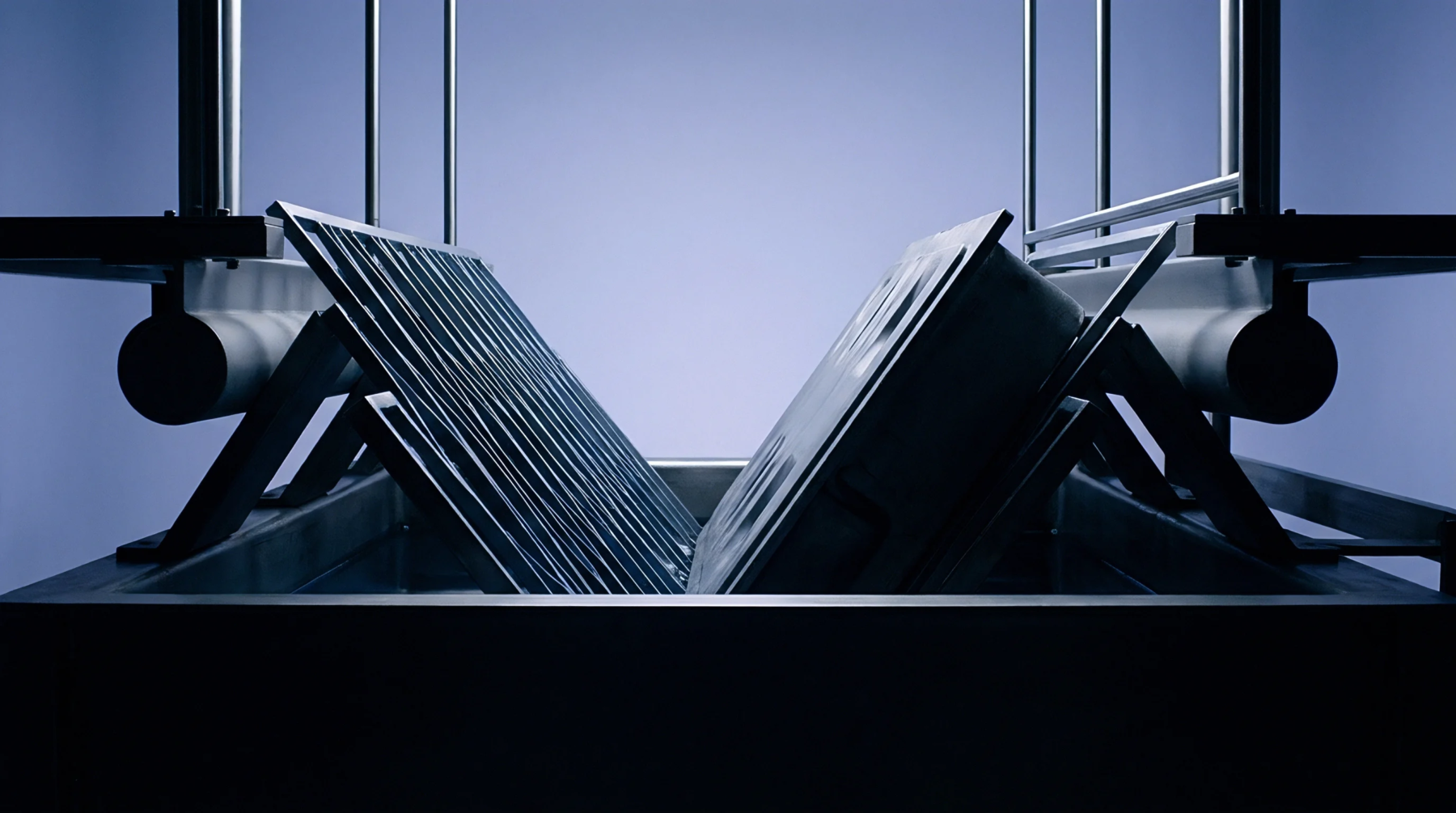
Calculate barrier board crease channels by adding rule thickness to caliper multiplied by 1.70 to 1.85 to clear displaced coextruded polymer skins.

Ultrasonic pulse velocity measuring C33 compressional stiffness and Gxz shear modulus provides exact non-destructive Z-plane elastic moduli for SBS board.
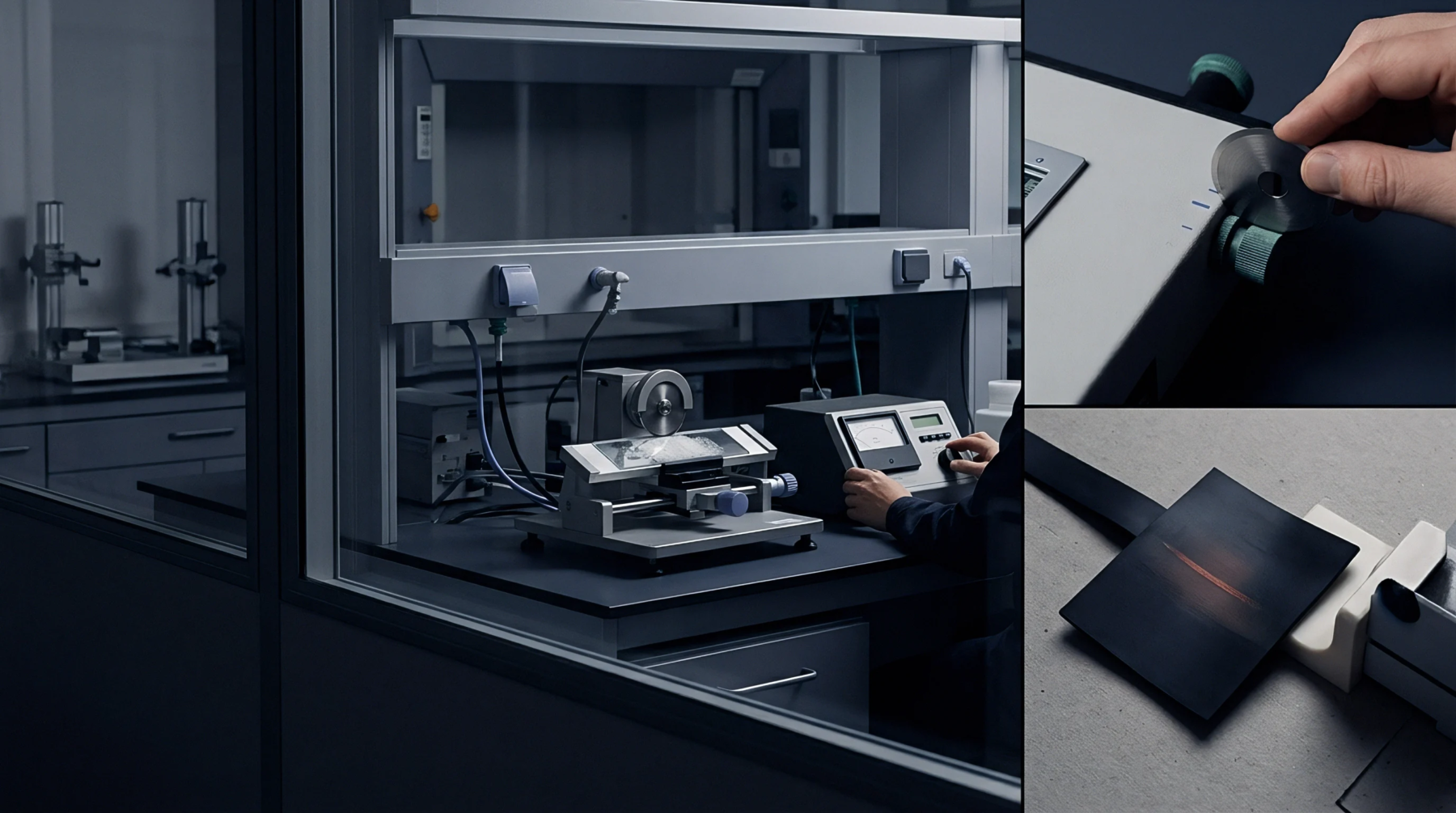
Dynamic online optical measurement corrections eliminate passline flutter and translucency errors, aligning web scanner readings with ISO bench standards.
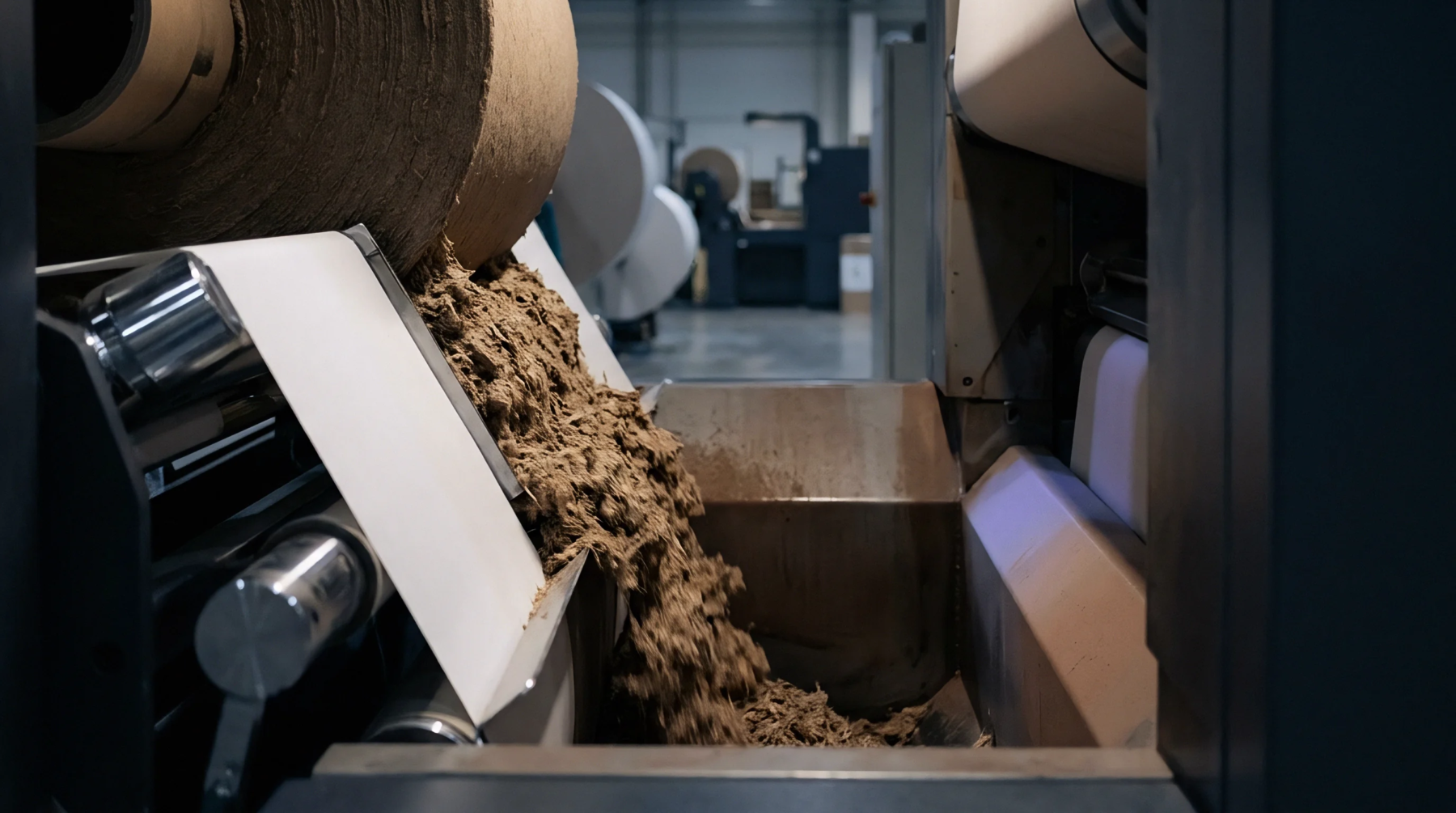
Dual-parameter thermal and moisture spectral compensation eliminates false optical drift on hot recycled paper webs, preventing costly dye overdosing and rejects.
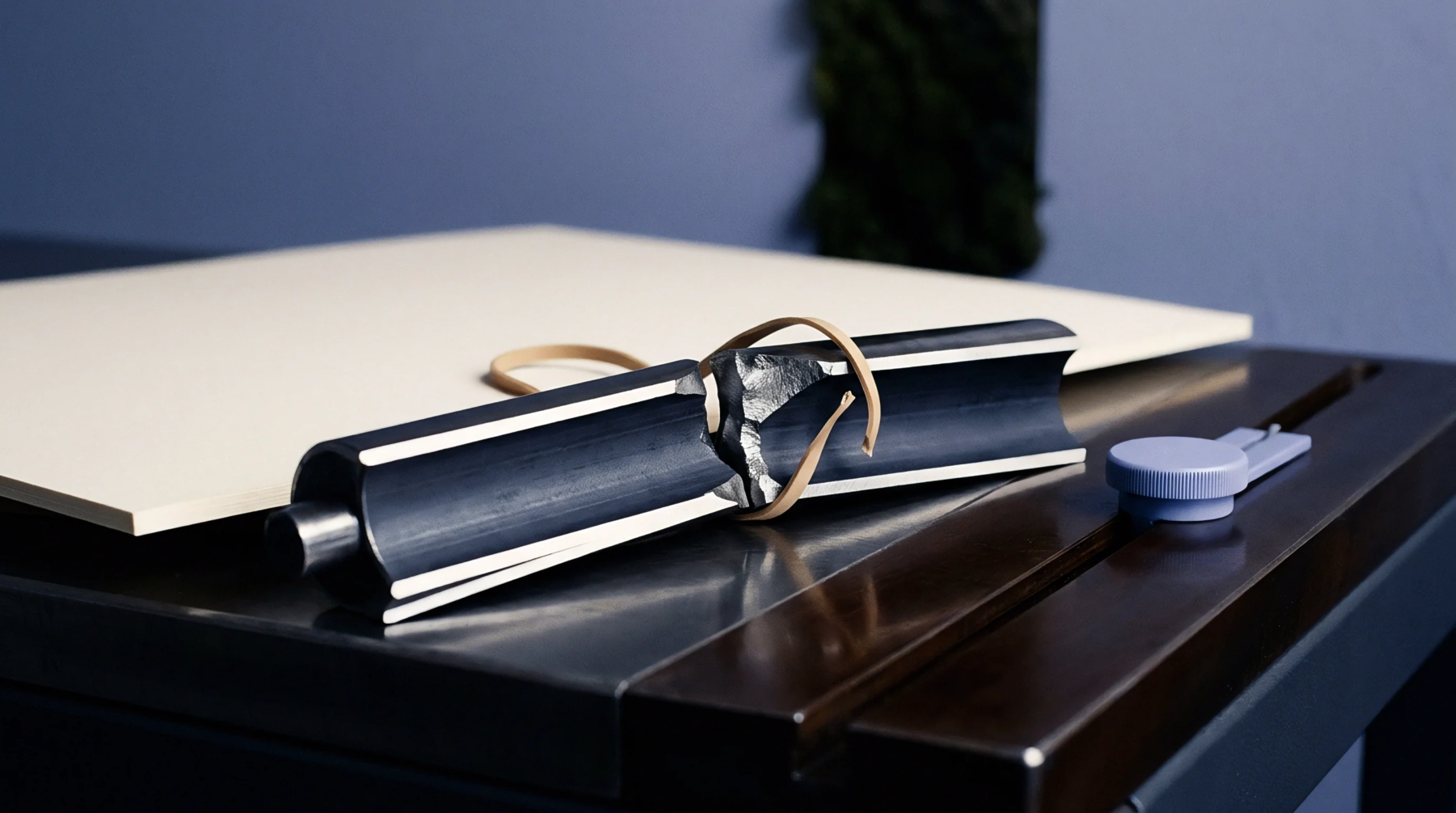
Interfacial fracture toughness testing via Double Cantilever Beam methods defines internal delamination limits in multi-ply recycled packaging board.
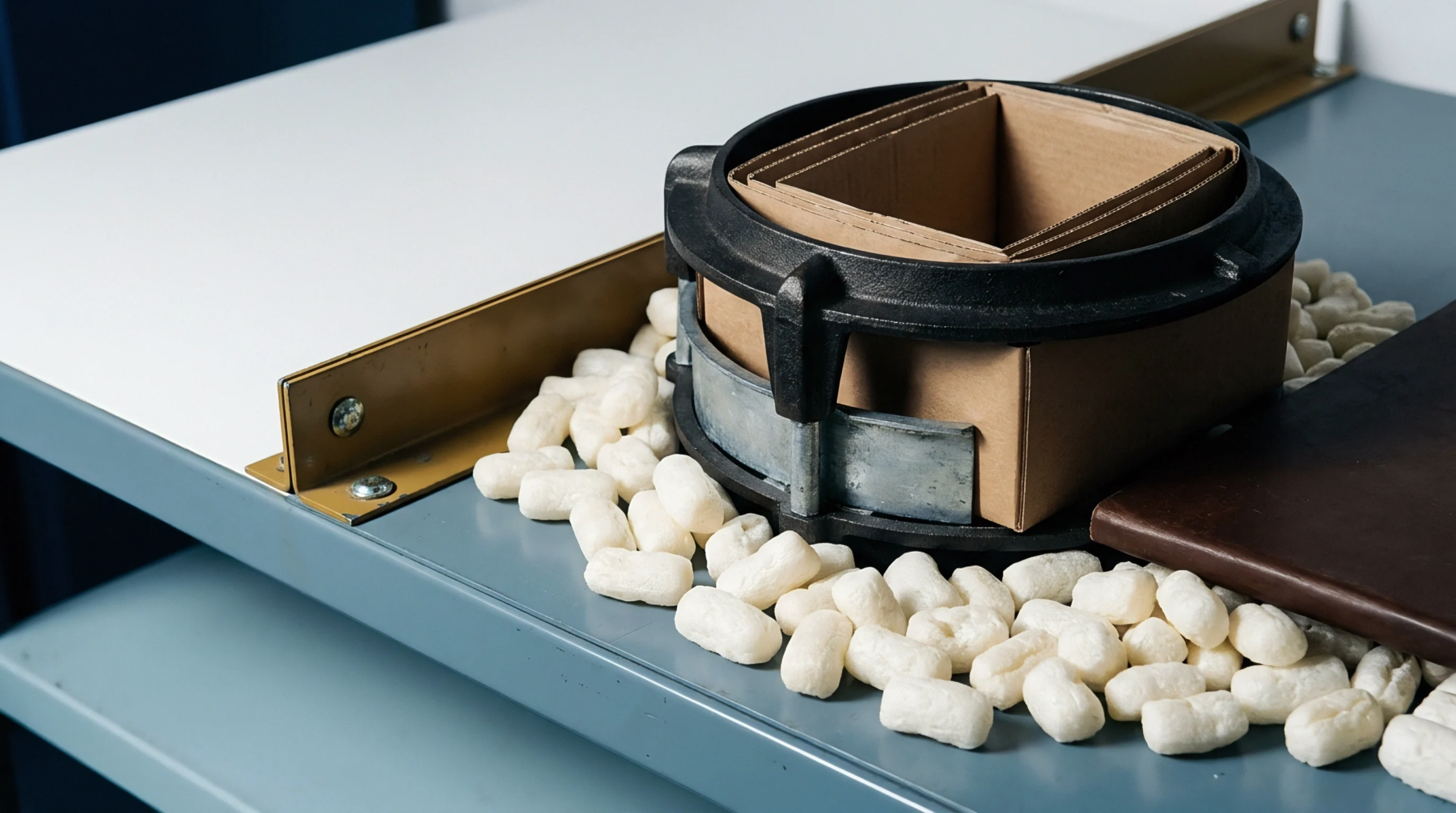
Controlled ply separation during cartonboard creasing prevents liner cracking, requiring precise matrix channel sizing and verified inter-ply bond strength.
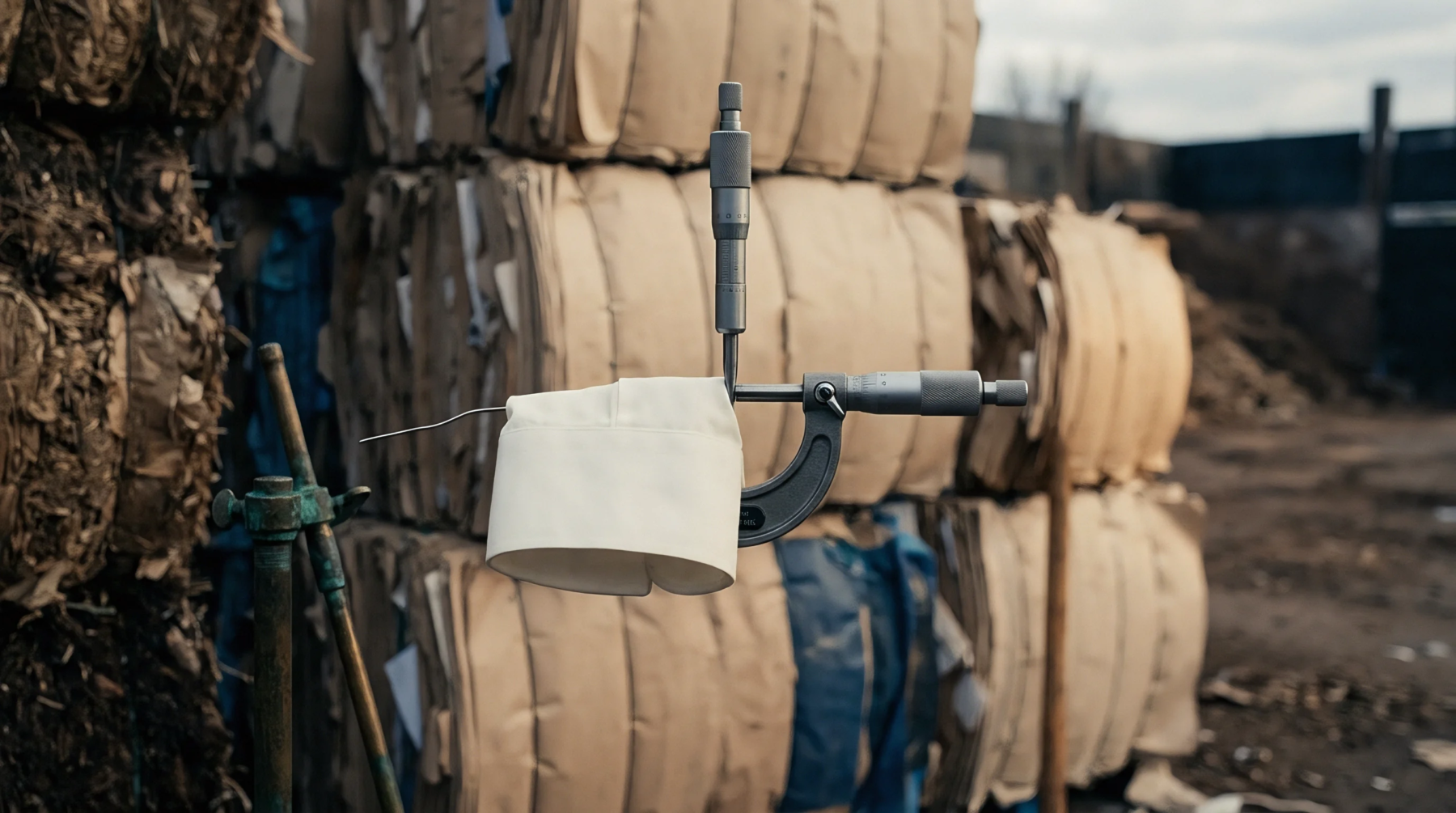
Online optical board thickness profiles systematically over-report caliper relative to ISO 534 mechanical lab standards due to surface roughness and compression factors.

Calculate crease matrix depth to match board caliper, and set channel width equal to creasing rule thickness plus board caliper multiplied by substrate factor.
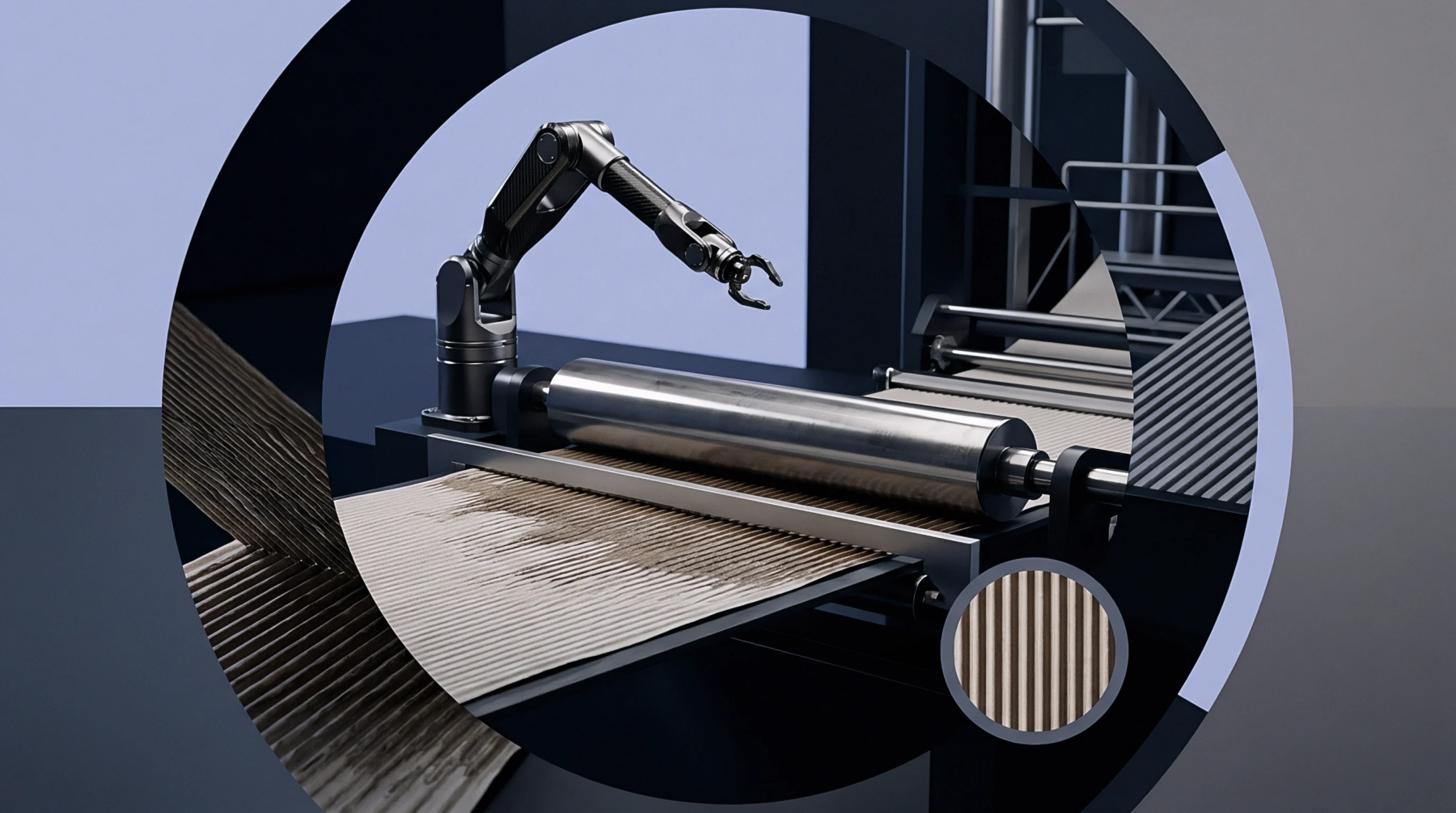
Dynamic refining energy allocation optimizes inter-ply fiber shear strength, balancing energy consumption and converting headroom in stratified linerboard.
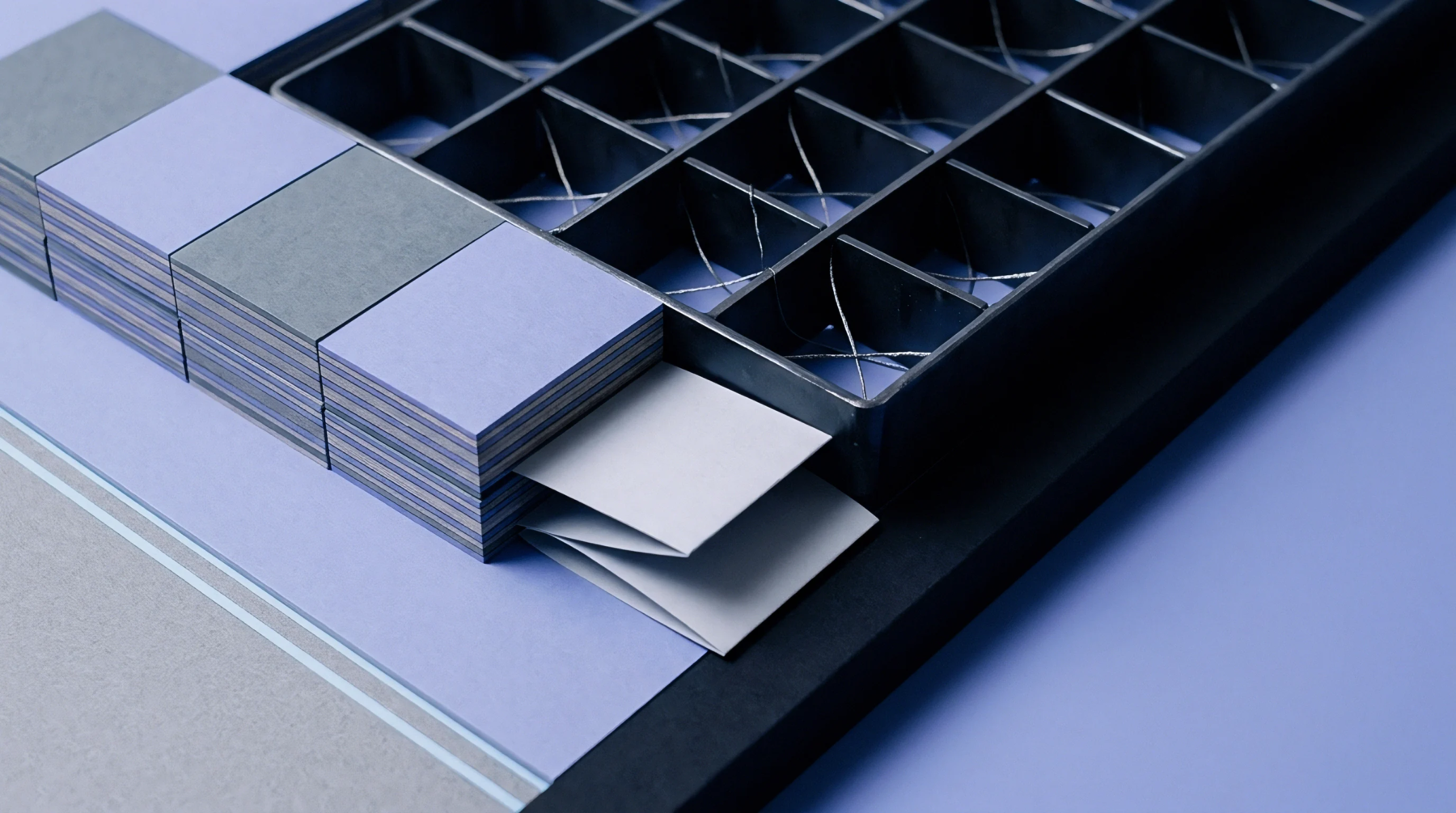
Tooling growth and counterforce creep offset each other through chilled oil temperature control and hydraulic bearer adjustment.
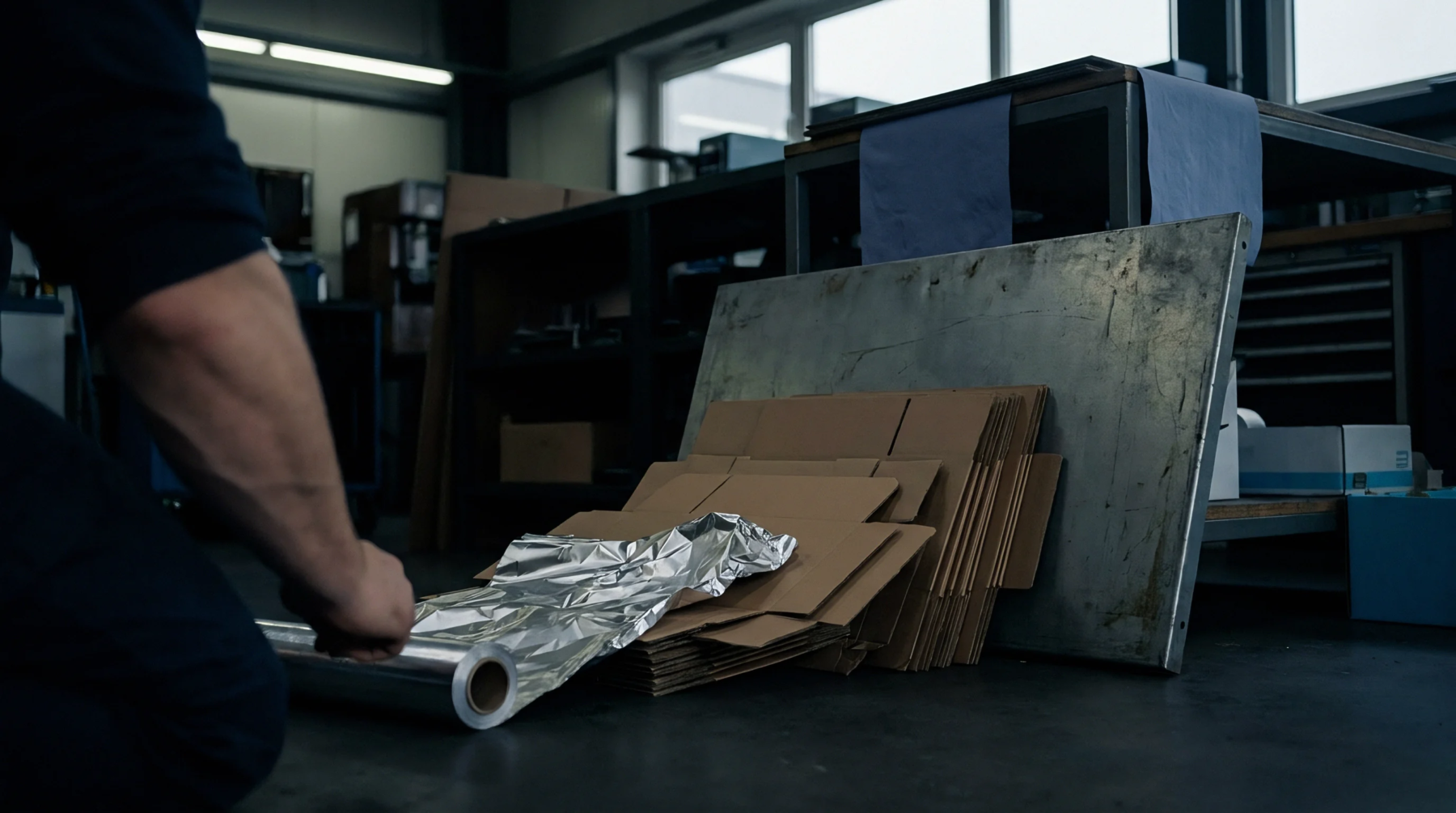
Secondary containerboard specification demands dynamic mechanosorptive compliance factors to prevent stack collapse under dynamic logistics relative humidity
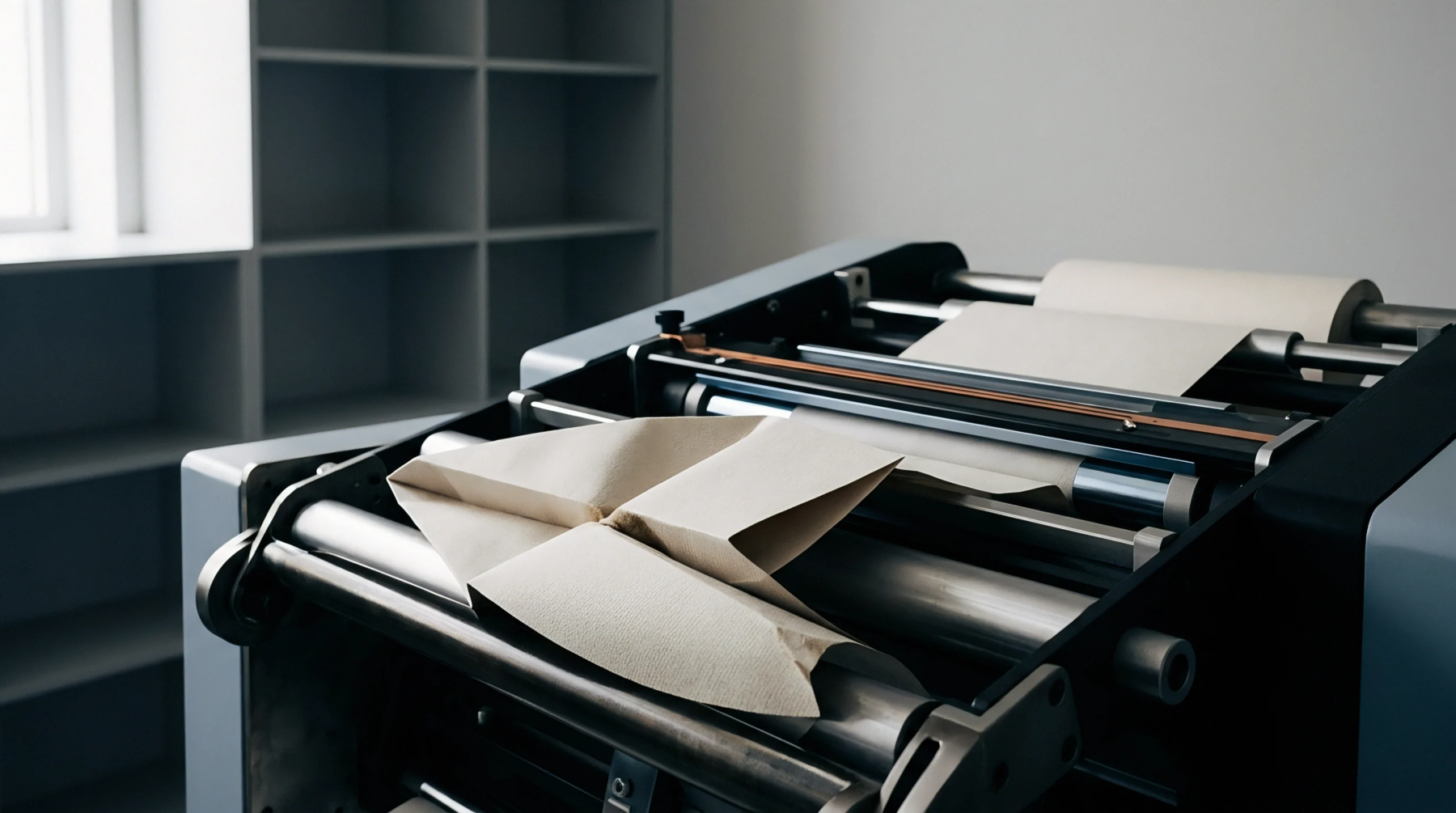
Uncoated boxboard grid ligaments fail through accelerated tensile creep when humidity swings break fiber bonds, requiring slot geometries that limit local dead-load stress.
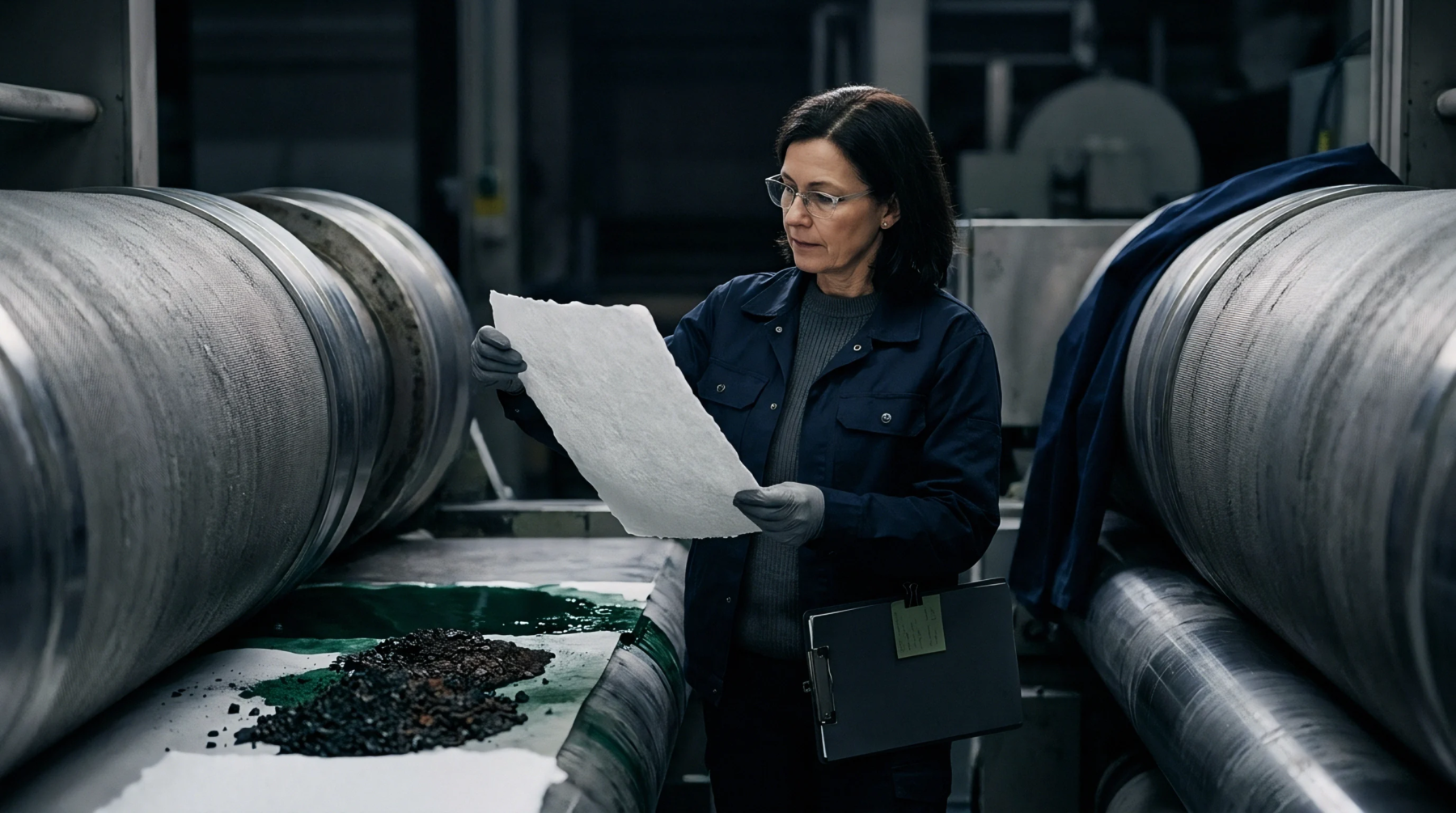
Internal bond strength in mechanical middle plies relies on fines retention and controlled refining to preserve bulk while meeting 180 J per square metre Scott Bond.
Dynamic moisture creep reduces corrugated compression strength up to 92 percent, requiring furnish-specific derating beyond standard static McKee formulas.

Paperboard cross direction hygroexpansion reaches fivefold machine values, requiring climate staging and scaled tooling to prevent multi-pass register failure.
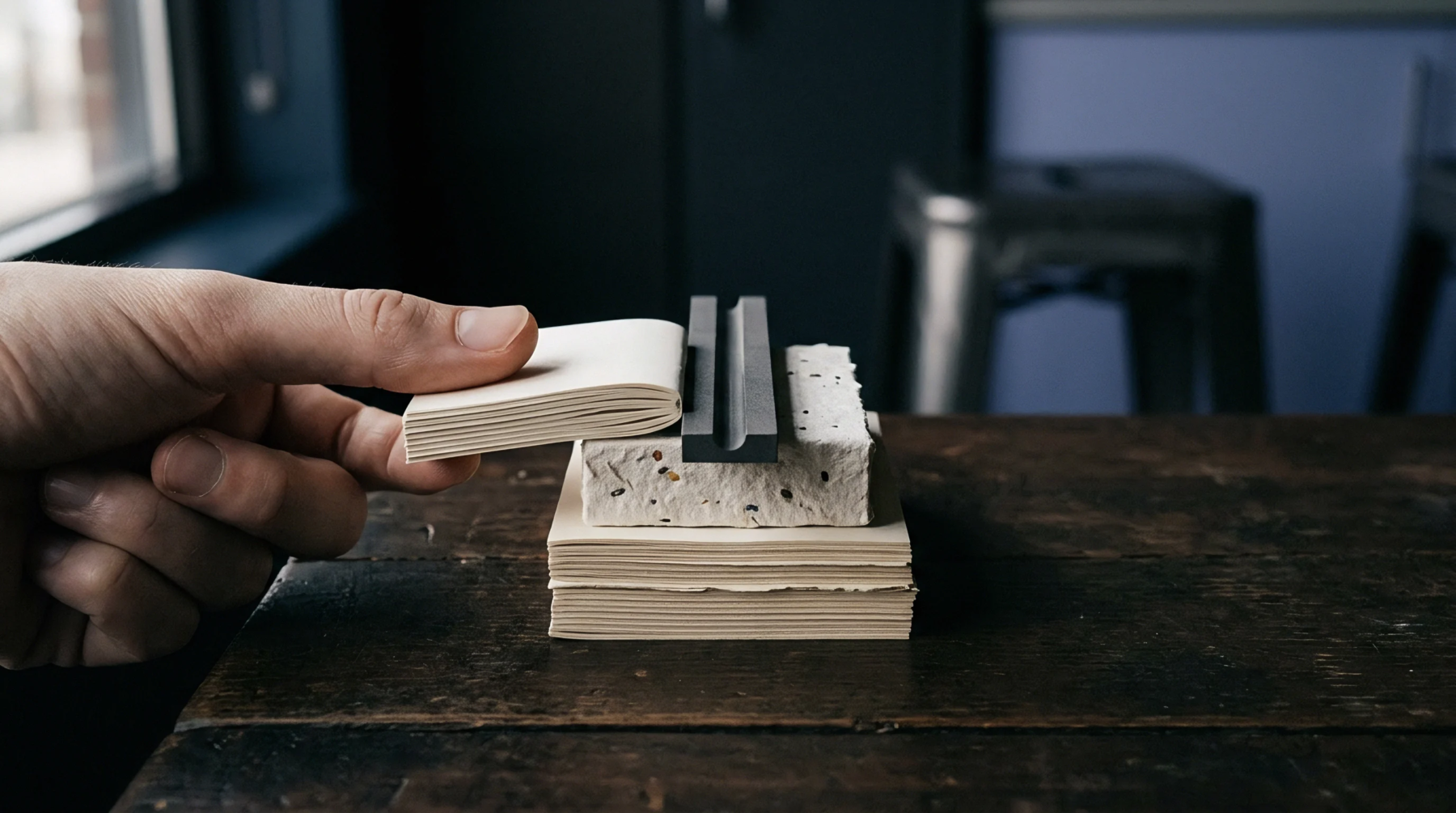
High-grammage bleached kraft board relies on z-direction tensile strength between 320 kPa and 450 kPa for controlled shear delamination during creasing.
Dynamic crease stiffness ratio optimization balances rule geometry and substrate mechanics to eliminate high-speed packaging jams and score cracking.
Boxboard claims require exact invoice codes, LC-GC-FID MOSH/MOAH testing under EN 16995, and ISO 2859-1 receiving audits to prevent customs holds.
Matching transducer center frequency to paperboard density and score depth eliminates micro-crack false rejects while detecting internal shear delamination.
Cross-direction elongation between 3.2% and 4.8% prevents outer liner cracking on folding boxboard when matrix channel width equals rule size plus 1.5 times caliper.

Packaging recyclability under European standards demands finished-pack accredited laboratory pulping tests proving eighty percent usable fiber recovery.
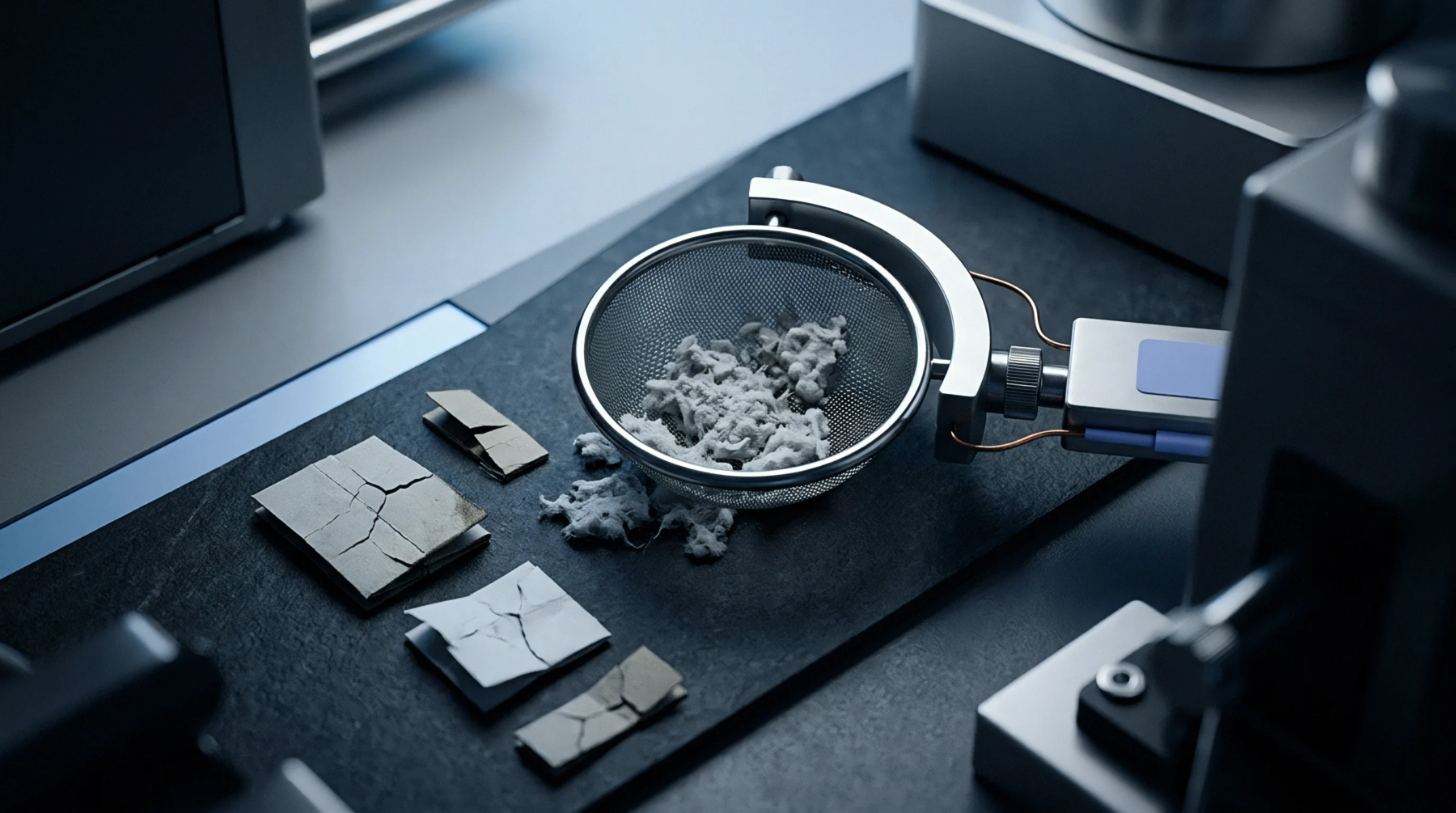
Score cracking occurs when aged latex binders exceed glass transition thresholds, preventing tensile strain accommodation during high-speed folding operations.
Delamination energy release rates in dispersion coated boxboards require beam theory corrections isolating interfacial fracture from arm plastic bending.
Dynamic rate-dependent stiffening in high-speed board converting alters crease delamination, demanding non-linear viscoelastic models to stop liner cracking.
Dynamic strain hardening increases board Z-direction compressive resistance by over fifty percent, causing embossed reliefs to shallow out at production press speeds.
Expertise is a utility, not a secret. sentiention™ publishes its working knowledge as open reference: intelligence layer covering the materials it sources, the markets it enters, and the reference that serves both.