
Acoustic Emission Stress Wave Monitoring for Online Micro Delamination Detection along Carton Scores
Online acoustic emission monitoring detects micro delamination along carton scores in real time to prevent line jams and outer liner cracking.
Online acoustic emission monitoring detects micro delamination along carton scores in real time to prevent line jams and outer liner cracking.

Single-sided lamination curl is controlled by balancing nip heat, reverse dampening, decurling bar tension, and conditioning board to filling line humidity.
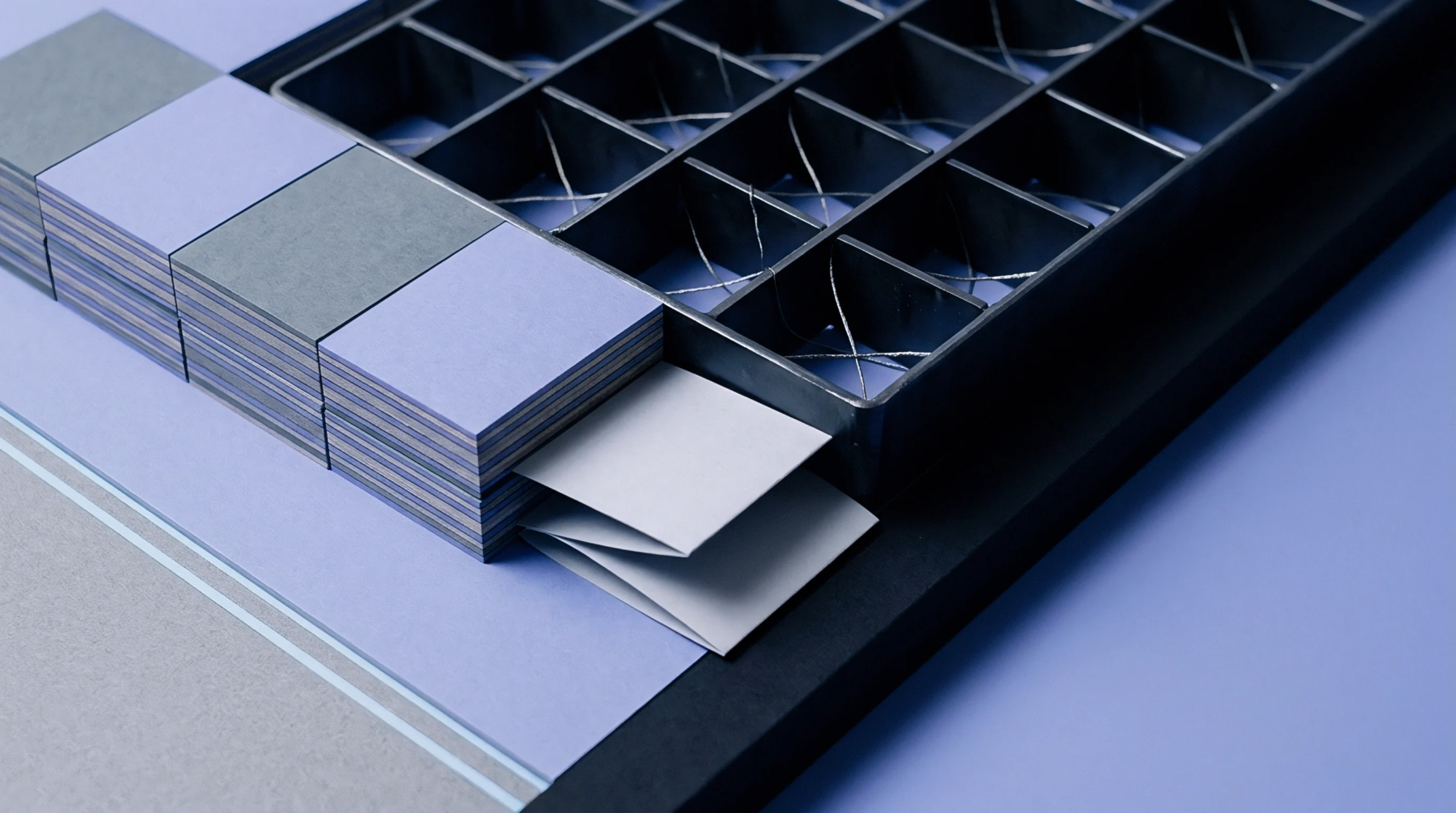
Committing embossing die funds before verifying batch-specific board caliper causes die clearance errors, crushed paperboard profiles, and ruined tooling.
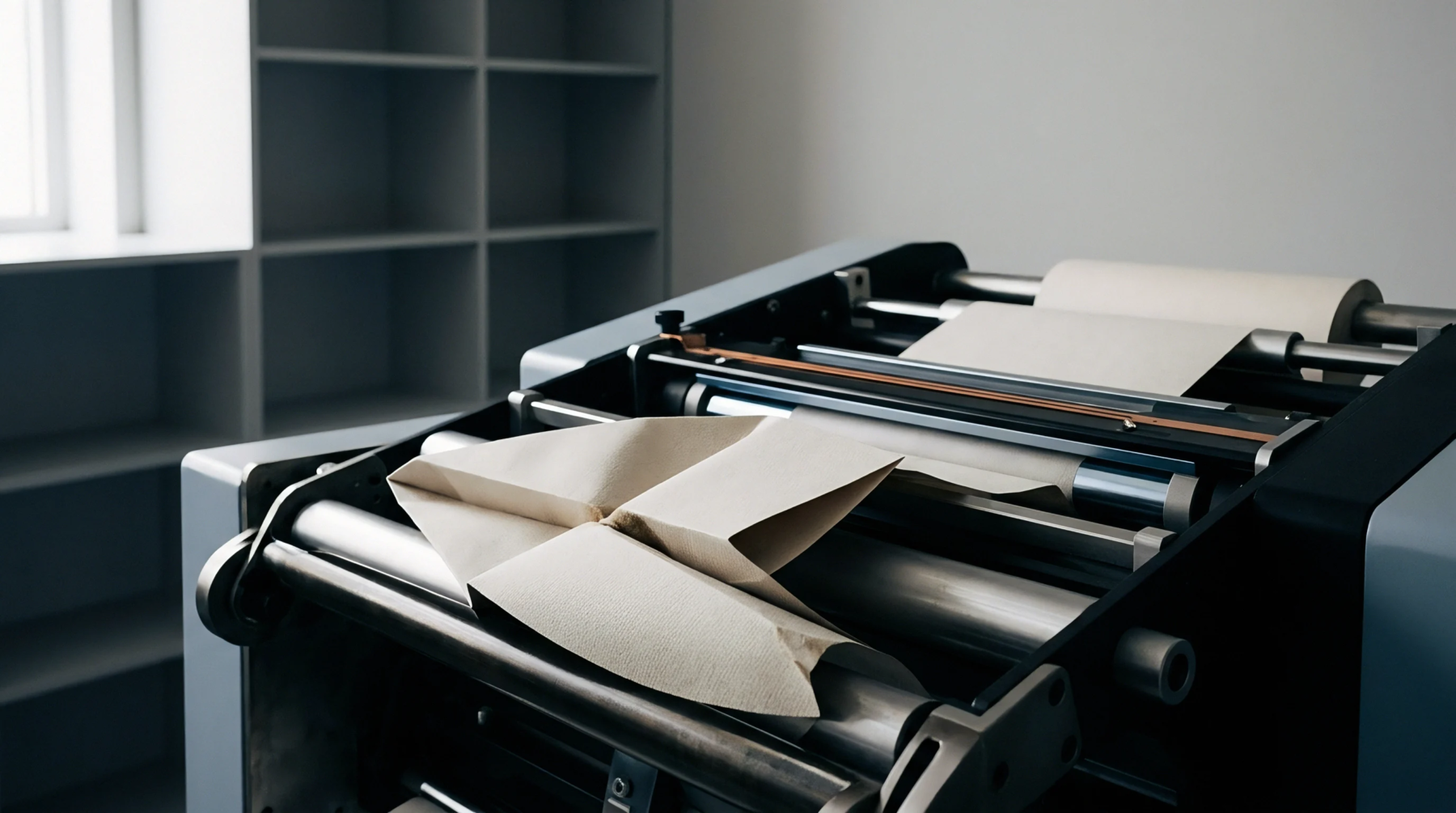
Optimize matrix channel clearance using board caliper and rule thickness formulas to guarantee internal ply delamination while preventing outer liner score cracking.
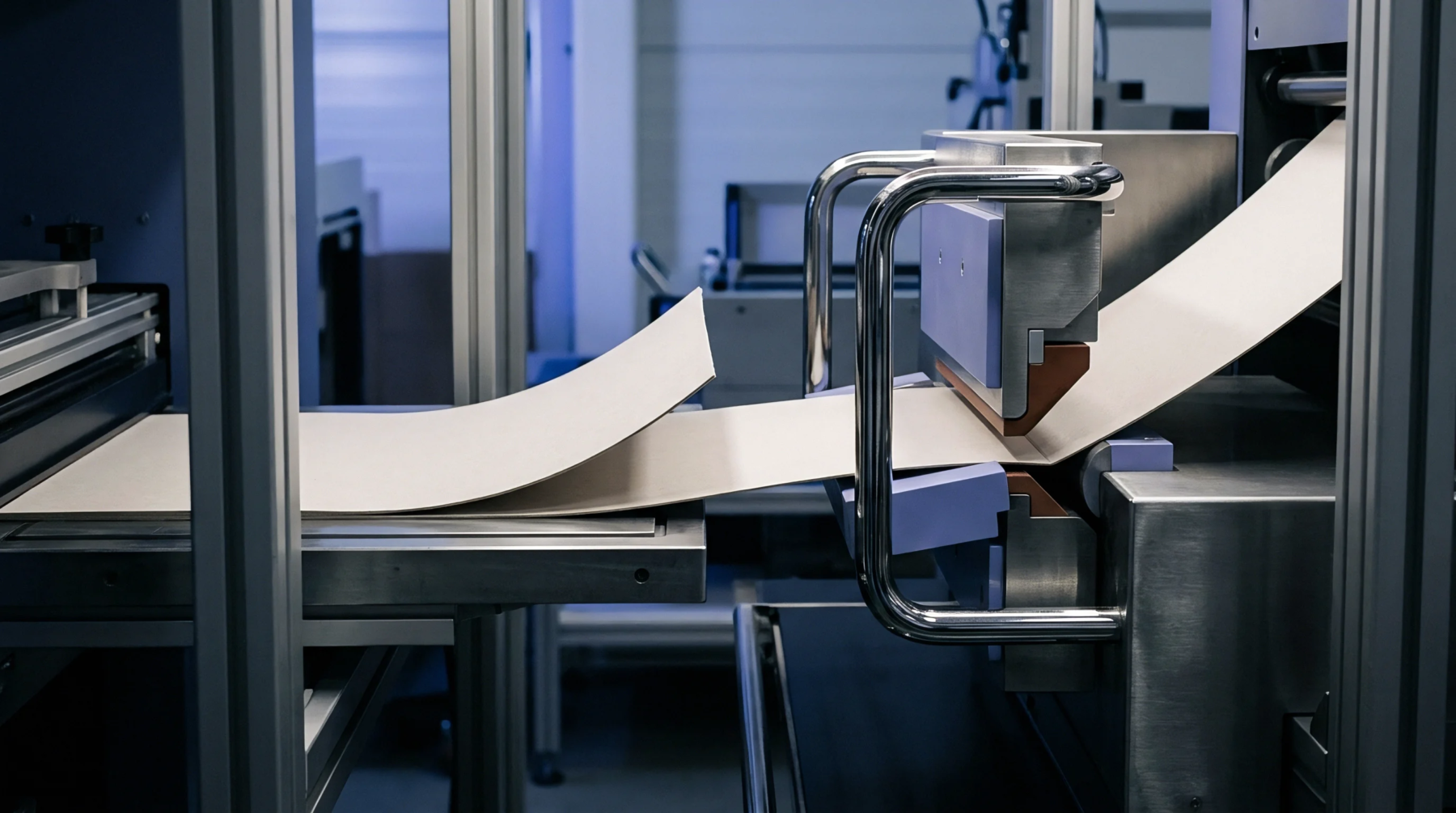
Inline decurling bar penetration forces mechanical yield in paper fibers while reverse dampening restores moisture loss to eliminate single-sided lamination curl.
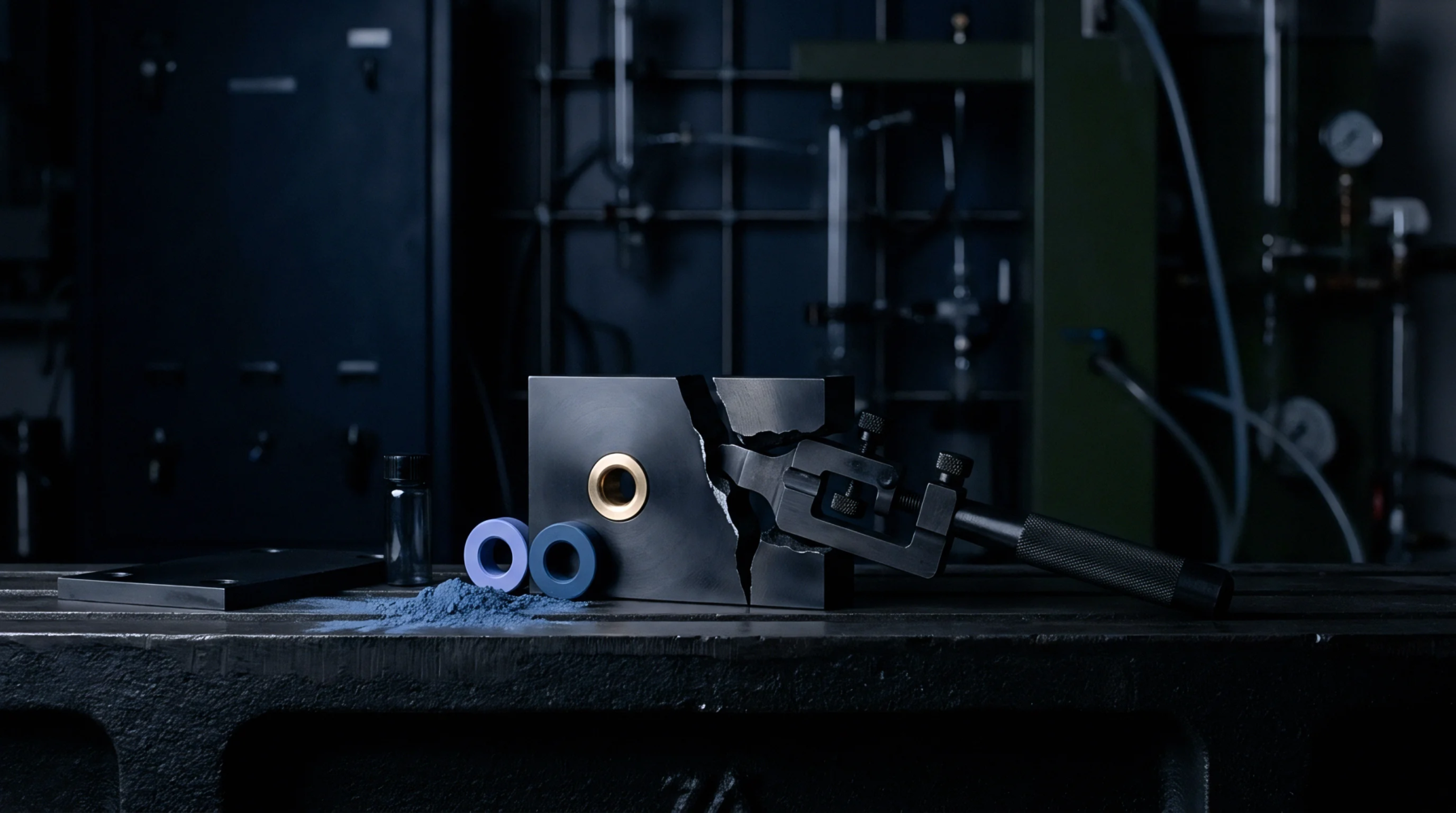
Optimizing creasing geometry for barrier board requires expanding female channel width and applying polished male rule radii to prevent barrier film splitting.
Downgauging folding boxboard demands increasing core bulk and outer ply elastic modulus to preserve caliper and bending stiffness under McKee formula laws.
Polyethylene film wraps trap moisture desorbed by paperboard during thermal swings, elevating internal relative humidity and triggering mechanosorptive failure.
Real-time NIR wet end gate verification stops off-spec furnish before web formation, securing fiber ratios, sheet strength, and commercial yield integrity.
High strain rate board creasing requires matching tool clearance to middle-ply shear yield to prevent surface fracture.
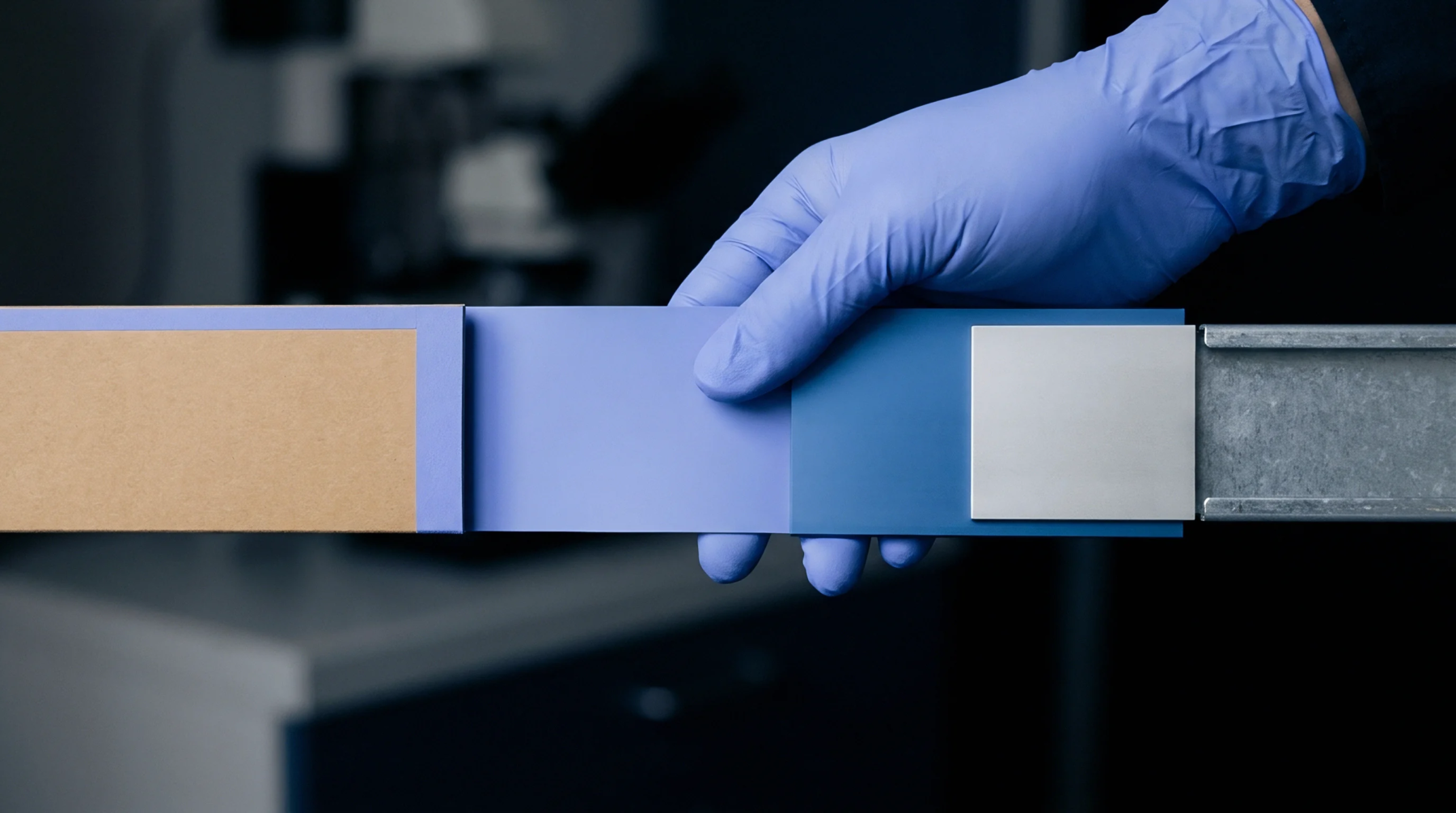
Calculate crease rule height by subtracting compressed board caliper from cutting rule baseline, sizing matrix width to rule thickness plus 1.5 to 1.8 times board thickness.
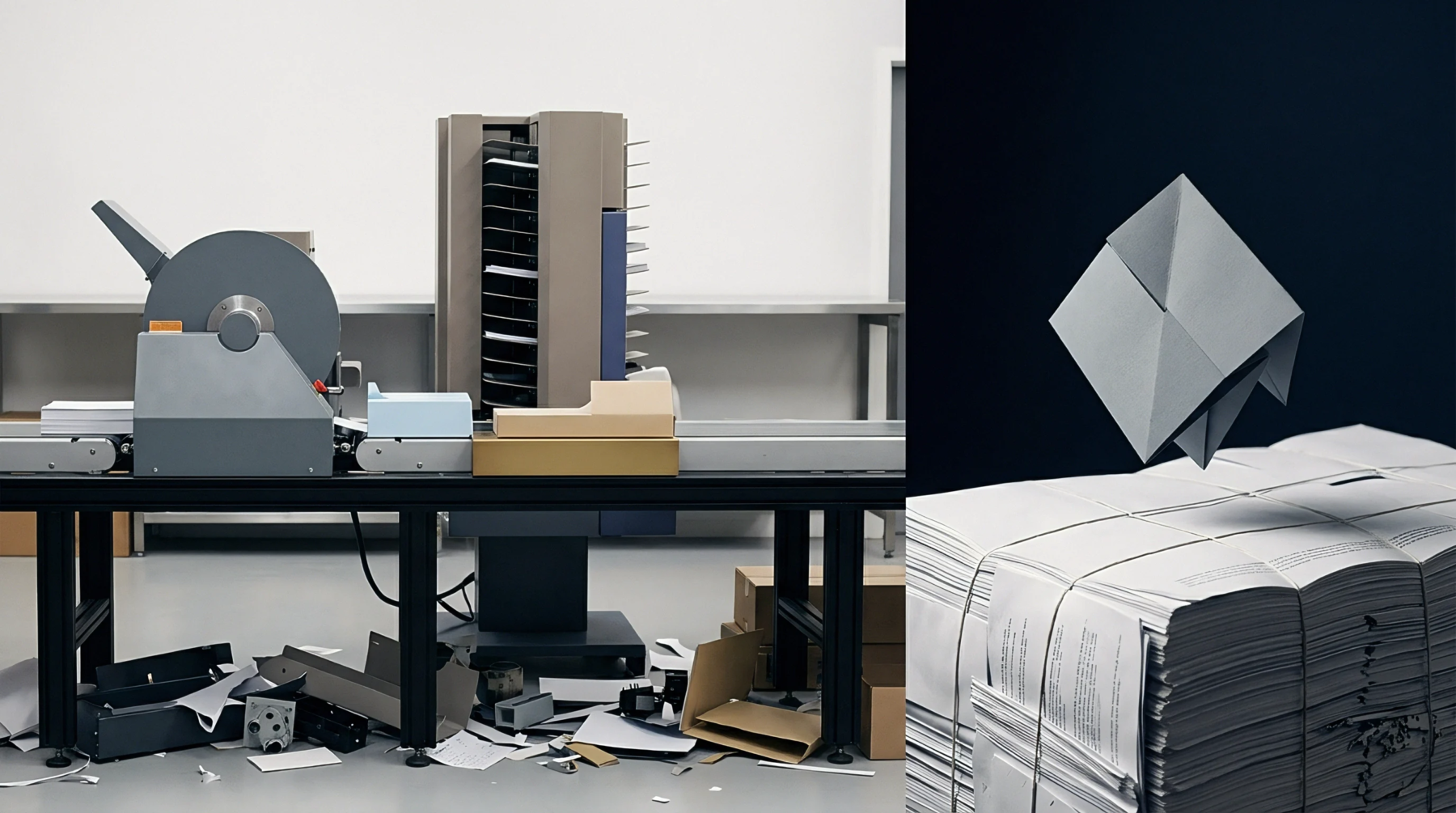
Substrate core thermal expansion limits dictate sheet dimensional stability, requiring precise thermal control to prevent misregister and bimetallic warp.
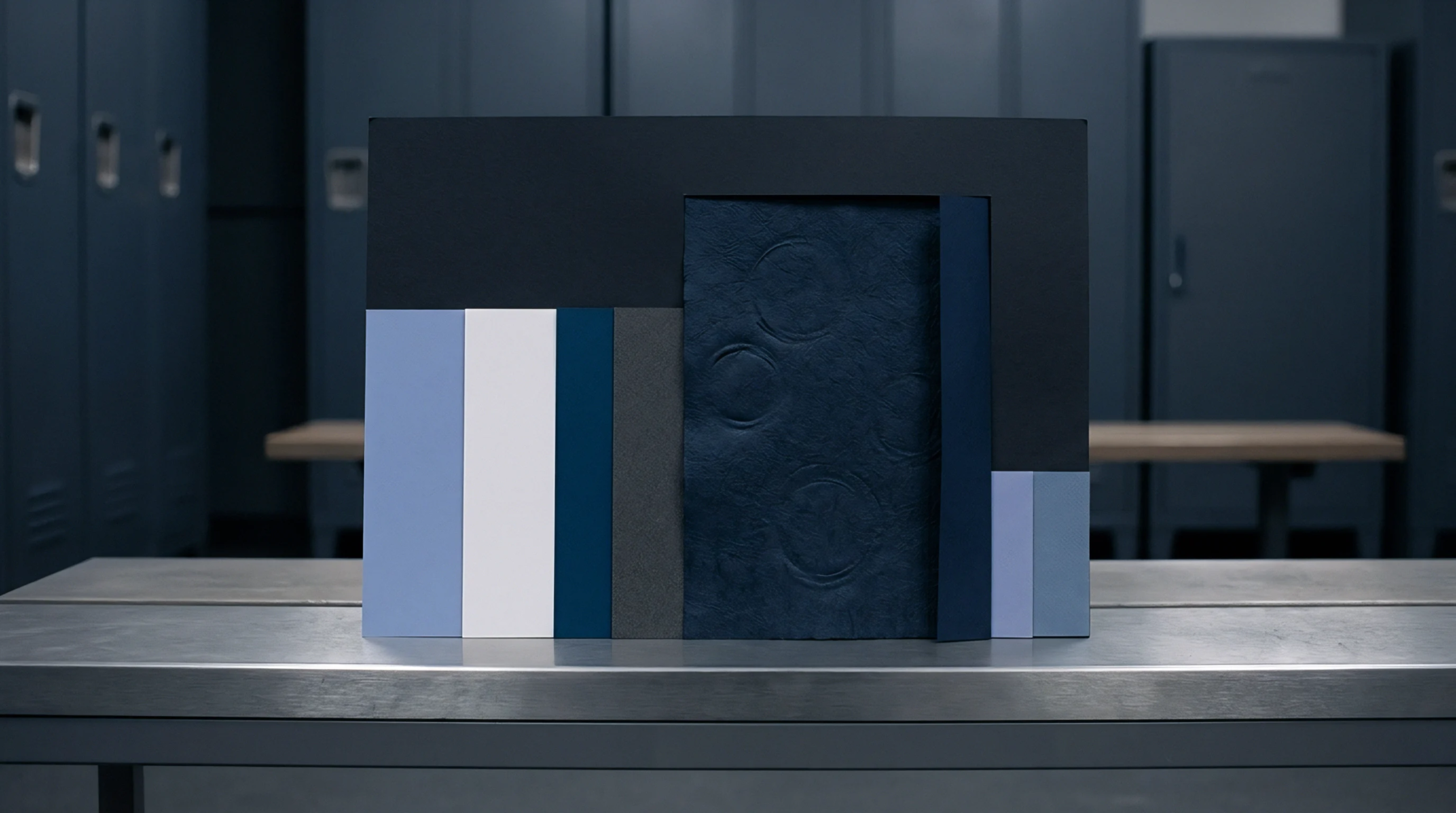
High frequency ultrasonic attenuation profiling non-destructively maps internal ply delamination and polymer barrier continuity during cartonboard creasing passes.
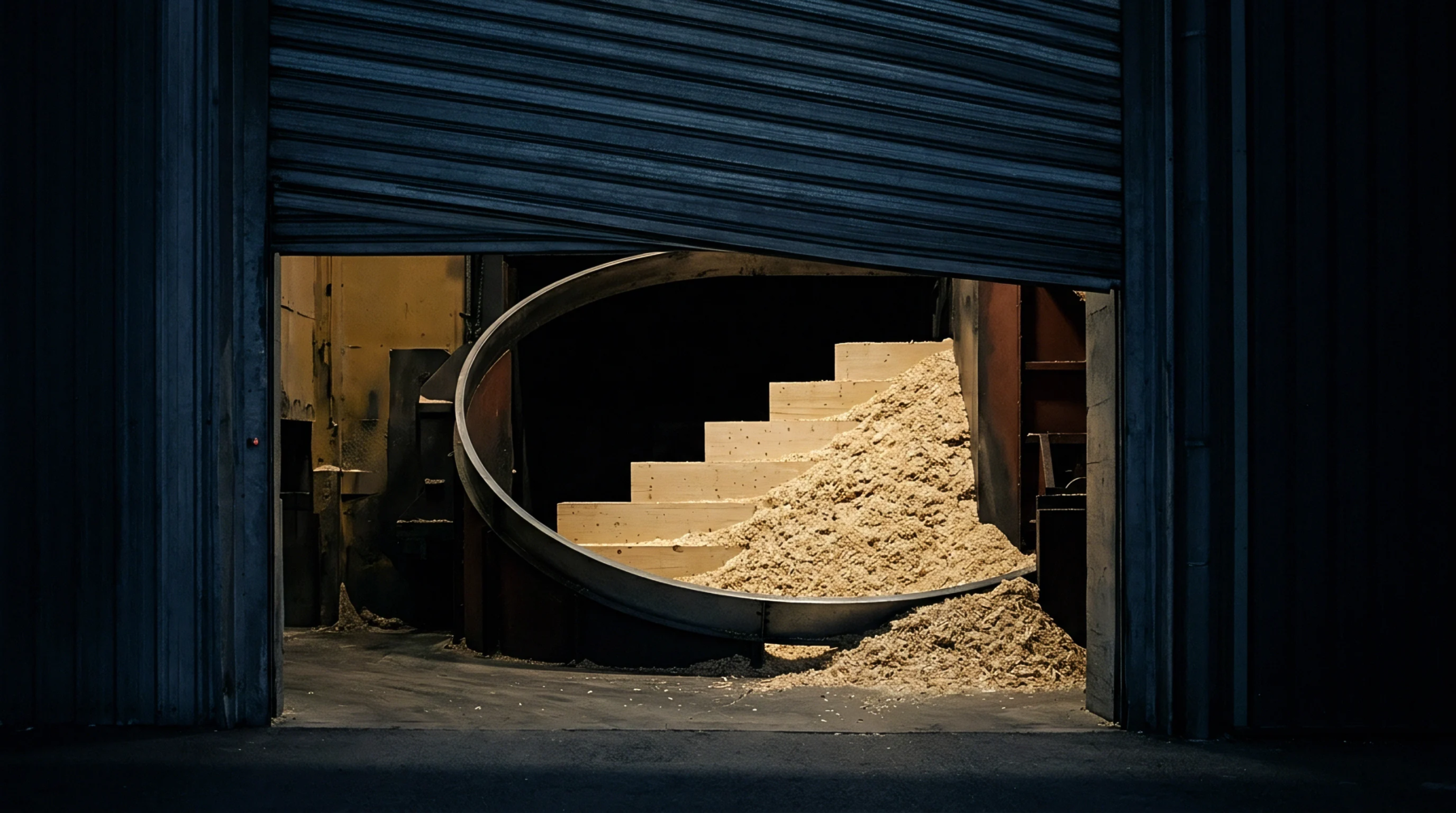
Low relative humidity elevates dispersion binder Tg, converting viscoelastic flow into brittle fracture during millisecond creasing and breaching barrier performance.
Selecting steel creasing rules and matrix channels for coated FBB requires matching board caliper and CTMP core shear limits to prevent surface cracking.
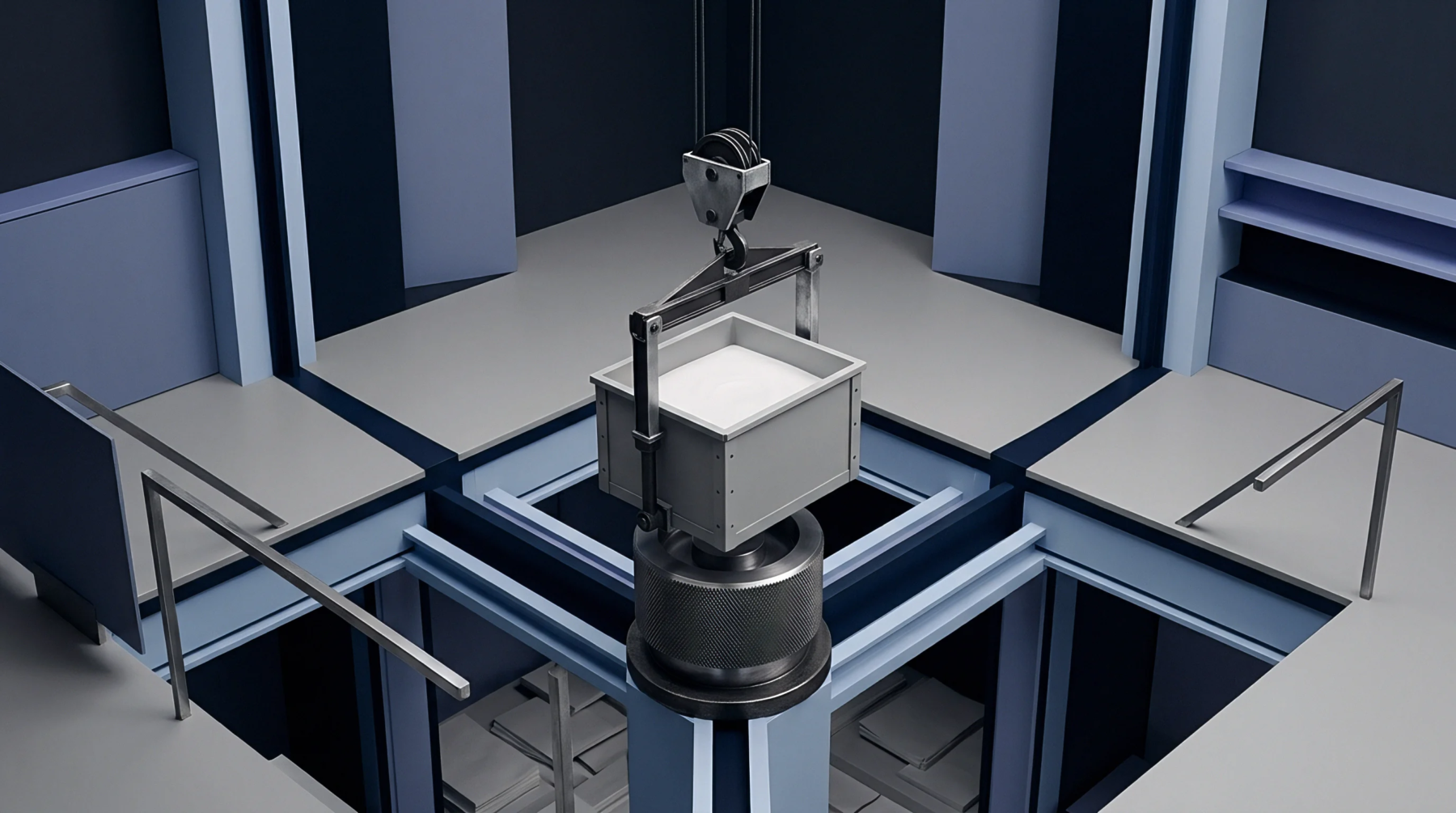
Resin yield stress thresholds govern score line micro-elevation profiles, where controlling matrix clearance and coat weight prevents optical edge defects.
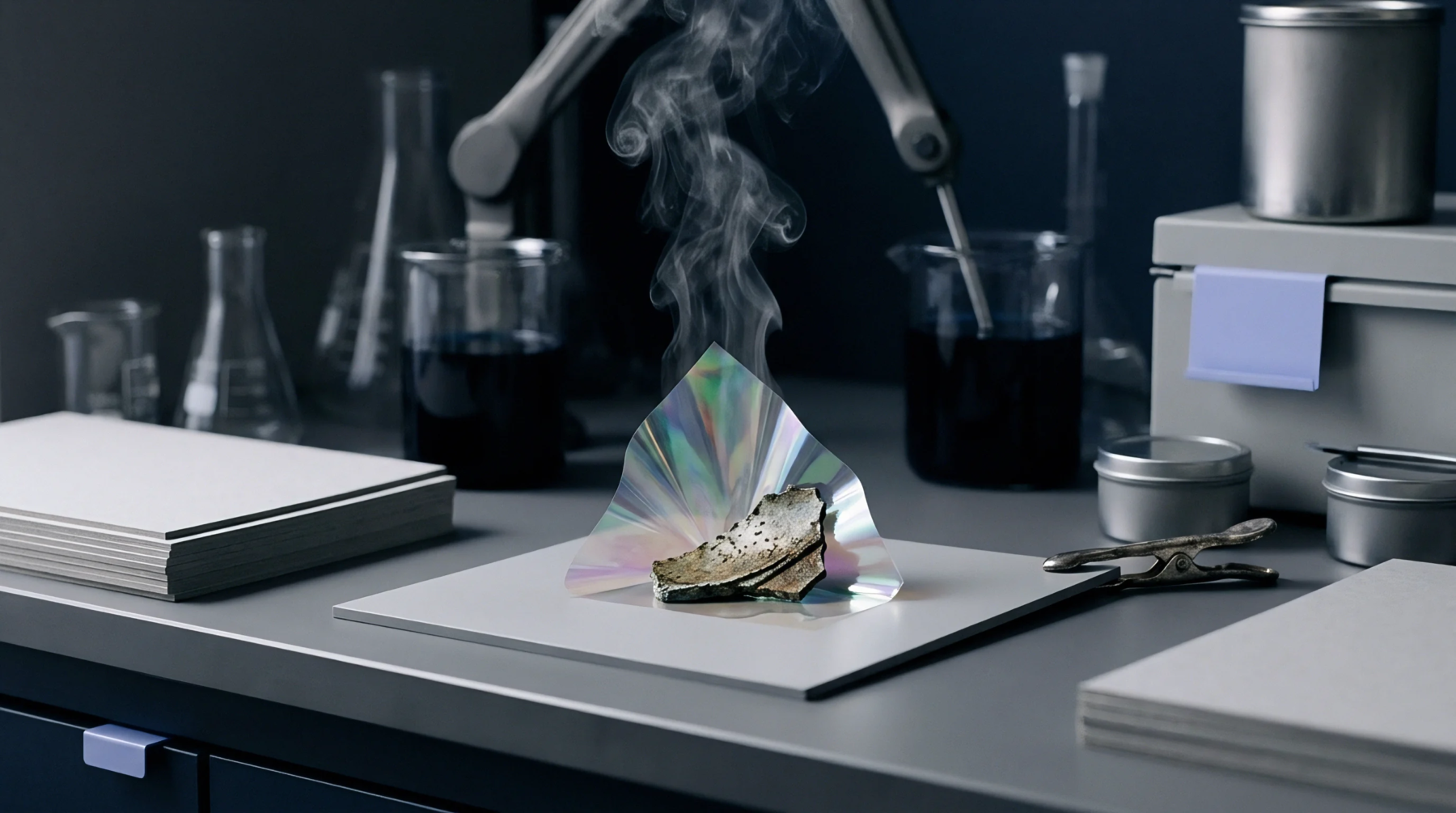
High speed thermal lamination induces transient Z-axis thermal and moisture gradients that interact with substrate fiber anisotropy, creating post-pass curl and delamination requiring active pre-heating and chill roll management.
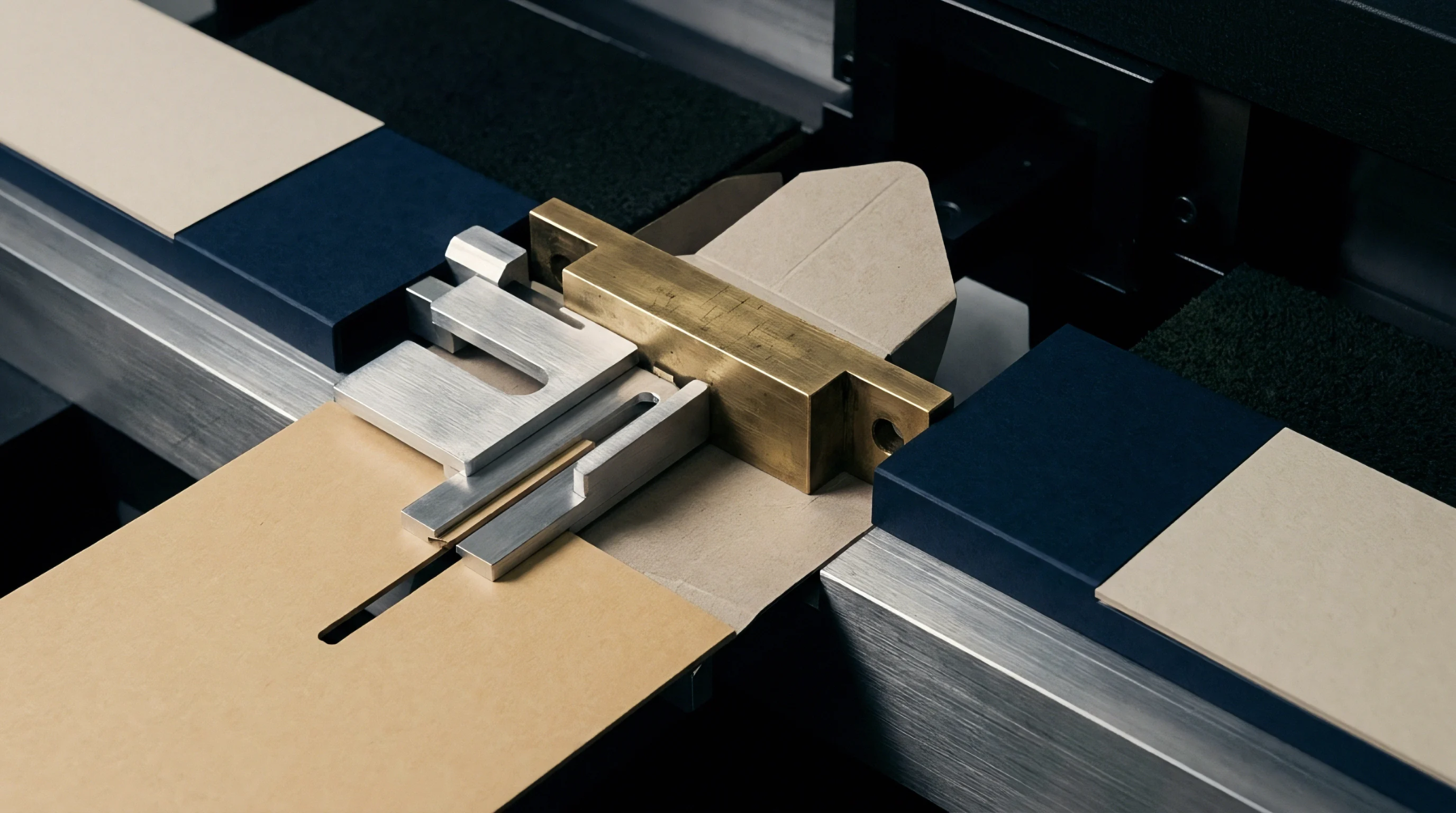
Dynamic mechanical analysis optimizes folding boxboard caliper retention by quantifying out-of-plane storage modulus decay in CTMP cores under high-speed converting loads.
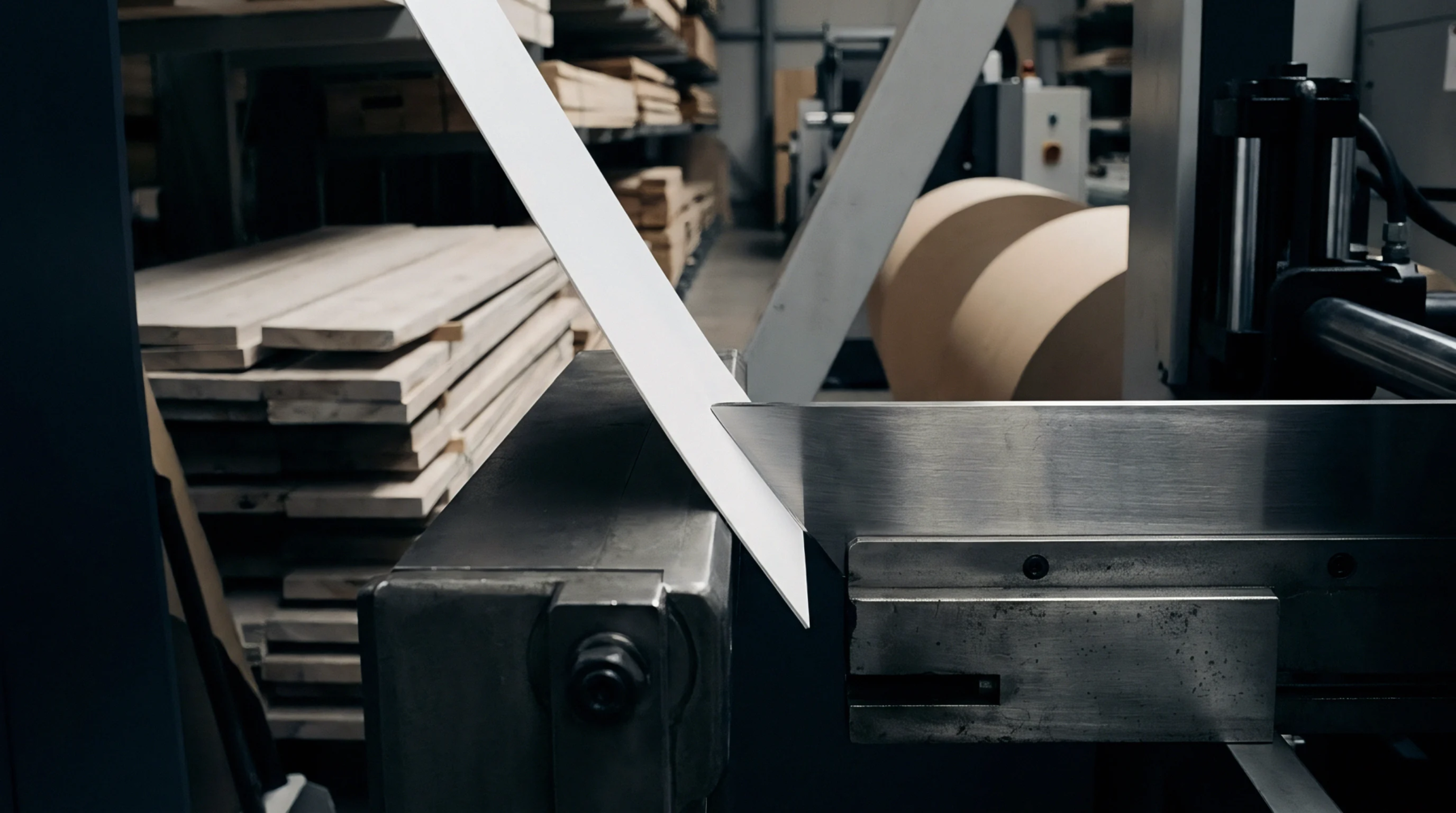
Modeling transient moisture gradients and hygral stress in high-bulk recycled cartonboard skids establishes barrier wrap limits to prevent press edge waving

Dynamic crease stiffness reduction ratios must be evaluated under operational strain rates of 1000°/s to 5000°/s to prevent high-speed cartoning line jams.
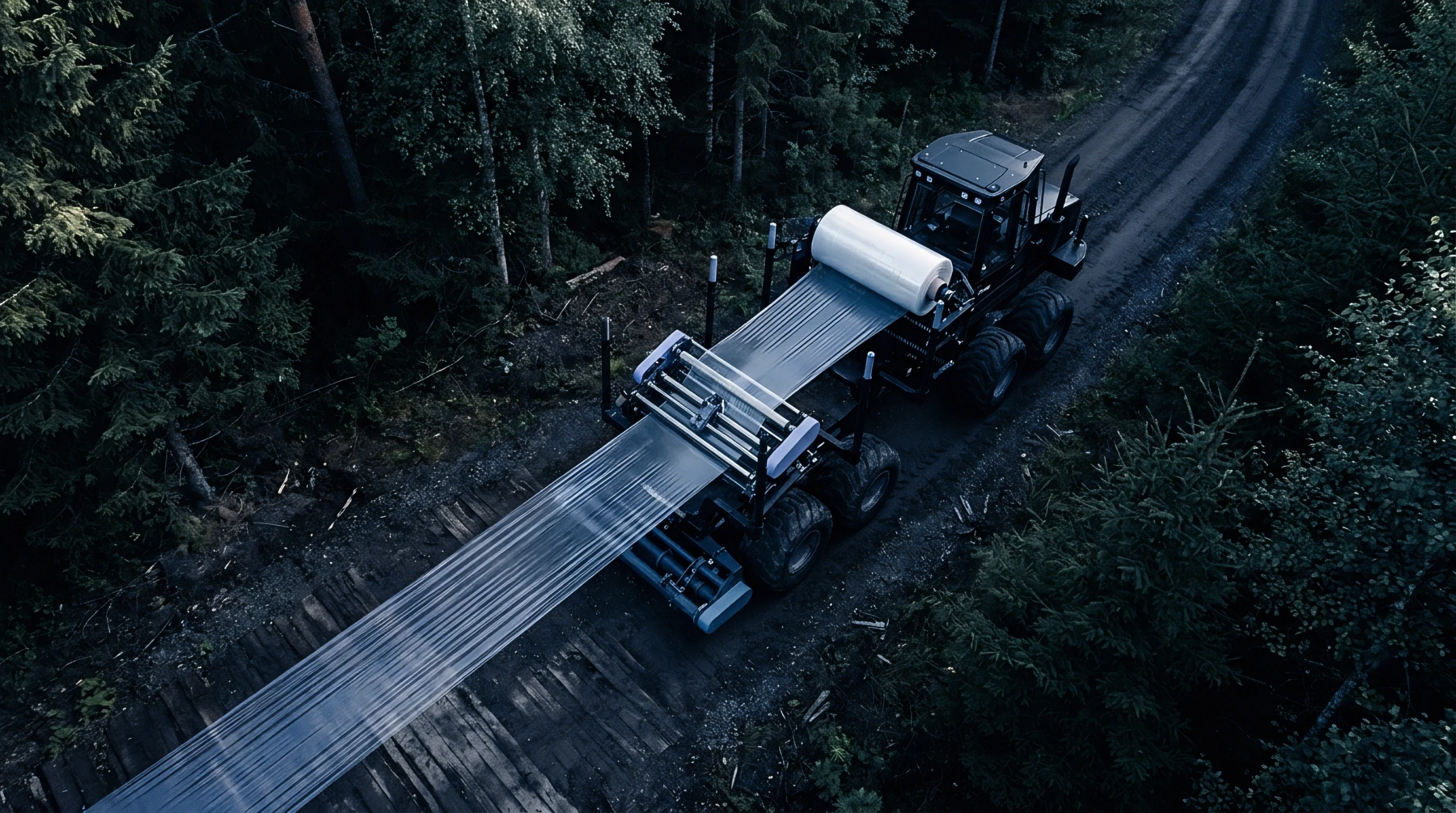
Matrix depth ratios dictate counter-die selection by balancing polymer yield strain against substrate compaction to preserve layer integrity under pressure.
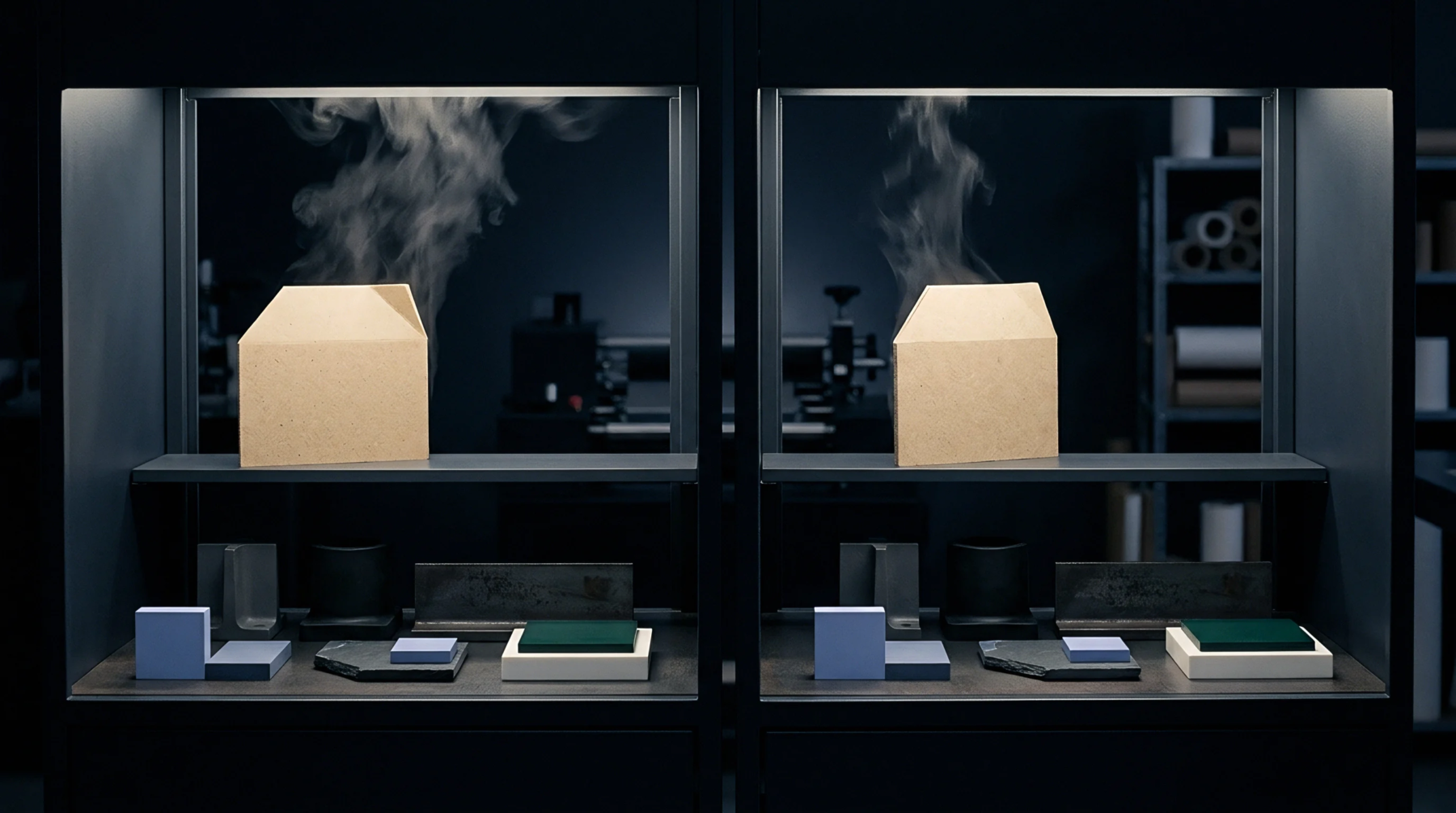
Paperboard moisture sorption and vapor permeability govern pack structural integrity and shelf life through fiber swelling, stiffness loss, and mass flux.

Friction sled cycles strip migratory slip agents, elevating polar surface energy while generating micro-roughness that causes severe specular gloss drift.

Optimizing board bulk expands sheet caliper at lower basis weight, increasing bending stiffness and yield per tonne while lowering total material cost.

Narrow coating pore throats below 0.05 micrometres maximize capillary pressure, driving rapid ink vehicle separation and set speed on offset press.
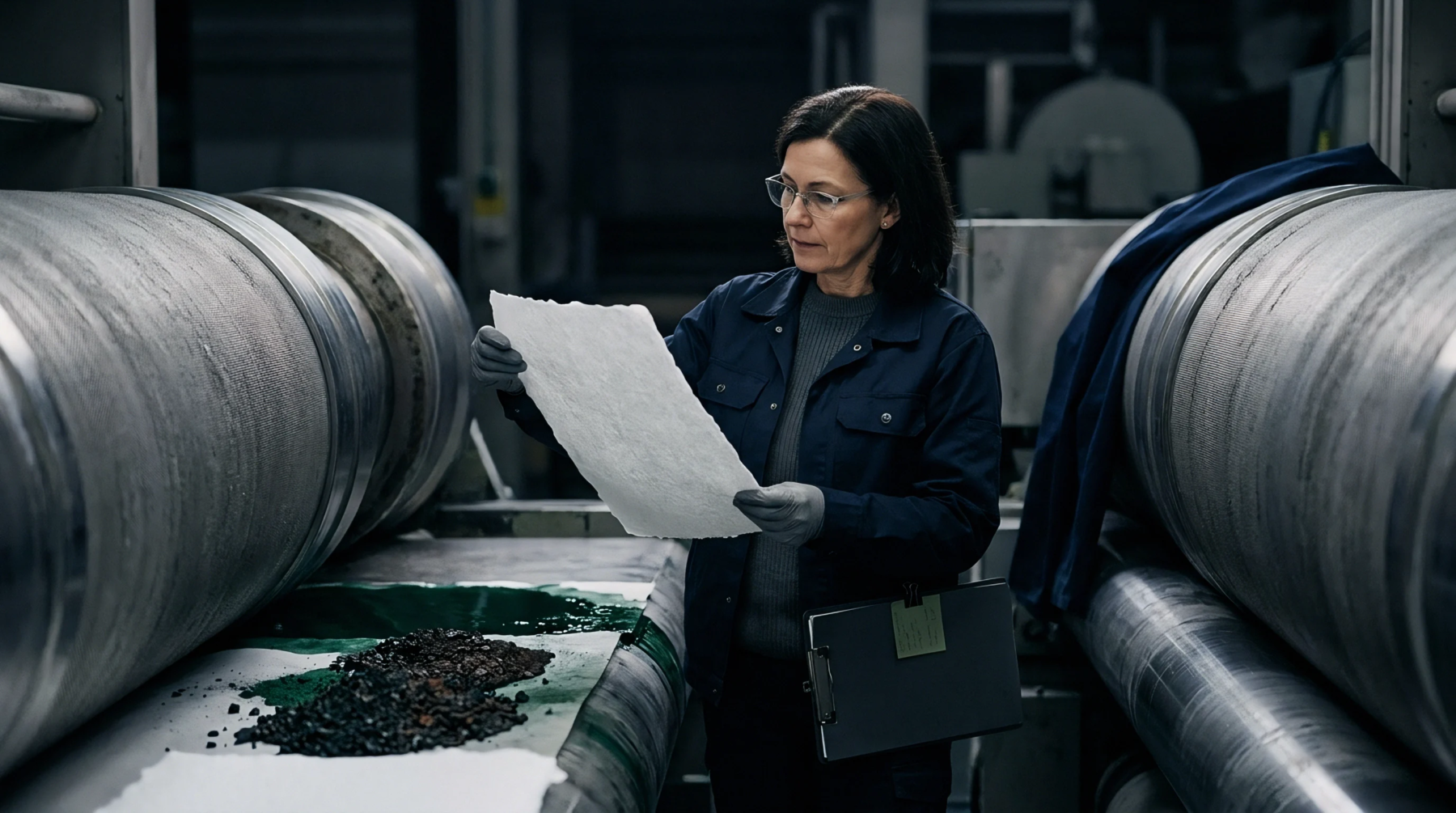
Recycled boxboard interlaminar shear thresholds decay non-linearly above 65% RH due to fiber hornification and starch matrix plasticization.
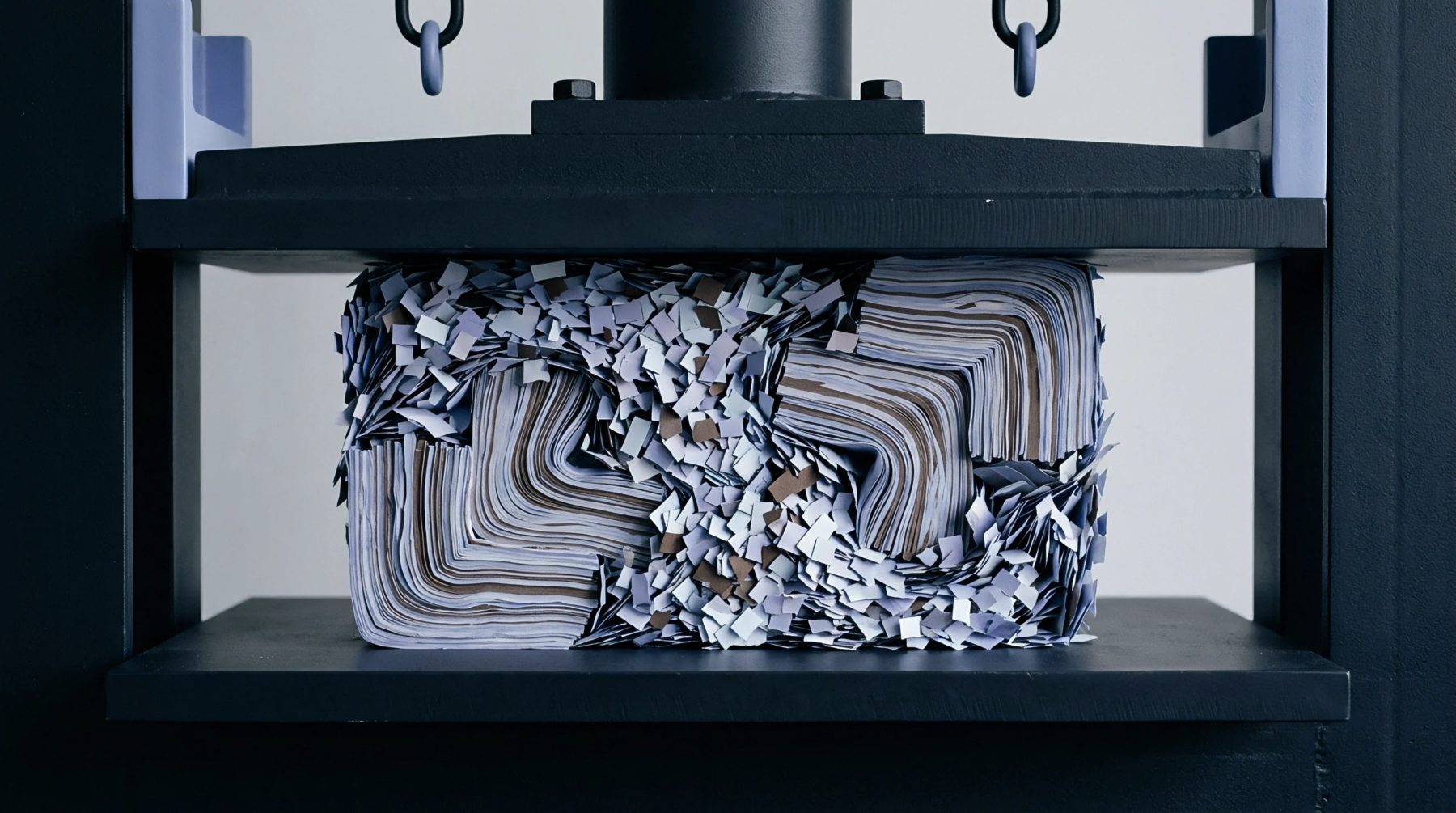
Parent sheet yield depends on matching machine deckles, subtracting press clearances, respecting grain direction, and accounting for guillotine kerf margins.
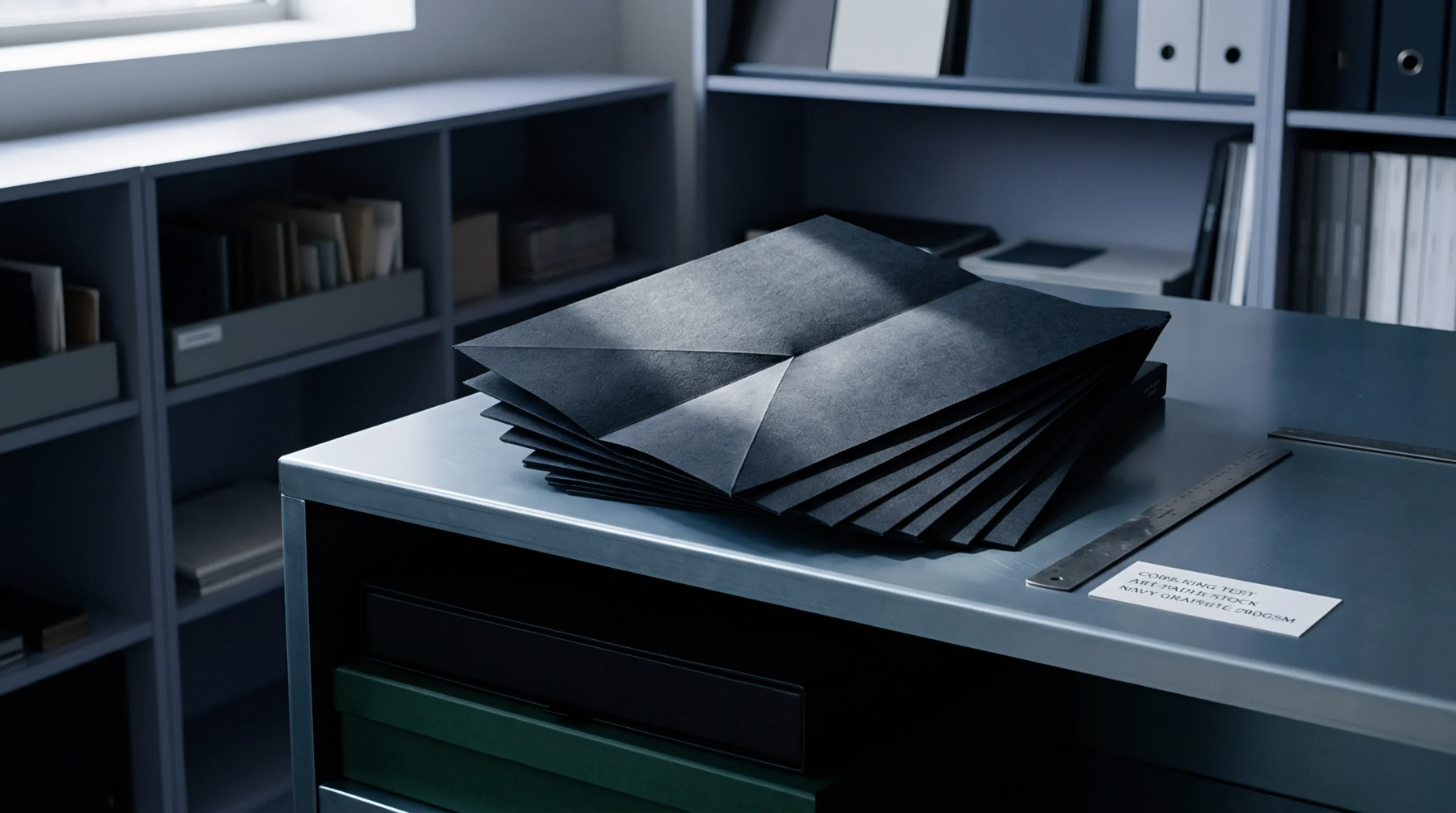
Non-destructive ultrasonic wave attenuation evaluates paperboard crease quality by measuring acoustic energy loss caused by internal shear delamination.
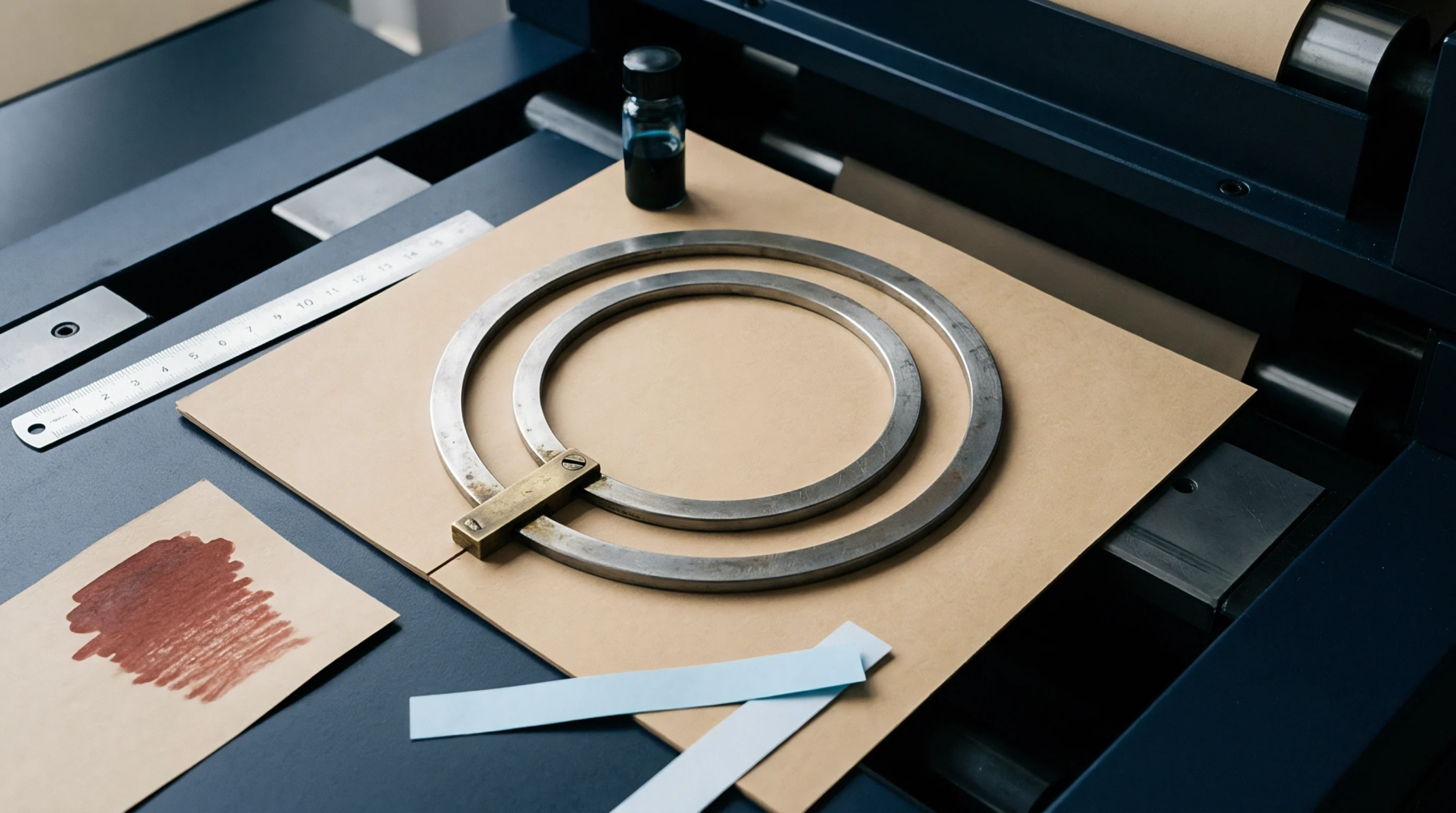
Core shear stiffness governs folding boxboard creasing performance; correct values enable middle ply delamination while preventing outer coated liner failure.
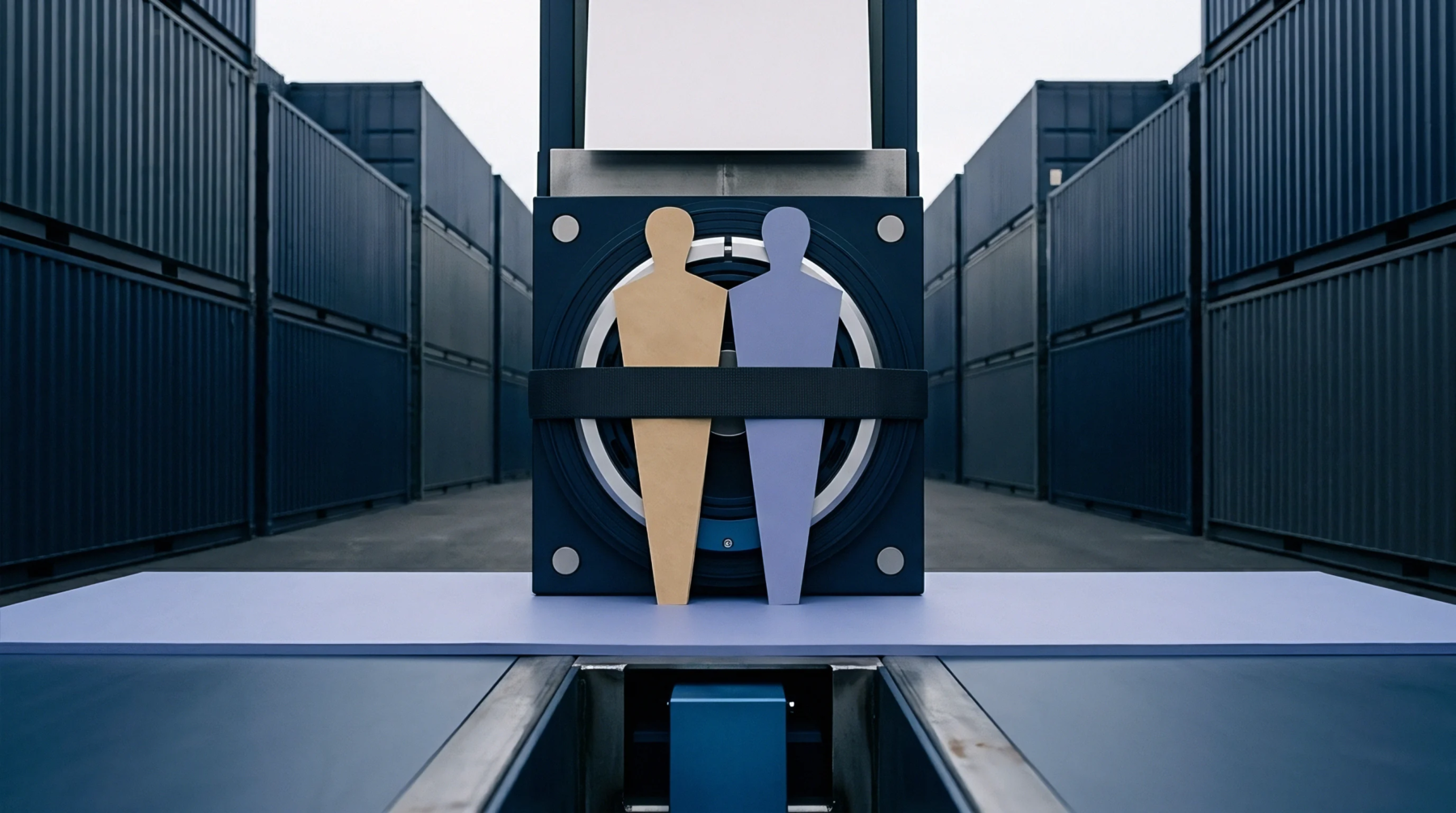
Calibrating artwork scaling factors offsets brass thermal expansion and substrate heat shrinkage to achieve exact register alignment on hot platen presses.
Expertise is a utility, not a secret. sentiention™ publishes its working knowledge as open reference: intelligence layer covering the materials it sources, the markets it enters, and the reference that serves both.