
Determining Z Direction Compression Coefficients for Embossing Die Cavity Tooling
Calculate Z-direction cavity tooling depth by multiplying uncompressed caliper by the plastic strain coefficient and adding targeted visual relief height.
Calculate Z-direction cavity tooling depth by multiplying uncompressed caliper by the plastic strain coefficient and adding targeted visual relief height.
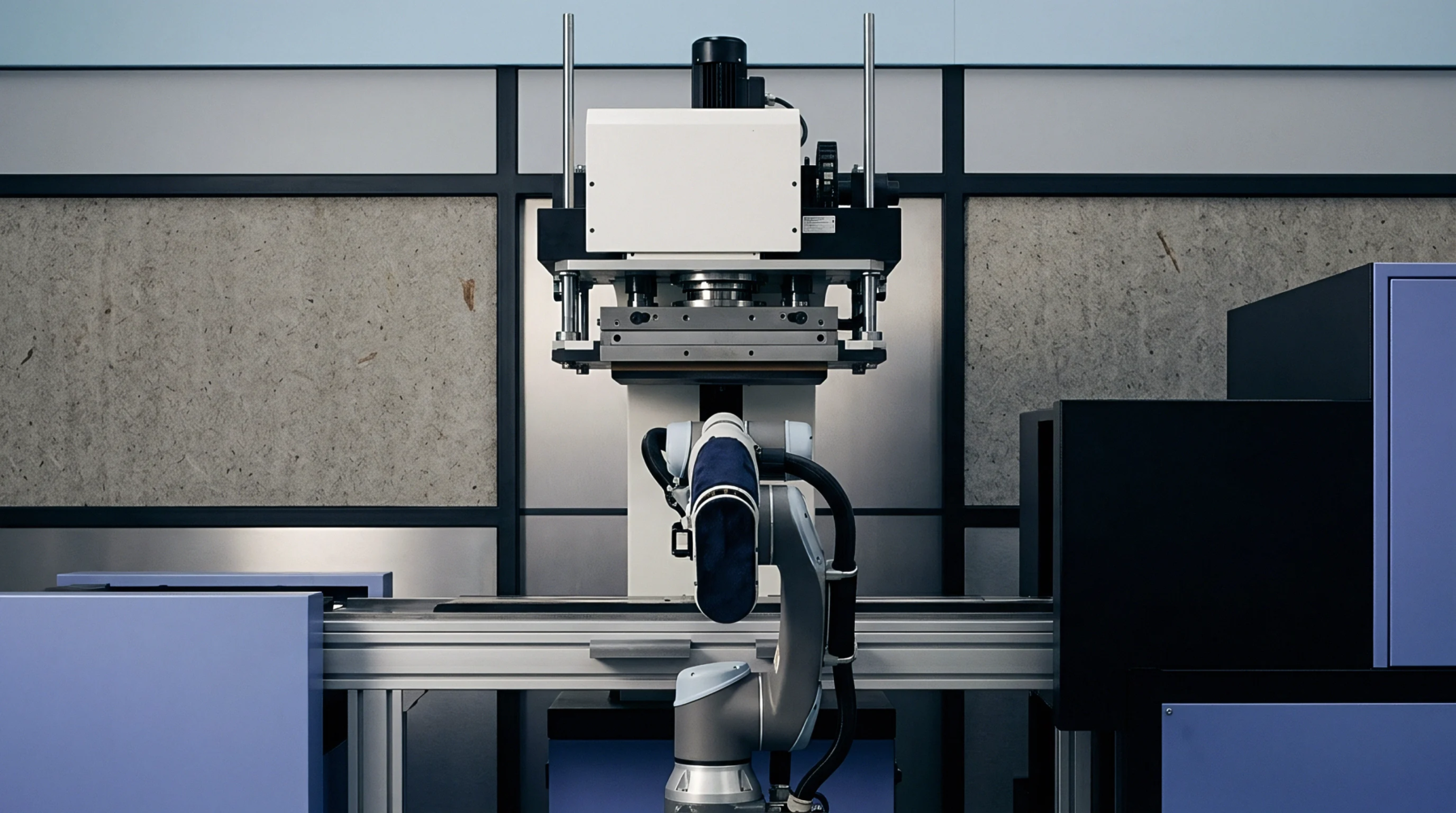
Dynamic triangulation drift in multi-ply recycled boxboard converting stems from surface roughness noise, hygroexpansion curl, and interlayer shear slip.
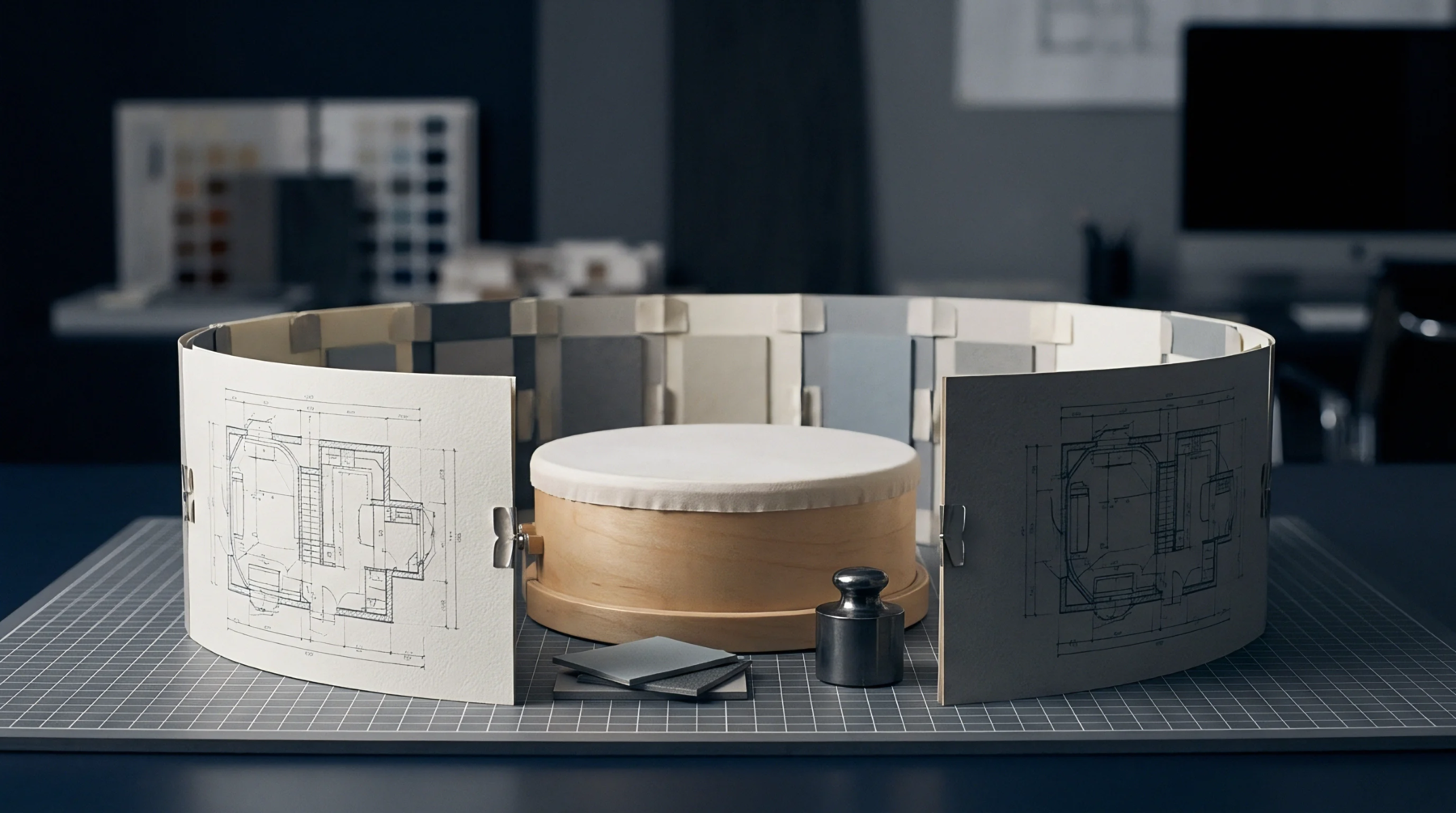
Transverse moisture gradients across laminated heavyweight boxboard drive CD curl and score cracking; strict 72-hour pallet acclimatization prevents converting scrap.

Optical displacement calibration on bleached board demands non-penetrating ceramic standards to eliminate 25-micrometer errors from pulp scatter.

Surfactant extraction via ten second isopropyl alcohol surface leaching predicts water based ink mottle on recycled chipboard before press trial commit.
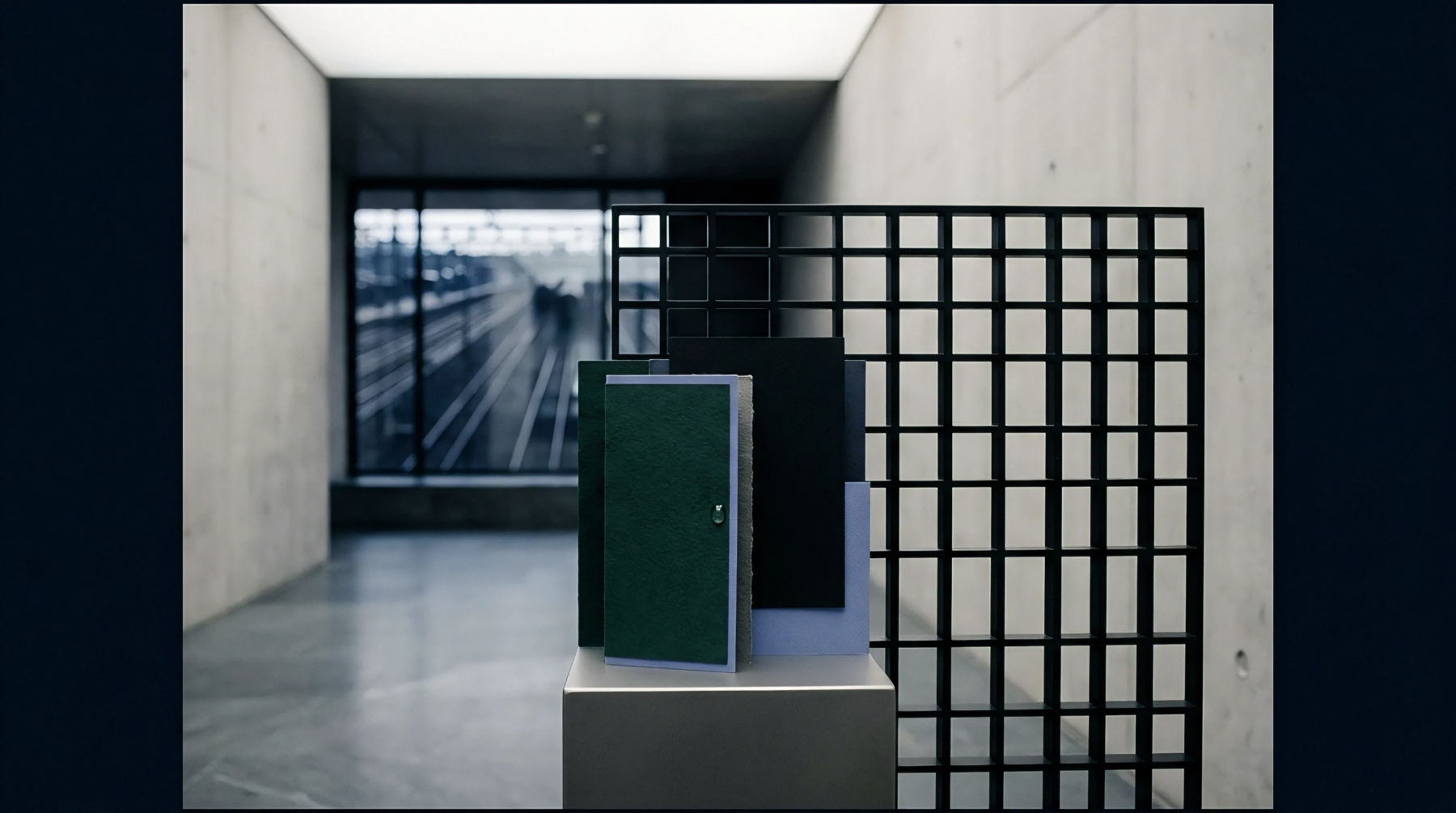
Sizing counter matrix channel width to 1.6 times board caliper plus rule thickness prevents clay coating cracking on recycled boxboard by enabling internal delamination.
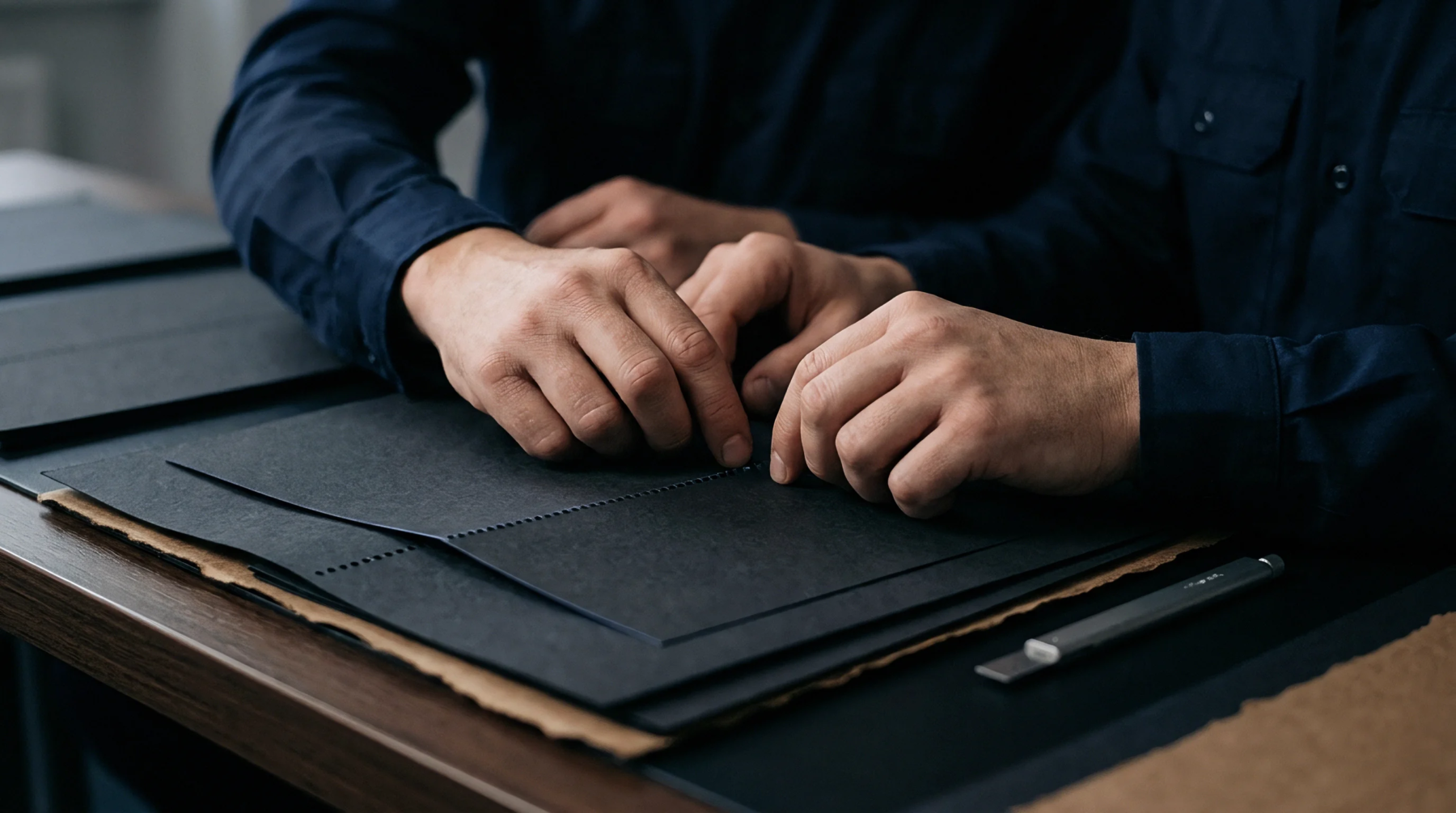
Establishing accurate paperboard converting yield baselines separates transit tare, hygroscopic mass drift, and tool skeleton waste from raw material invoices.
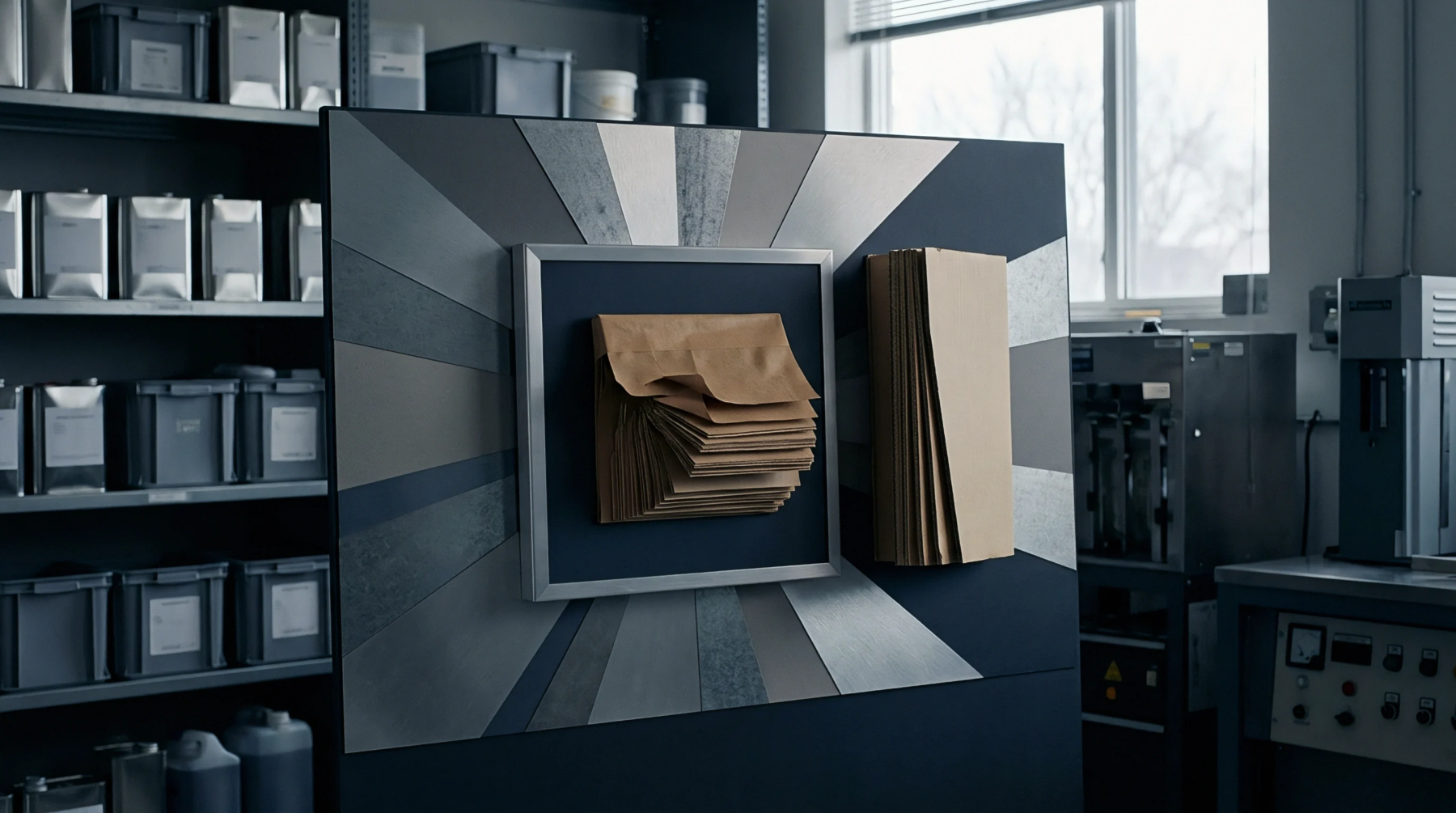
Independent referee clauses prevent unilateral cargo rejection by mandating sealed retain sampling and binding third-party laboratory conditioning under ISO 187.

Micro-pore volume between 0.02 and 0.08 micrometers controls dynamic vehicle absorption, dictating offset ink setting speed and preventing mottle defects.
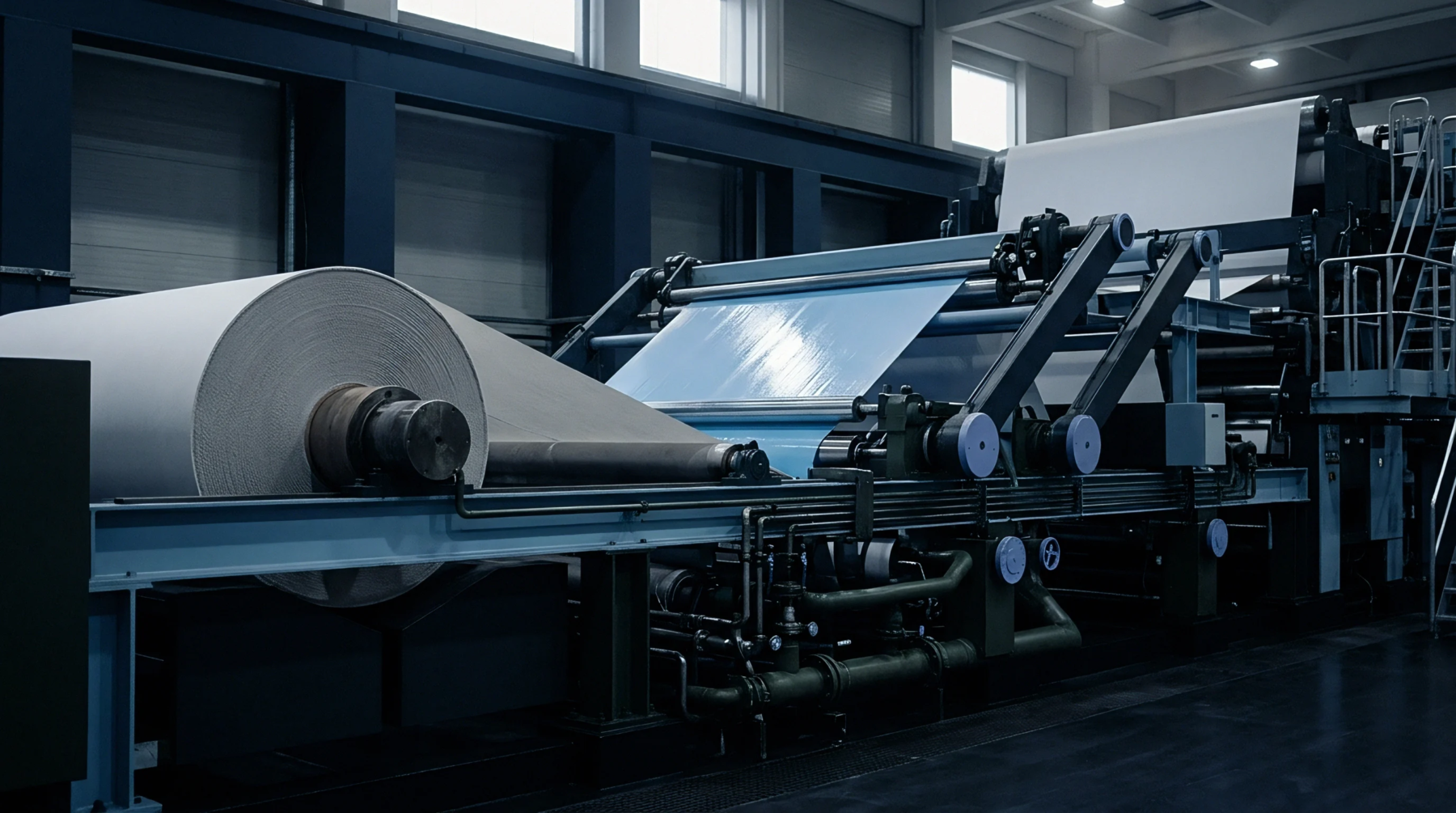
Dynamic strain limits require subtracting hygroscopic expansion from mechanical elongation to maintain converting web stability across relative humidity swings.

Verify Scott Bond above 120 J/m² and ZDT above 220 kPa under ISO 187 conditioning to prevent blanket delamination and score splitting on recycled cartonboard.
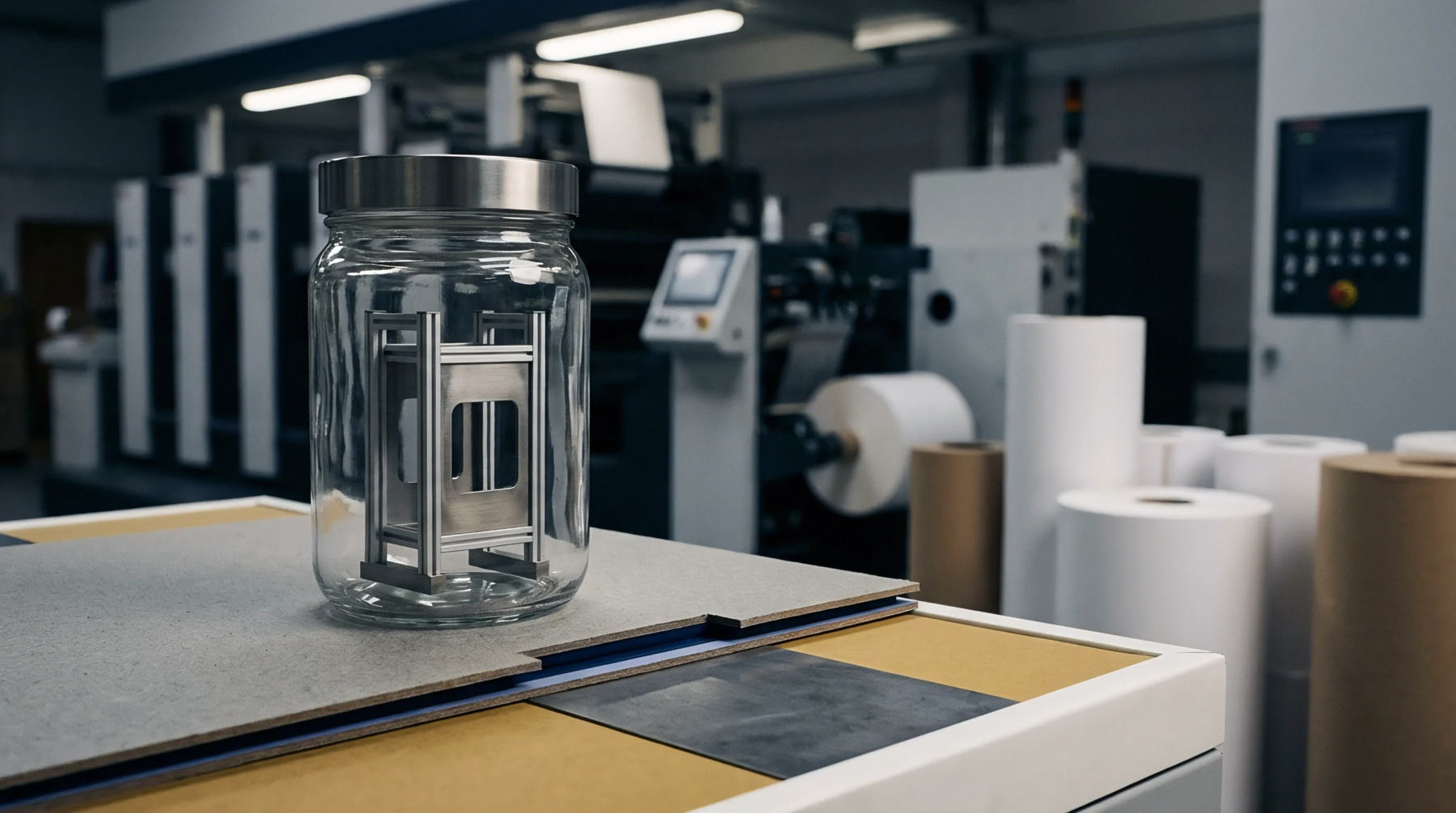
Real-time moisture migration models calculate edge vapor ingress to predict dimensional expansion and box compression decay in sealed paperboard pallets.

Maintain board equilibrium moisture between 50 and 55 percent RH to prevent anisotropic fiber expansion, sheet fan-out register drift, and score cracking.
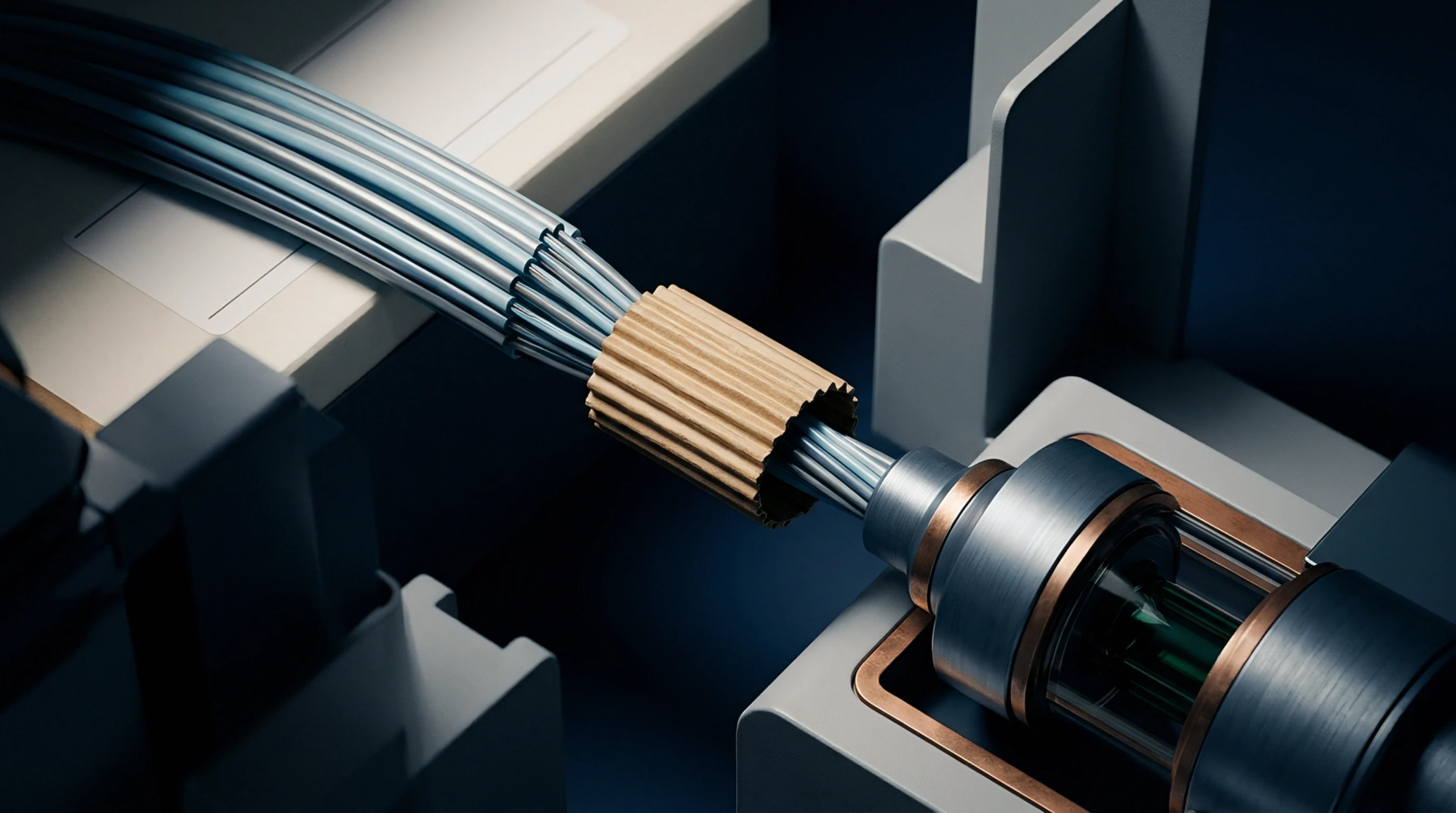
Extrusion coatings resist humidity until creasing strain shears polymer-fiber bonds, opening edge-wicking pathways that inflate converting scrap.
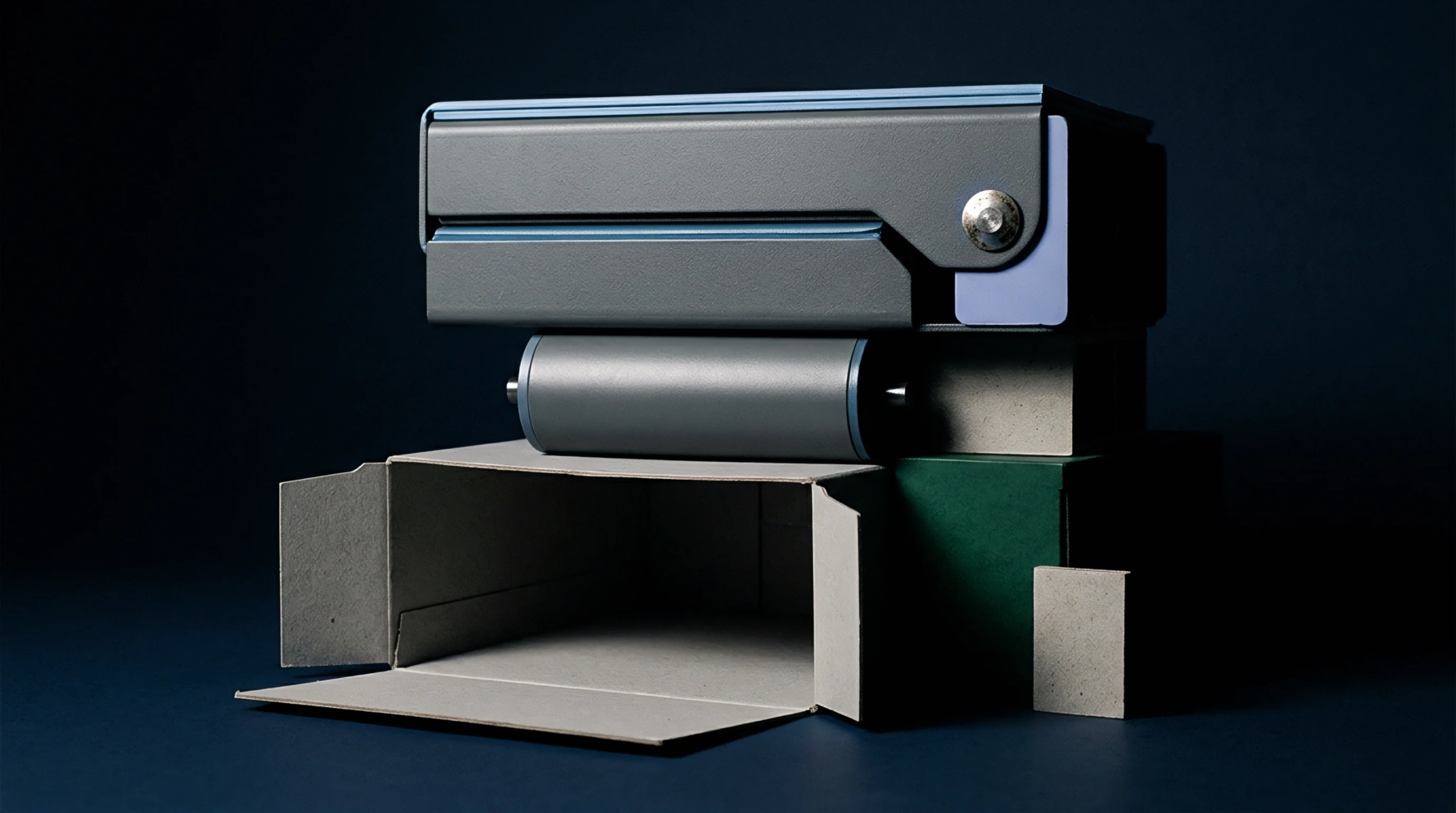
Thermally conditioning surface plies above binder glass transition depresses surface roughness without crushing core mechanical plies, boosting caliper yield.
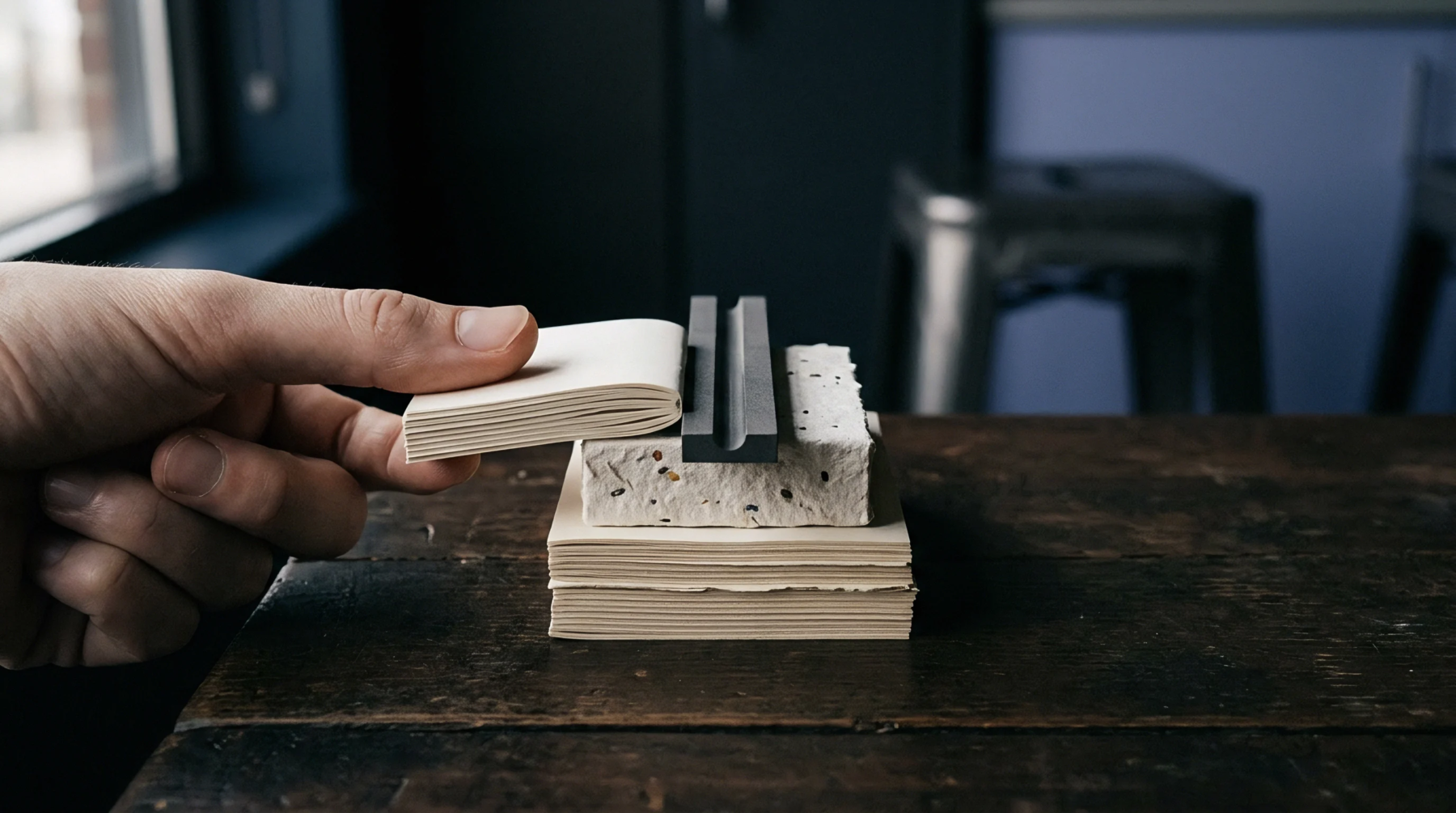
Polymer film lamination triggers severe EPR fee penalties across Europe; switching to certified repulpable dispersion barriers restores base fiber tariffs.
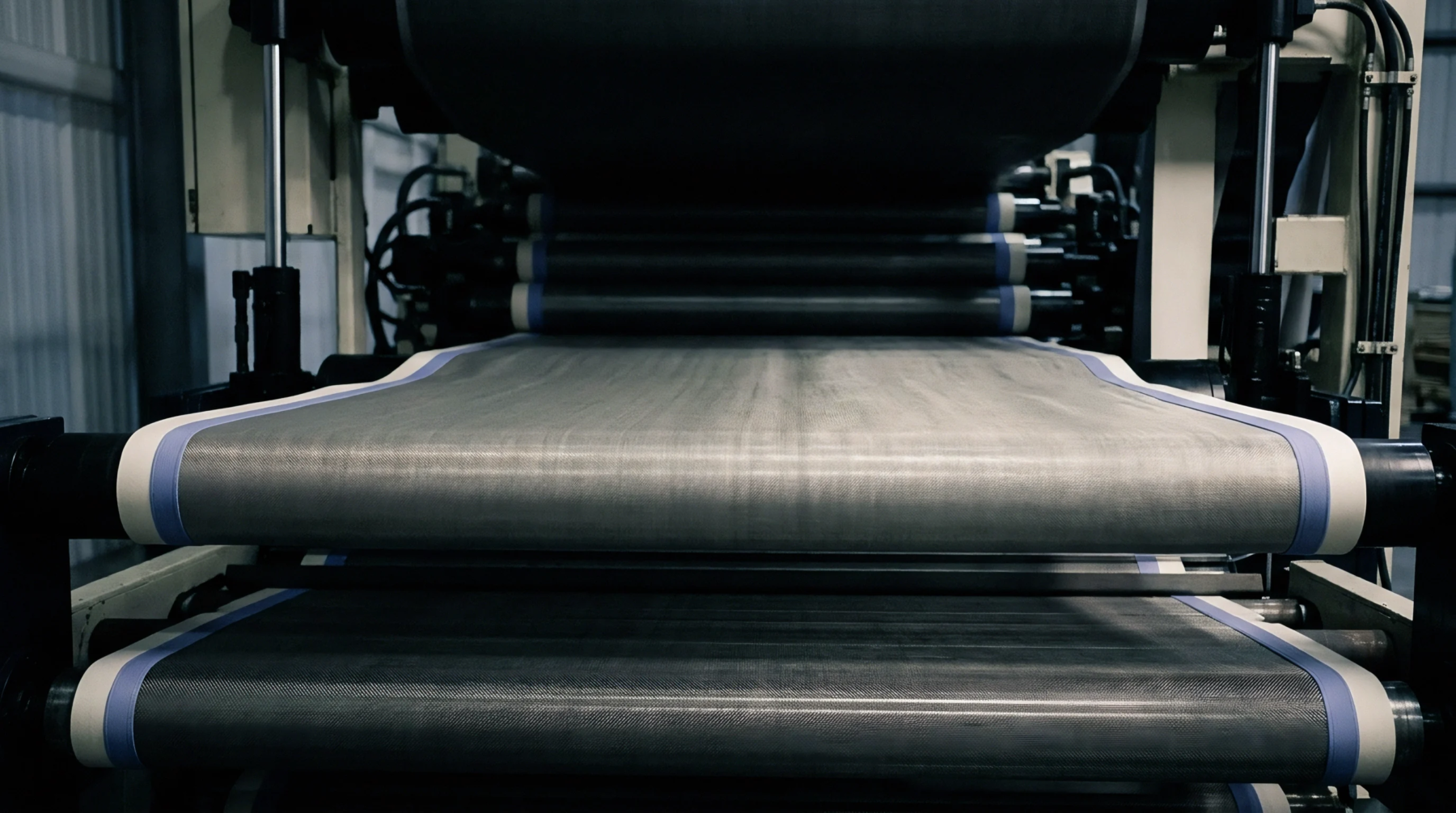
Reverse side water application restores moisture balance and eliminates curl by re-wetting dry wire-side fibers before converting stresses lock the sheet.

High velocity contact loading softens polyolefin matte asperities through adiabatic shear heating, accelerating surface glazing and interfacial peel failure.
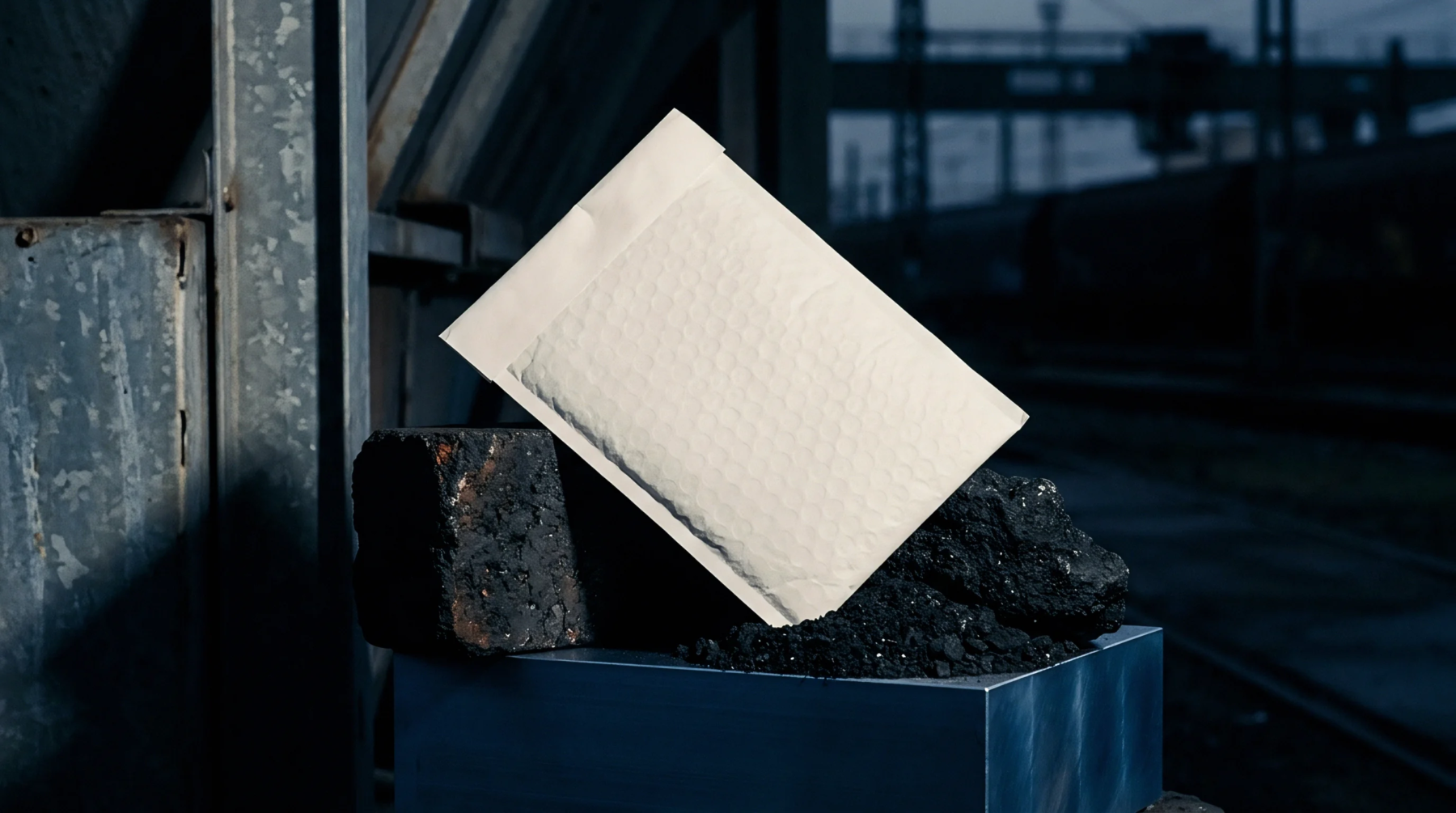
Marine container humidity drops paperboard compression by half, requiring virgin kraft furnishes and 4.0 safety factors to prevent column collapse at sea.
Water-coated SBS board requires wider female creasing channels to offset aqueous polymer springback and prevent high-speed folder-gluer carton failures.
Controlling vacuum hydrofoil pressure gradients and press impulse prevents internal delamination in multi-ply recycled linerboard during converter scoring.
Paperboard moisture equilibrium dictates converting stability: matching substrate sorption hysteresis to hall humidity prevents carton cracking and register loss.
Optimizing triple ply folding boxboard stiffness requires maximizing middle layer bulk using BCTMP while placing high elastic modulus chemical pulp in outer skins.
Extrusion and dispersion coating elongation limits require matching tool tip geometry and board moisture to prevent outer-fiber micro-cracking under scoring press kinematics.
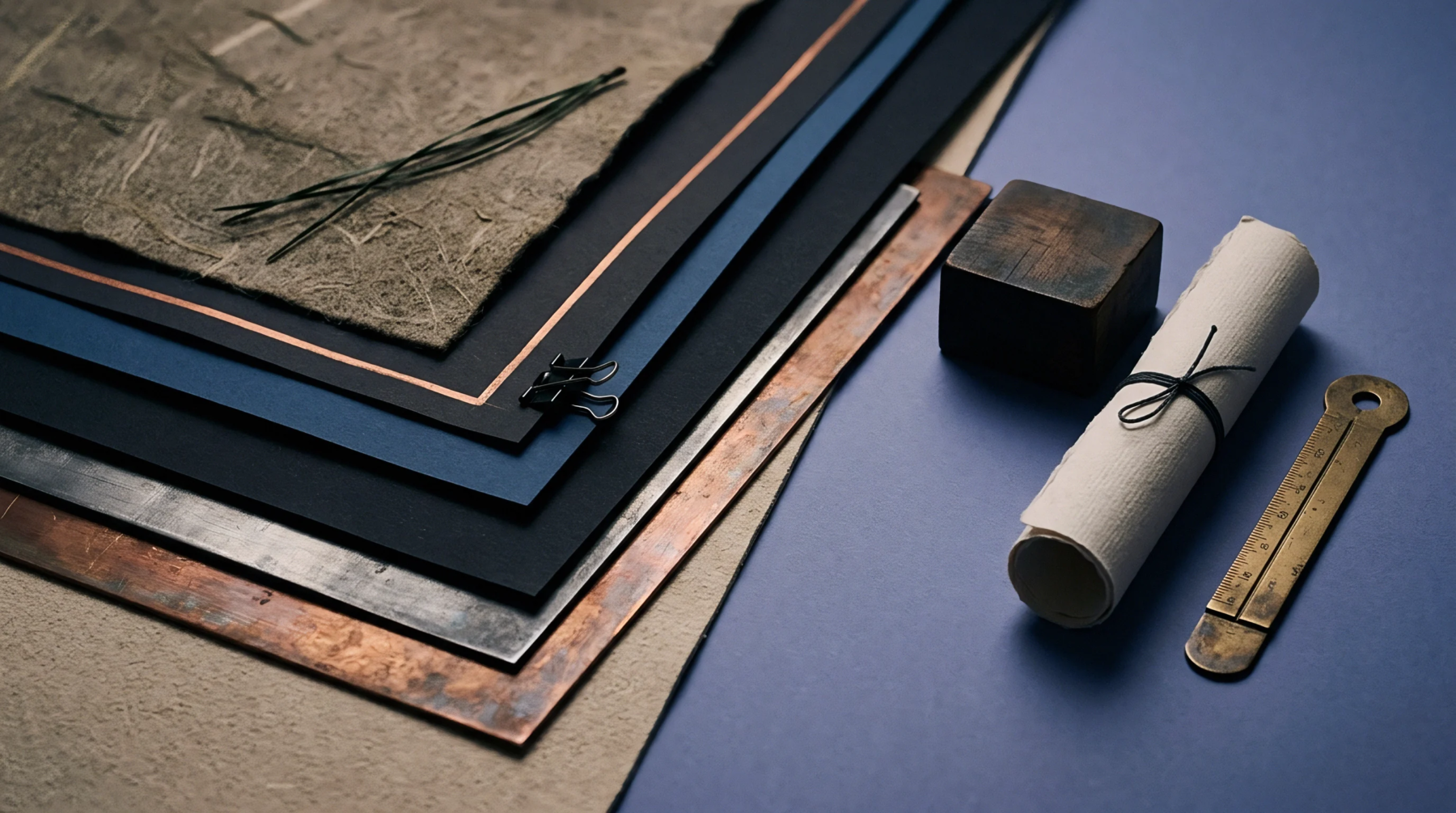
Substrate desiccation during heated stamping alters sheet dimensions, requiring differential die scaling and controlled humidity recovery between passes.
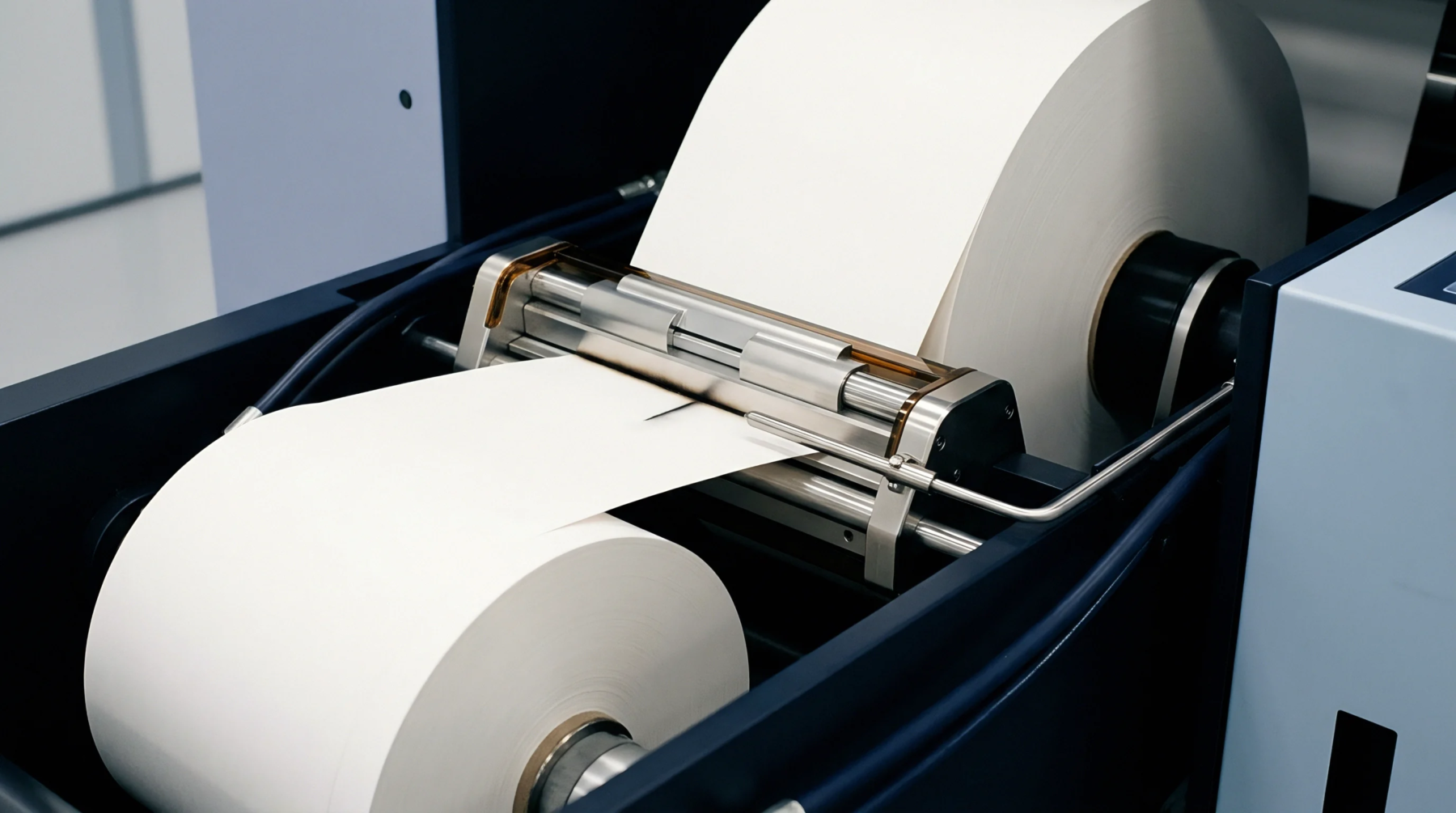
Optimizing secondary slitter schedules requires balancing changeover downtime against deckle off-trim waste using dynamic knife positioning thresholds.

Heavyweight folding boxboard requires matrix depth matching board caliper and channel width calculated at one point seven times caliper plus rule thickness.

Controlling moisture sorption and anisotropic hygroexpansion requires tight warehouse humidity regulation to prevent converting misregistration and warp defect losses.
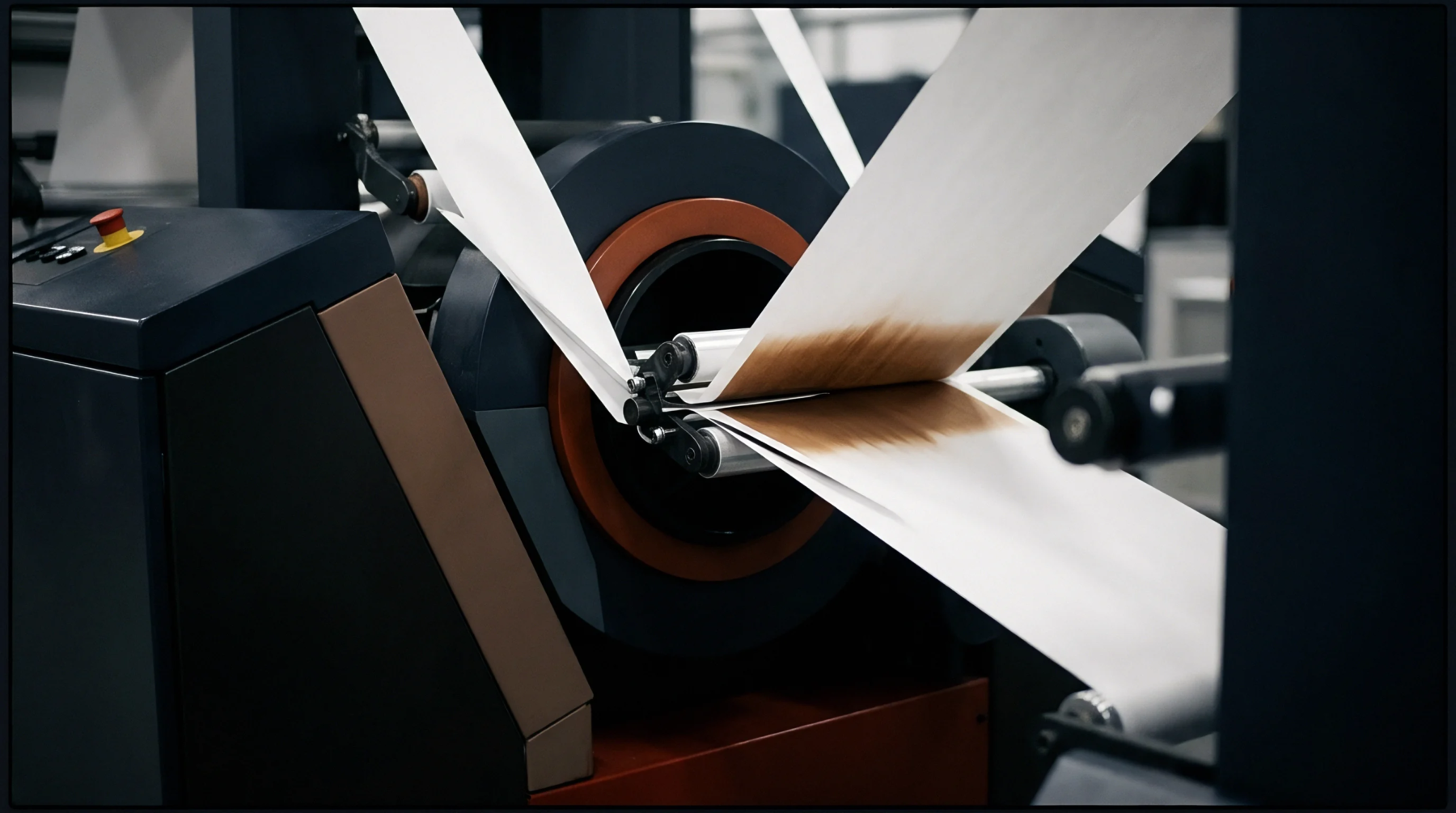
High-speed web steaming drives steep Z-direction thermal gradients, requiring tight exposure control below 20 milliseconds to prevent core ply delamination.
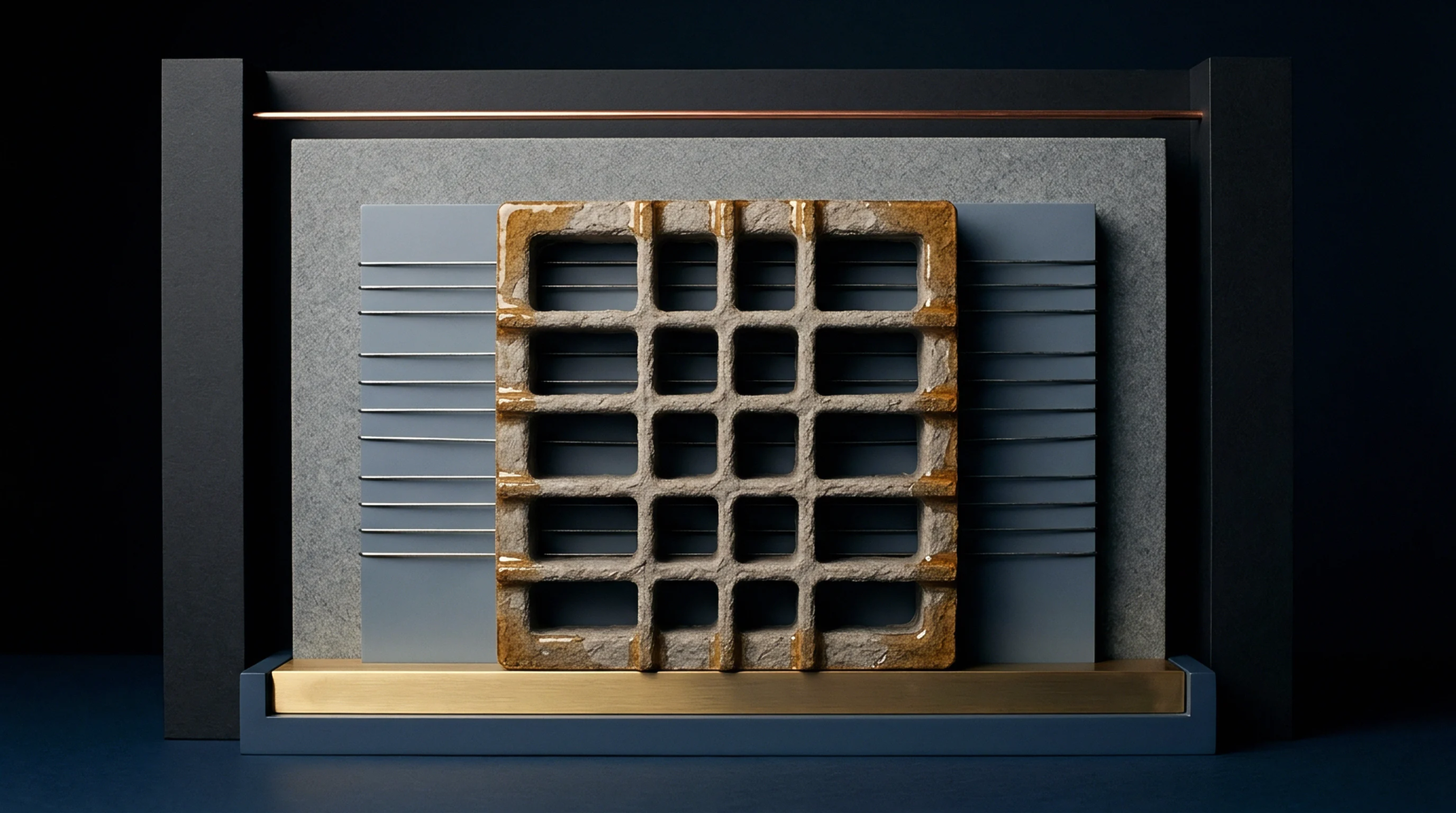
Dynamic stiffening at rotary converting speeds forces delamination failure modes, requiring tuned counter clearances to protect outer carton liners from rupture.
Expertise is a utility, not a secret. sentiention™ publishes its working knowledge as open reference: intelligence layer covering the materials it sources, the markets it enters, and the reference that serves both.