Atmospheric Equilibrium
Standardised hygroscopic stabilization defines the technical requirements for paper and board samples held under specific temperature and humidity levels before mechanical testing proceeds. Known as iso 187 conditioning, this practice ensures that moisture content across diverse test batches reaches a stable state consistent with laboratory baselines. Controlled environments prevent artificial variance in strength or dimensional readings caused by ambient moisture shifts in the production facility.
Achieving balance between fibre saturation and external vapour pressure creates the necessary stability for verifiable laboratory measurements.
Testing Parameters
Strict protocols govern the physical environment required to reach this chemical state of rest. Laboratories maintain an air temperature of twenty three degrees Celsius alongside a fifty percent relative humidity level to facilitate precise absorption or desorption within the sample material. Moisture within paper fibres acts as a plasticizer for the cellulose matrix, meaning that samples left exposed to unchecked air will fluctuate in thickness and tensile resistance depending on local weather patterns.
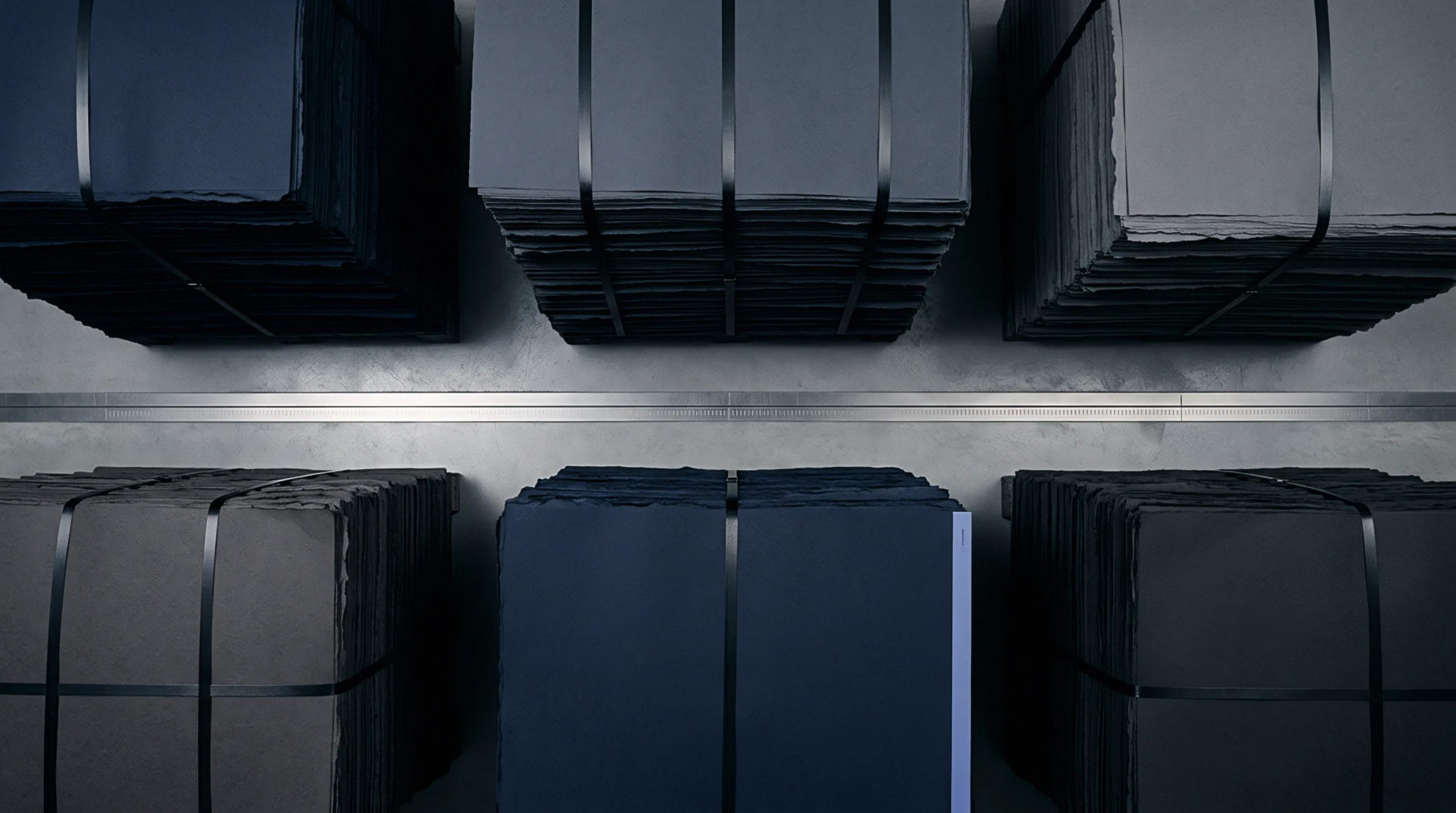
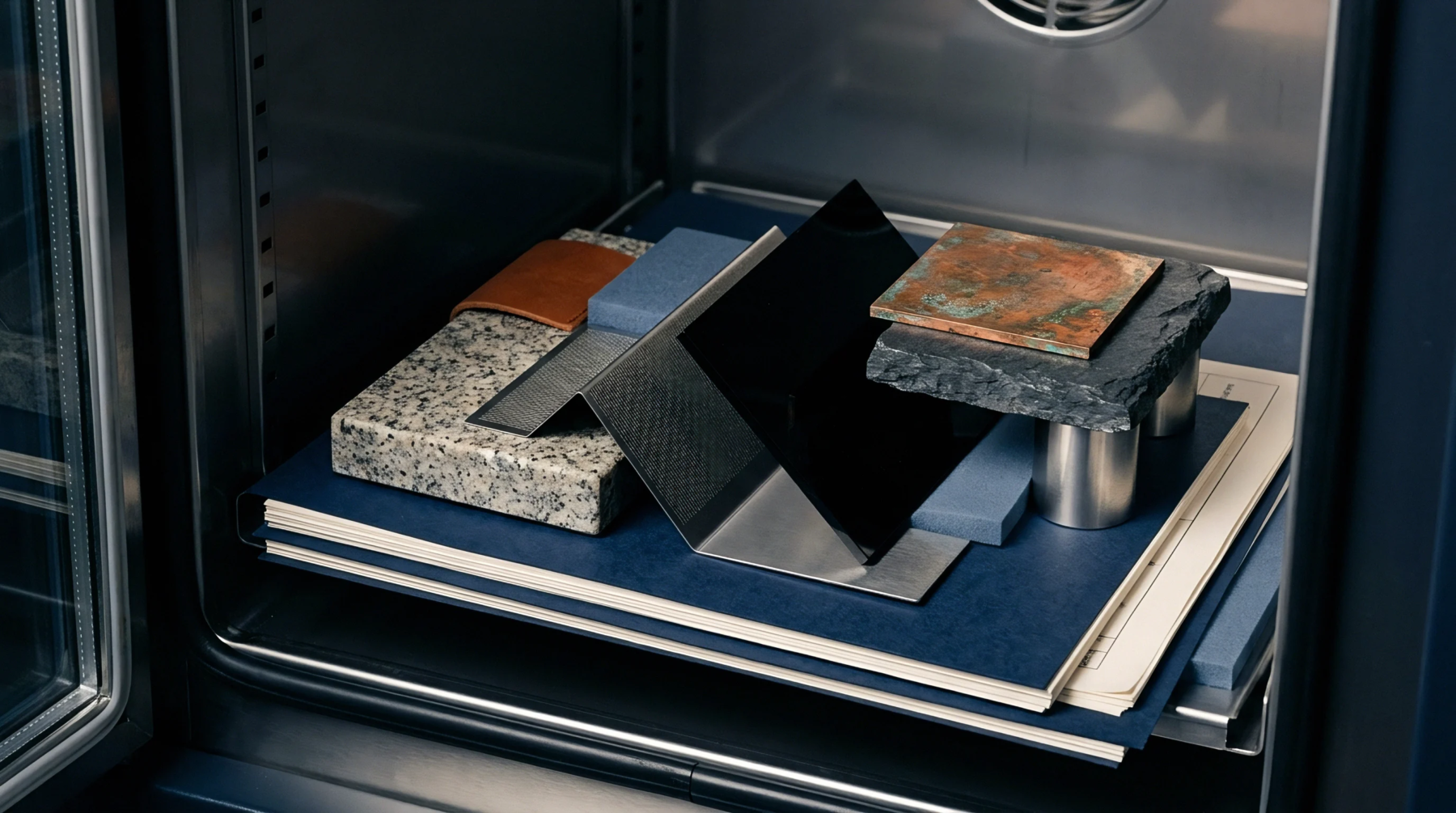
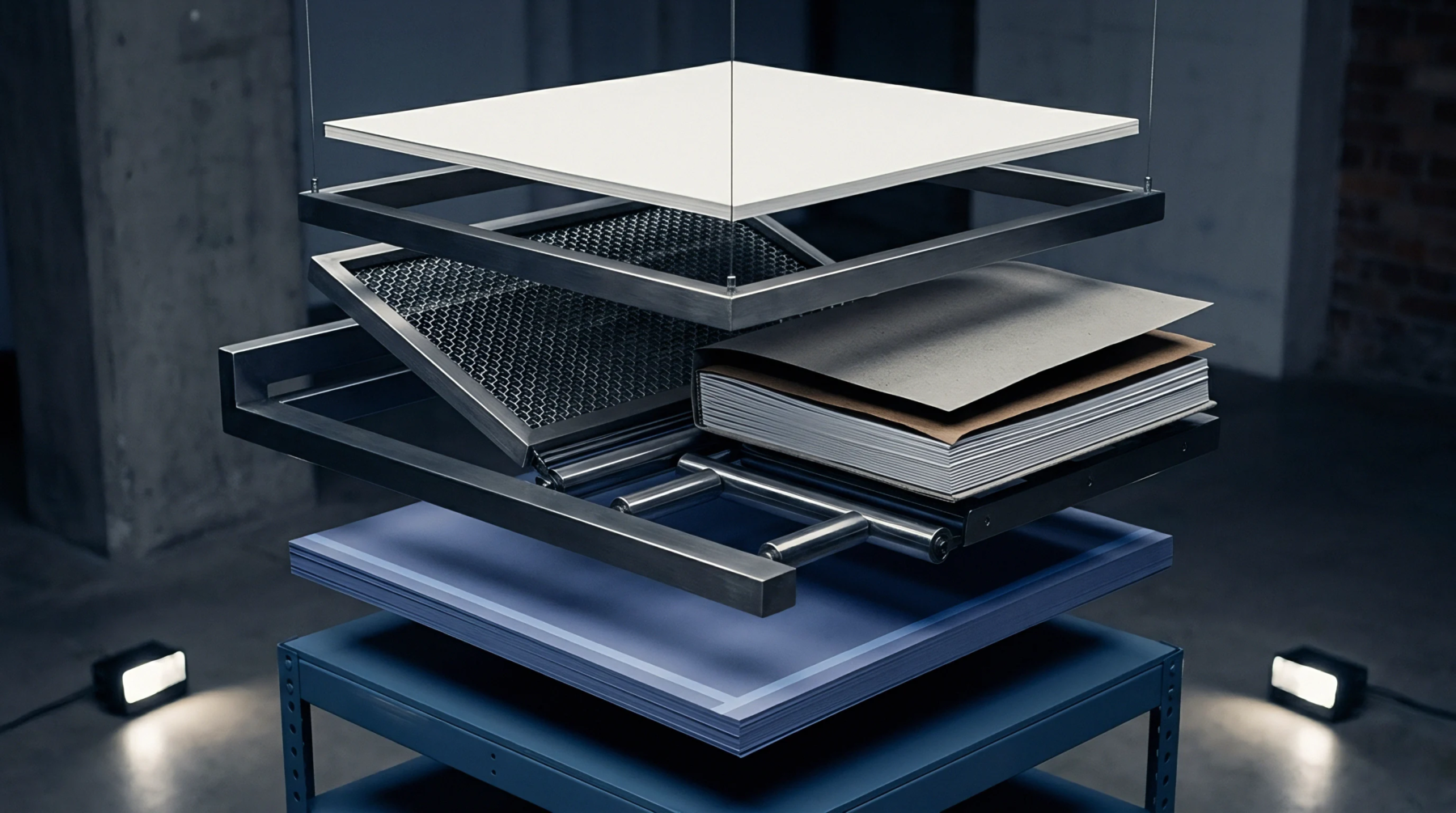
Technicians place specimens within a circulating chamber for a minimum period of forty eight hours to guarantee uniform diffusion throughout the entire paper stack. Exposure time varies based on the grammage and chemical coating density of the particular substrate under evaluation. Thick multi-ply boards require longer cycles to permit moisture penetration into the inner layers, while light tissues equilibrate rapidly.
This soak period eliminates history-dependent bias where previous storage conditions might otherwise skew the mechanical performance results. Consistent exposure to these regulated atmospheric variables allows for reproducible testing across different global sites.
Dimensional Accuracy
Results derived from these stabilized samples allow manufacturers to compare tensile, tear and bursting strength across separate production lots with confidence. Differences in measured fibre performance drop away once the material reaches moisture parity through this process. Correct calibration of the climate chamber remains the primary factor in ensuring that the final data maintains industry traceability.
Stable fibre geometry provides the only reliable baseline for long term quality control of paper products.