Compliance Clauses That Move Certificate Risk onto the Supplier
Moving certificate risk onto suppliers requires contract clauses that link claim validity to invoice codes, batch migration reports, and full indemnity for border holds.
Moving certificate risk onto suppliers requires contract clauses that link claim validity to invoice codes, batch migration reports, and full indemnity for border holds.
Primary statutory liability for EU packaging waste surcharges sits with the domestic importer or brand owner, requiring verified technical files to prevent customs holds.

Modulated packaging fees penalize synthetic laminates on paperboard, requiring dispersion barriers or thin extrusion layers to maintain circular fiber recovery.

Radiant UV lamp infrared energy and mechanical nip friction strip paperboard surface moisture, driving hygrothermal curl and score cracking that require cold-mirror optics, UV-LED arrays, or chilled impression rolls to preserve converting yield.

Contractual pass-through mechanisms transfer eco-modulated EPR penalties upstream when substrate laboratory test data fails EN 13430 recyclability grades.
FSC and PEFC prove auditable timber origin and mass-balance fiber accounting; they do not prove food safety, chemical purity, repulpability, or EUDR compliance.

Aligning packaging redesign cycles with PPWR recyclability milestones requires qualifying substrates 36 months before regulatory enforcement dates.

Polypropylene lamination crease failure is prevented by expanding female matrix channel width to one point seven times board caliper plus rule thickness.

Maintaining high-shear flexographic barrier coating viscosity between 25 and 40 mPa.s prevents pinholing and preserves 300 percent elongation over creased board.

Modulated EPR fees convert barrier coating repulpability yields directly into landed unit carton costs across European markets.
Optimizing carboxylated acrylic dispersion coatings enables complete mechanical pulp fiber liberation while keeping screen rejects below one percent.

Water-based dispersion coatings achieve food barrier requirements while maintaining full fiber repulpability and standard mill recovery yields.

Standard pulping tests understate converting waste micro-residues because low lab shear leaves coatings intact while mill hydrapulpers shatter them.

Recycled paperboard verification requires valid chain of custody certificates, mass balance ledgers, and lab migration test reports to clear retail compliance.
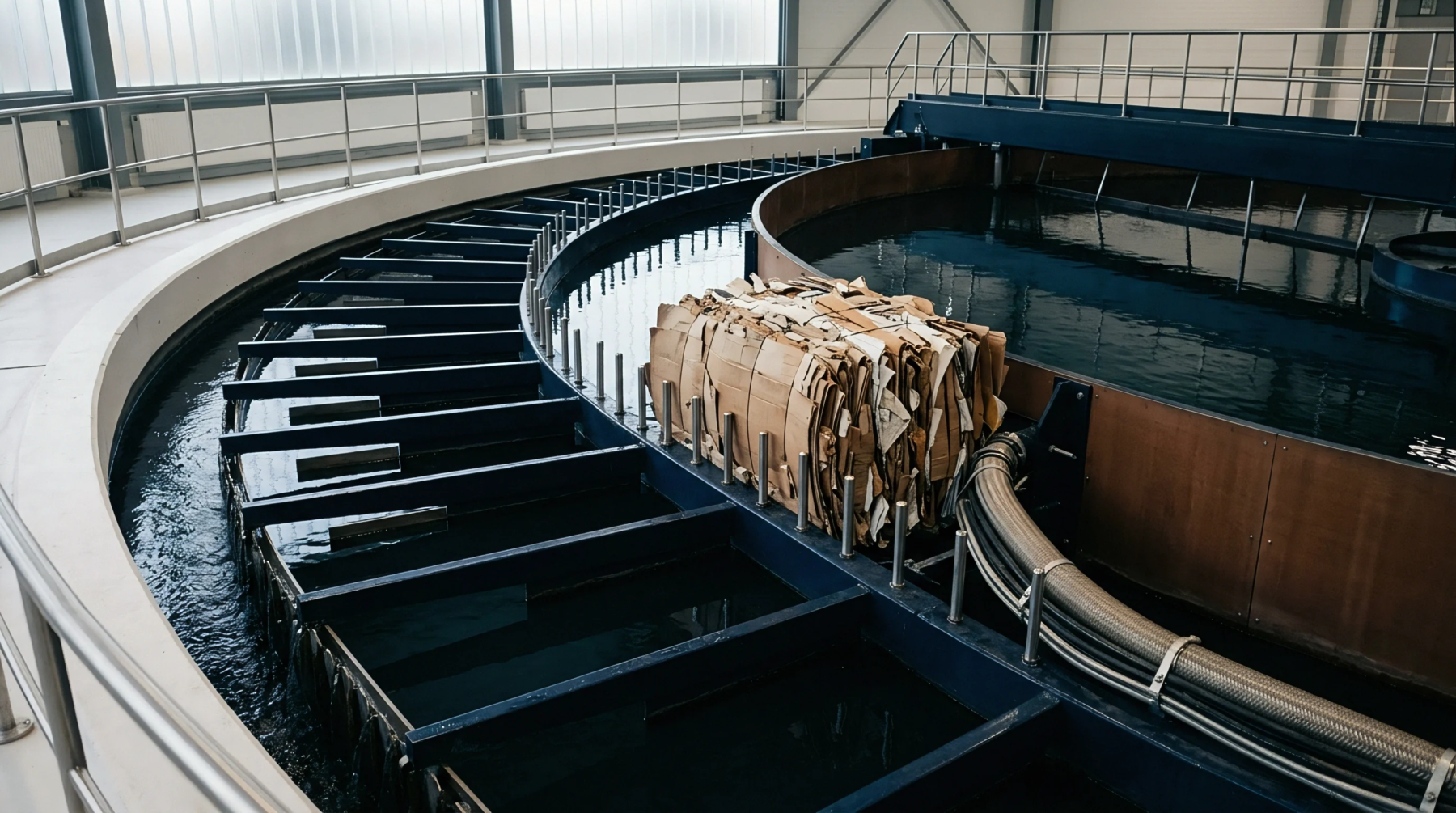
Verify paperboard wet end additive retention using dynamic drainage jars and extraction GC-MS to ensure food contact compliance and prevent converting failures.
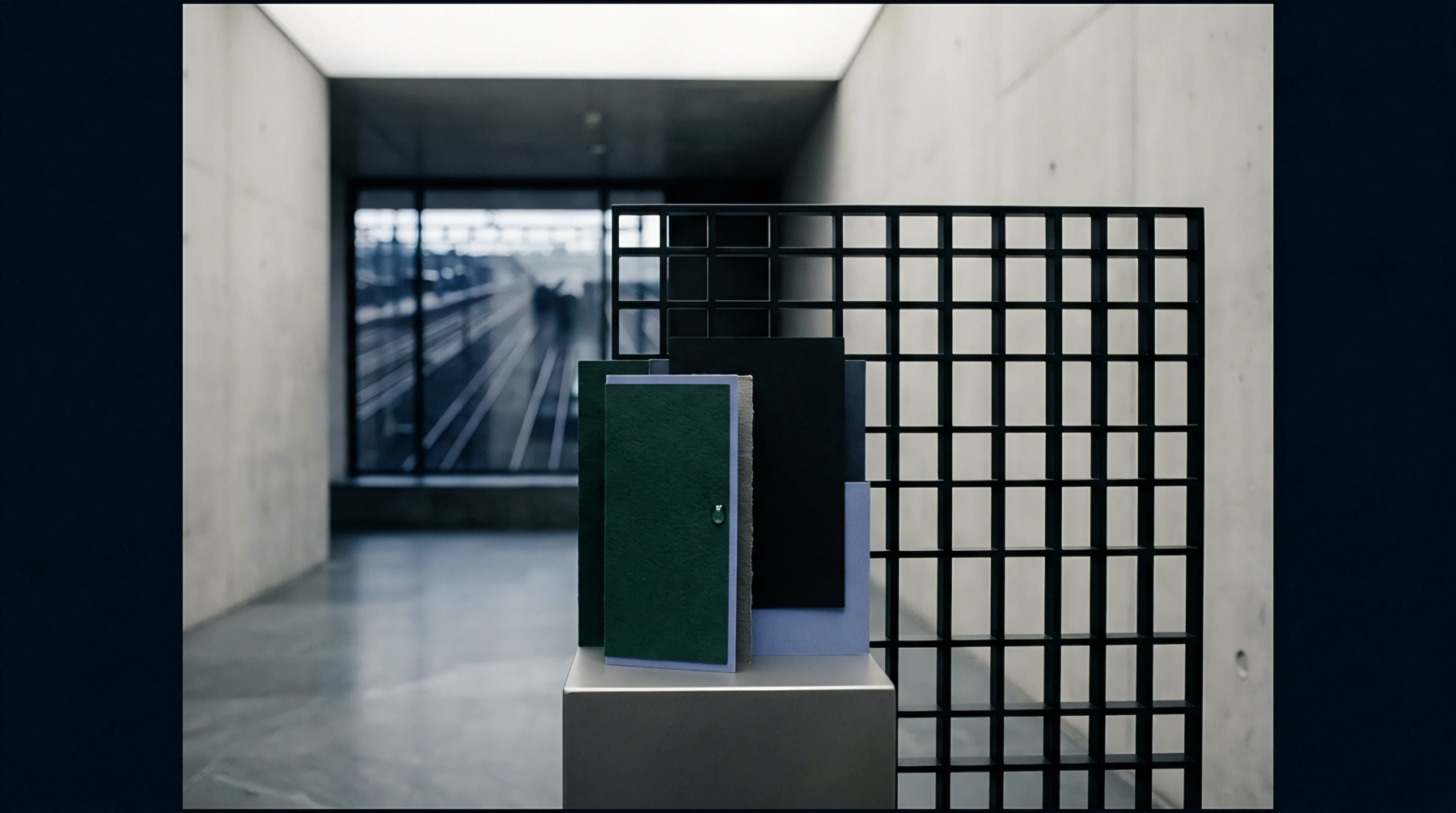
Matte laminated boxboard demands channel width expansion of twelve to eighteen percent over raw stock formulas to absorb film strain and prevent score rupture.

Pass order determines surface energy, registration accuracy, recyclability, and unit scrap rates across multi-step print converting runs.

Paperboard import compliance depends on linking physical lot numbers directly to accredited chemical assays and verified chain of custody certificates.

Converting scrappage from single sided lamination negates small material savings once EU EPR tariffs penalize film coated board above five percent weight.
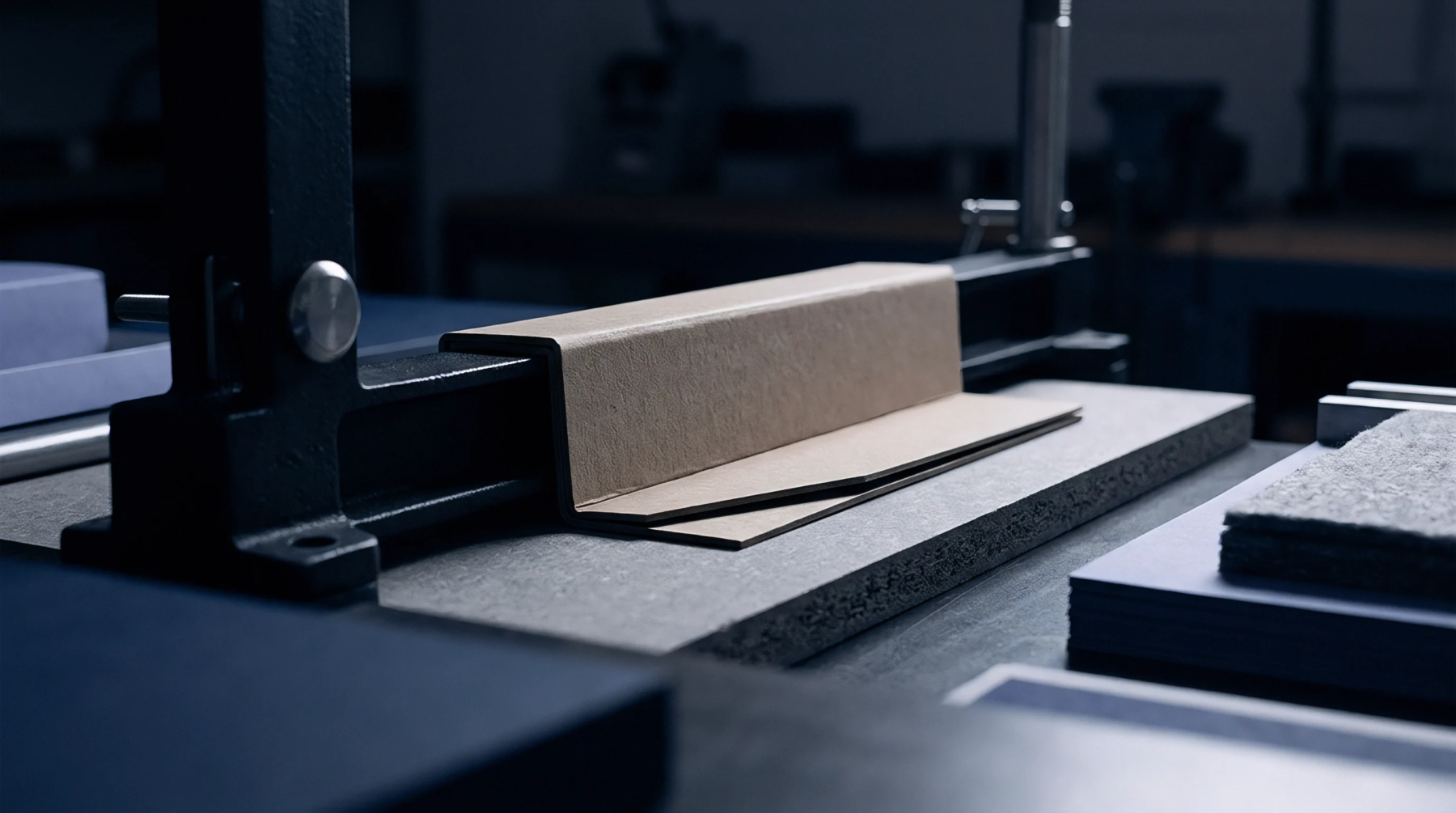
Aligning packaging redesign schedules with European recyclability deadlines requires twenty-four months to pass repulpability tests, tool lines, and secure EPR compliance.

Aqueous dispersion barrier performance depends on wet coat weight uniformity, film drying coalescence, and creasing matrix geometry that prevents score line cracking.

Single-sided lamination curl stems from differential thermal shrinkage of polymer film opposing moisture-driven hygroexpansion across anisotropic board fibers.

Aqueous dispersion barrier boards outperform extruded polyolefins by delivering over 95 percent wet end fiber yield and avoiding heavy EPR penalties.
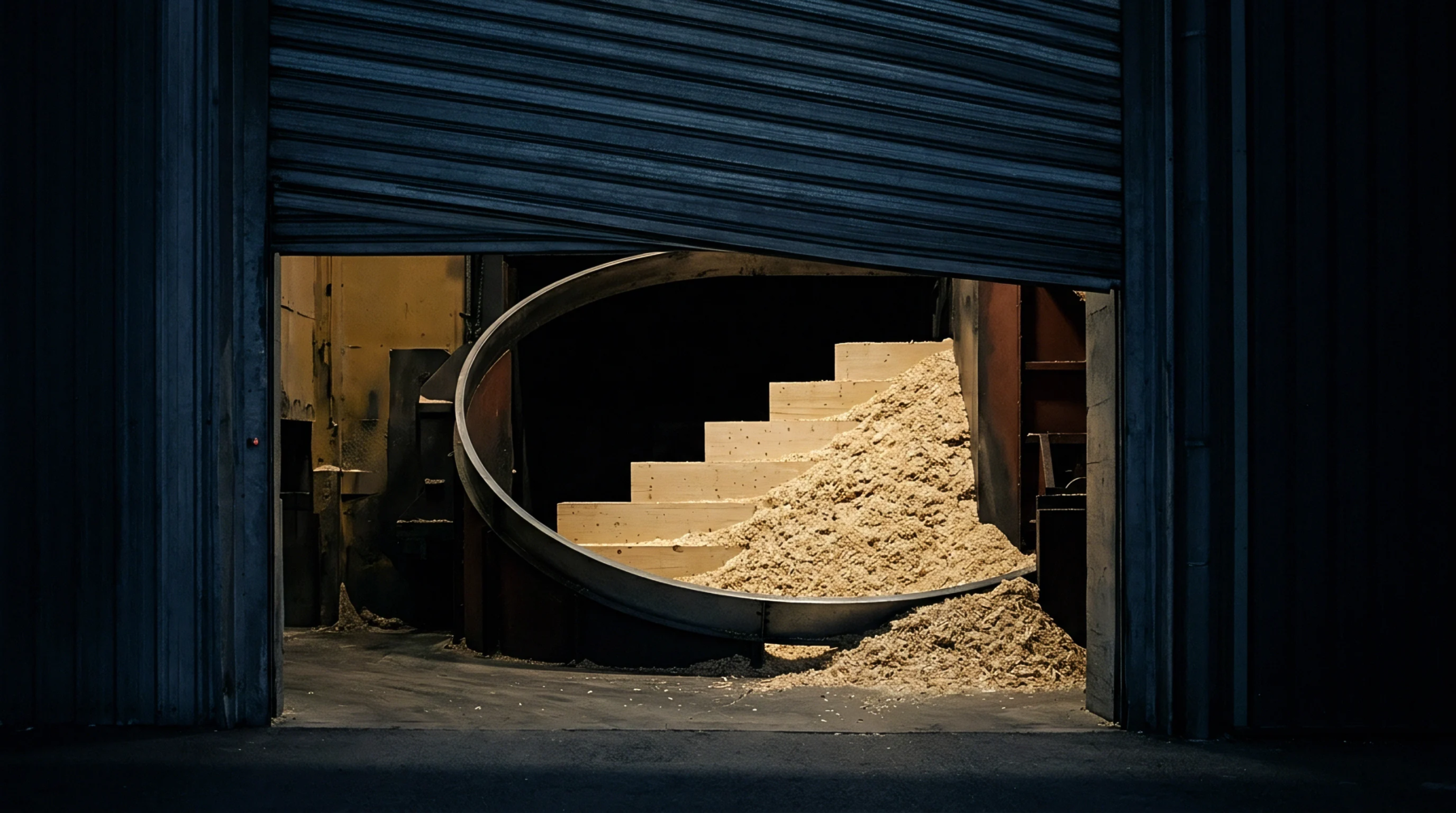
Female cavity depth equal to compressed bulk caliper and counter clearance matching substrate compressed thickness prevent fiber shear during embossing.

Standard laboratory disintegration assesses paperboard repulpability by measuring defibering rates, fiber yield, and screen reject fractions under fixed shear.

Laboratory screen slot pass-through fails to predict commercial micro-sticky deposition due to thermal softening and shear-induced particle coalescence.

Waterborne dispersion application on folding boxboard requires precise coat weight control, shear-matched viscosity, and staged drying to prevent pinholing.

Verify polymer barrier paperboard through creased Cobb testing, migration simulant suites, Cepi repulpability yields, and lot-matched Declarations of Compliance.
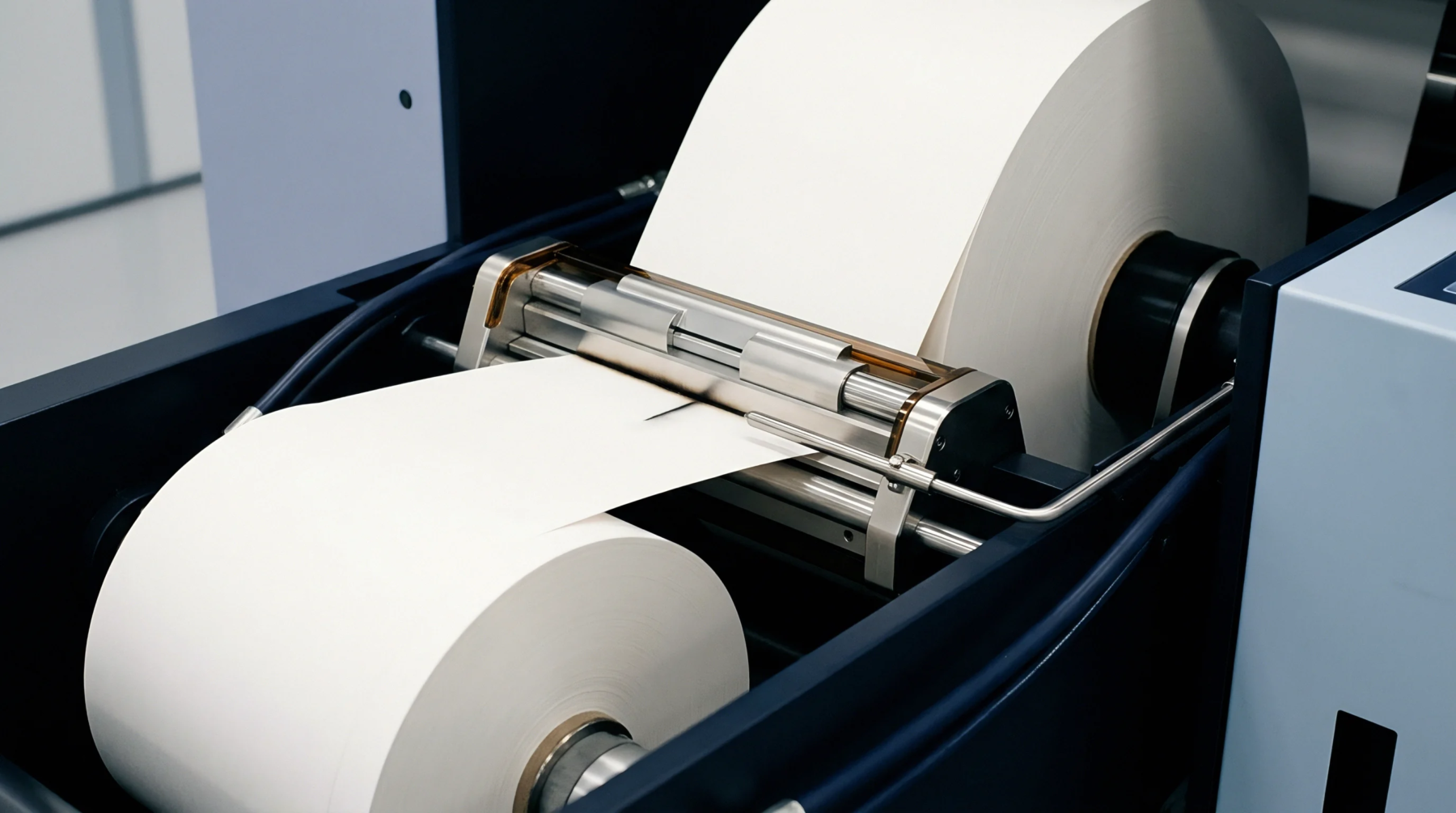
Functional barrier coat weight and thermal stability determine high-temperature hydrocarbon vapor migration limits in recycled paperboard food packaging.
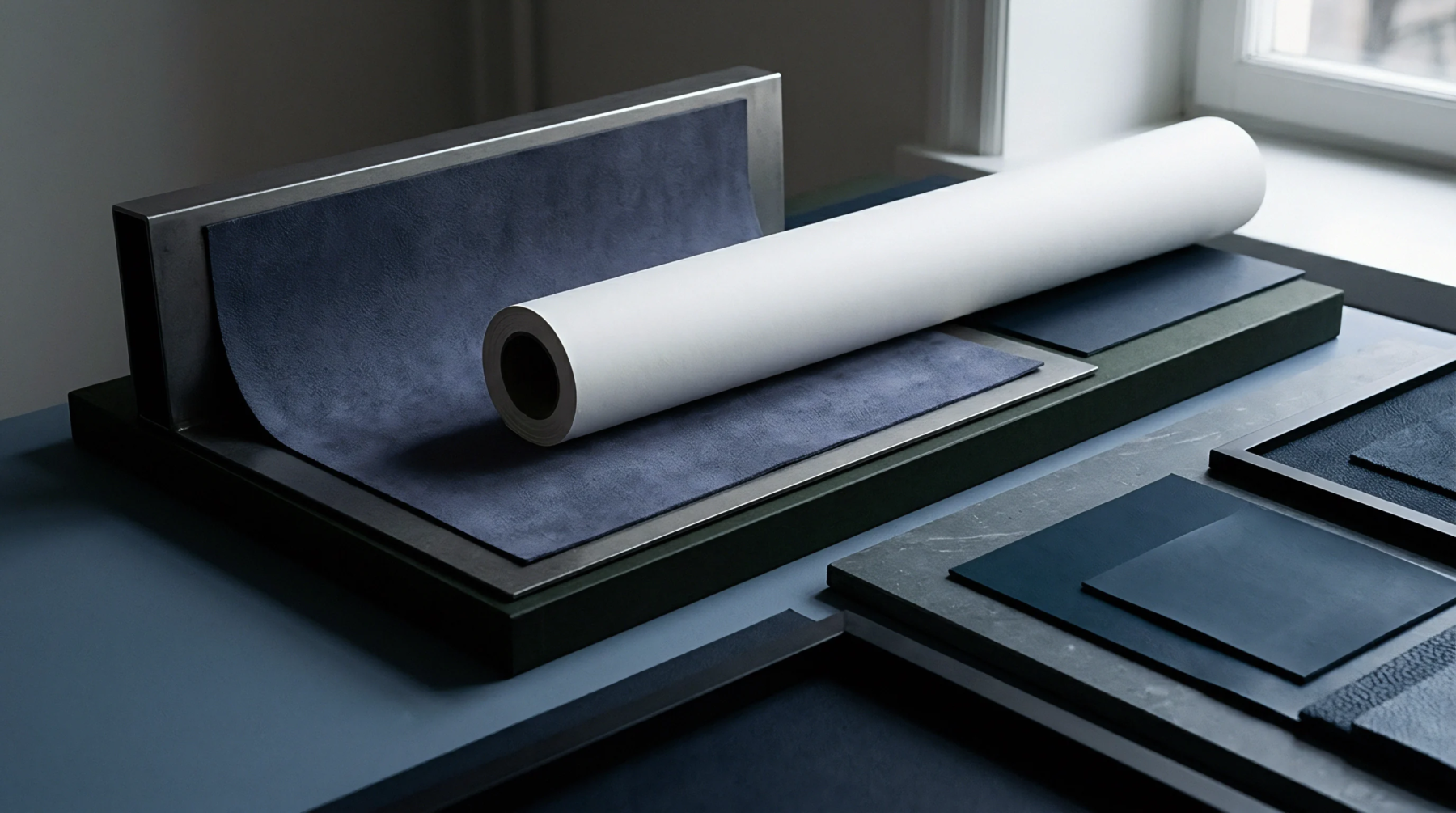
Polyurethane soft-touch films provide superior scratch resistance and score fold integrity compared to BOPP but require higher temperature control and lower web yields.
Expertise is a utility, not a secret. sentiention™ publishes its working knowledge as open reference: intelligence layer covering the materials it sources, the markets it enters, and the reference that serves both.