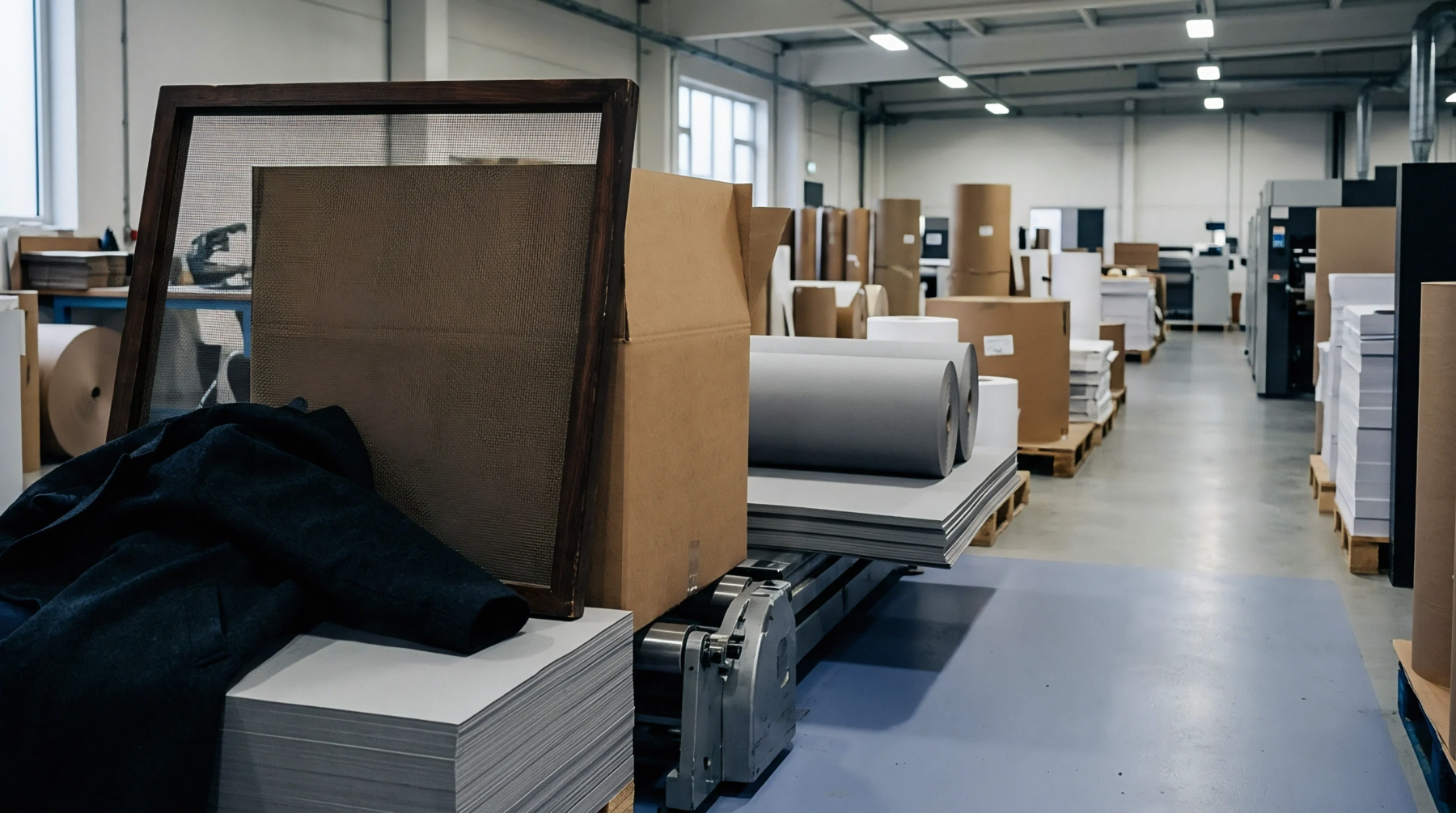
Paperboard Contract Moisture Adjustments and Commercial Tonnage Reconciliation
Reconcile paperboard tonnage invoices by calculating commercial mass from gravimetric ISO 287 moisture tests to avoid paying fiber prices for absorbed water.
Reconcile paperboard tonnage invoices by calculating commercial mass from gravimetric ISO 287 moisture tests to avoid paying fiber prices for absorbed water.
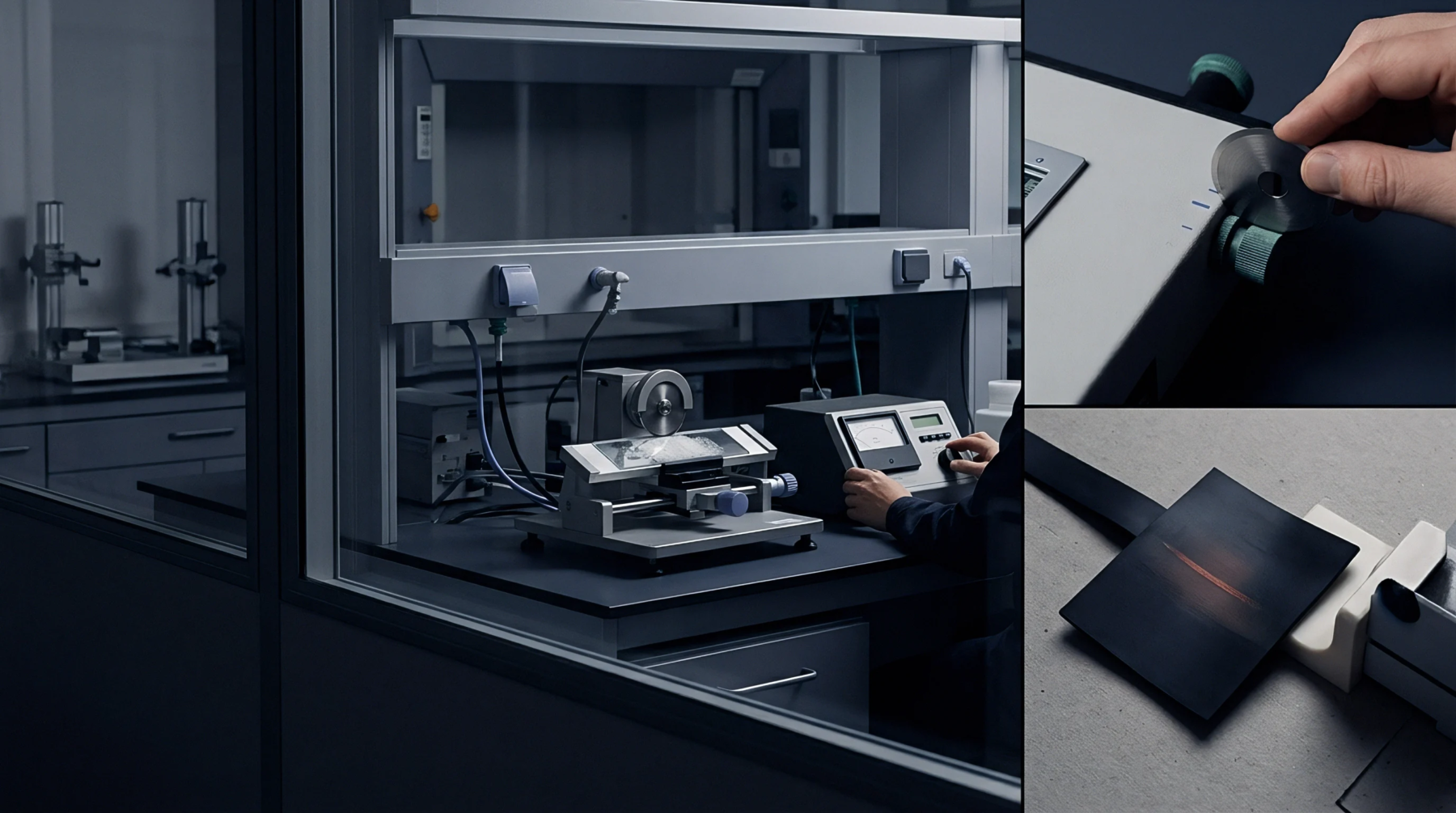
Cross-regional energy surcharges in export paper contracts require deducting embedded energy shares from multi-fiber indices to eliminate double counting.
Crosslinked polyether polyurethane laminates maintain bond strength and prevent primary aromatic amine migration under tropical humidity exposure

Base pulp index weights isolate bone-dry cellulose mass from moisture, ash, and coatings before scaling to air-dry market tons and mill shrinkage factors.
Foreign currency valuation dates and mill furnish changes demand matched contract indexation windows and laboratory verification of physical paper properties.
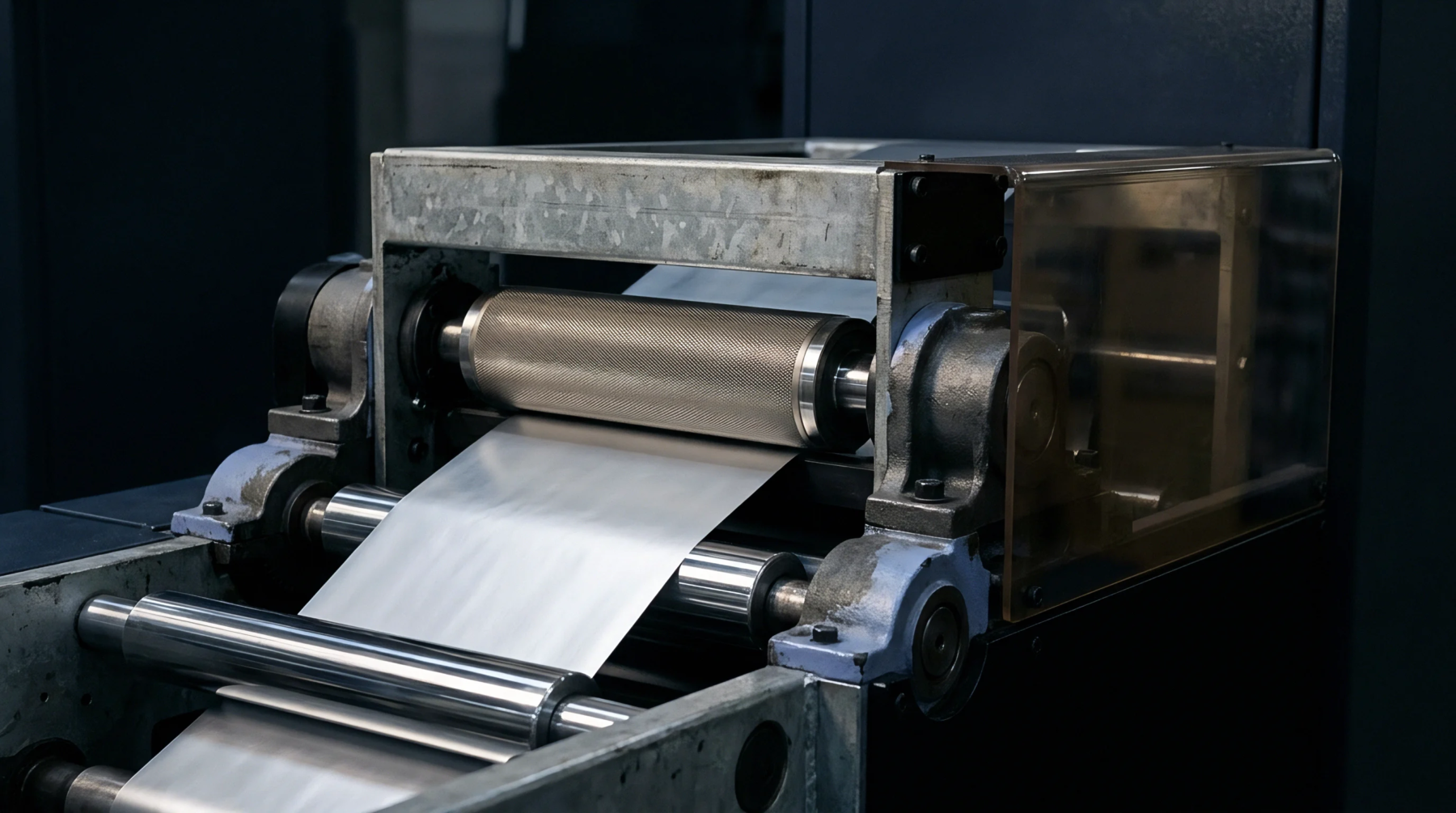
Furnish partitioning limits index adjustments to true virgin fiber fractions while deadbands eliminate pricing noise on minor market swings.
Reconciling substrate moisture swings requires converting customs mass declarations to standardized bone-dry fiber weights backed by ISO 287 test certificates.
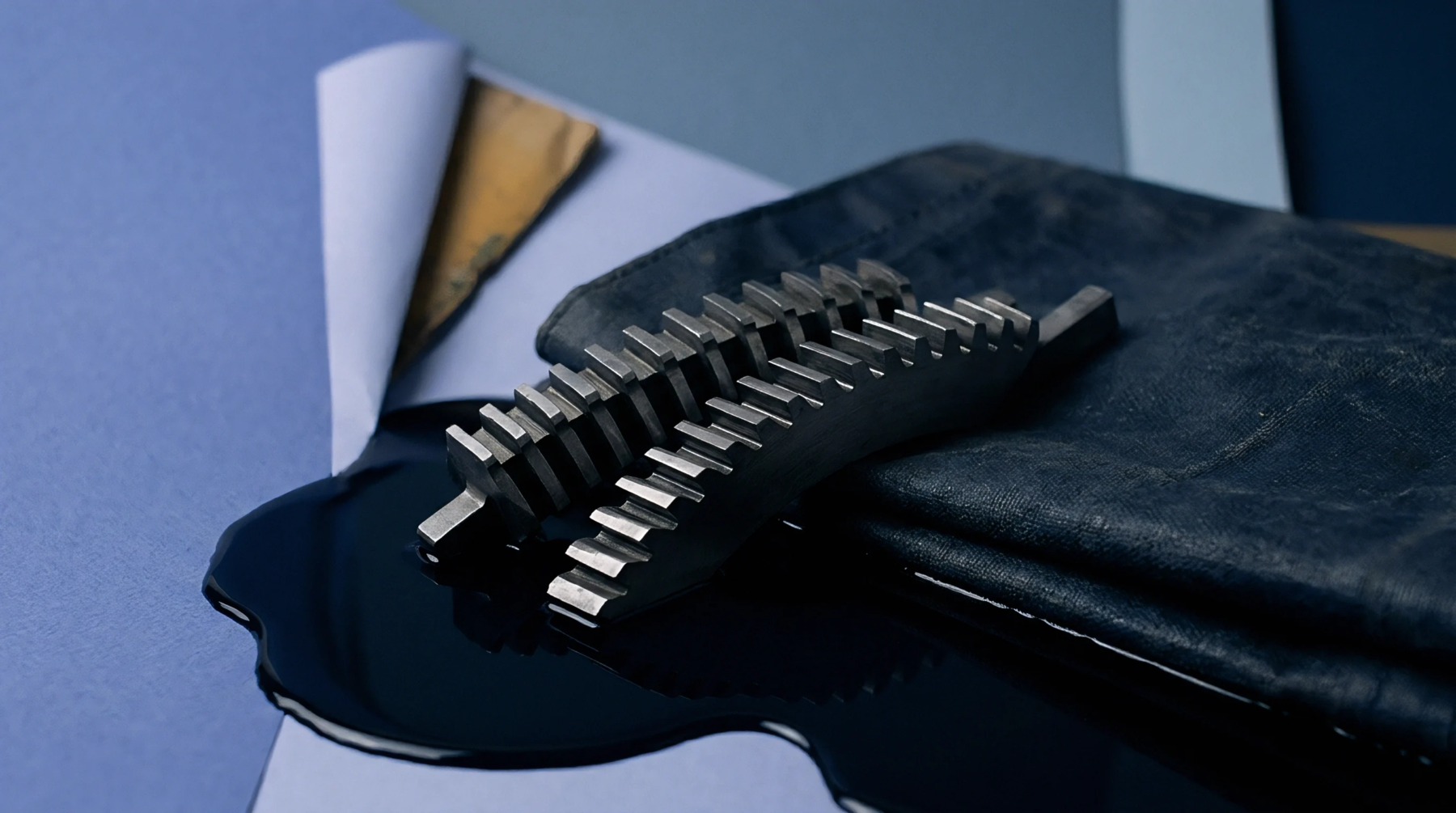
Dynamic shear stress modeling optimizes counter-die metallurgy and geometry to eliminate premature crease wear when converting high-mineral recycled board.
Dynamic mechanical property verification of recycled containerboard requires dynamic strain testing to prevent packaging transport failure under PPWR mandates.
Predictive modeling of dynamic elastic modulus loss during high acceleration creasing prevents liner cracking and optimizes boxboard fold performance.
Recalibrating Pertinax channel width by 1.5 times caliper swell prevents liner cracking and delamination when folding boxboard moisture shifts.
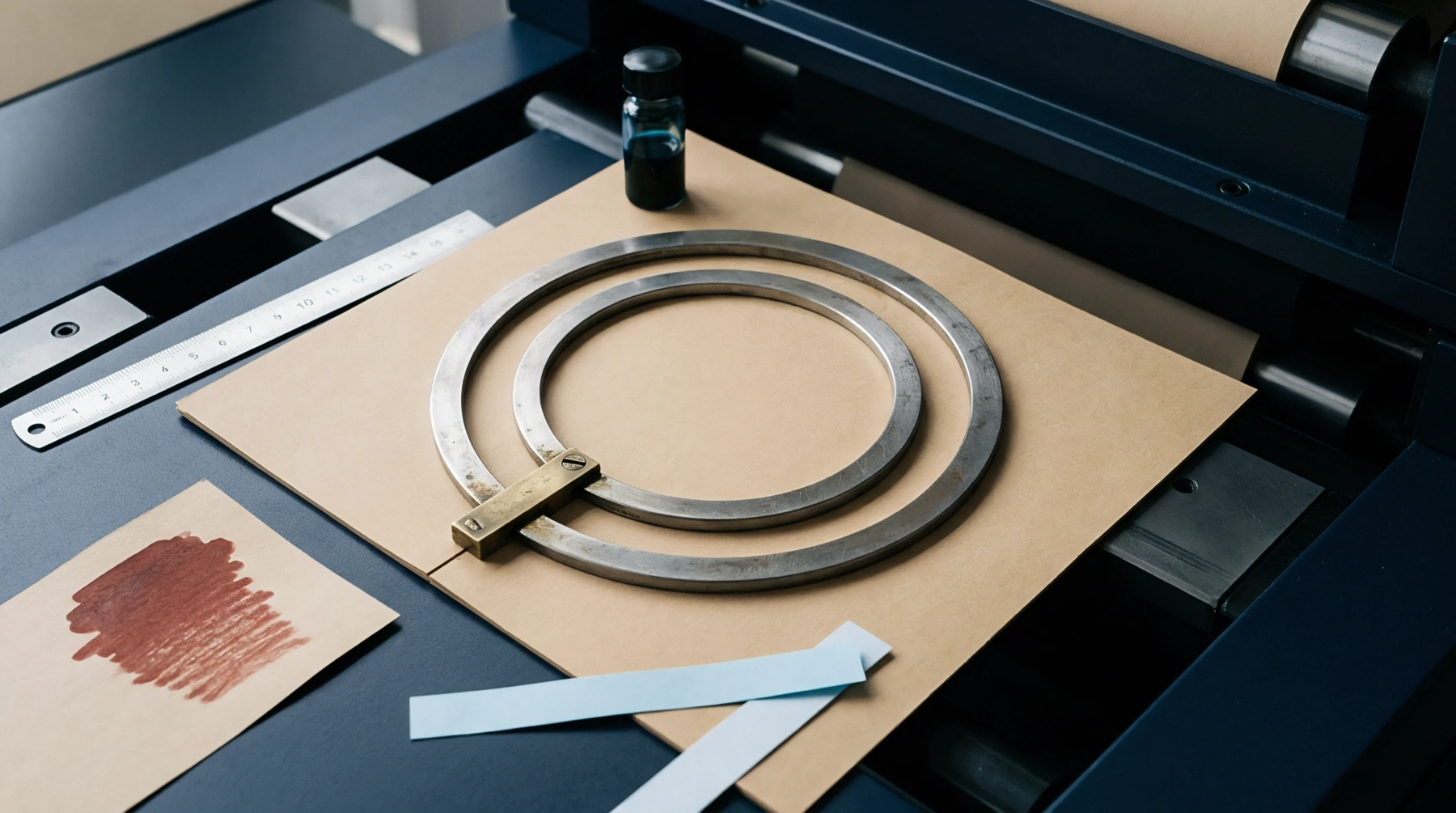
Auditing multi-ply boxboard crease quality relies on matching matrix channel dimensions to caliper while maintaining controlled internal ply delamination on press.

Hydroplasticization depresses barrier coating glass transition, driving viscoelastic strain that degrades moisture resistance across creased paperboard packages.
Variable relative humidity alters dispersion coating coalescence by changing water evaporation rates, polymer plasticization, and substrate fiber swelling.

Atmospheric plasma treatment raises barrier board surface energy, but hydrophobic reorientation and additive migration cause reversion, demanding strict inter-pass time controls or inline plasma re-treatment to prevent delamination.

Optical triangulation gauges measure paper thickness without surface contact but require wavelength filtering and furnish offsets to correct light penetration depth.
Relative humidity cycling breaks inter-fiber hydrogen bonds through hemicellulose swelling, requiring higher safety factors and virgin kraft liner specification.

Matching middle-ply hydrophobic sizing with surface coat barrier performance prevents differential hygroexpansion and moisture-induced curl across converted boxboard.
Cold storage shifts boxboard equilibrium moisture content upward by up to two percent, demanding controlled thermal acclimation before unsealing parent reels.
Atmospheric moisture gradients degrade cross direction crease resistance and inflate sheet basis weight, reducing usable boxboard yield during converting.
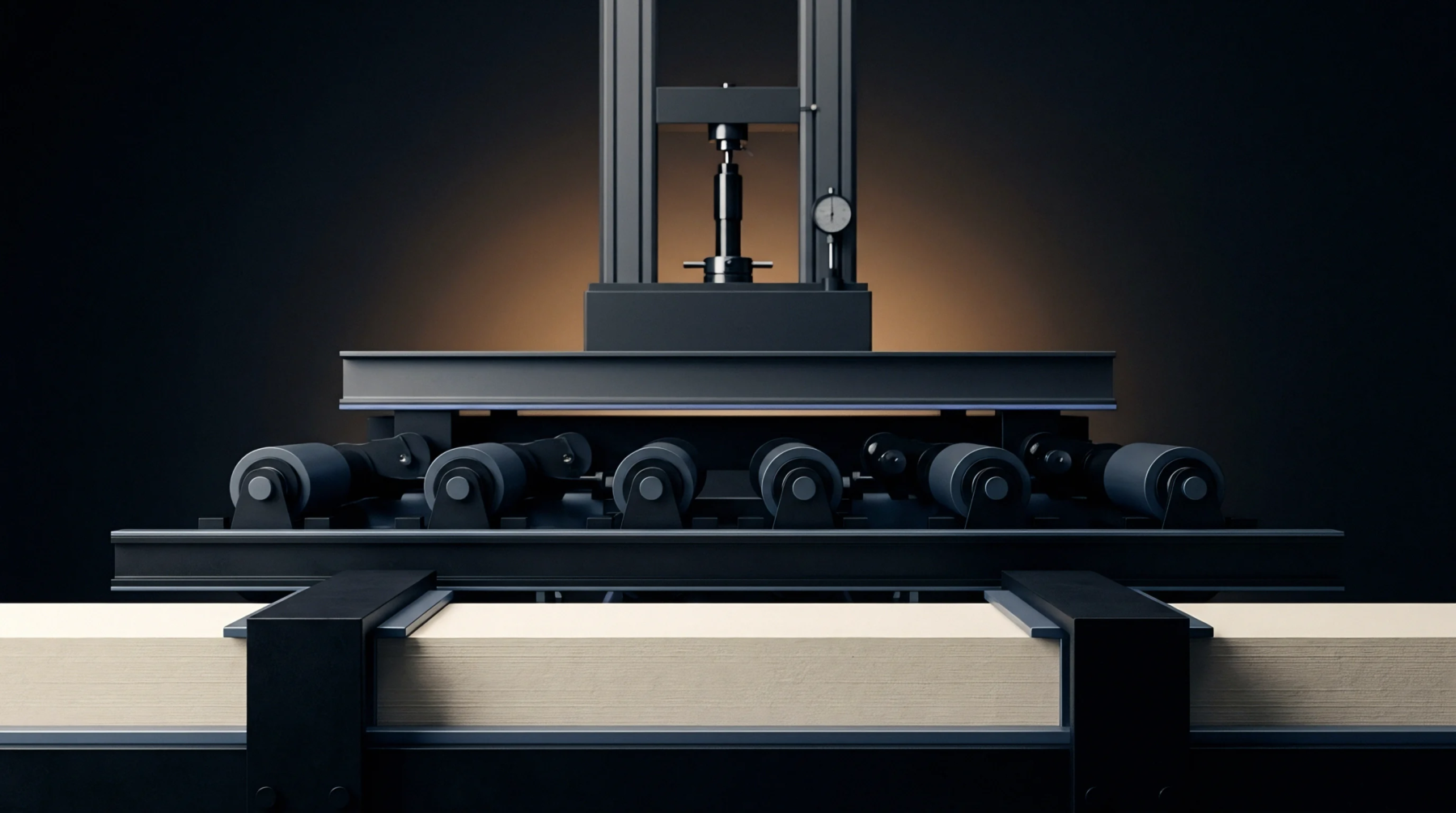
Standard atmospheric conditioning at 23°C and 50% RH under ISO 187 is mandatory to stabilize paperboard moisture content before stiffness bench testing.

Carton panel flexural deflection under dynamic suction is predicted by orthotropic plate equations using MD and CD elastic moduli, caliper, and shear stiffness.
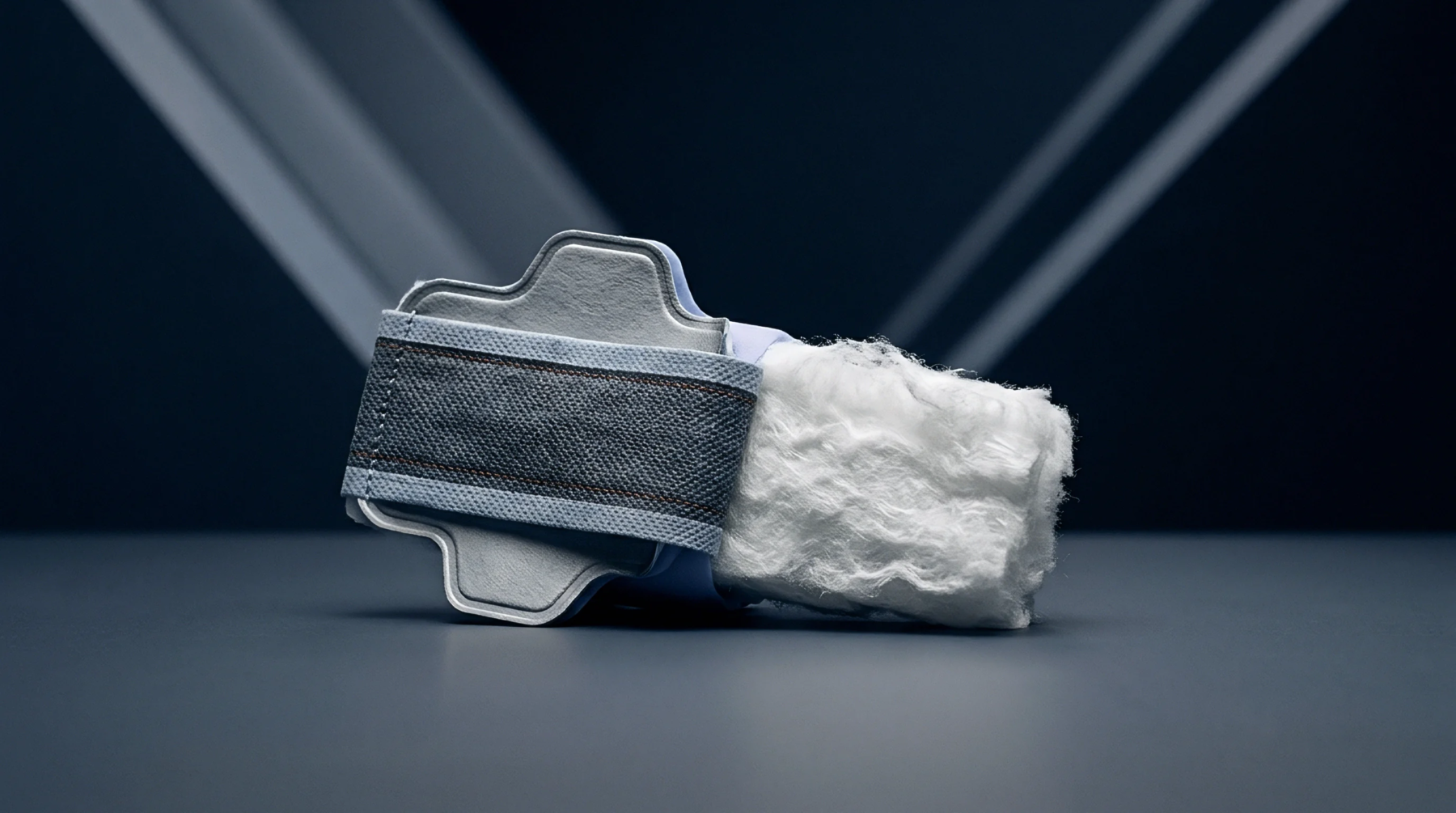
Acoustic tensile stiffness orientation in recycled containerboard reels must hold within +/- 2.0 degrees mean machine axis alignment to prevent twist warp.
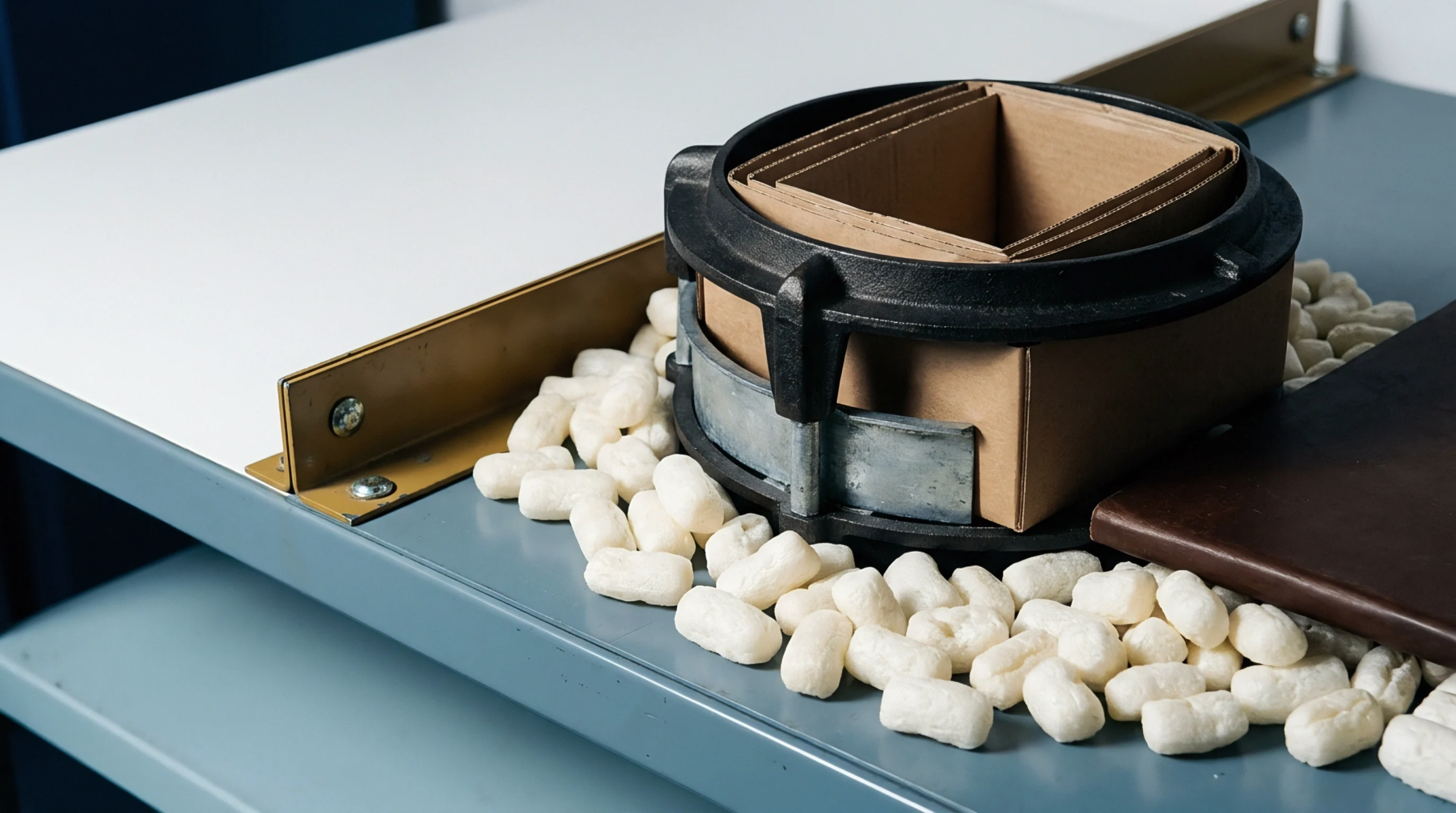
Recycled multi-ply container stability requires accounting for moisture cycling strain rates and ply shear stress to set realistic stack safety factors.
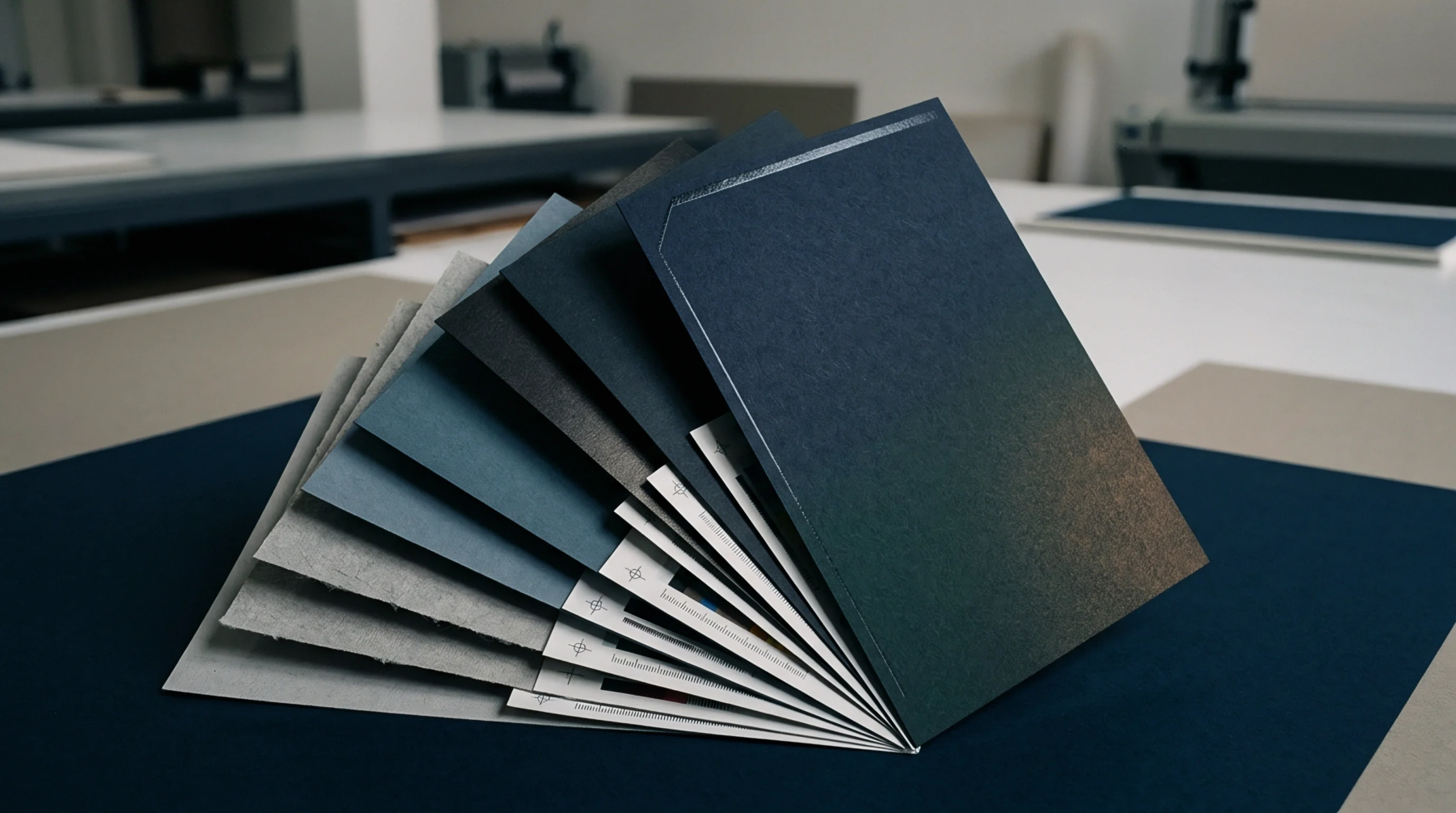
Cross direction hygroexpansion in recycled board stems from fiber anisotropy and moisture gradients, demanding balanced laminate structures to stop warp.

Thermal impression passes desorb board moisture, driving cross-direction shrinkage that requires scaled tooling and immediate inter-pass humidity control.
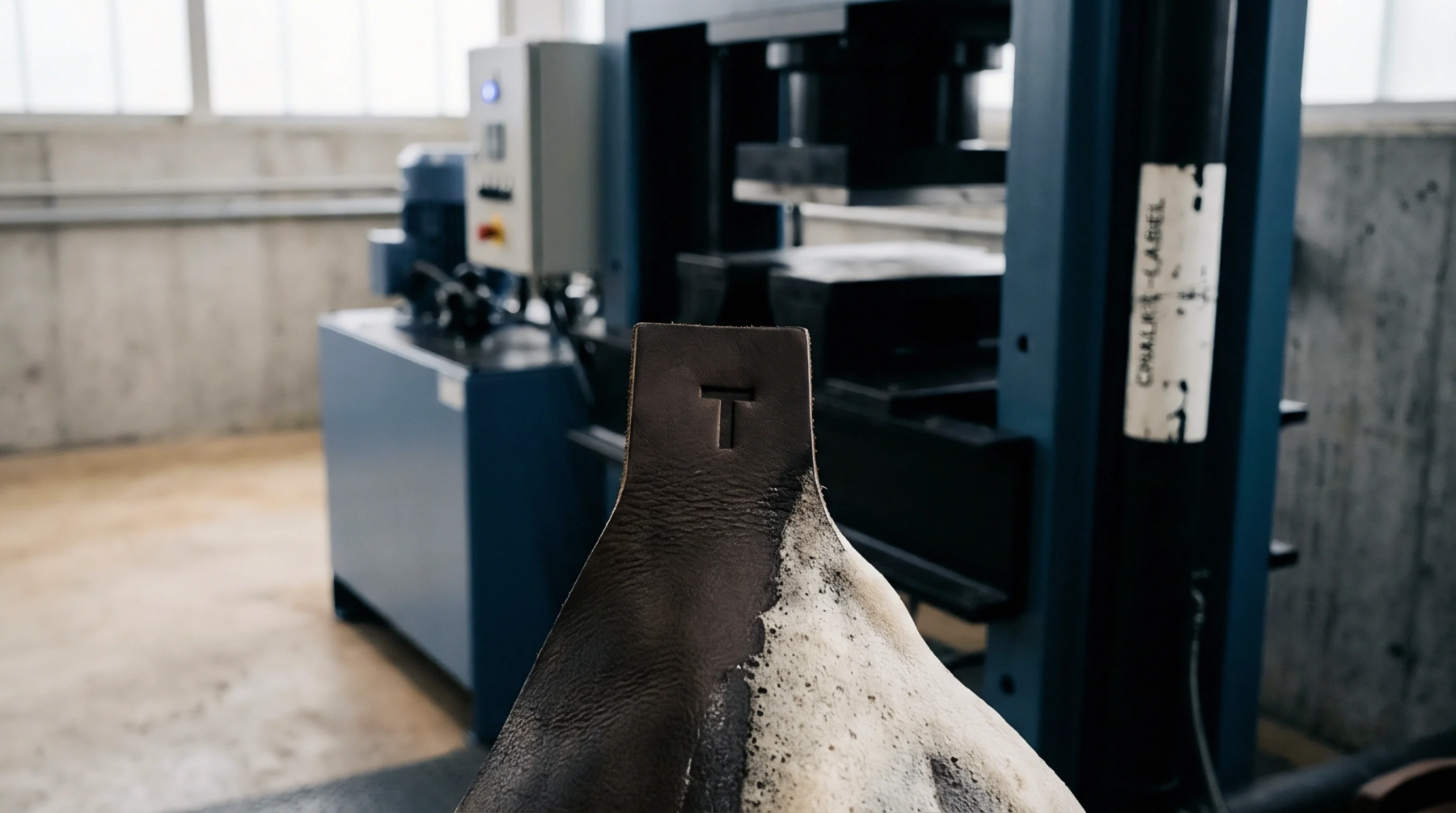
Predicting thermal drift across segmented stamping platens requires combining steel thermal expansion equations with recycled board moisture compression profiles.
Dynamic acoustic matrix monitoring isolates microbuckling in high-speed platen converted packaging cores, preventing hidden structural score line failure.
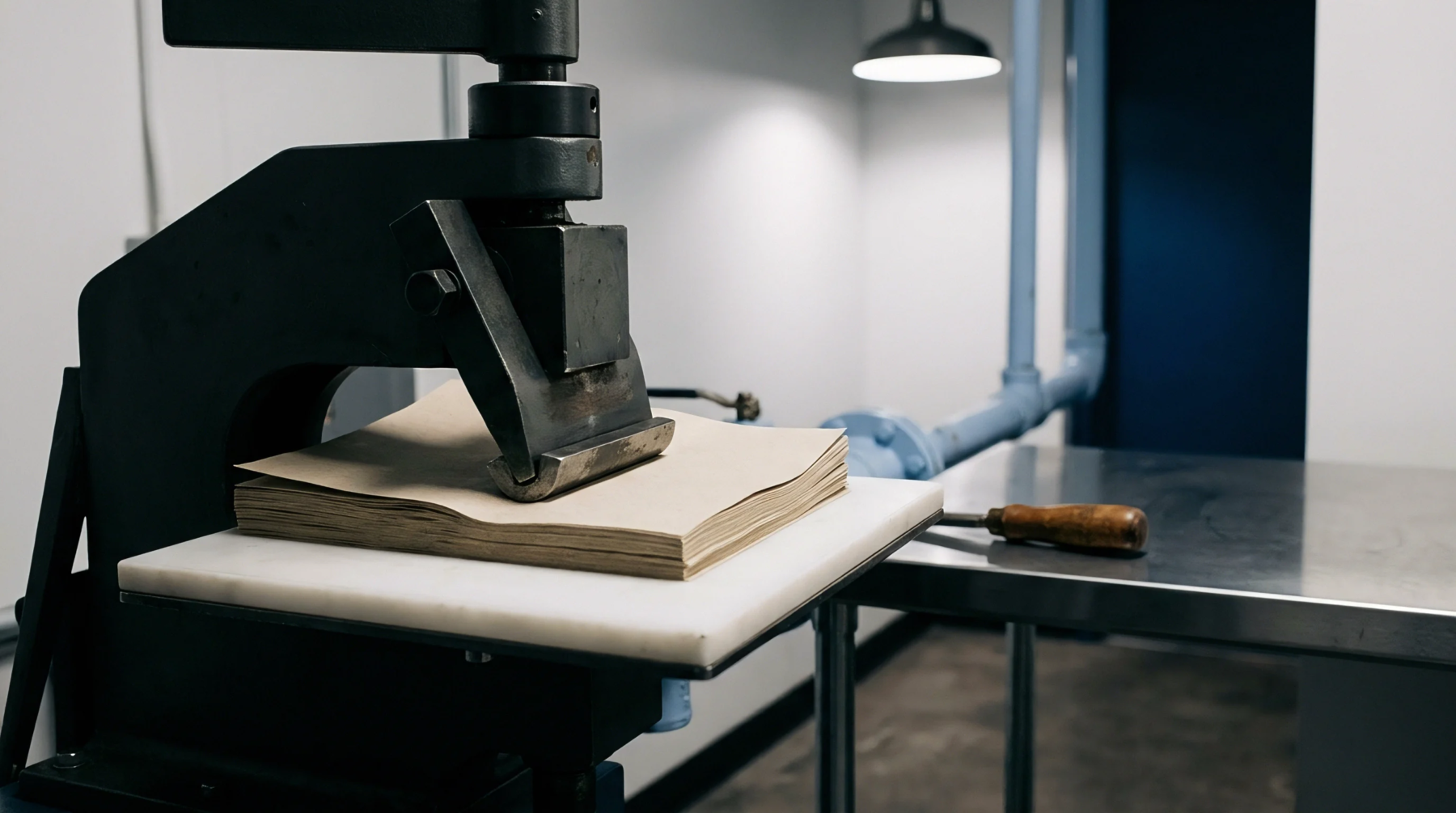
Dynamic platen drift drives severe internal core shear in laminated boards, requiring balanced die resistance, wider creasing channels, and lower tonnage.
Dynamic short dwell contact angles govern initial fluid wetting within milliseconds, determining high-speed ink transfer, coating holdout, and print uniformity.
Expertise is a utility, not a secret. sentiention™ publishes its working knowledge as open reference: intelligence layer covering the materials it sources, the markets it enters, and the reference that serves both.