
Managing Thermal Expansion in Brass Embossing Dies
Managing thermal expansion in brass embossing dies requires pre-scaling vector artwork by calculating precise isotropic expansion across operating press temperatures.
Managing thermal expansion in brass embossing dies requires pre-scaling vector artwork by calculating precise isotropic expansion across operating press temperatures.
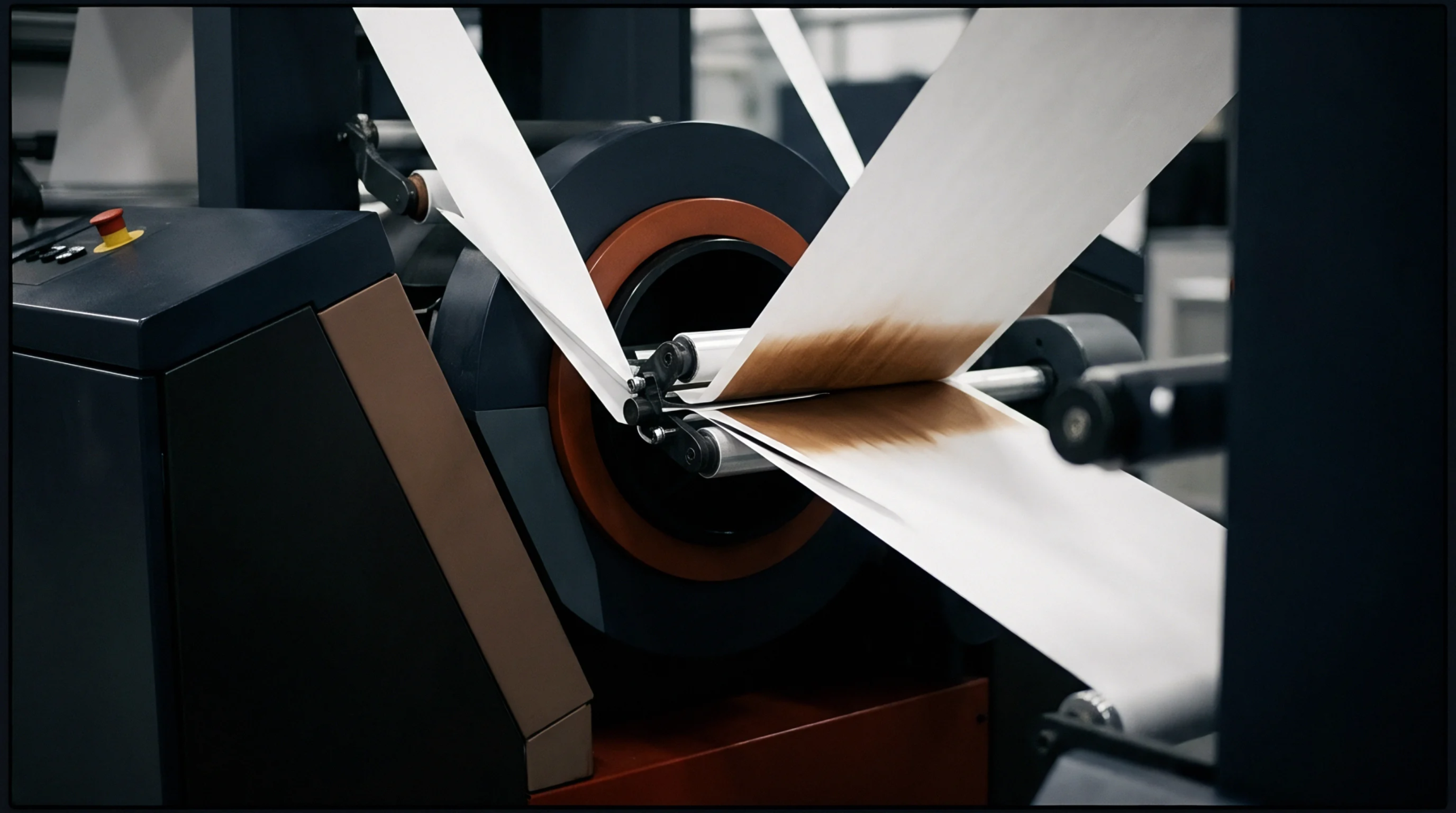
Non-contact thickness gauging uses optical or nuclear sensors to deliver real-time caliper profiles, enabling basis weight down-gauging while meeting ISO 534 limits.

Moisture swings accelerate compression creep in recycled board through transient matrix softening and anisotropic thickness swelling that degrades stacking yield.

Unwrapped recycled board stacks in subzero transit suffer rapid edge permeability degradation, demanding strict edge moisture rejection limits at goods-in.
Cold paper pallets demand staged thermal acclimation inside unopened vapor wrap to eliminate edge waviness and fluting caused by moisture sorption gradients.
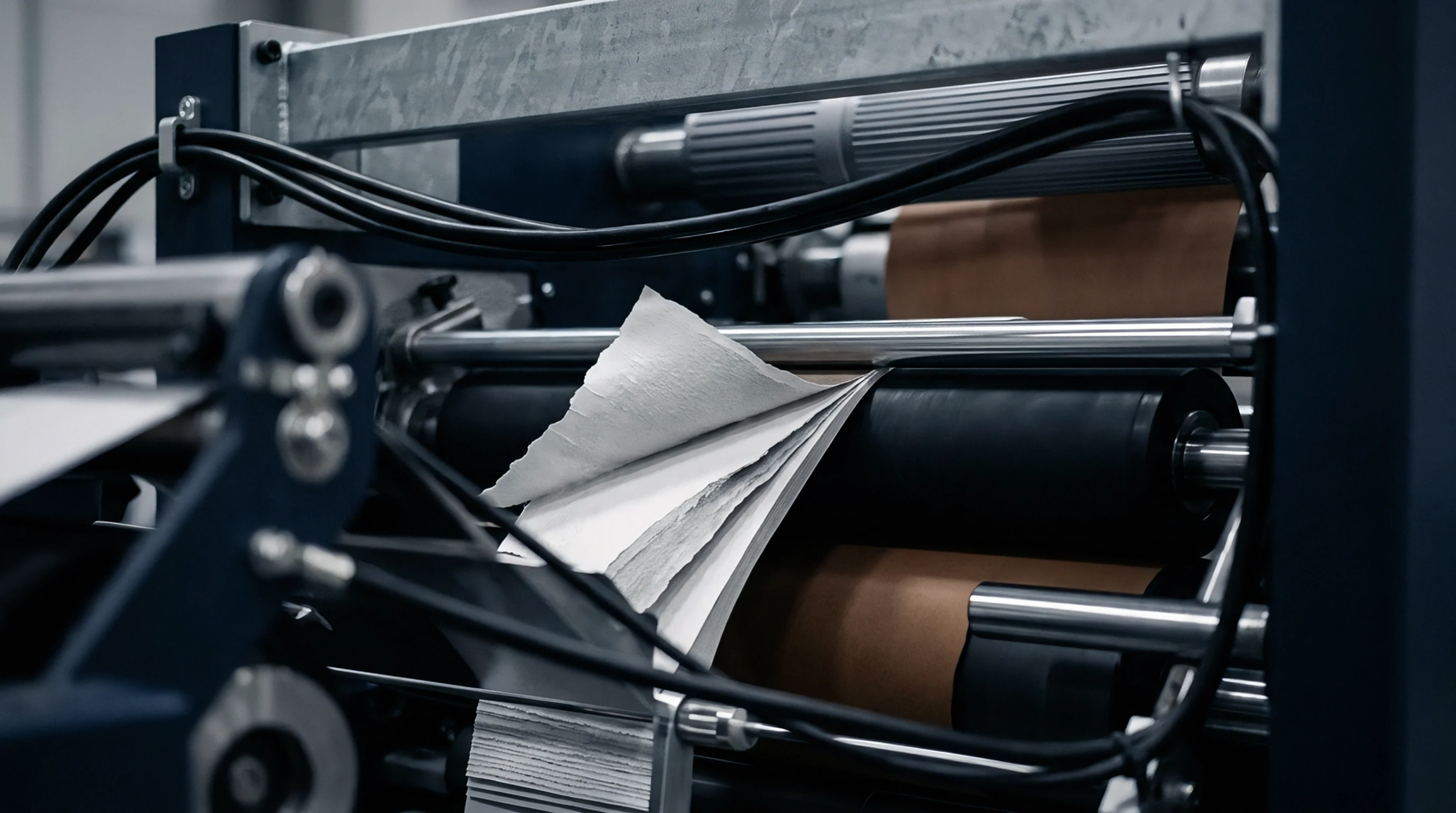
Dynamic mechanical analysis identifies hemicellulose moisture thresholds that prevent score cracking during high speed converting of mechanical pulp middle plies.
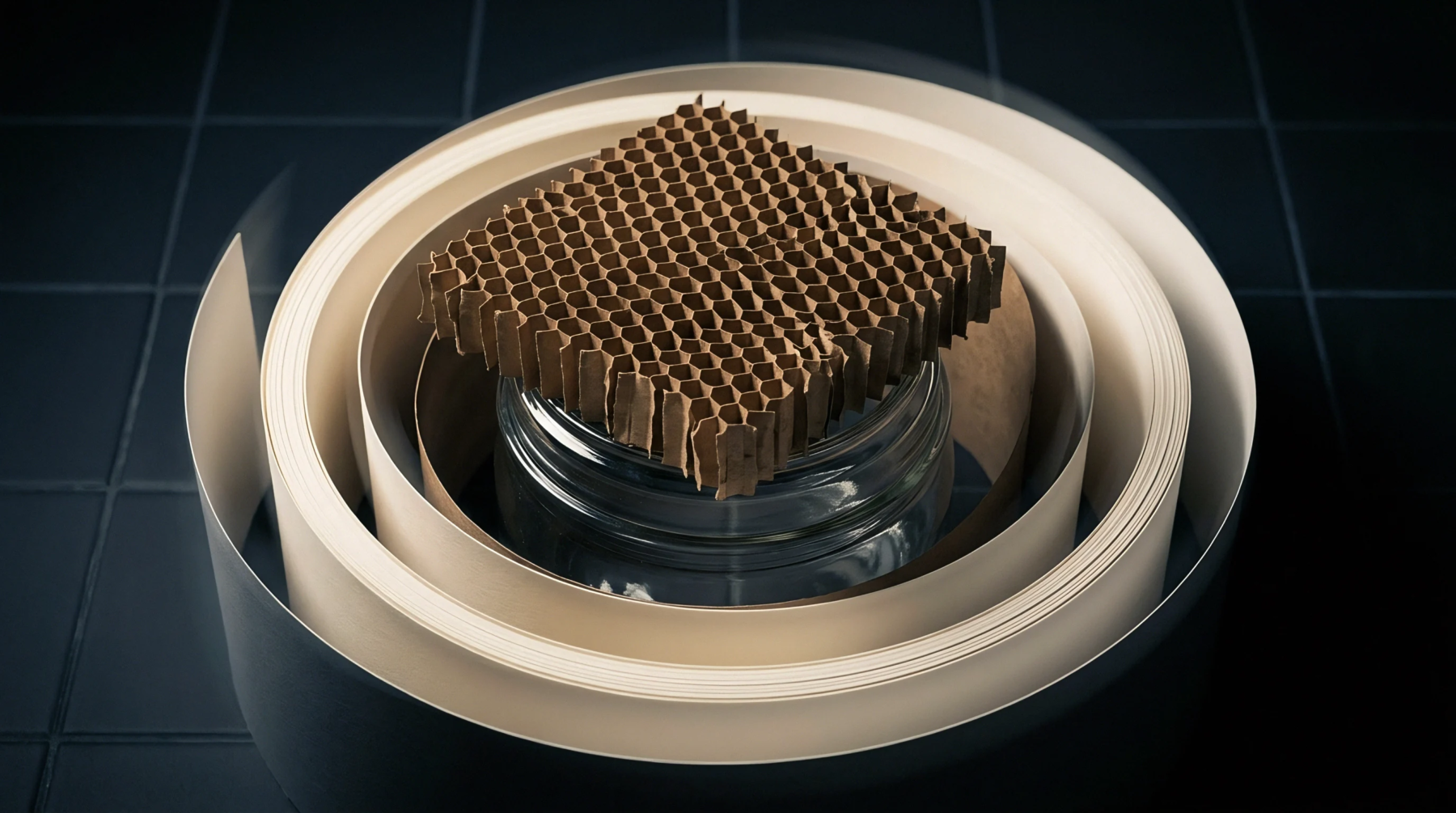
Middle ply CTMP bulk provides structural moment of inertia, while short-span compression bench testing quantifies network collapse risks under load.

Dynamic strain rate modeling predicts multi-ply boxboard Z-direction compression and interlayer shear collapse during high-speed converting and package drops.
Residual surfactant migration in hardwood stock depresses dynamic surface tension below forty millinewtons per meter, triggering jetting print defects.
Calibrating index lag windows and deadband thresholds in board contracts prevents administrative friction and stabilizes long-term procurement pricing.
Cross direction creasing of chemical pulp requires expanding matrix channel width to 1.5 to 1.7 times board caliper plus rule width to prevent liner cracking.
Air-coupled ultrasonic guided waves quantify paperboard crease ply delamination and micro-cracking non-destructively, preventing box compression failure.
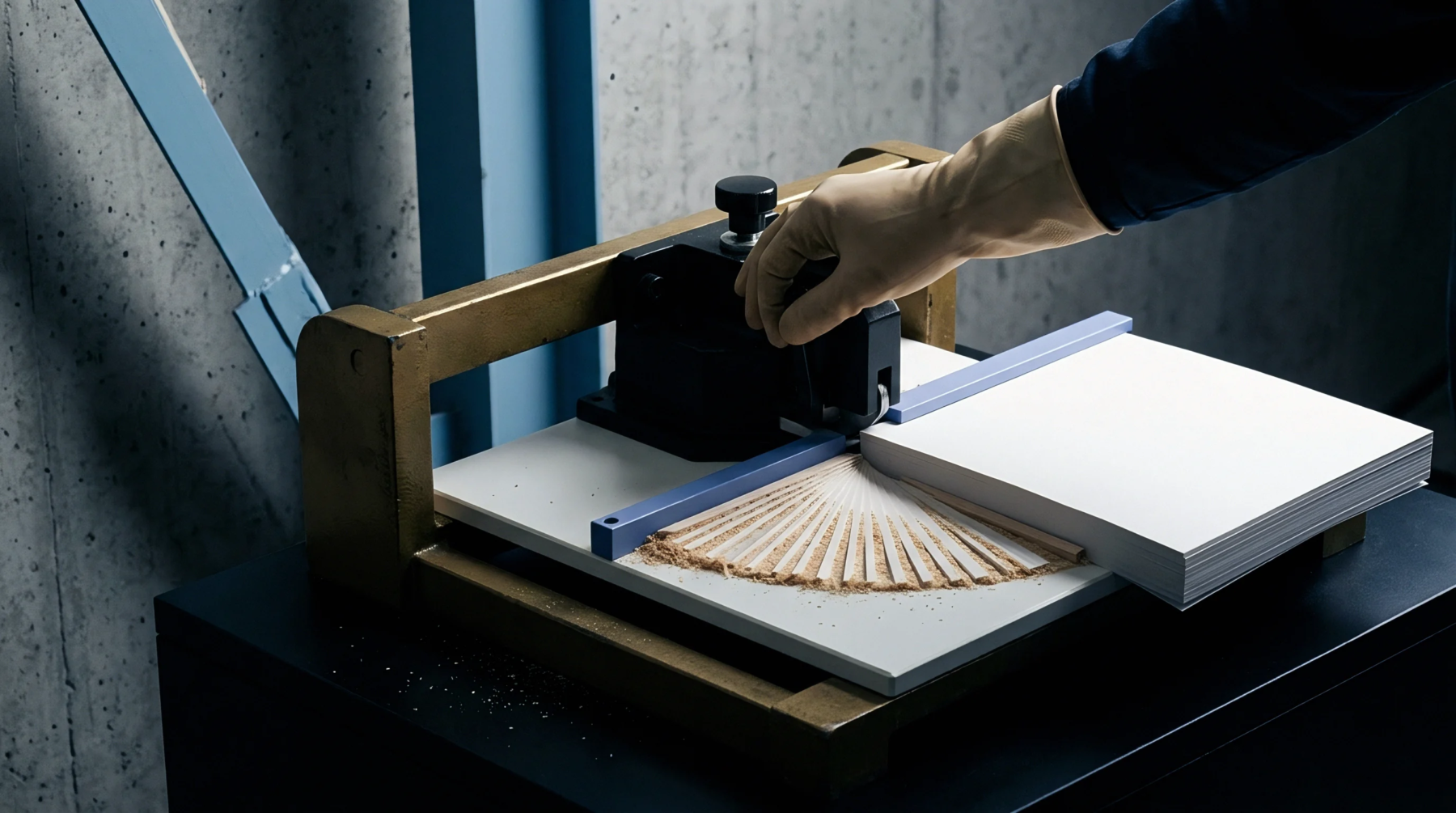
Optimizing rule depth and matrix channel width induces internal ply delamination, preventing top liner crack failures during high-speed carton folding.
Reconciling decoupled credit ledgers with physical fiber movements requires dynamic conversion factor auditing and site-level transfer tracking.

Eucalyptus fiber collapse and hydrogen bond density dictate sheet tensile strength, bulk retention, and landed sheet cost in commercial packaging grades.

Matching counter matrix channel width to rule thickness plus 1.5 to 1.7 times board caliper prevents clay coating rupture and stabilizes carton score stiffness.
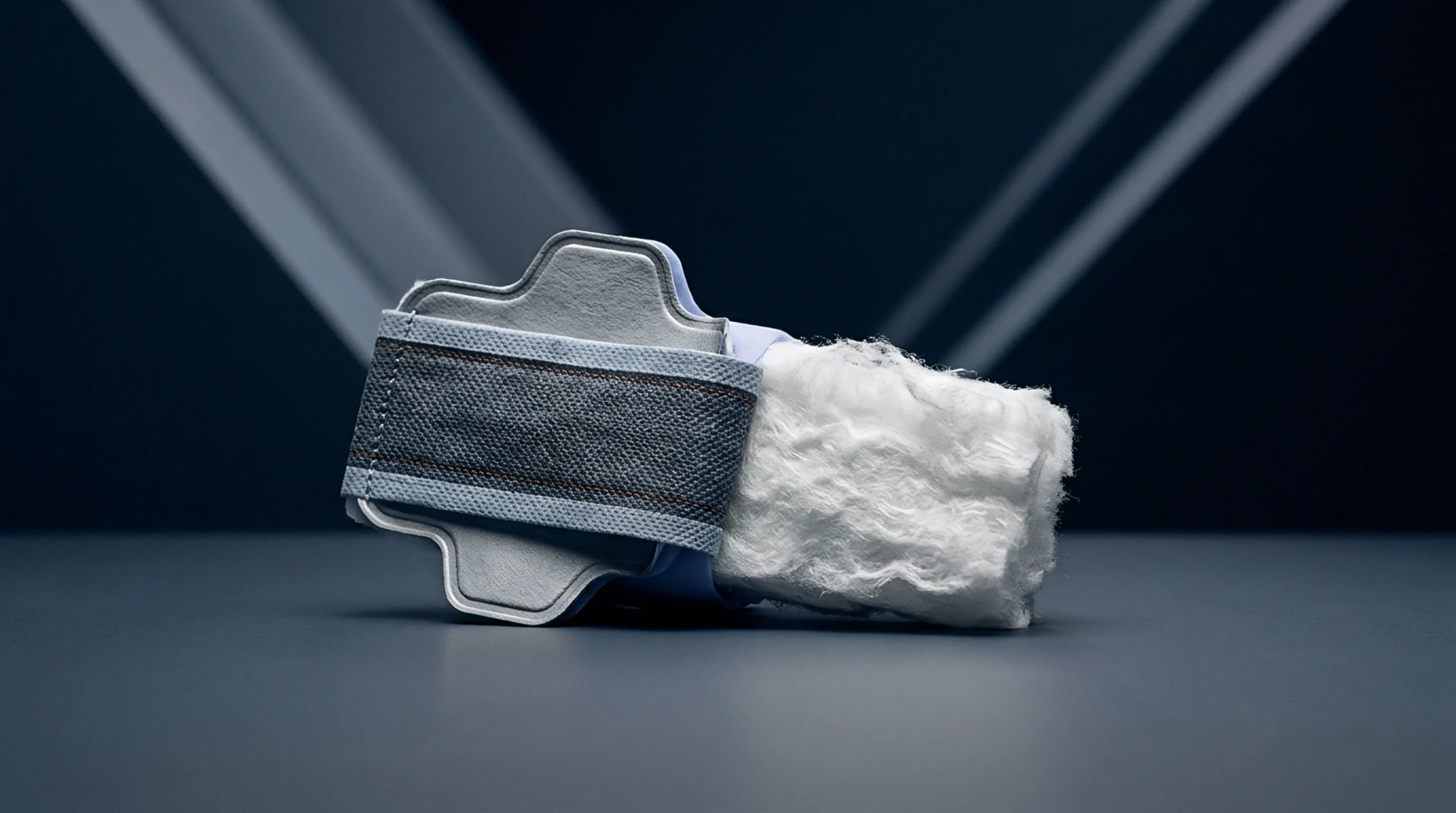
Recycled paperboard strain measurement requires direct optical extensometry under ISO 1924-3 to isolate true sheet elongation from clamp slippage.

Hardwood pulp substitution increases sheet density but reduces caliper, dropping bending stiffness cubically and eroding high-speed converting line speed headroom.
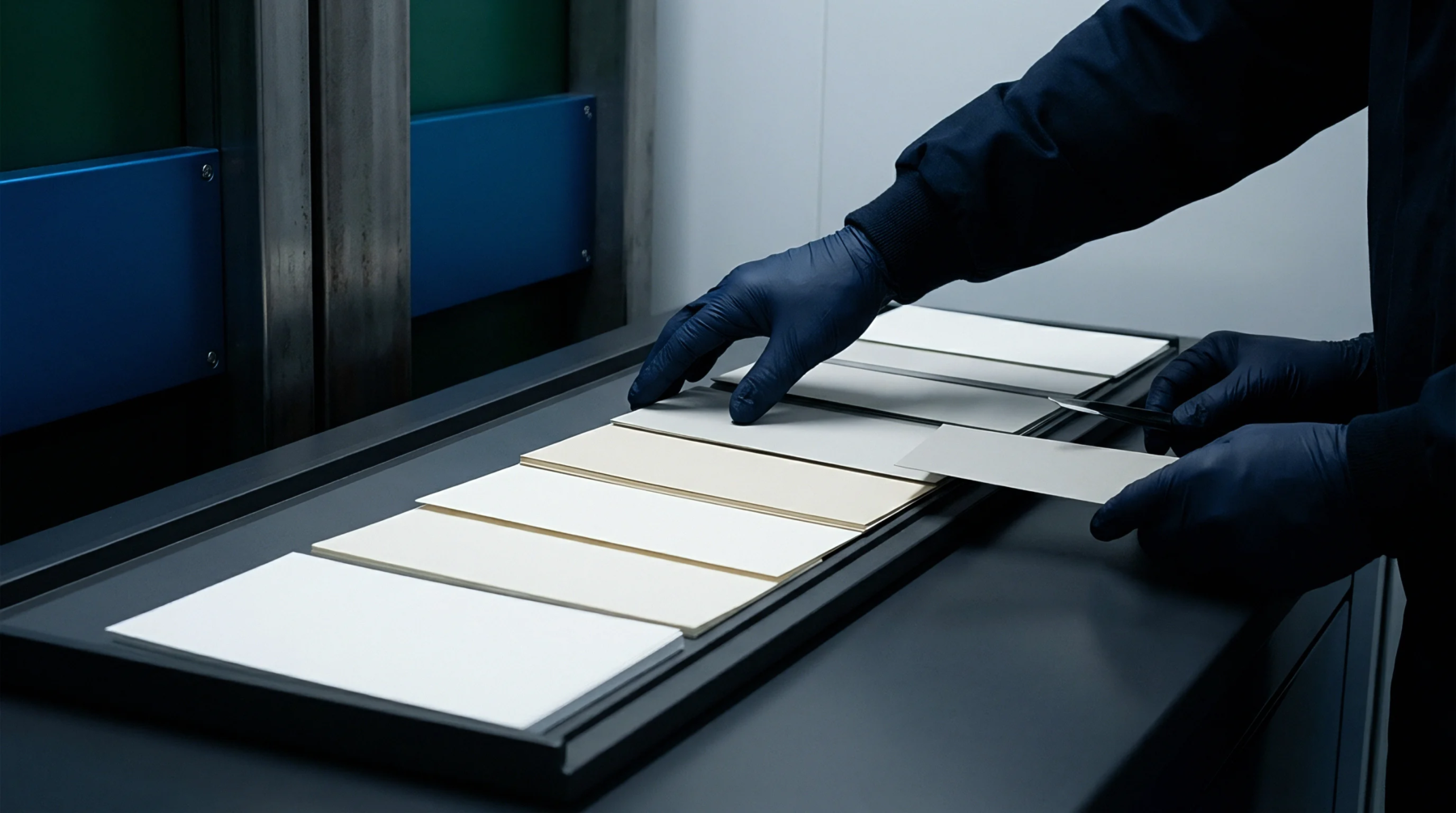
Paperboard physical property verification requires strict ISO 187 conditioning and standardized test methods to ensure compliance and prevent customs holds.
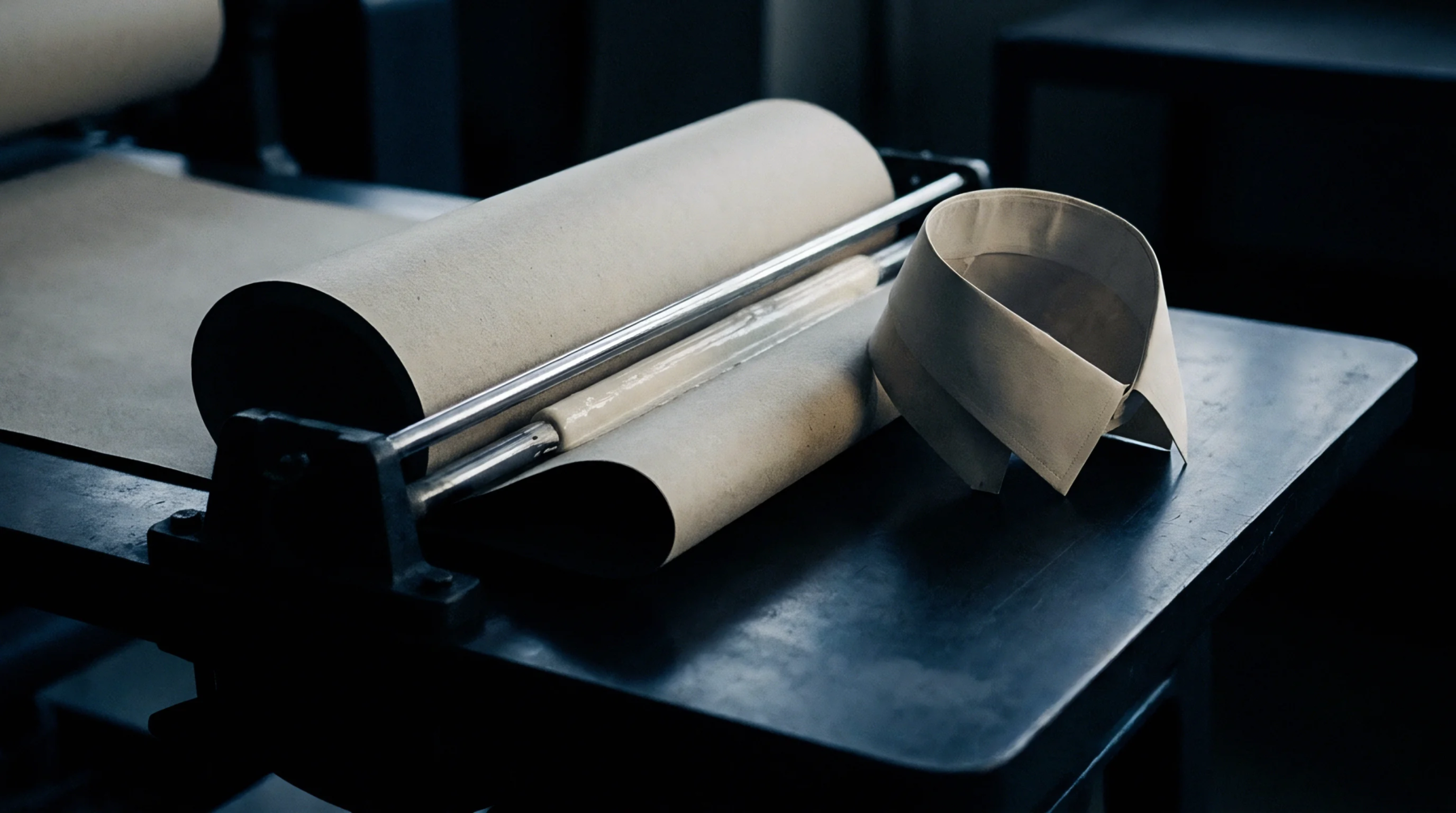
Swapping dense SBS for bulky FBB preserves bending stiffness through thickness retention while cutting material weight by fifteen to twenty percent per carton.
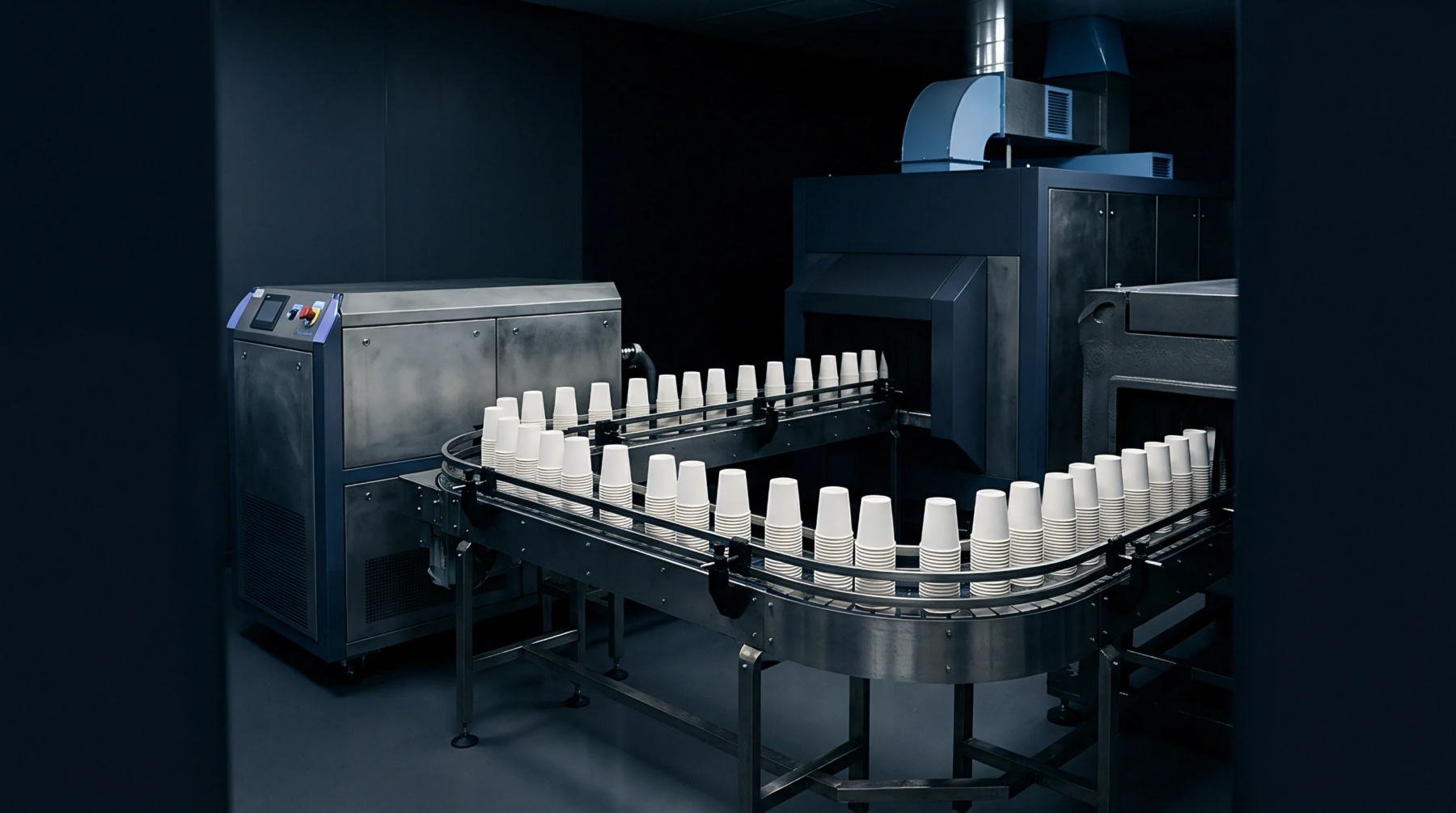
Targeting 5.5 to 6.5 percent board moisture and maintaining 50 percent relative humidity prevents hygroexpansion fan-out, registration drift, and score cracking.

Interfacial shear delamination in dispersion-coated folding boxboards occurs when converting flexure stresses exceed polymer-fiber bond fracture energy.
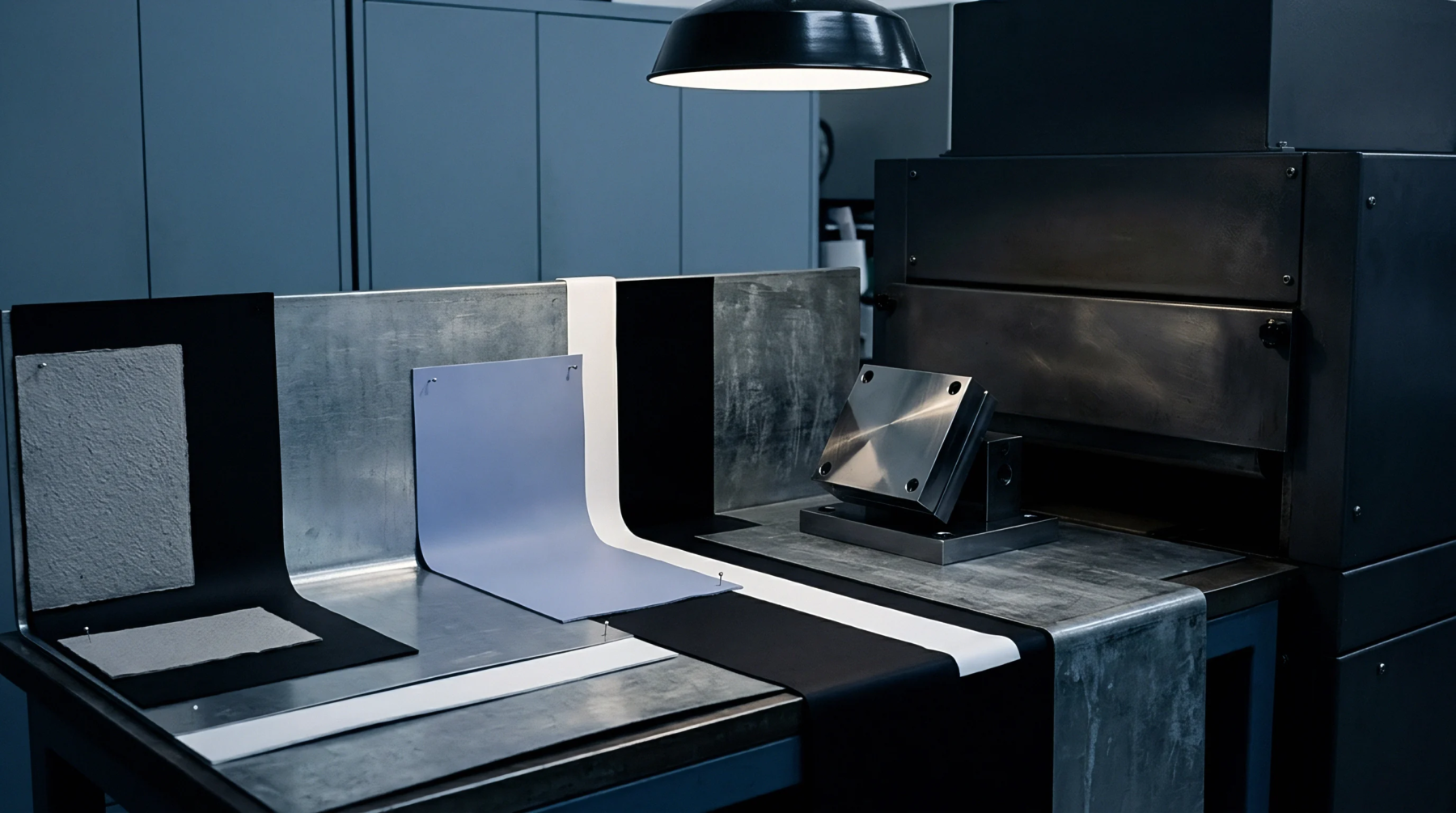
Measuring specular gloss changes before and after standard rub tests quantifies surface coating durability using exact optical angle decay metrics.
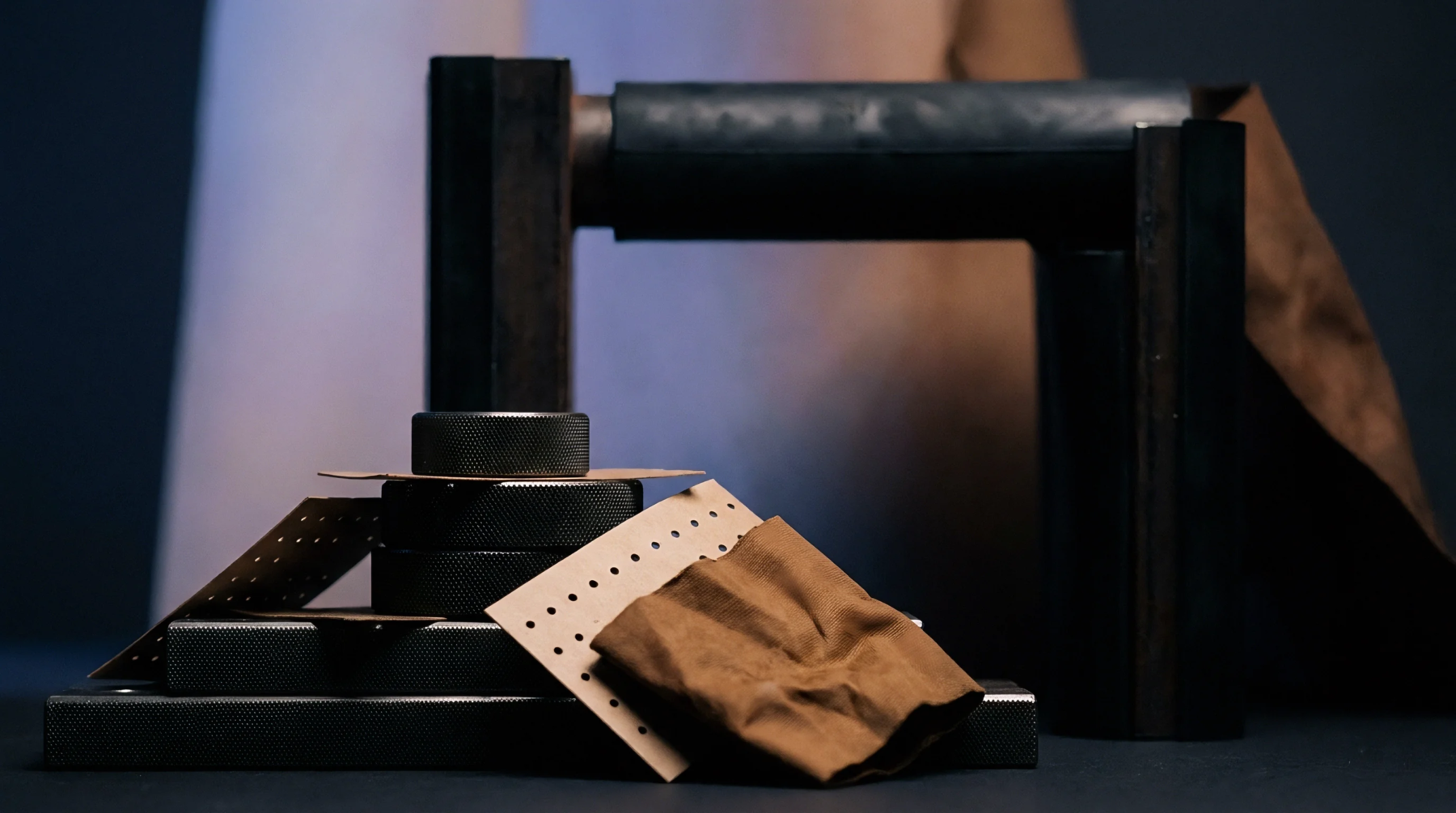
Dynamic blue-laser displacement calibration eliminates light-penetration drift, securing exact FBB crease metrics and stopping false sheet rejection.
High yield pulp mass balances fail when mills exclude white water solubles and moisture variation, exposing buyers to chain of custody audit liabilities.

Establish an isolated vacuum datum and calibrate 405-nanometer sensors to eliminate sub-surface scattering errors during board crease verification.

Paperboard grammage and caliper dictate sheet yield, bending stiffness, and converting performance, making exact testing under ISO standards essential for sourcing.
Crosslinked polyurethane soft touch films crack under cyclic humidity when interfacial shear stress exceeds film yield strength at elevated substrate moisture content.

High moisture multi-pass converting requires sizing CD modulus retention above 45 percent at 12 percent web moisture to prevent strain-induced register loss.
Transverse hygroexpansion in recycled paperboard drives interfiber bond dislocation and mechano-sorptive creep under cyclic moisture, accelerating compressive loss.
Expertise is a utility, not a secret. sentiention™ publishes its working knowledge as open reference: intelligence layer covering the materials it sources, the markets it enters, and the reference that serves both.