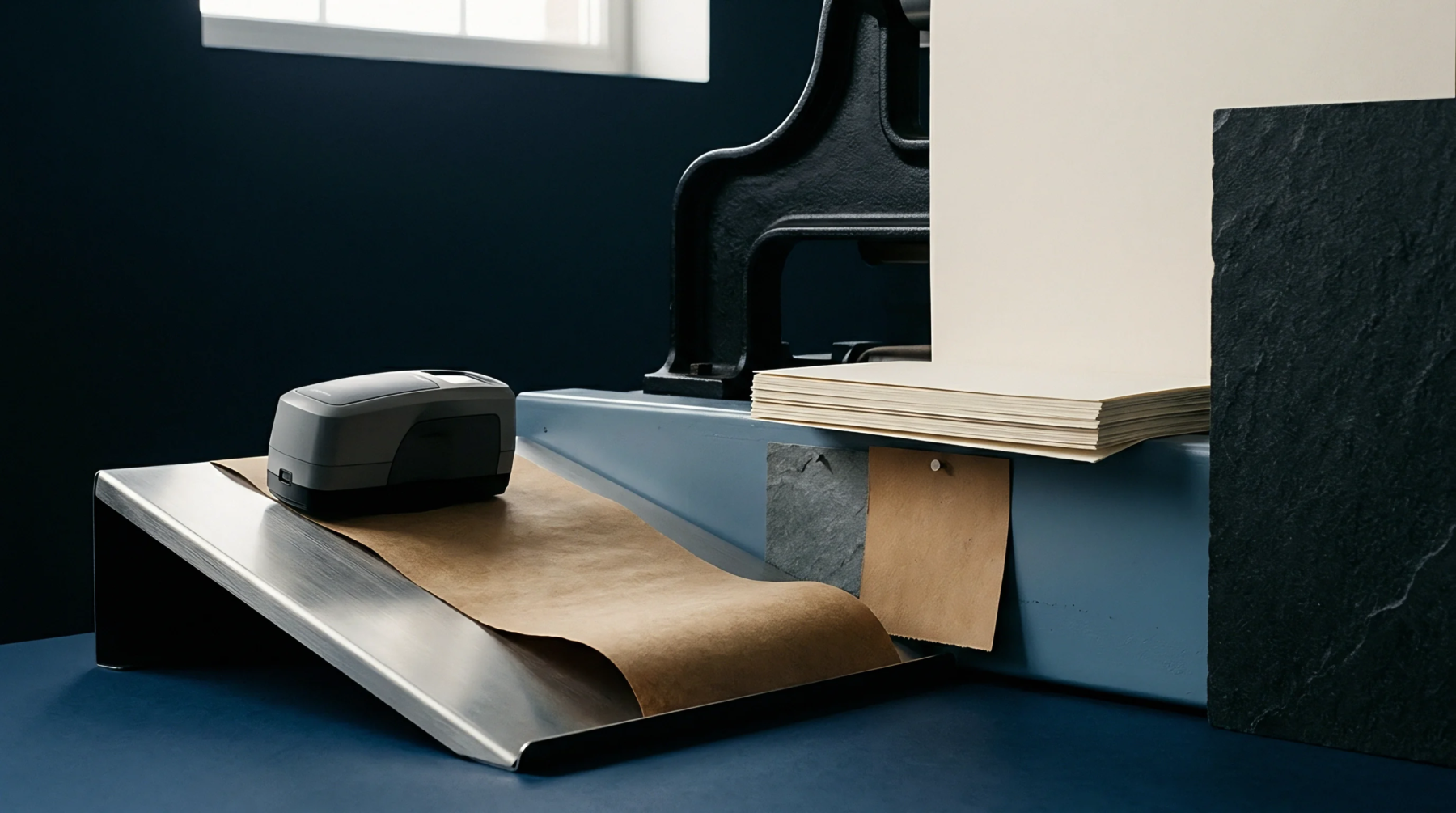
Crease Matrix Depth Calibration for Ultra Low Density Chemi-Thermomechanical Core Substrates
Calibrate crease matrix depth to 70-75% of caliper on ultra-low-density CTMP boards to prevent lumen collapse and enable dual-hinge shear delamination.
Calibrate crease matrix depth to 70-75% of caliper on ultra-low-density CTMP boards to prevent lumen collapse and enable dual-hinge shear delamination.
Cyclic humidity accelerates containerboard creep through mechano-sorptive strain, requiring increased compression safety multipliers for cold-chain transit.

Folding boxboard mechanical core thickness increases total caliper and bending stiffness at low grammage, reducing material weight and landed carton cost.
Dynamic relative humidity swings accelerate recycled corrugated creep up to twentyfold, requiring elevated dynamic safety factors to prevent warehouse collapse.
Recycled fluting mediums initiate tertiary viscoelastic creep failure above 65 percent relative humidity, requiring dynamic moisture load derating in cold chains.
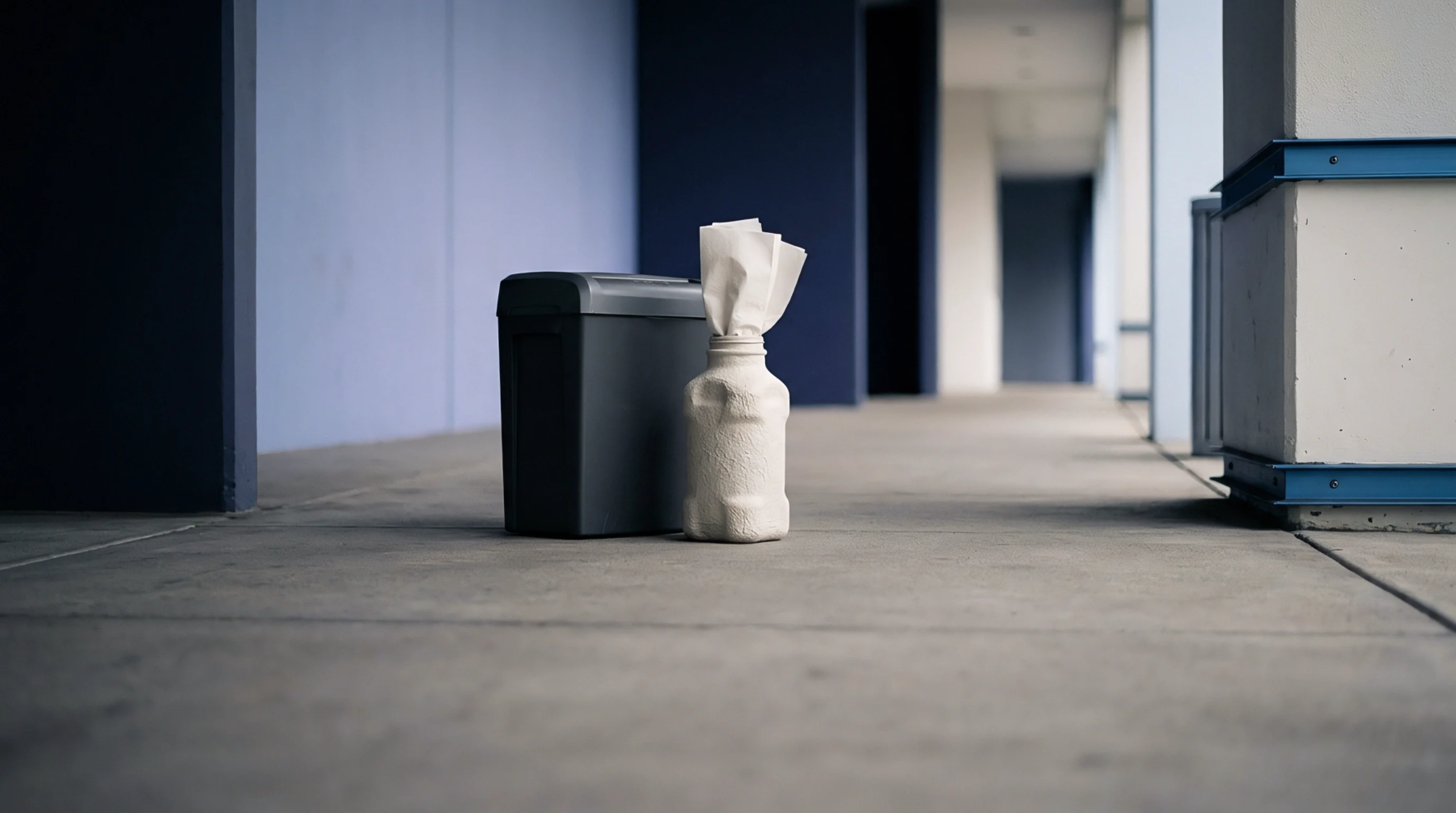
Cyclic moisture exposure degrades secondary fiber ply bond energy by driving hygroexpansive shear mismatch and irrecoverable starch bridge rupture.
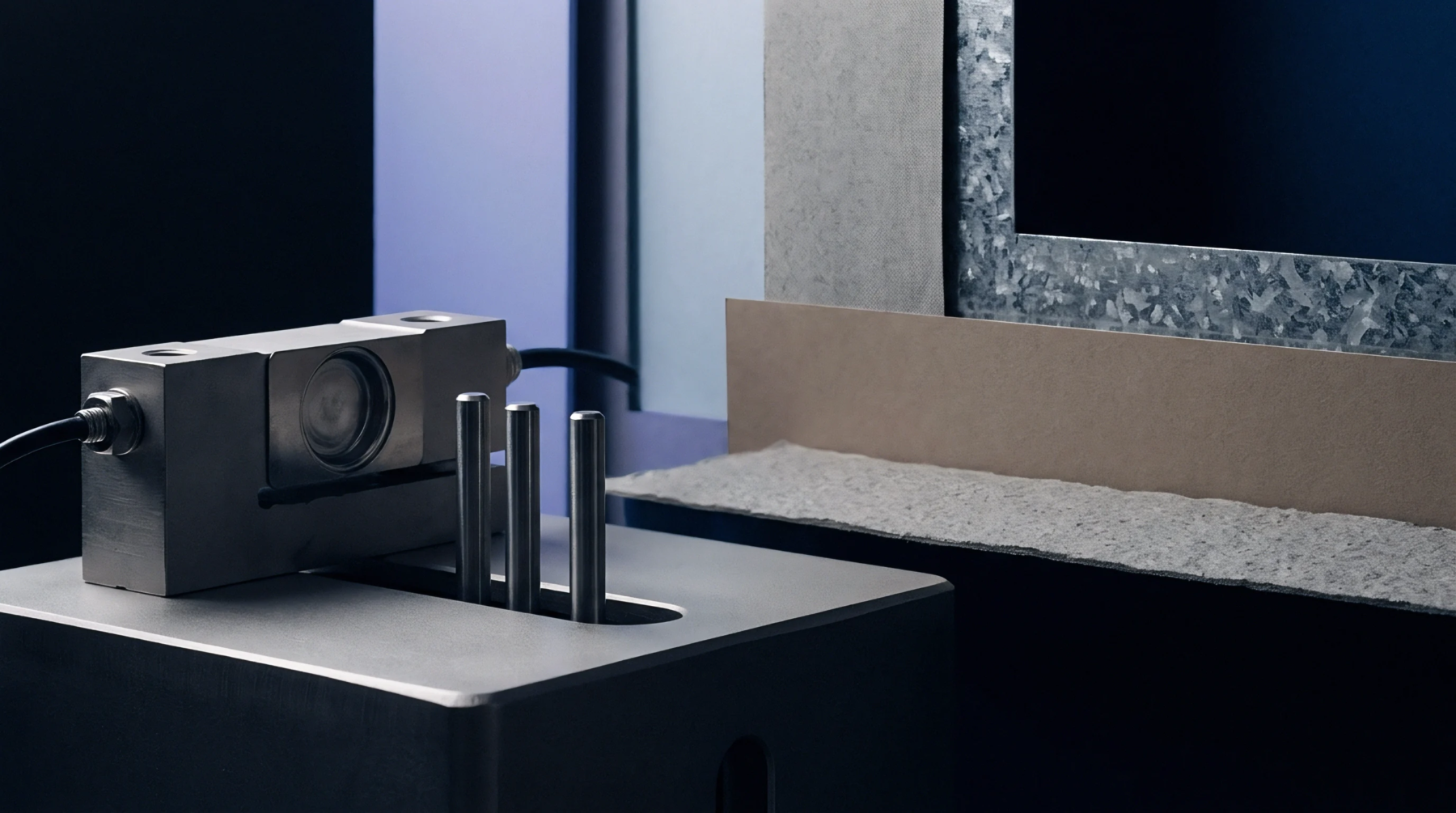
Interlaminar shear mechanics govern multilayer paperboard creasing, where controlled internal delamination reduces score stiffness to prevent outer ply cracking.
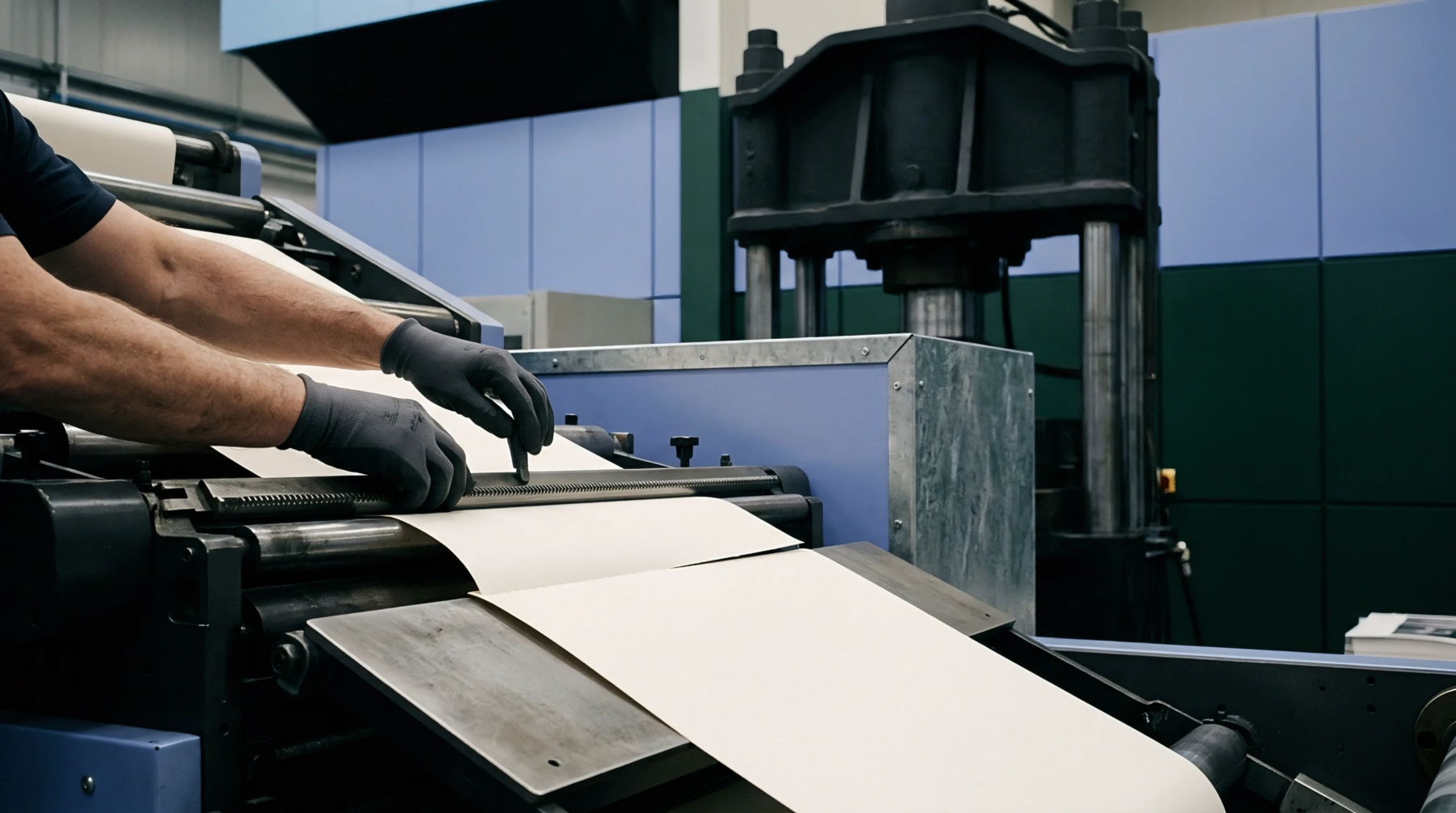
Air-coupled acoustic inspection reliably detects delamination and blisters above two millimeters, but fiber scatter masks pinholes below 500 micrometers.
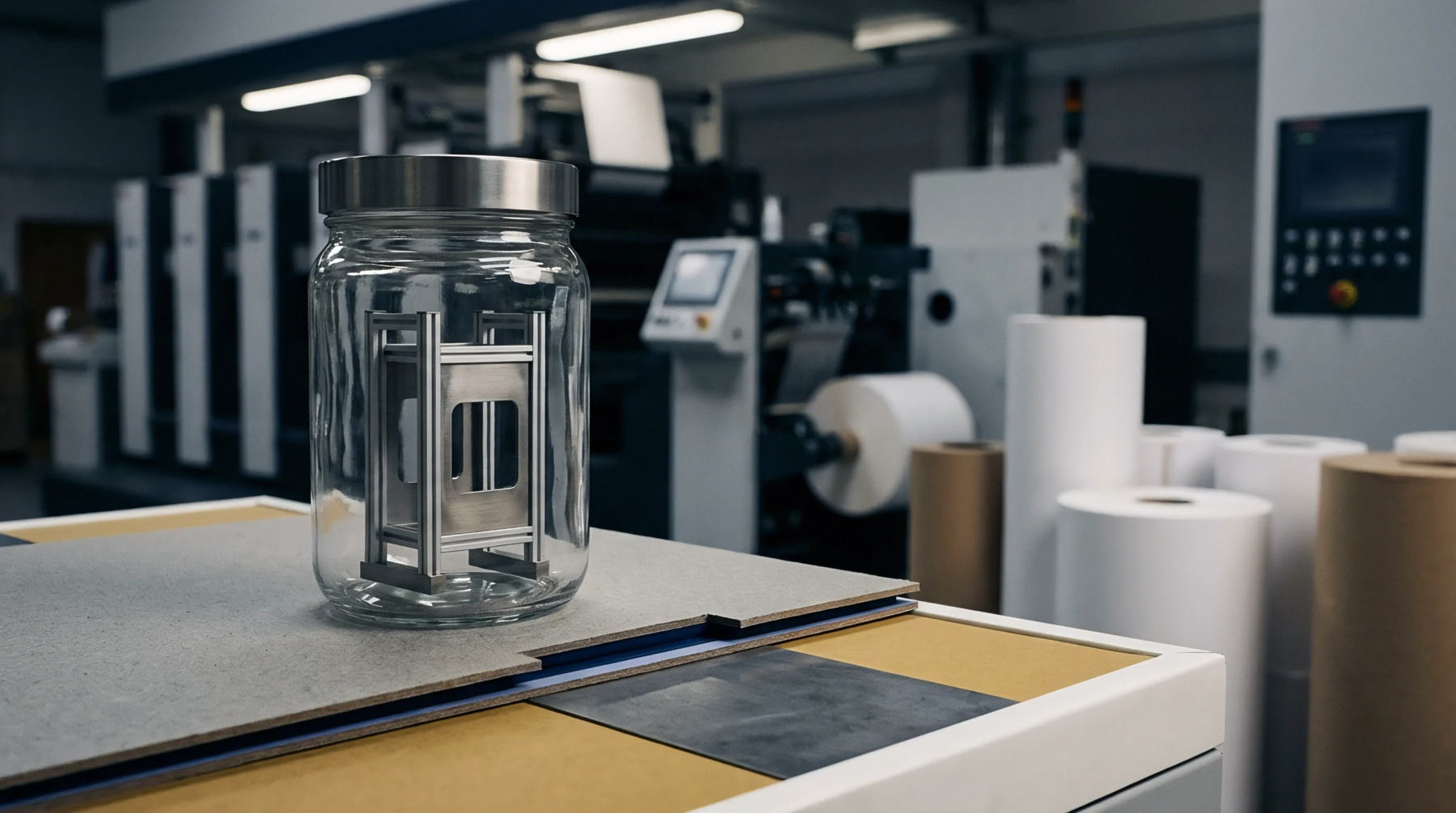
Dynamic moisture diffusion weakens inter-ply starch bonds in recycled paperboard, cutting Mode II shear fracture energy GIIc by up to 60 percent during transit.
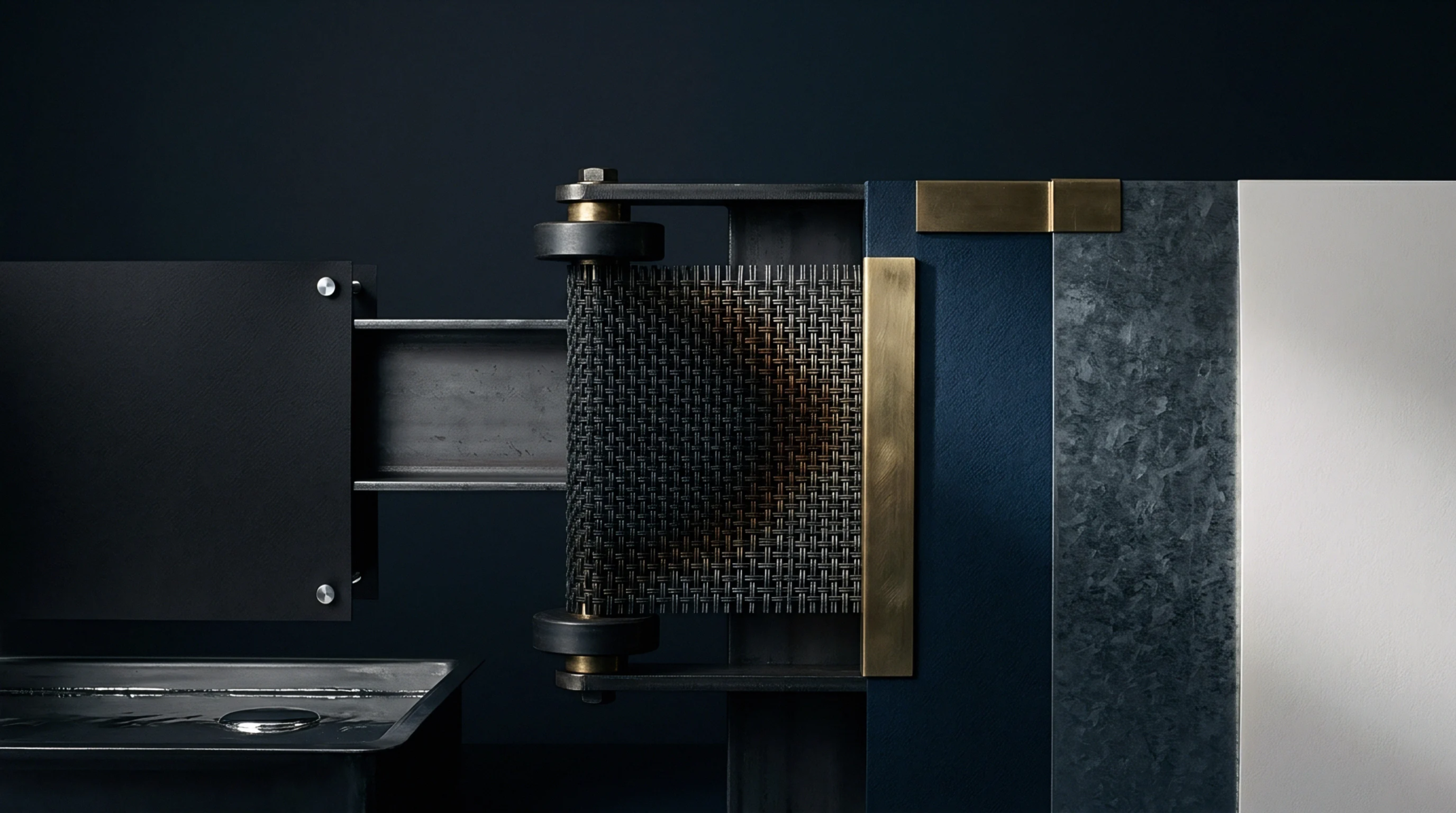
Non-destructive ultrasonic testing measures bonded elastic network stiffness rather than the intrinsic single-fibre zero-span tenacity of multiply board.
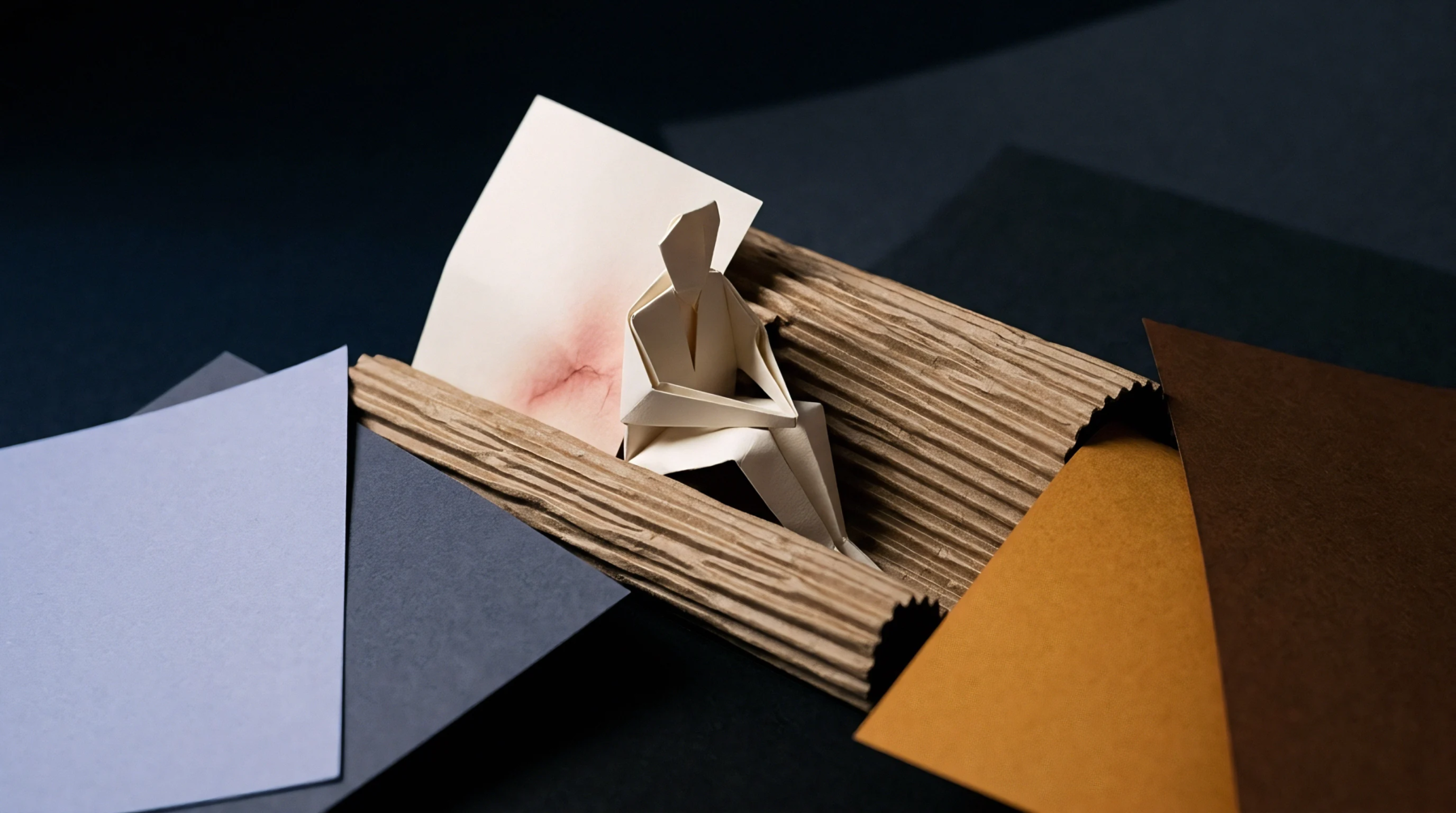
Cyclic relative humidity accelerates corrugated stack creep by breaking transient hydrogen bonds, demanding derated safety factors to prevent warehouse collapse.
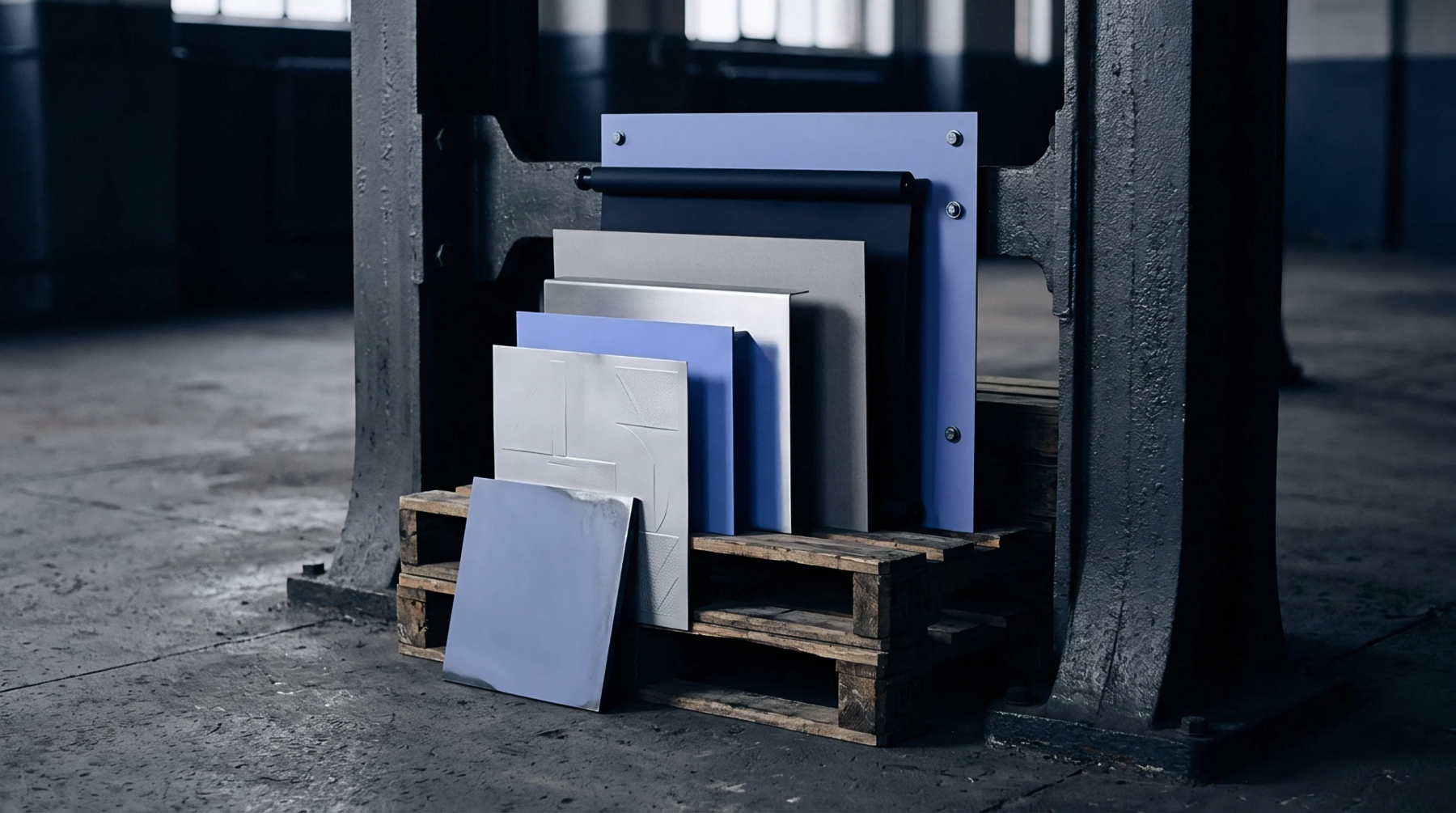
Dynamic resonance overlooks plastic slip; static two-point bending captures the true 25 percent rigidity loss occurring under moisture desorption hysteresis.
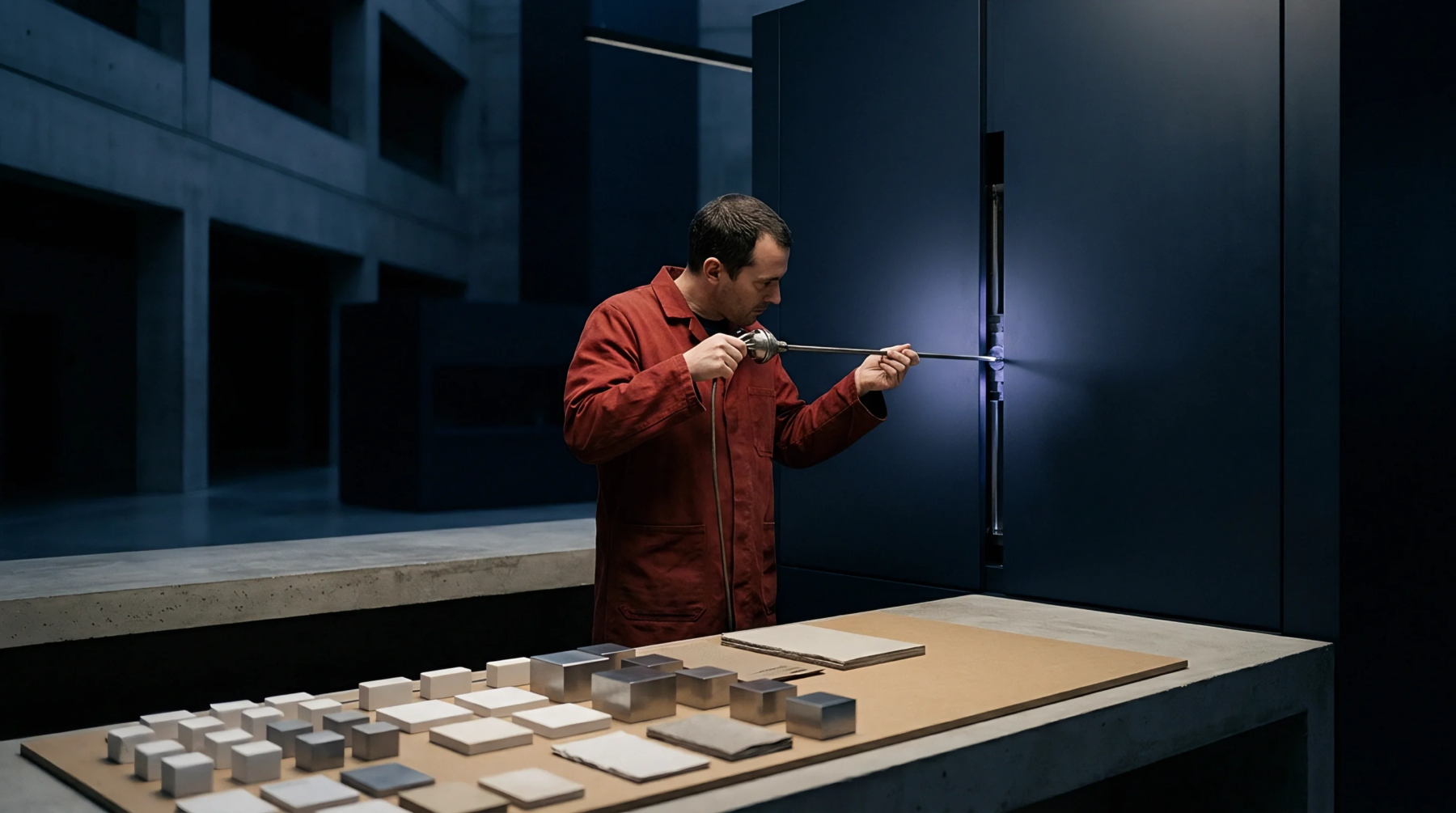
Decoupling hornification from refractive index shifts requires multi-spectral isosbestic ratioing and cross-polarization to isolate fiber scattering paths.
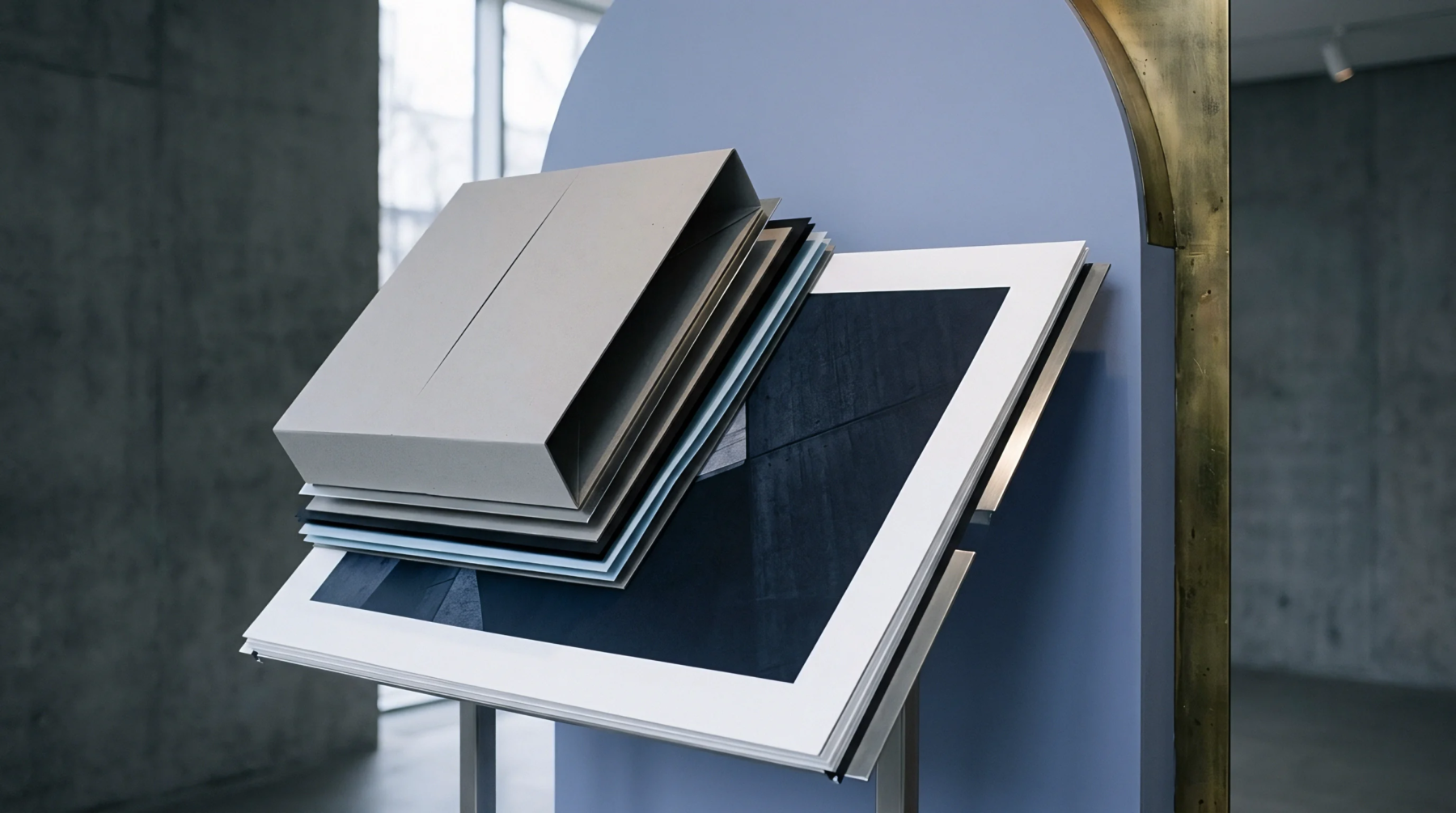
Match rule thickness and counterplate channel width to uncoated board caliper and grain direction to create clean internal shear without cracking bare surface fibers.
Dynamic cross direction caliper profiling uses induction heating to thermally expand calender rolls, flattening peaks without crushing uncalendered core bulk.
Branched and dendritic polymer architectures eliminate ink misting at 500 m/min by cutting extensional relaxation times below 1.5 ms without loss of shear hold.
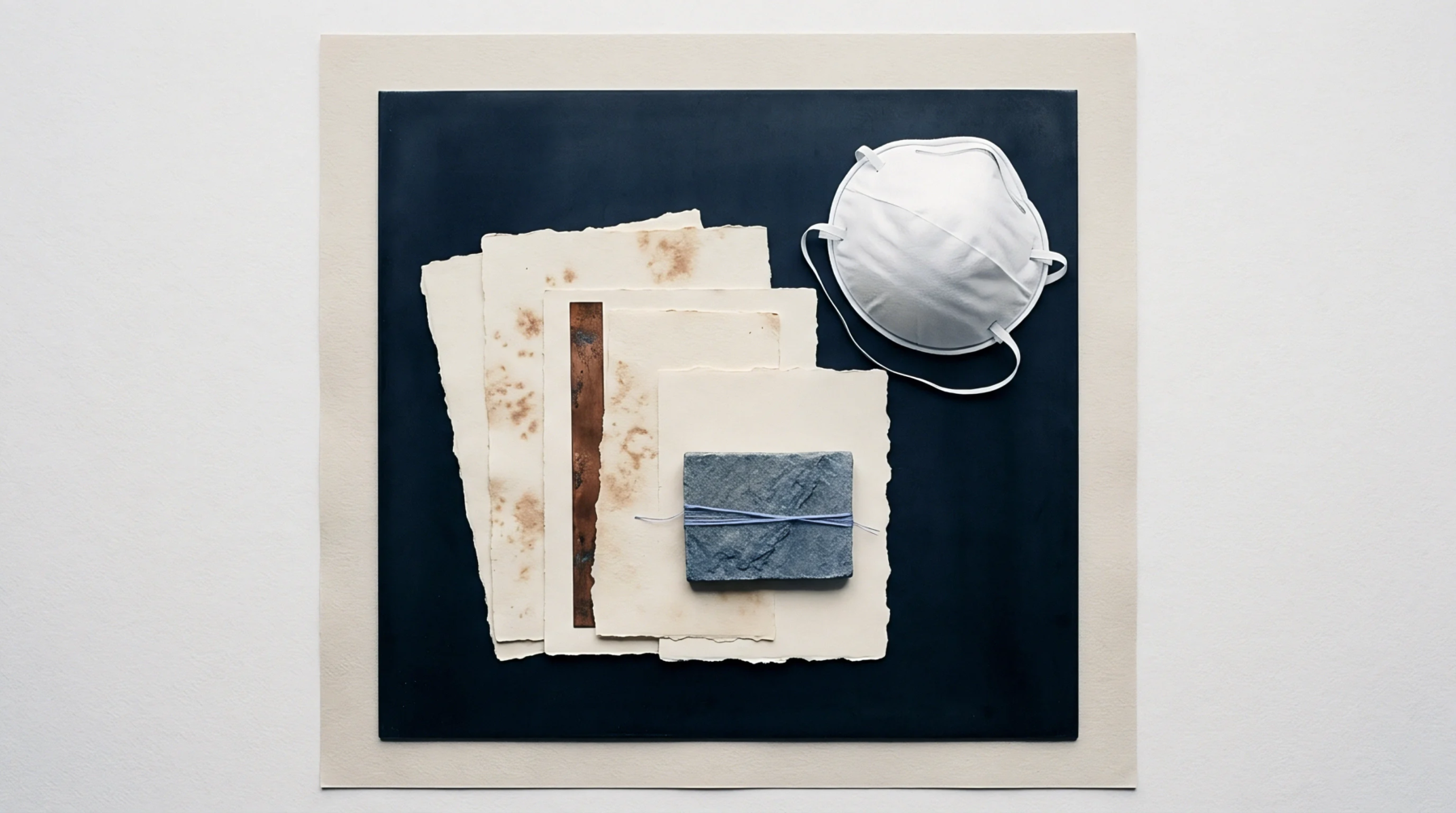
Standardizing simulants for recycled latex barriers requires solid-phase media and mechanical pre-straining to prevent false solvent-induced degradation.
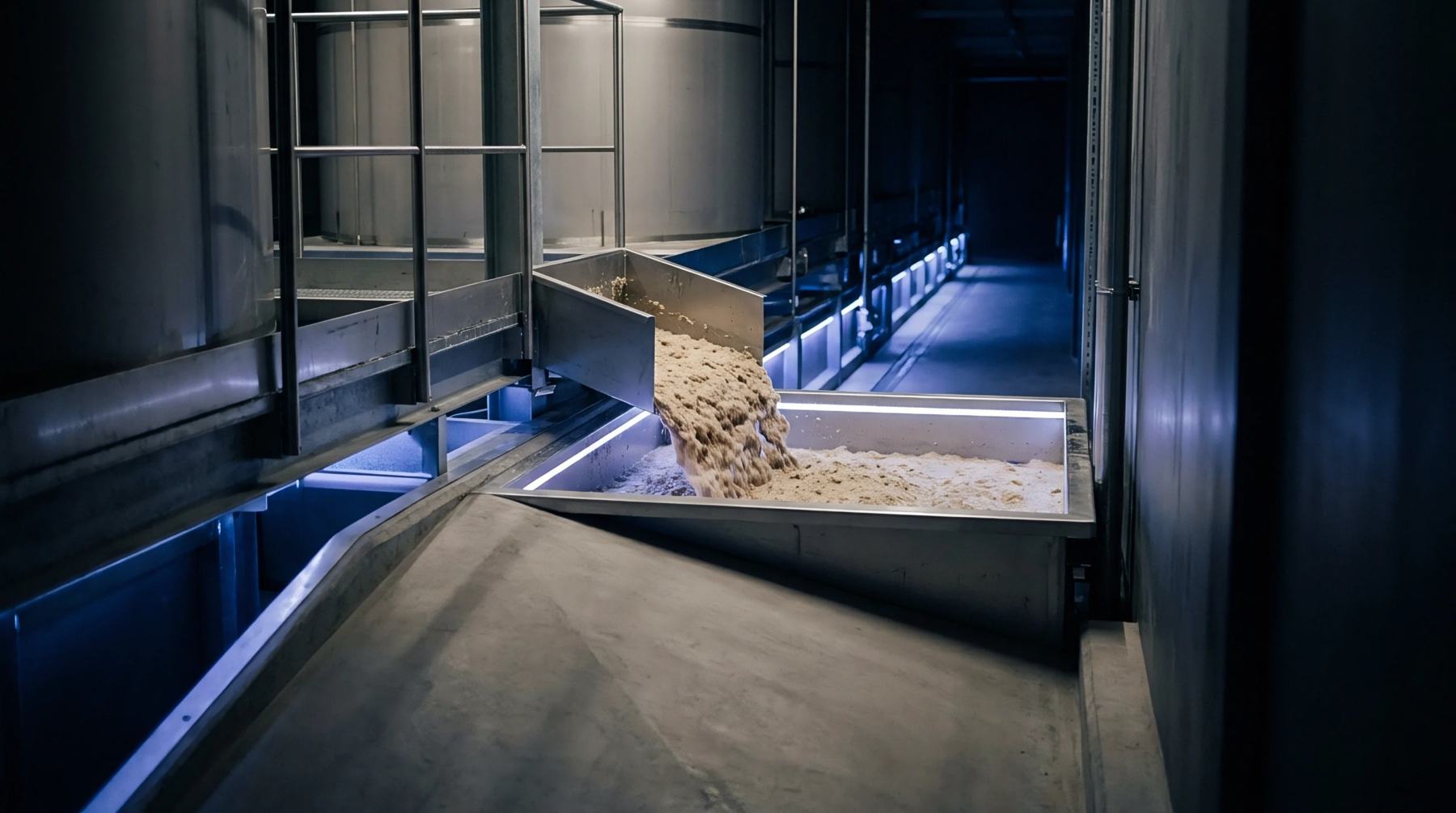
Extensional stress limits during high-speed aqueous latex coating transfer dictate web misting and blade bleeding boundaries through fluid relaxation time and Trouton ratio controls.
Dynamic relative humidity cycling accelerates mechanosorptive creep in recycled containerboard, causing structural stack failure below static load limits.
Evaluating microcrack formation and migrant leakage in creased packaging boards requires precise matrix sizing and migration testing to prevent structural seal failure.
Automated multi-wavelength optical selection isolates microbubble refractive scattering from fiber mass, maintaining accurate pulp consistency and basis weight control.
Inline NIR pulp calibration models demand regular bias adjustments and spectral preprocessing to counteract optical fouling, furnish shifts, and lamp decay.
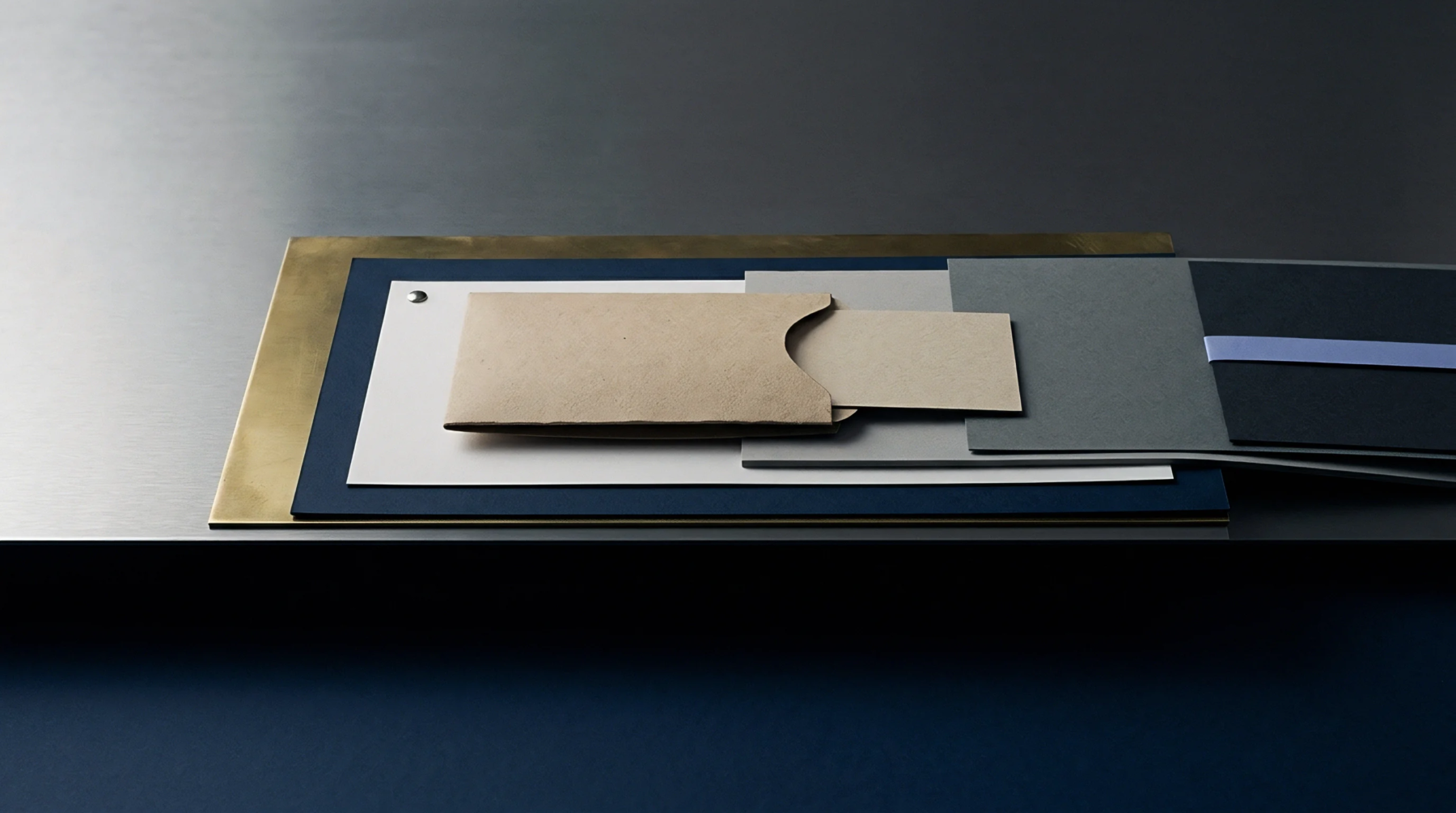
Optimal creasing of high yield folding boxboard requires adjusting female matrix width to 1.7 times board caliper to allow smooth internal BCTMP shear.
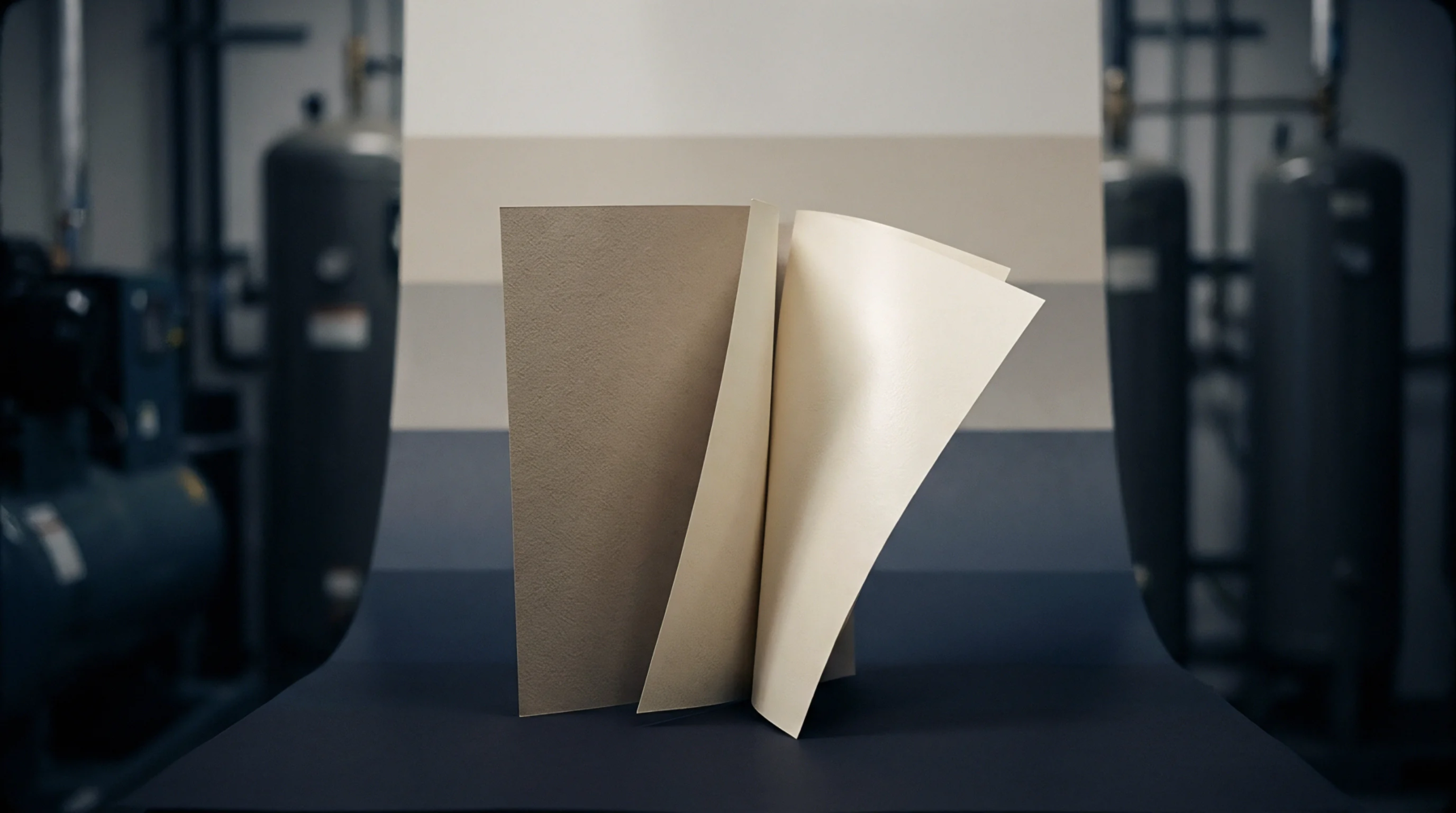
Calculating internal dynamic shear stress against wet-end starch cohesion prevents inter-ply delamination during high-speed folding of recycled boards.

Deriving baseline caliper and density balances converting crease geometry, coating accumulation, and area yield to prevent line jams and control packaging cost.

Dynamic interfacial shear fatigue parameters establish real dynamic stress limits that prevent barrier coating micro-cracking during web converting passes.

Recycled containerboard stacks swell anisotropically in humid transit, requiring cross-direction strain modeling to prevent lower-tier compressive collapse.
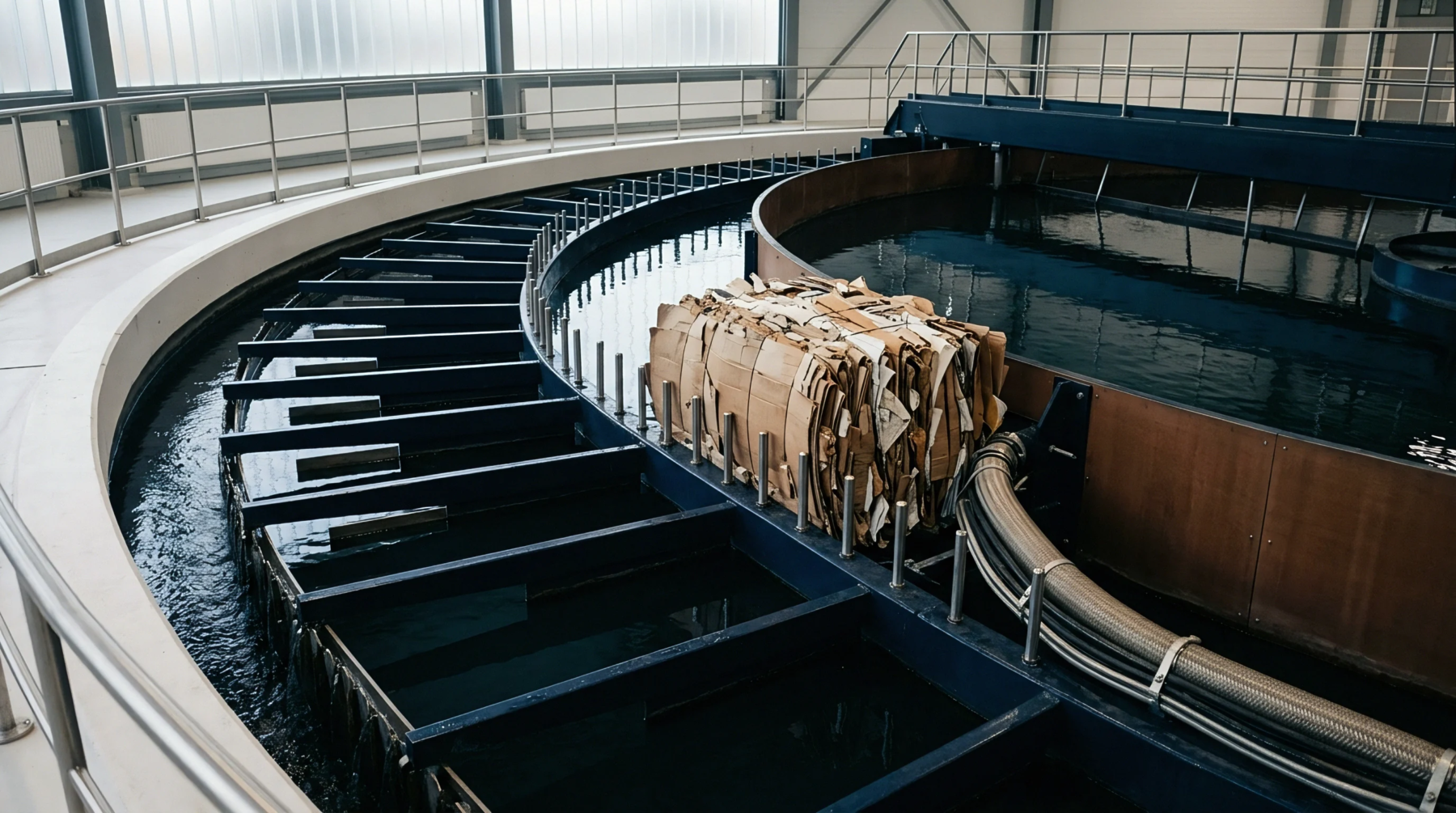
Recycled containerboard loses up to sixty percent of compression strength under moisture cycling due to mechanosorptive creep in shortened secondary fibers.
Low thermal gradients trigger capillary condensation in small recycled furnish pores, disrupting hydrogen bonds and weakening packaging without direct water contact.
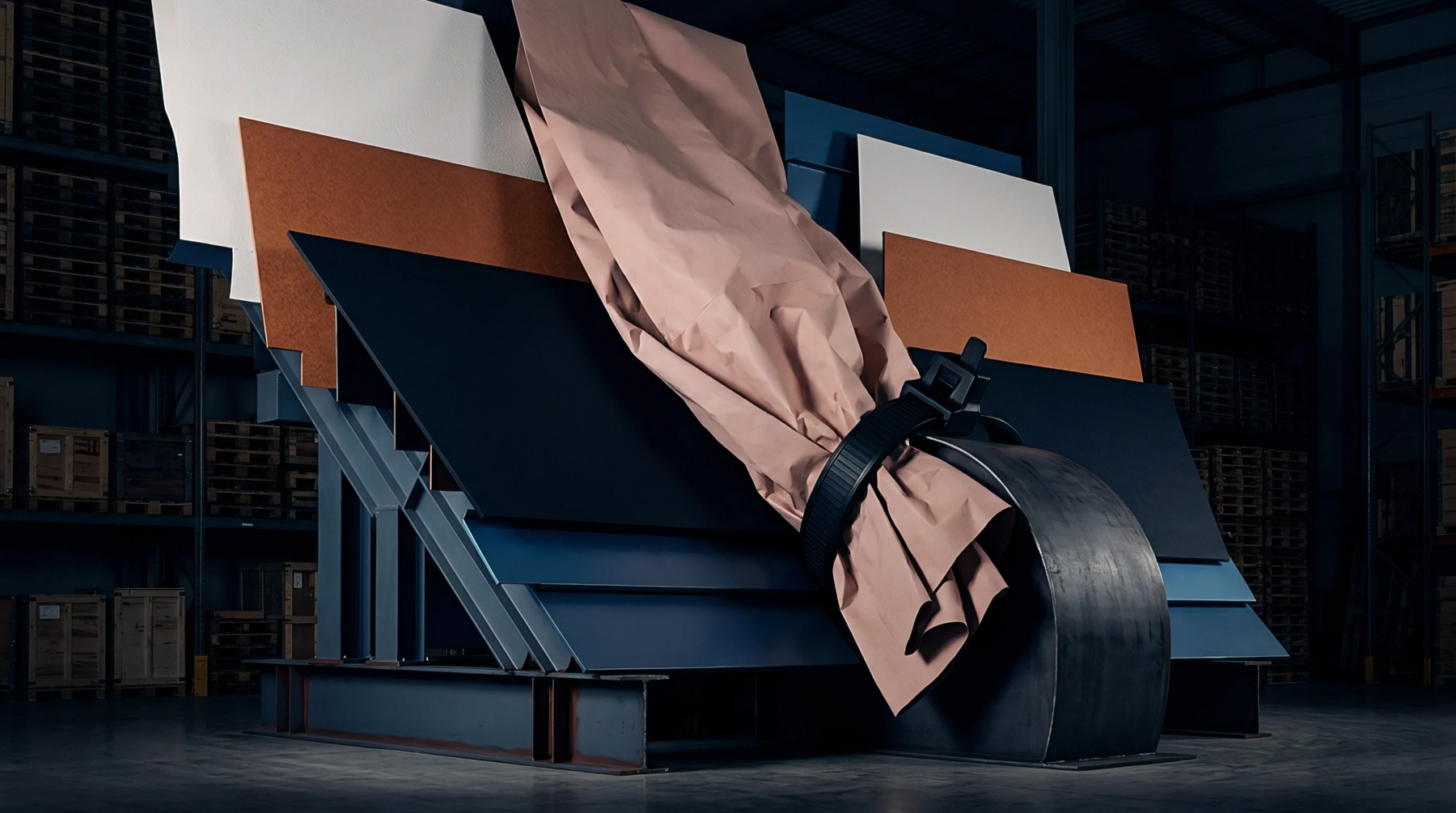
Recycled multi-ply board delamination under dynamic warehouse stacking stems from mechano-sorptive shear stress acceleration along moisture-softened starch interfaces.
Expertise is a utility, not a secret. sentiention™ publishes its working knowledge as open reference: intelligence layer covering the materials it sources, the markets it enters, and the reference that serves both.