Finite Element Modeling of Transient Moisture Gradients in Stacked Recycled Cartonboard
Finite element modeling of transient moisture gradients predicts stack edge distortion and guides pre-conditioning timing to prevent press downtime and waste.
Finite element modeling of transient moisture gradients predicts stack edge distortion and guides pre-conditioning timing to prevent press downtime and waste.
Hygral edge waving in recycled paperboard skids results from perimeter moisture absorption driving compressive buckling against a dry, rigid core.
Dynamic platen converting above 7,500 sph degrades board core shear modulus by up to 60 percent, demanding calibrated matrix tooling to prevent carton collapse.
Calculate machine deckle efficiency by dividing total slit customer roll widths by maximum trimmed web width, factoring in edge shrinkage and repulping waste.
Ultrasonic attenuation decay rates directly quantify paperboard crease delamination depth, enabling real-time inline verification of folding stiffness.
Acoustic velocity profiling provides non-destructive dynamic stiffness metrics that predict score cracking and lamination curl in converting passes.
Elevated humidity causes gas-phase moisture sorption that disrupts interfiber hydrogen bonds, reducing sheet elastic modulus and causing converting failure.
Moisture plasticizes secondary fibre bonds, reducing Mode I and II fracture energy thresholds and causing delamination during thermal finishing and creasing.
Asymmetric hygroexpansion across recycled boxboard plies induces internal shear stresses and curl, demanding strict moisture control to avoid converting scrap.
Polymer barrier coating performance relies on balancing extensional viscosity to prevent misting with rapid thixotropic recovery to eliminate pinhole defects.

Sorption hysteresis and internal buoyant convection degrade lower-tier corrugated strength in sealed cold-chain pallets, demanding moisture-resilient virgin fluting.
Thermal gradients across stretch-wrapped pallets drive internal vapor to cold perimeters, causing condensation that cuts box strength by over forty percent.

Chemithermomechanical core compliance modeling predicts time-dependent box compression decay under changing humidity by coupling viscoelastic Prony series with shear kinematics.

Crease audits verify internal mechanical ply shear through moment ratios between thirty and fifty percent without top coating fracture under dye staining.
Subsurface light penetration introduces up to 25 micrometers of optical drift in laser triangulation, requiring cross-polarization and grade-specific ISO 534 calibration.
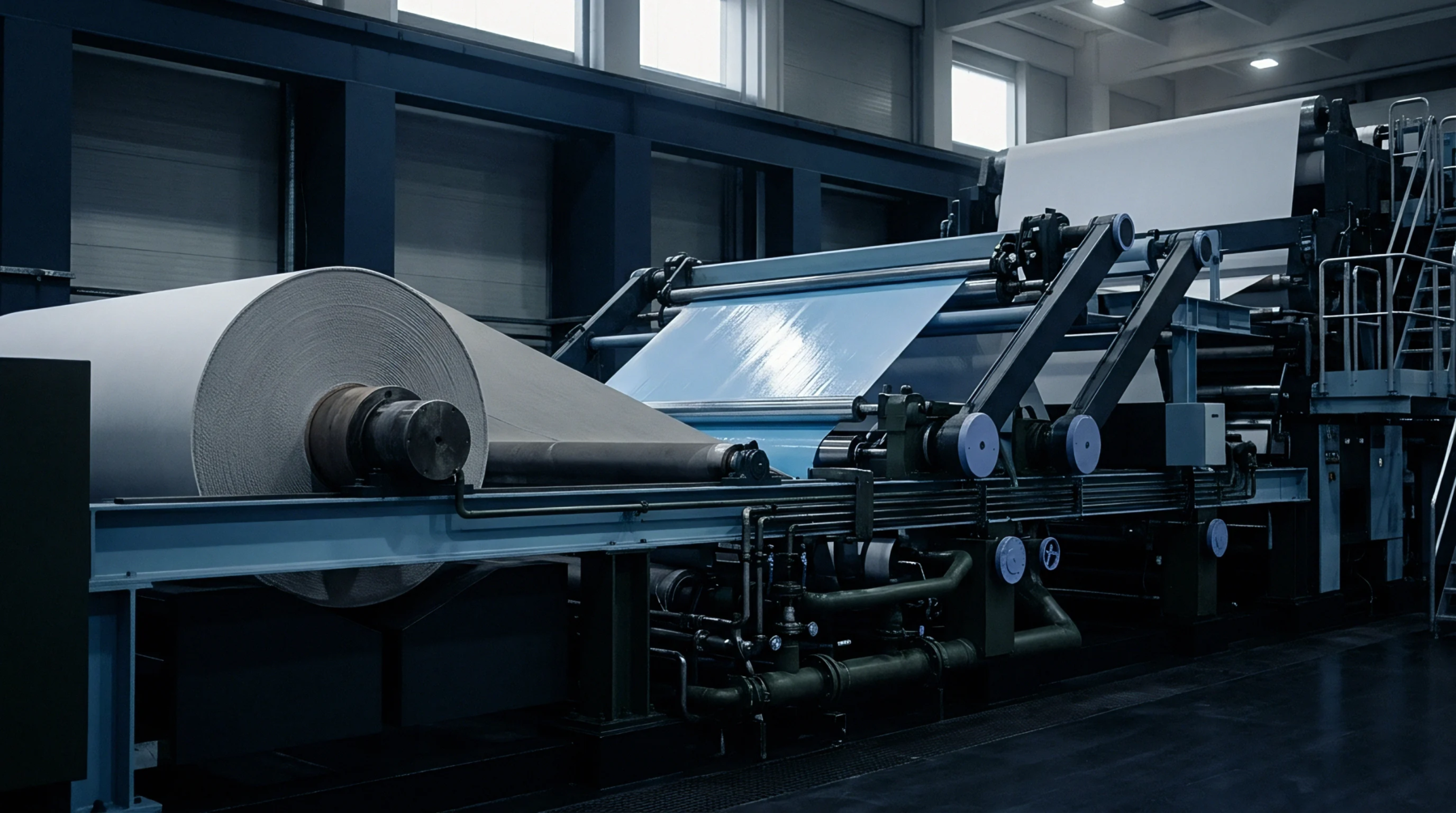
Dynamic moisture entry plasticizes paperboard core binders and depresses matrix glass transition, driving interlaminar delamination and pallet stack collapse.
Substrate compression ratio measures z-axis compaction, balancing tool impression depth against fiber strain limits to maximize embossing height without shearing.
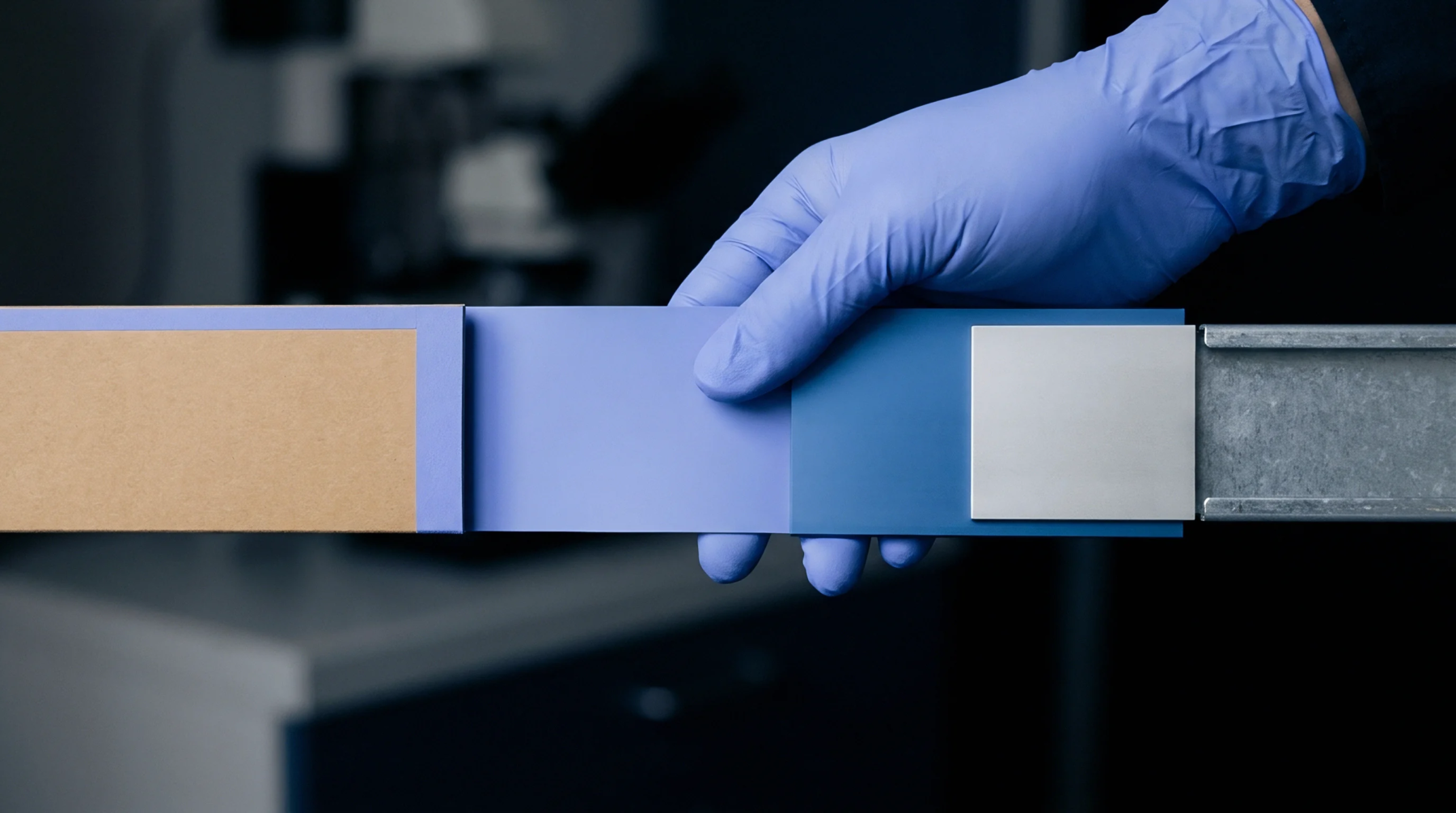
Valid boxboard physical testing requires ISO 187 conditioning at 23°C and 50% RH to prevent hysteresis errors in stiffness, yield, and creasing metrics.
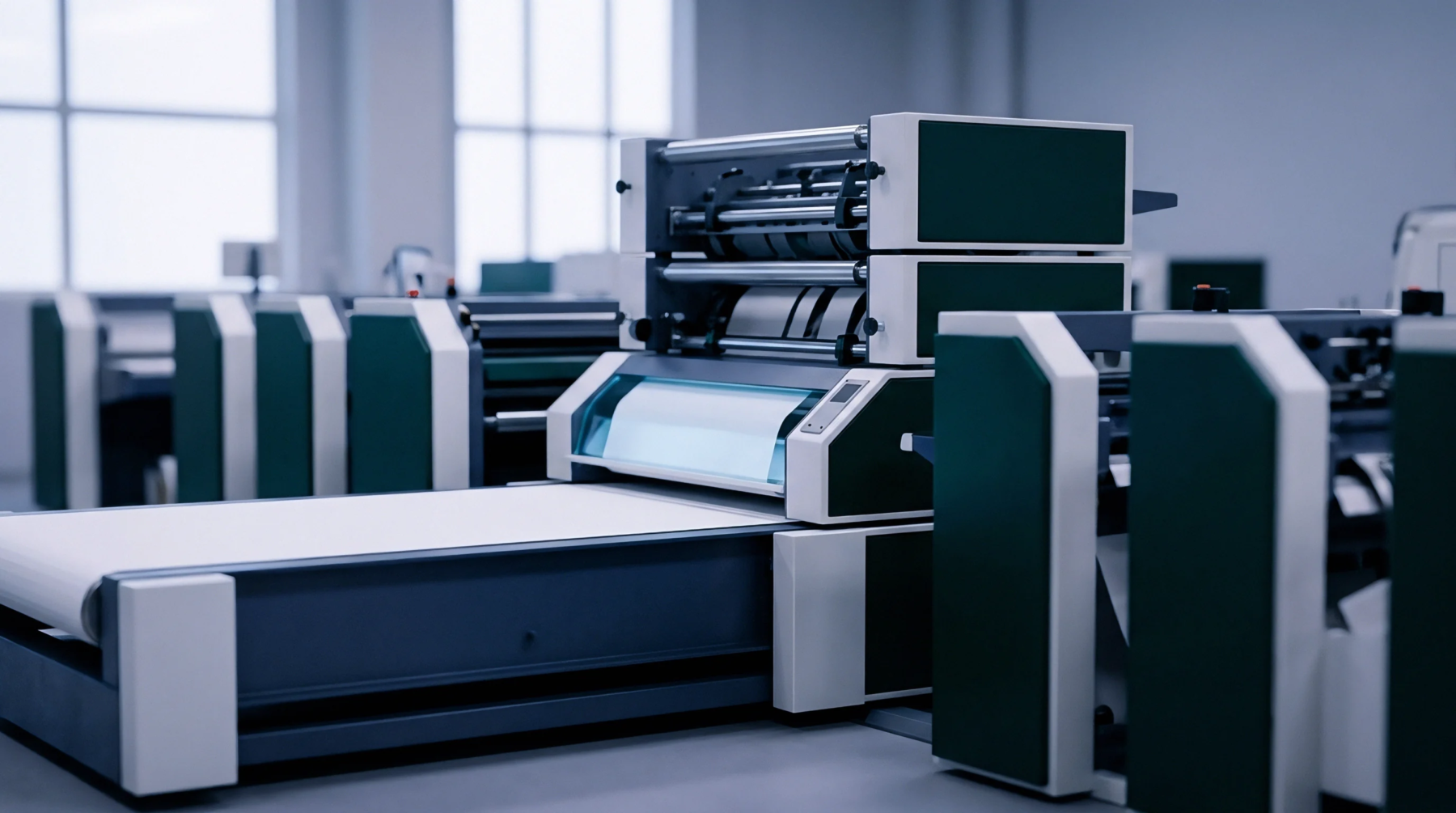
Converting formulas combine deckle trim efficiency, multi-pass spoilage allowances, freight mass shifts, and scrap recovery to determine landed blank costs.

Interfacial fracture toughness in laminated paperboard depends on substrate z-direction fiber strength, controlled corona energy, and scoreline strain management.
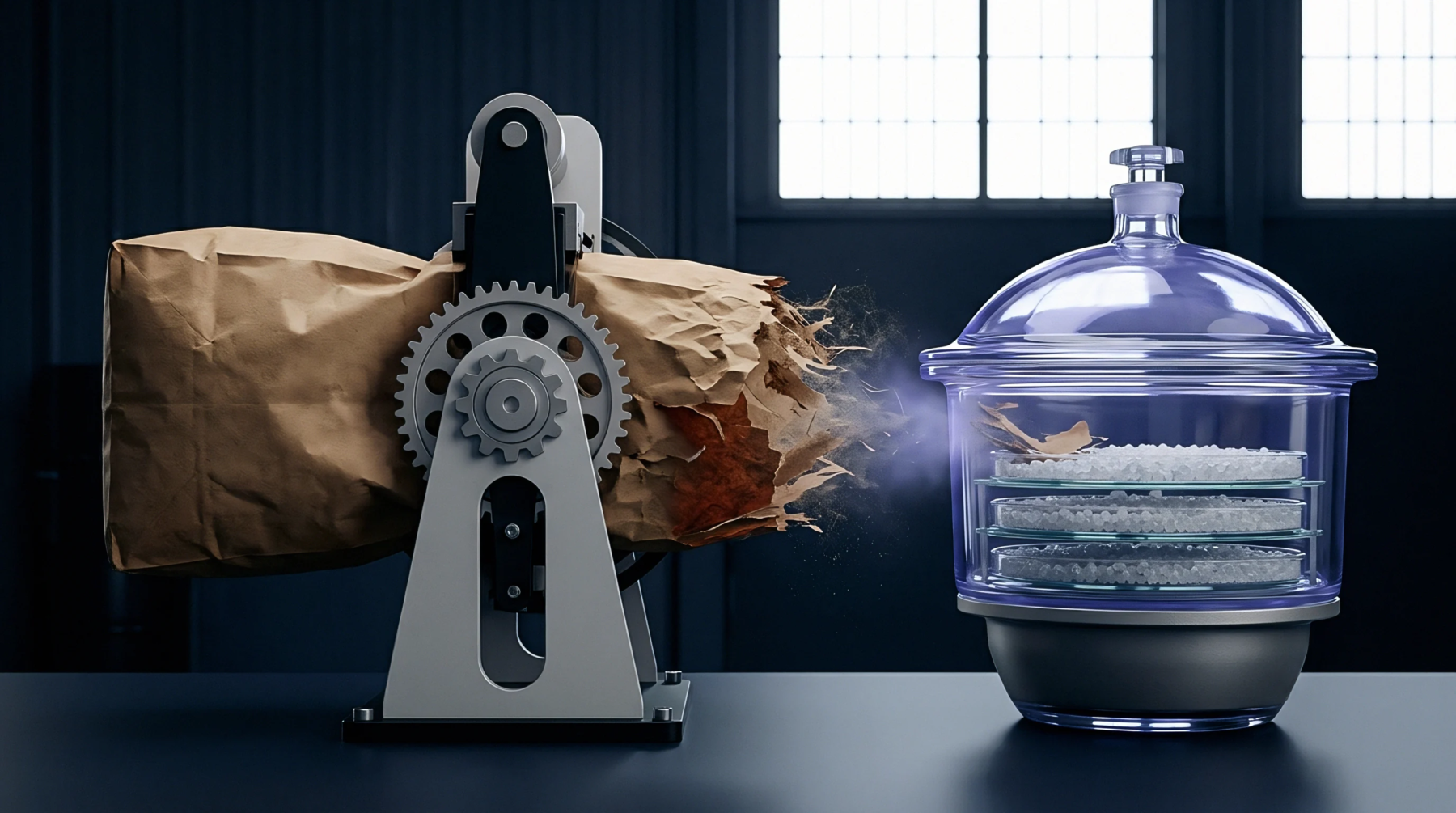
Dynamic relative humidity cycling accelerates creep deformation in recycled fluting medium beyond static predictions, requiring higher structural safety factors

High erection speeds induce inter-ply shear strain that causes carton delamination when Z-direction bond strength drops below 180 Joules per square metre.
Interfacial shear strain from thermal mismatch drives delamination; controlling cooling gradients and dyne levels prevents bond failure at crease lines.
Dynamic tropical moisture cycling accelerates fiber matrix creep deformation through mechano-sorptive coupling across multilayer paperboard plies.
Paperboard expands five to seven times more across the grain than along it, requiring precise humidity control and pass timing to maintain converting register.

Recycled containerboard loses up to 45% compression strength under constant 85% RH; specify ISO 2233 derated SCT metrics to prevent static stack collapse.

Optimizing multi-ply boxboard caliper requires balancing mechanical core thickness against chemical skin elastic modulus to maximize bending stiffness per unit weight.
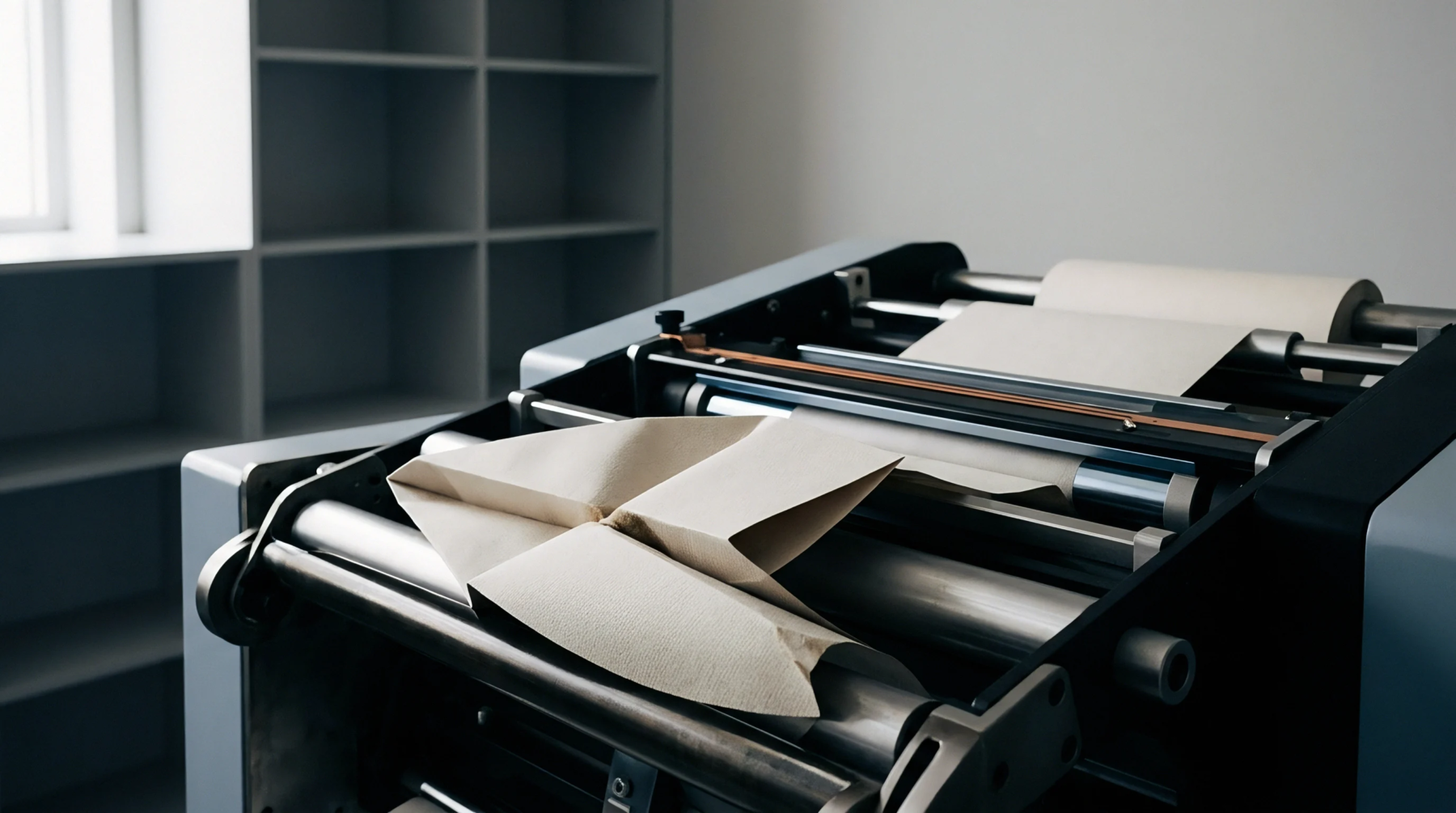
Rapid shear creasing requires tailored interply delamination toughness to prevent liner fracturing while reducing folding torque on high-speed lines.
Predicting package panel bulge demands measuring multi-ply out-of-plane shear stiffness C44 via ultrasonic wave dispersion to prevent high-speed line failures.
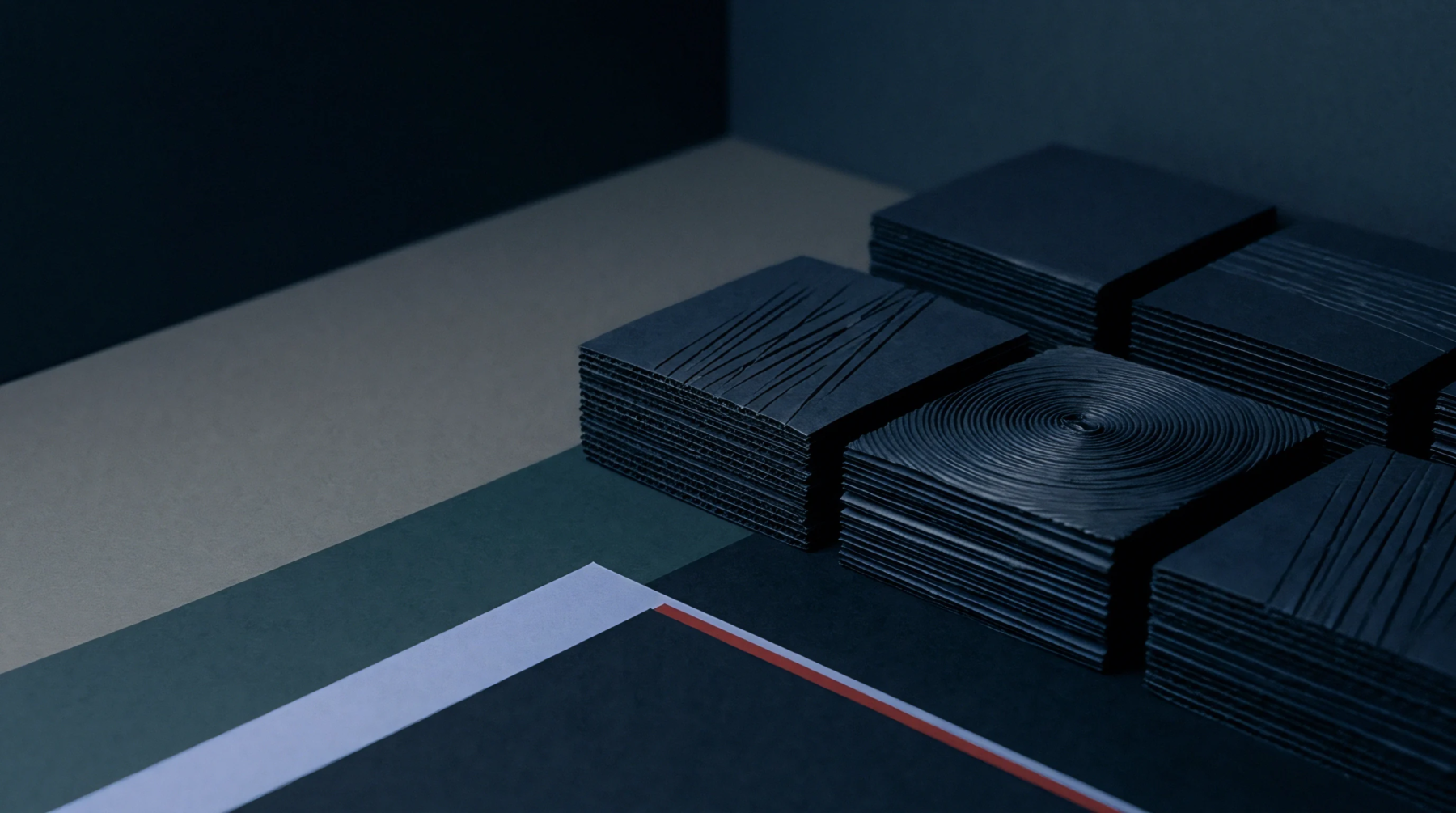
Heat embossing above lignin glass transition temperature locks paperboard relief depth, while controlled dwell time minimizes post-press viscoelastic creep.
Expertise is a utility, not a secret. sentiention™ publishes its working knowledge as open reference: intelligence layer covering the materials it sources, the markets it enters, and the reference that serves both.