Conditioning Specification
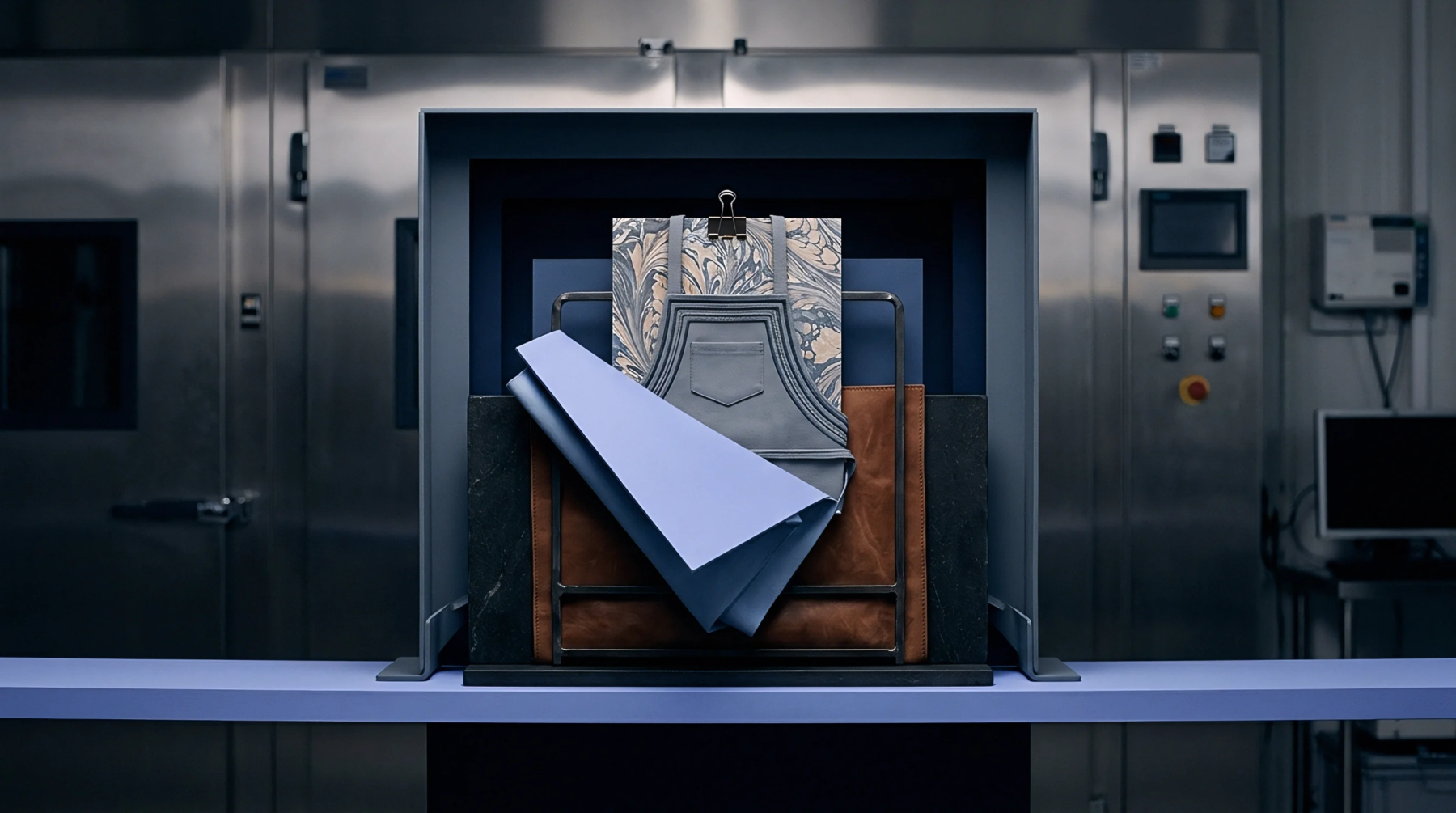
Atmospheric equilibrium defines the controlled environment required for paper testing to ensure that moisture content and physical dimensions remain constant during mechanical evaluation. Through iso 187, laboratories establish standardized relative humidity and temperature settings for paper, board, and pulp specimens. These benchmarks remove variability in fibre expansion or contraction that occurs when ambient conditions change.
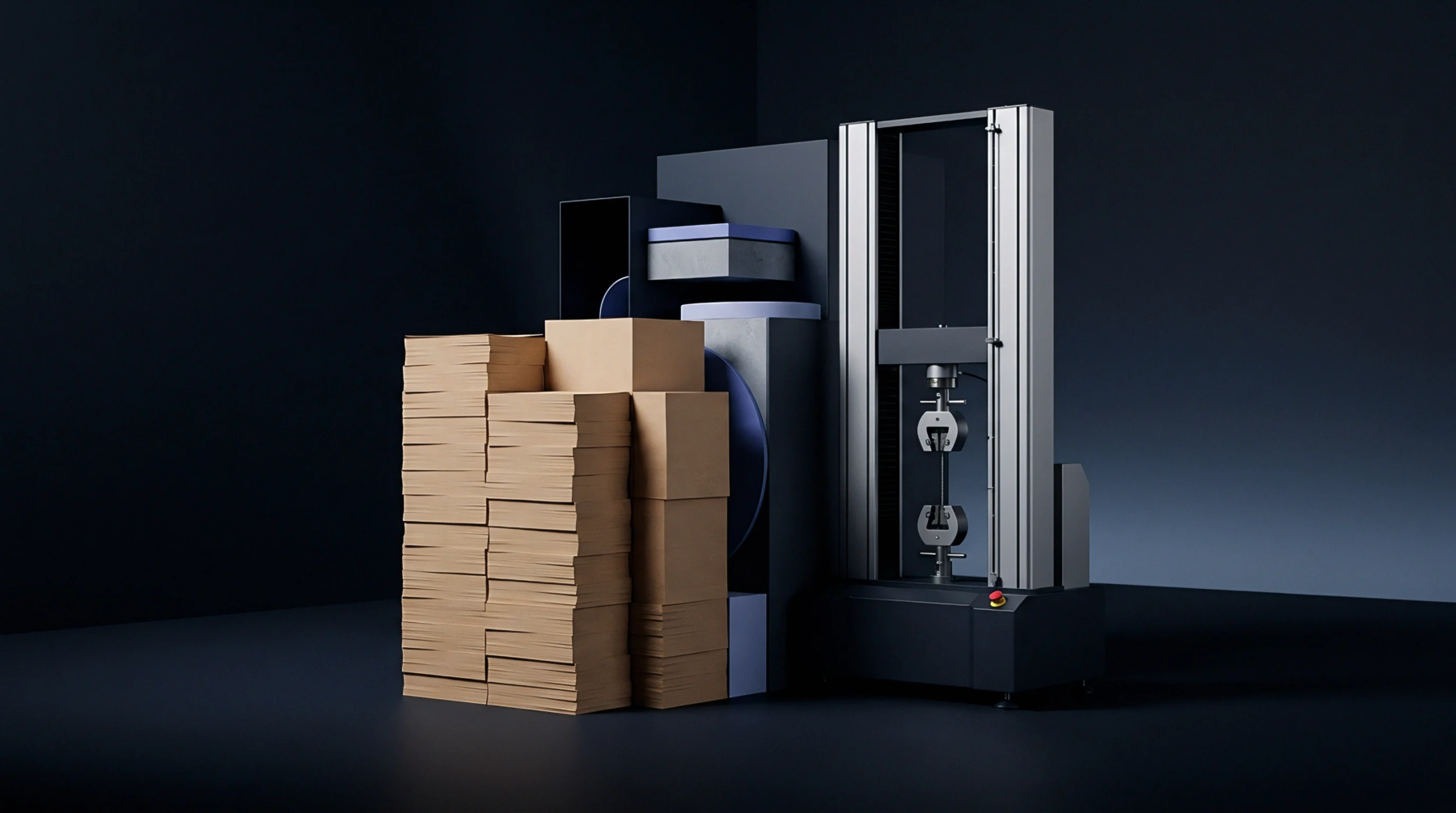
Testing protocols rely on these specific settings to produce reproducible results for tensile strength, stiffness, and tear resistance. Operators place samples in a climate-controlled chamber for a minimum period to reach thermal and hygroscopic stability before any measurement commences. Stability allows the internal structure of the cellulose matrix to align with the surrounding air pressure.
Deviation from these parameters introduces measurement drift because the physical properties of cellulose shift rapidly with fluctuations in water uptake.
Stabilization Protocol
Establishing these conditions requires precise airflow management within a dedicated incubation room or cabinet. Heat exchanges keep the temperature near twenty-three degrees Celsius while humidity levels stay fixed at fifty percent. Proper circulation prevents localized pockets of moisture from forming near the edges of paper stacks.
Technicians verify these metrics using calibrated sensors that provide continuous logging of environmental performance. Equipment design focuses on maintaining a tight tolerance to prevent shifts that would skew the modulus of elasticity or fracture toughness data. Monitoring instrumentation records both the dry bulb and wet bulb indicators to confirm that the saturation level stays within acceptable ranges.
Measurement Accuracy
Consistent results depend upon the rigorous enforcement of these boundary conditions during the entire duration of the test sequence. When paper samples experience shifts in moisture, the internal hydrogen bonding between fibres weakens or strengthens accordingly. This interaction between the substrate and the air determines the reliability of the reported data.
A laboratory validates the process by verifying that samples reside in the chamber for the full duration specified for the given grammage. Proper conditioning ensures that the subsequent data represents the true mechanical capacity of the material rather than a temporary state caused by external weather fluctuations.