Analytical Yule Nielsen Modifications for Viscoelastic Mechanical Squeeze Expansion Modeling
Decoupling viscoelastic fluid squeeze from optical light diffusion isolates true mechanical dot expansion across compressible paperboards.
Decoupling viscoelastic fluid squeeze from optical light diffusion isolates true mechanical dot expansion across compressible paperboards.
Dynamic crease resistance measures rapid deformation forces during converting, which diverge from static bench tests due to strain-rate coating stiffening.

Accurate physical dot gain prediction on low-density recycled linerboard requires coupling bulk compressibility with Cobb absorbency in RIP calibration.
Charge neutralization to a negative two millivolt threshold maximizes wet-end drainage and press dryness without sacrificing mechanical pulp sheet bulk.
Calibrating steel counterplate channels for heavyweight virgin board sets width at 1.4 times board thickness plus rule width with 30 degree chamfers.
Prevent board surface rupture by calculating localized nip and film tension shear forces to ensure total operational stress stays below substrate ZDT values.
Ultrasonic time of flight profiling quantifies internal paperboard delamination during creasing by measuring out-of-plane elastic modulus drops.
Recycled fibre score line delamination speed depends on ply bond energy, hornification level, and creasing channel clearance under strain rates.
Optimizing multi-ply boxboard requires balancing middle-ply CTMP bulk for high bending rigidity with controlled score line delamination to minimize crease springback torque.

In-plane ultrasonic velocity profiling maps fiber orientation angles and stiffness anisotropy non-destructively to prevent carton curling and die-cutting failure.
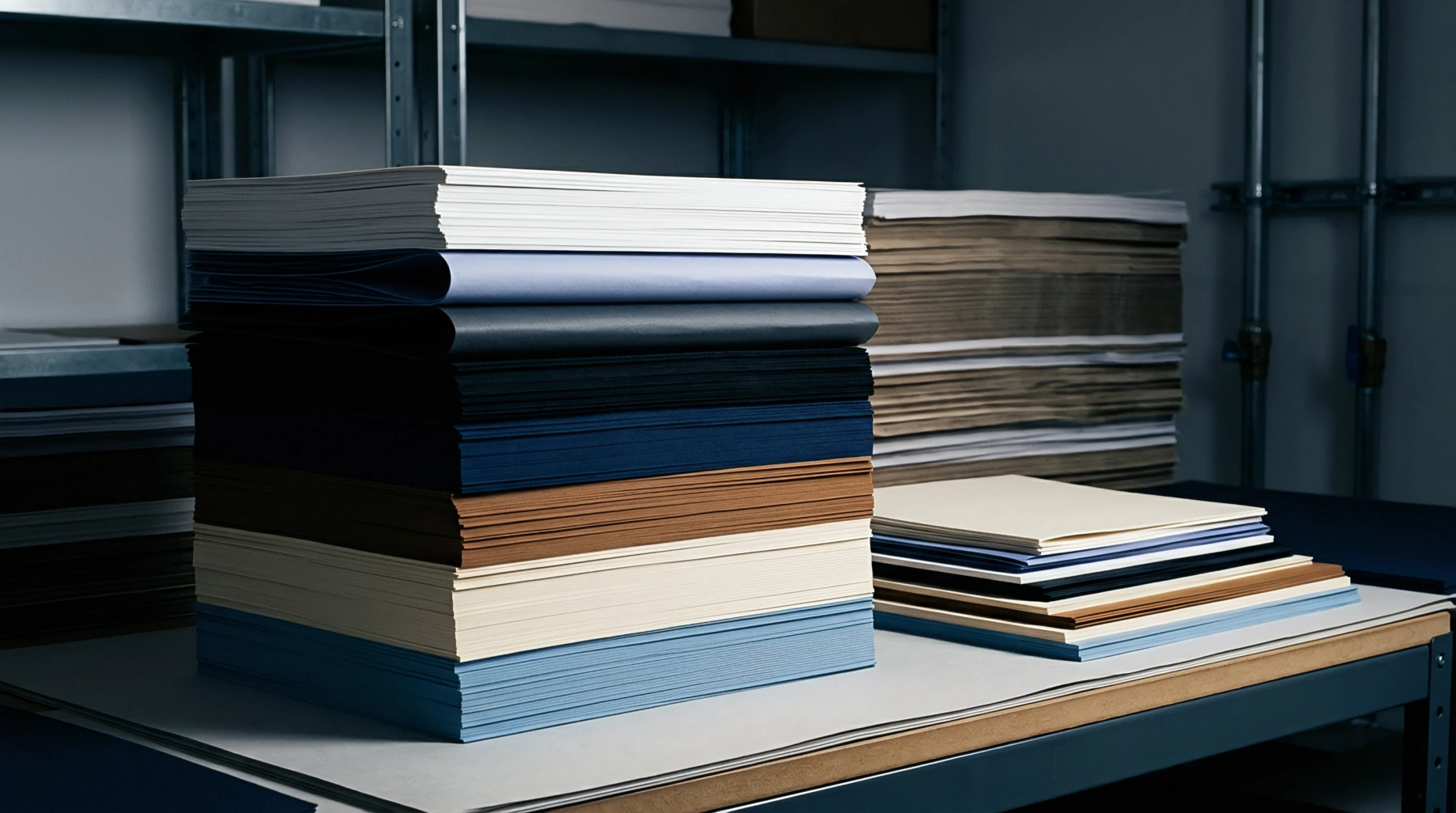
Aligning folding boxboard grain parallel to gluer travel maximizes line speed and squareness, over-riding minor paper savings from cross-grain imposition layouts.
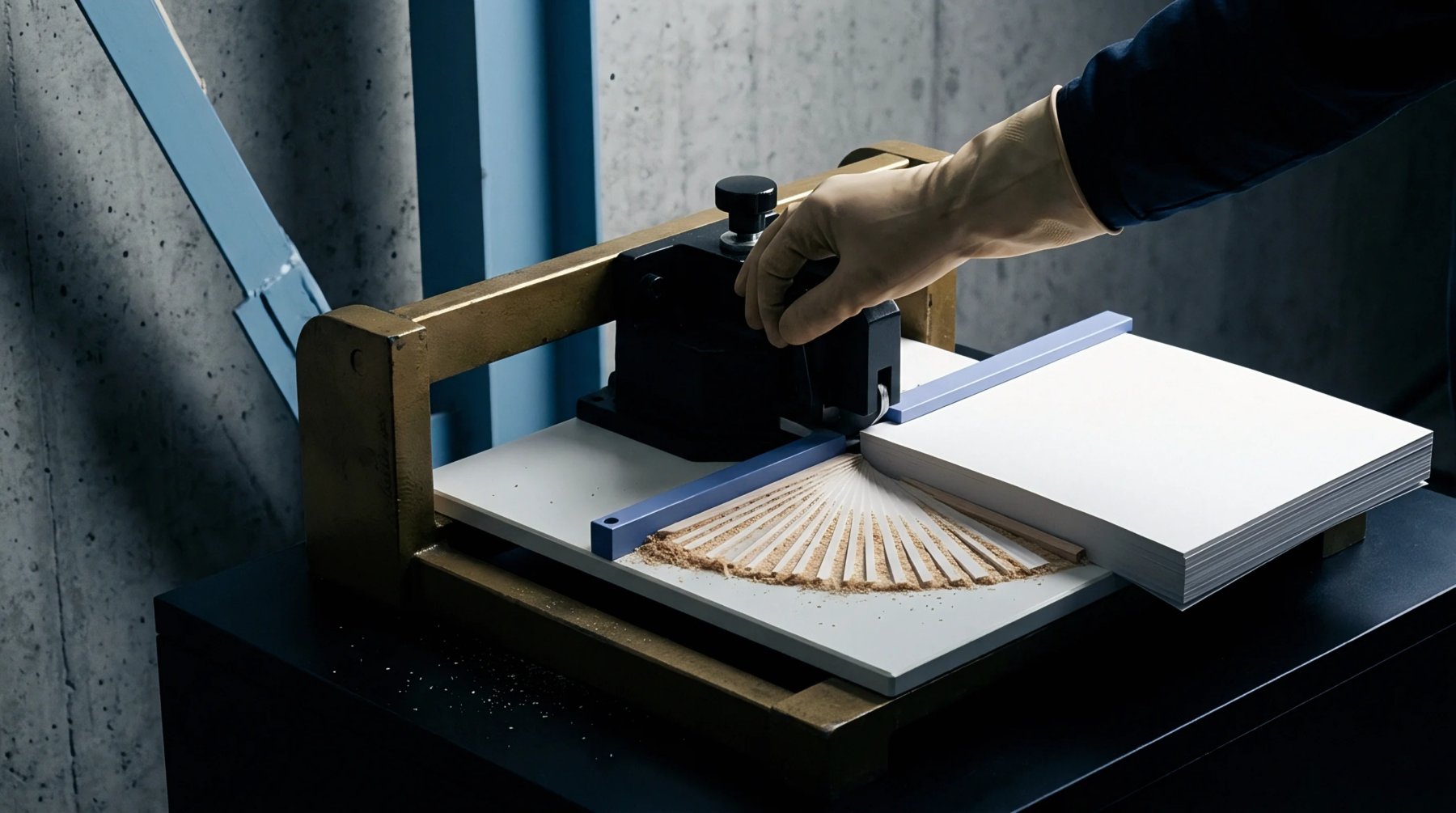
Managing shear rupture in hornified recycled board under cyclic ambient moisture depends on matrix channel sizing and strain release rate control.
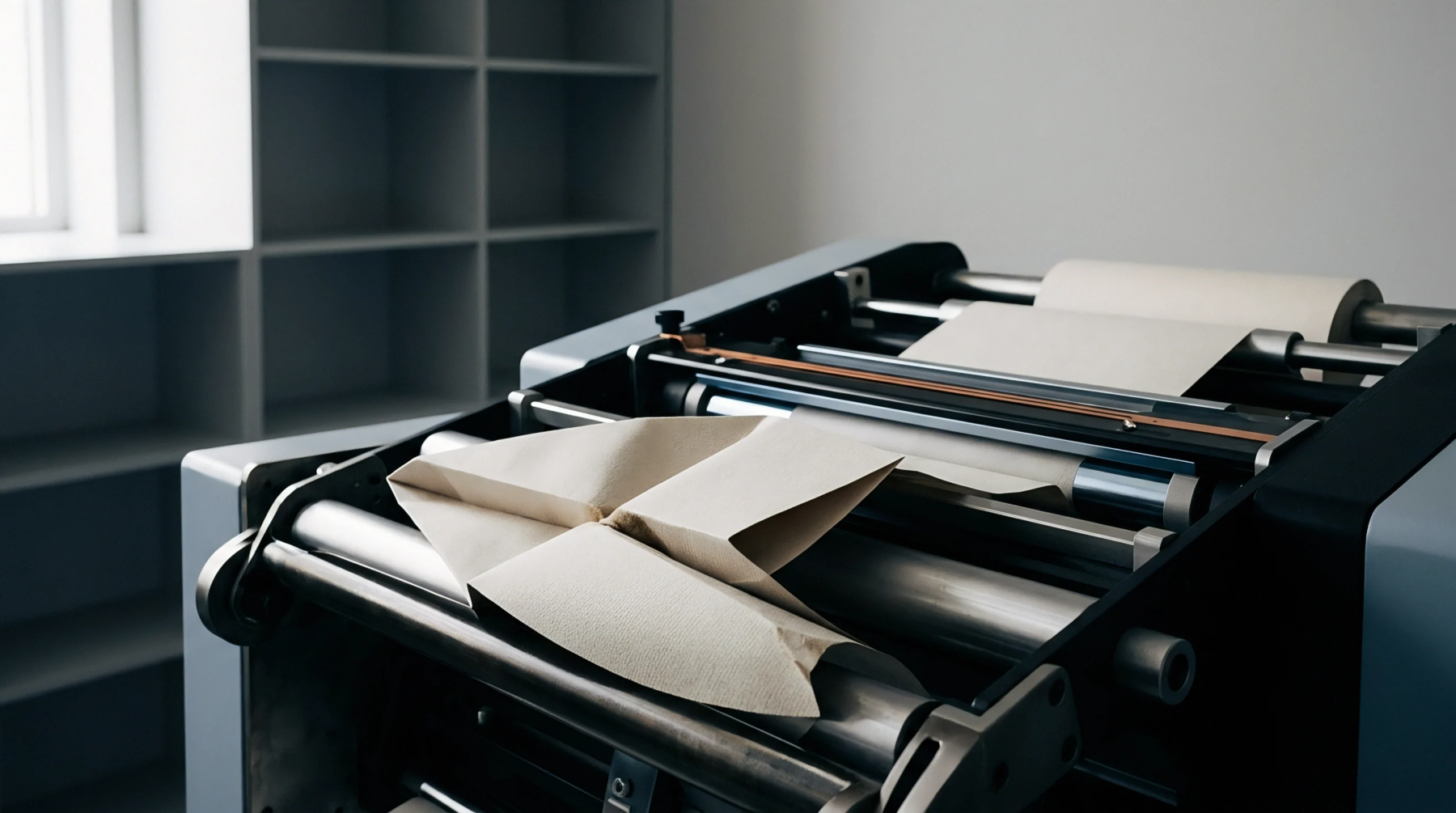
Machine direction boxboard stiffness depends on outer ply elastic modulus and caliper cubed, requiring strict ISO 187 bench testing compliance.

Finite element subroutines coupling hygro-expansion and interface traction degradation predict tropical pallet stack stability under dynamic vibration.
Transient moisture diffusion in uncoated kraftliner drives rapid surface plasticization and cross-direction strain, undermining converting accuracy and box stack life.
Downgauged recycled cartonboard requires precise rate-dependent shear delamination modeling to prevent liner cracking and costly folder-gluer jams.
Low relative humidity during converting degrades interply bond strength in recycled boxboard, causing liner delamination during high-speed scoring passes.
Dynamic cyclic humidity testing replaces static crush tests to expose mechanosorptive creep failures in lightweight cartons before volume logistics deployment.
Creep buckling in downgauged boxboard panels stems from lost bending stiffness and cyclic moisture creep, requiring higher bulk furnishes to offset caliper loss.
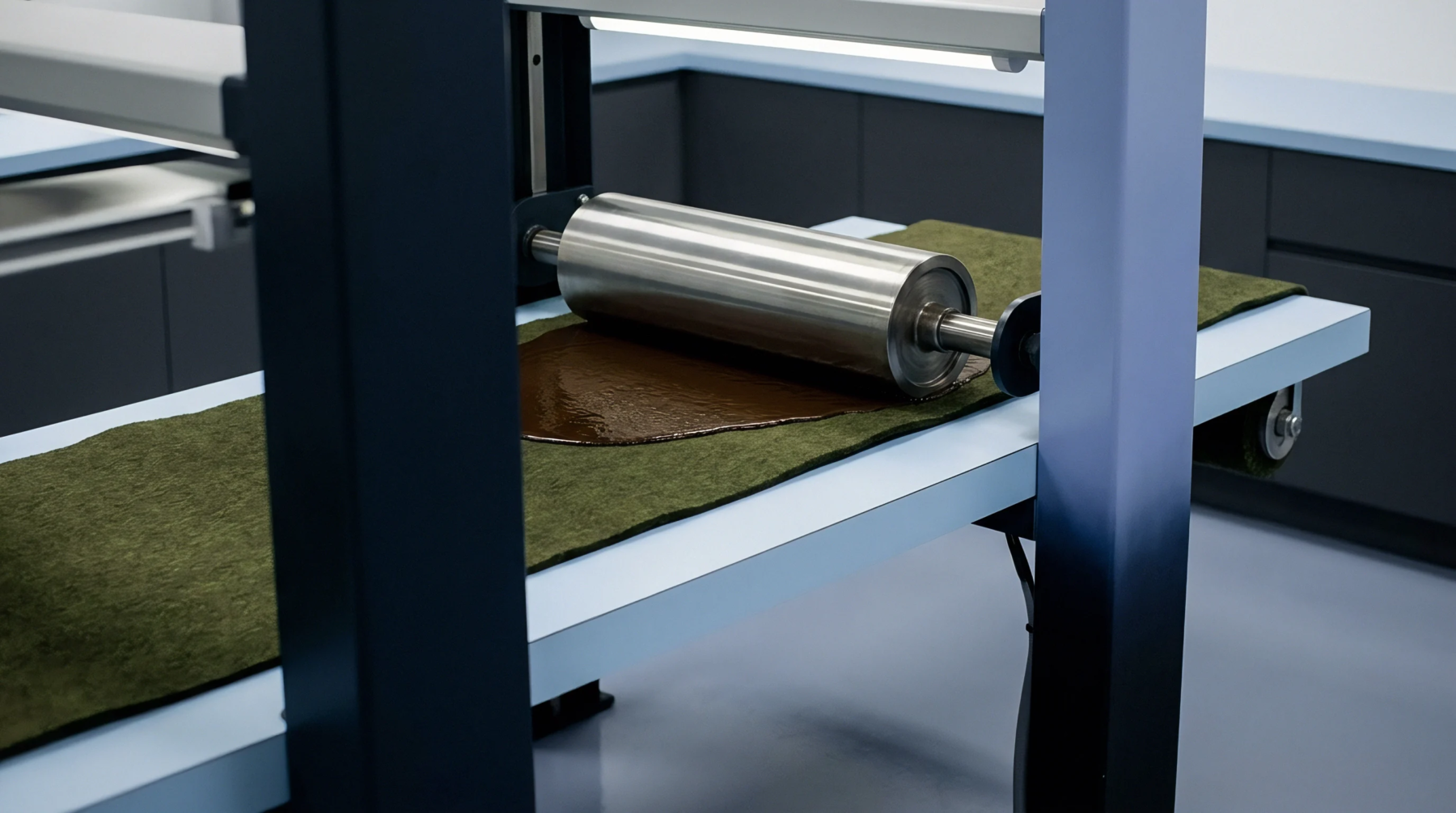
Secondary fiber webs undergo accelerated mechano-sorptive creep during cyclic converting humidity, demanding climate-controlled bays to prevent register loss.
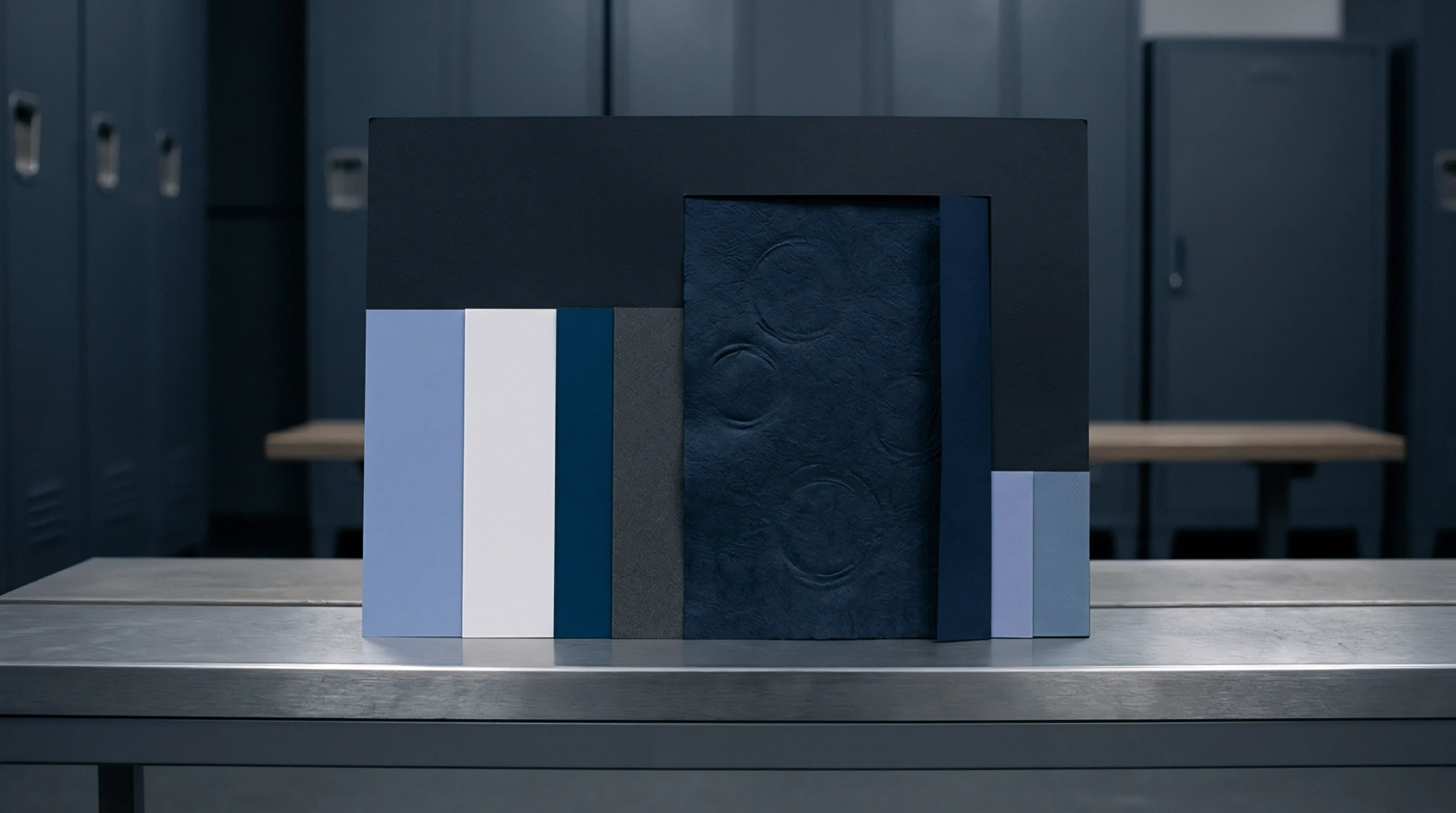
Asymmetric barrier coatings induce unbalancing moisture expansion moments, causing cross-direction panel warp manageable by matching ply elastic moduli.
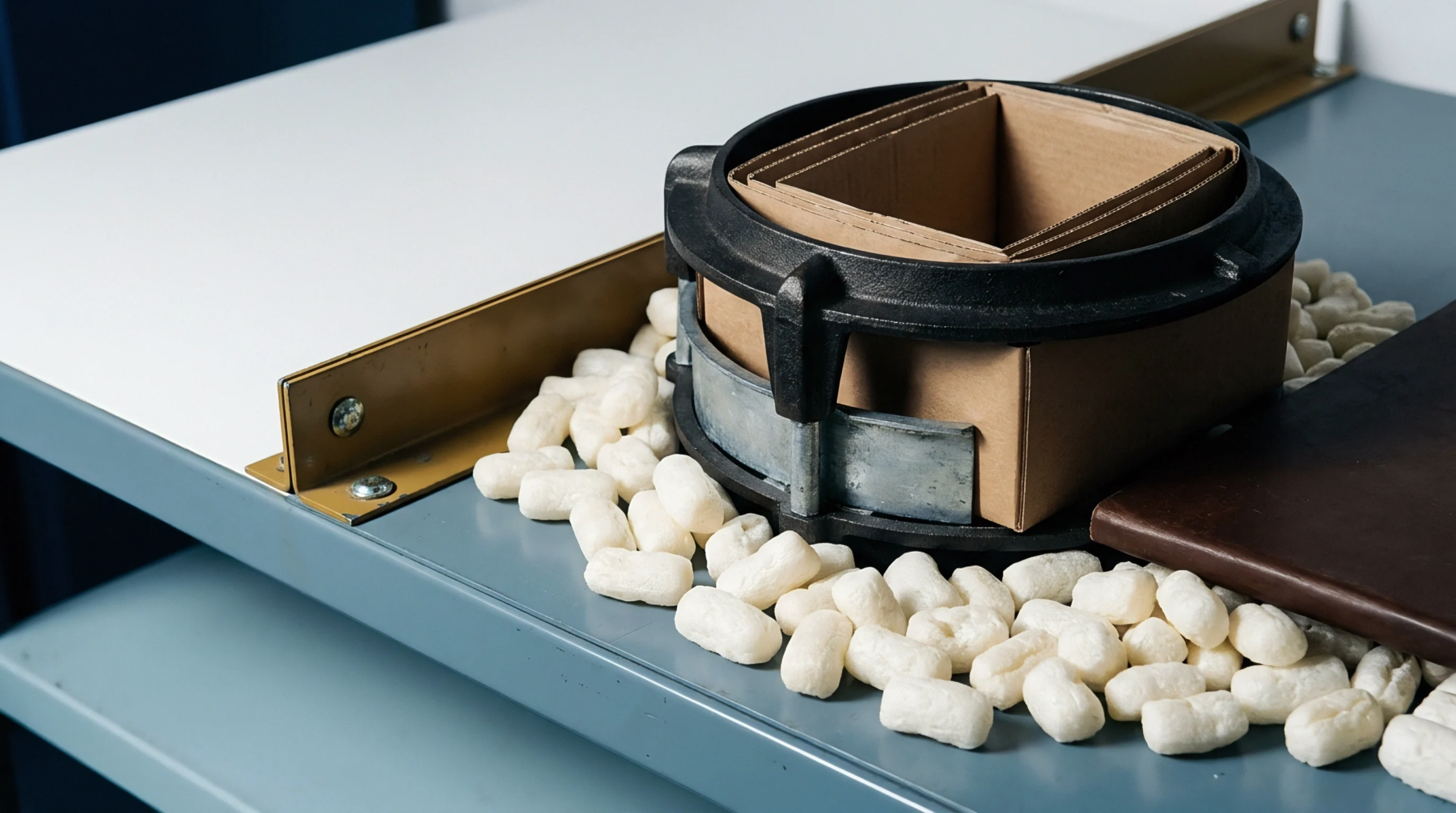
Piezoelectric force compensation during press speed variations requires velocity-dependent gain scheduling and real-time charge bleed filtering.

Mechano-sorptive creep drives localized shear failure across recycled board plies during humidity cycles, requiring dynamic moisture qualification over static tests.

Hornification in recycled cellulose drives non-Fickian moisture diffusion and reduces binding enthalpy, lowering box compression under cyclic humidity.
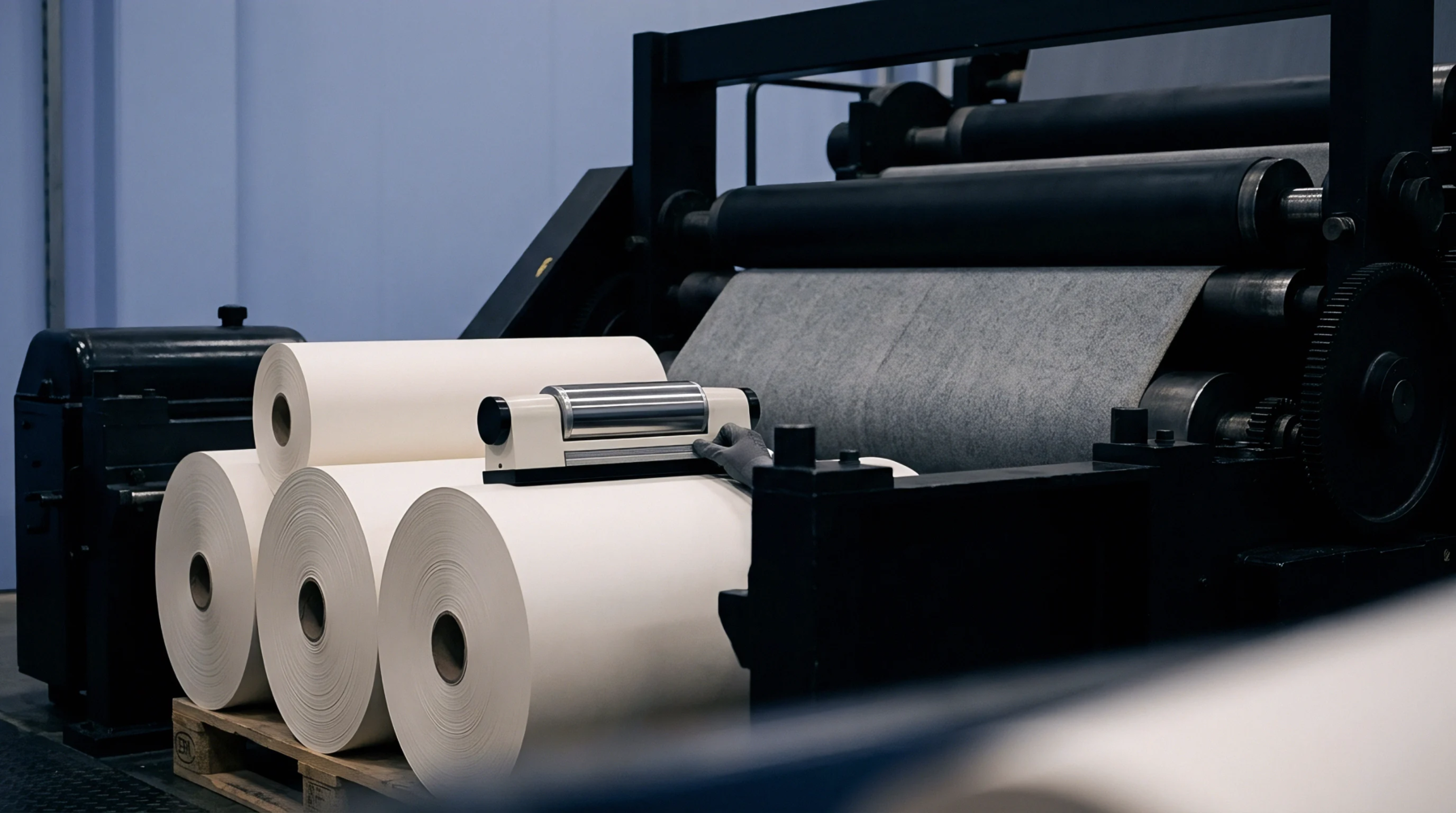
Dynamic core shear delamination occurs when converting nip acceleration outpaces the viscoelastic relaxation rate and internal bond strength of multi-ply paperboard.
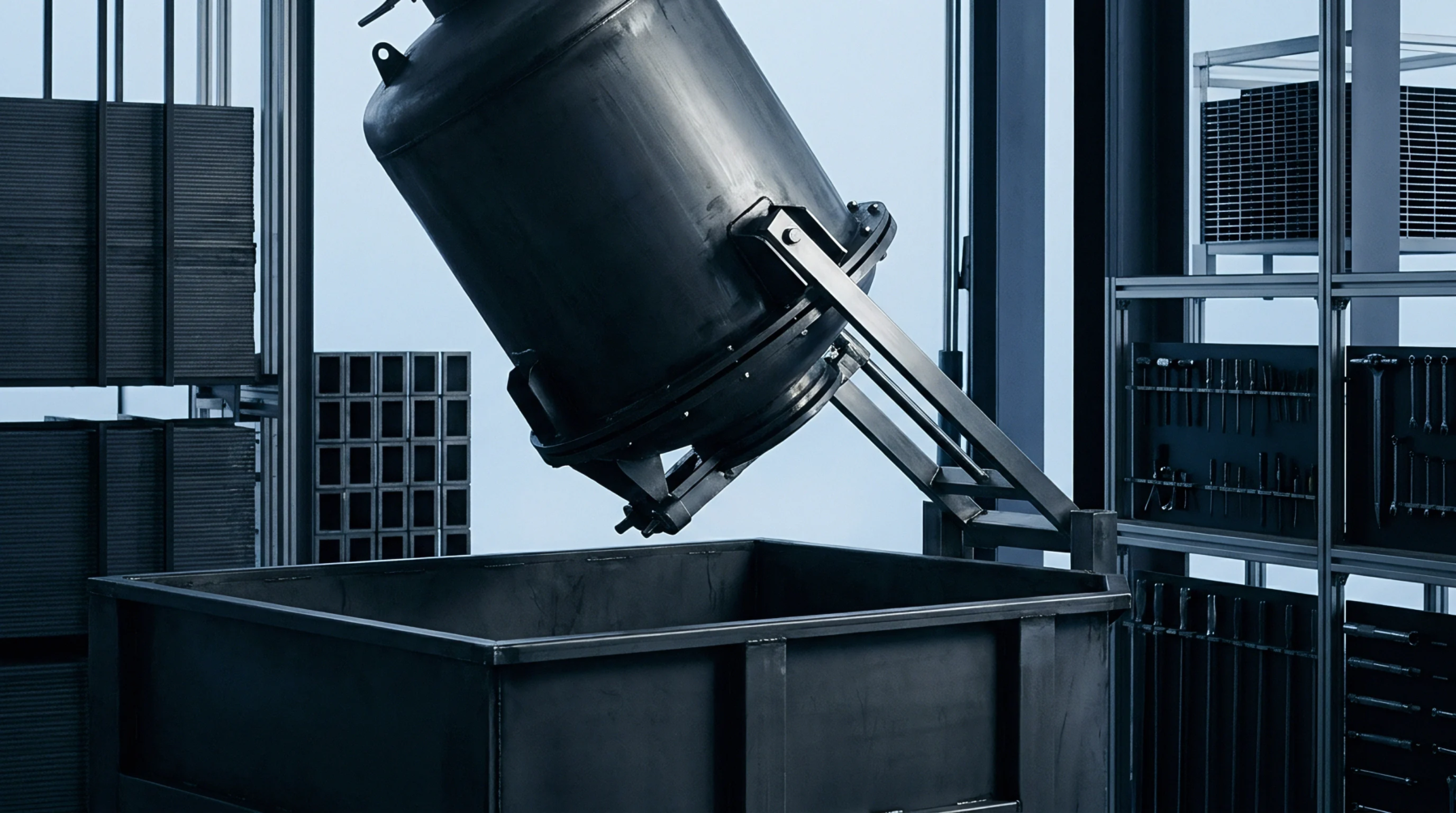
Recycled containerboard loses compressive strength under variable humidity due to fibre hornification and mechanosorptive creep, requiring exact ISO 187 test verification.
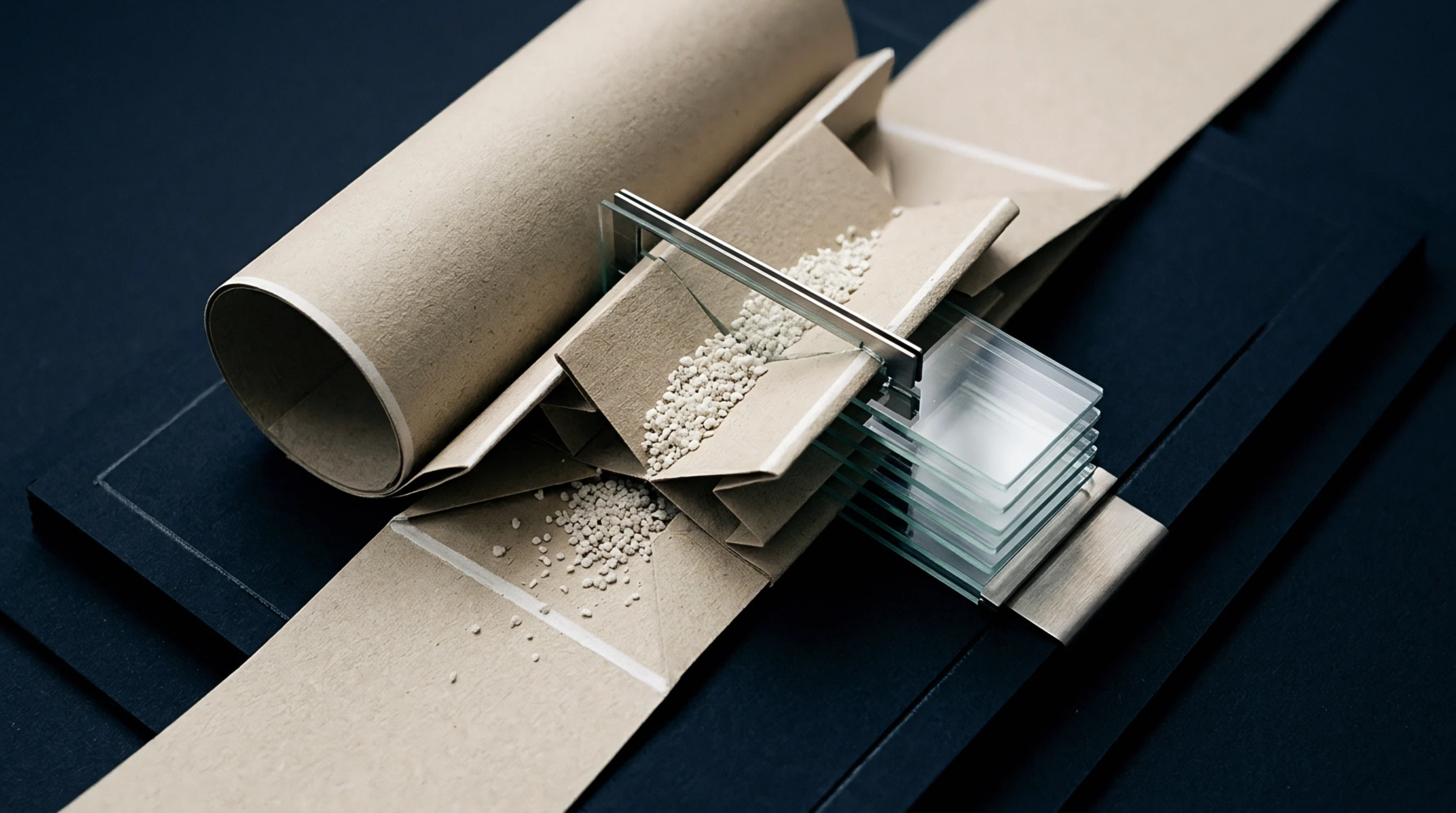
Uncoated FBB requires matrix channels 1.5 to 1.7 times board caliper plus rule width and strict 45-55% relative humidity to prevent liner cracking.
Adjusting mechanical pulp freeness between 450 and 550 mL CSF balances middle-ply specific volume against inter-ply bonding to lock in final paperboard caliper.
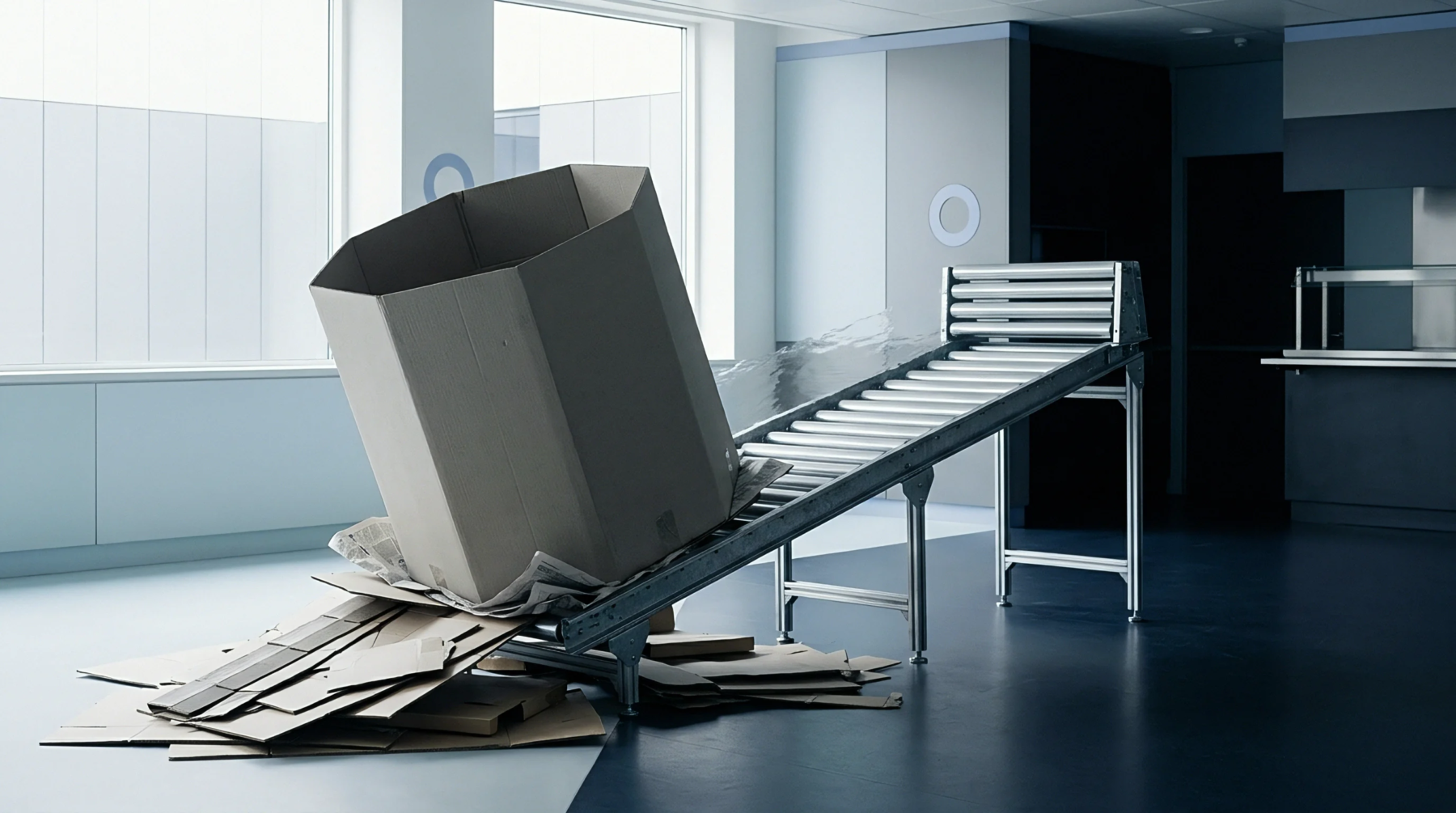
Predictive tribological kinetics correlate shear stress with coating degradation to prevent surface failure in converting lines.
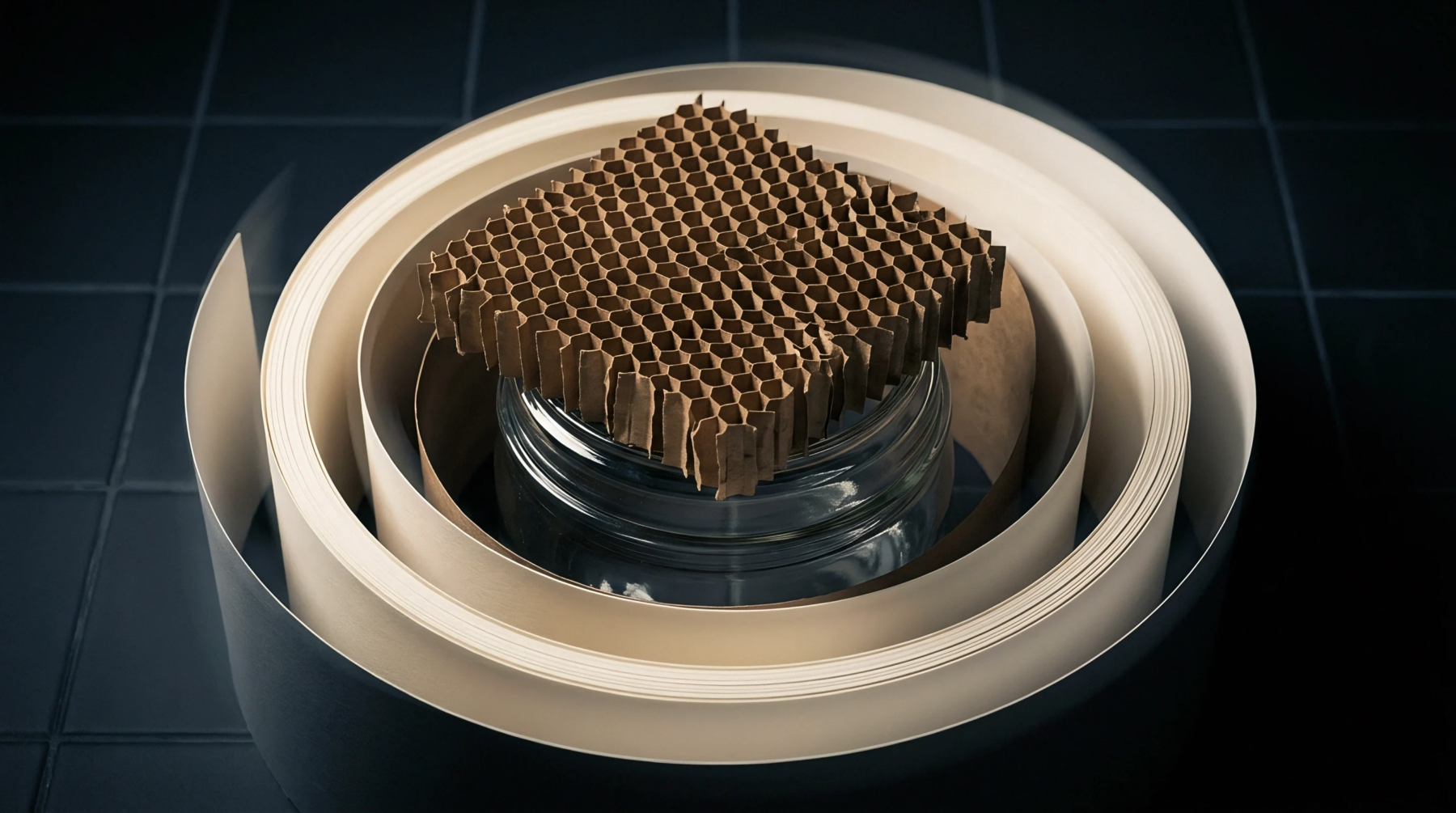
Finite element models of mechano-sorptive creep predict corrugated container collapse in chilled transit by coupling transient moisture diffusion to orthotropic stiffness decay.
Expertise is a utility, not a secret. sentiention™ publishes its working knowledge as open reference: intelligence layer covering the materials it sources, the markets it enters, and the reference that serves both.