Interfacial Shear Strength Measurement in Coated Paperboard Packaging
Interfacial shear strength measures coating-to-fibre bond limits under pure planar stress to prevent score flaking and glue-flap failure in paperboard cartons.
Interfacial shear strength measures coating-to-fibre bond limits under pure planar stress to prevent score flaking and glue-flap failure in paperboard cartons.
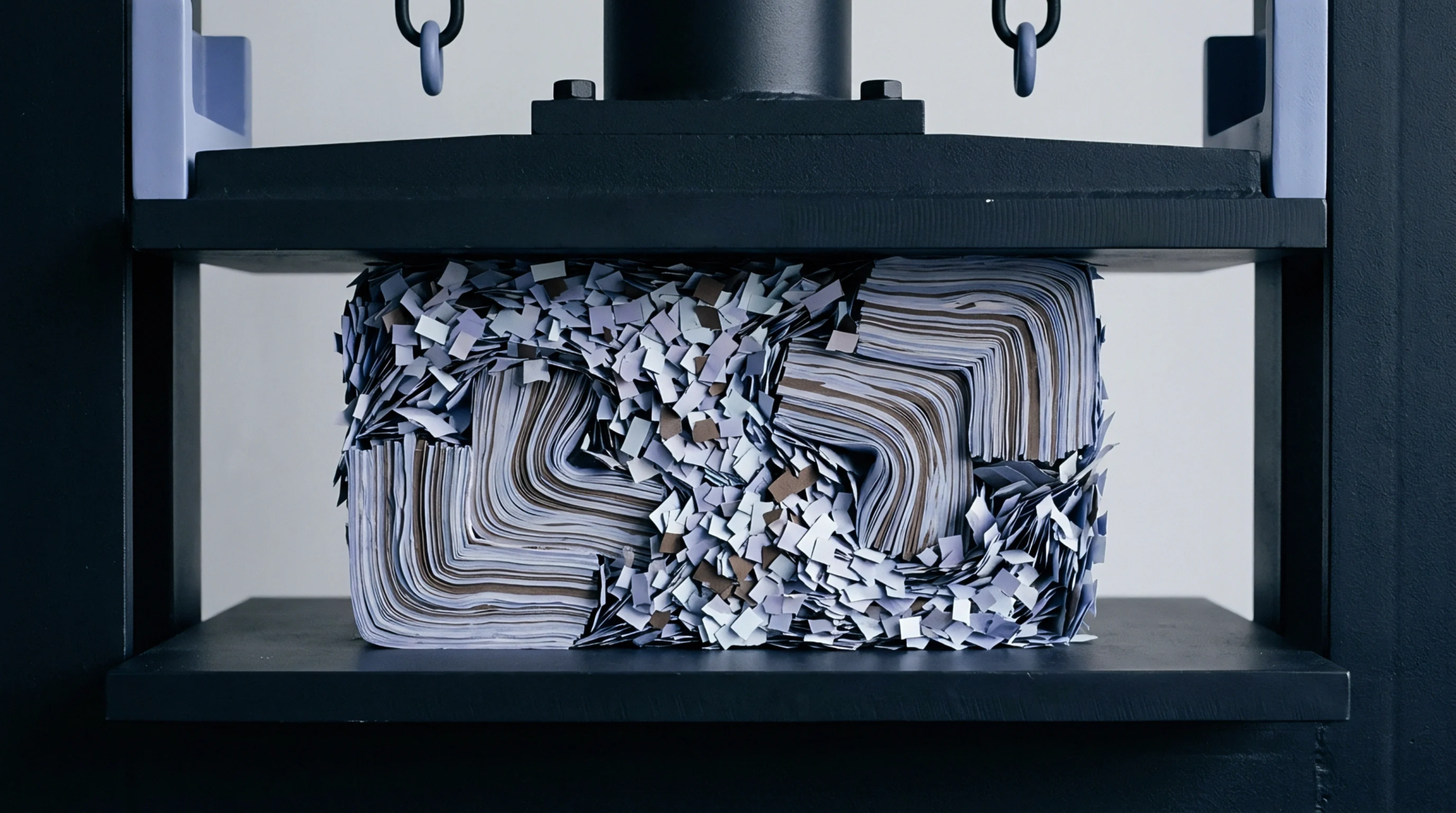
Dynamic moisture gradients across multi-ply board destroy transverse shear stiffness, precipitating sudden carton compression collapse under high strain rates.

Compensating male punch penetration depth by thirty percent balances viscoelastic fiber recovery across recycled cartonboard platen tooling passes.
Dual-axis decurling restores sheet flatness by plastic strain but degrades recycled board bending resistance by 12 to 23 percent via core ply micro-delamination.
Recycled paperboard loses flexural stiffness through fiber hornification and caliper collapse, demanding strict cubic-thickness specification over basis weight.
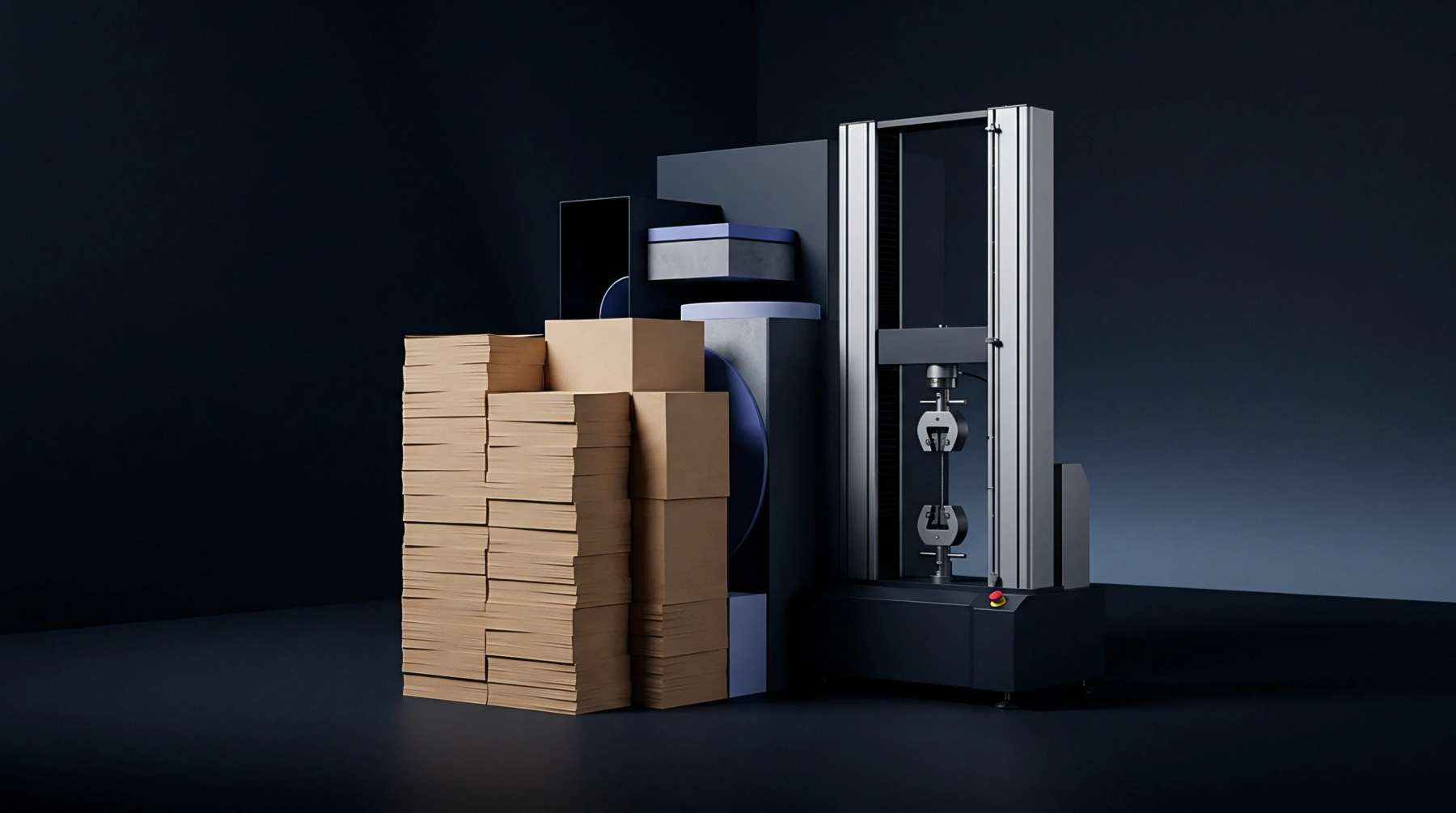
Analytical differential stress modelling balances thermal film shrinkage against board hygroexpansion to prevent post-converting carton curl inversion.

Air-leak roughness testers hide deep micro-voids; optical areal void mapping predicts ink transfer, missing dots, and board bulk retention.
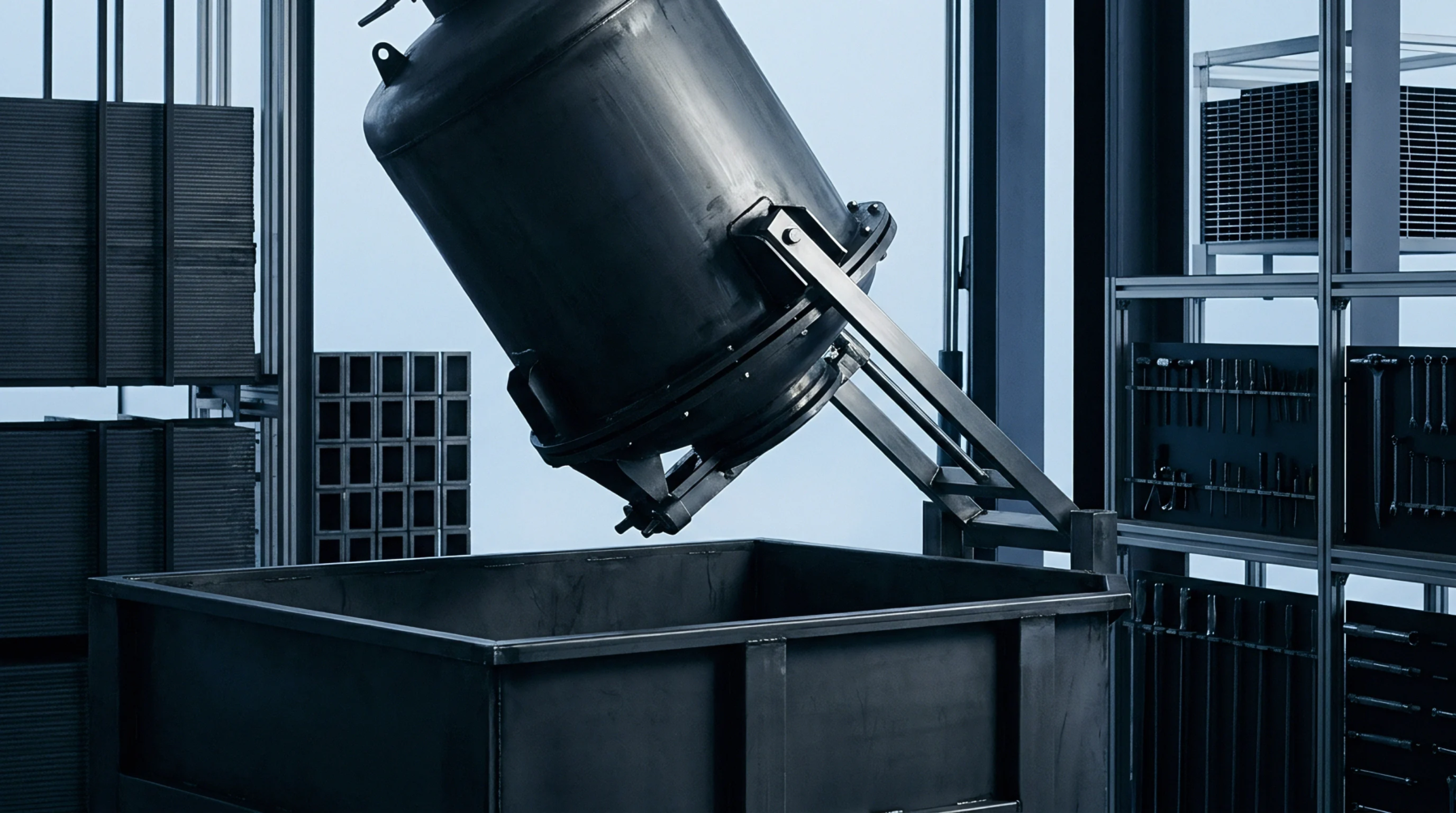
Online laser profilometry decouples baseboard moisture from tool wear by combining frequency filtering with synchronized upstream near-infrared moisture sensors.
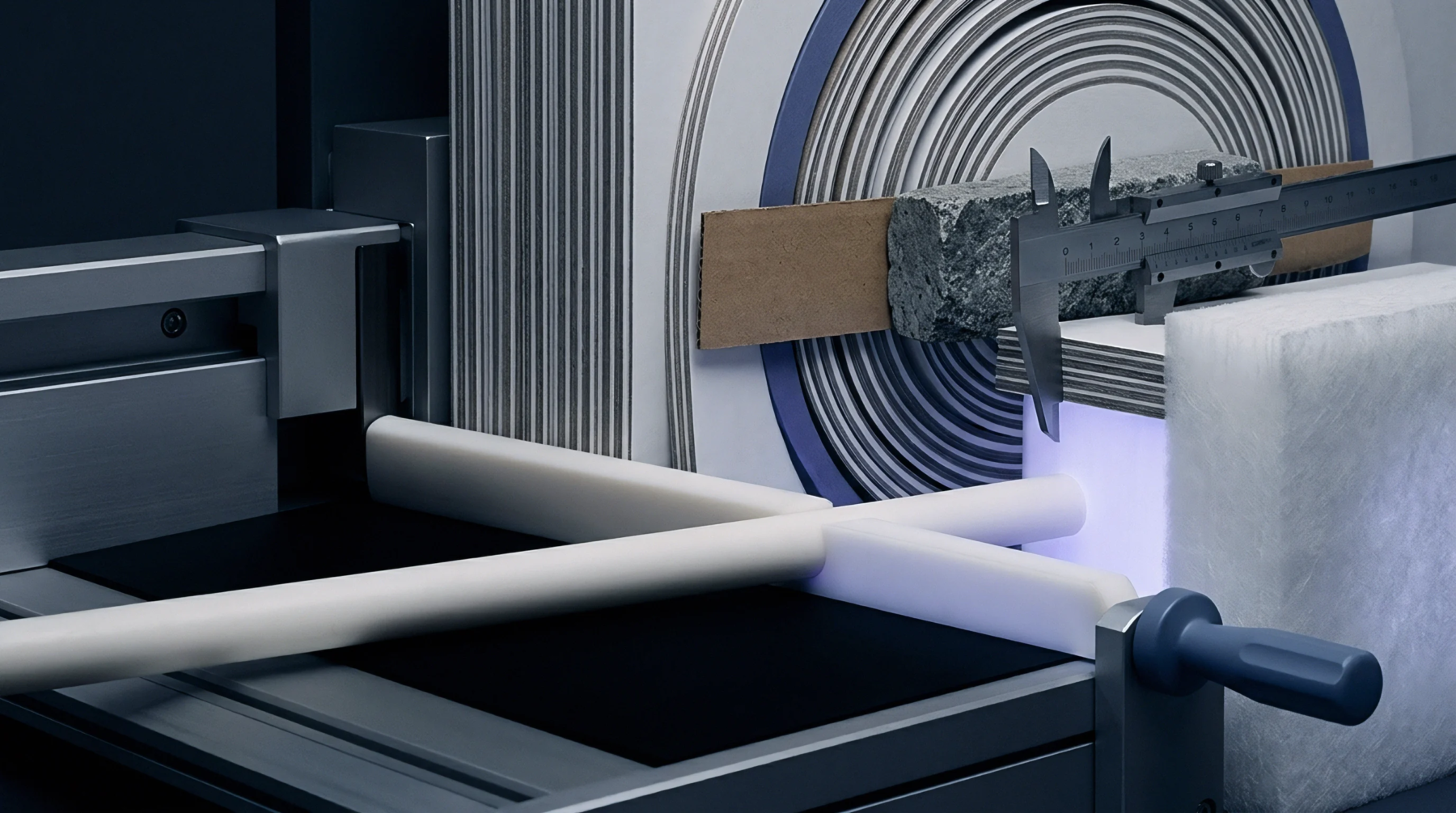
Air-coupled ultrasound inspects carton crease integrity by measuring Lamb wave velocity and attenuation drops across die-scored fiber delamination zones.
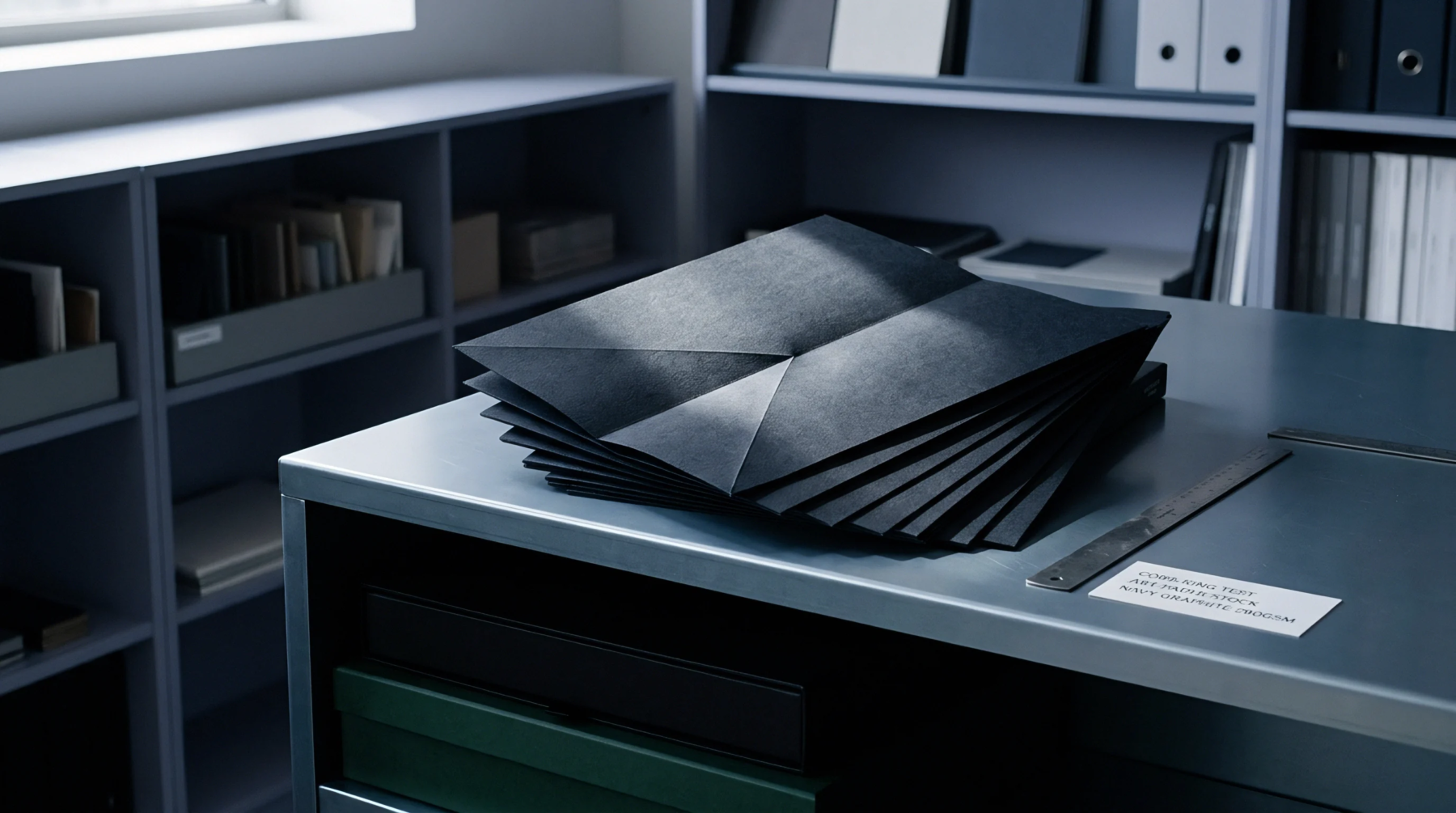
Sub-zero shear failure in bio-coated recycled board is prevented by expanding female creasing matrix channels to drive shear strain into internal plies.
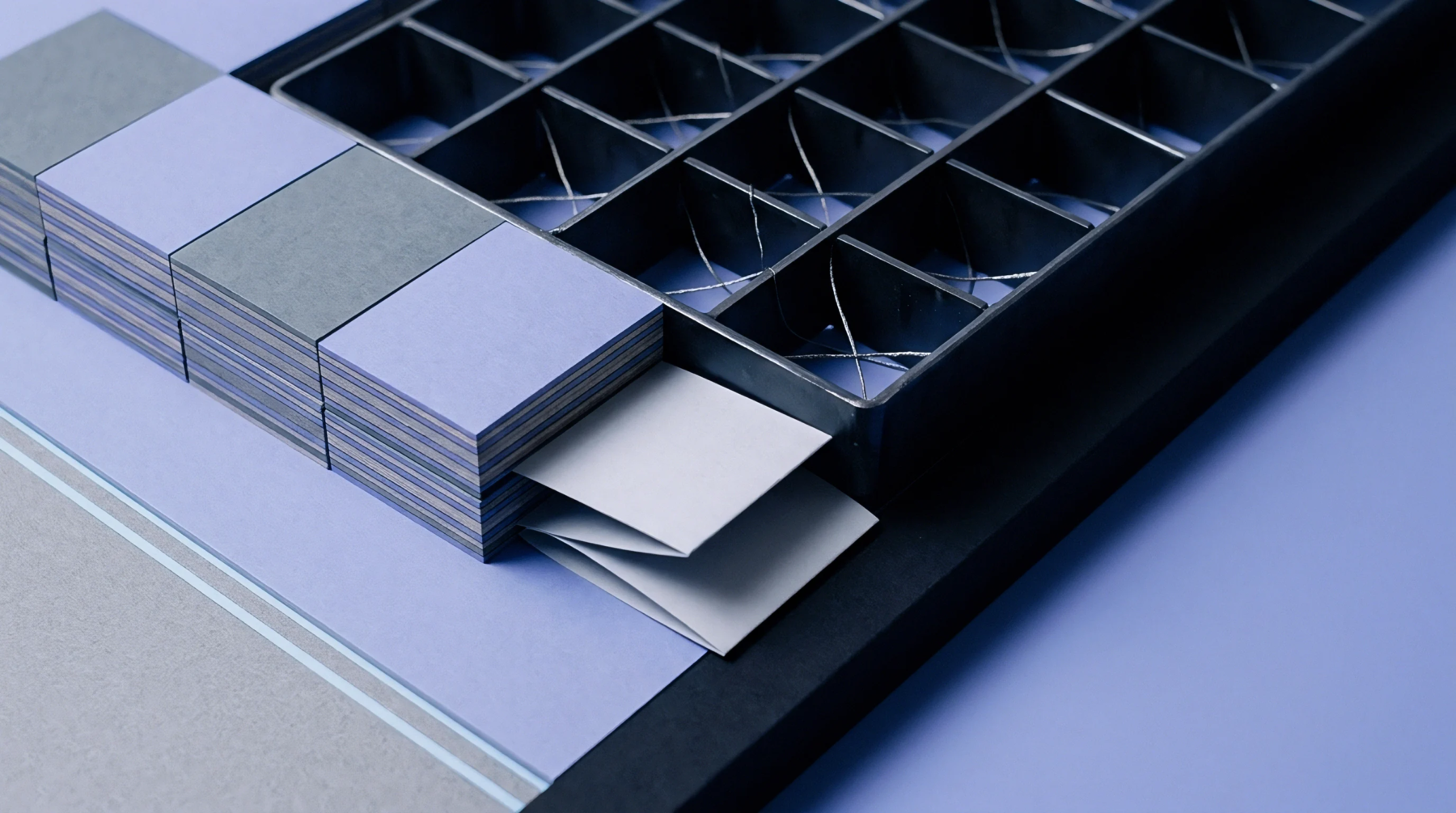
Multilayer cartonboard requires grade-specific counter die channel width calculations combining rule thickness, moisture-adjusted caliper, and fiber-yield multipliers.
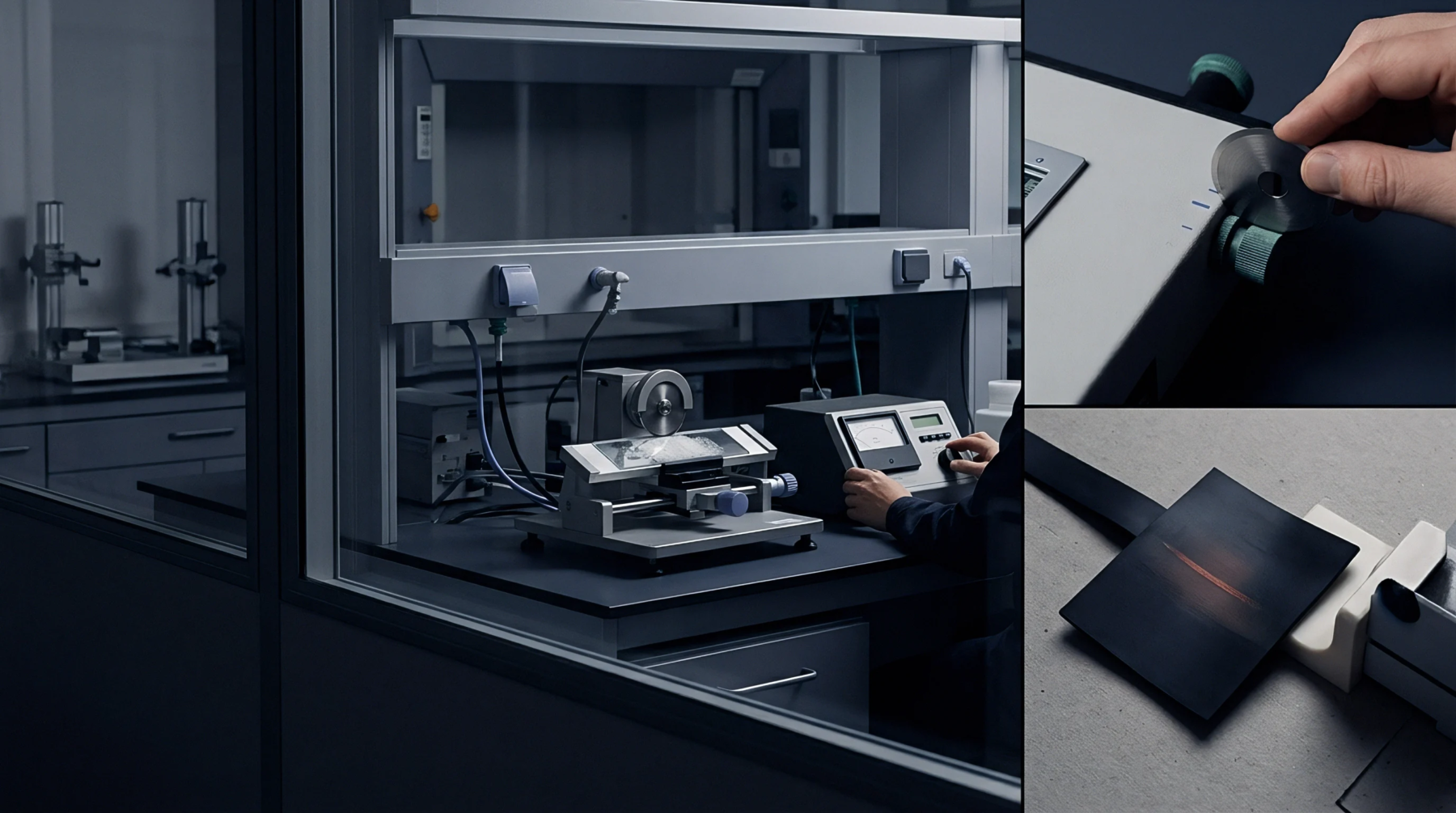
Verify paperboard crease stiffness by conditioning to ISO 187, clamping within 0.5 mm of the score, and targeting a board-to-crease ratio between 2.5 and 3.5.
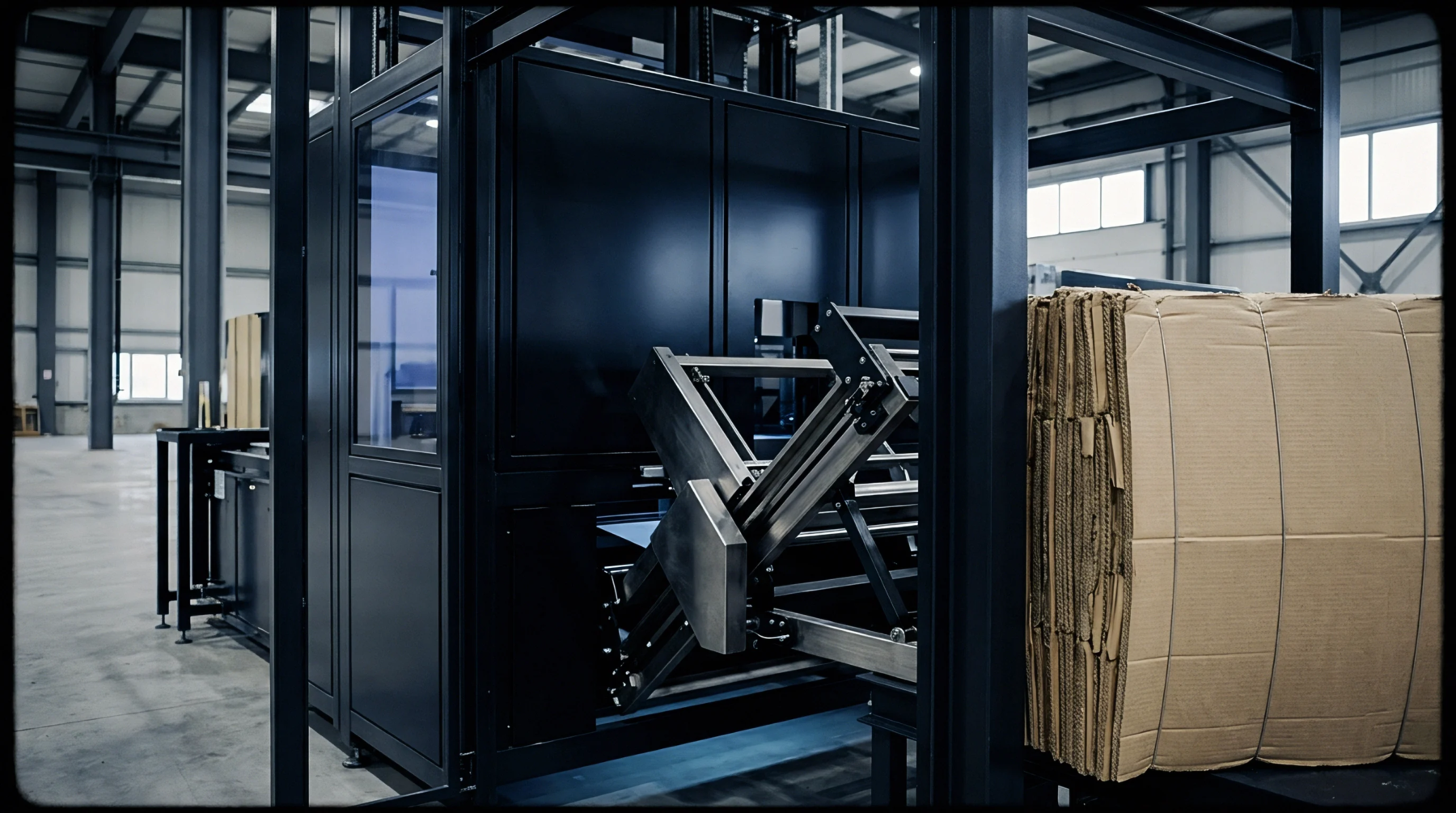
Predictive mechanical creasing models calculate rule penetration and matrix pairing to induce controlled delamination while preventing surface liner fracture.
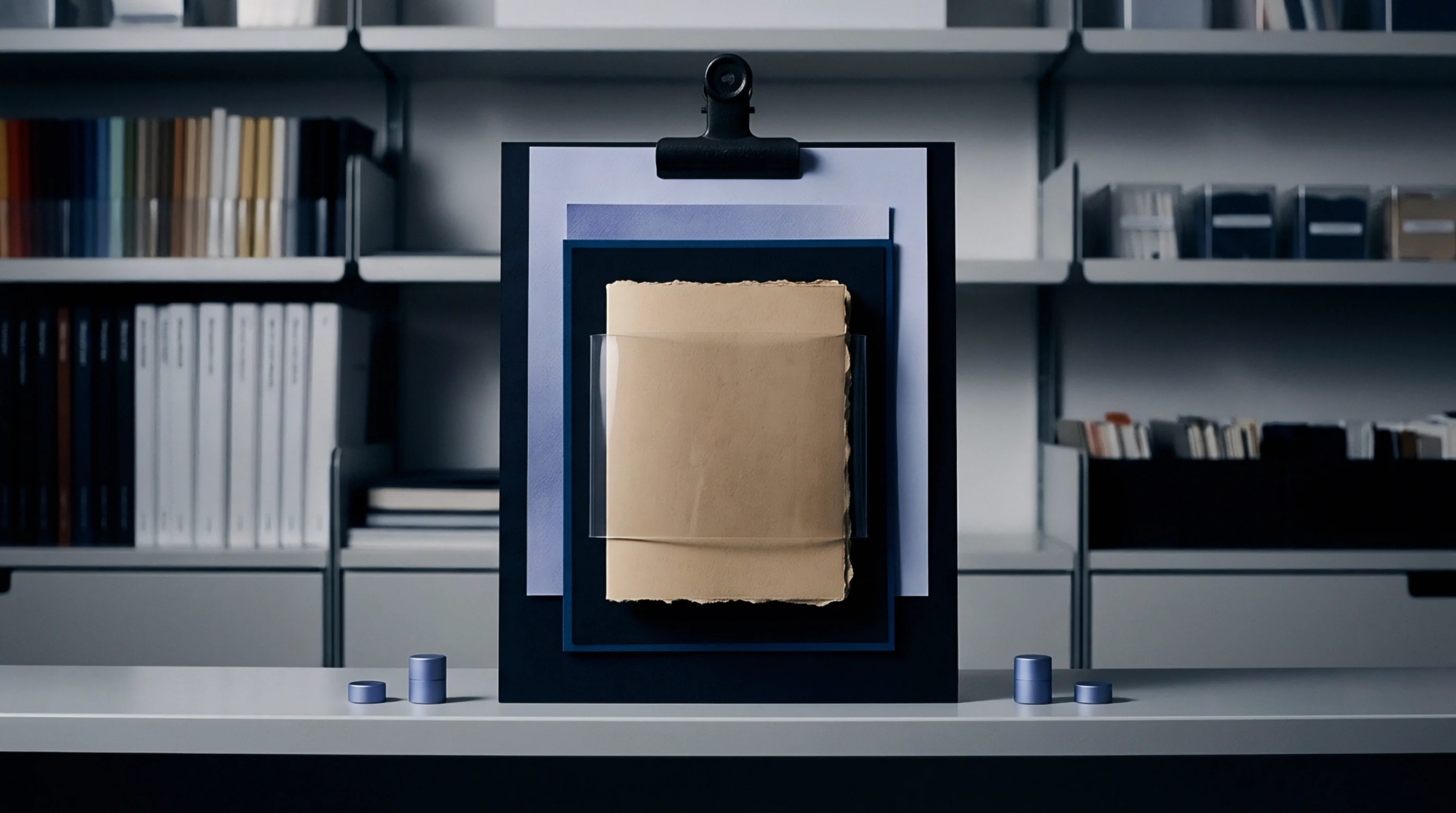
Optimize SBS counter matrix width by setting channel clearance to rule thickness plus 1.40 to 1.50 times caliper to induce delamination without surface rupture.
Optimizing machine profile variability control limits requires establishing statistical bounds on cross-web caliper and stiffness to prevent cartoner feed jams.
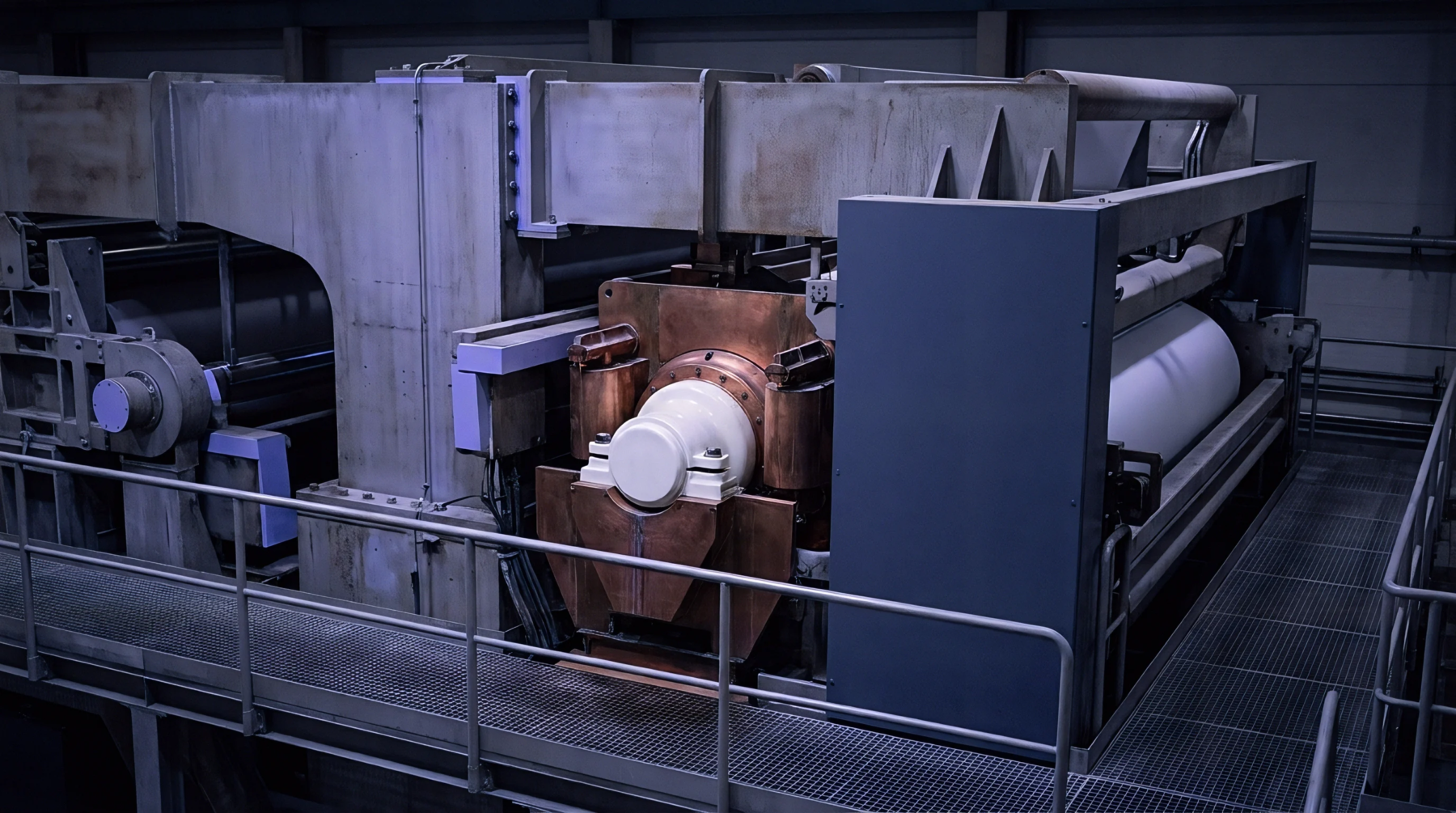
Core bulk preservation requires extending nip dwell and heating surfaces to smooth outer plies while keeping central mechanical fibres below glass transition.
Verify paperboard grammage under ISO 536 by conditioning punch specimens at 23 C and 50 percent relative humidity under ISO 187 to protect converting area yield.
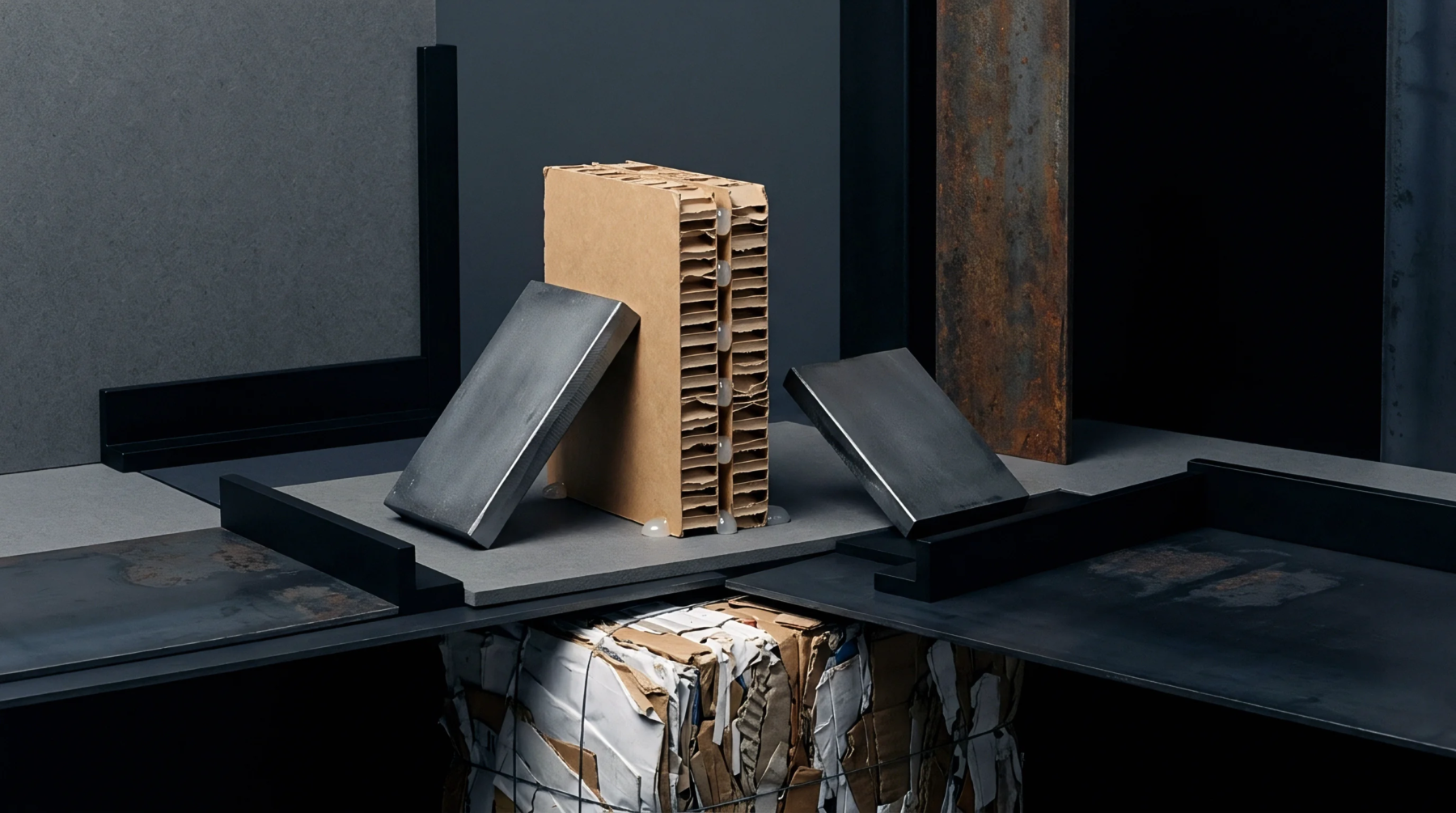
Multi-tier corrugated export survival demands virgin kraftliners, ketone-crosslinked wet starch, and safety factors adjusted for twenty-percent moisture uptake.
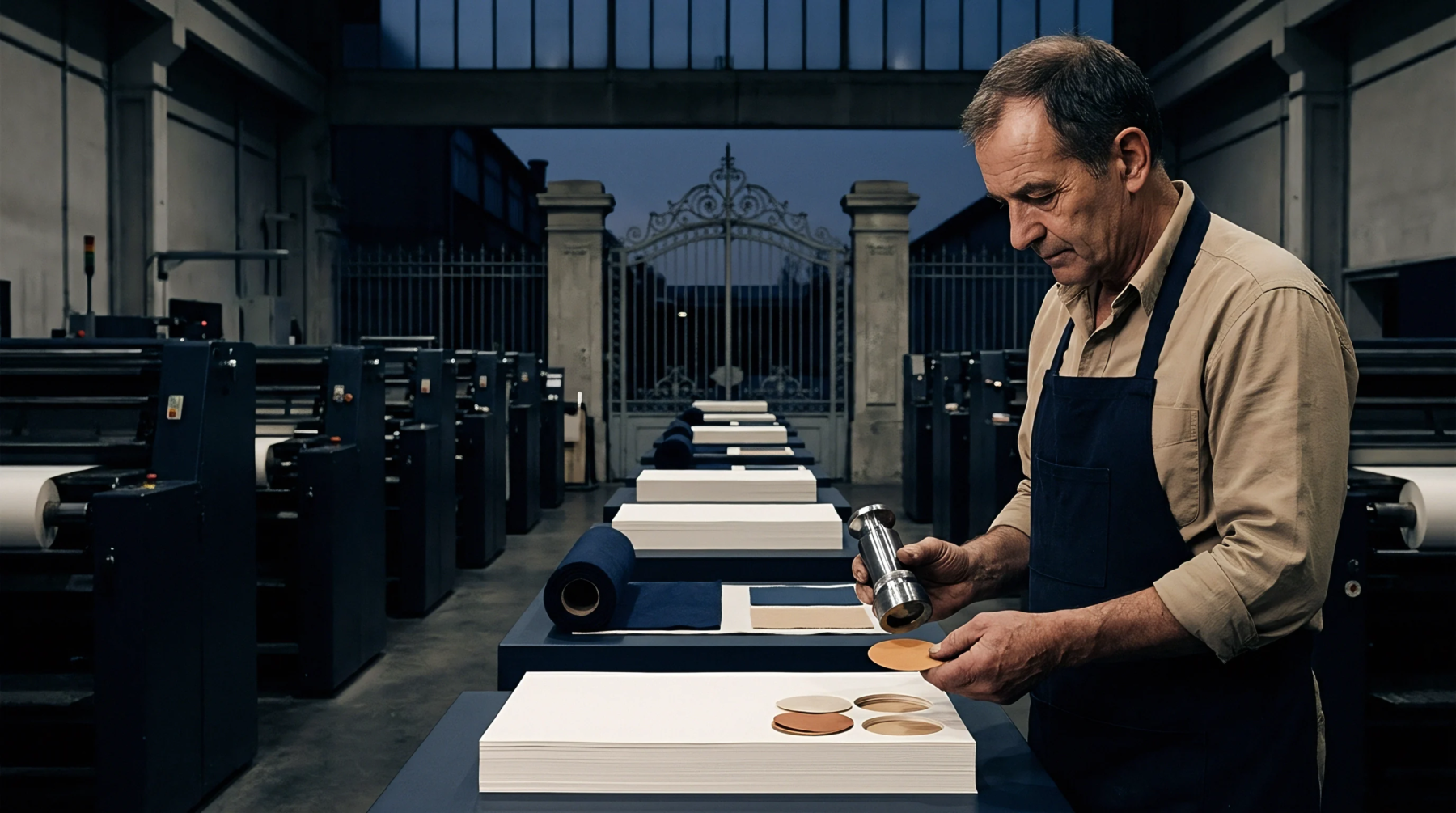
Goods-in paperboard profiling combines rapid chemical staining, split-temperature ashing, and layer delamination to expose deceptive furnish substitution.
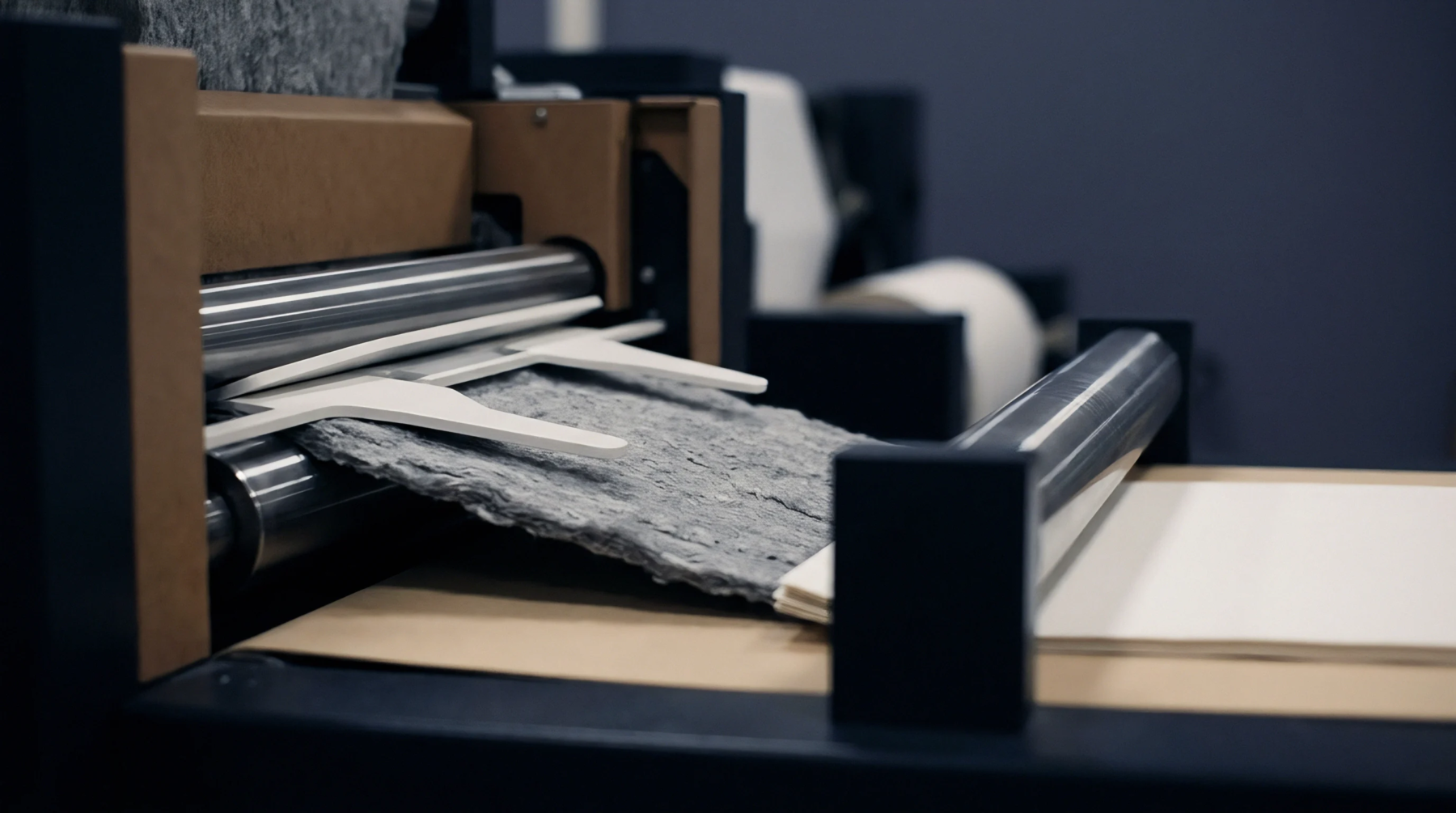
Dynamic barrier delamination along carton crease vertices is prevented by sizing creasing channels to absorb shear strain through controlled internal board roll.
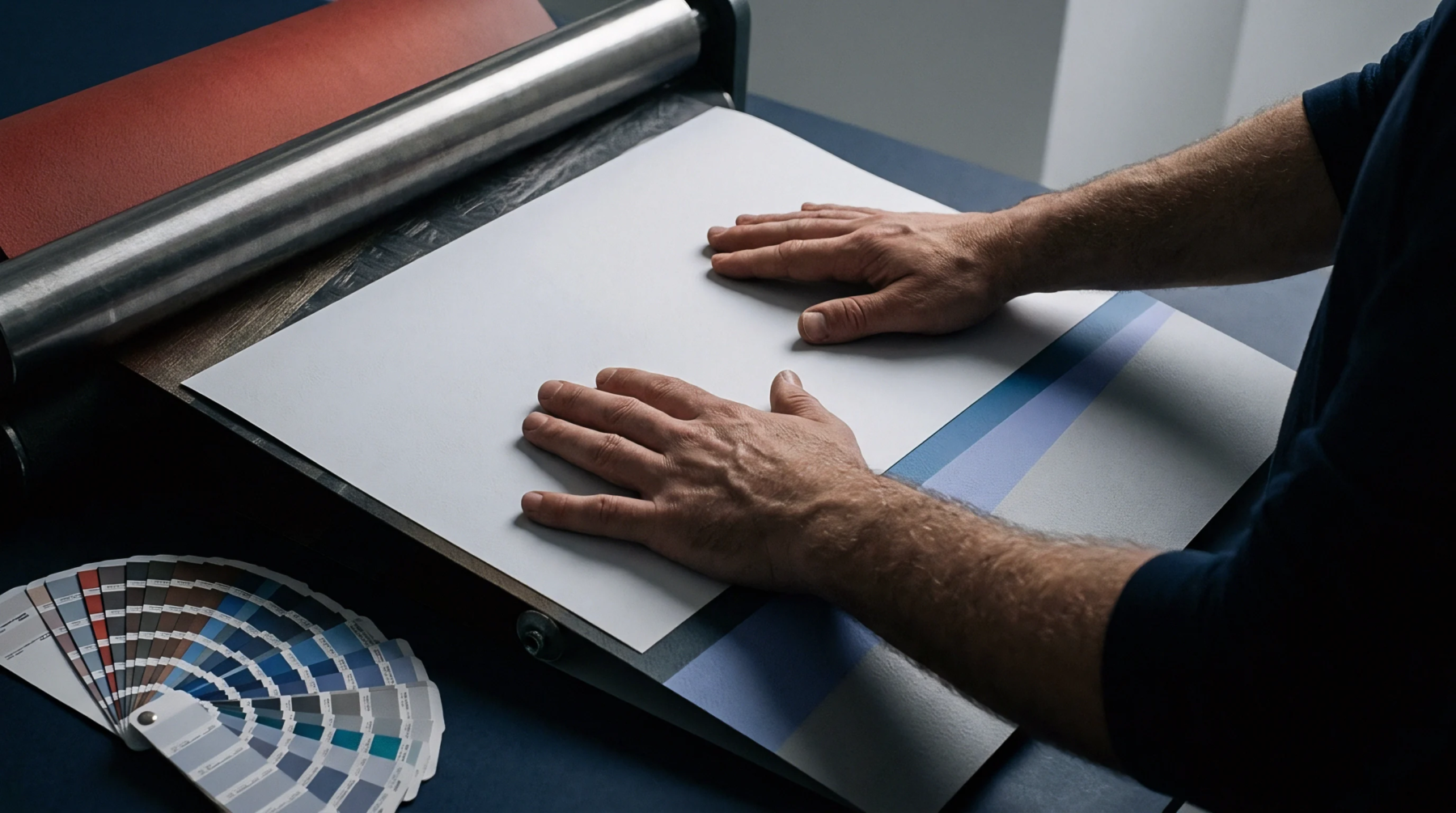
Acceptance Quality Limit carton inspection pairs ISO 2859-1 sampling math with physical flute and joint testing to validate lots before paper release.
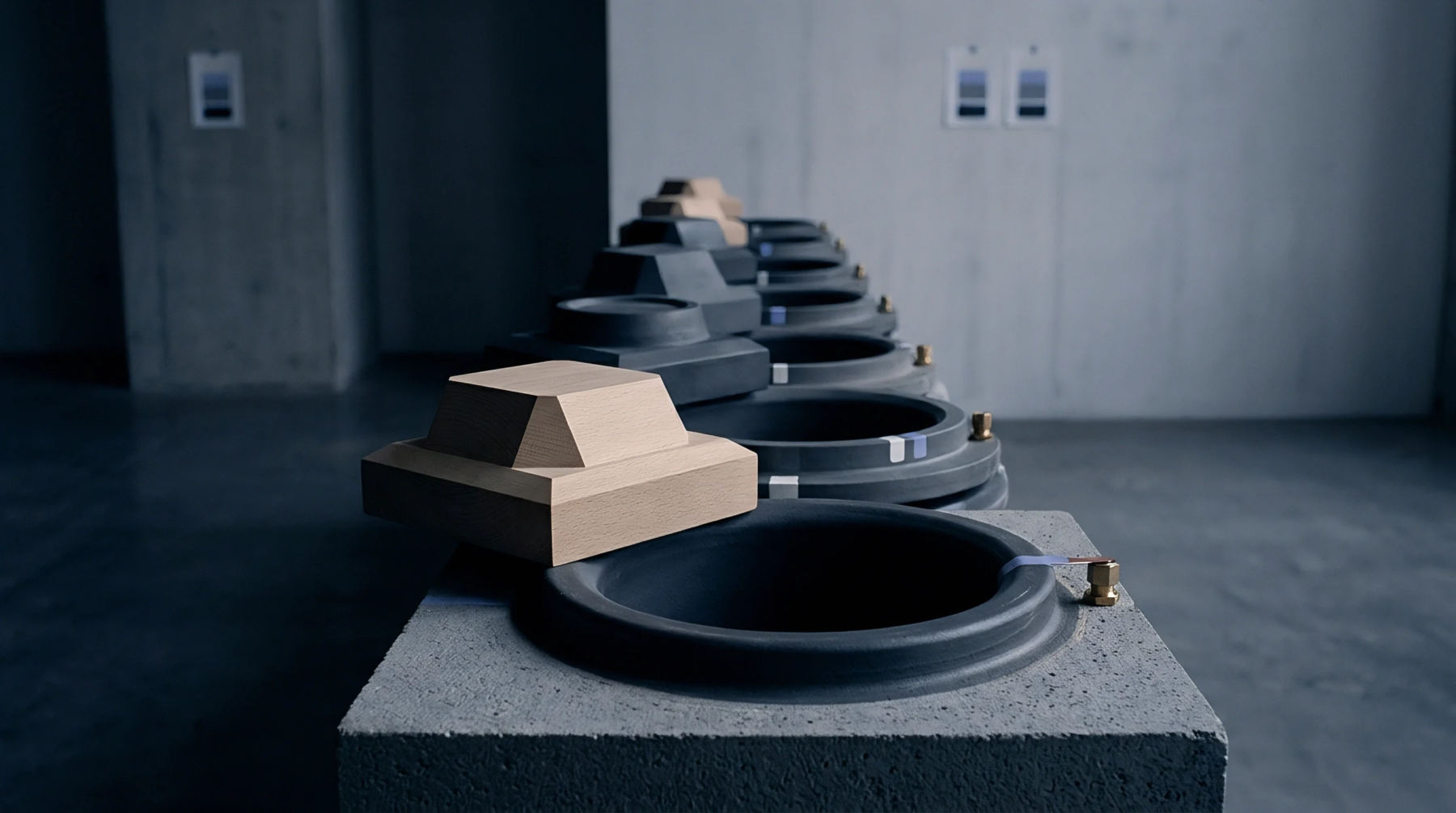
Statistical sampling of folding boxboard applies ISO 2859-1 attribute limits and ISO 3951-1 variable k-factors to verify stiffness, caliper, and purity.
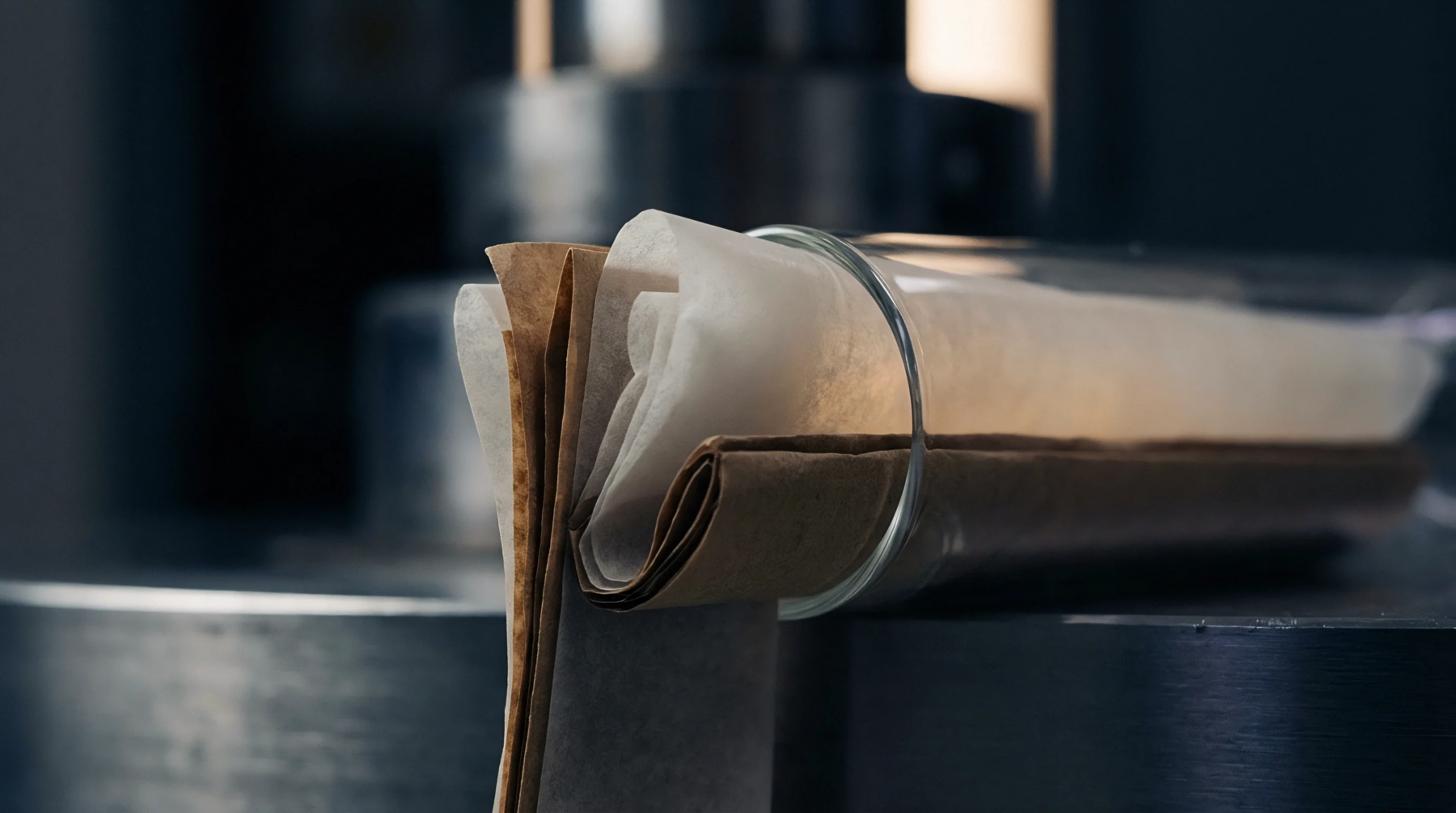
Dockside testing demands immediate outer wrap stripping, vapor-sealed sampling, and moisture-adjusted burst and compression checks before terminal exit.
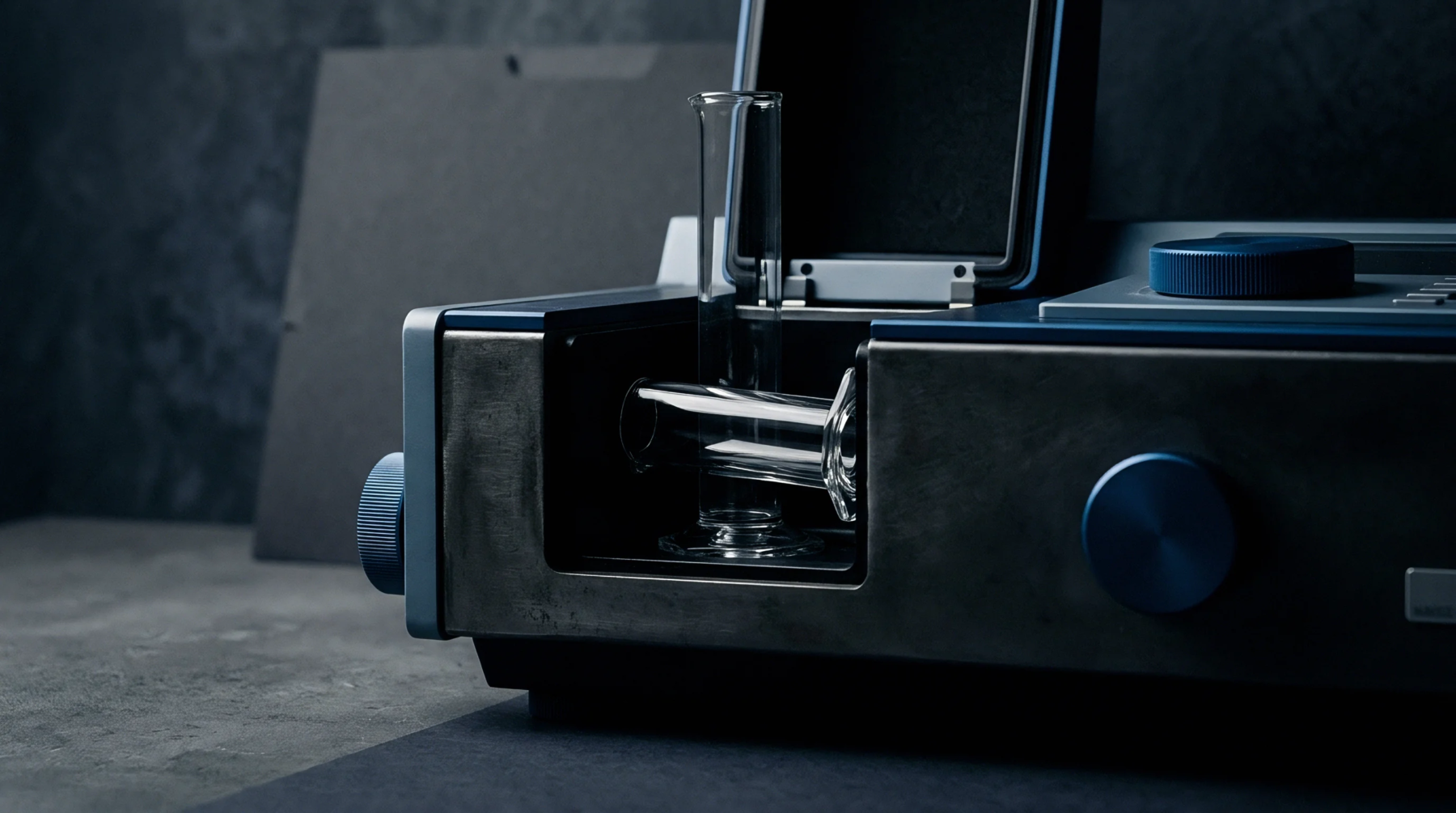
Mineral pigment shape and pore distribution control ink setting, fiber coverage, and converting runnability, fixing real delivered costs per thousand sheets.

Dynamic carrying capacity in recycled board depends on ultrasonic cross-direction elastic stiffness and cyclic creep resistance, not static burst strength.
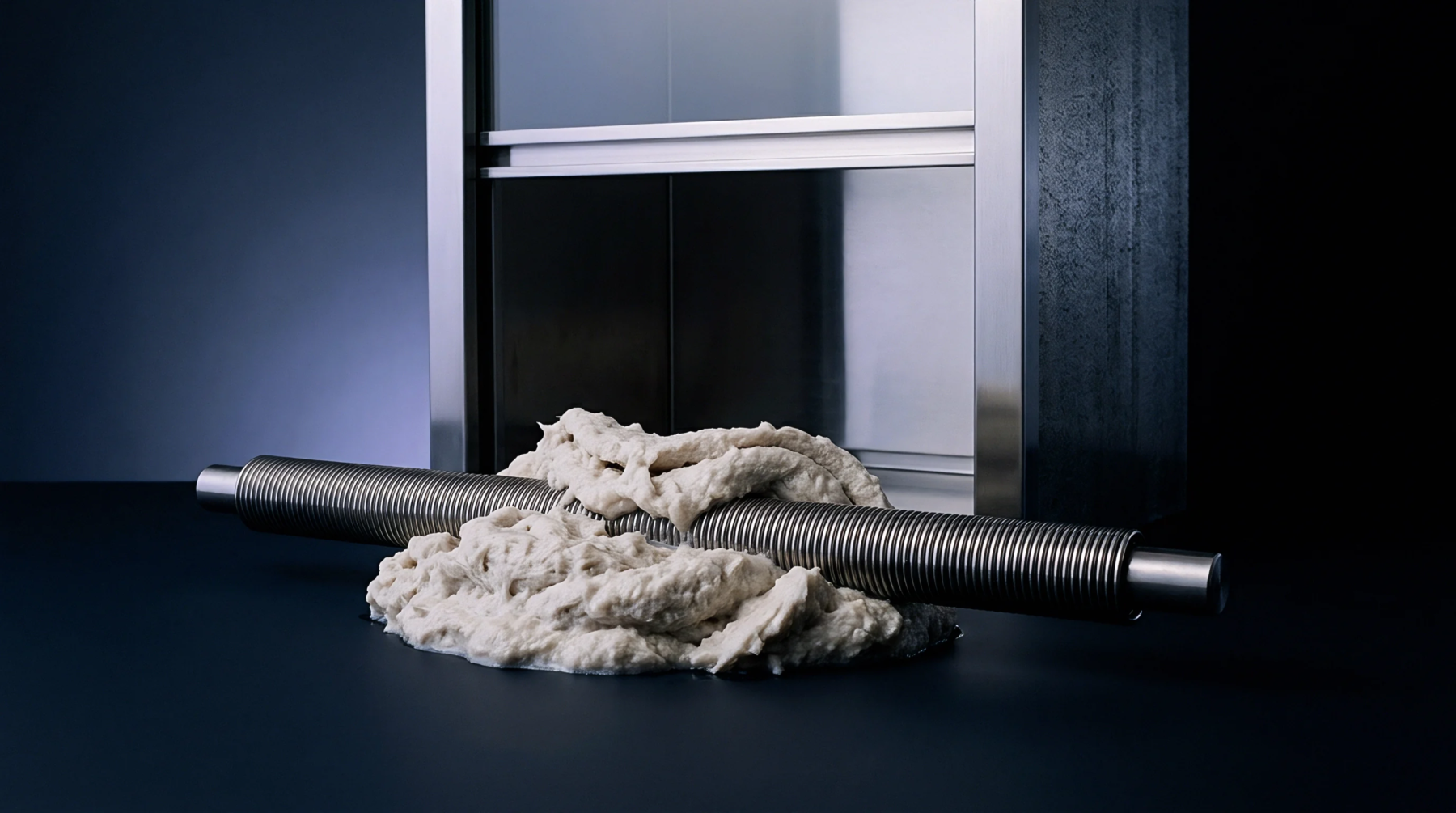
Maintain overprint varnish circulation velocity above 0.8 m/s with yield stress over 0.5 Pa to prevent silica dropout, cell plugging, and gloss drift.
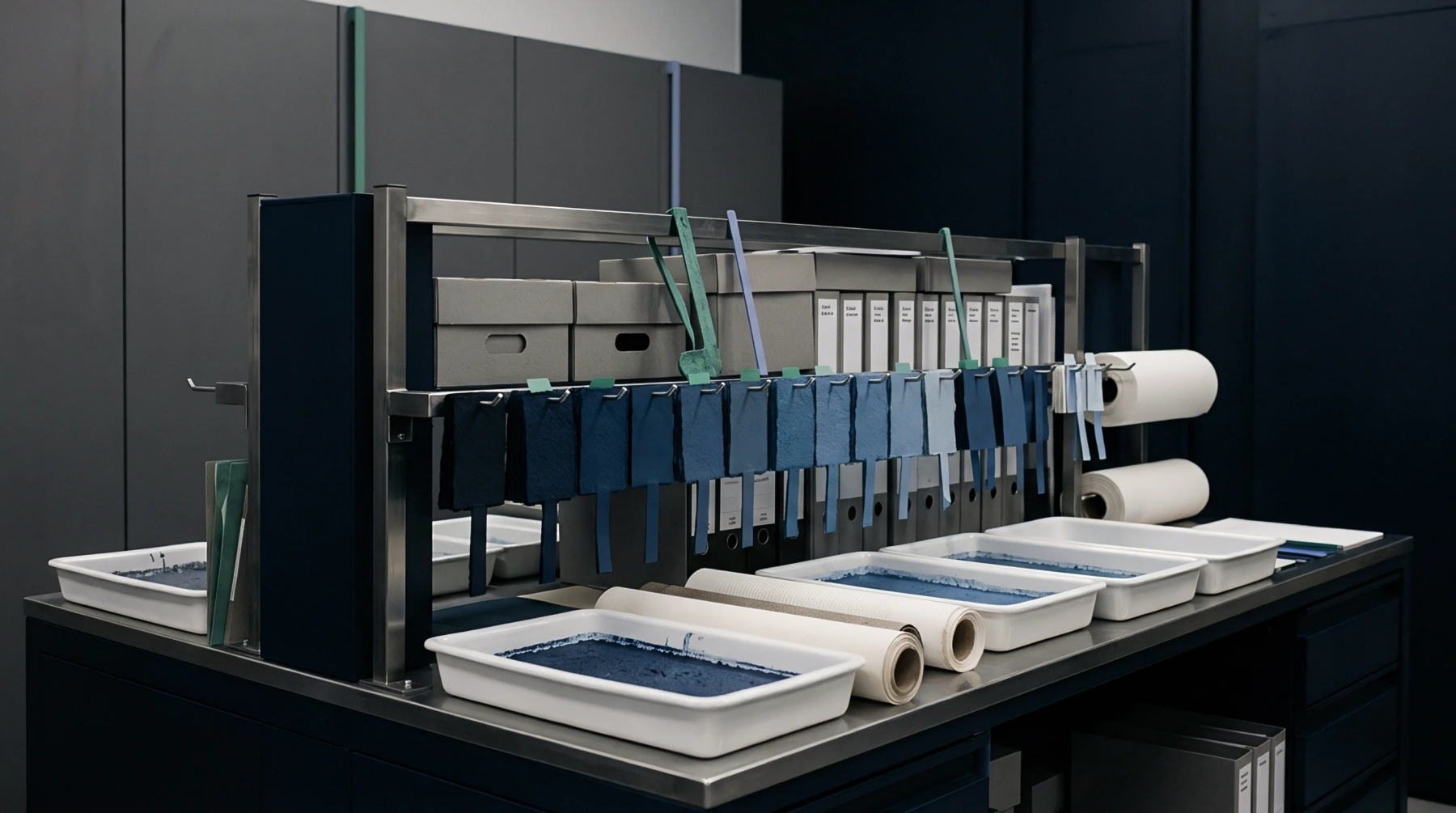
Dynamic moisture gradients across coated cartonboard slash bending modulus well before reaching equilibrium, demanding transient rather than static design.
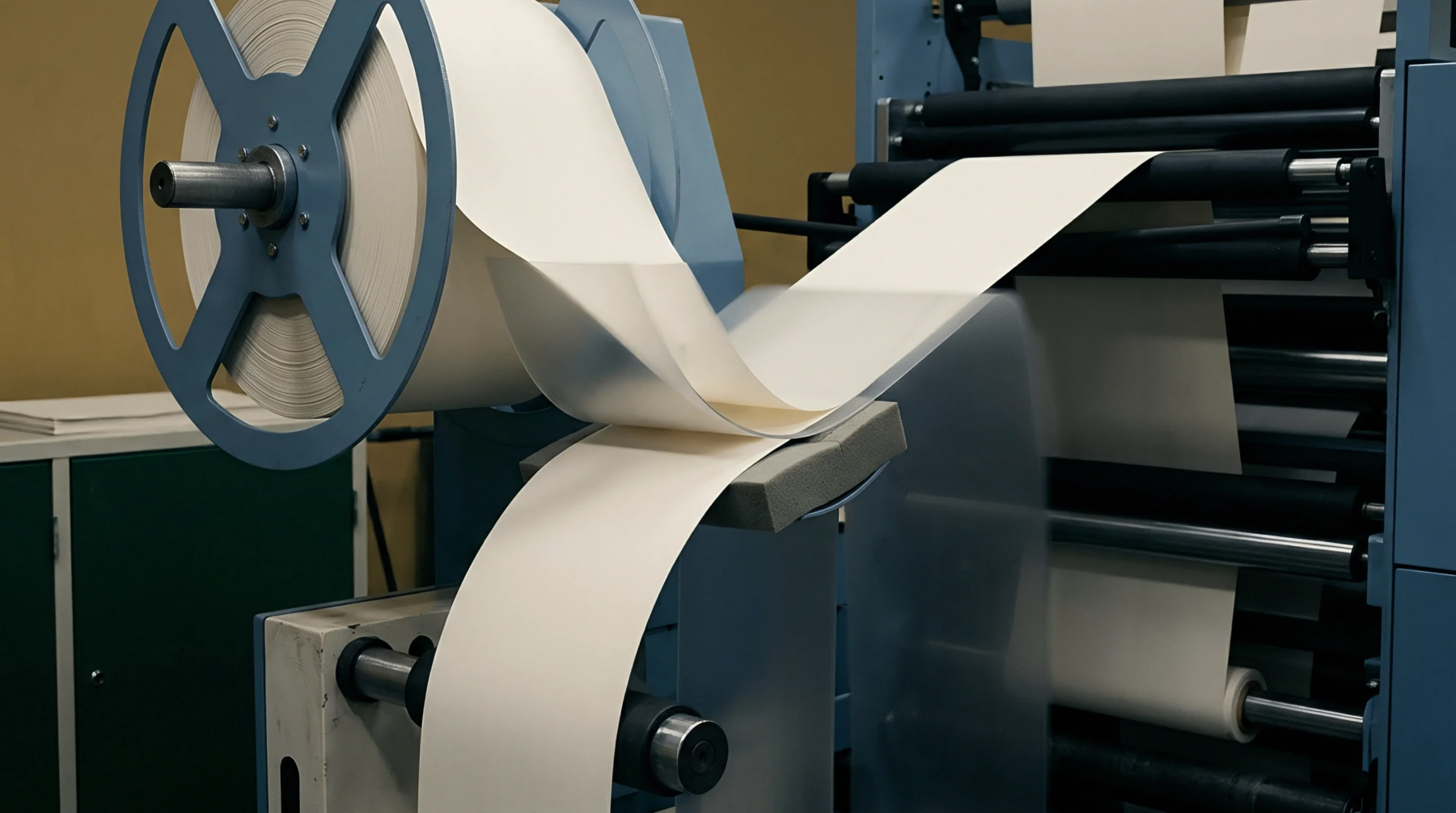
Optimizing high-speed board converting requires nonlinear viscoelastic models that tune matrix clearances and nip temperatures to microsecond dwell times.
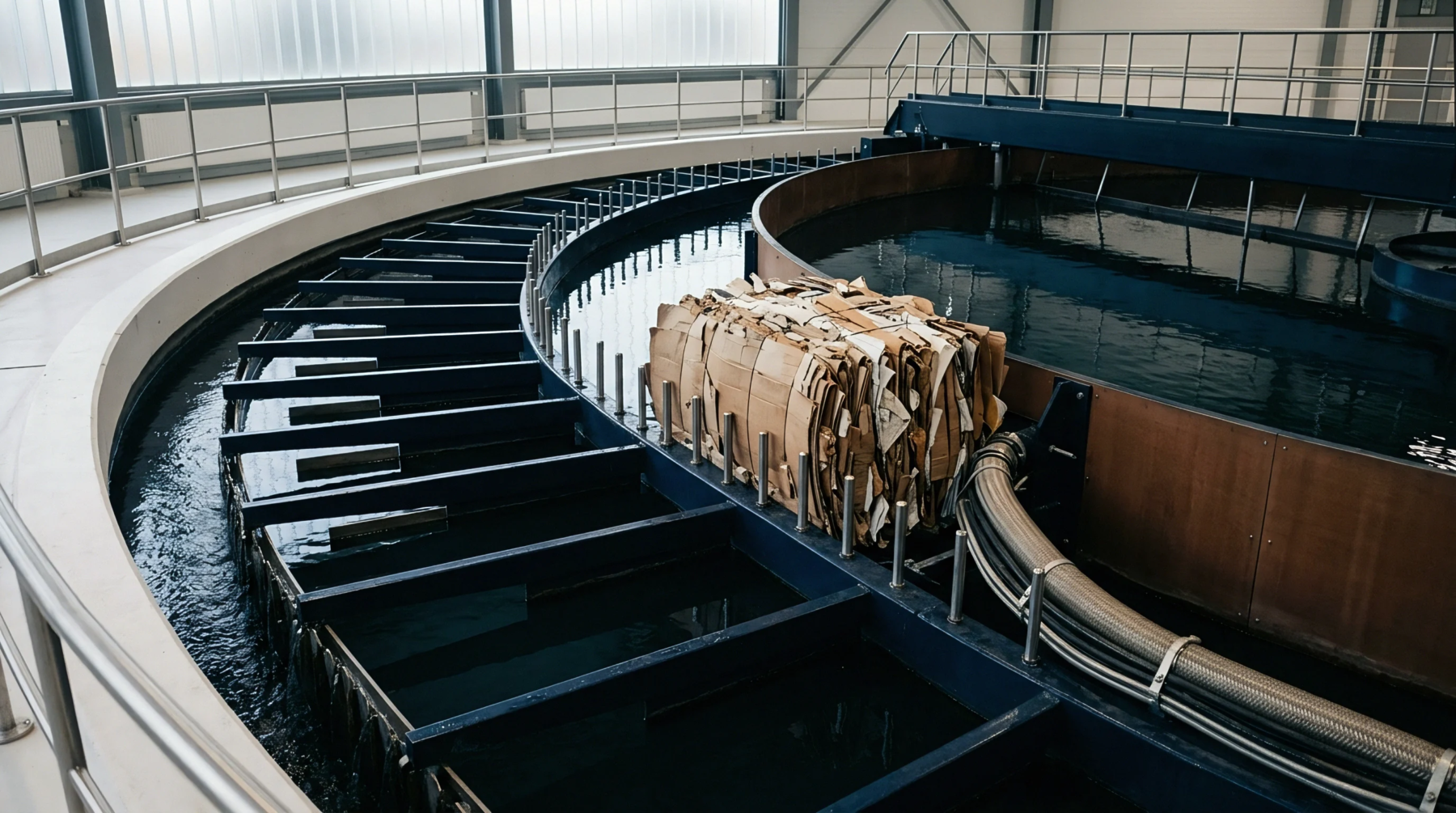
Controlled wet-end starch dosing between 6 and 9 kg/t maintains Scott bond at 180 to 240 J/m², preventing score cracking and delamination at high press speeds.
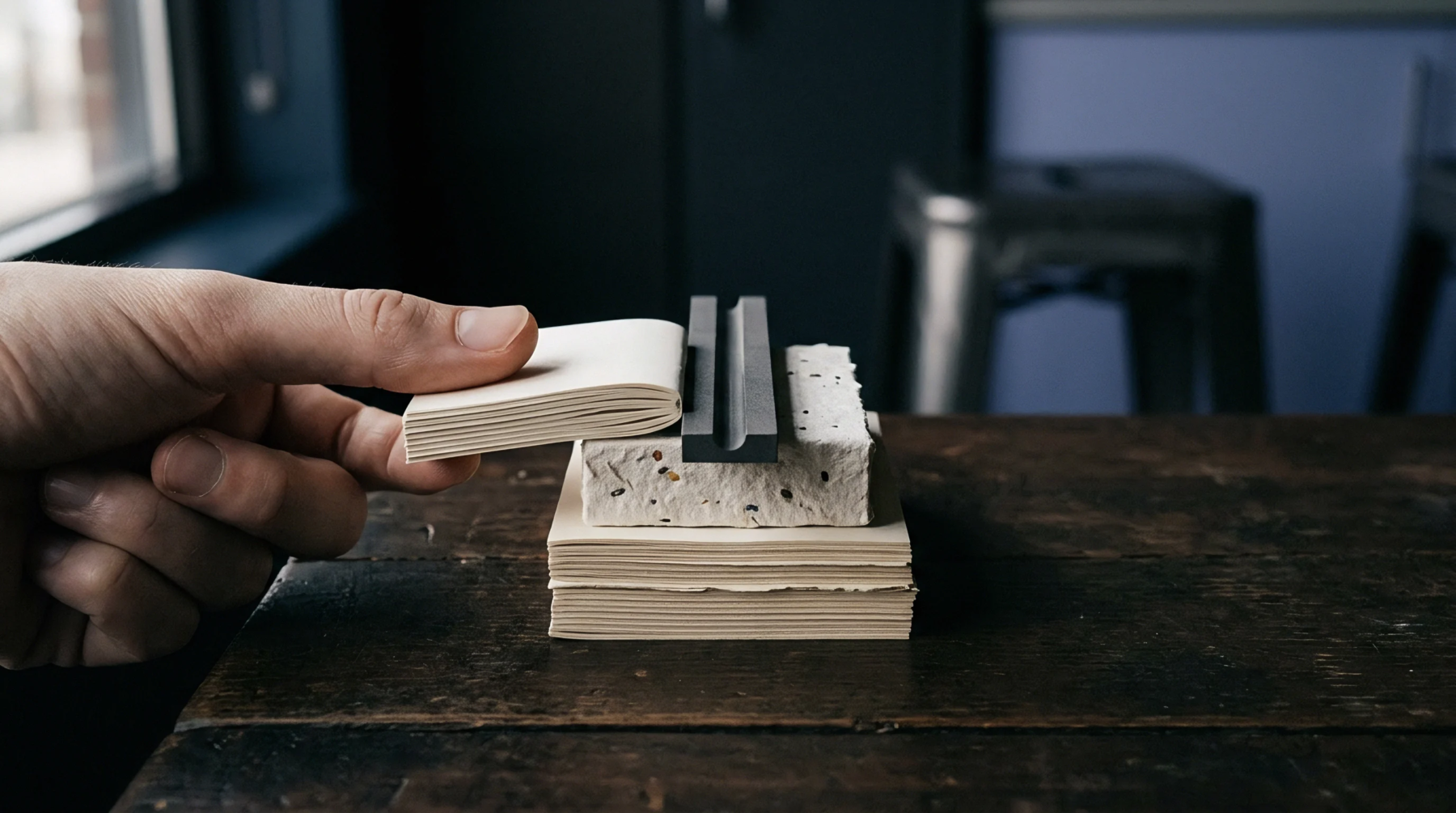
Controlled transverse shear delaminates the middle ply into sliding plates, lowering folding torque and protecting outer coated liners from tensile fracture.
Expertise is a utility, not a secret. sentiention™ publishes its working knowledge as open reference: intelligence layer covering the materials it sources, the markets it enters, and the reference that serves both.