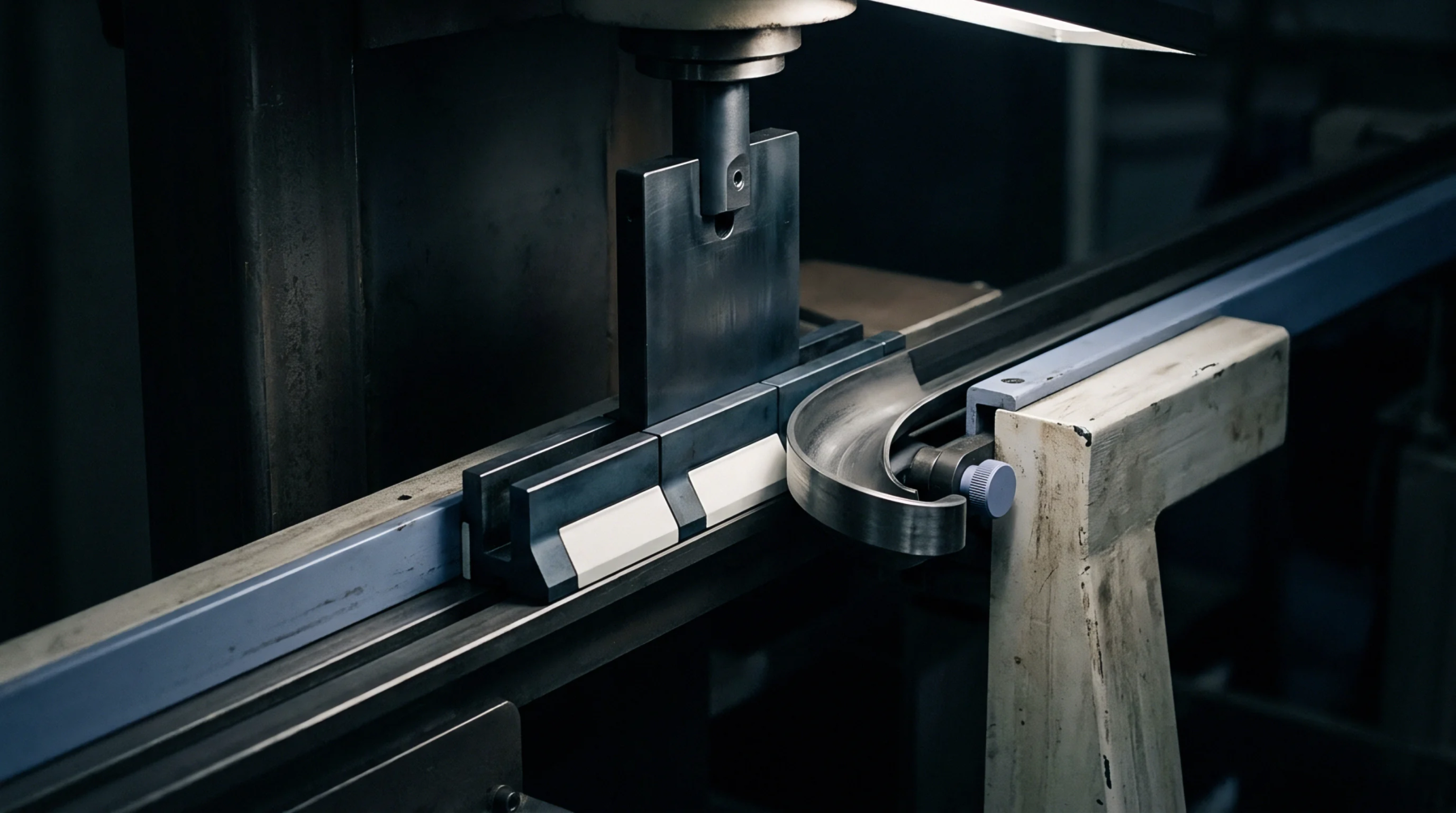
Optimizing Crease Tooling Parameters for Coated Recycled Paperboard
Optimizing crease tooling for coated recycled paperboard demands expanding counter channel widths to 1.65 times caliper to induce controlled ply delamination.
Optimizing crease tooling for coated recycled paperboard demands expanding counter channel widths to 1.65 times caliper to induce controlled ply delamination.
High-frequency pulse-echo ultrasound measures micron-scale extrusion coatings non-destructively, cutting resin overfill and preventing barrier delamination.
Optical strain mapping identifies localized network micro-rupture and ply shear in multi-ply recycled liners long before conventional bulk tensile tests record failure.
Optimize charge amplifier response during board scoring by coupling wideband Bessel filtering with ten-teraohm feedback to isolate true ply delamination.
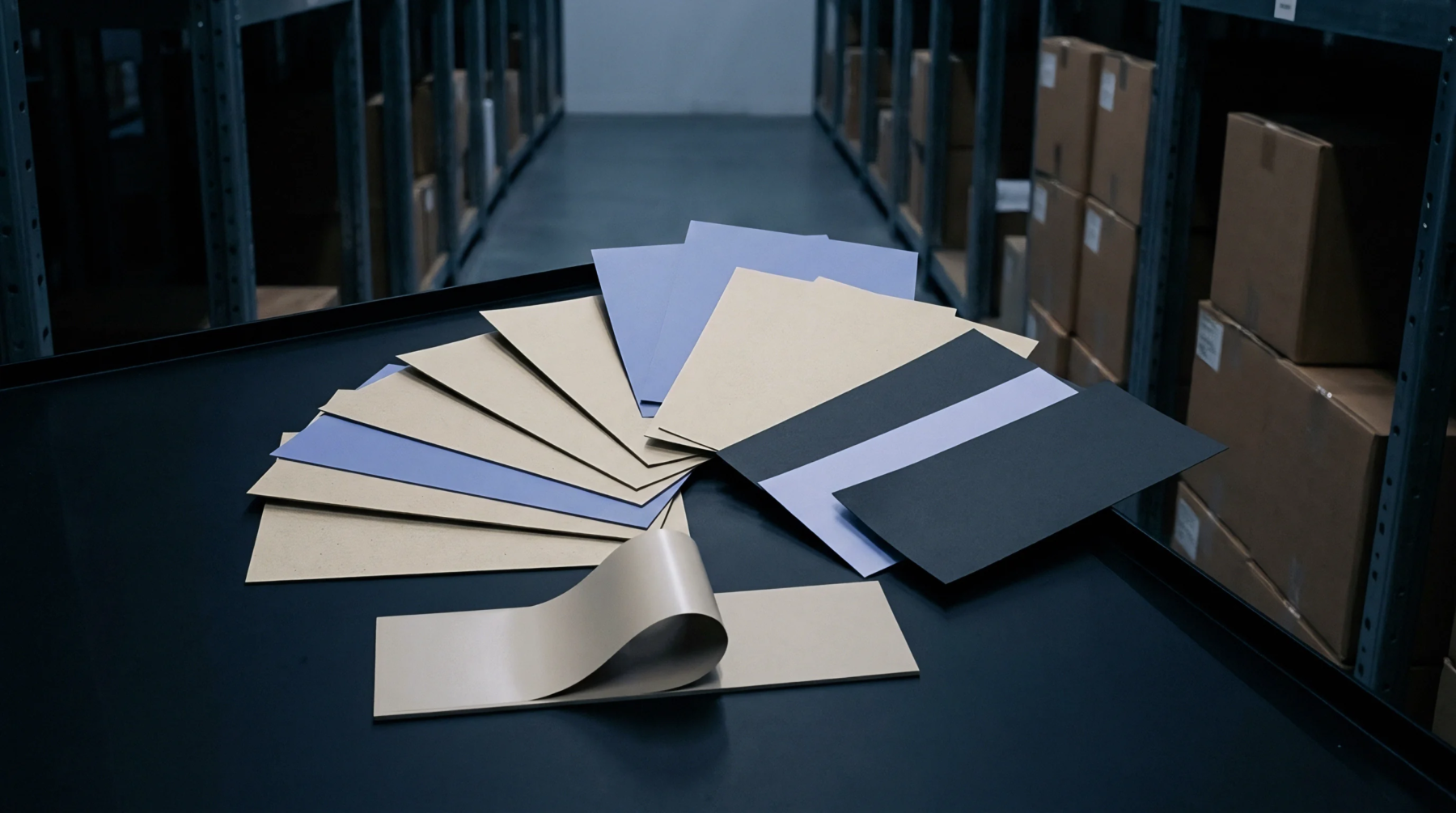
Verify cross-direction tensile strain on recycled linerboard under ISO 1924-2 to prevent carton scoreline cracking during high-speed folder-gluer converting.
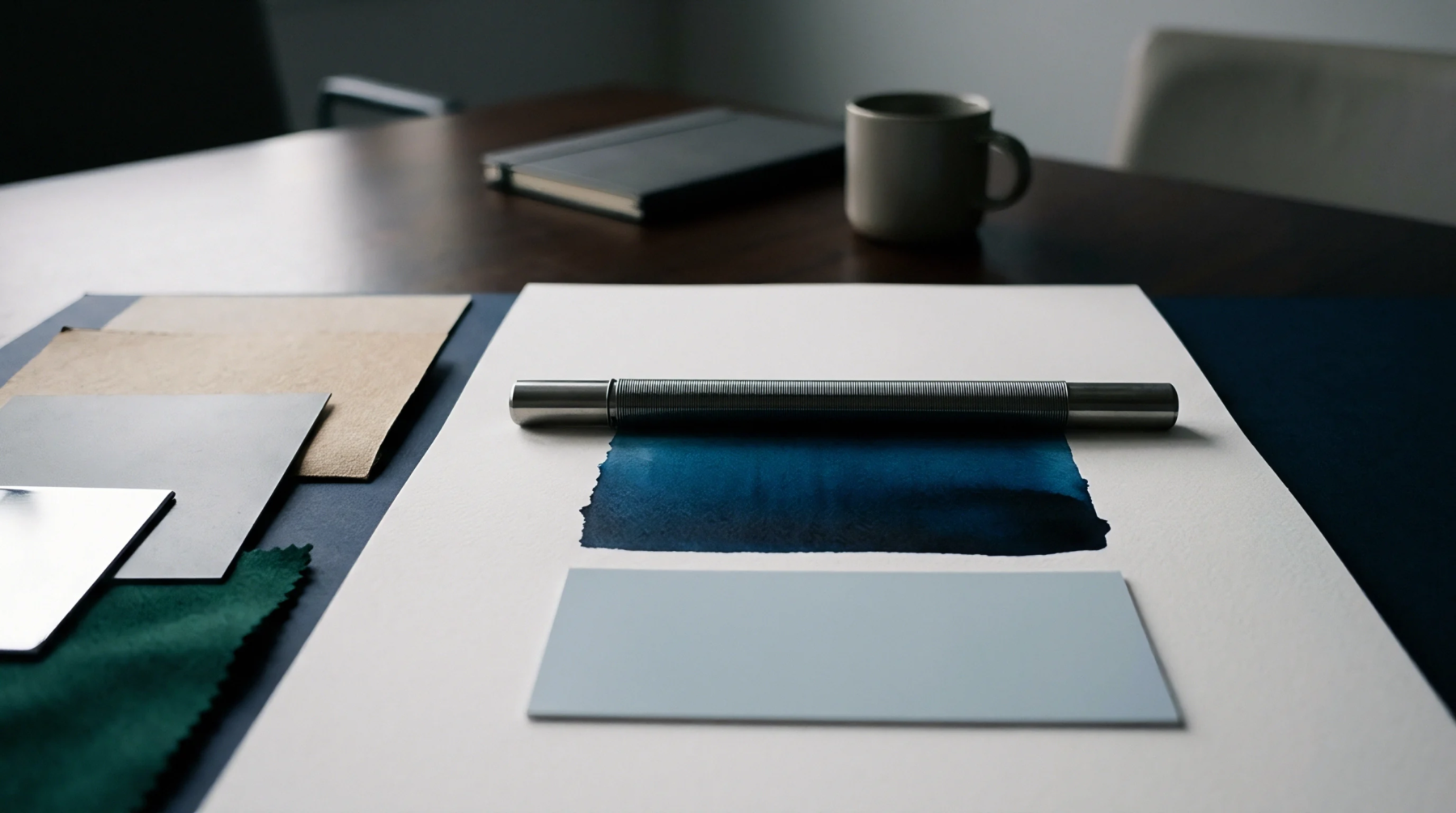
Controlled multi-ply board creasing requires tuning rule penetration energy to exceed core shear strength without passing the outer liner tensile fracture limit.

Acoustic emission calibrates multiply board creasing by tracking high-frequency ply delamination bursts to stop liner fractures before carton blanks leave the die.
Controlled interlaminar delamination during high bulk boxboard creasing requires widened matrix channels to fracture low-density cores without breaking liners.
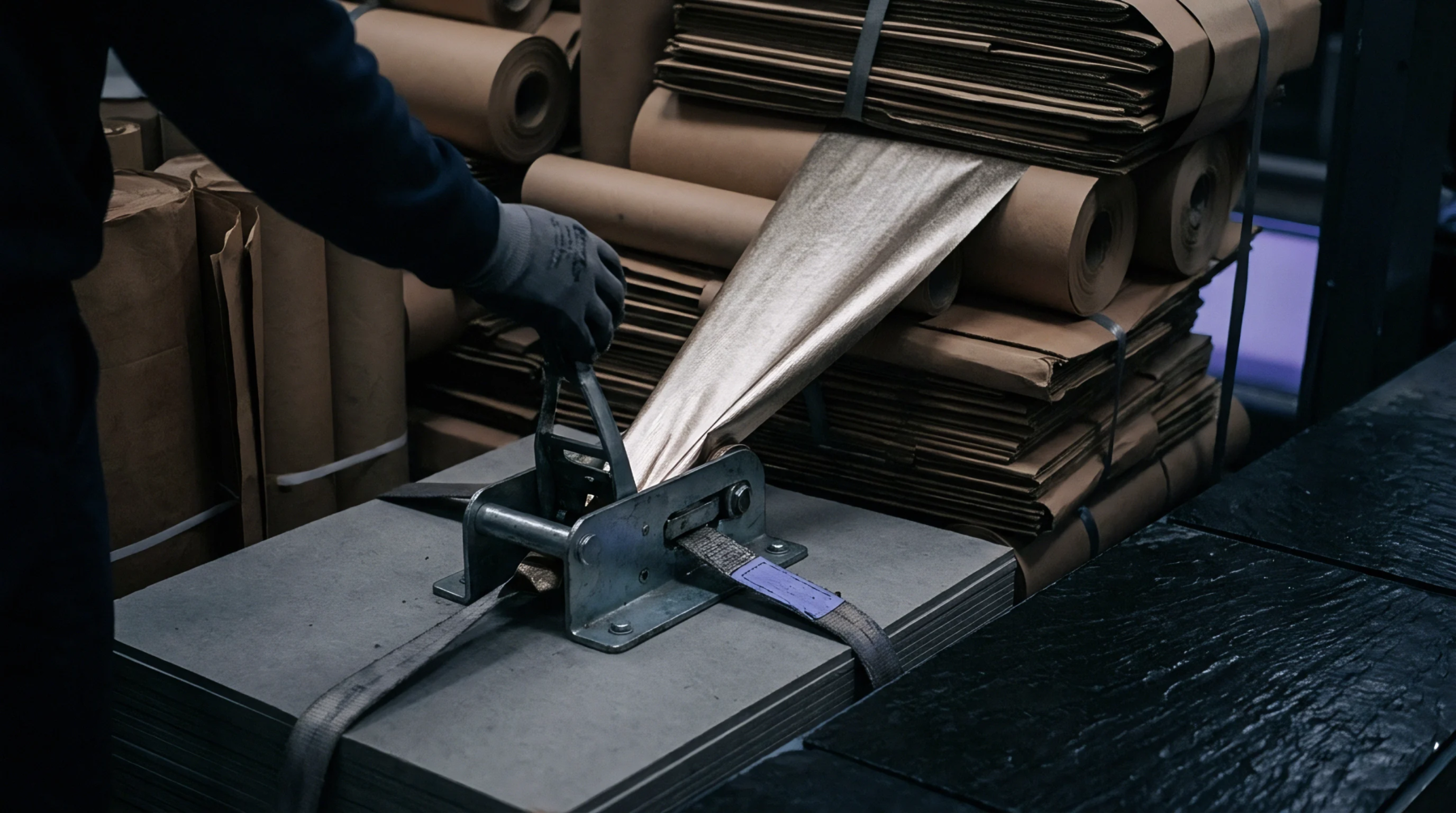
Verify polyolefin surface energy via multi-liquid contact angle goniometry using OWRK analysis to separate polar and dispersive components before laminating.
Predicting delamination boundaries in down-gauged BCTMP board requires narrowing matrix clearance to match reduced core mass under millisecond impact.
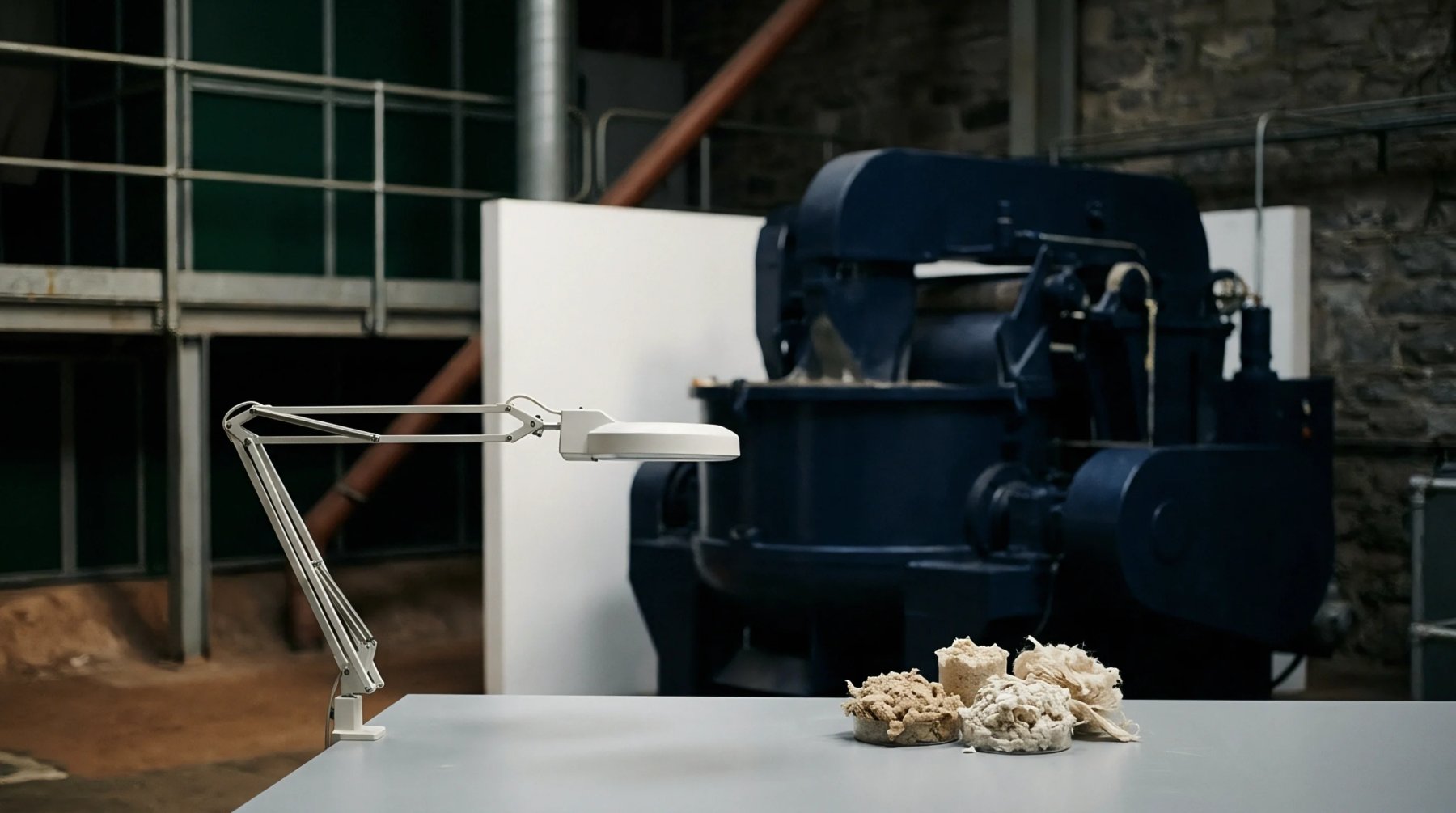
Optimize bleached pulp densification via low specific edge load refining and shoe pressing to flatten fiber lumens without sacrificing critical sheet caliper.
Owens Wendt contact angle analysis isolates polar from dispersive surface energy, preventing lamination failure caused by unreliable single-value dyne pen readings.
Tuning middle-ply CTMP density between 0.45 and 0.55 g/cm³ balances board flexural rigidity against vacuum porosity to prevent converting feeder misfeeds.

Long softwood fibers maximize board bending resistance by increasing elastic modulus on outer plies while maintaining the caliper needed for flexural stiffness.

Anisotropic hygroexpansion expands sheetfed boxboard up to six times more cross-grain than with-grain, requiring strict relative humidity control to hold register.
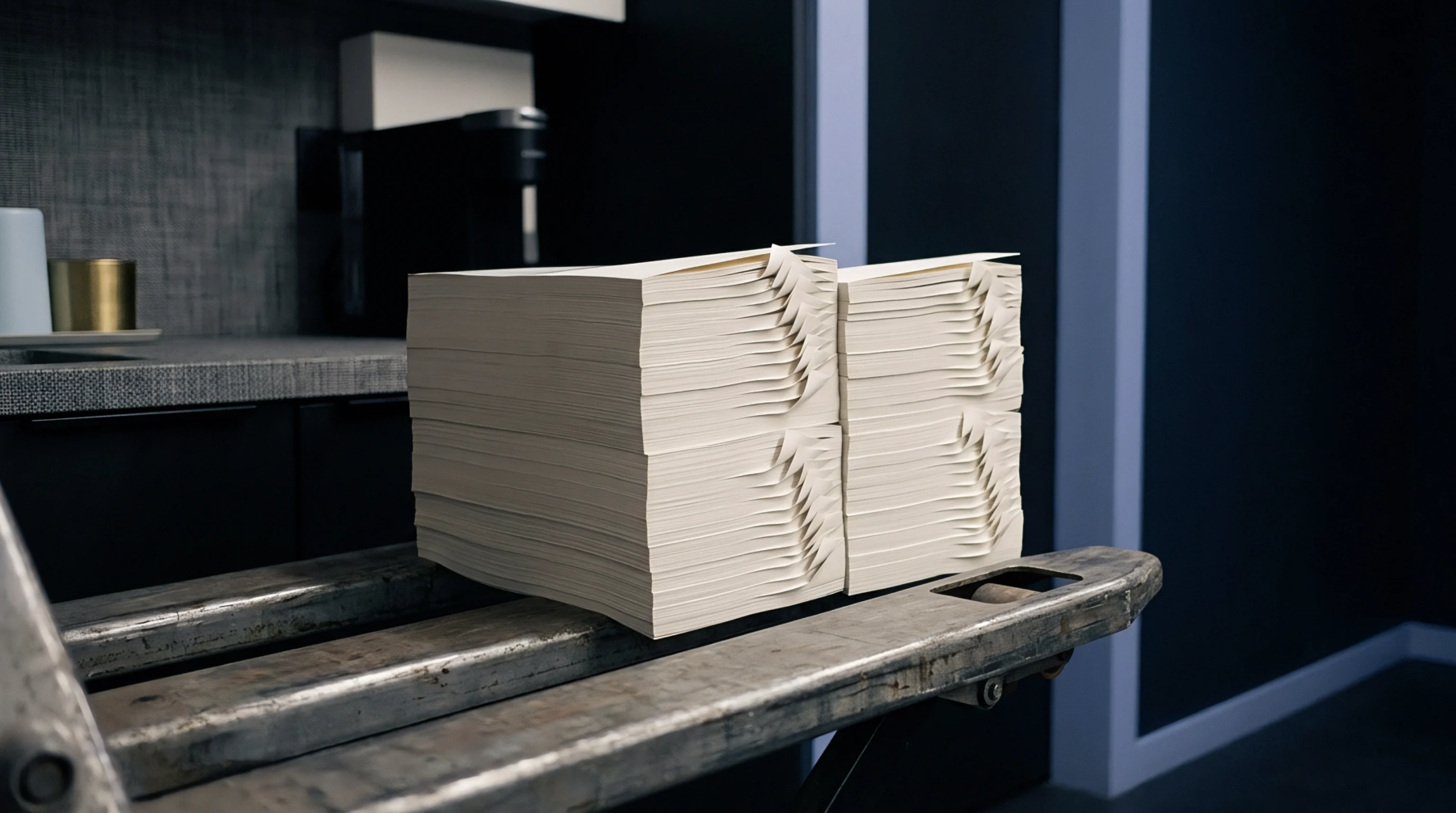
High bulk uncoated board requires expanding crease matrix channel widths to 1.8-2.1 times caliper to prevent liner cracking while adjusting stiffness board factor multipliers down to 0.82-0.88.
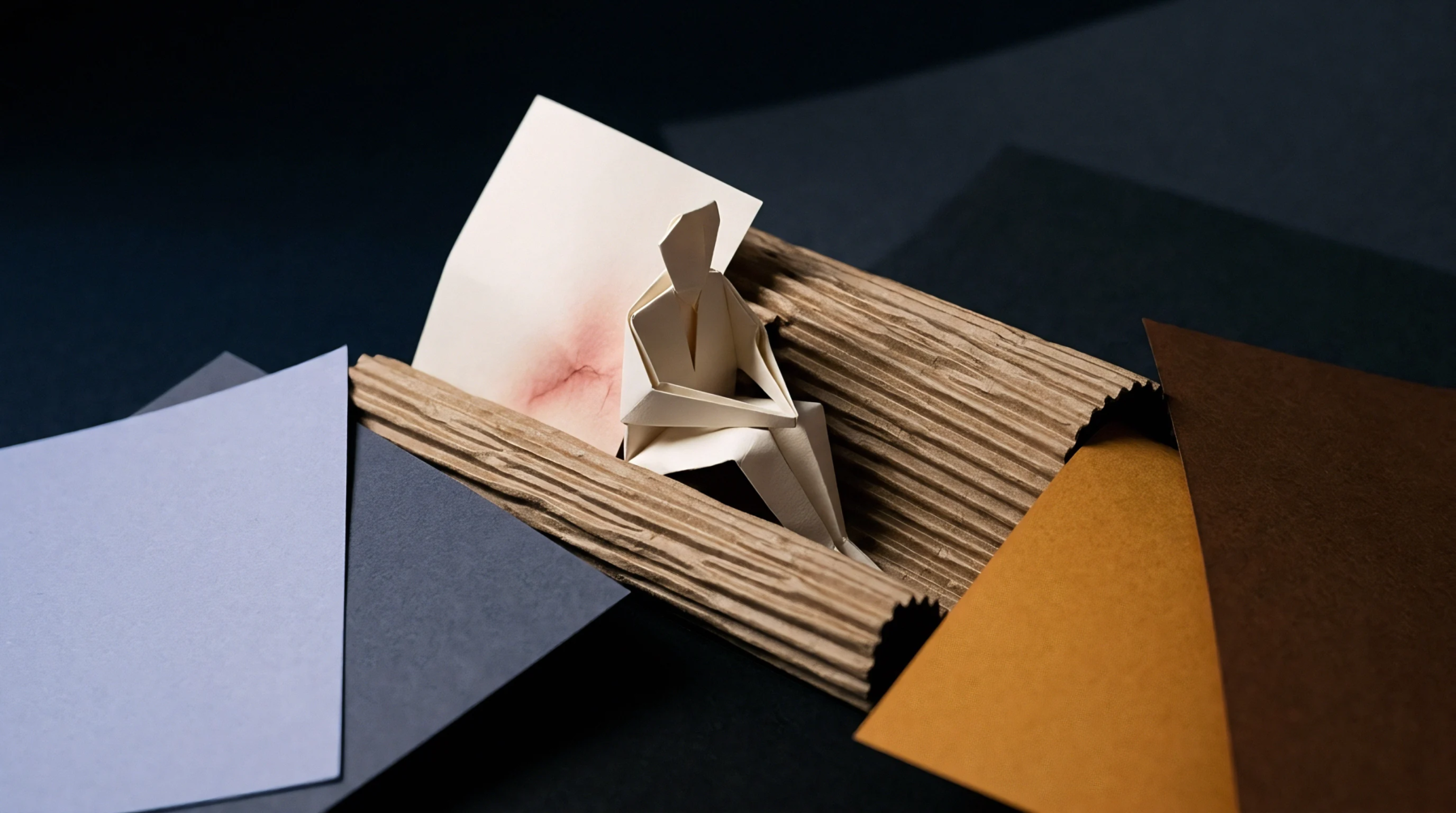
Base matrix channel width for virgin folding boxboard on rule thickness plus 1.45 times caliper, setting channel depth equal to measured sheet thickness.
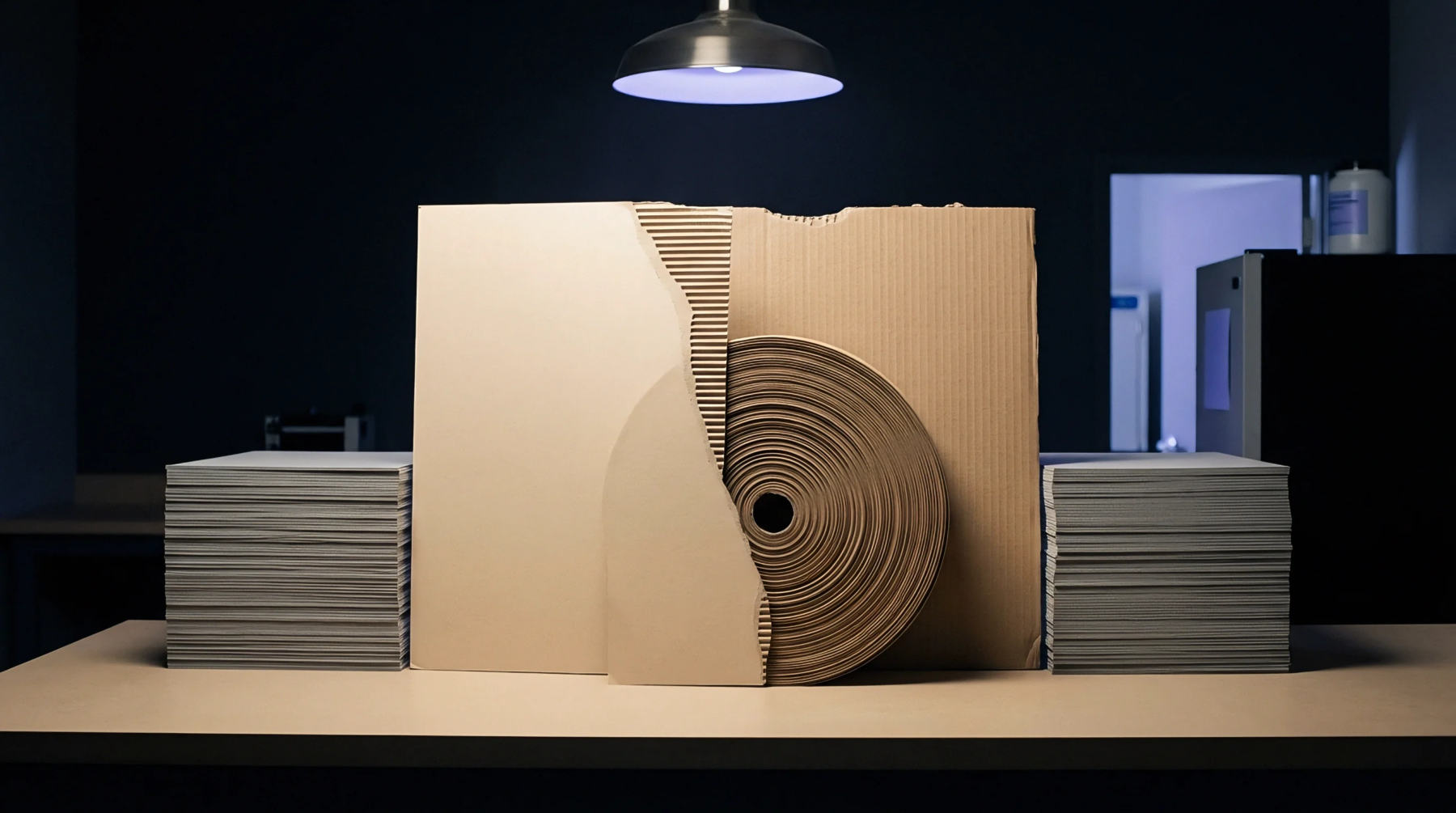
Standardize paperboard conditioning through dry pre-conditioning under ISO 187 to neutralize hysteresis and prevent false mechanical strength rejections.
Cross direction bending resistance governs crease recovery force, requiring precise scoring die geometry to prevent carton springback during high-speed packing.
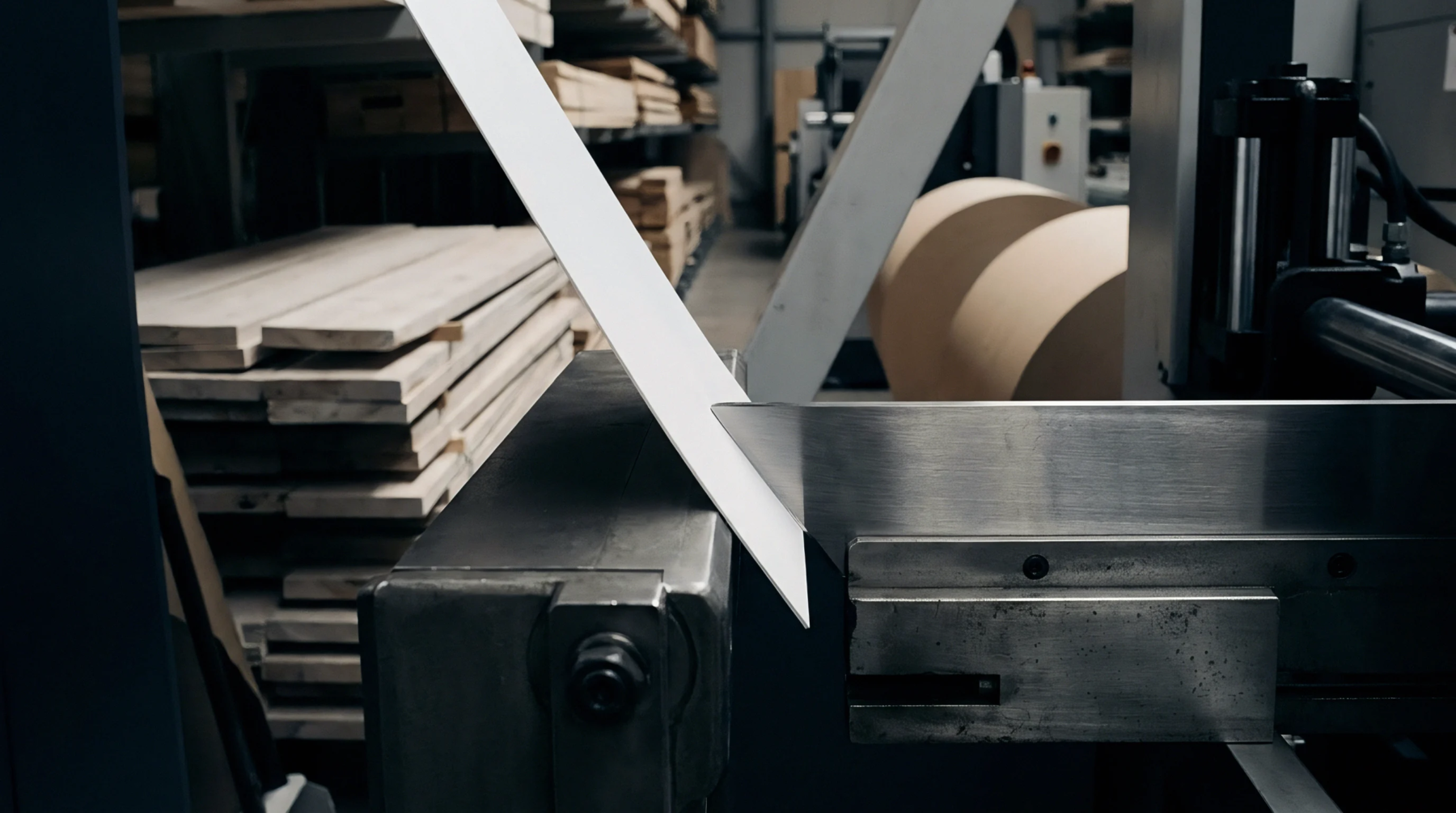
Swapping cartonboard to higher bulk furnishes increases square metre yield per tonne, reducing landed pack costs despite higher per-tonne substrate prices.
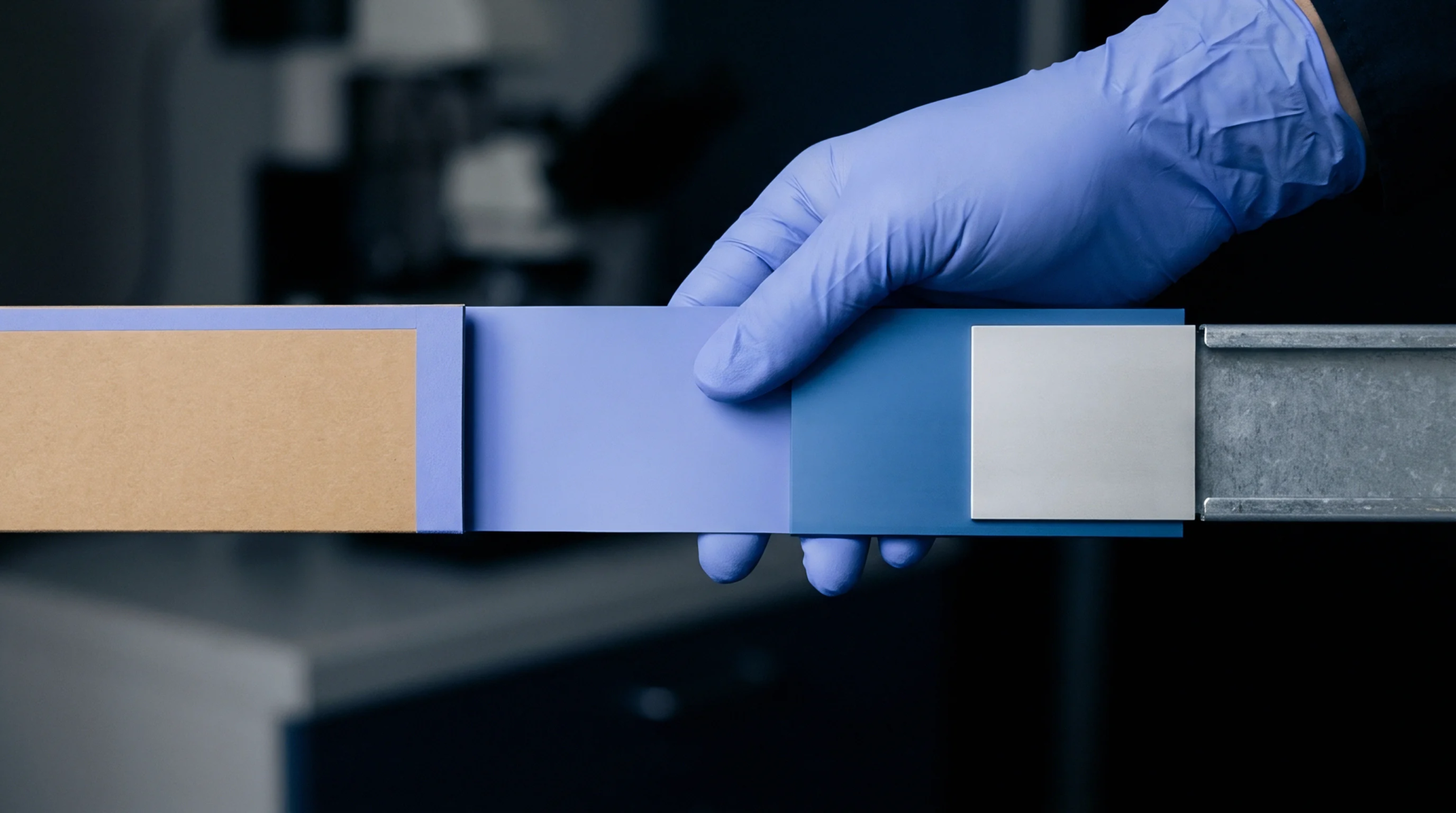
Laboratory physical testing of paperboard proves packaging structural compliance, verifies technical specifications, and prevents import liabilities.

Dynamic multi-ply board creasing requires rate-dependent matrix clearance adjustments to prevent top-liner shear splitting during millisecond tool indentation.
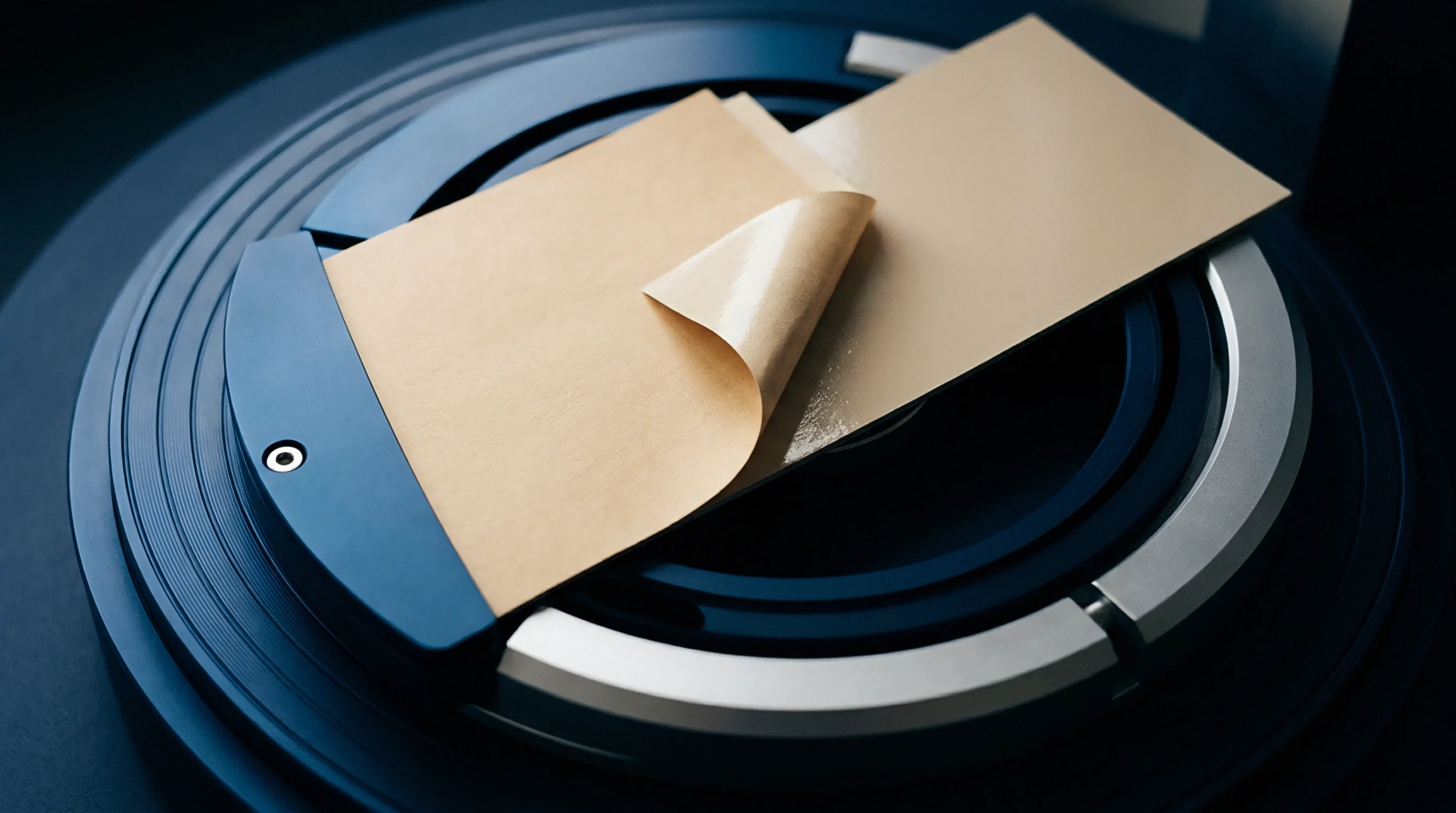
Calibrating matrix channel width for coated recycled board requires expanding the multiplier to 1.8 times board caliper plus rule thickness to stop liner splits.
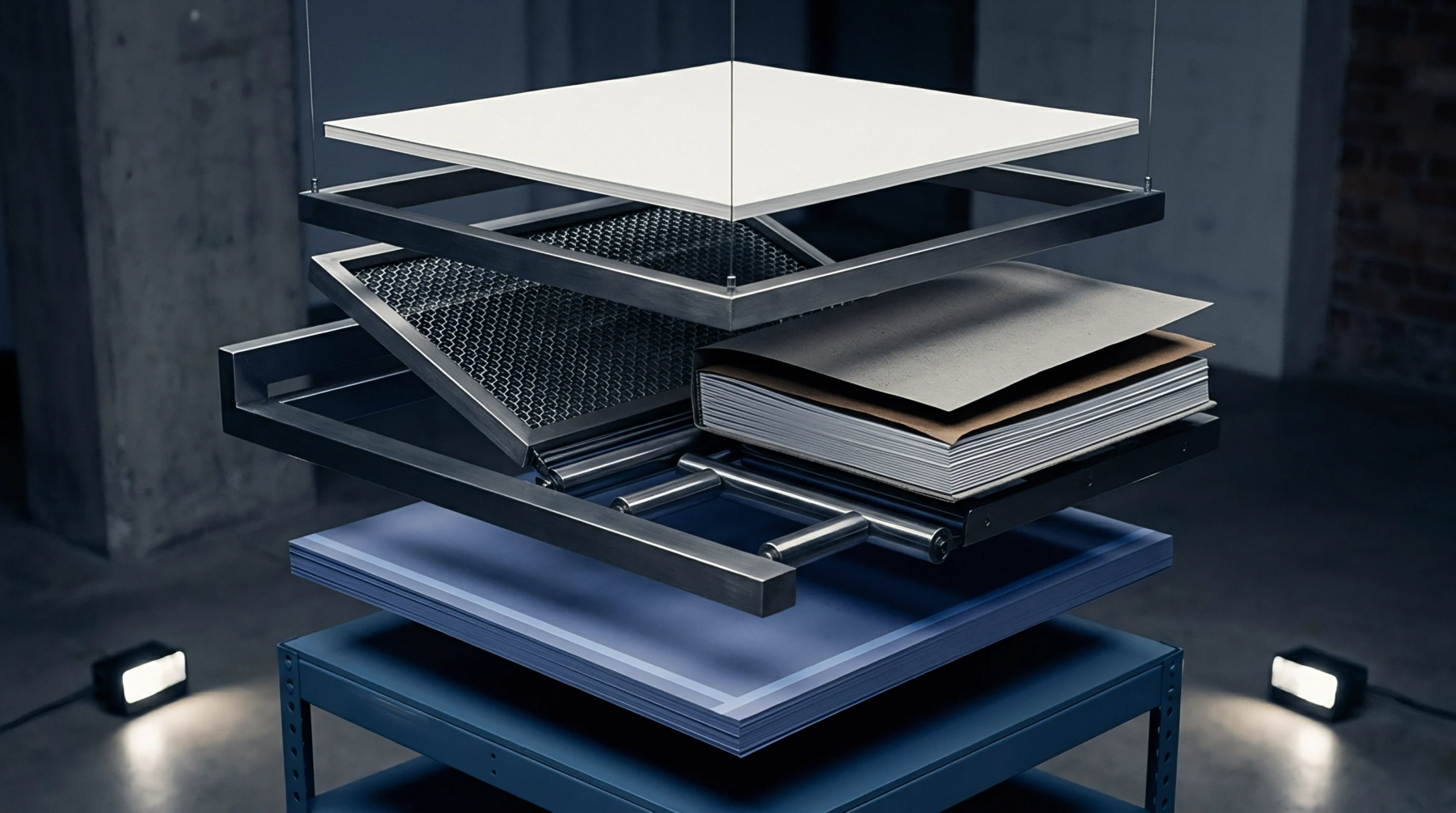
Recycled board demands matrix channels widened to rule thickness plus 1.7 to 1.9 times caliper to induce core delamination and prevent liner splitting.

Polymeric film cracking along folding boxboard scores ceases when rule clearance maintains localized tensile elongation below seven percent across the bead.
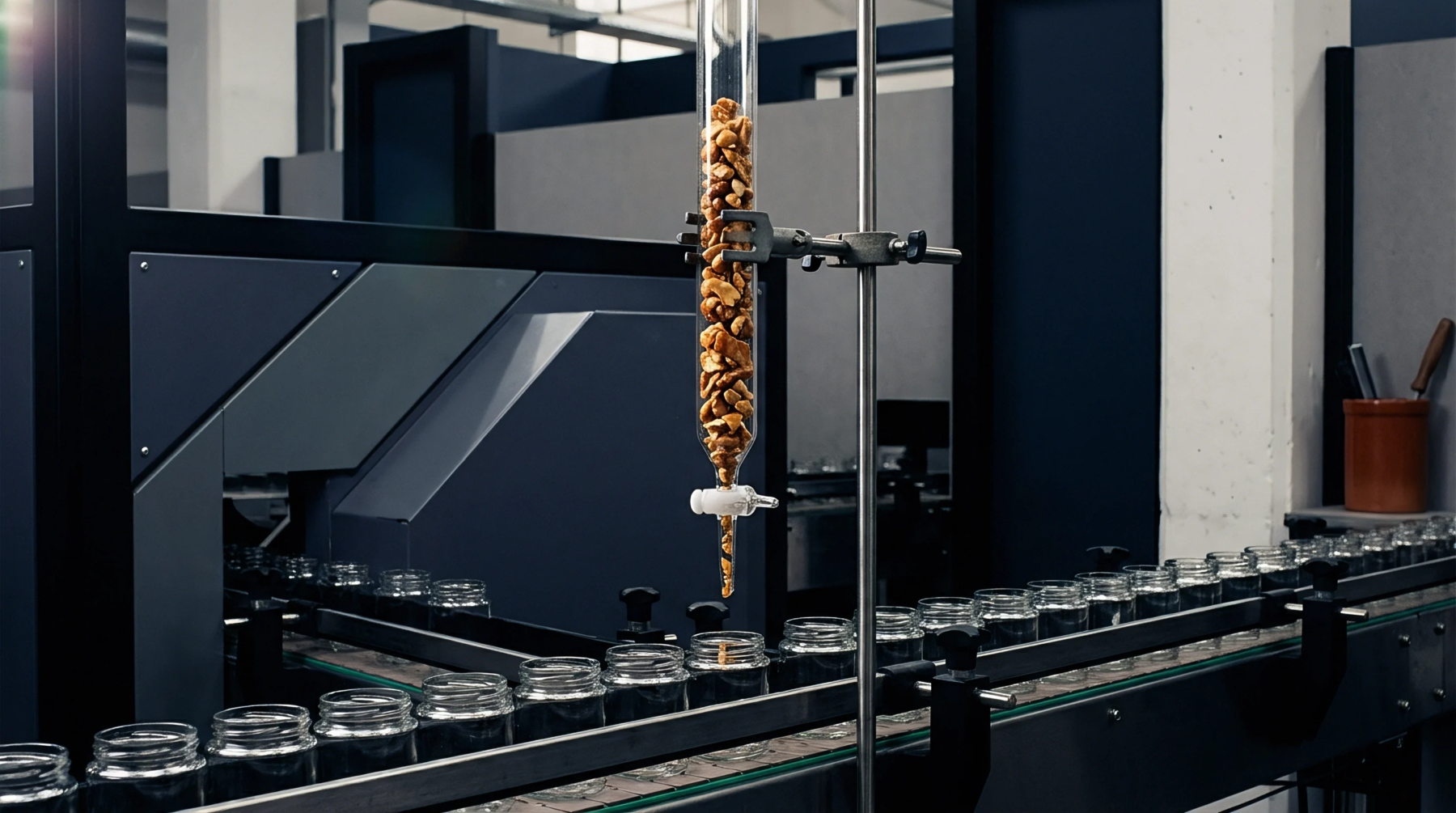
ISO 186 sampling requires isolating parent rolls, drawing randomized interior units, and conditioning under ISO 187 to protect sheet yield and legal claims.

Paperboard moisture equilibrium testing under ISO 187 isolates hygroscopic hysteresis to standardize physical strength properties and verify true fiber yield.
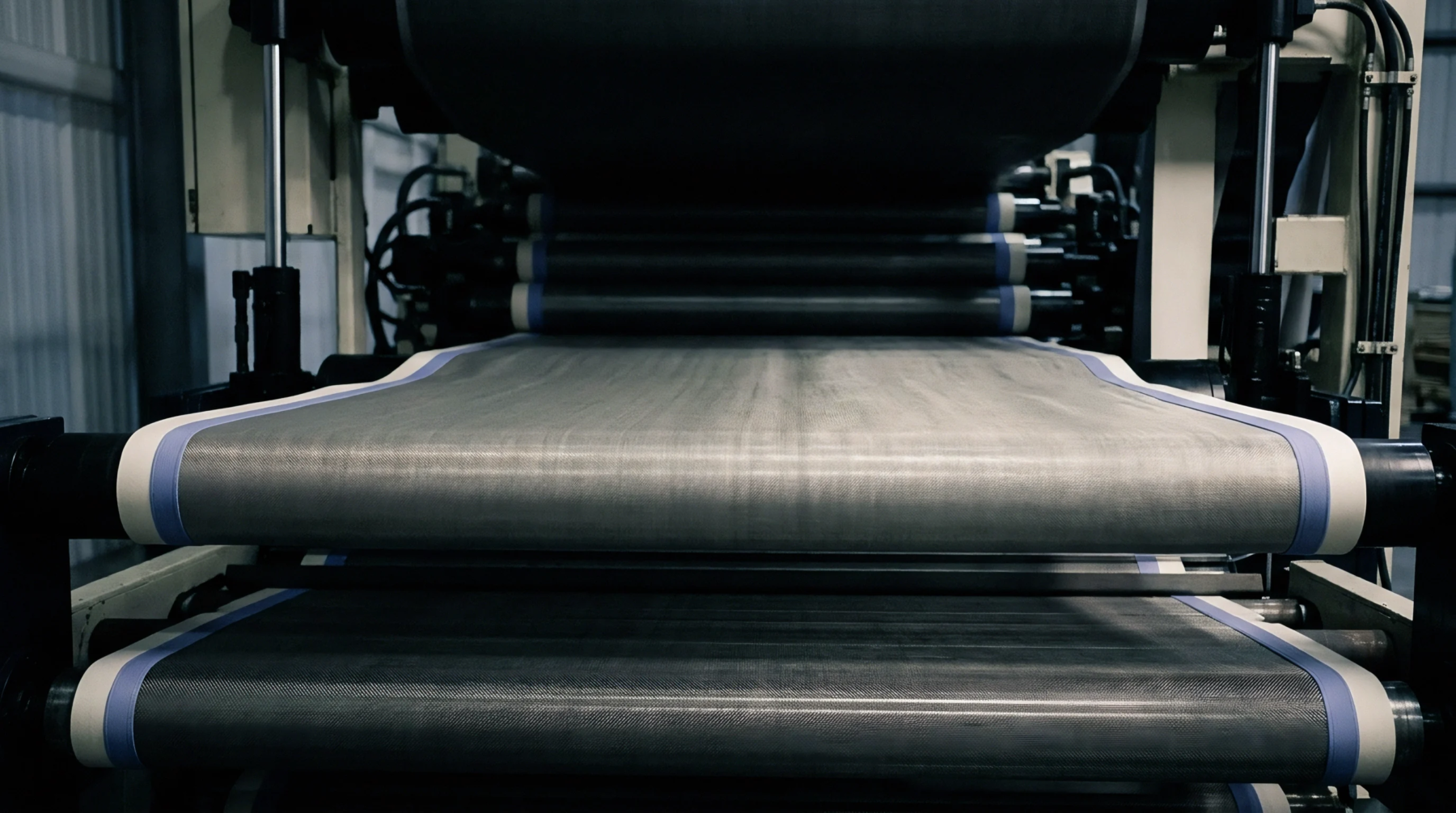
High nip pressures drive polymer matrix shear flow, optimizing mechanical anchoring while risking edge squeeze-out, ink displacement, and board crushing.
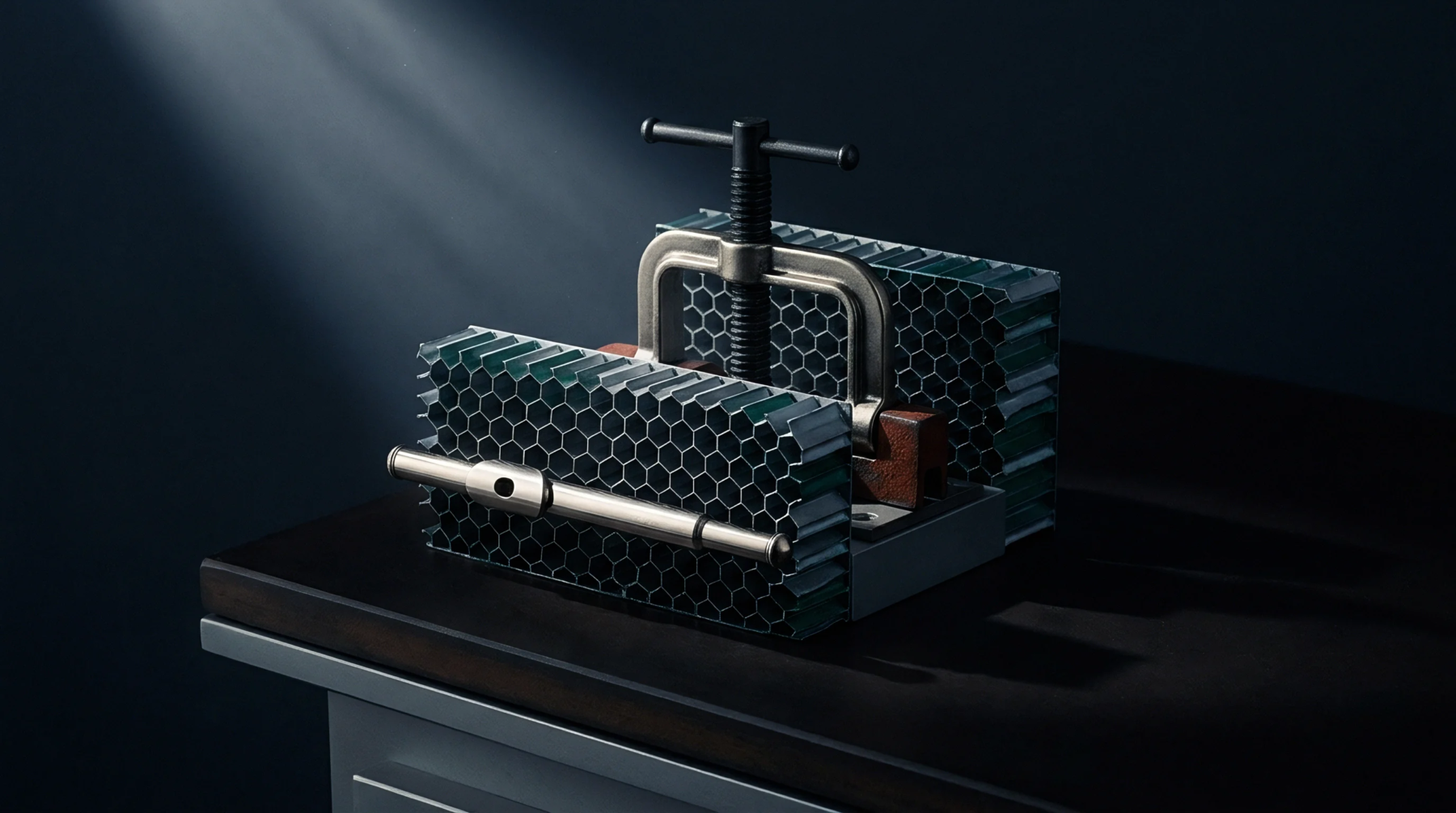
Verify paperboard integrity by pairing short-span compression (ISO 9895) with bending stiffness (ISO 2493) to prevent carton jamming and stack failure.
Dynamic shear delamination within middle plies absorbs scoring impact, preserving surface dispersion barrier continuity during high-speed carton converting.
Expertise is a utility, not a secret. sentiention™ publishes its working knowledge as open reference: intelligence layer covering the materials it sources, the markets it enters, and the reference that serves both.