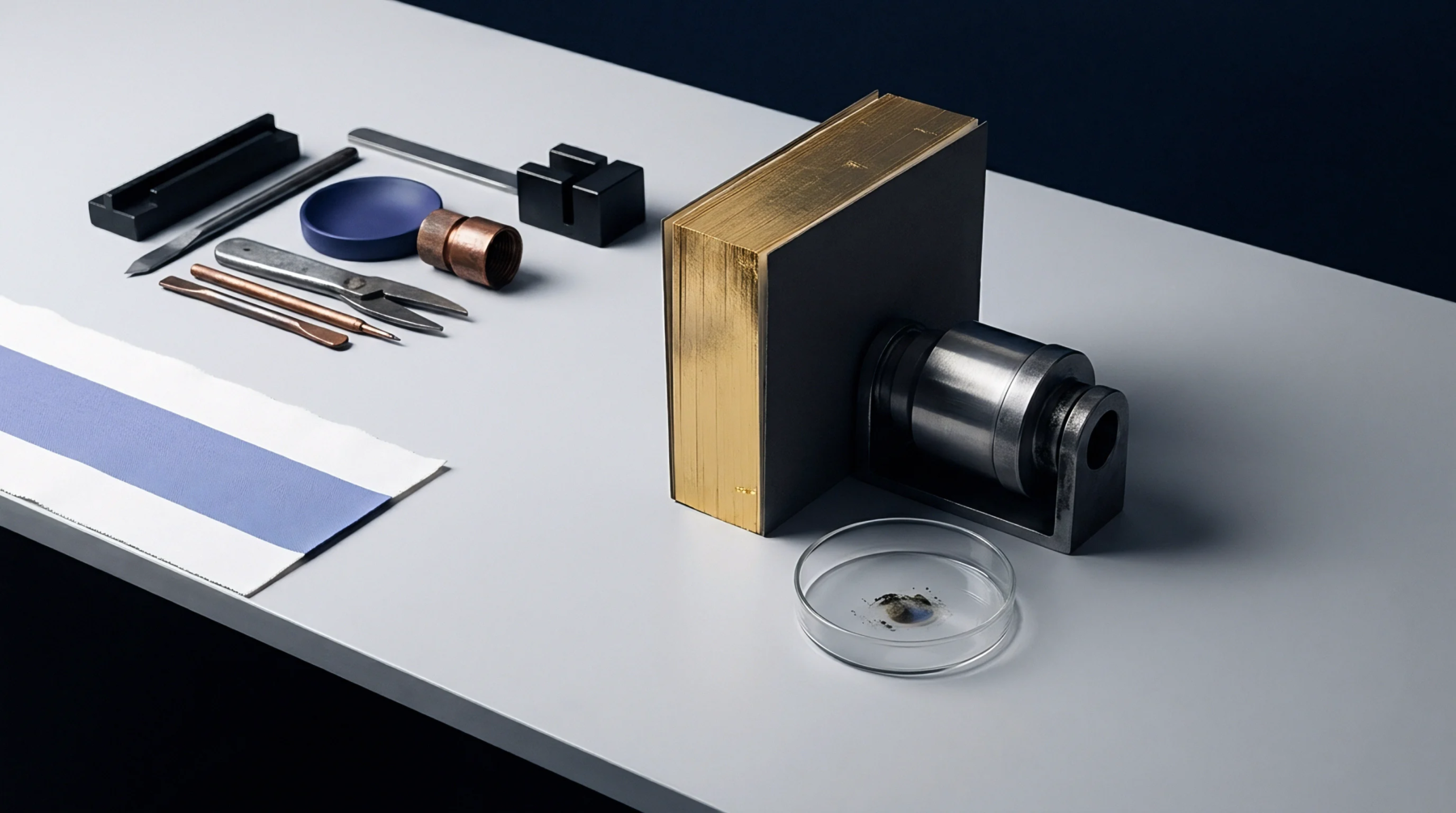
Spot UV against Hot Foil at the Break Even Run Length
Digital spot UV beats hot foil stamping on setup costs below 3,400 B2 sheets at 5% coverage, beyond which low foil area costs surpass high fluid burn.
Digital spot UV beats hot foil stamping on setup costs below 3,400 B2 sheets at 5% coverage, beyond which low foil area costs surpass high fluid burn.
Polypropylene lamination crease failure is prevented by expanding female matrix channel width to one point seven times board caliper plus rule thickness.
Capillary absorption kinetics in lightweight coated virgin papers depend on pigment packing geometry, binder distribution, and sub-micron pore radii.
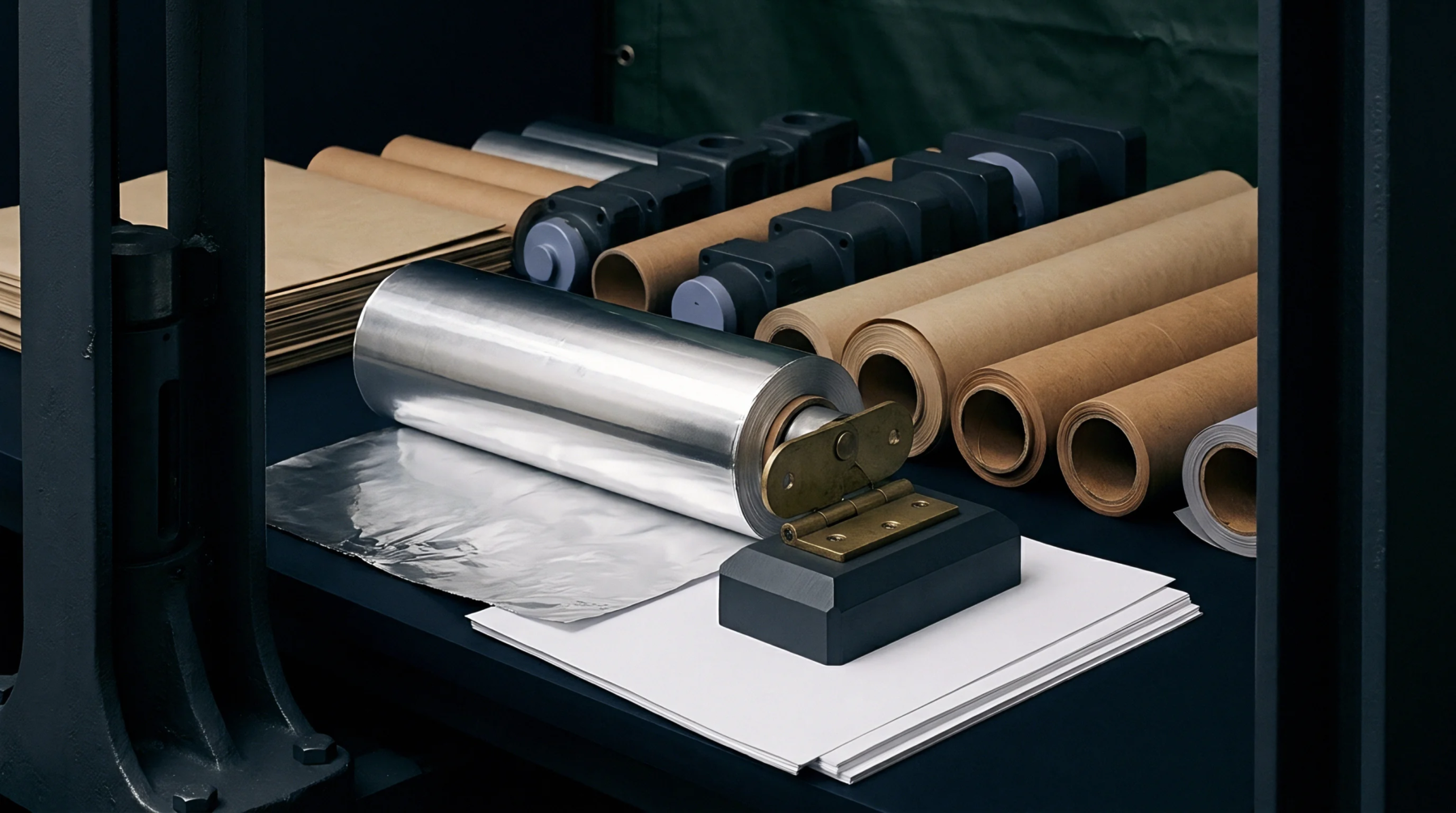
Interfacial peel strength verification in metallized foils mandates ninety-degree fixture isolation to prevent substrate yield and accurately measure metal-polymer bond mechanics.
Crosslinked polyurethane soft touch films crack under cyclic humidity when interfacial shear stress exceeds film yield strength at elevated substrate moisture content.
Mitigate polymer swap risks by pairing ATR-FTIR incoming resin screening with enforceable supplier contracts capping liability to full downstream food loss.
Fluorine-free lipid barriers rely on high polymer crosslinking and pore-free film formation to maintain diffusion resistance above lipid melting points.
Foil adhesion succeeds when polymer film surface energy exceeds forty-two dynes per centimeter and sizing chemistry matches the polar surface component.
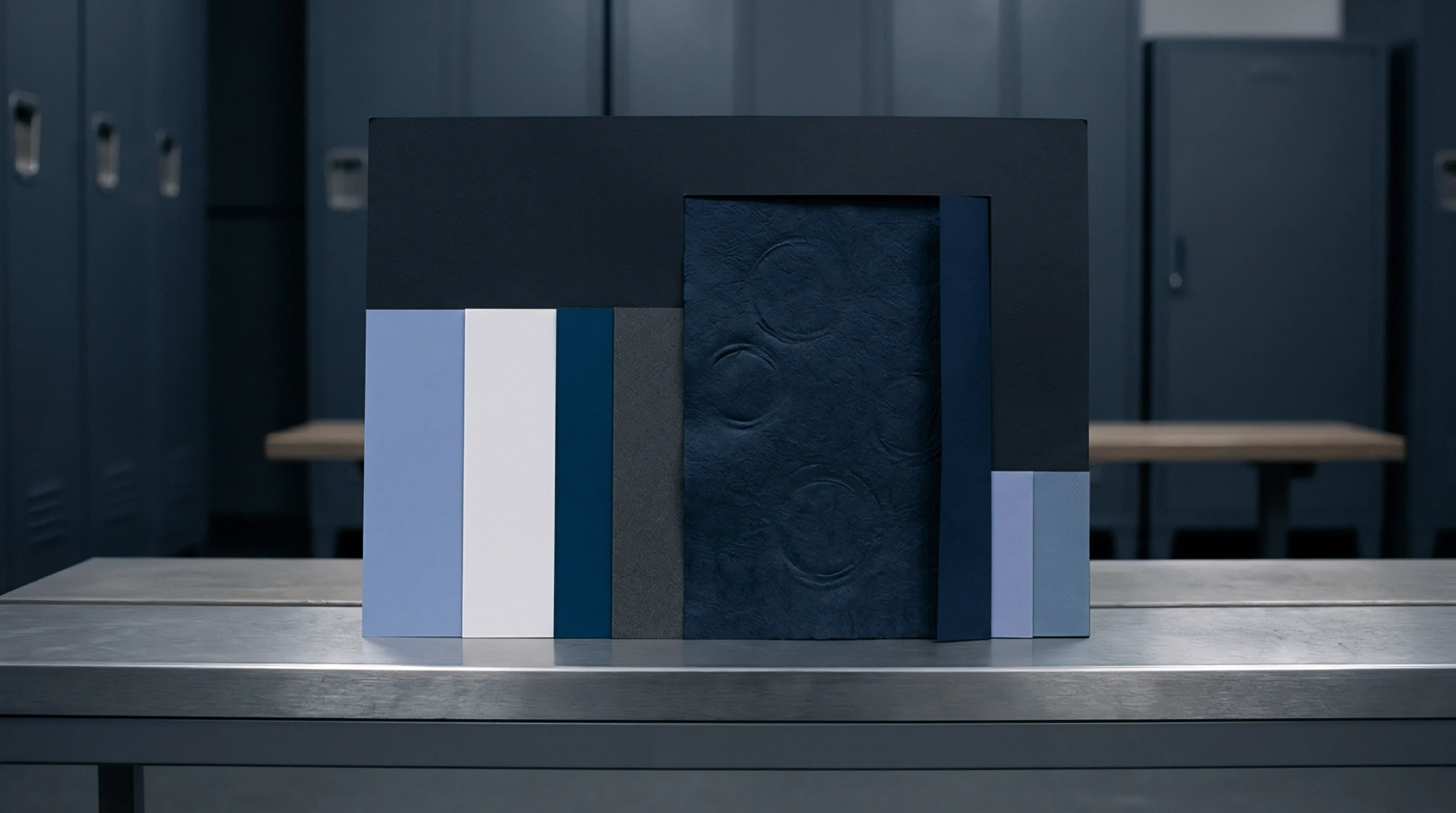
Inline blade coating and soft-nip calendering establish surface uniformity, while targeted finishing passes balance visual embellishment against repulpability.
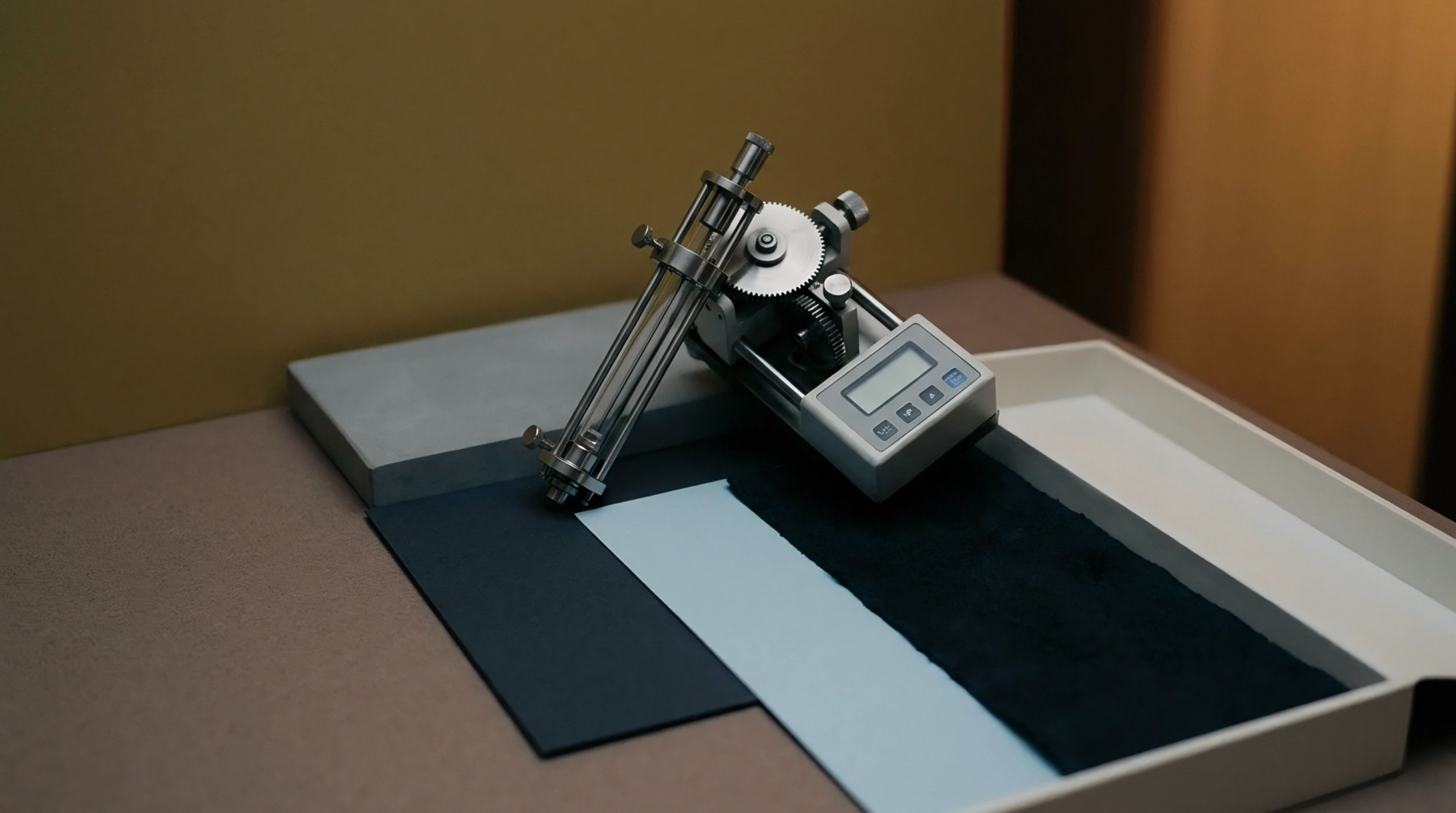
Exceeding polymer viscoelastic shear thresholds under high nip pressure causes molecular chain scission, reducing adhesion and triggering score cracking.
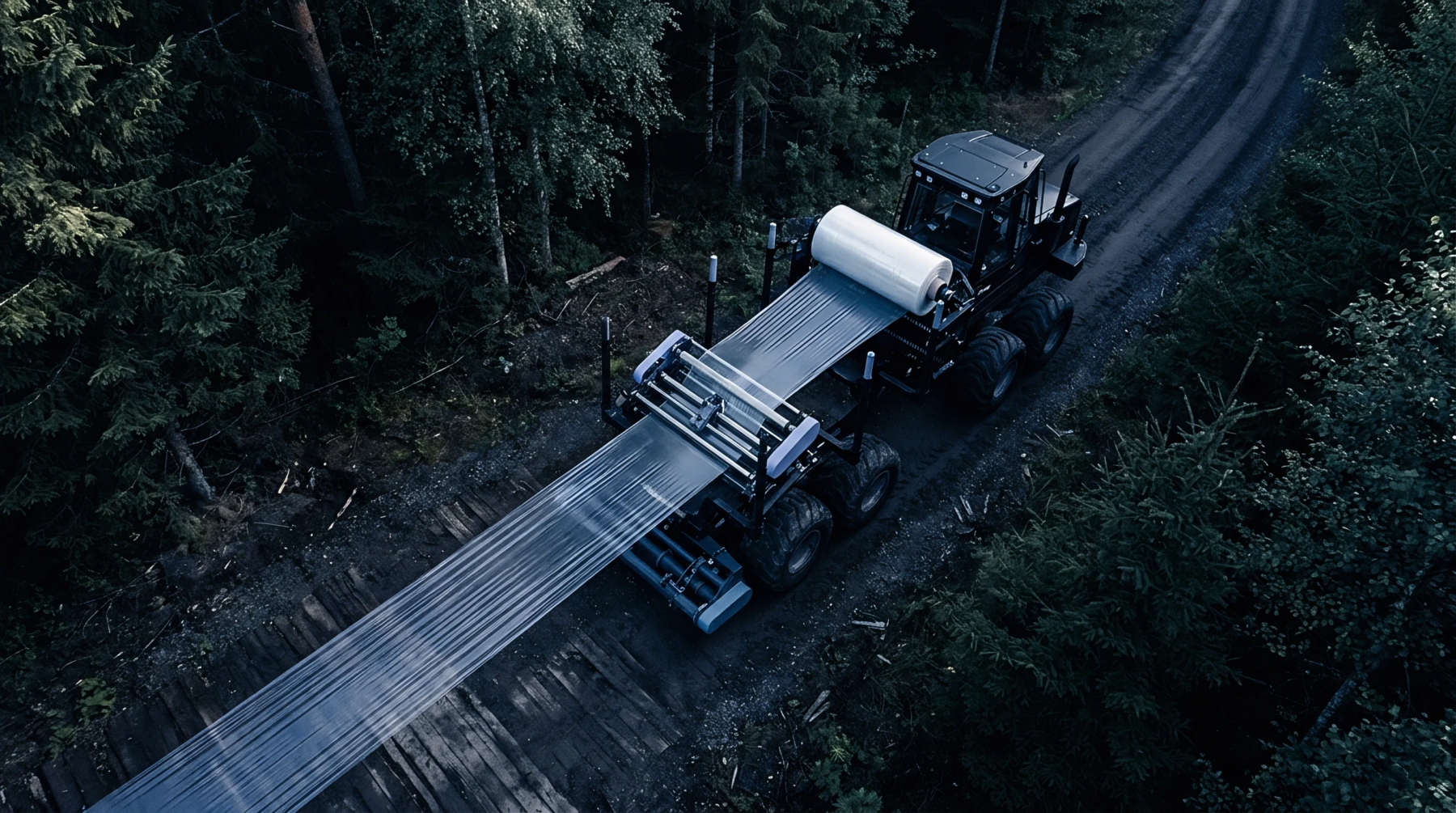
Waterborne dispersion application on folding boxboard requires precise coat weight control, shear-matched viscosity, and staged drying to prevent pinholing.

Polyolefin surface treatment decays via polar group reorientation and slip agent bloom, requiring controlled additive specifications and inline bump corona.
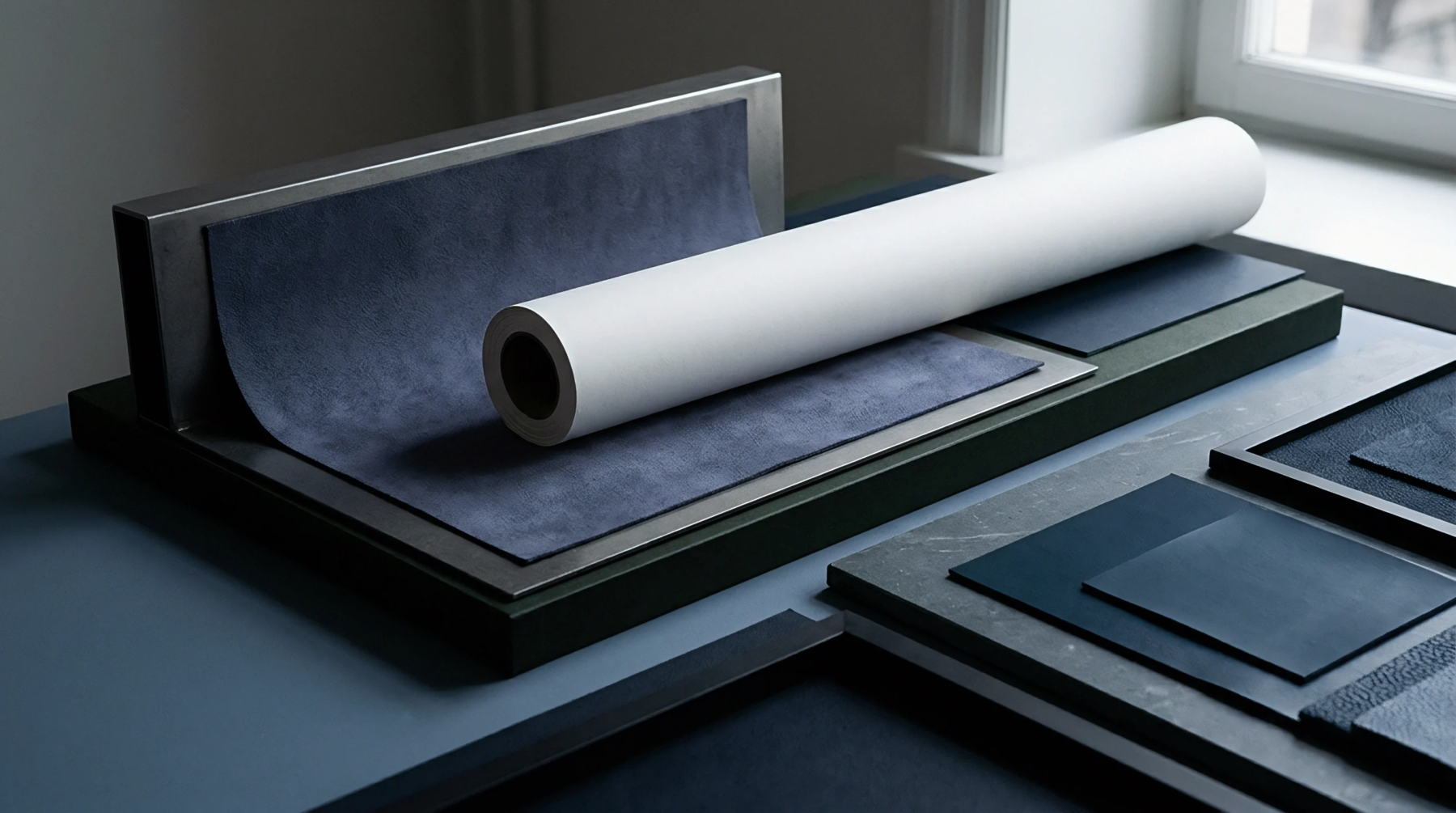
Polyurethane soft-touch films provide superior scratch resistance and score fold integrity compared to BOPP but require higher temperature control and lower web yields.
Interfacial fracture toughness in laminated paperboard depends on substrate z-direction fiber strength, controlled corona energy, and scoreline strain management.
Polycarbonate polyurethane adhesives provide high fatigue limits and moisture resistance in barrier laminates by eliminating hydrolytic cleavage.
Friction cycles mechanically strip oxidized surface layers and accelerate polar group reorientation, causing rapid dyne loss across polyolefin films.
Boundary lubricant depletion during high-speed packaging stems from mechanical wiping exceeding diffusion replenishment, demanding non-migratory slip selection.

Process capability analysis for barrier laminates requires transforming non-normal permeation data before calculating Cpk to prevent latent containment failures.
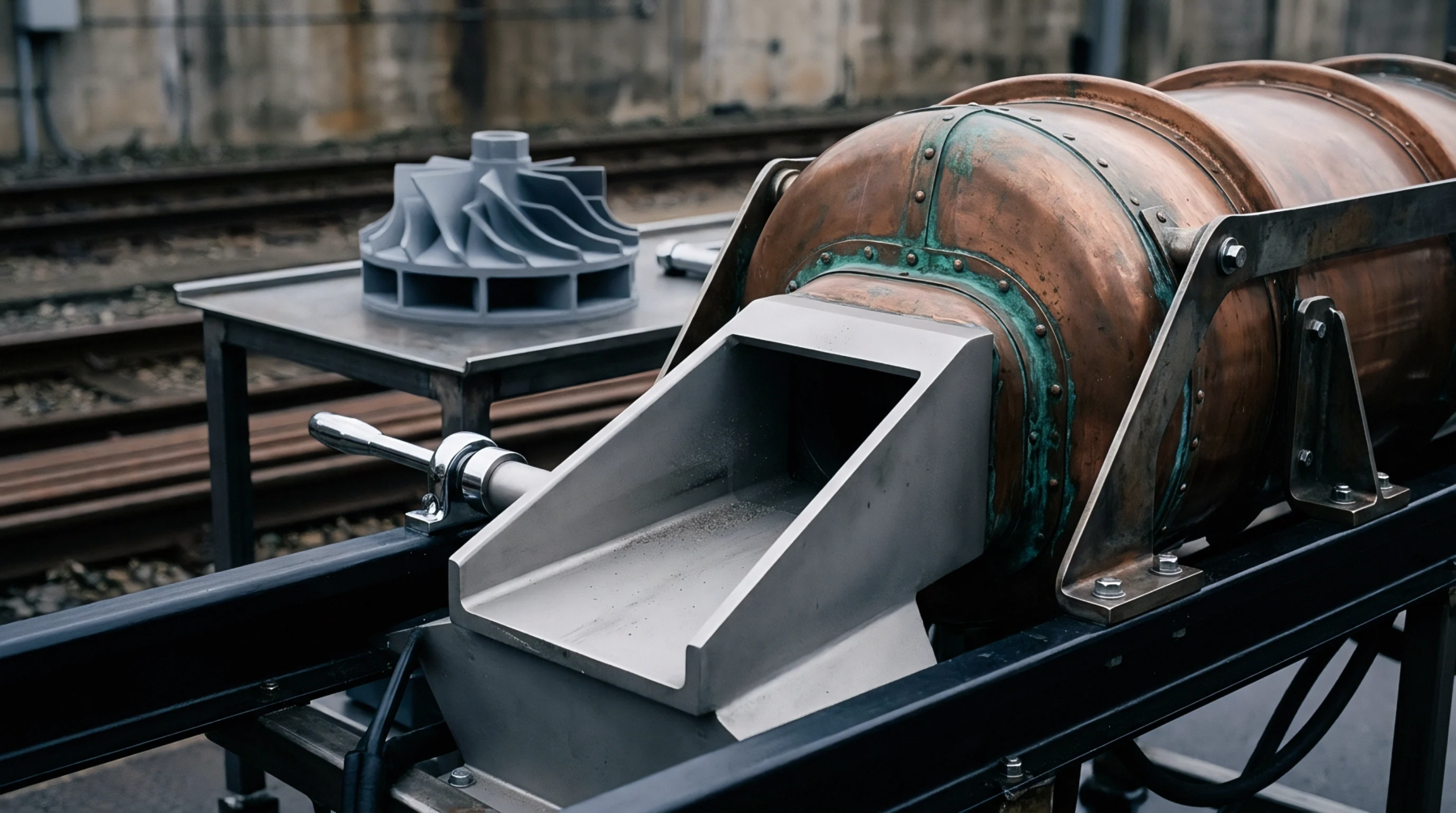
Dynamic surfactant competition at 1-3 ms surface ages governs air entrainment boundaries in curtain heels operating above 1,200 metres per minute.
Dynamic soft segment mobility drives thermal hydrophobic recovery in extruded TPU, demanding roll core cooling below 30°C to avert lamination failure.
Quantify metal-to-polymer adhesion using ASTM F904 peel testing with EAA backing, targeting values above 60 N/m to ensure barrier stability during converting.
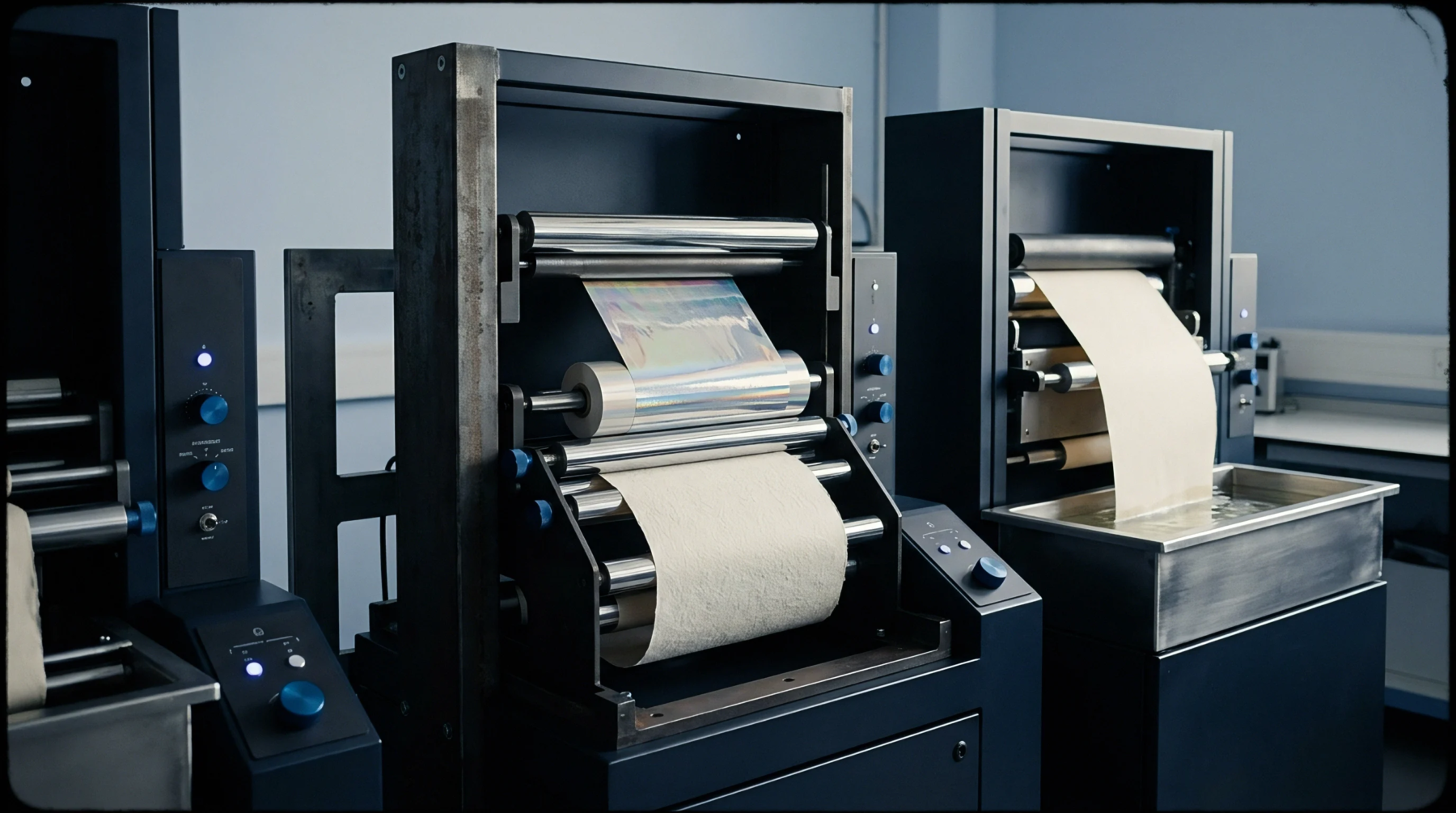
Polyurethane soft-touch laminates fail above 115 degrees Celsius and 18 kilonewtons of line pressure, causing matte collapse, score cracking, and scuffing.
Standardized liquid penetration testing requires matching dynamic bench exposure times to press dwell durations to accurately predict coating performance.
Digital spot varnish stability requires substrates above 38 mN/m and rapid LED pinning to lock 60-micron profiles without capillary spread or score cracking.

Mitigate interfacial shear cracking by balancing UV curing kinetics, limiting acrylic volumetric shrinkage, and maintaining substrate surface tension past 42 mN/m.
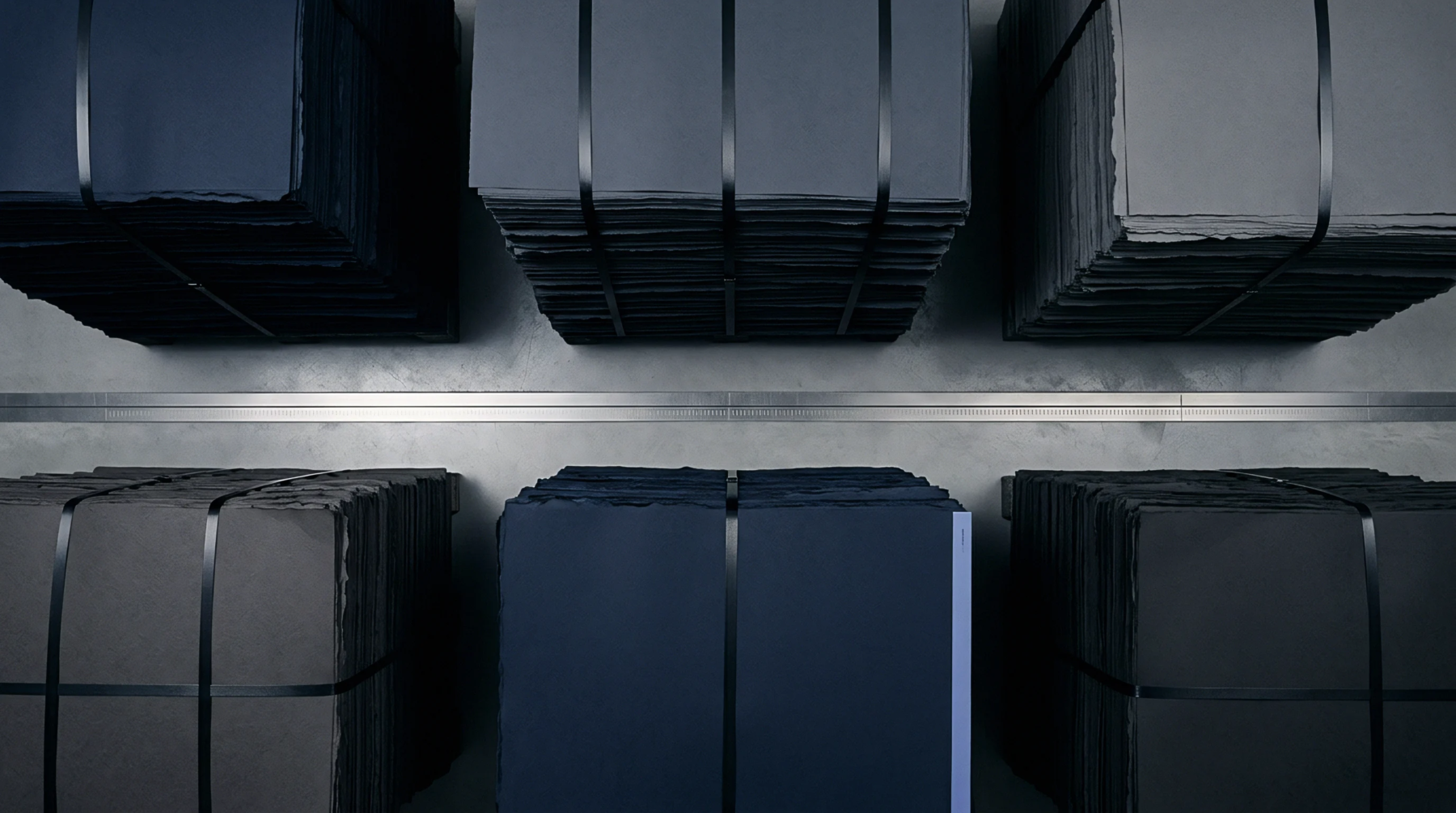
Corona decay on BOPP stems from hydrophobic chain turnover and slip additive blooming, requiring forty dynes or in-line re-treatment to prevent bond failure.
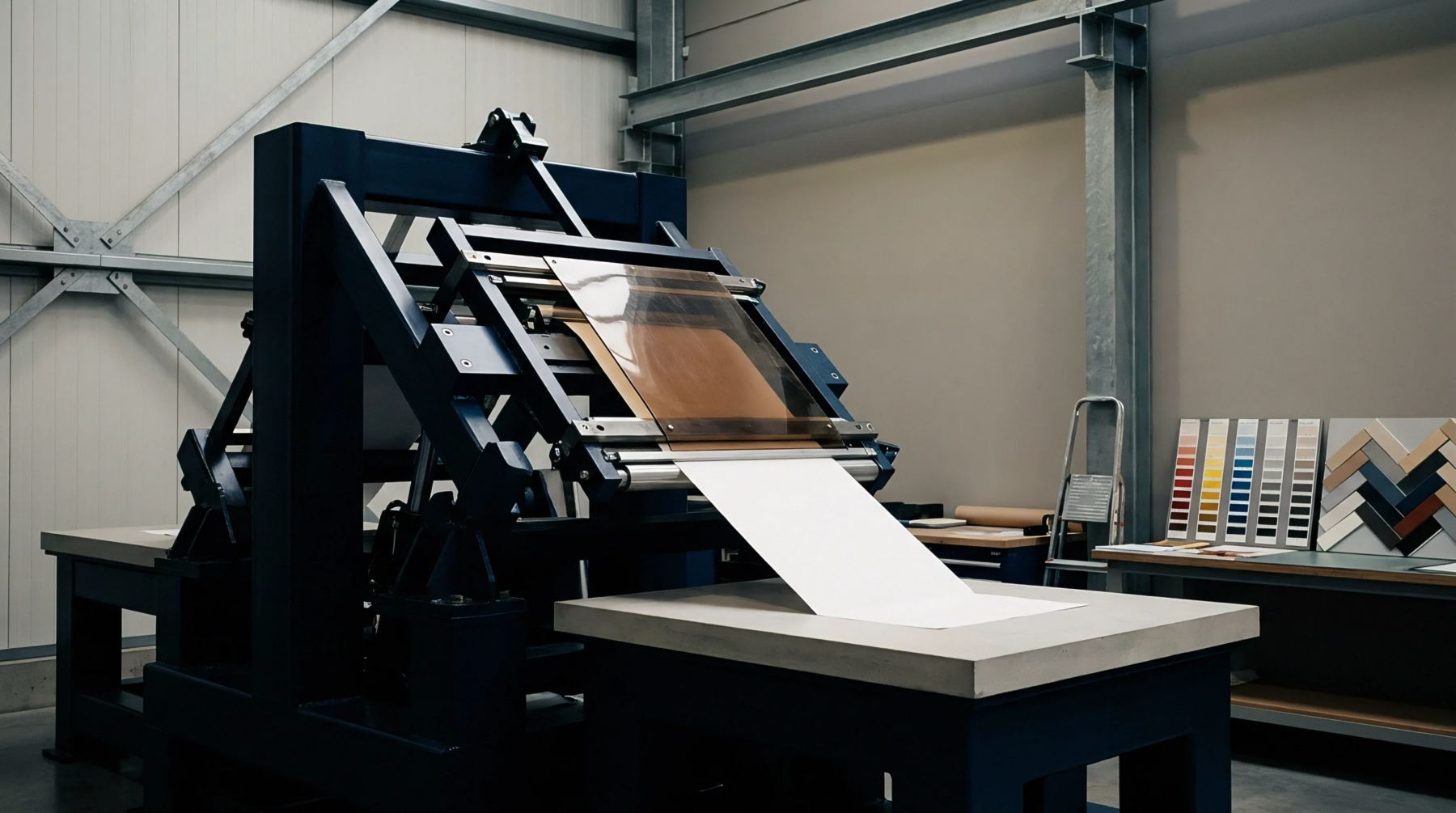
Optimize acrylic coating friction by balancing micronized wax size, surface energy above 38 dynes, and drop points over 100°C for transit and converting stability.
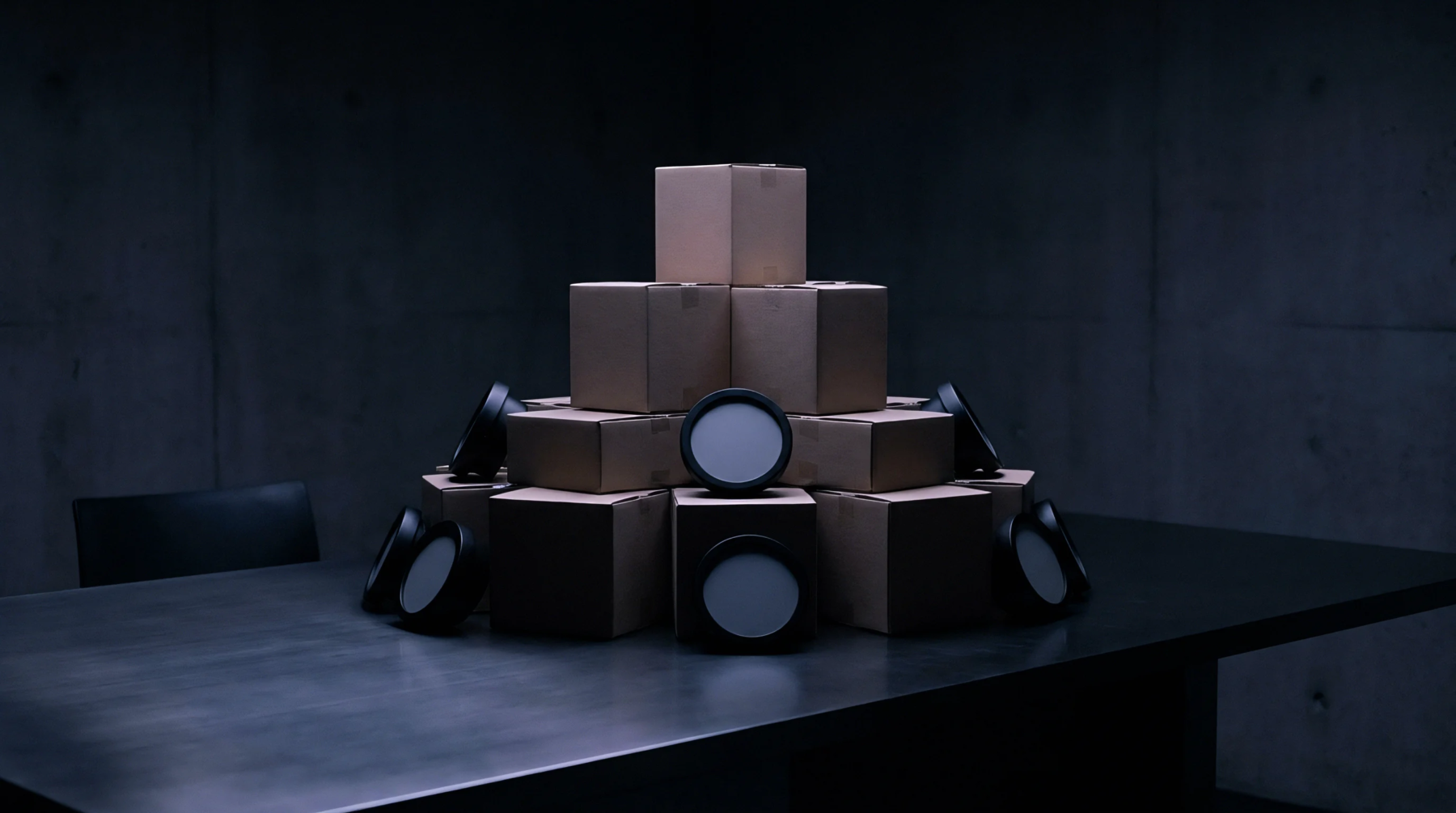
Water based dispersion coatings replace extruded plastics on cartons by balancing polymer chemistry, coat weight, drying capacity, and fiber repulpability.
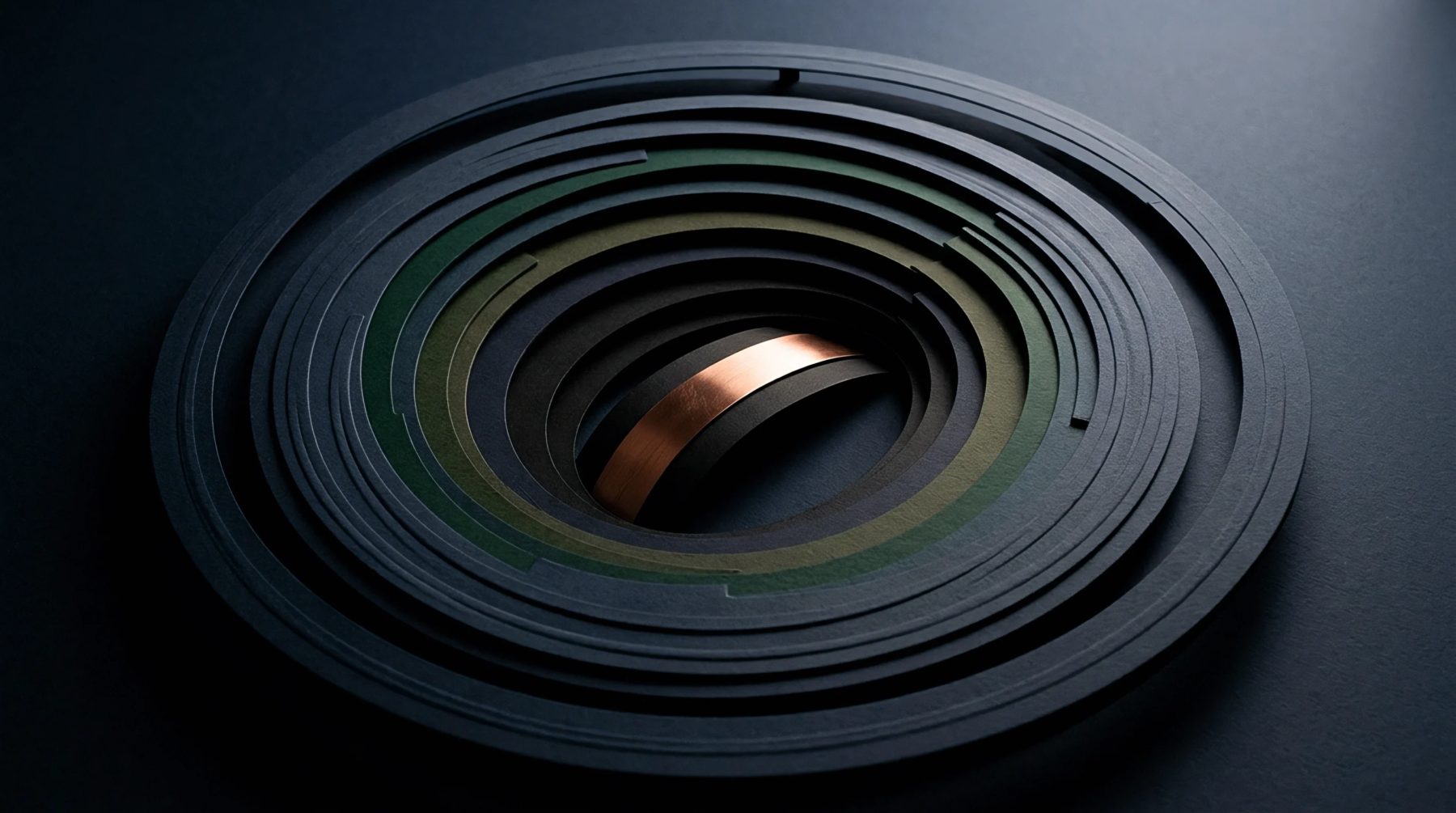
Abrasion sheen loss in coated cartonboard is quantified by measuring sixty-degree delta gloss after standardized contact-rub cycles under ASTM D5264.
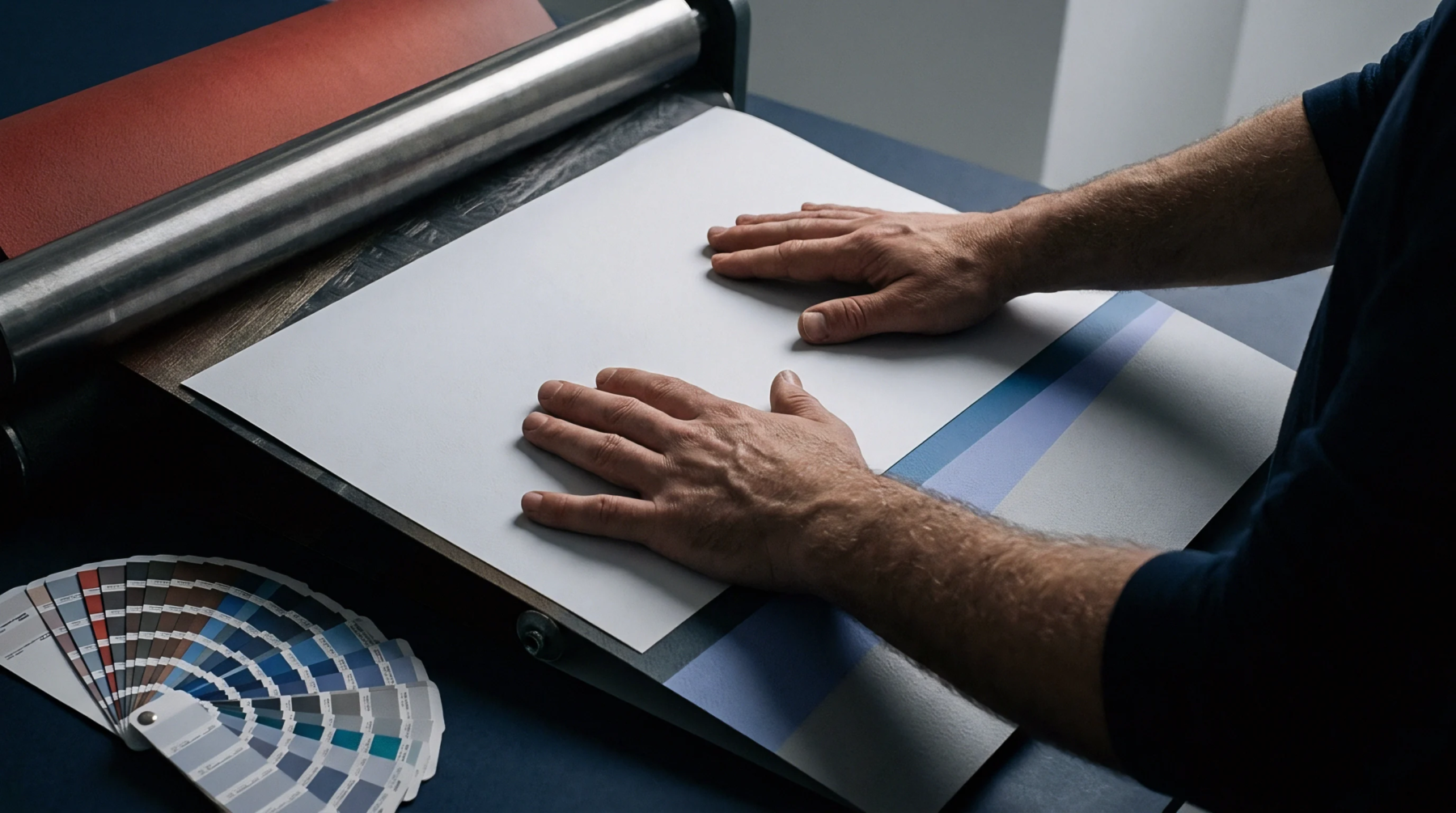
Managing hygroexpansion in multi-pass laminating requires balancing substrate moisture, tension, and barrier symmetry to stop curl and register failures.
Expertise is a utility, not a secret. sentiention™ publishes its working knowledge as open reference: intelligence layer covering the materials it sources, the markets it enters, and the reference that serves both.