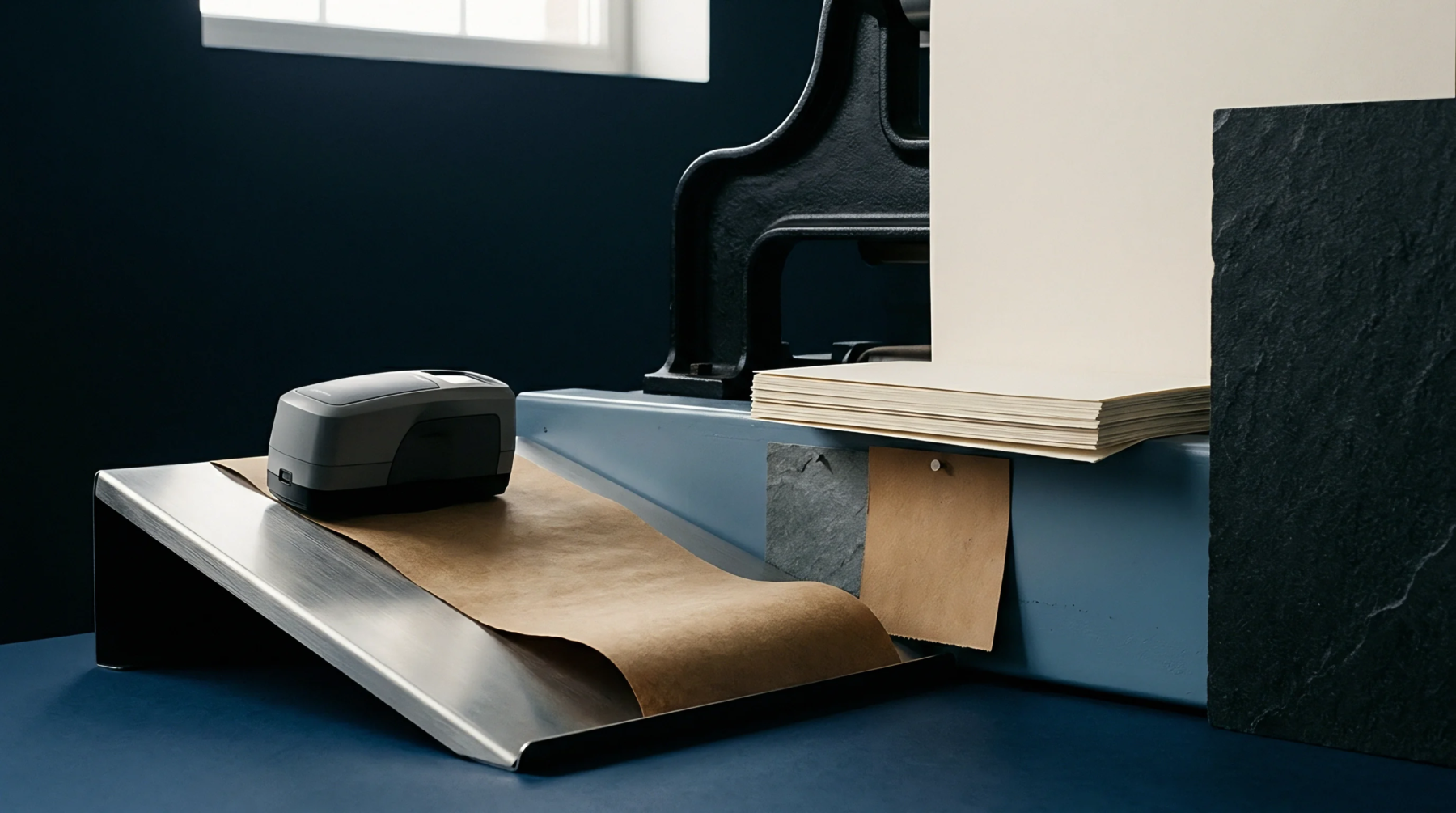
Ink Holdout and Dot Gain When a Stock Changes Grade
Changing stock grades alters micro-porosity and light scattering, shifting ink holdout and dot gain, requiring immediate press curve and ink film adjustments.
Changing stock grades alters micro-porosity and light scattering, shifting ink holdout and dot gain, requiring immediate press curve and ink film adjustments.
Laser triangulation delivers uncompressed 3D areal topography data, isolating micro-roughness and void volumes that drive print quality across coated boxboard.

Dynamic contact angle relaxation rates dictate air entrainment and streak defect thresholds in high speed blade coating systems operating above 1200 m/min.

Virgin solid bleached sulfate delivers superior score integrity and brightness, while recycled board reduces raw material expenditure when stiffness targets allow.

Characterizing porous absorption in recycled paper requires measuring dynamic capillary wicking and pore size distribution to control ink set times and glue bonds.

Dynamic impression squeeze on porous recycled testliner forces lateral ink spread, requiring prepress Yule-Nielsen n-factor recalibration to prevent gain.

Dynamic fluid transport in lightweight coated sheets shifts from inertial to capillary control within milliseconds, demanding balanced pore throat sizing.
Retain board bulk and bending stiffness by applying surface moisture gradients to lower outer ply glass transition temperatures before soft nip compression.
Recycled fiber surface peaks exceed thin polymer melt curtains, creating pinholes that require pre-coating or heavier resin laydown for barrier continuity.

Verify tone value increase across offset papers by combining ISO 13655 M1 spectrophotometry with substrate-specific target curves and CTP plate linearization.
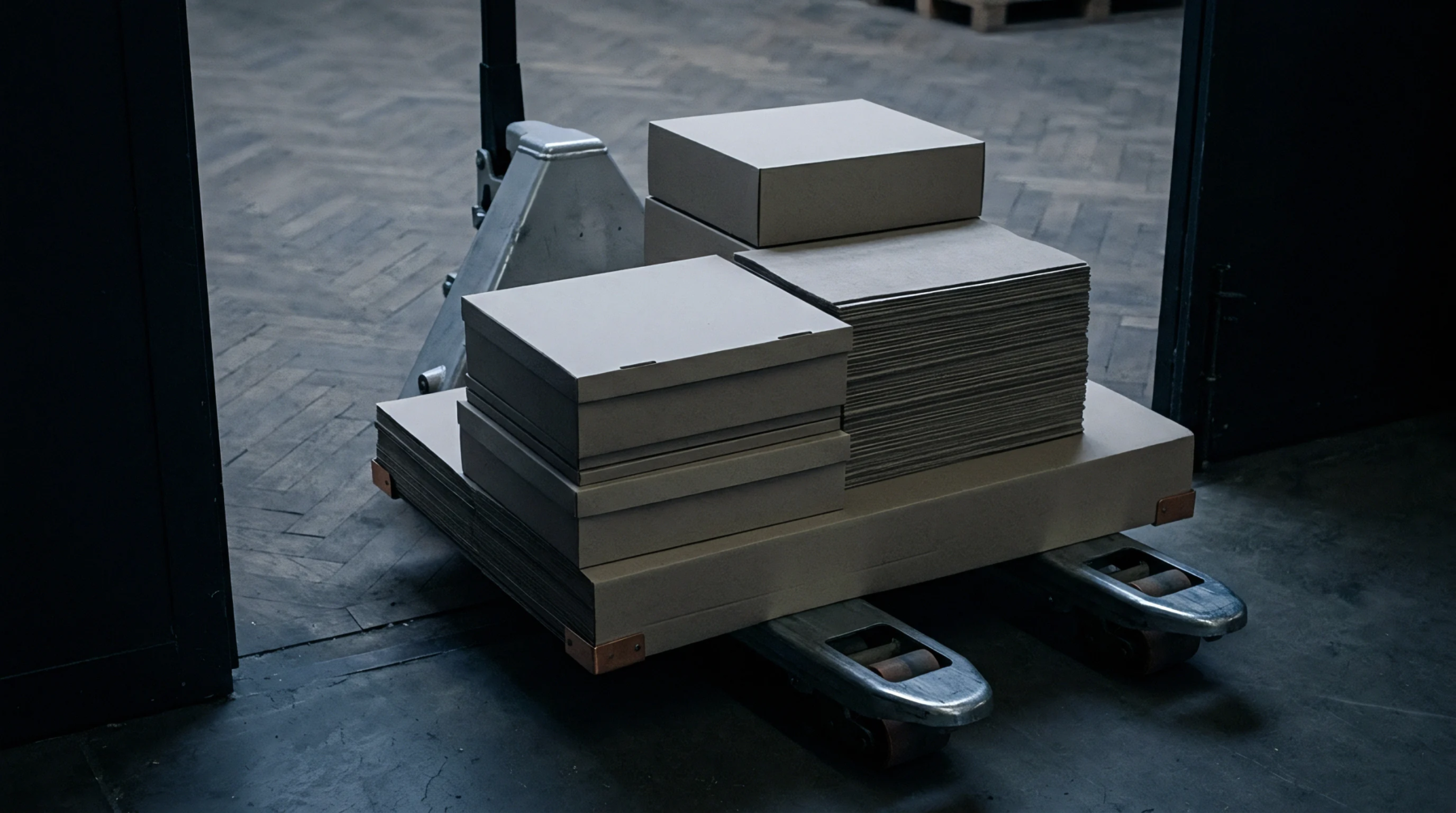
Selecting paperboard caliper and bulk requires balancing furnish density against flexural rigidity to maximize blank yield and carton compression strength.

Dynamic fluid intrusion kinetics in recycled substrates dictate spatial print mottle through hornified pore tortuosity and uneven capillary pressure gradients.

Formulating paper coatings above seventy percent solids triggers dilatant shear jamming, inducing blade streaks that ruin printing runnability.
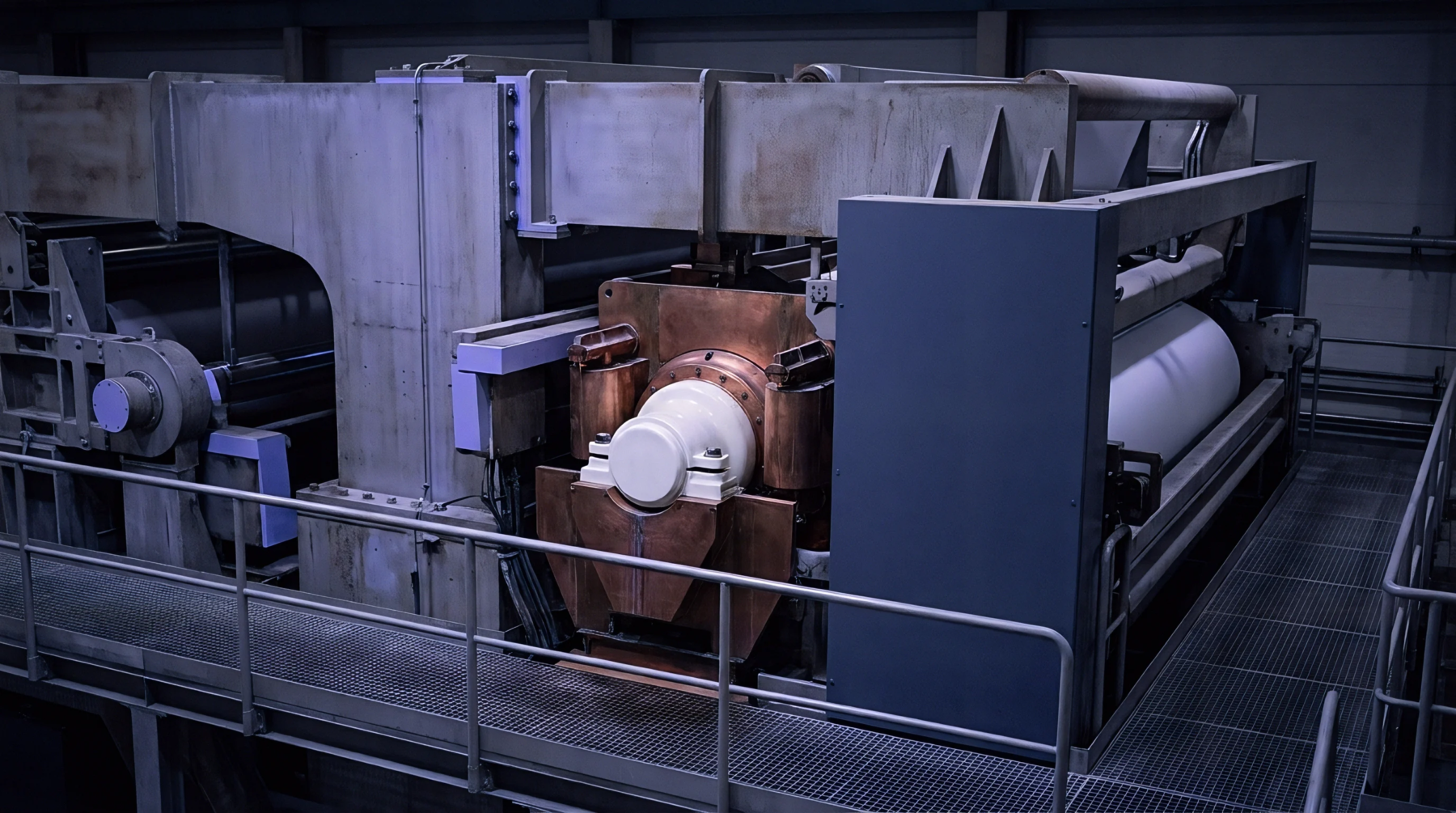
Temperature gradient calendering preserves FBB mechanical bulk by softening surface fibres while keeping core BCTMP below glass transition to protect stiffness.

Air leak testing measures functional board compressibility under print impression, while optical triangulation isolates non-contact geometrical surface defects.
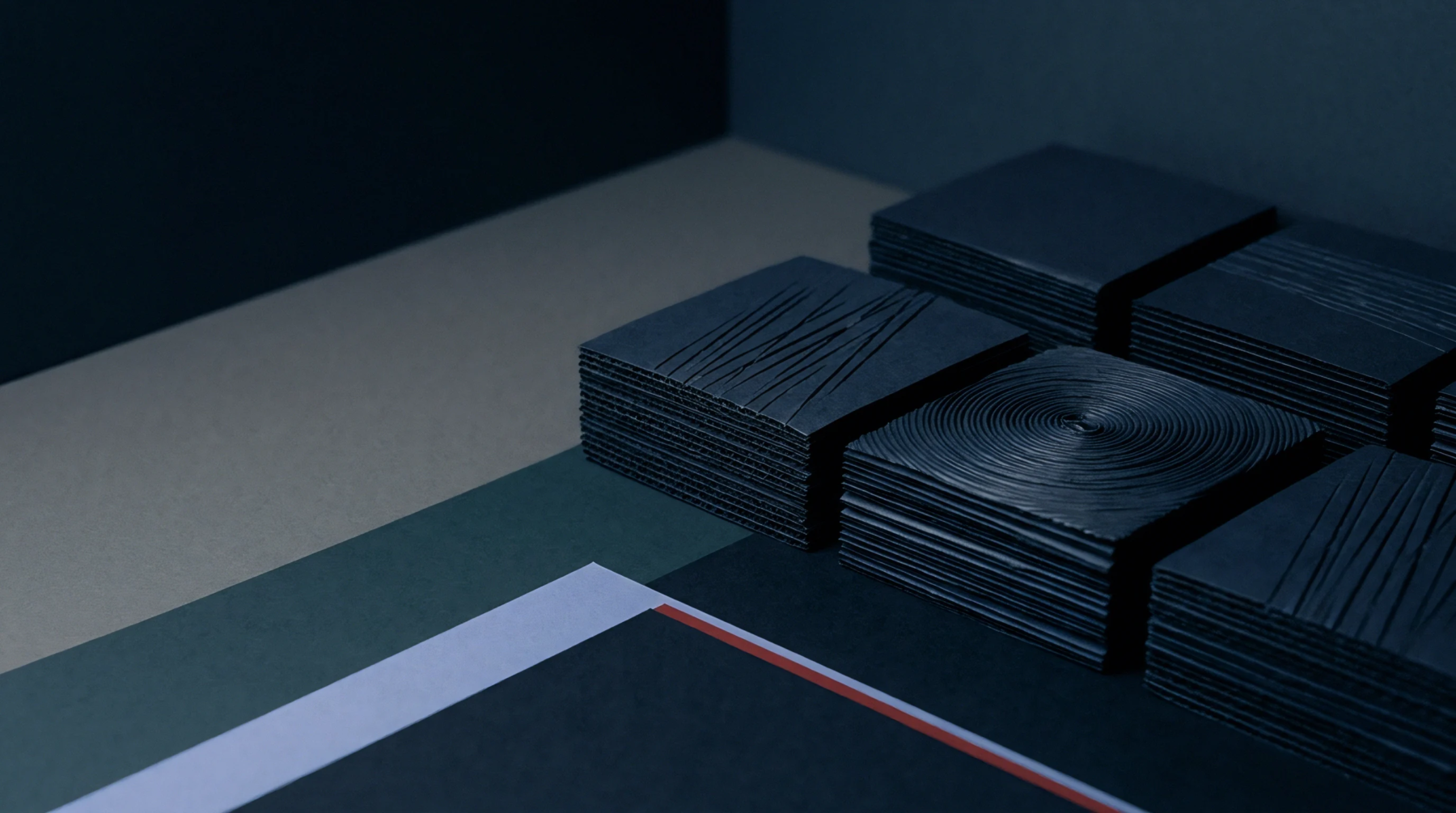
Subsurface scattering deconvolution isolates true paperboard topography from photon diffusion artifacts to protect sheet bulk and gravure print fidelity.
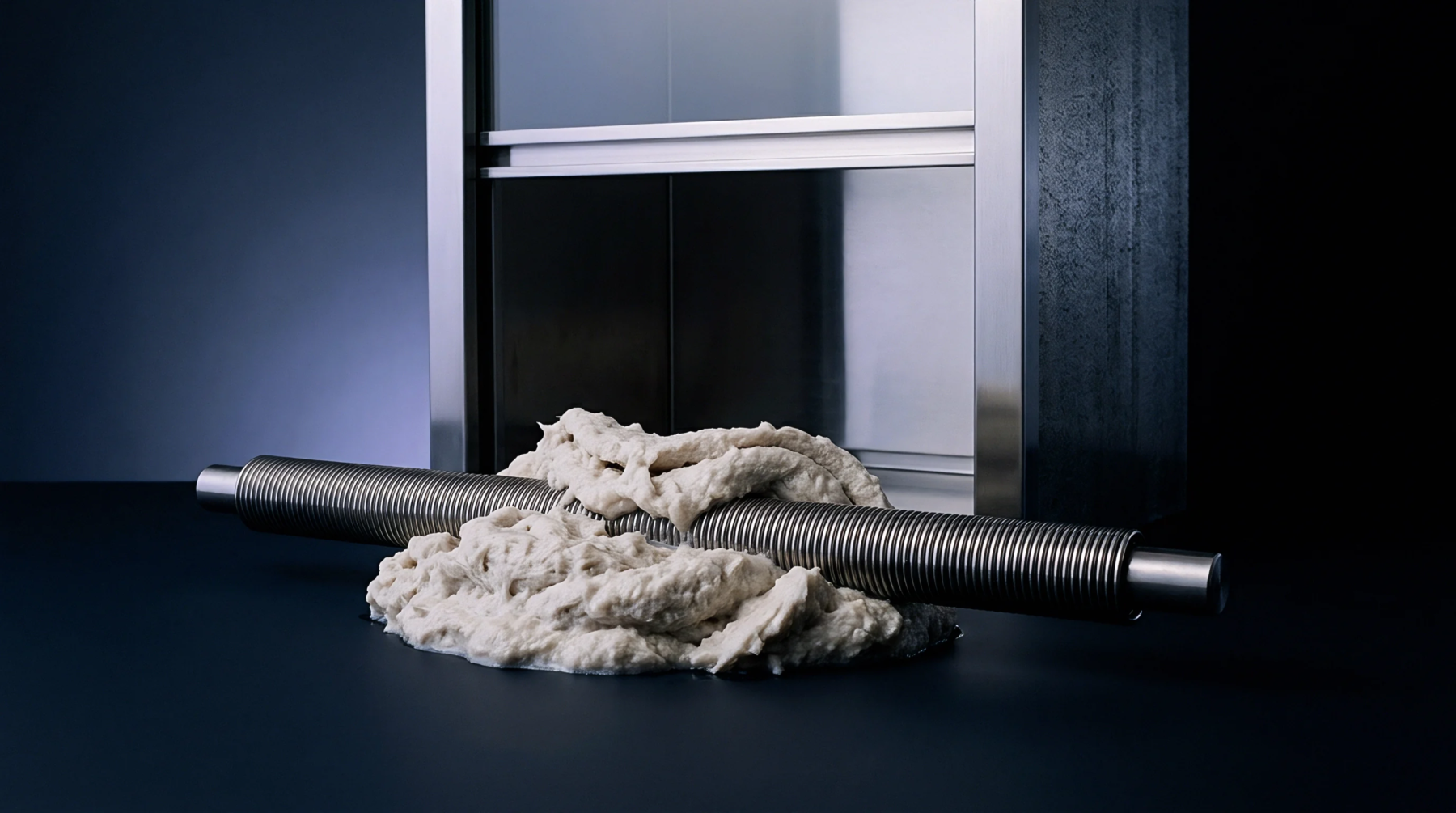
Maintain overprint varnish circulation velocity above 0.8 m/s with yield stress over 0.5 Pa to prevent silica dropout, cell plugging, and gloss drift.

Mineral pigment shape and pore distribution control ink setting, fiber coverage, and converting runnability, fixing real delivered costs per thousand sheets.
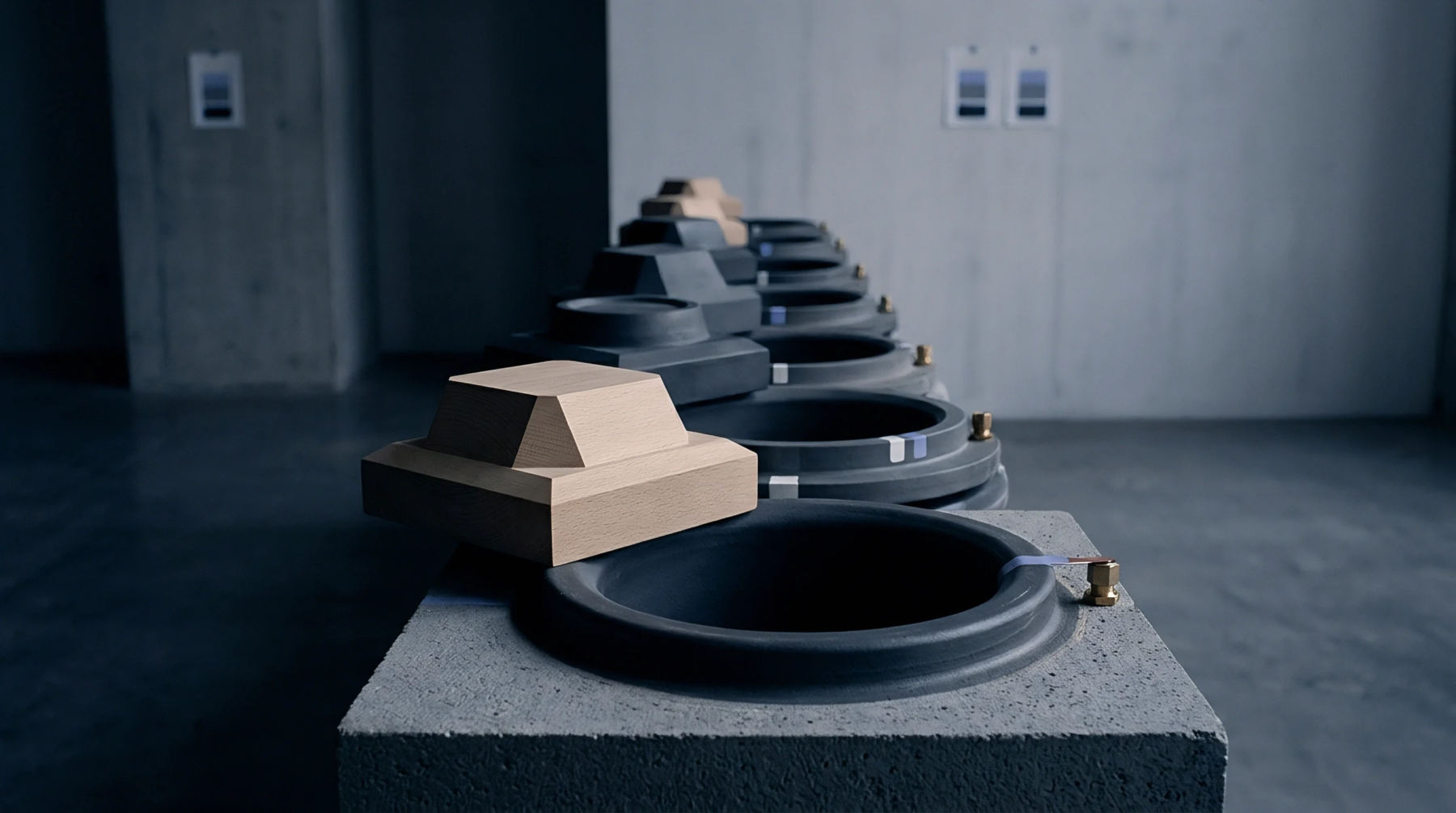
Statistical sampling of folding boxboard applies ISO 2859-1 attribute limits and ISO 3951-1 variable k-factors to verify stiffness, caliper, and purity.
Core bulk preservation requires extending nip dwell and heating surfaces to smooth outer plies while keeping central mechanical fibres below glass transition.
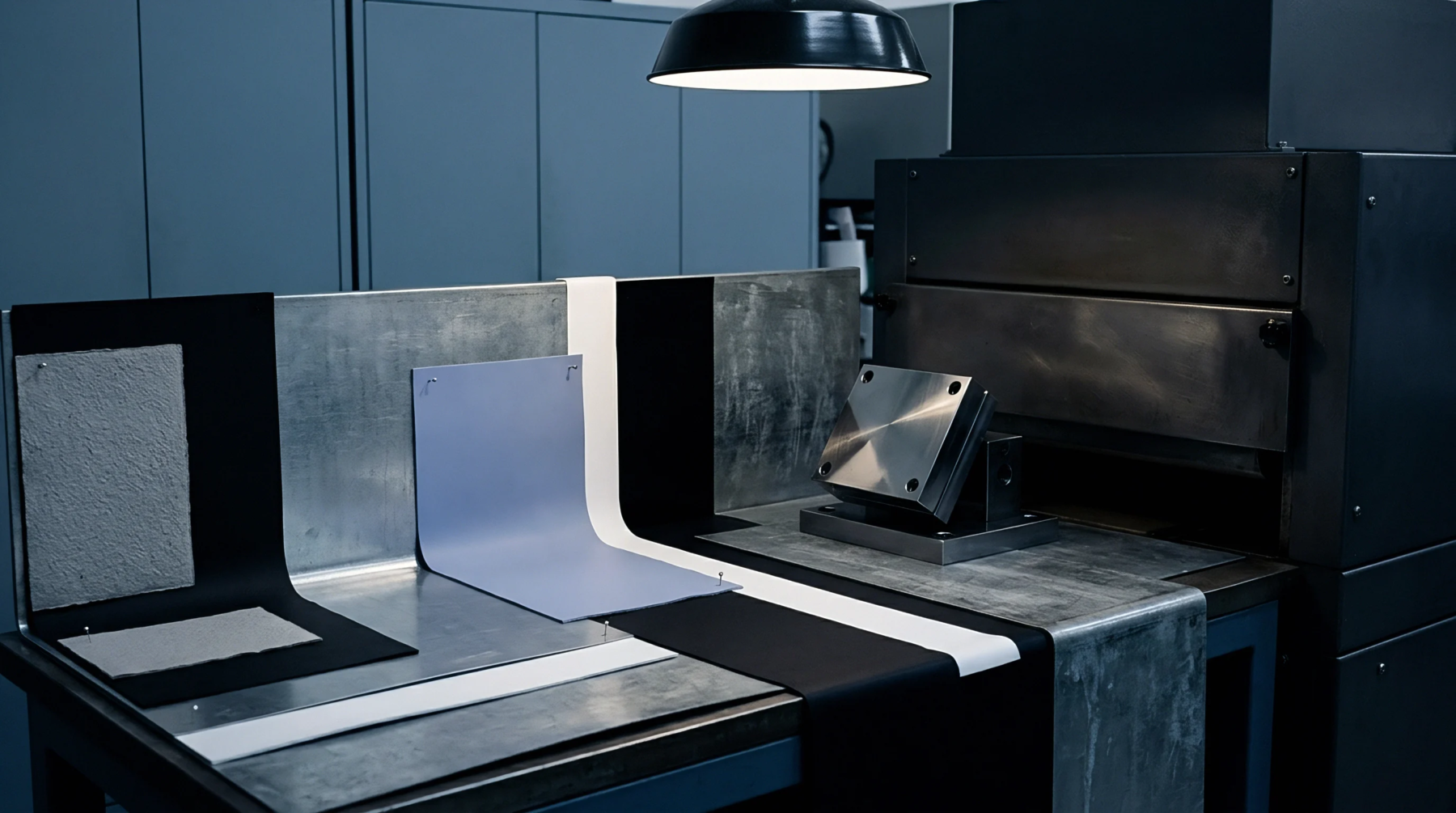
Surfactant relaxation kinetics govern blade coater wetting defects: rapid non-equilibrium surface tension decay under five milliseconds prevents air entrainment.

Sub-millisecond dynamic surface tension governs blade coater wetting, where slow surfactant diffusion causes micro-skips, blade bleed, and print defects.

Air-leak roughness testers hide deep micro-voids; optical areal void mapping predicts ink transfer, missing dots, and board bulk retention.

Inline laser profilometry measures uncompressed coated paper web topography at line speed, requiring dynamic optical filtering and digital contact modeling to predict finished print performance.
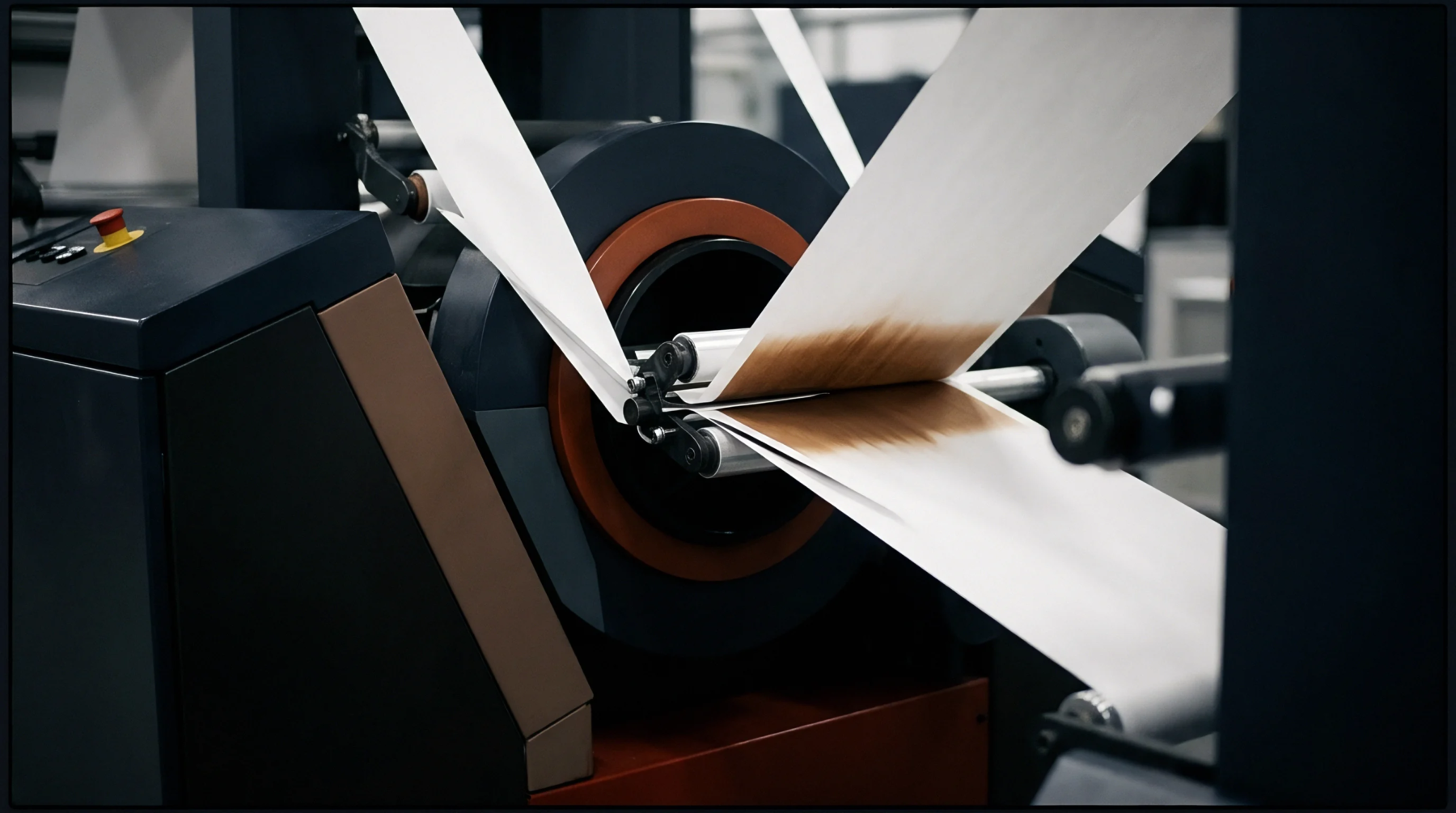
Dynamic phase modulation suppresses laser speckle noise to enable sub-micron surface topography profiling on paperboard webs at speeds over 1000 m/min.

Non-contact dual-wavelength phase modulation profilometry measures true fibre web topography at high web speeds when synthetic wavelengths exceed local surface step heights.
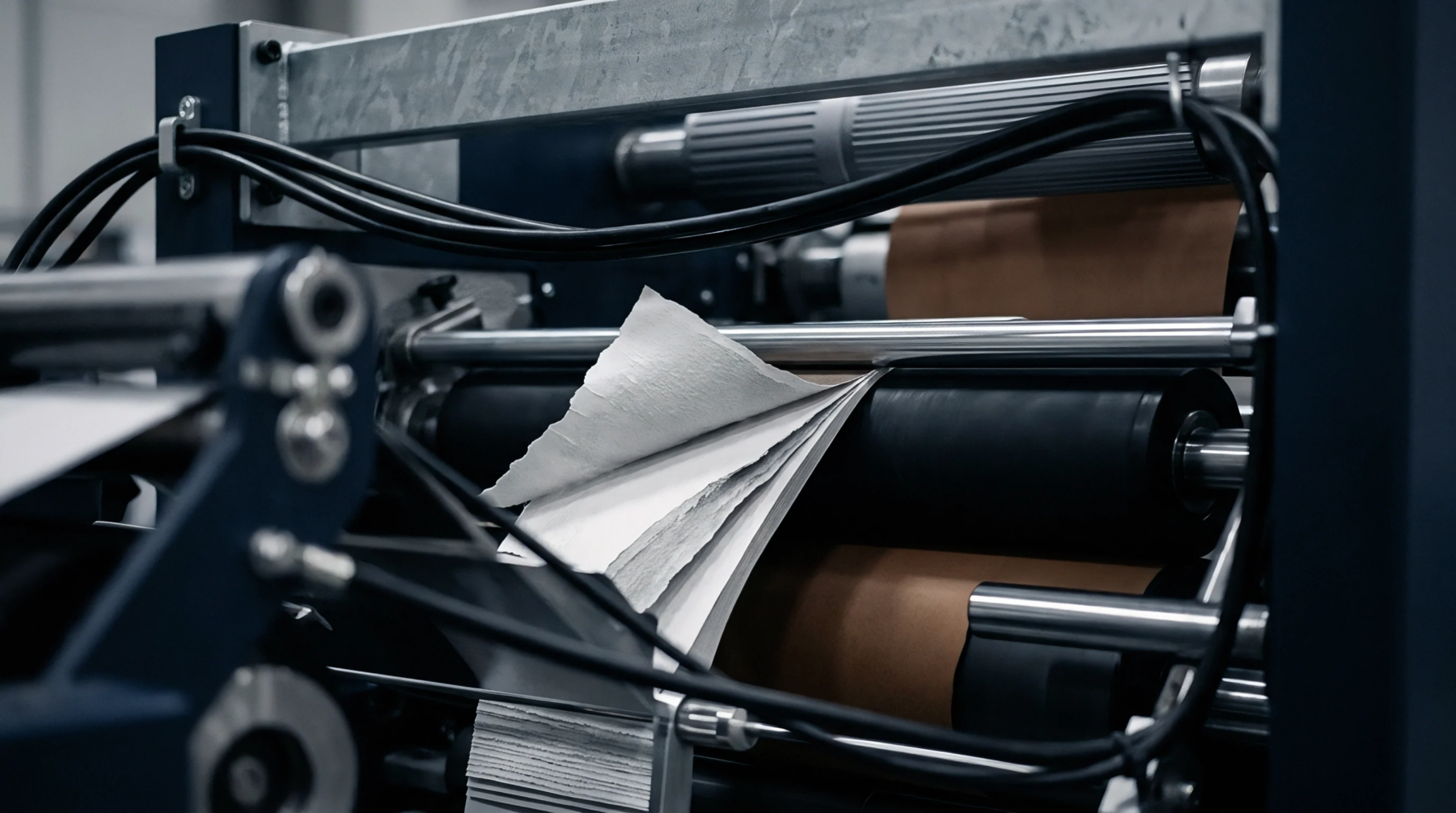
Tuning middle-ply CTMP density between 0.45 and 0.55 g/cm³ balances board flexural rigidity against vacuum porosity to prevent converting feeder misfeeds.
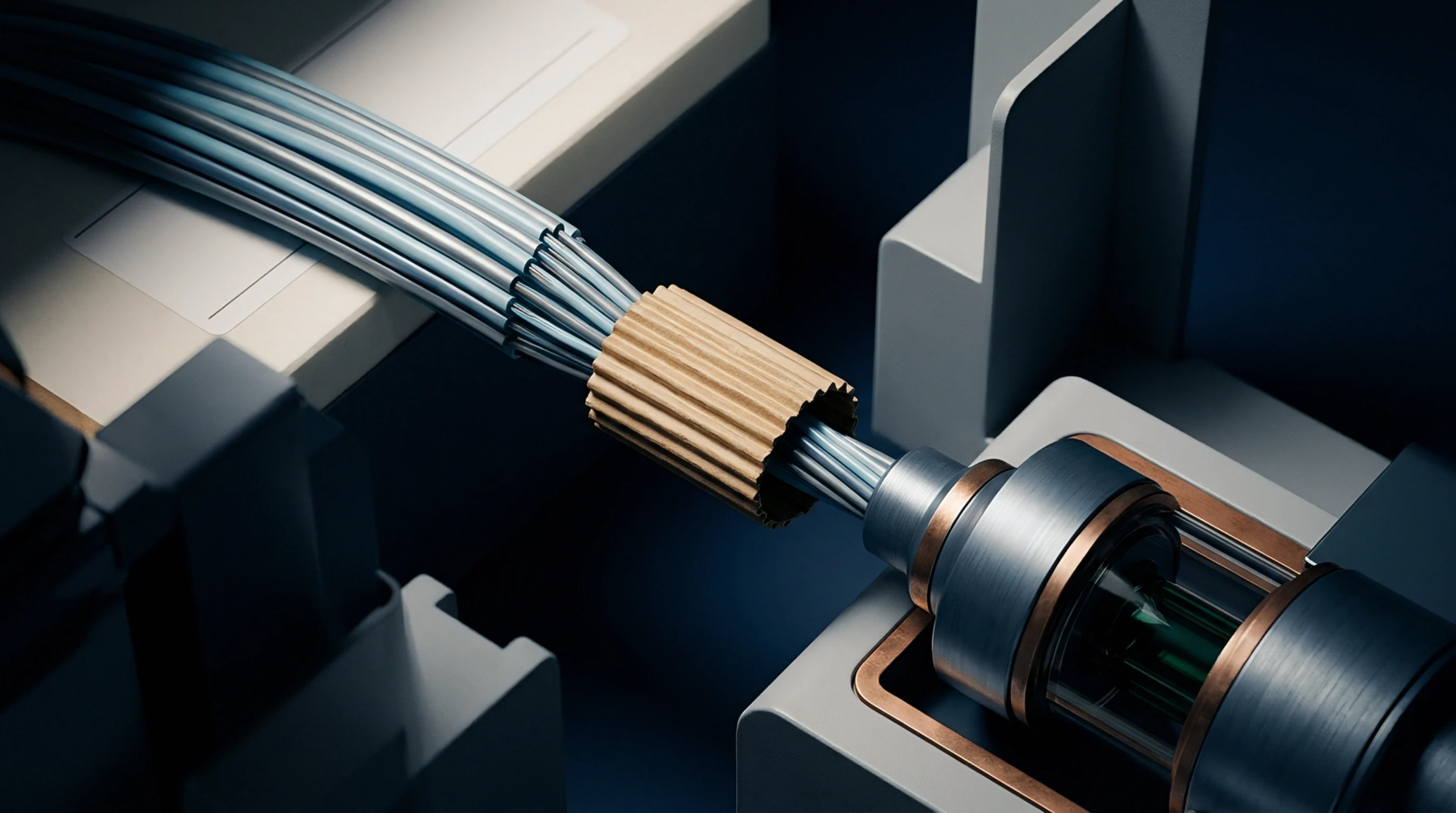
High line speeds stretch ink filaments beyond extensional stability limits, generating daughter droplets unless substrate porosity and resin relaxation match nip exit shear.

Accurate physical dot gain prediction on low-density recycled linerboard requires coupling bulk compressibility with Cobb absorbency in RIP calibration.
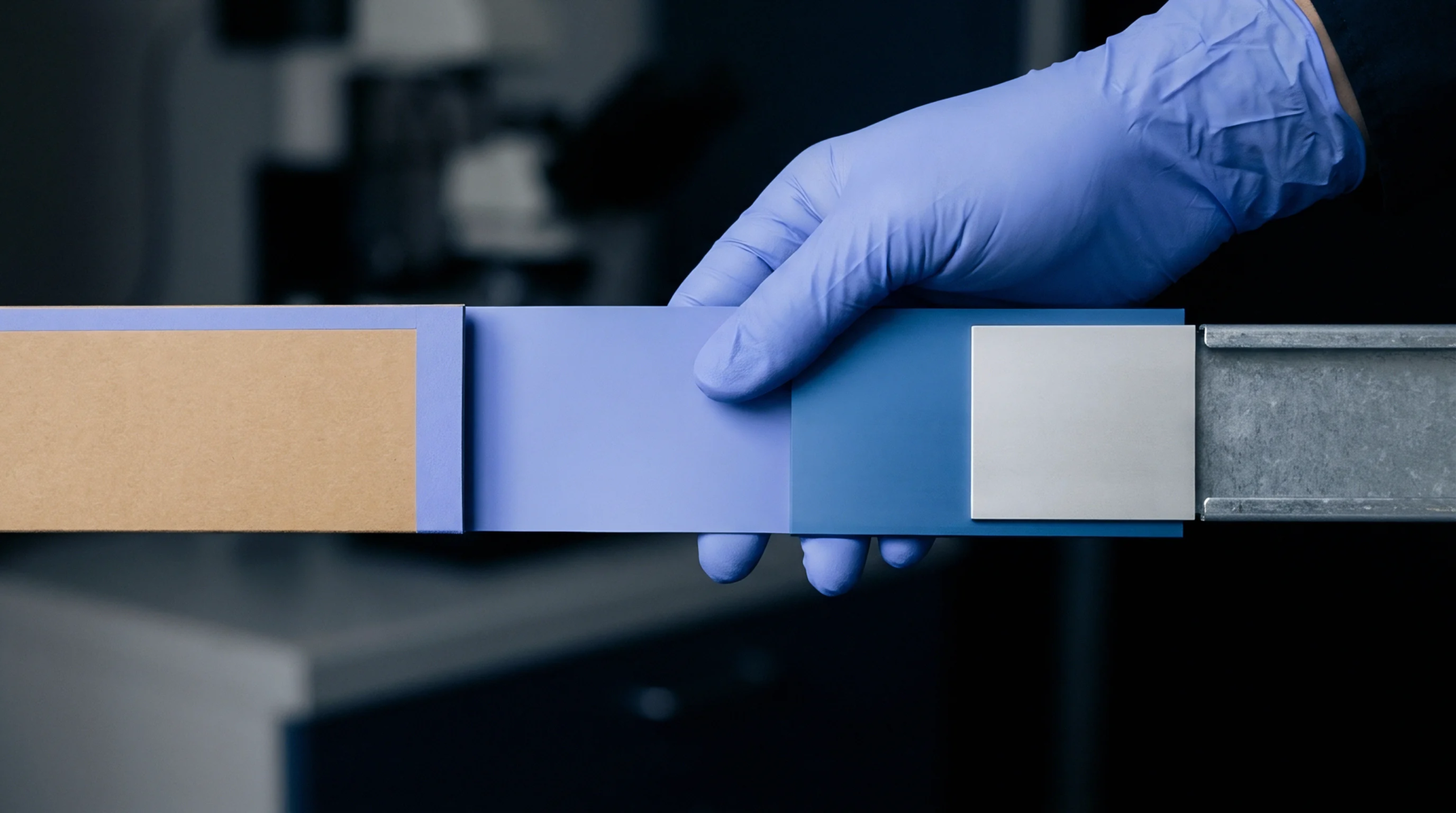
Decoupling viscoelastic fluid squeeze from optical light diffusion isolates true mechanical dot expansion across compressible paperboards.
Expertise is a utility, not a secret. sentiention™ publishes its working knowledge as open reference: intelligence layer covering the materials it sources, the markets it enters, and the reference that serves both.