
Compliance Clauses That Move Certificate Risk onto the Supplier
Moving certificate risk onto suppliers requires contract clauses that link claim validity to invoice codes, batch migration reports, and full indemnity for border holds.
Moving certificate risk onto suppliers requires contract clauses that link claim validity to invoice codes, batch migration reports, and full indemnity for border holds.

Verify mill test certificates against ISO 2859 sampling on arrival; static swatches omit deckle variance, transit moisture creep, and food migration risks.

Paperboard chemical retention and migration compliance requires verifying wet-end additive fixation, simulant extractions, and mass transfer kinetic barriers.

Verify certificate status against public scope schedules to ensure product group codes, grammages, and converting sites explicitly cover every delivered batch.
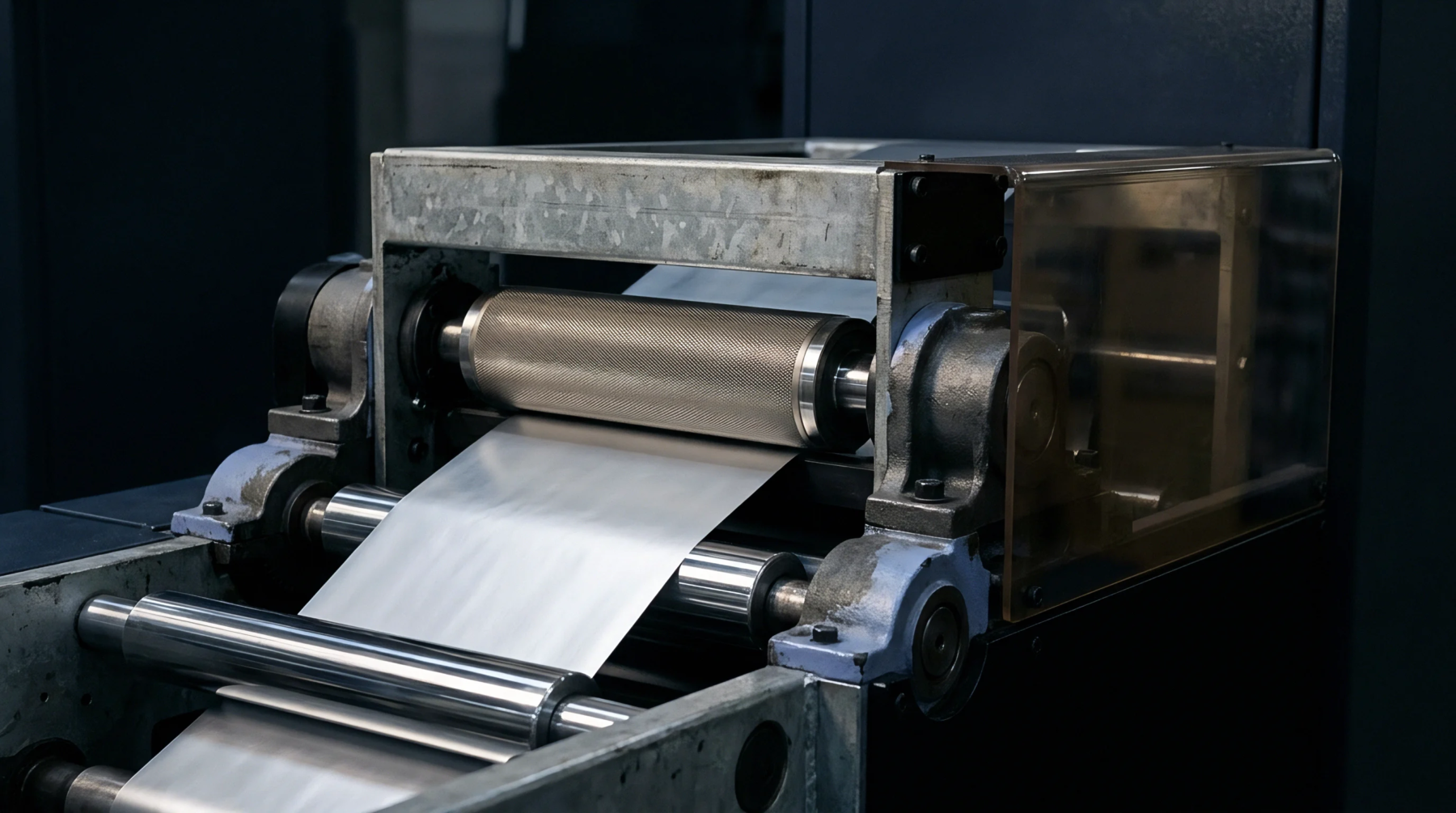
Dynamic moisture sorption degrades cellulosic packaging strength through mechano-sorptive creep, requiring GAB equilibrium mapping and transit humidity verification.

GAB isotherm modeling parameterizes microfibril monolayer saturation, identifying plasticization thresholds to qualify moisture barrier paperboard under PPWR and food contact rules.

Dynamic vapor sorption in recycled barrier substrates triggers localized interfibrillar swelling stresses that disrupt coating integrity under humidity transients.

Paperboard chemical migration testing requires matching food simulants to substrate porosity, using Tenax for dry media and certified barrier qualification.
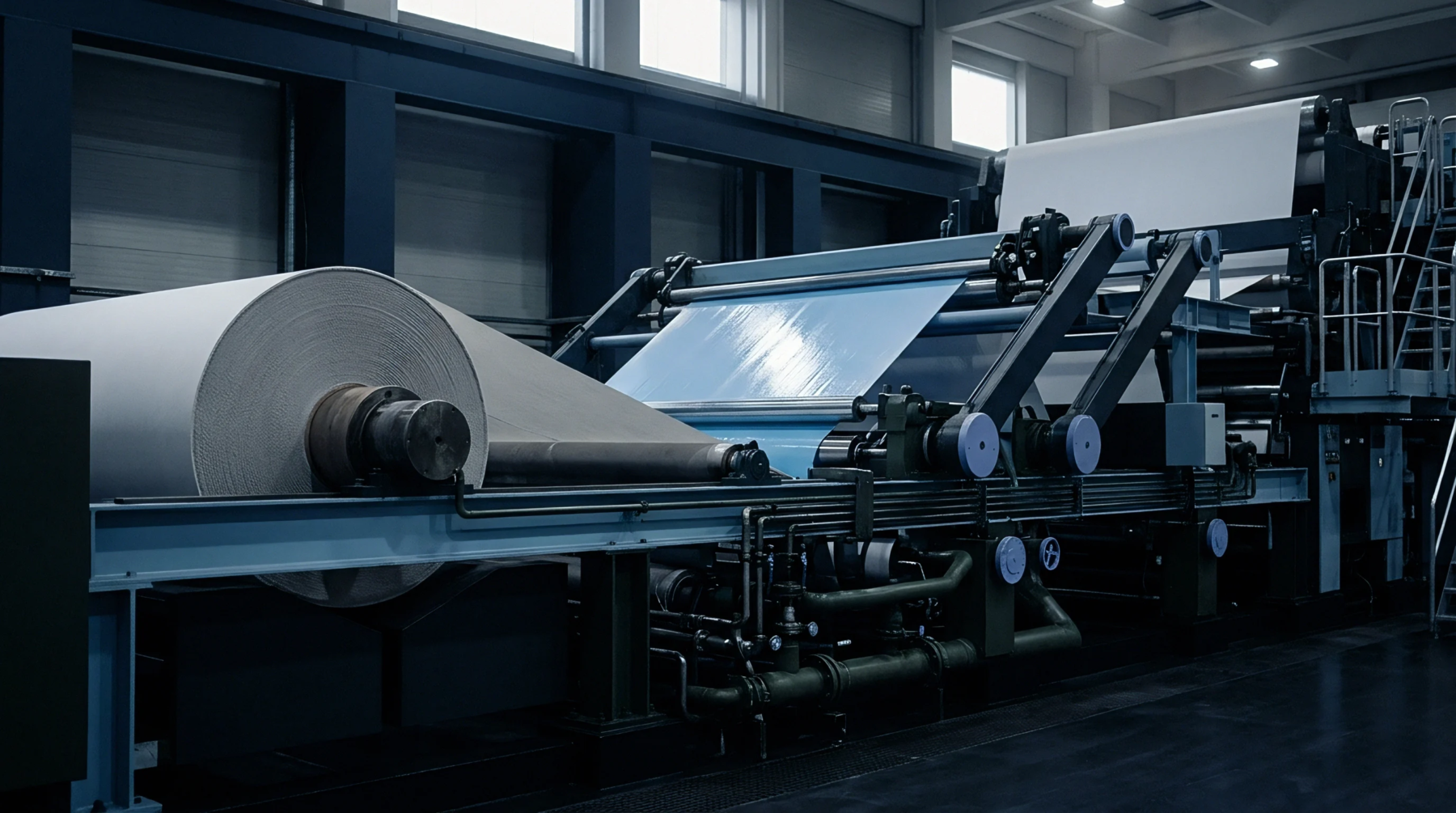
Dynamic climate chamber testing under cyclic relative humidity isolates mechanosorptive creep failure modes that standard static equilibrium conditioning miss.

Crosslinked microfibril barrier qualification requires dynamic vapor sorption fitting to prove moisture resistance and verify regulatory compliance.

Coupling non-linear moisture diffusivity with GAB sorption models provides accurate microfibril barrier shelf-life qualification under humid transport conditions.

The domestic importer of record bears strict legal liability for printed packaging claims and absorbs all customs fines when declarations lack supporting technical files.

Verifying imported packaging compliance requires auditing chemical migration reports, chain-of-custody scopes, and declarations of conformity before customs clearance.

Virgin solid bleached sulfate delivers superior score integrity and brightness, while recycled board reduces raw material expenditure when stiffness targets allow.

Verifying post-consumer recycled claims in folding boxboard requires cross-referencing FSC/PEFC credit accounts with deinking yield losses and MOSH/MOAH markers.

Validating paperboard claims requires cross-checking certificate scope codes on public databases and securing batch migration test reports.

Controlling effective alkali profiles and temperature in continuous digesters maximizes xylan retention, stabilizing pulp yield and securing compliance files.

Polymeric barrier degradation across paperboard creases follows strain rate kinetics where strain exceeding coating yield limits creates pinholes and invalidates functional compliance.

Paperboard LC-GC-FID testing requires ethanol swelling, mCPBA epoxidation, and accurate UCM baseline integration to verify MOSH and MOAH migration compliance.
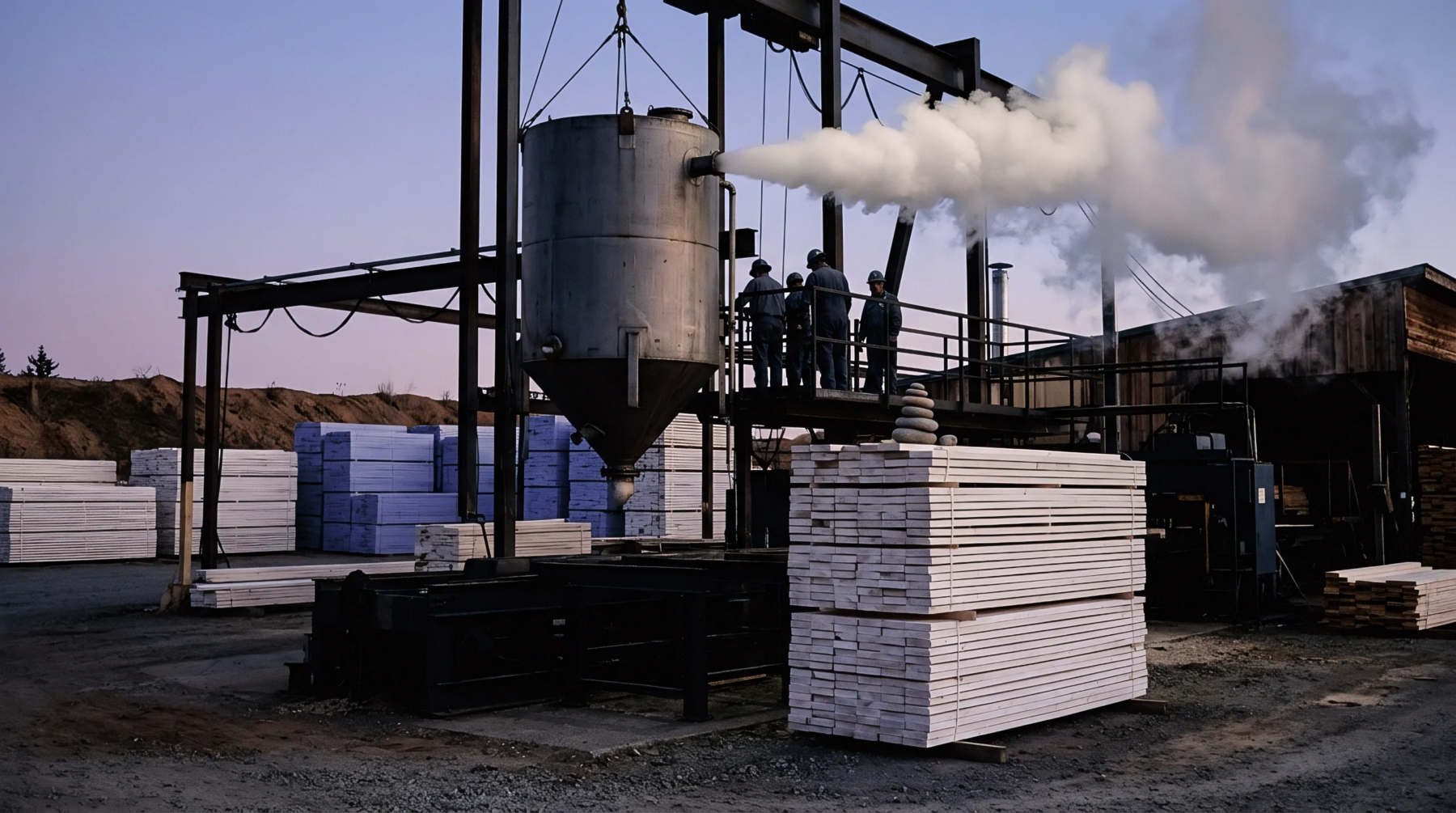
Recycled packaging substrates exhibit non-Fickian moisture uptake and severe hysteresis, reducing compressive strength by over 20 percent under cyclic humidity.

Single-sided cell exposure with calibrated ethanol-water media prevents artificial edge leaching and accurately isolates dispersion coating migration.

Line temperature spikes and fluid shear accelerate migrant transfer beyond static test limits, requiring exact profile validation in compliance files.

Quantifying dissolved acrylic micro-stickies in closed water loops requires 0.45-micron phase separation followed by solvent extraction and total organic carbon verification.

Optimize wet end charge to slight negative potential and verify dynamic retention with TAPPI T 261 to secure mechanical strength and chemical compliance.

Closing white water loops concentrates non-retained synthetic additives and chloropropanols, degrading board strength and threatening food contact compliance.

Optimize hot acid hydrolysis by balancing P-factor severity against intrinsic viscosity loss to remove hemicellulose while protecting cellulose purity.

Validating imported paper claims requires matching register product codes to invoices before transit to prevent customs holds and invalid certifications.

Non-targeted high-resolution screening isolates unknown migrants from aqueous paper coatings to guarantee toxicological compliance below threshold limits.
Polyoxymethylene partition coefficient calibration accurately quantifies mineral oil barrier performance, preventing over-engineering and border customs rejections.
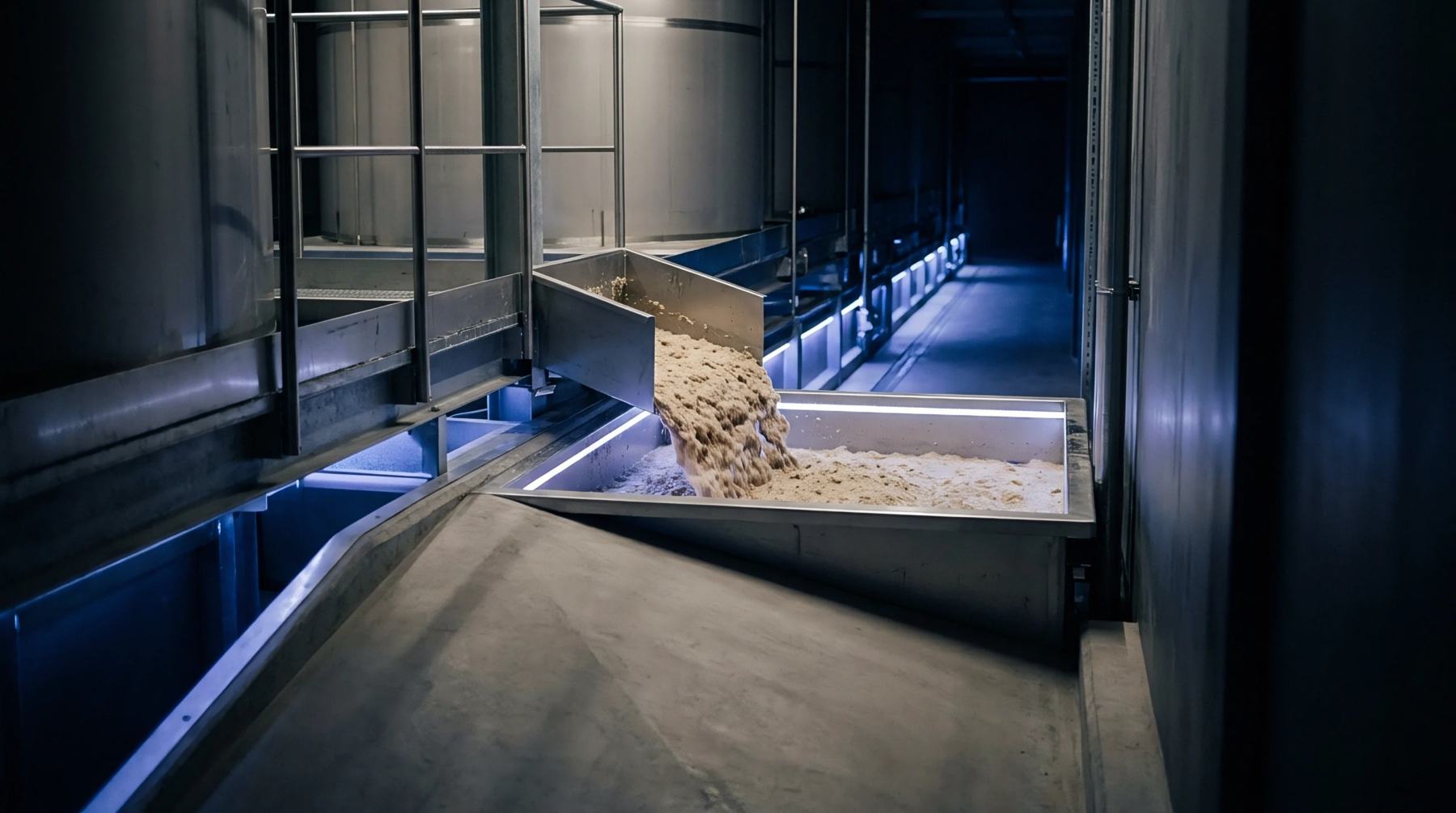
Controlling virgin chemical-to-mechanical ratios across multi-ply board dictates flexural stiffness, barrier integrity, and customs duty classifications.
Expertise is a utility, not a secret. sentiention™ publishes its working knowledge as open reference: intelligence layer covering the materials it sources, the markets it enters, and the reference that serves both.