
Counter Die Channel Profile Selection for Polyethylene Terephthalate Film Laminates
Polyethylene terephthalate film laminates demand matrix channel widths fifteen percent wider than unlaminated board to prevent shear cracking along score lines.
Polyethylene terephthalate film laminates demand matrix channel widths fifteen percent wider than unlaminated board to prevent shear cracking along score lines.
Optimal creasing of high yield folding boxboard requires adjusting female matrix width to 1.7 times board caliper to allow smooth internal BCTMP shear.

Viscoelastic strain limits during rotary embossing require matching tool shoulder radii and cylinder heat to substrate relaxation times to prevent rupture.
Uncoated boxboard grid ligaments fail through accelerated tensile creep when humidity swings break fiber bonds, requiring slot geometries that limit local dead-load stress.

Crease groove depth controls barrier strain limits; precise female matrix sizing prevents coating micro-cracking and maintains regulatory migration resistance.
Middle ply mechanical furnish generates bending stiffness by maximizing caliper and bulk while balancing z-directional bond strength against score crack risks.

Optimize creasing matrix channel widths to twice board caliper plus rule thickness plus twenty percent to prevent interfacial shear delamination along creases.

Optical score topography directly correlates with cartoner jam rates; controlled bead symmetry and internal ply shear reduce feeder misfeeds at high line speeds.
Blue laser triangulation resolves paperboard crease bead topography within two micrometers, eliminating red-light fiber scattering and manual micrometer error.
Aqueous barrier board selection requires balancing Cobb and WVTR specs against laboratory repulpability mass yields above 85 percent to minimize EPR eco-tariffs.

Calculate female matrix channel widths using a 1.7 to 1.9 clearance factor to absorb recycled fiber compaction and stop score cracking at line speed.

Low z-direction strength in hornified secondary furnish causes score cracking unless female matrix channels are widened to 1.8 times board caliper.

Cross-direction elongation between 3.2% and 4.8% prevents outer liner cracking on folding boxboard when matrix channel width equals rule size plus 1.5 times caliper.
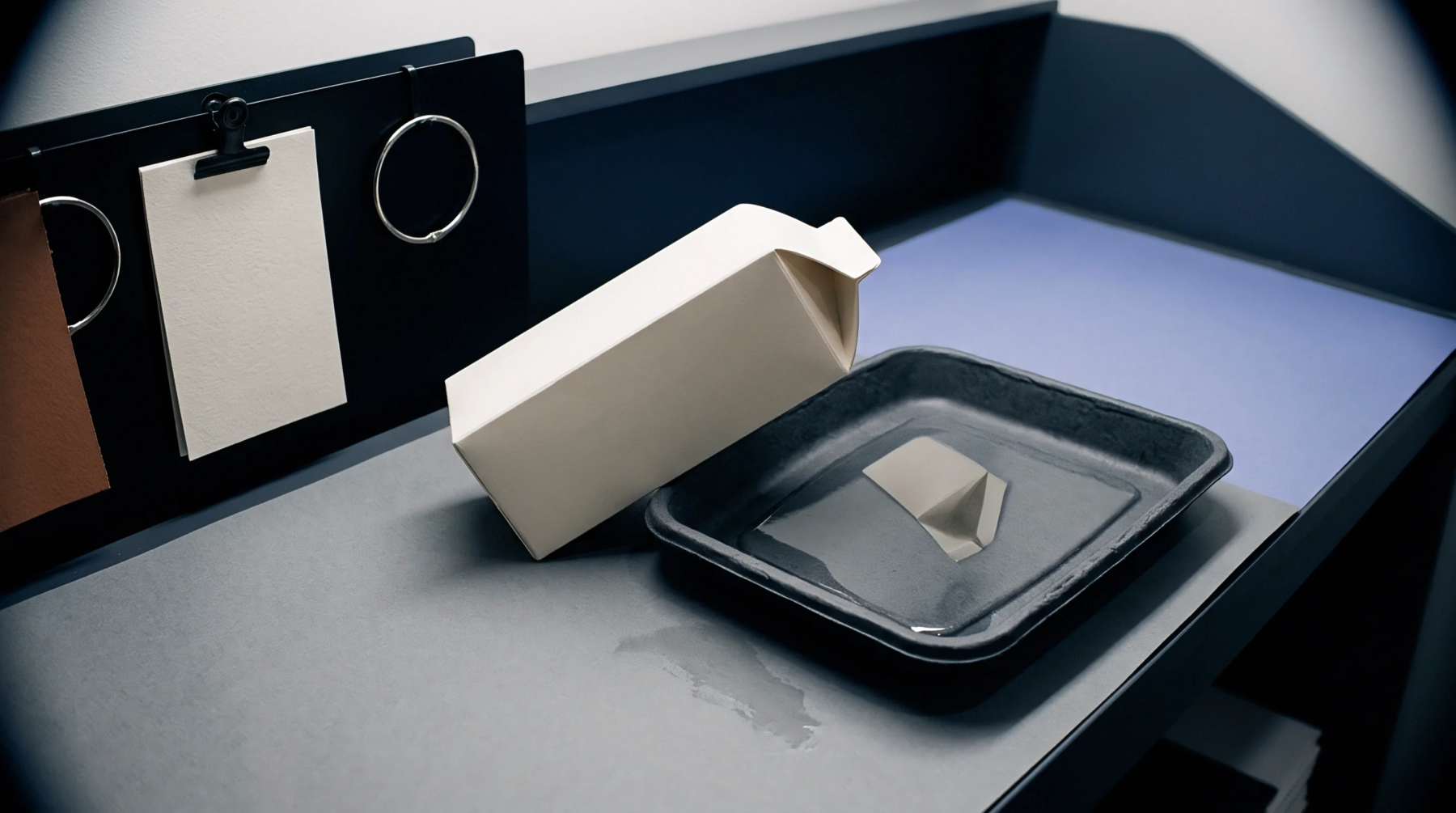
Fickian migration models balance additive saturation and winding nip forces to stop slip transfer and preserve lamination bond strength across converting runs.

Acoustic emission calibrates multiply board creasing by tracking high-frequency ply delamination bursts to stop liner fractures before carton blanks leave the die.
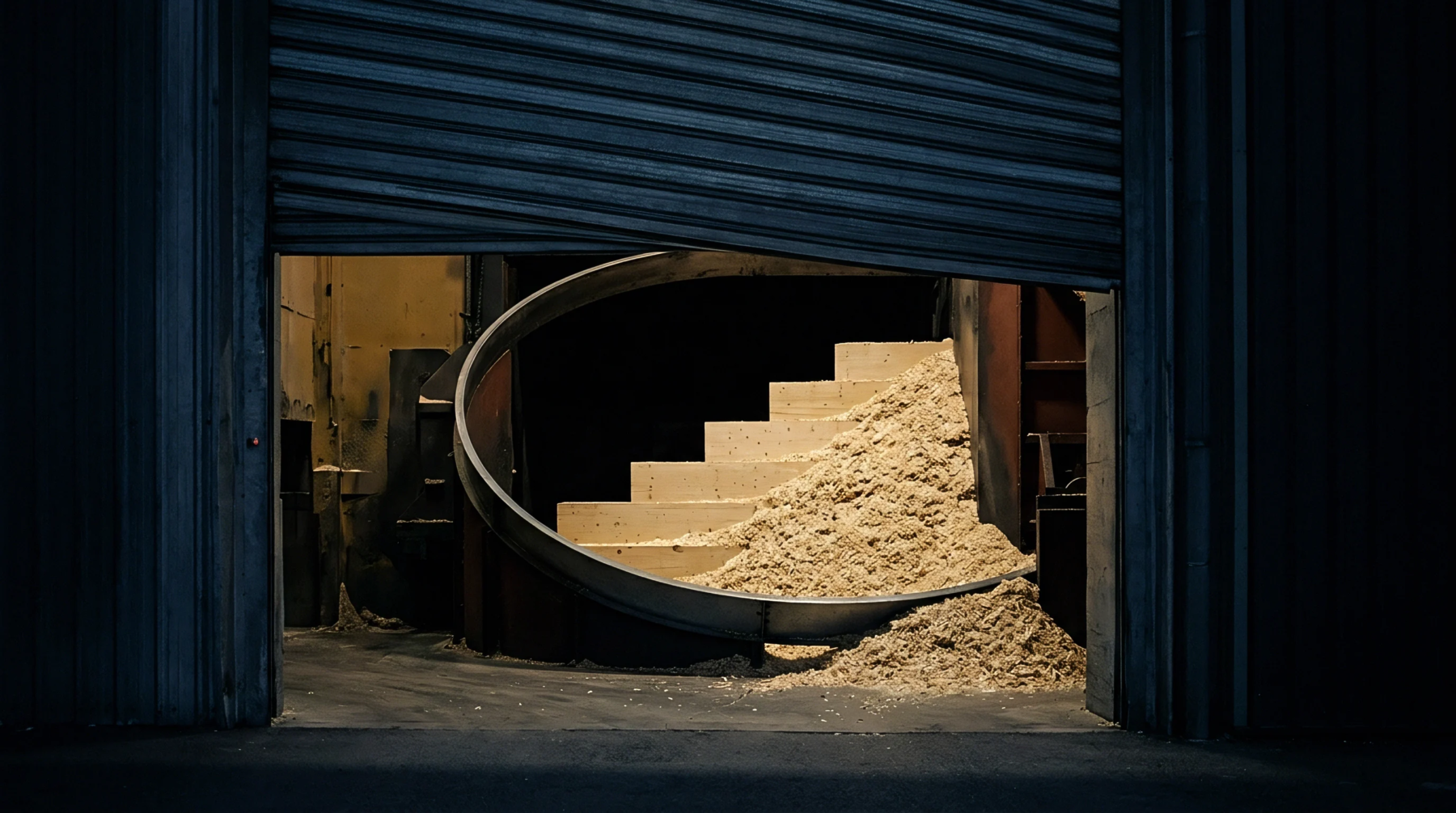
Controlled interlaminar delamination during high bulk boxboard creasing requires widened matrix channels to fracture low-density cores without breaking liners.
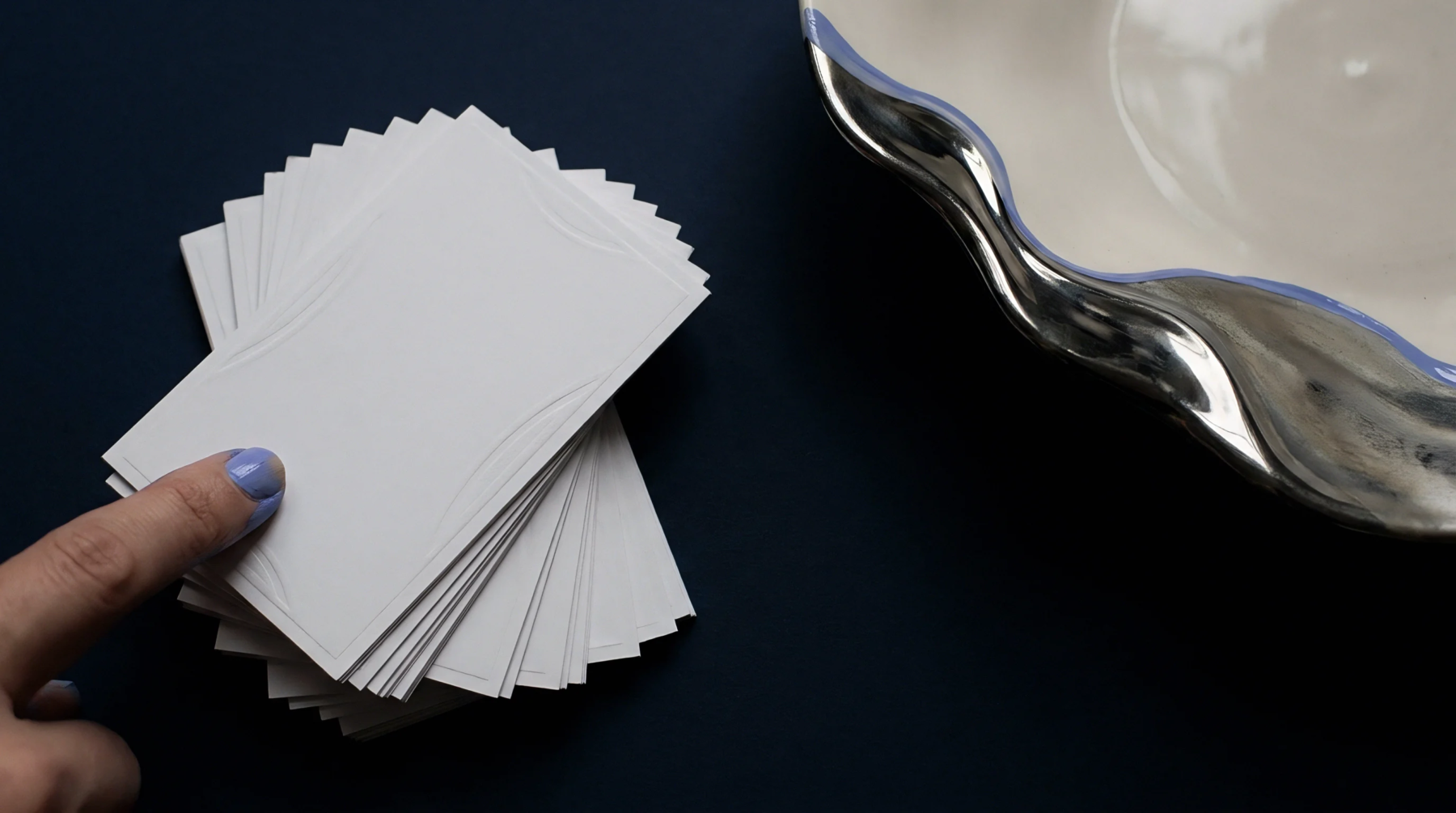
Controlled interply shear delamination during creasing prevents outer liner cracking and hinge failure in multi-ply recycled folding cartonboard.

Anisotropic hygroexpansion expands sheetfed boxboard up to six times more cross-grain than with-grain, requiring strict relative humidity control to hold register.

Dynamic multi-ply board creasing requires rate-dependent matrix clearance adjustments to prevent top-liner shear splitting during millisecond tool indentation.
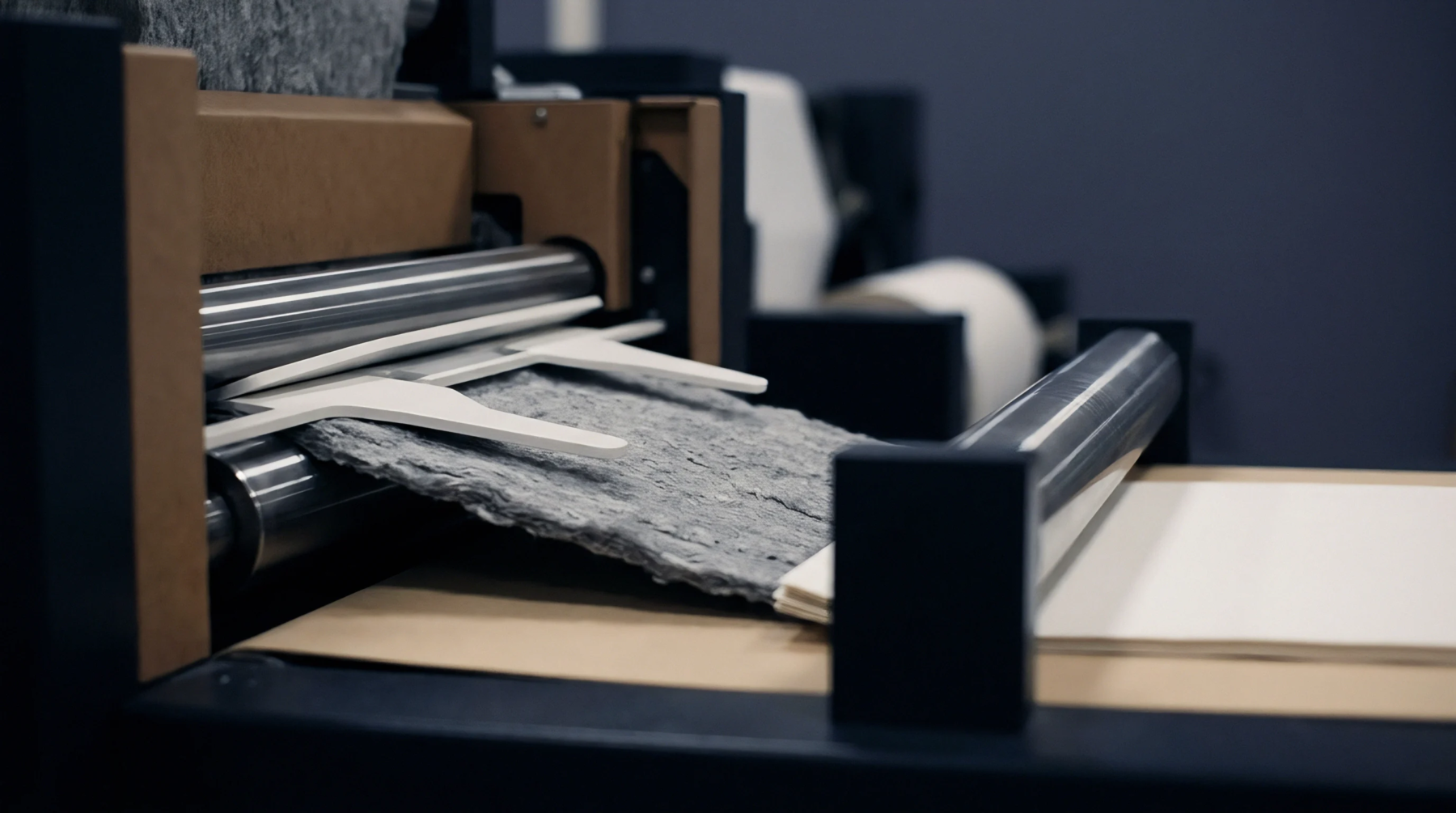
Standardizing CD crease shear in recycled board requires holding a 1.40 to 2.10 crease ratio via controlled internal ply delamination to stop cartoner line jams.

Calculate creasing matrix channel width using the formula W = T + (F × C), selecting factor F between 1.4 and 1.7 based on board grade and fiber stiffness.

Polymeric film cracking along folding boxboard scores ceases when rule clearance maintains localized tensile elongation below seven percent across the bead.
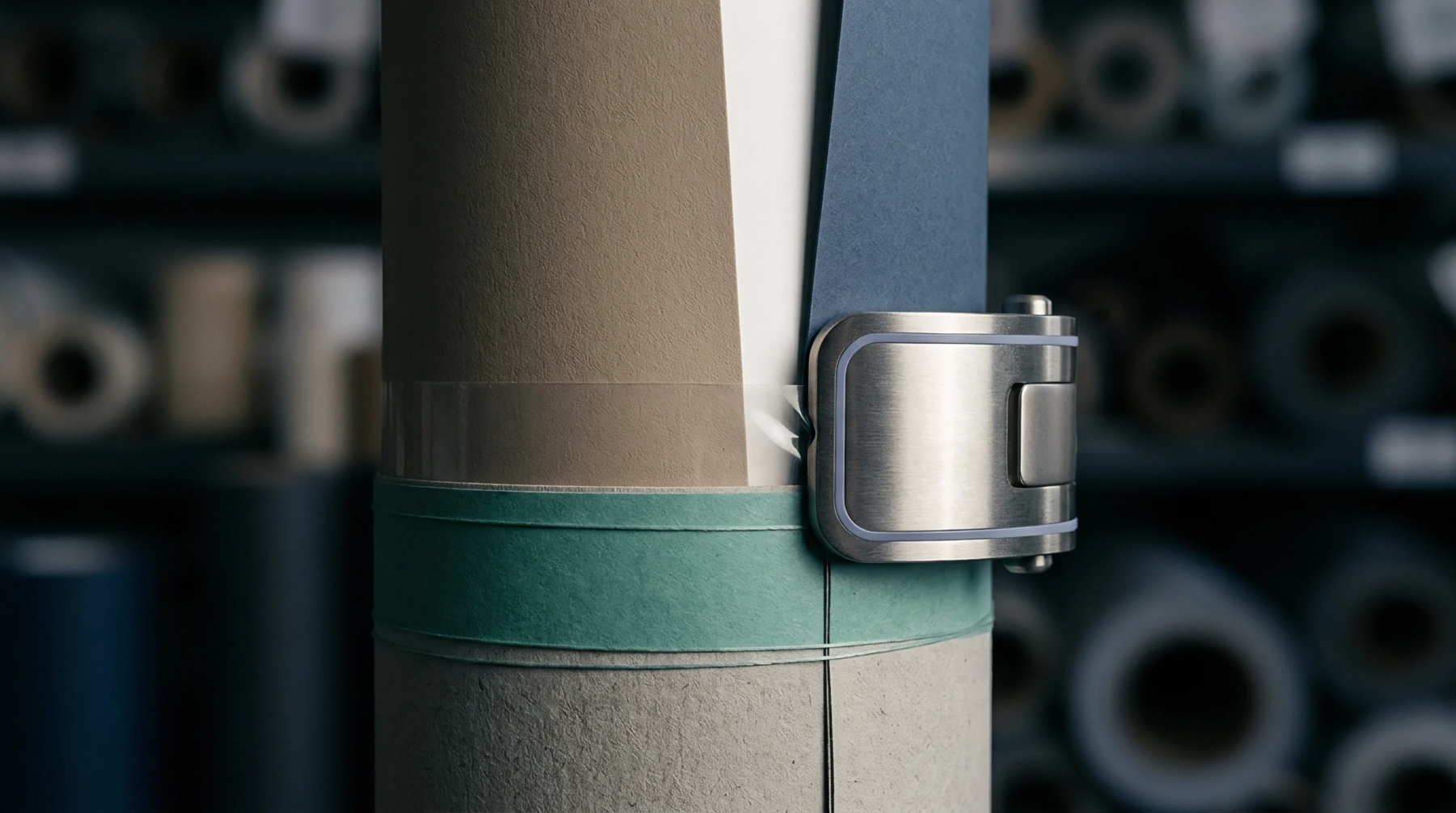
Crease integrity in recycled board demands targeted delamination within internal plies while preserving liner continuity under high strain rates.

Apparent bulk equals caliper divided by grammage, defining the physical thickness and carton yield delivered per purchased metric tonne of paperboard.
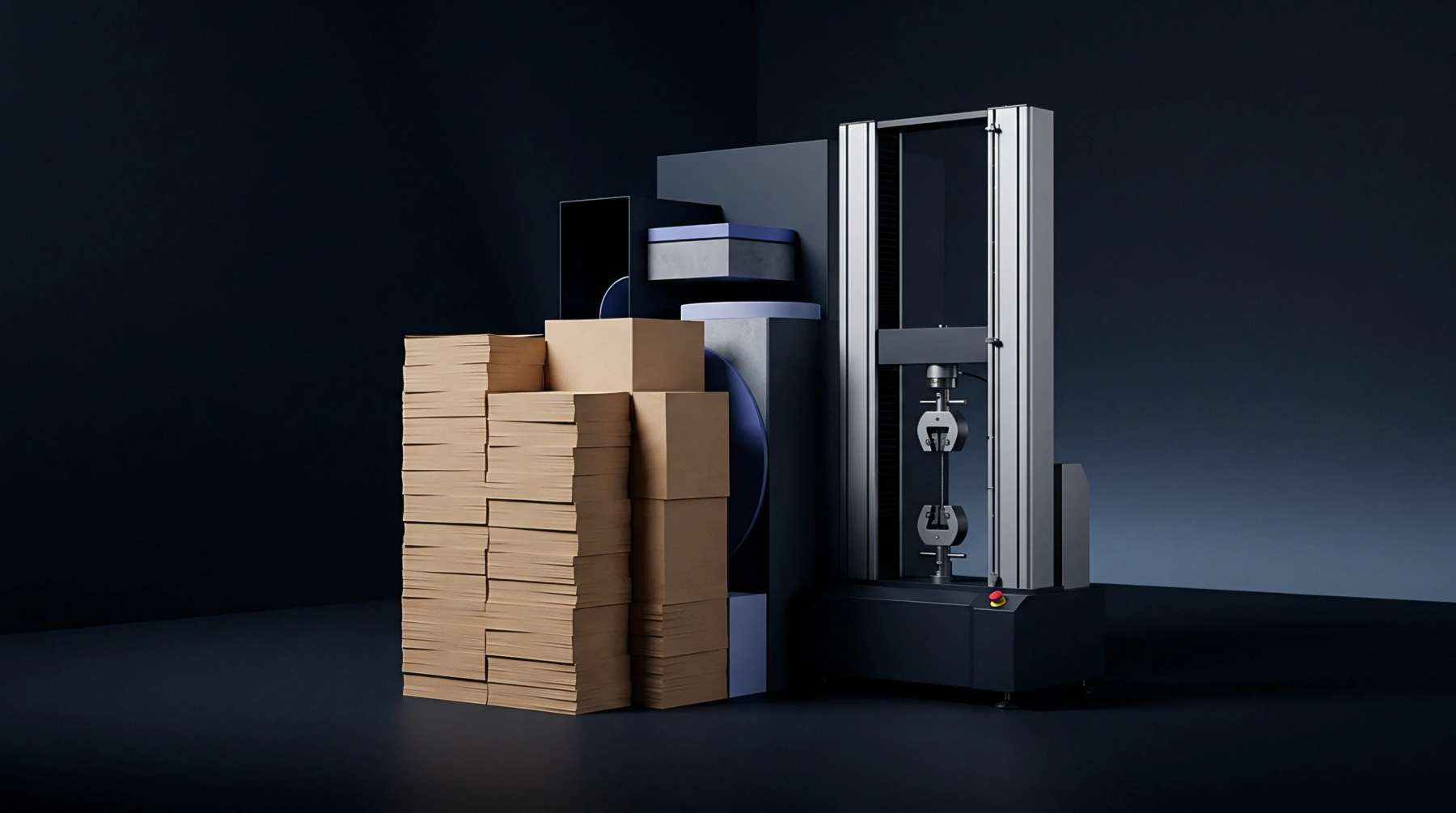
Analytical differential stress modelling balances thermal film shrinkage against board hygroexpansion to prevent post-converting carton curl inversion.
Online laser profilometry decouples baseboard moisture from tool wear by combining frequency filtering with synchronized upstream near-infrared moisture sensors.
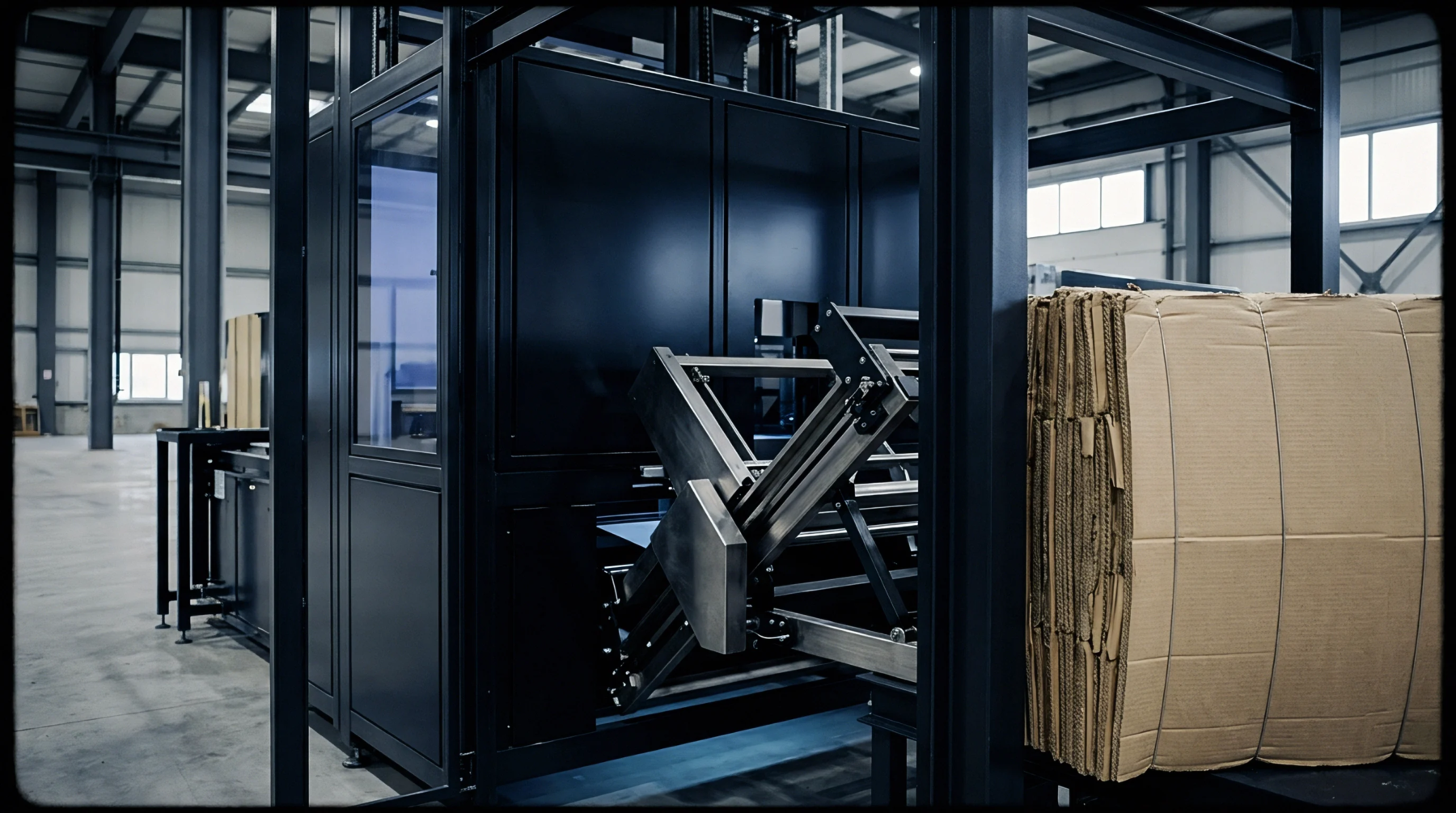
Predictive mechanical creasing models calculate rule penetration and matrix pairing to induce controlled delamination while preventing surface liner fracture.
Sizing counter matrix channel width to 1.6 times board caliper plus rule thickness prevents clay coating cracking on recycled boxboard by enabling internal delamination.
Optimize SBS counter matrix width by setting channel clearance to rule thickness plus 1.40 to 1.50 times caliper to induce delamination without surface rupture.
Dynamic barrier delamination along carton crease vertices is prevented by sizing creasing channels to absorb shear strain through controlled internal board roll.
Expertise is a utility, not a secret. sentiention™ publishes its working knowledge as open reference: intelligence layer covering the materials it sources, the markets it enters, and the reference that serves both.