
Verification of Mass Balance Fiber Input Claims in Packaging Board
Verify mass balance claims by auditing dry-fiber yield calculations, credit window expiry dates, and scope lines before printing claims on packaging.
Verify mass balance claims by auditing dry-fiber yield calculations, credit window expiry dates, and scope lines before printing claims on packaging.
Unannounced paper grade substitution alters structural fiber bonding and surface chemistry, demanding dockside physical and chemical testing before press loading.

Optimize matrix channel clearance using board caliper and rule thickness formulas to guarantee internal ply delamination while preventing outer liner score cracking.

Flexographic dispersion barrier coatings retain water and grease resistance under crease stresses only when coating elongation capacity matches board strain.
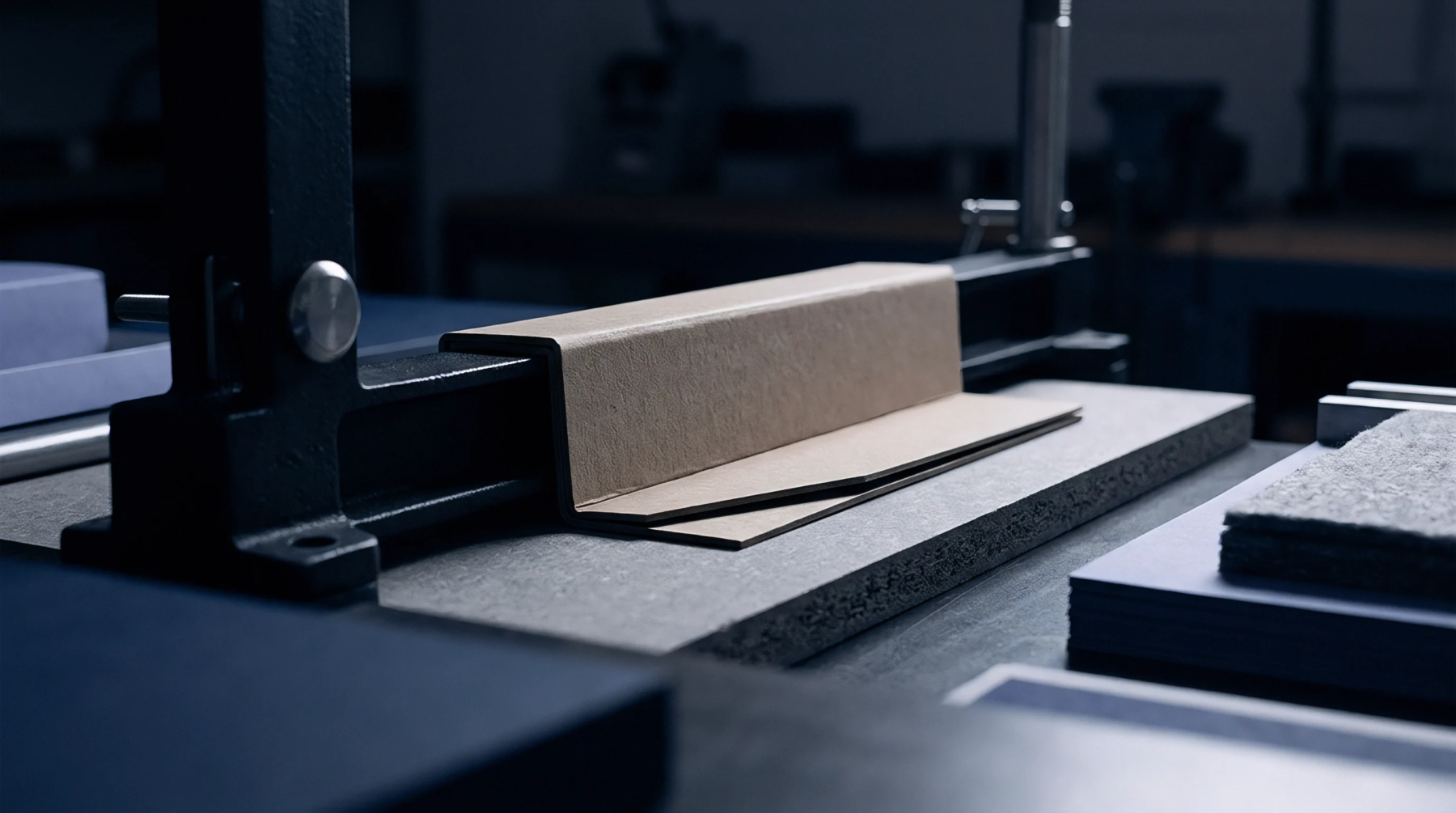
Inline acoustic wave sensing detects sub-surface paperboard delamination during scoring, stopping un-creased board defects before downstream cartoning line jams.

Optimizing creasing rule tip radius and channel geometry enables controlled internal board delamination, eliminating coating cracking and springback jams.

Converting yield audits require deducting CAD layout die-trim and setup waste from certified raw board inputs to prevent illegal over-allocation of packaging credit ledgers.
High strain rate board creasing requires matching tool clearance to middle-ply shear yield to prevent surface fracture.
Calculate crease rule height by subtracting compressed board caliper from cutting rule baseline, sizing matrix width to rule thickness plus 1.5 to 1.8 times board thickness.

Dynamic crease stiffness reduction ratios must be evaluated under operational strain rates of 1000°/s to 5000°/s to prevent high-speed cartoning line jams.
Public scope schedule verification requires matching board product categories and claim systems on official registers to downstream delivery notes.
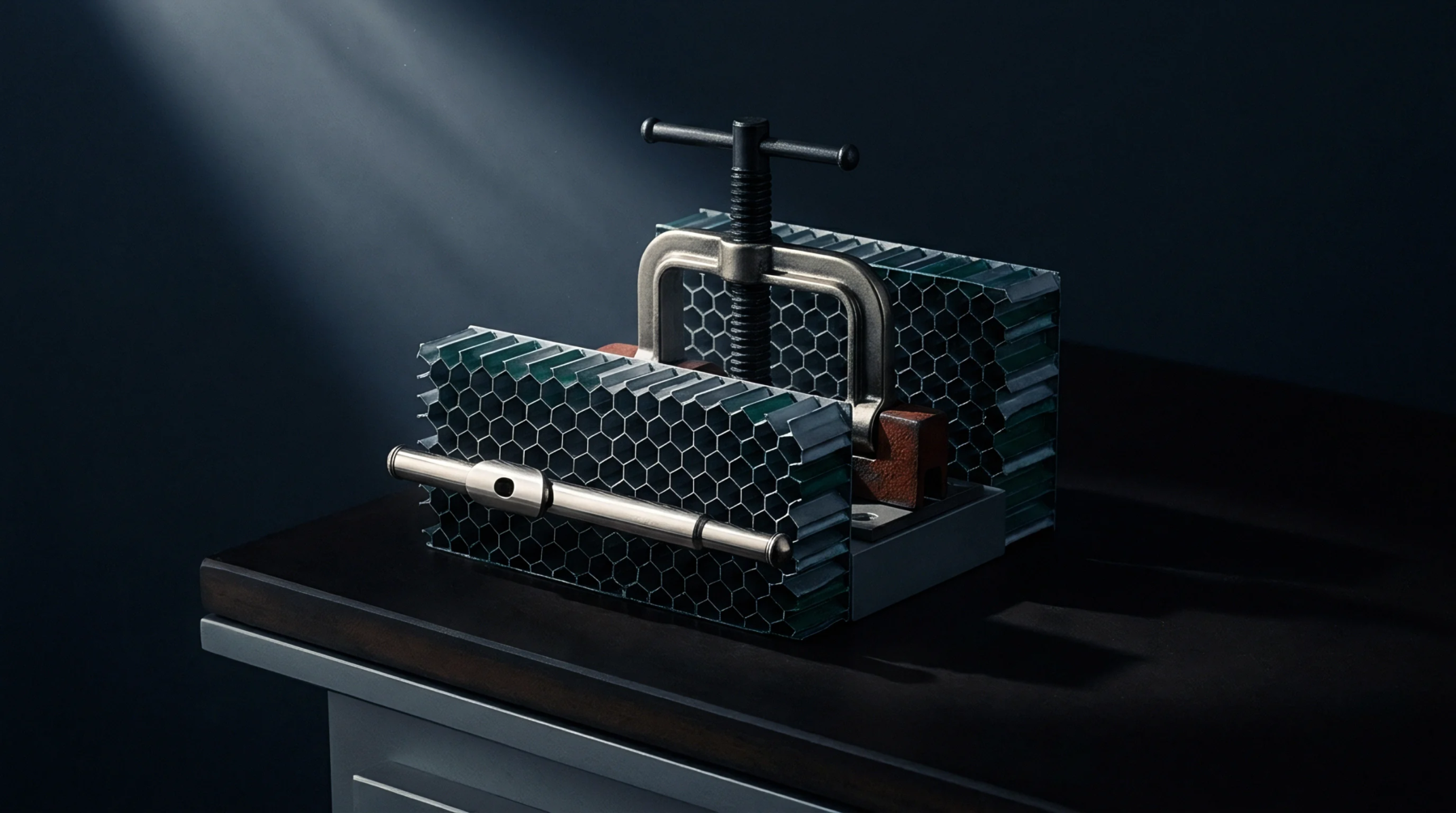
Multi-ply board stiffness and compression depend on z-direction modulus distribution, where cubic caliper scaling governs flexure and cross-direction short-span compression dictates box stacking strength.
Targeting 5.5 to 6.5 percent board moisture and maintaining 50 percent relative humidity prevents hygroexpansion fan-out, registration drift, and score cracking.
Balancing dynamic surface tension sub-10ms wetting with high extensional viscosity prevents droplet rebound and glue stringing on creased paperboard.
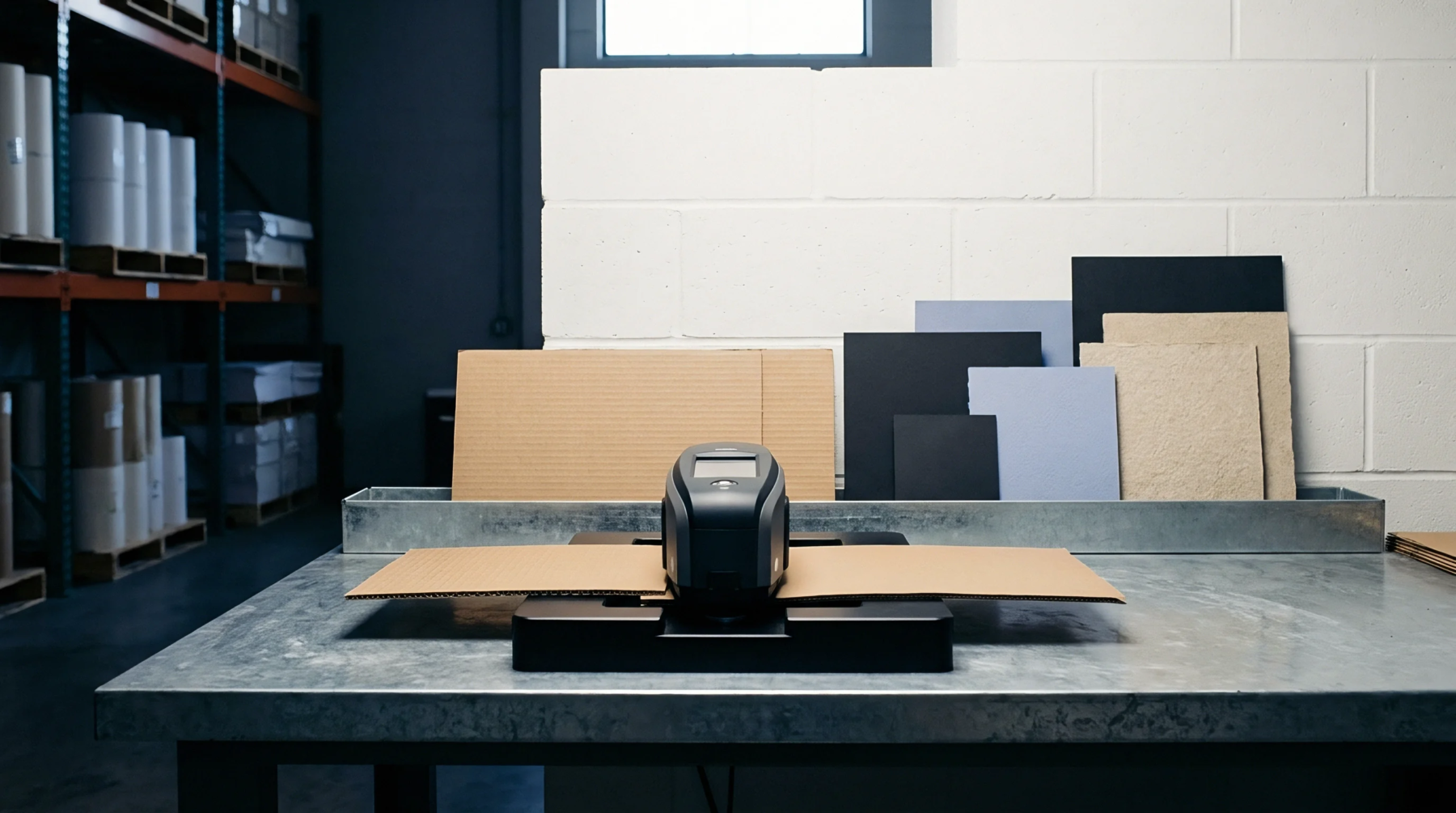
Air-coupled ultrasonic guided waves quantify paperboard crease ply delamination and micro-cracking non-destructively, preventing box compression failure.
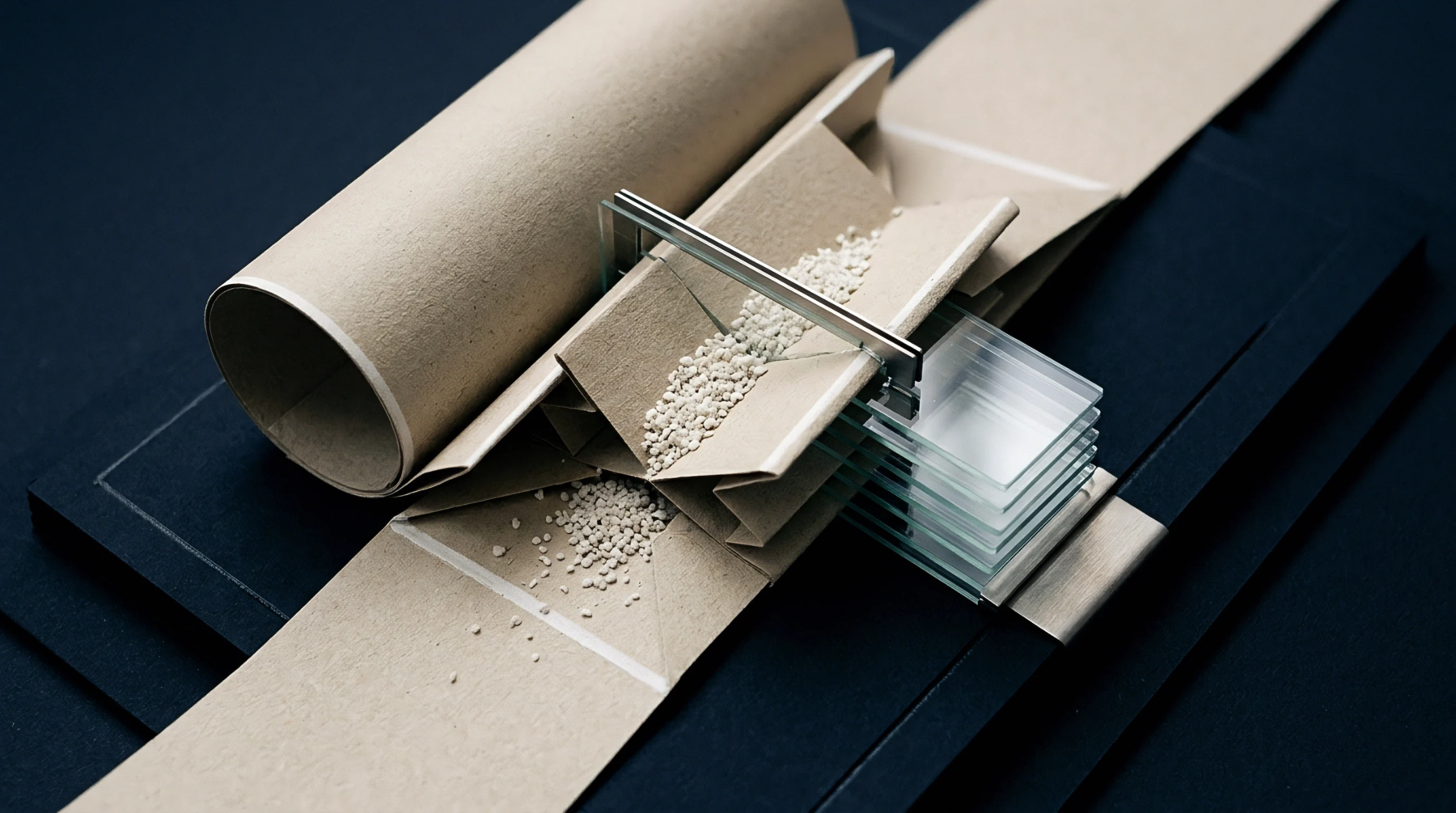
Cross direction creasing of chemical pulp requires expanding matrix channel width to 1.5 to 1.7 times board caliper plus rule width to prevent liner cracking.
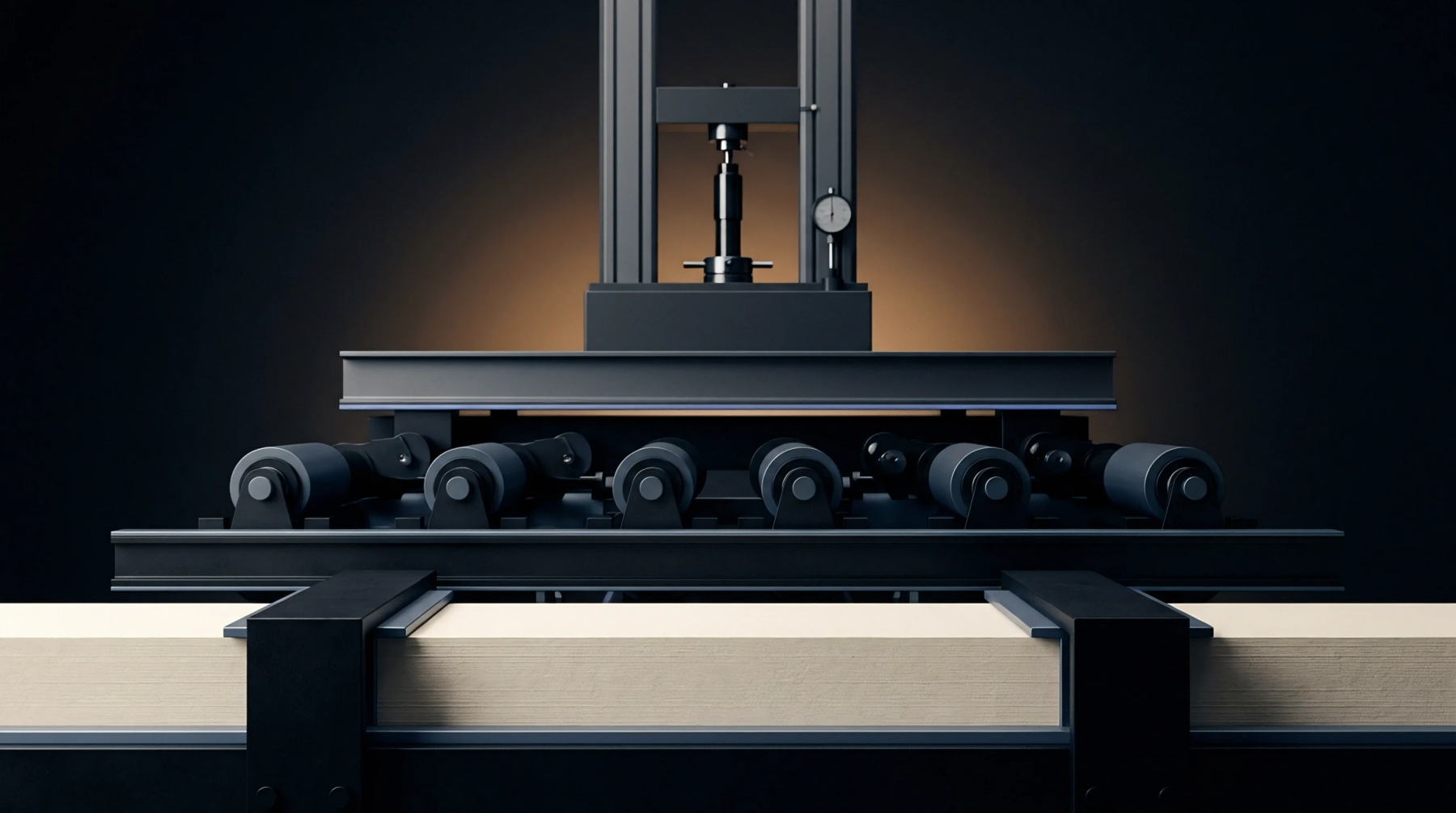
Aqueous dispersion barrier boards outperform extruded polyolefins by delivering over 95 percent wet end fiber yield and avoiding heavy EPR penalties.

Dynamic strain rate modeling predicts multi-ply boxboard Z-direction compression and interlayer shear collapse during high-speed converting and package drops.
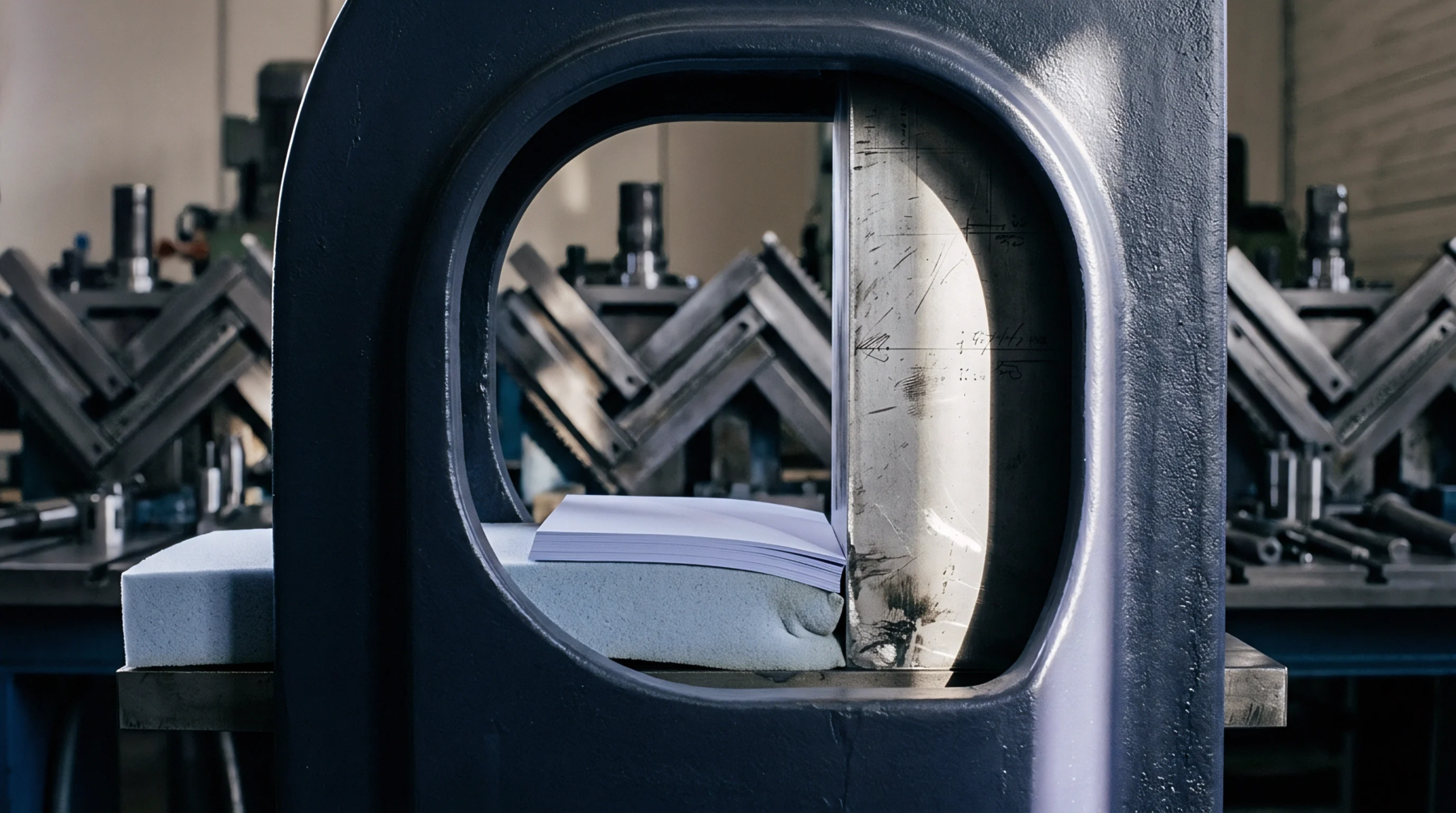
Polymeric barrier degradation across paperboard creases follows strain rate kinetics where strain exceeding coating yield limits creates pinholes and invalidates functional compliance.

Calibrated matrix channel width relies on board caliper, rule thickness, and fiber shear mechanics to prevent liner cracking and gluer jams.
Predicting package panel bulge demands measuring multi-ply out-of-plane shear stiffness C44 via ultrasonic wave dispersion to prevent high-speed line failures.
Rapid shear creasing requires tailored interply delamination toughness to prevent liner fracturing while reducing folding torque on high-speed lines.

Rate-dependent cohesive zone models prevent high-speed converting delamination by accurately predicting paperboard interlaminar shear failure at production speeds.
Paperboard expands five to seven times more across the grain than along it, requiring precise humidity control and pass timing to maintain converting register.
Interfacial shear strain from thermal mismatch drives delamination; controlling cooling gradients and dyne levels prevents bond failure at crease lines.
Unheated storage alters multi-ply boxboard moisture equilibrium, swelling sheet edges, reducing internal bond strength, and causing severe converting curl.
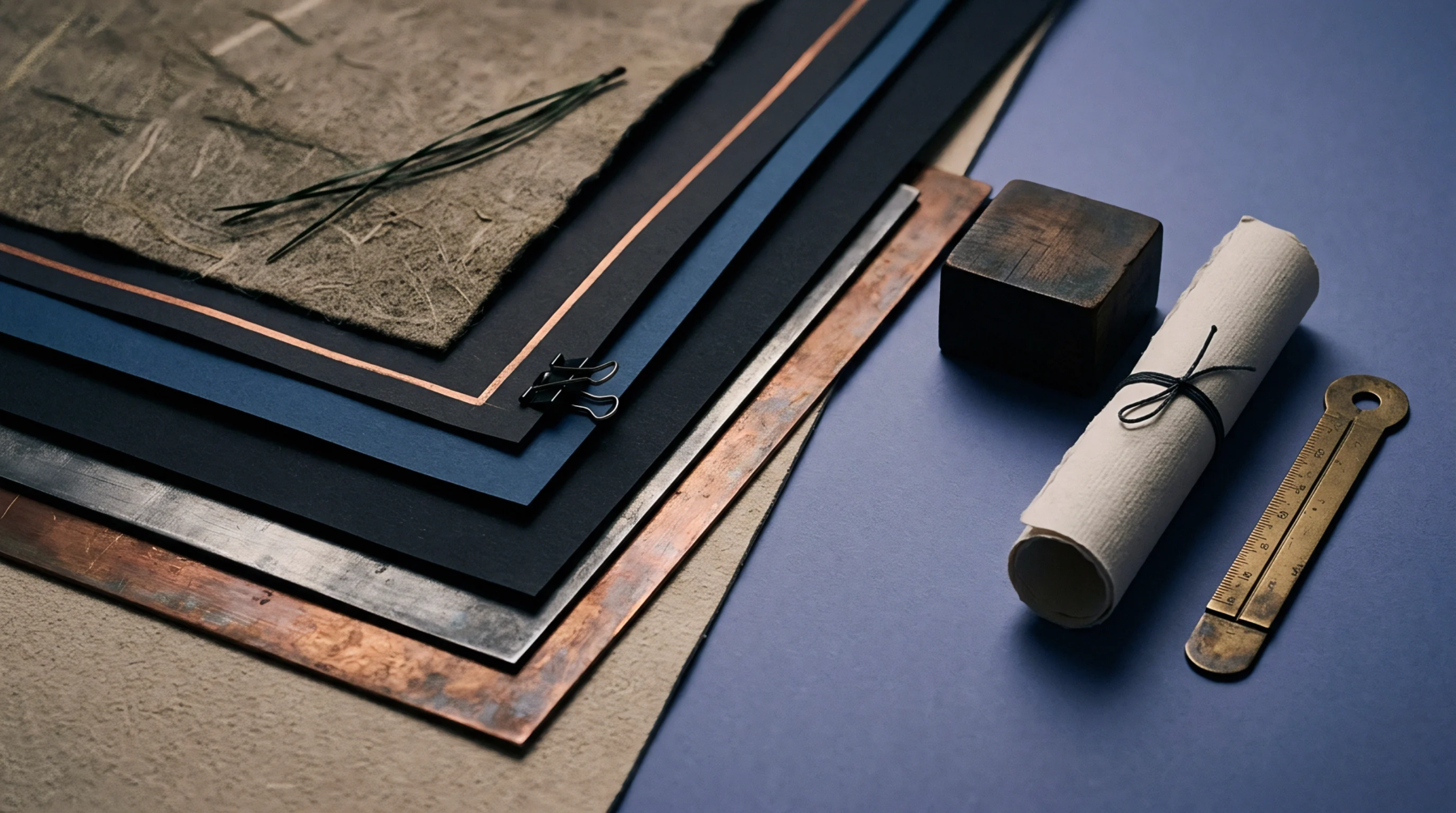
Matrix channel width equals creasing rule thickness plus board caliper multiplied by grade constants ranging from 1.4 for SBB to 1.7 for WLC.

Structure pulp pass-through clauses by isolating virgin fibre ratios, applying bilateral deadbands, and linking quarterly adjustments to verified mill furnishes.
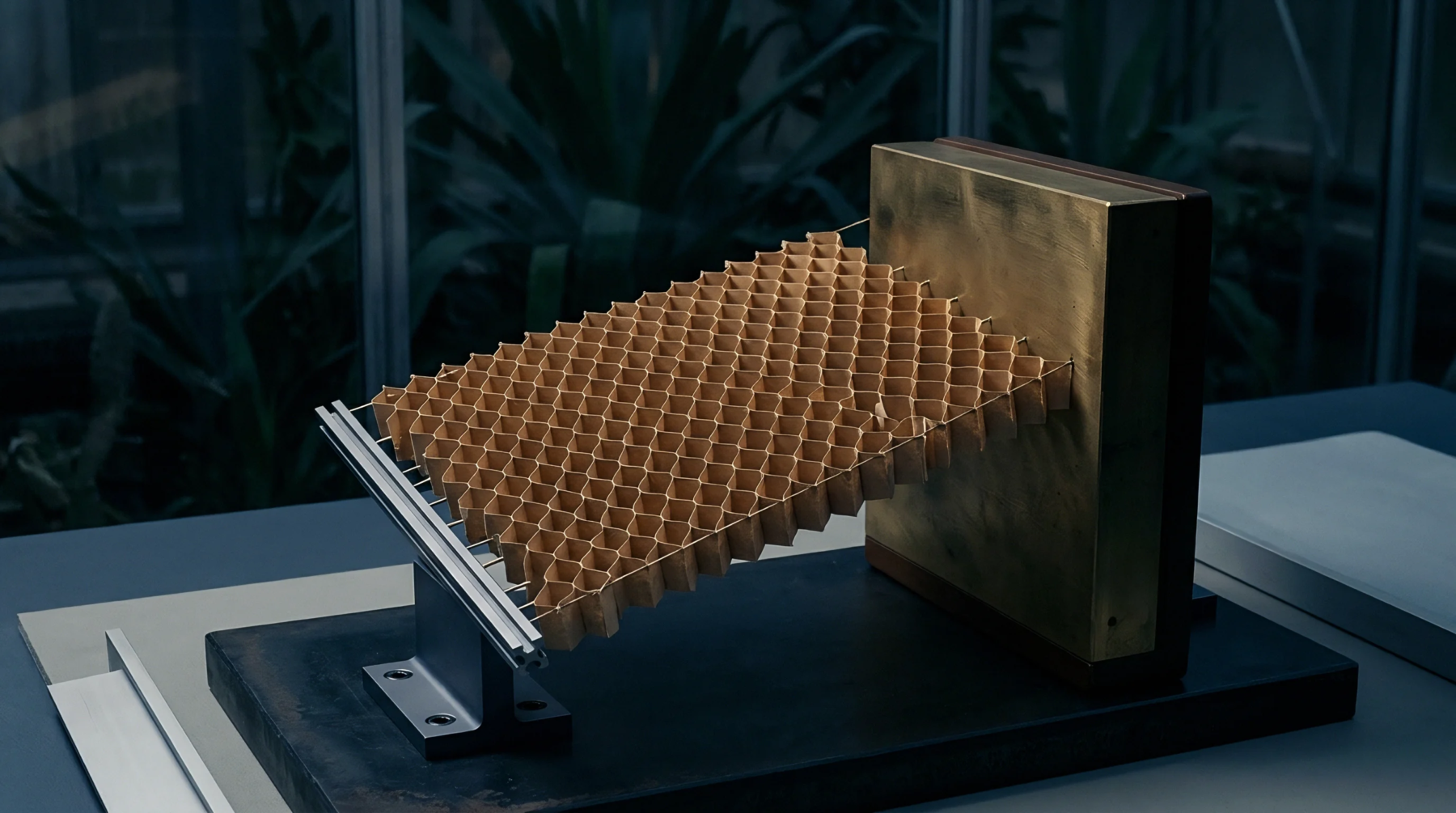
Dynamic Mechanical Analysis quantifies z-axis caliper loss under dynamic converting loads to prevent carton collapse and protect structural bending stiffness.

Ultrasonic attenuation decay rates directly quantify paperboard crease delamination depth, enabling real-time inline verification of folding stiffness.
Expertise is a utility, not a secret. sentiention™ publishes its working knowledge as open reference: intelligence layer covering the materials it sources, the markets it enters, and the reference that serves both.