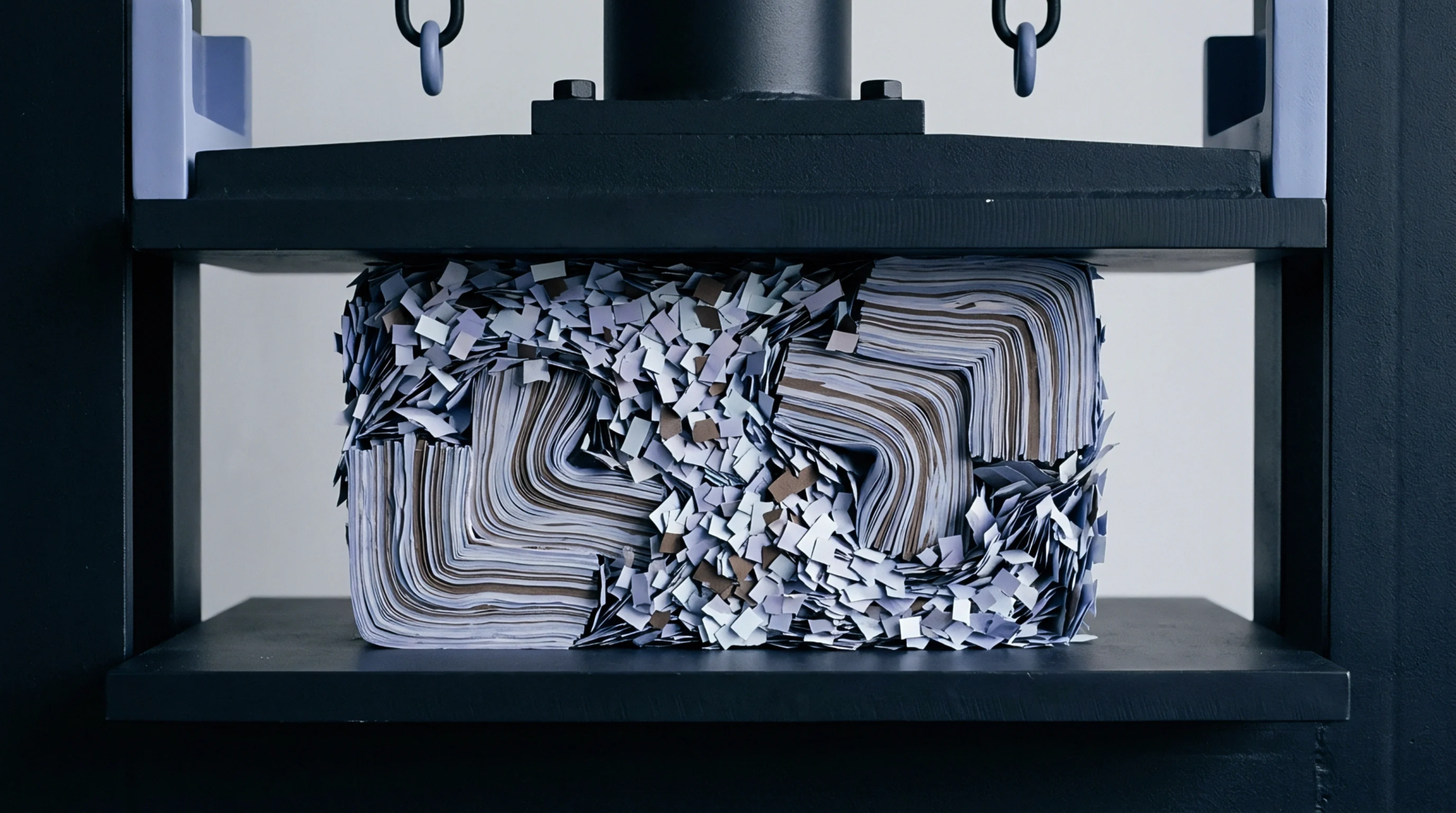
Fibre Length Loss across Recycling Loops and Score Cracking
Recycled fibre shortening and hornification limit bending strain, requiring wider matrix channels and virgin top layers to prevent score cracking.
Recycled fibre shortening and hornification limit bending strain, requiring wider matrix channels and virgin top layers to prevent score cracking.

Fibre length degradation in recycled boxboard reduces sheet stiffness and score integrity, requiring chemical bonding additives or higher basis weight to preserve performance.

Reconciling reclaimed paper ledgers requires converting scale intake weights to bone-dry fiber mass using core probe testing per ISO 287.

Fractionating recycled furnish prior to low-consistency refining preserves boxboard caliper while meeting internal bond targets at reduced energy consumption.
Dynamic tone expansion modeling across recycled fiber matrices requires coupling transient capillary suction with viscoelastic nip deformation metrics.
Dynamic vapor sorption in recycled barrier substrates triggers localized interfibrillar swelling stresses that disrupt coating integrity under humidity transients.

Optimize mechanical greaseproof paper selection by specifying 80-88 SR refining and 15000+ s Gurley porosity to secure non-PFAS grease resistance.

Hornification in secondary fibres reduces internal pore volume and alters optical scattering, requiring dynamic wetting controls to prevent press mottle.

Eucalyptus fiber collapse and hydrogen bond density dictate sheet tensile strength, bulk retention, and landed sheet cost in commercial packaging grades.
Automated optical morphology testing under ISO 16065-2 quantifies fiber shortening and hornification to control secondary substrate strength and yield.
Splitting recycled furnish into long and short fractions before refining concentrates mechanical energy on long kraft fibres, cutting power use while boosting compression.
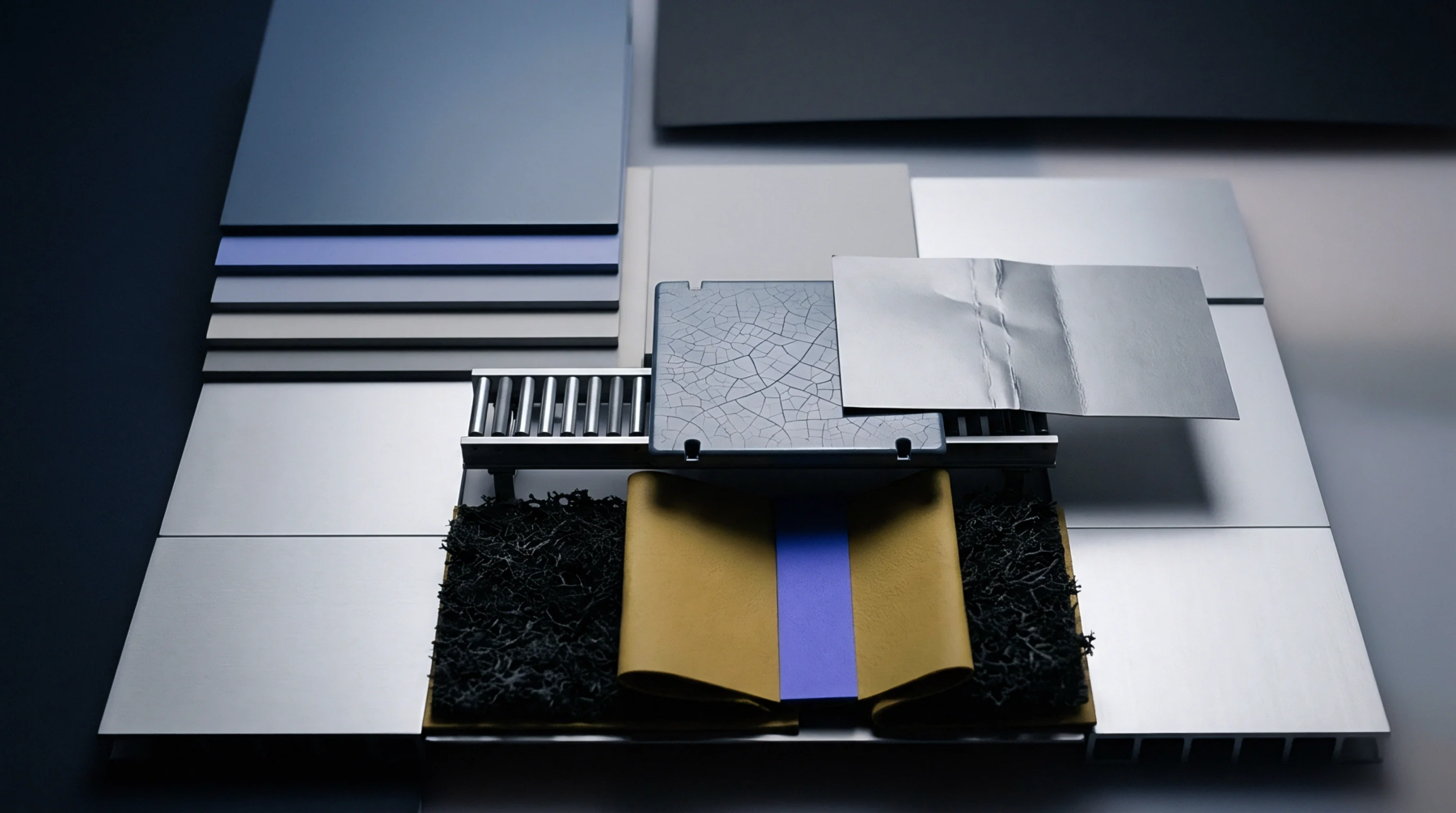
Controlled low energy refining of middle ply mechanical pulp yields superior Z direction tensile development without caliper loss in multi ply boxboard.
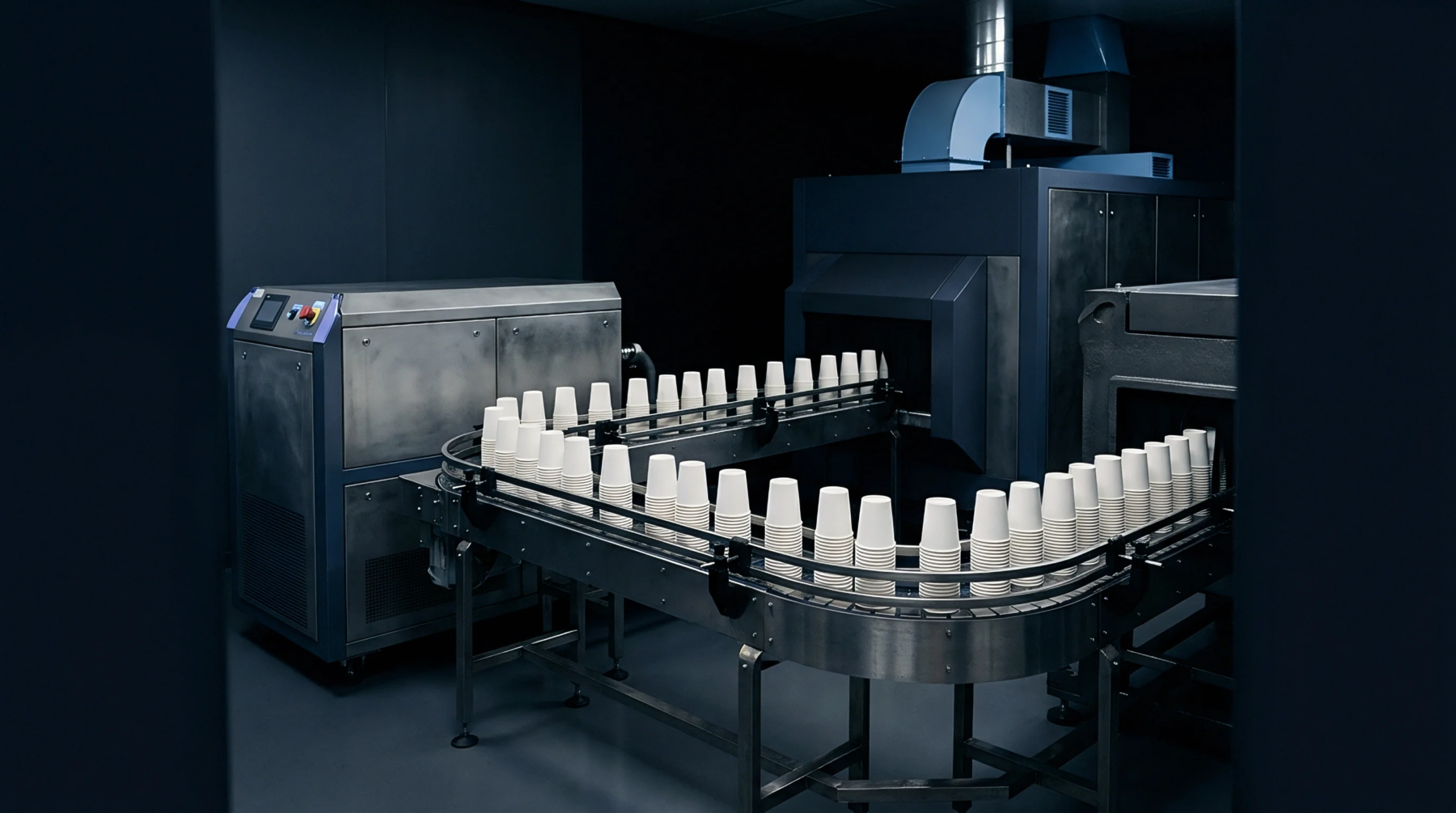
Carboxyl functionalization between 0.25 and 0.45 mmol/g achieves target wet strength while preserving mechanical pulp repulpability under mild alkaline conditions.
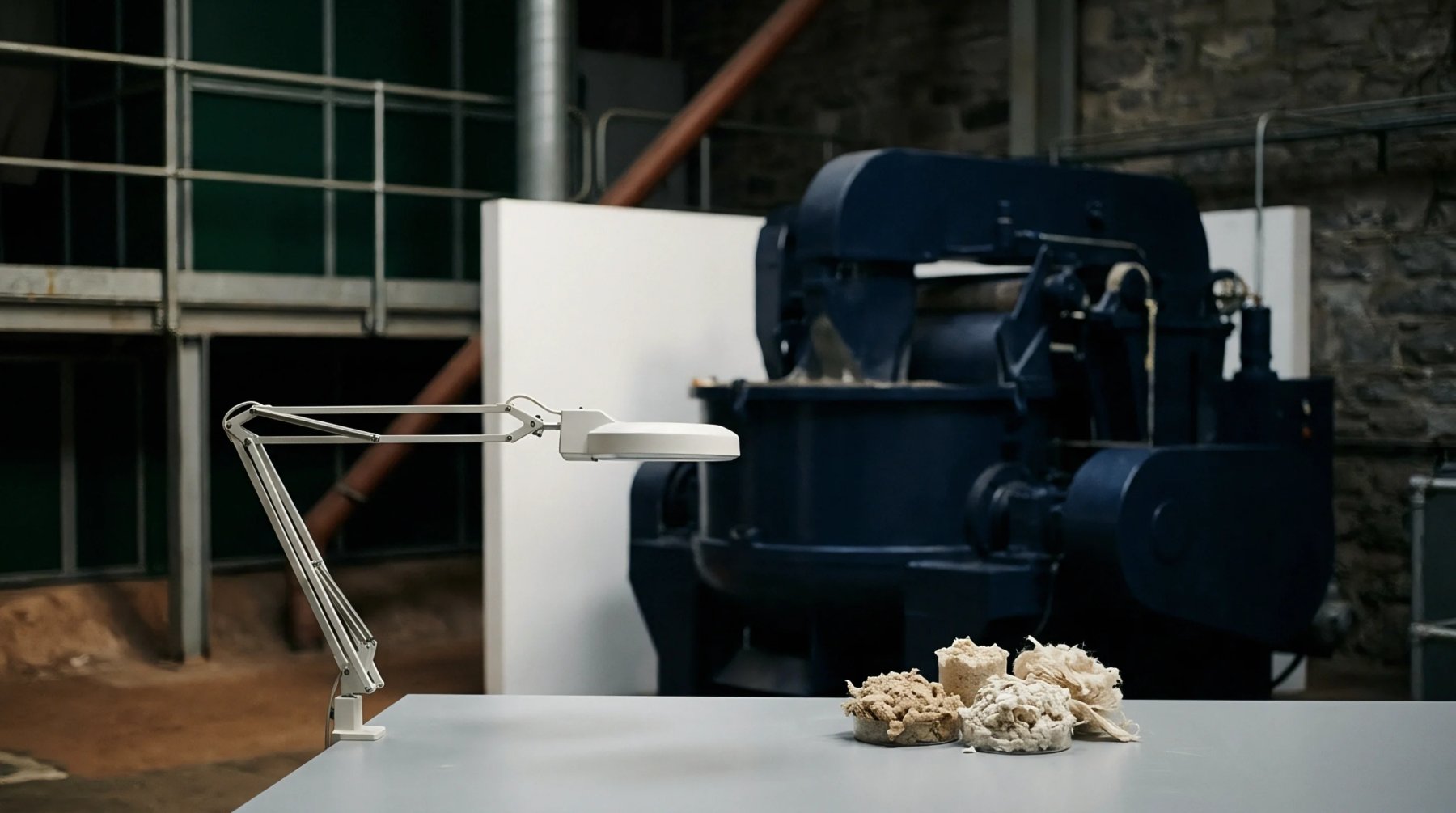
Hydrating kraft pulp to 78-84 degrees Schopper-Riegler via low specific edge load refining eliminates paper porosity to achieve grease resistance without chemical additives.

Dynamic fluid intrusion kinetics in recycled substrates dictate spatial print mottle through hornified pore tortuosity and uneven capillary pressure gradients.

Regulatory customs enforcement inspects physical fiber biology, rendering multi-site mass-balance certificate claims legally invalid for cross-border declarations.

Packaging paper claiming waste exemption under deforestation rules faces border detention whenever furnish blends contain unmapped virgin reinforcement pulp.

Recycled containerboard exhibits accelerated transient moisture diffusion and mechano-sorptive creep, causing rapid box collapse under cyclic humidity.

Kinetic modeling of sorption-induced strain reversion quantifies moisture-driven release of locked micro-stresses to prevent carton curl and score failure.

Secondary fiber furnishes lose up to 45 percent of compressive strength under high humidity due to hornification and moisture-induced inter-fiber bond cleavage.

Recycled containerboard loses stiffness when hornified fibers slip under shear, which buyers offset with higher grammage or starch addition.

Z-directional tensile variance in multi-ply recycled board stems from uneven wet consolidation, high ash, and poor starch cooking, causing severe converting failure.

Reconciling volatile losses and mill broke exclusions through dry-matter mass balances ensures defensible recycled content claims in packaging compliance audits.

Physical recycled packaging validation requires combining ISO 17025 accredited laboratory assays with batch-level EN 15343 physical segregation custody dossiers.
Microscopic analysis using Graff C staining and species weight factors verifies real fiber ratios, exposing illegal substitutions and recycled content mismatches.

Chain of custody verification requires active certificate registry checks, line-item invoice claim validation, and complete layer furnish audit across every web.
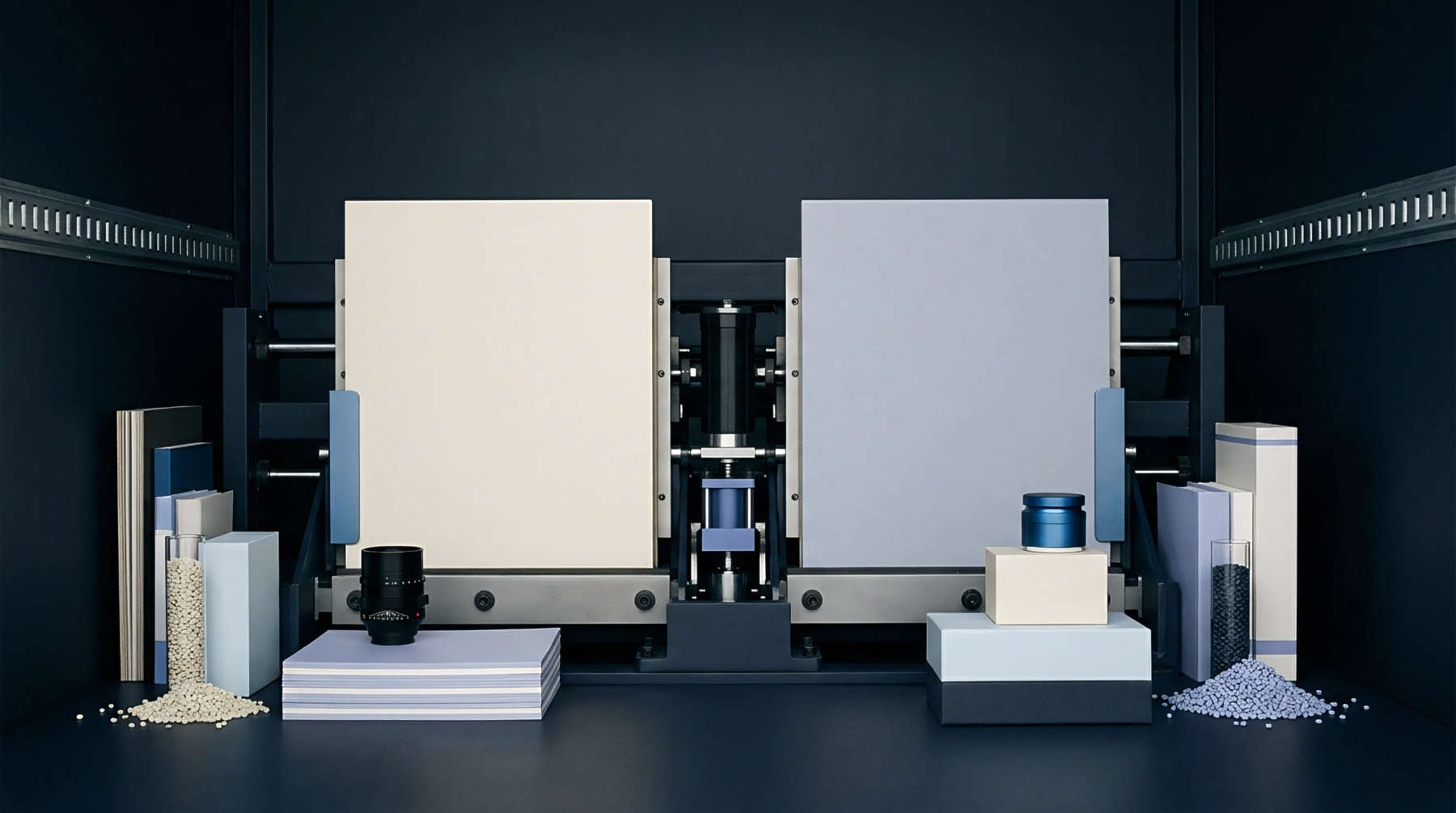
Reconcile furnish gaps by securing mill pulper logs and credit ledger statements that map physical test limits directly to mass balance allocation windows.
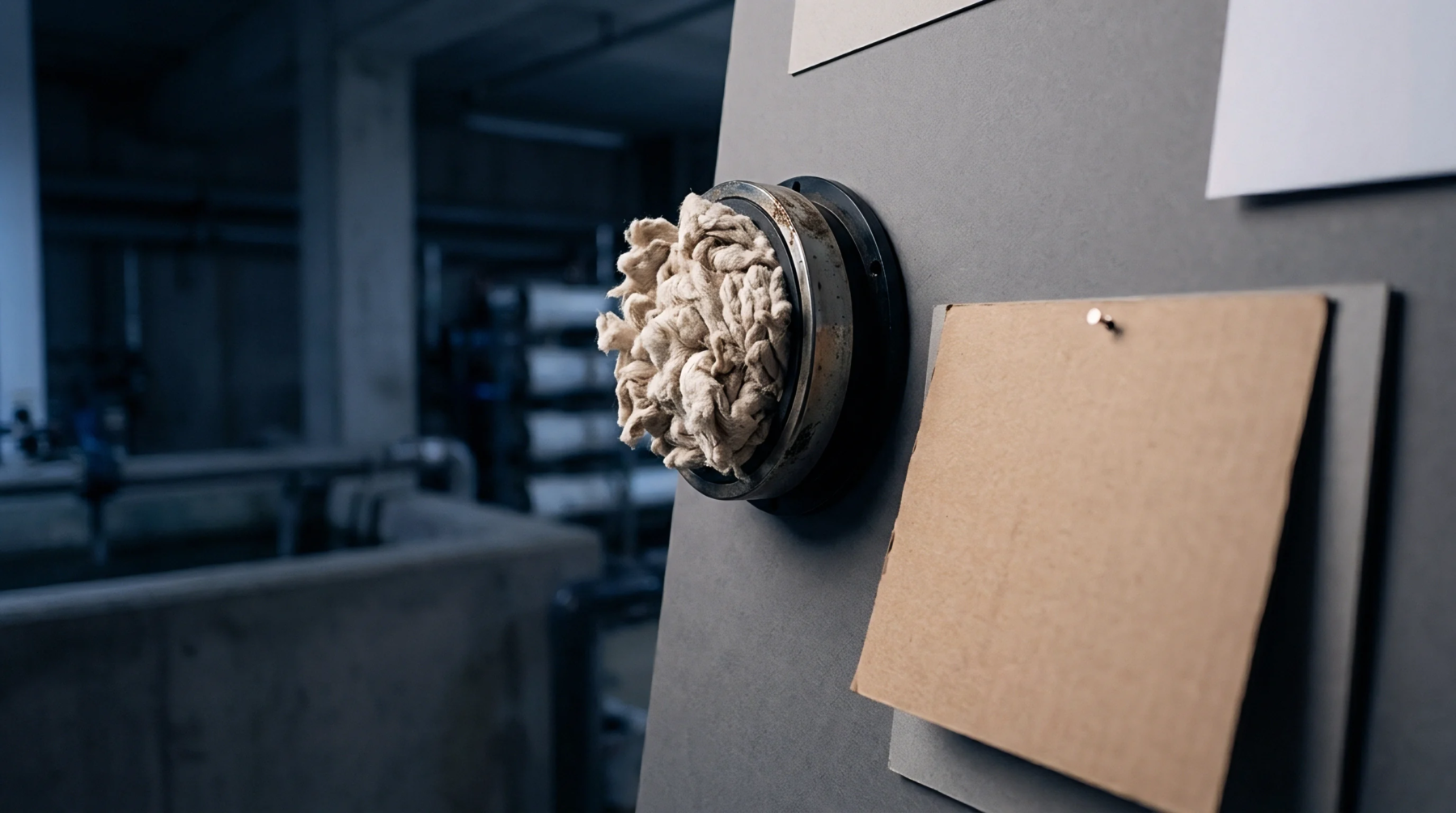
Optical fiber morphology analysis verifies virgin softwood content by quantifying tracheid bordered pits, Graff C colorimetry, and lumen collapse ratios.

Recycled paperboard loses flexural stiffness through fiber hornification and caliper collapse, demanding strict cubic-thickness specification over basis weight.

Laboratory testing cannot distinguish pre-consumer from post-consumer pulp in multi-ply board; compliance rests on mass-balance chain of custody.
Expertise is a utility, not a secret. sentiention™ publishes its working knowledge as open reference: intelligence layer covering the materials it sources, the markets it enters, and the reference that serves both.