Grade Substitution Shipped under an Unchanged Product Name
Unannounced paper grade substitution alters structural fiber bonding and surface chemistry, demanding dockside physical and chemical testing before press loading.
Unannounced paper grade substitution alters structural fiber bonding and surface chemistry, demanding dockside physical and chemical testing before press loading.
Optimizing shoe press peak pressure and wet-end couch solids maximizes inter-ply bond strength in multi-ply recycled fiber formations.

Optimizing board bulk expands sheet caliper at lower basis weight, increasing bending stiffness and yield per tonne while lowering total material cost.

Virgin solid bleached sulfate delivers superior score integrity and brightness, while recycled board reduces raw material expenditure when stiffness targets allow.

Mechanical decurling and fluid rehydration permanently degrade recycled paperboard flexural modulus by shear micro-delamination and fiber plasticization.

Aqueous dispersion barrier boards outperform extruded polyolefins by delivering over 95 percent wet end fiber yield and avoiding heavy EPR penalties.

Unwrapped recycled board stacks in subzero transit suffer rapid edge permeability degradation, demanding strict edge moisture rejection limits at goods-in.
Dynamic temperature and moisture transfer algorithms coupled with inline pyrometry eliminate optical sensor drift on high-speed recycled board lines.
Dynamic relative humidity cycling accelerates compressive creep in recycled corrugated substrates, requiring specific safety factor derating to prevent failure.
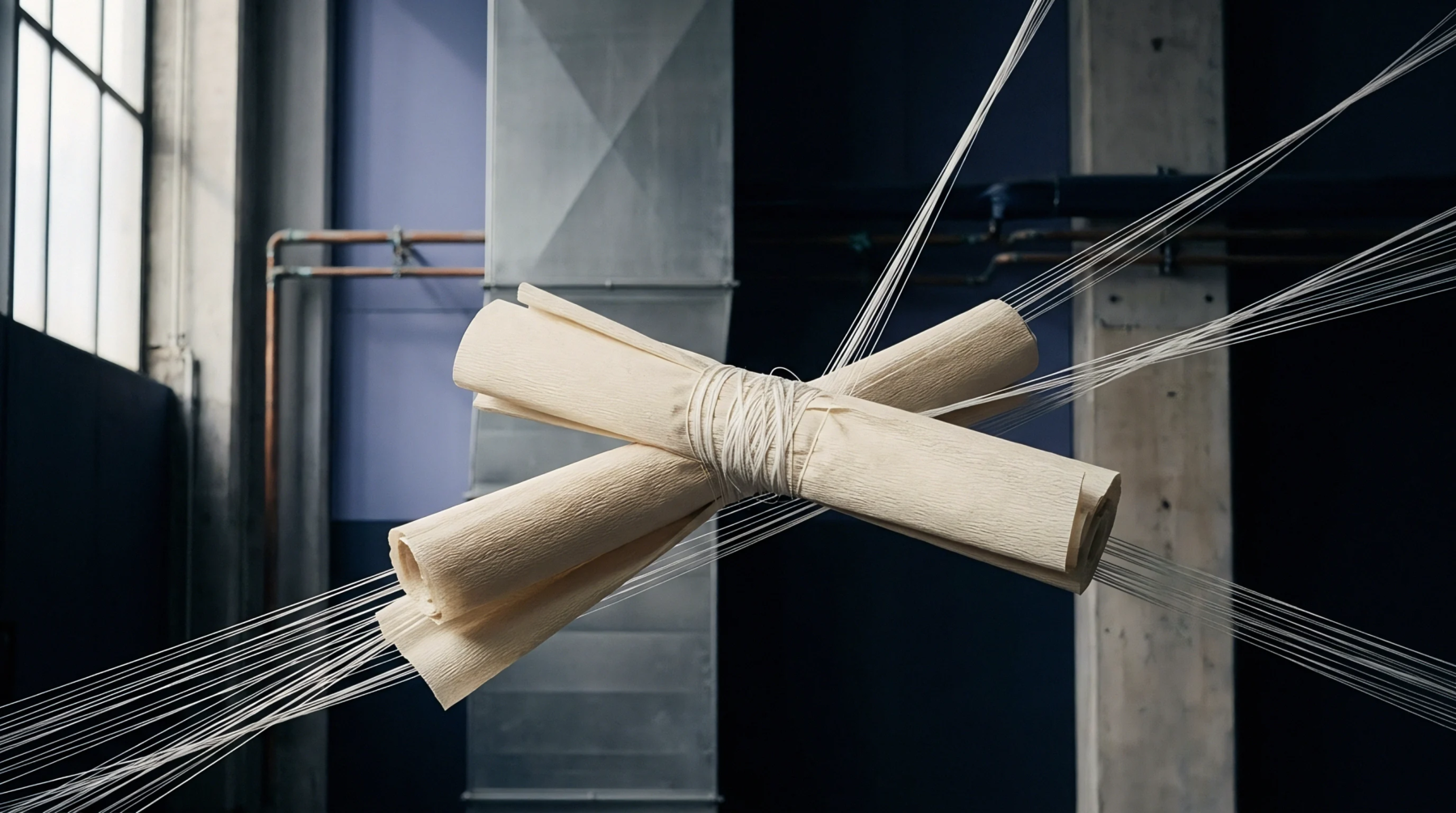
Cyclic microclimates degrade recycled paperboard inter-ply shear strength through moisture expansion mismatch and starch bond mechanical fatigue.
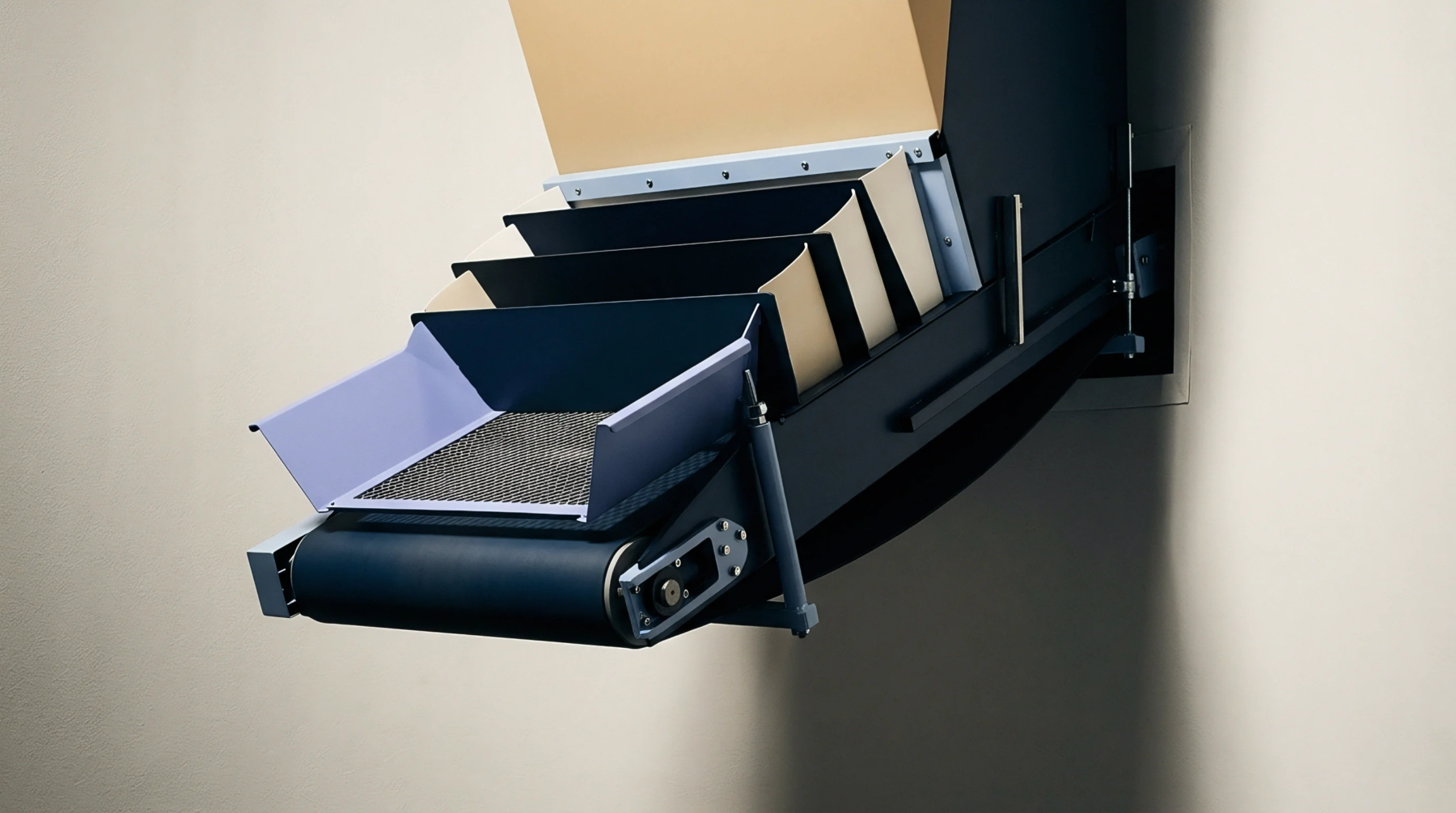
Mechano-sorptive creep rapidly weakens recycled packaging in fluctuating humidity, requiring explicit derating factors in compression design calculations.
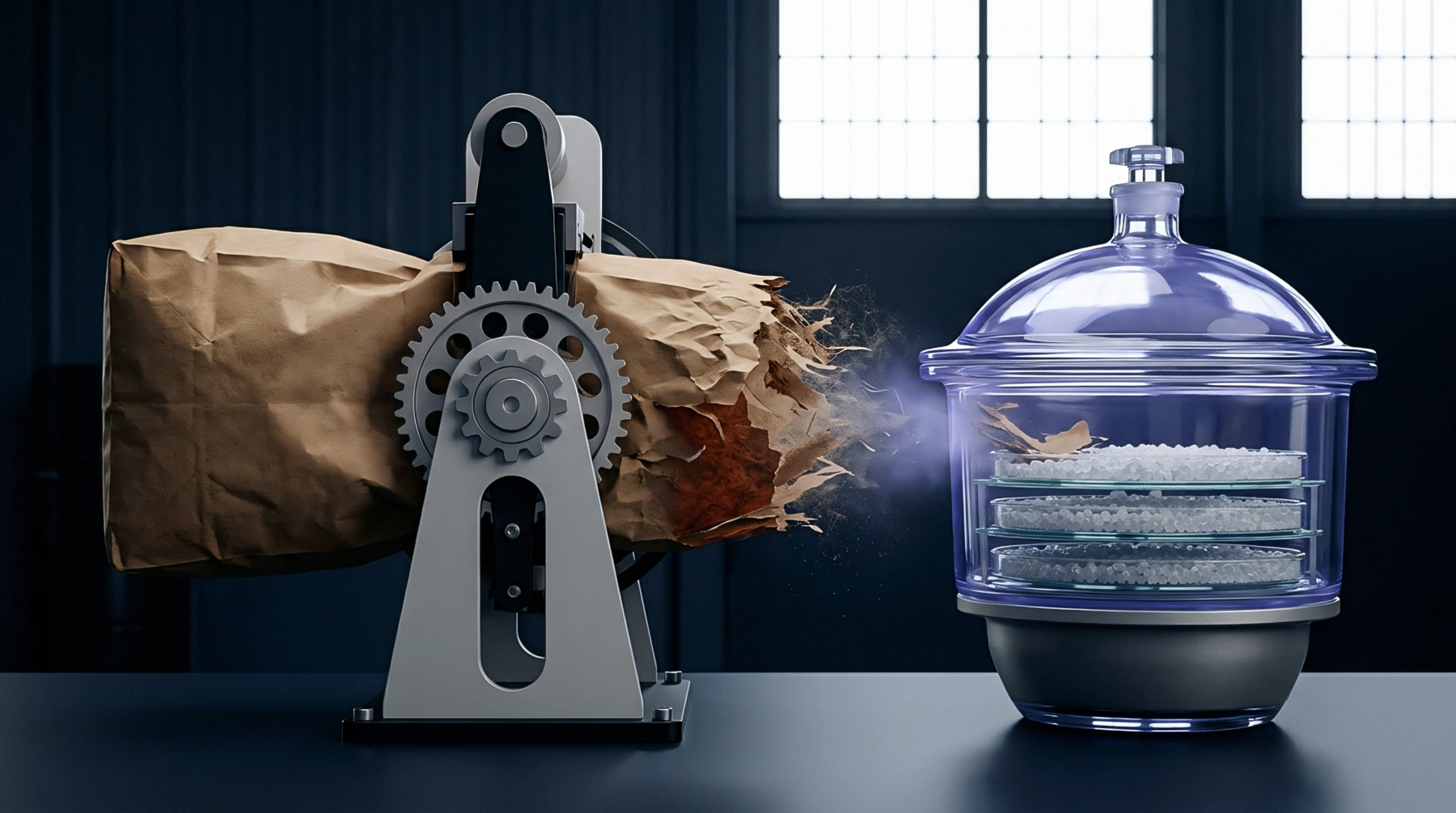
Dynamic relative humidity cycling accelerates creep deformation in recycled fluting medium beyond static predictions, requiring higher structural safety factors
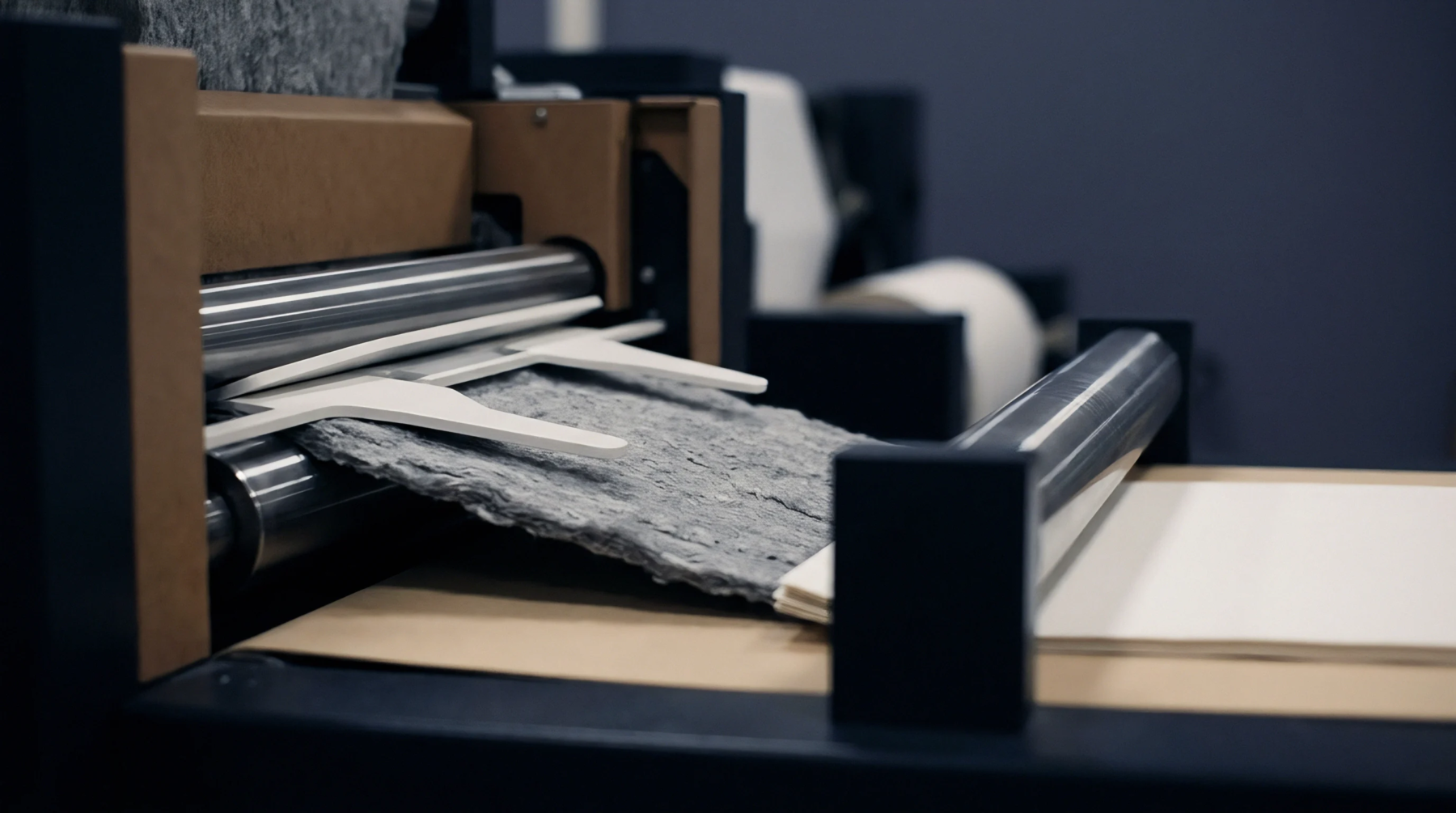
Dynamic moisture sorption in recycled containerboard accelerates mechanosorptive creep, requiring higher safety factors than virgin stock under cyclic relative humidity.
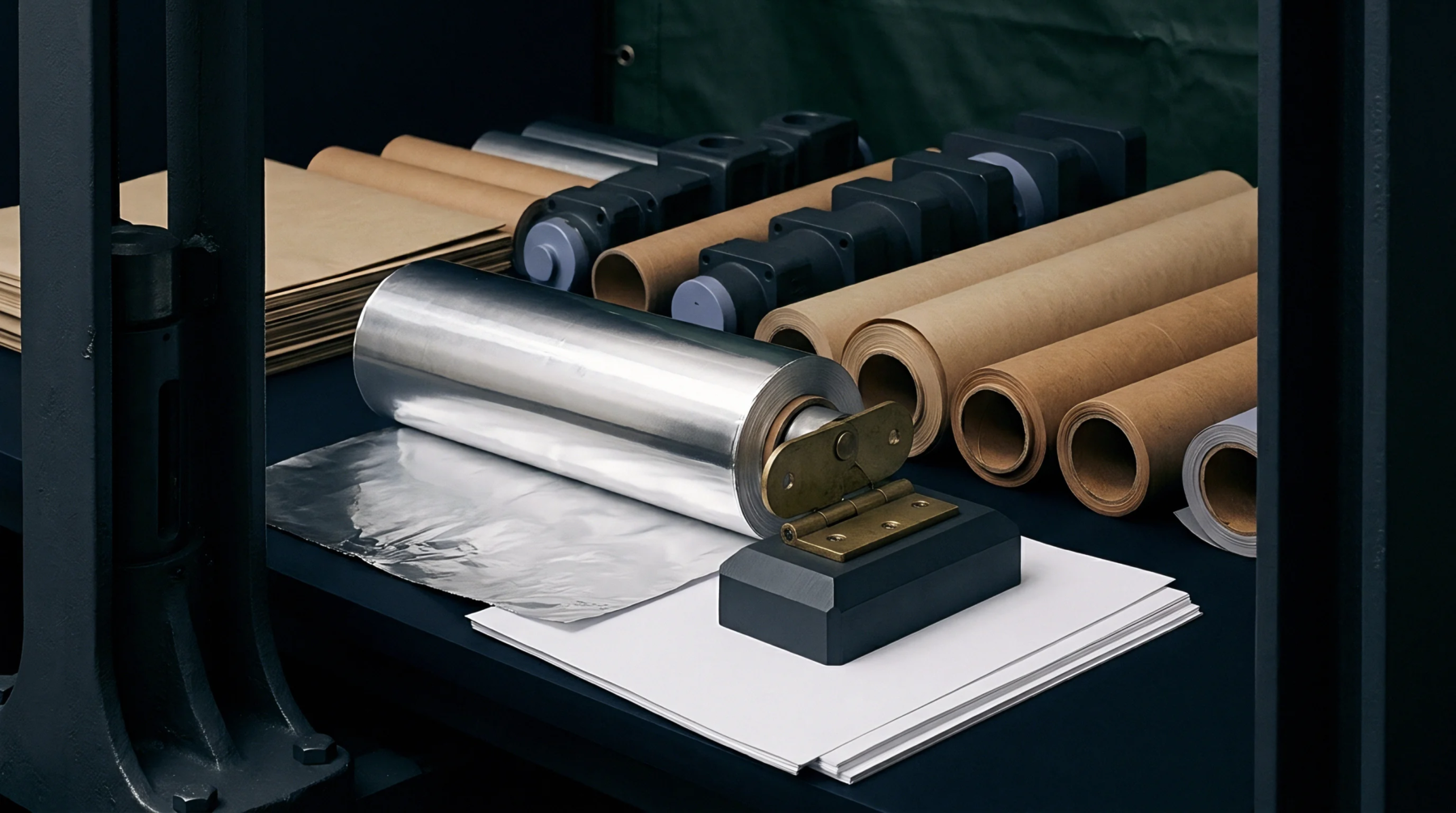
Dynamic microscale penetration testing resolves sub-second liquid absorption kinetics in recycled kraft linerboard to prevent converting failure.
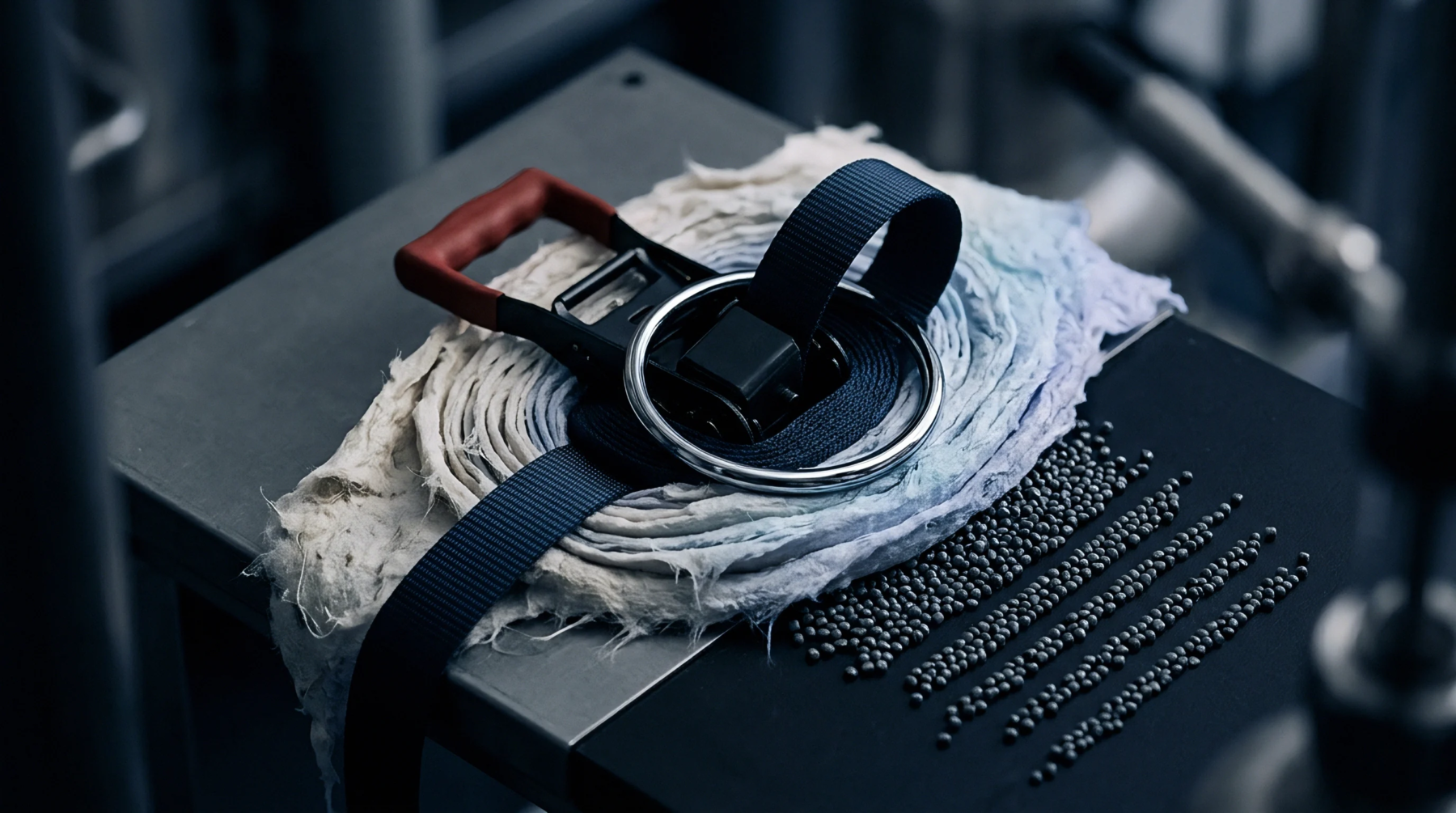
Recycled fluting creep under cyclic humidity causes warehouse pallet collapse unless procurement contracts enforce dynamic hygro-mechanical test thresholds.
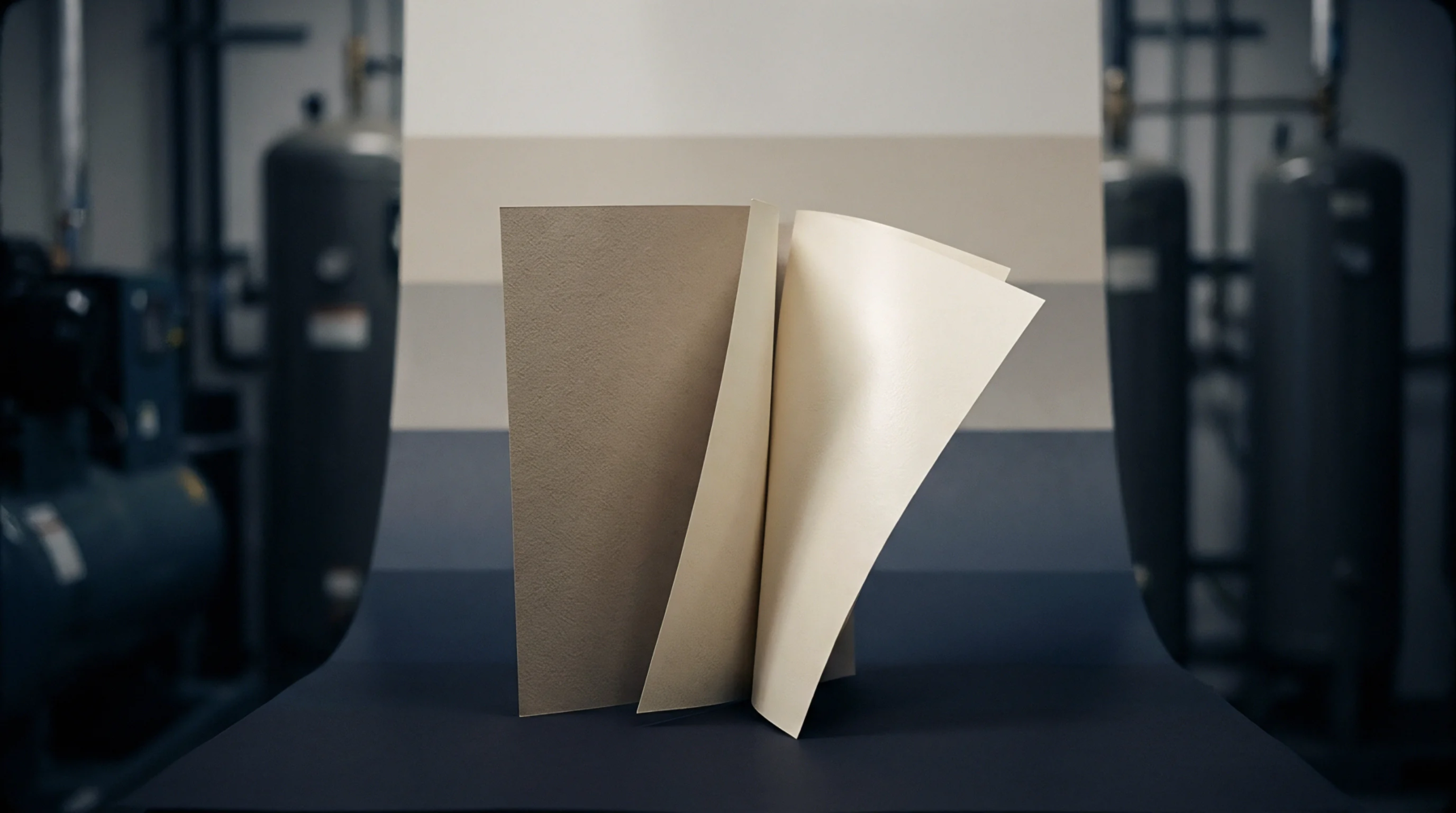
Recycled containerboard loses stiffness when hornified fibers slip under shear, which buyers offset with higher grammage or starch addition.
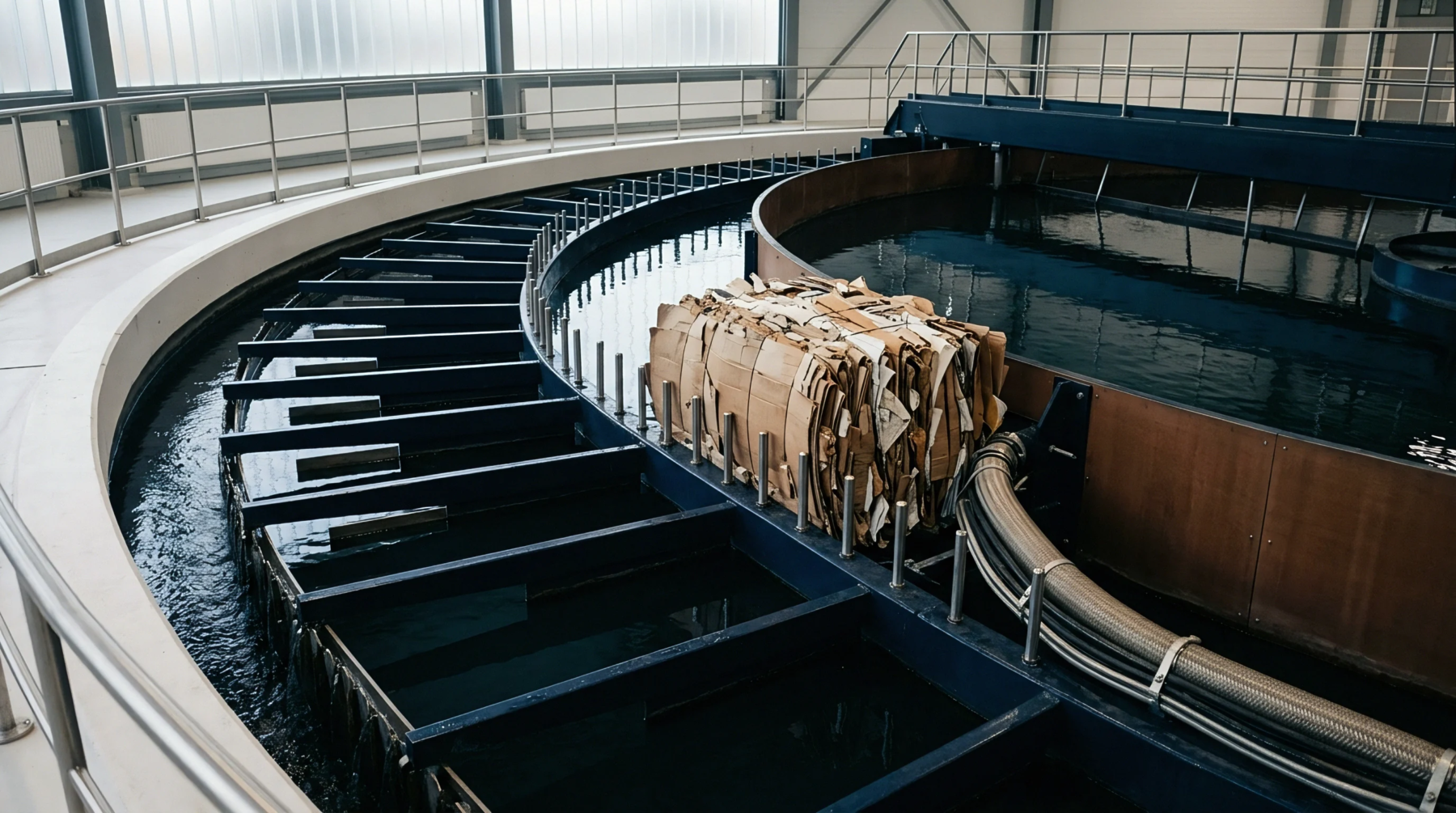
Controlled wet-end starch dosing between 6 and 9 kg/t maintains Scott bond at 180 to 240 J/m², preventing score cracking and delamination at high press speeds.
Compensating male punch penetration depth by thirty percent balances viscoelastic fiber recovery across recycled cartonboard platen tooling passes.
Recycled board requires 15 to 25 percent wider counter channels with radiused shoulders to absorb dynamic shear without splitting mineral coatings at speed.
Z direction tensile testing isolates internal bond strength under perpendicular loads, preventing ply separation during high tack printing and blister sealing.

Calculate female matrix channel widths using a 1.7 to 1.9 clearance factor to absorb recycled fiber compaction and stop score cracking at line speed.

Hytherthermal delamination occurs when rapid nip decompression flashes internal board moisture into steam that exceeds the substrate Scott bond strength.
Recycled fiber crease delamination drops 35 percent when Z-tensile strength falls under 250 kPa; specify TAPPI T 541 minimums before converting.

Recycled board deforms faster during humidity cycles than at fixed humidity, needing barrier coats or safety margins to prevent stack failure.

Automated optical image analyzers misread severely hornified recycled fibers because two-dimensional projected shadows miss irreversible internal lumen collapse.
Calculating internal dynamic shear stress against wet-end starch cohesion prevents inter-ply delamination during high-speed folding of recycled boards.
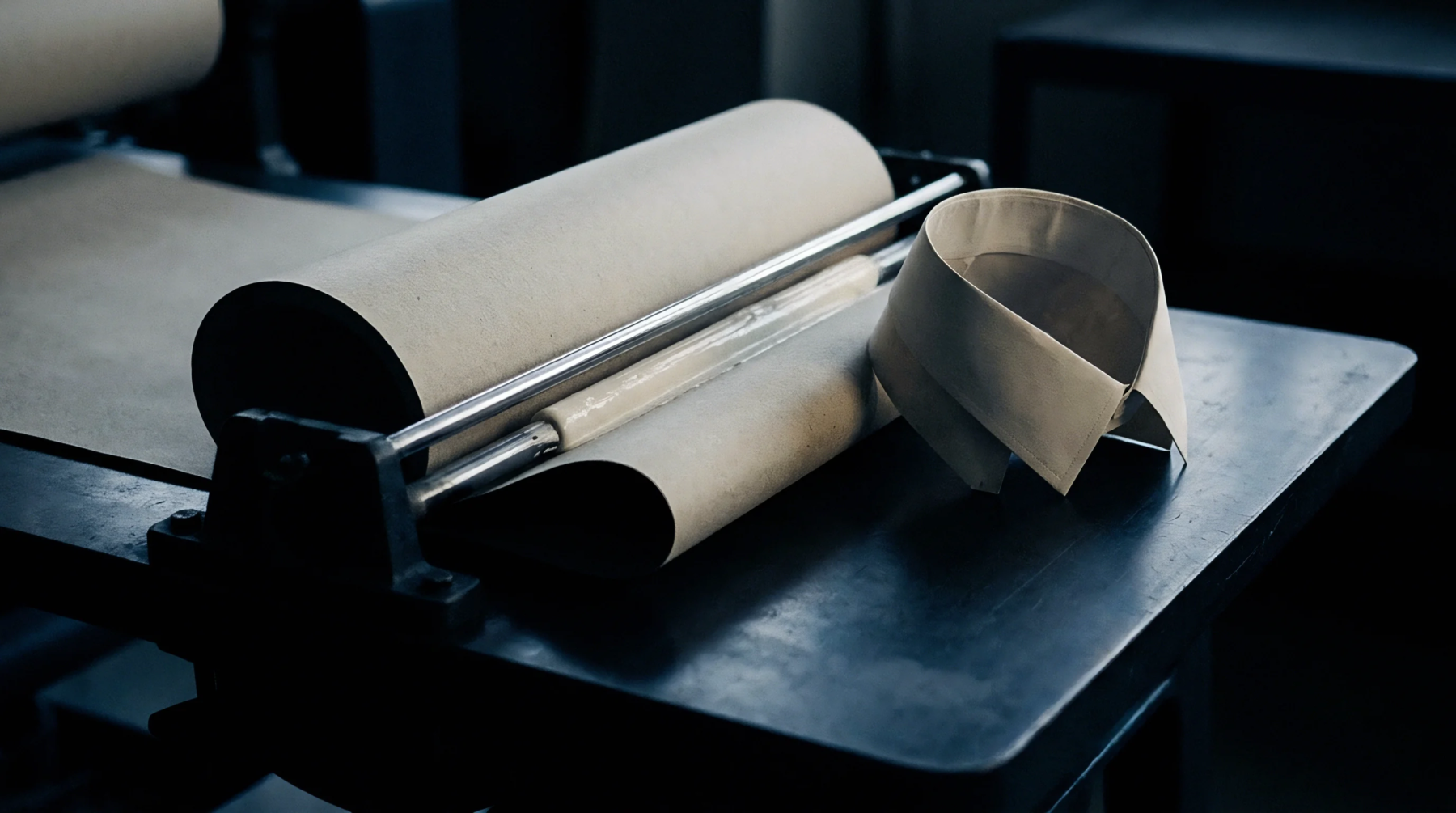
Structuring multi-ply recycled linerboard into density-optimized layers increases flexural rigidity and prevents score cracking while optimizing yield.
Dynamic relative humidity cycling accelerates mechanosorptive creep in recycled containerboard, causing structural stack failure below static load limits.

Short-span compressive creep evaluation reveals that recycled containerboard loses over fifty percent of stacking strength under cyclic humidity within thirty days.
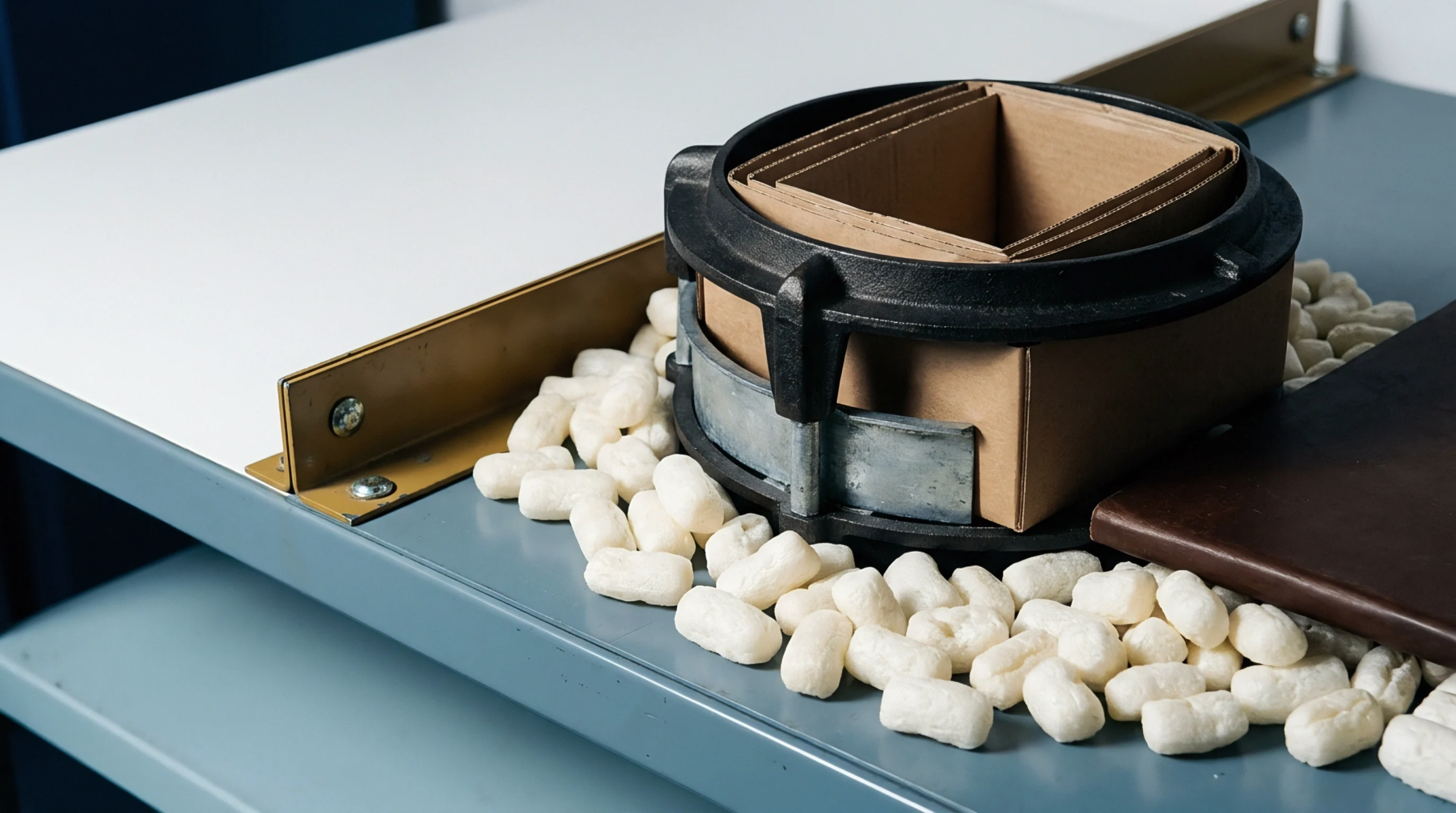
Controlled ply separation during cartonboard creasing prevents liner cracking, requiring precise matrix channel sizing and verified inter-ply bond strength.
Expertise is a utility, not a secret. sentiention™ publishes its working knowledge as open reference: intelligence layer covering the materials it sources, the markets it enters, and the reference that serves both.