Spot UV against Hot Foil at the Break Even Run Length
Digital spot UV beats hot foil stamping on setup costs below 3,400 B2 sheets at 5% coverage, beyond which low foil area costs surpass high fluid burn.
Digital spot UV beats hot foil stamping on setup costs below 3,400 B2 sheets at 5% coverage, beyond which low foil area costs surpass high fluid burn.
Grammage and caliper variance mechanics govern substrate bulk, bending stiffness, press throughput, and sheet yield per metric tonne in packaging board swaps.

Grammage and caliper specifications require ISO test method conditioning standards and tight bulk tolerance clauses to prevent converting line failures and yield losses.
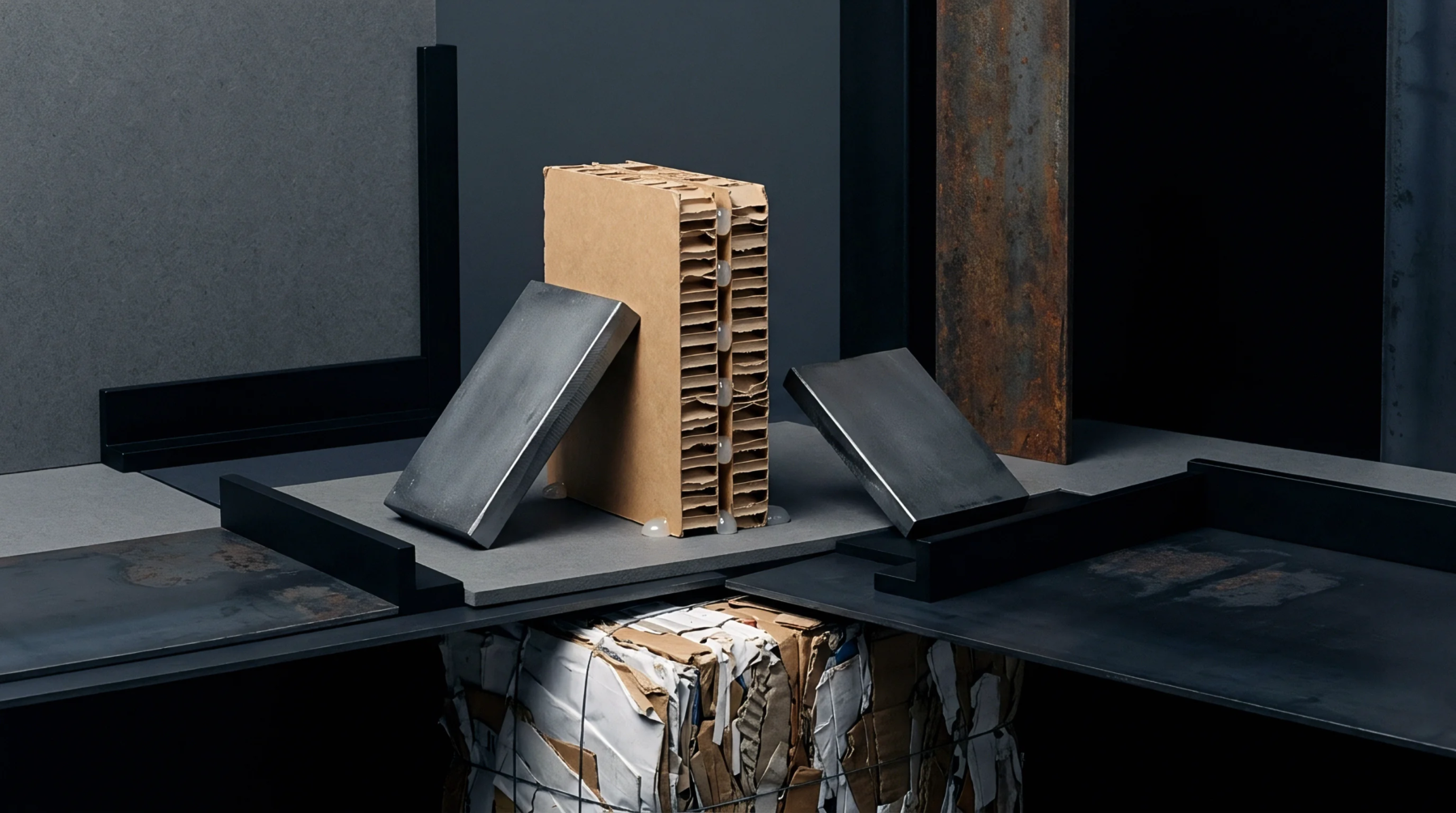
Parent sheet yield and trim waste govern grade selection when high-bulk downgauging balances mill deckle fit, layout imposition, and net landed cost per unit.
Inline acoustic wave sensing detects sub-surface paperboard delamination during scoring, stopping un-creased board defects before downstream cartoning line jams.
Low-fibre-length recycled substrates require wider matrix channels and precise moisture control to prevent outer liner rupture under tensile strain limits below 1.5%.
Cross direction score lines on solid bleached sulfate require a 50 percent crease stiffness reduction ratio achieved via a 1.8 to 2.0 times caliper matrix width.
Downgauging folding boxboard demands increasing core bulk and outer ply elastic modulus to preserve caliper and bending stiffness under McKee formula laws.
Dynamic Mechanical Analysis reveals high-speed converting nips collapse high-bulk BCTMP middle plies, dropping bending stiffness up to twenty-six percent.
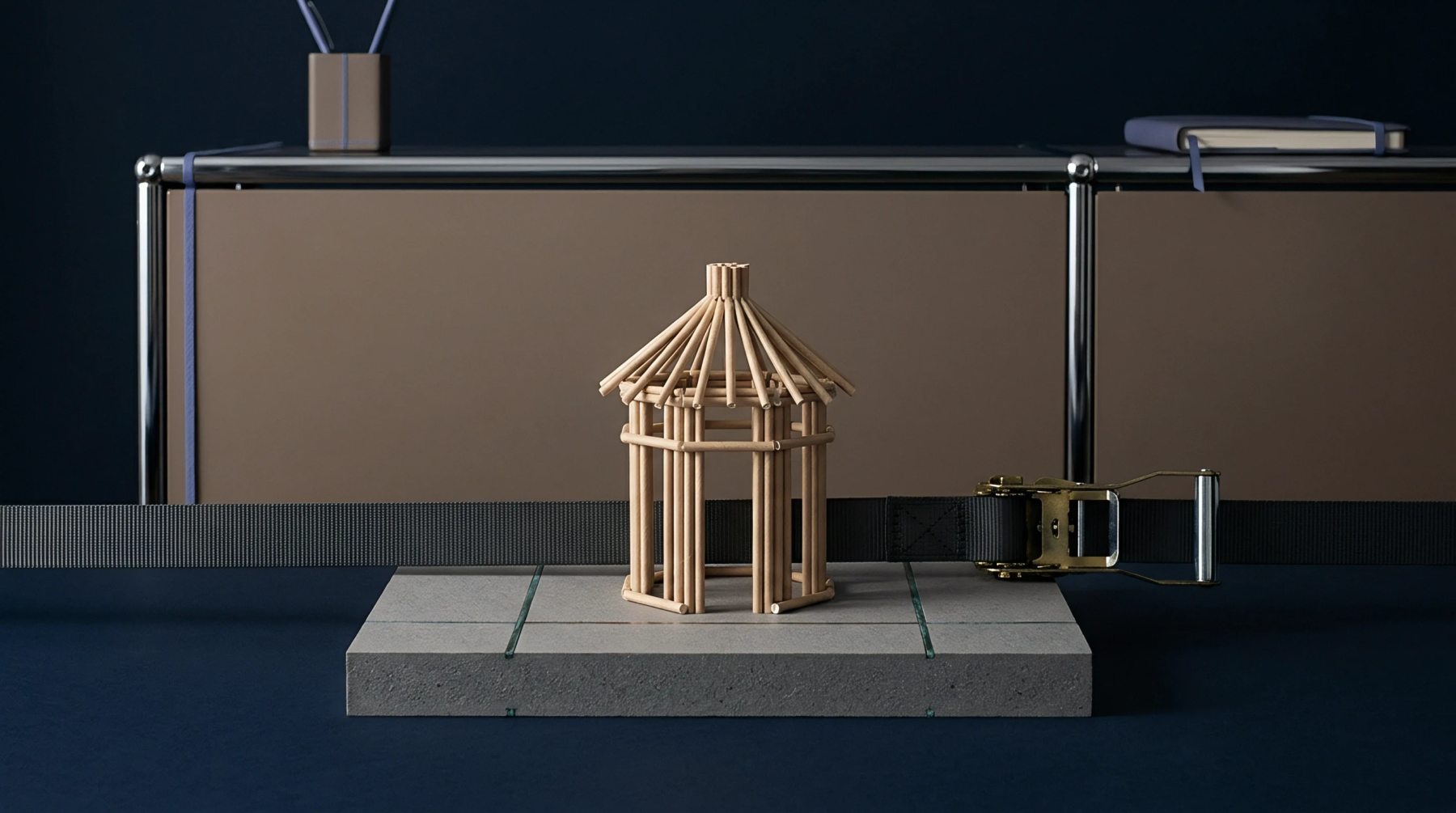
SBS bending stiffness scales with the third power of caliper and dictates carton bulking resistance, requiring verification via ISO 2493 load-cell testing.
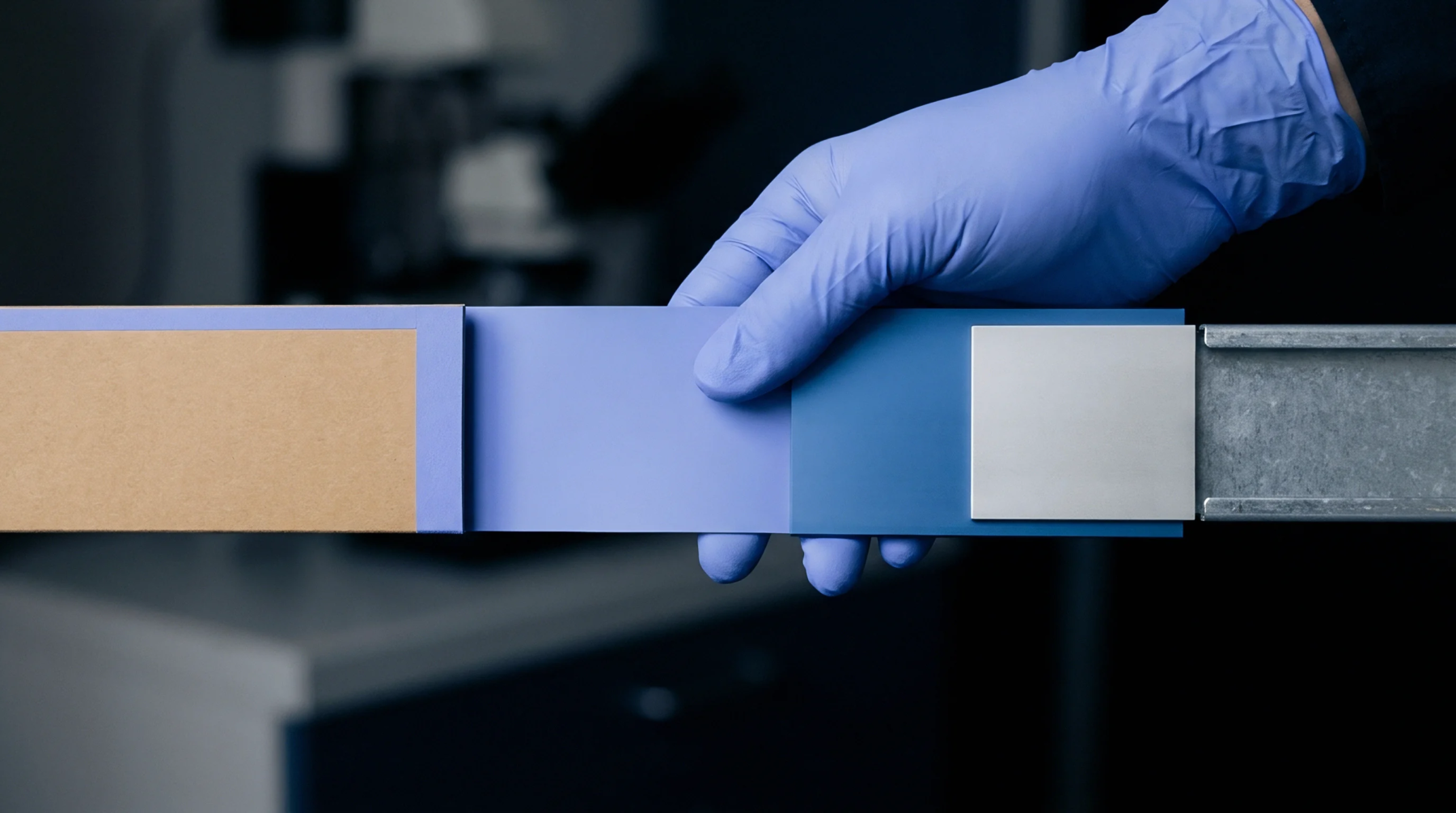
Preserving folding boxboard bending stiffness during weight reduction relies on maintaining mechanical core bulk while elevating outer ply elastic modulus.
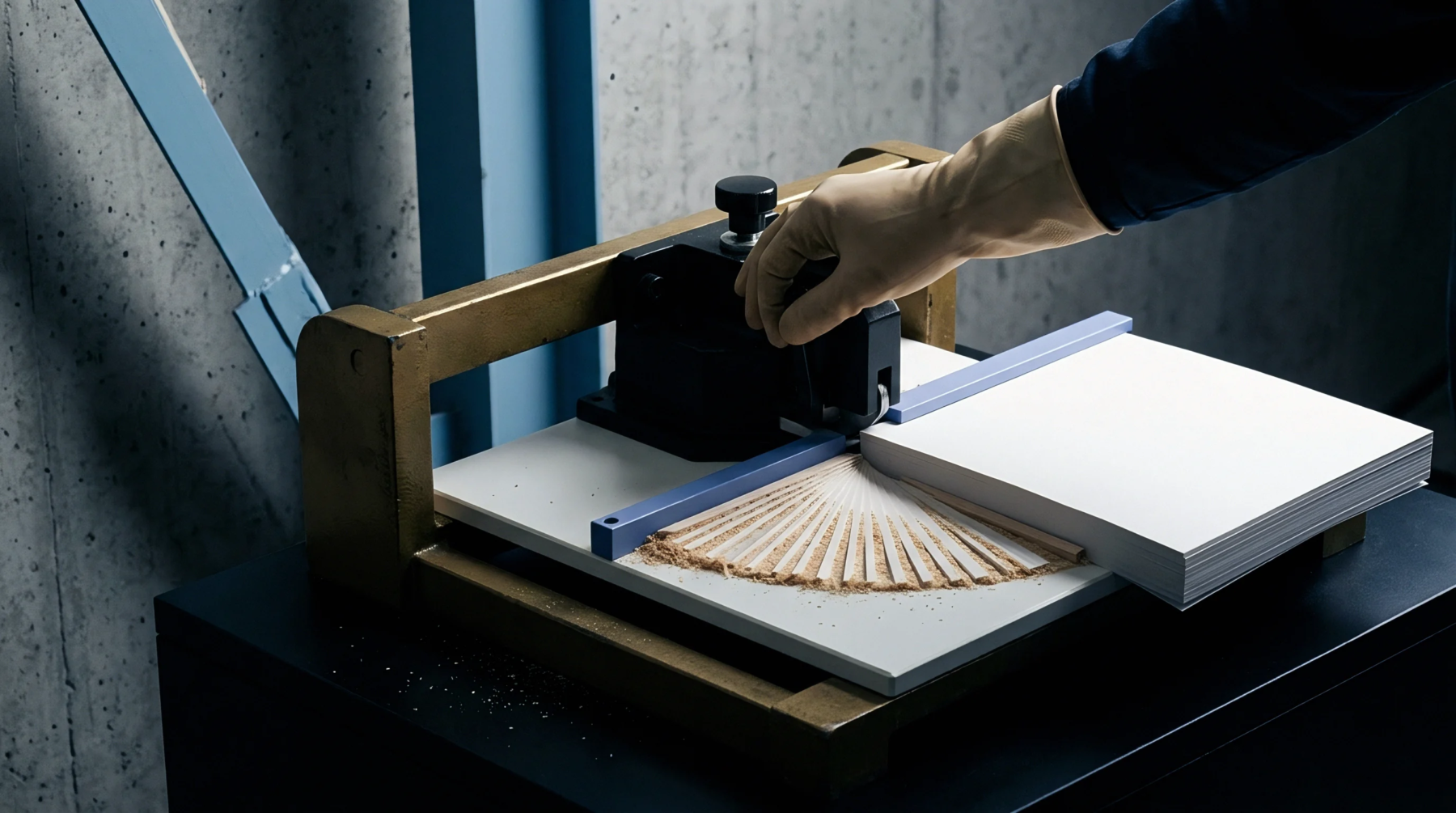
Imposition layouts that nest cartons across grain directions reduce parent sheet trim but induce bimodal stiffness variance and high-speed feeder jams.
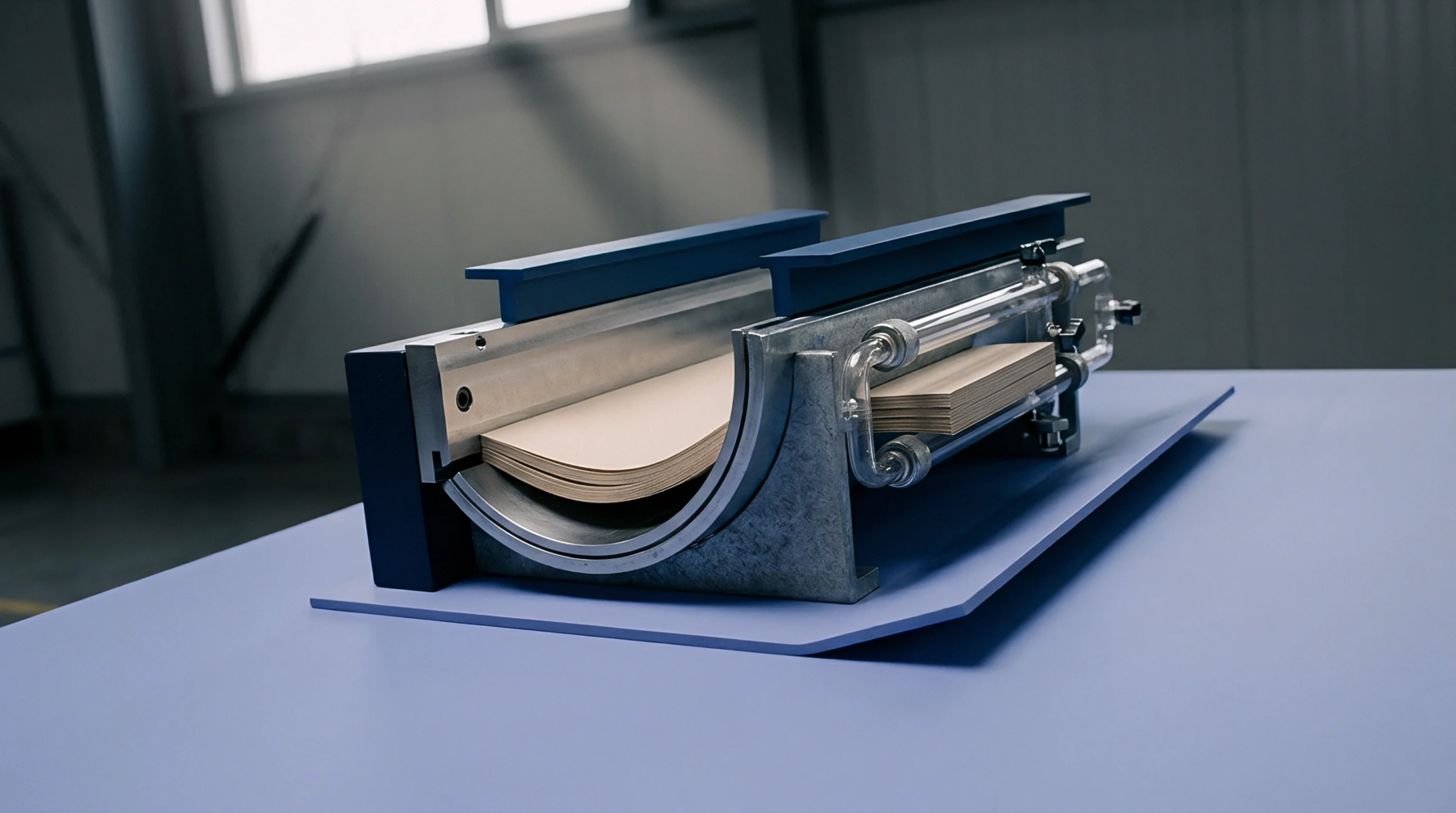
Calculate crease rule height by subtracting compressed board caliper from cutting rule baseline, sizing matrix width to rule thickness plus 1.5 to 1.8 times board thickness.
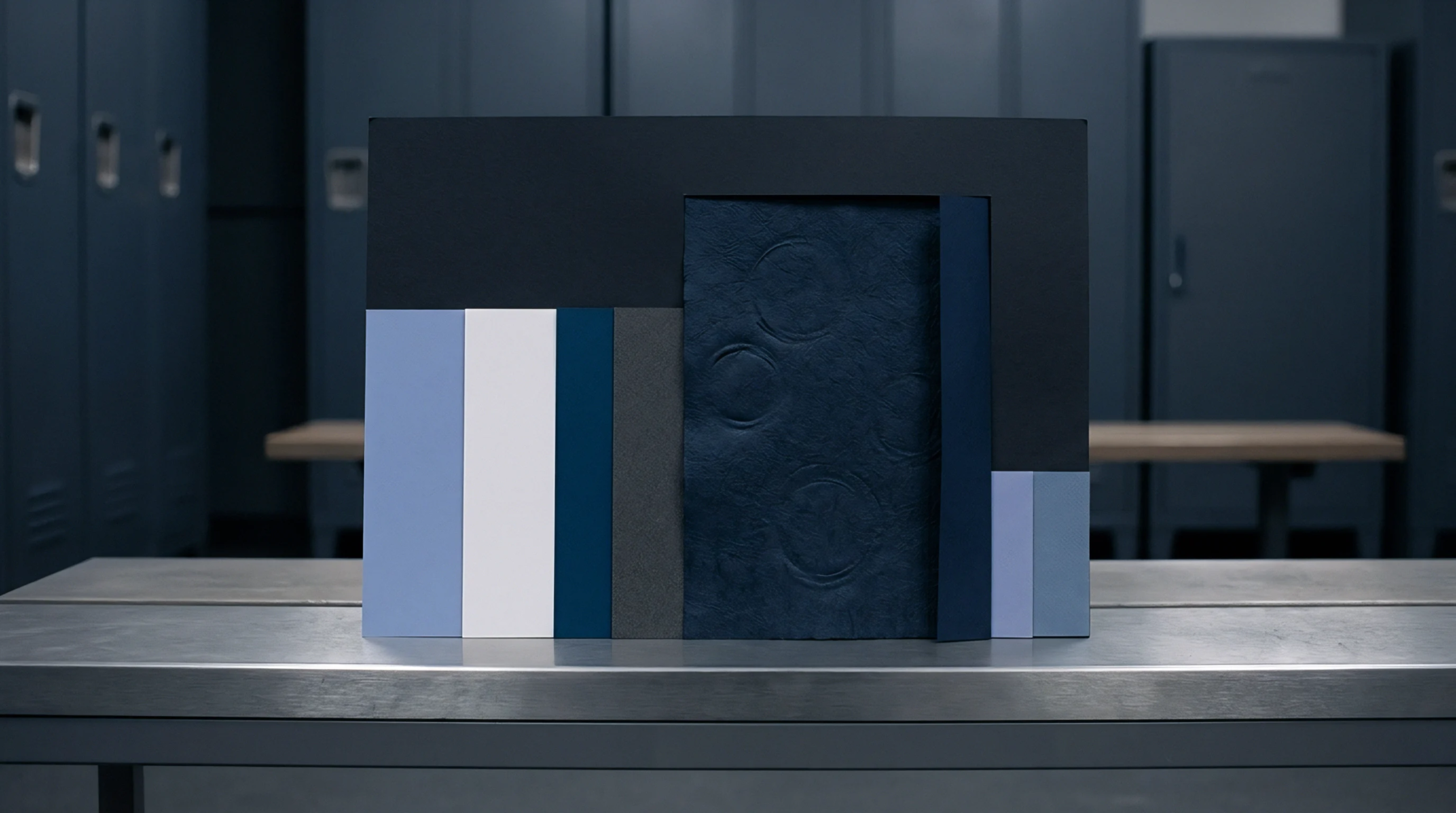
High frequency ultrasonic attenuation profiling non-destructively maps internal ply delamination and polymer barrier continuity during cartonboard creasing passes.
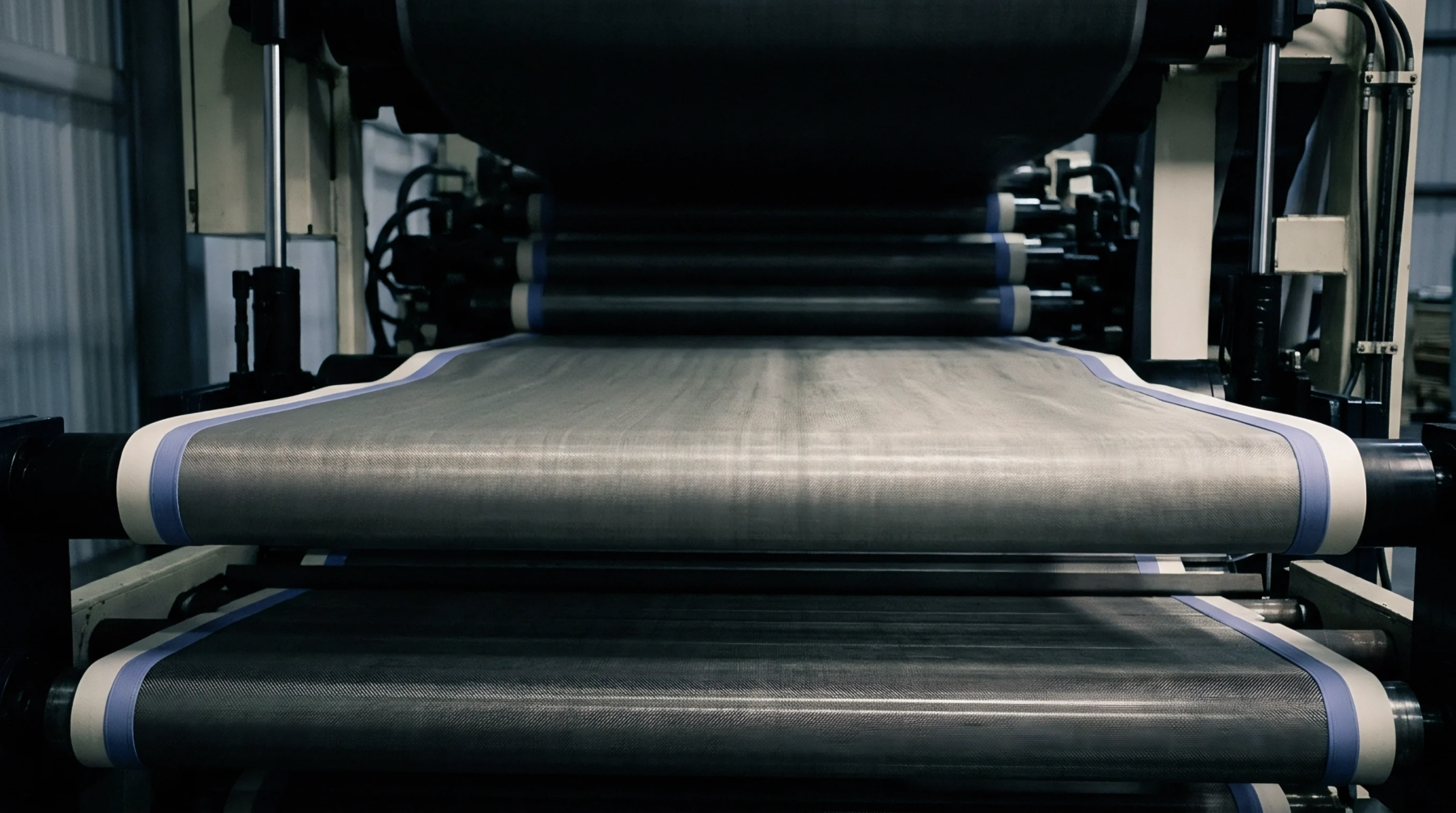
Moisture-gradient calendering plasticizes outer chemical skins while keeping mechanical cores dry, maximizing FBB bending stiffness and yield.
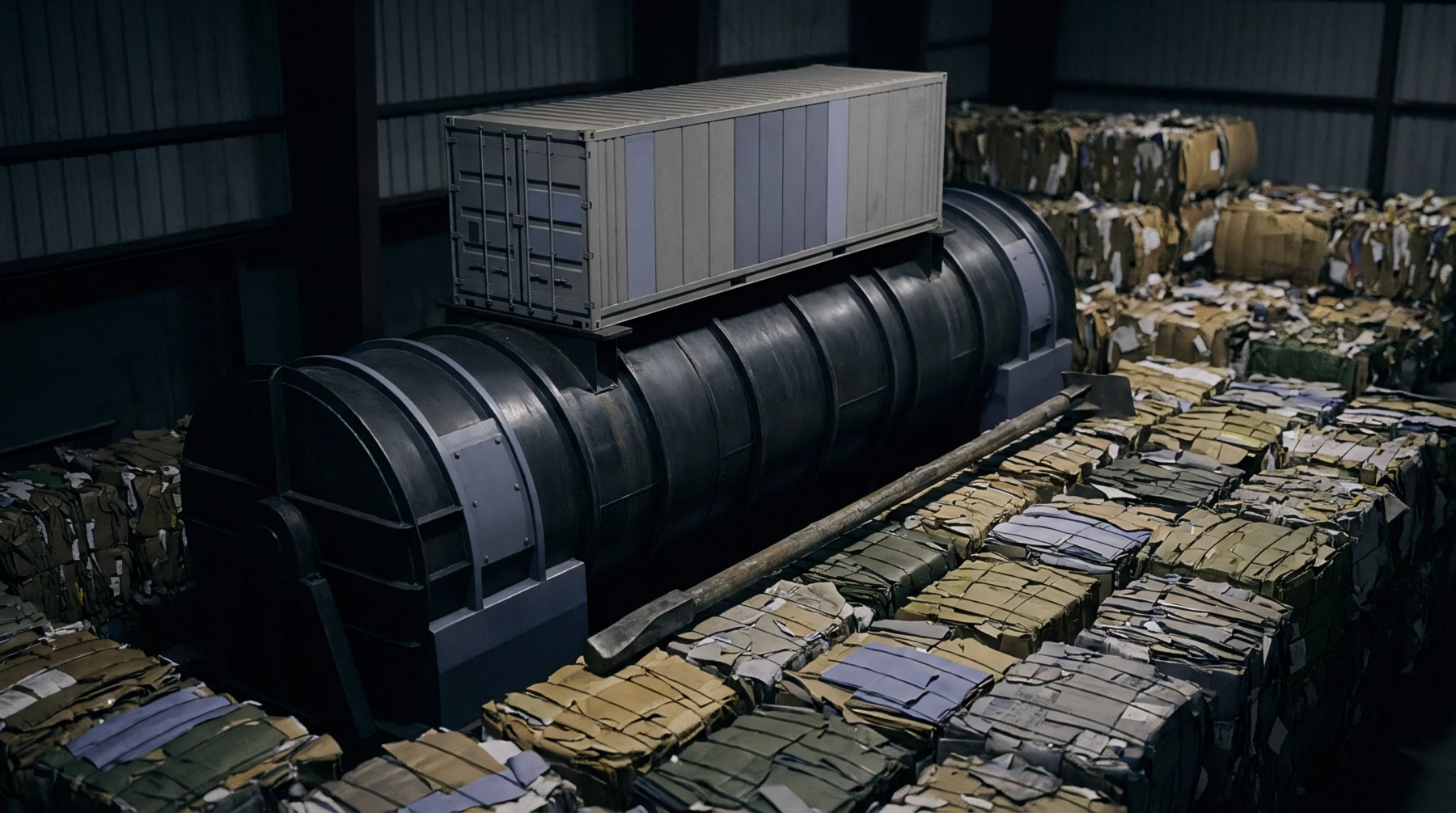
Paperboard loses up to sixty percent of top-load compression strength in high humidity due to transverse fiber swell and mechano-sorptive creep decay.

Optimizing board bulk expands sheet caliper at lower basis weight, increasing bending stiffness and yield per tonne while lowering total material cost.
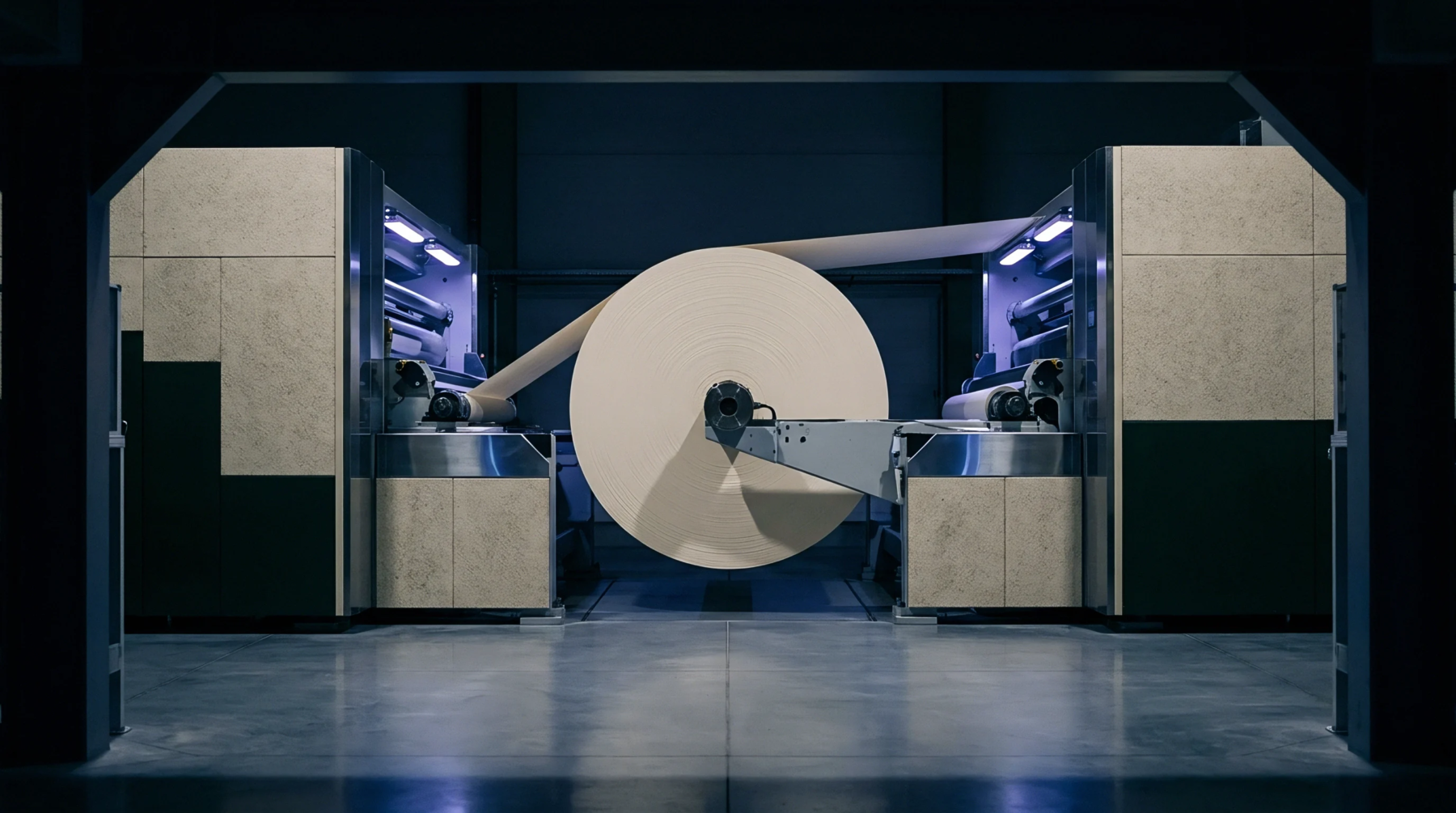
Die imposition layouts must align machine direction grain along the extraction vector to prevent dynamic bowing and vacuum shear during high-speed cartoning.
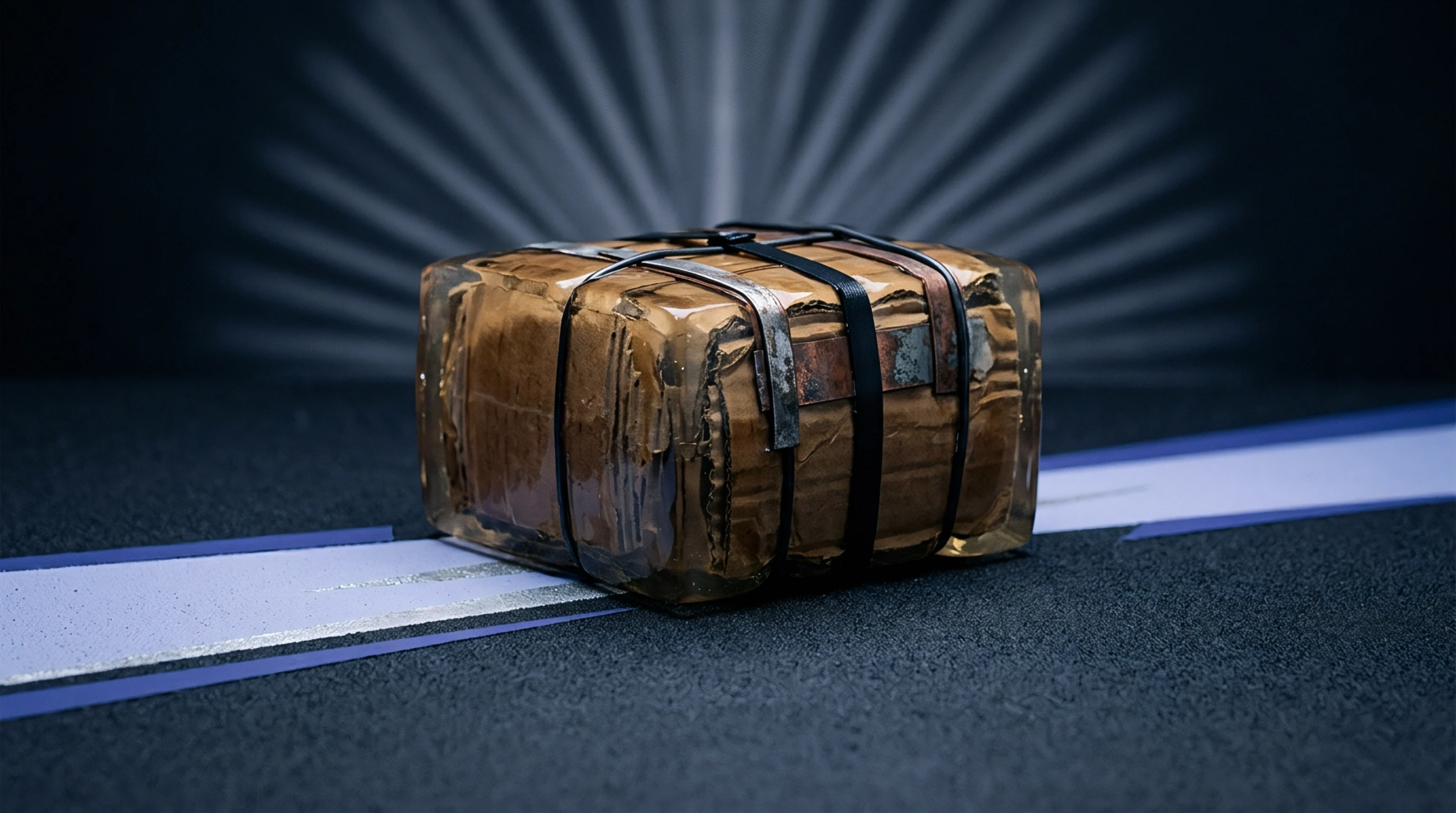
Dynamic delamination thresholds in recycled calipers dictate converted score integrity, requiring minimum inter-ply shear energy dissipation under high strain rates.
Multi-ply board stiffness and compression depend on z-direction modulus distribution, where cubic caliper scaling governs flexure and cross-direction short-span compression dictates box stacking strength.
Sub-micrometer web caliper metrology demands chromatic confocal sensors or synchronized triangulation heads with dynamic aeroelastic and thermal drift compensation.
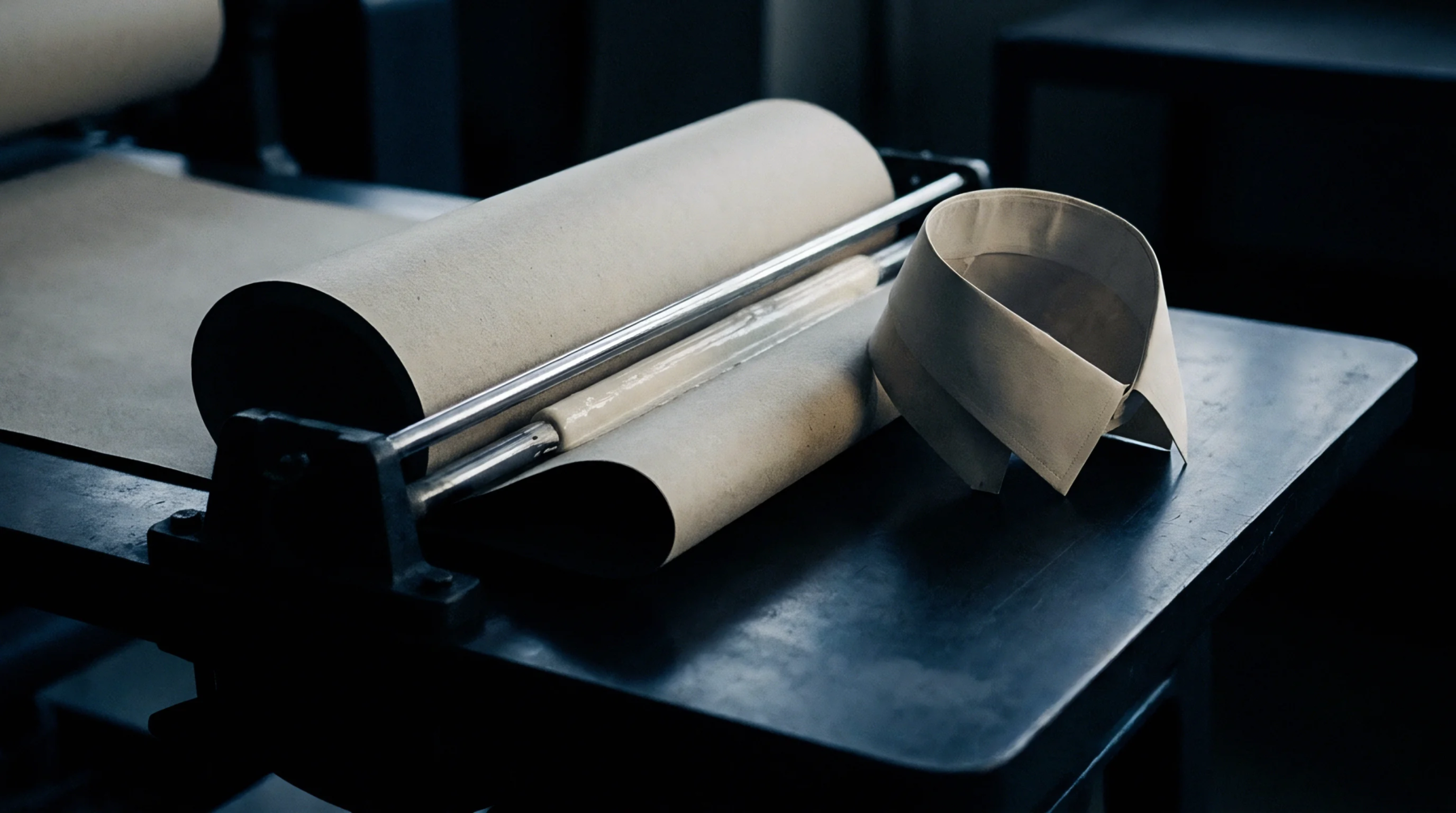
Swapping dense SBS for bulky FBB preserves bending stiffness through thickness retention while cutting material weight by fifteen to twenty percent per carton.
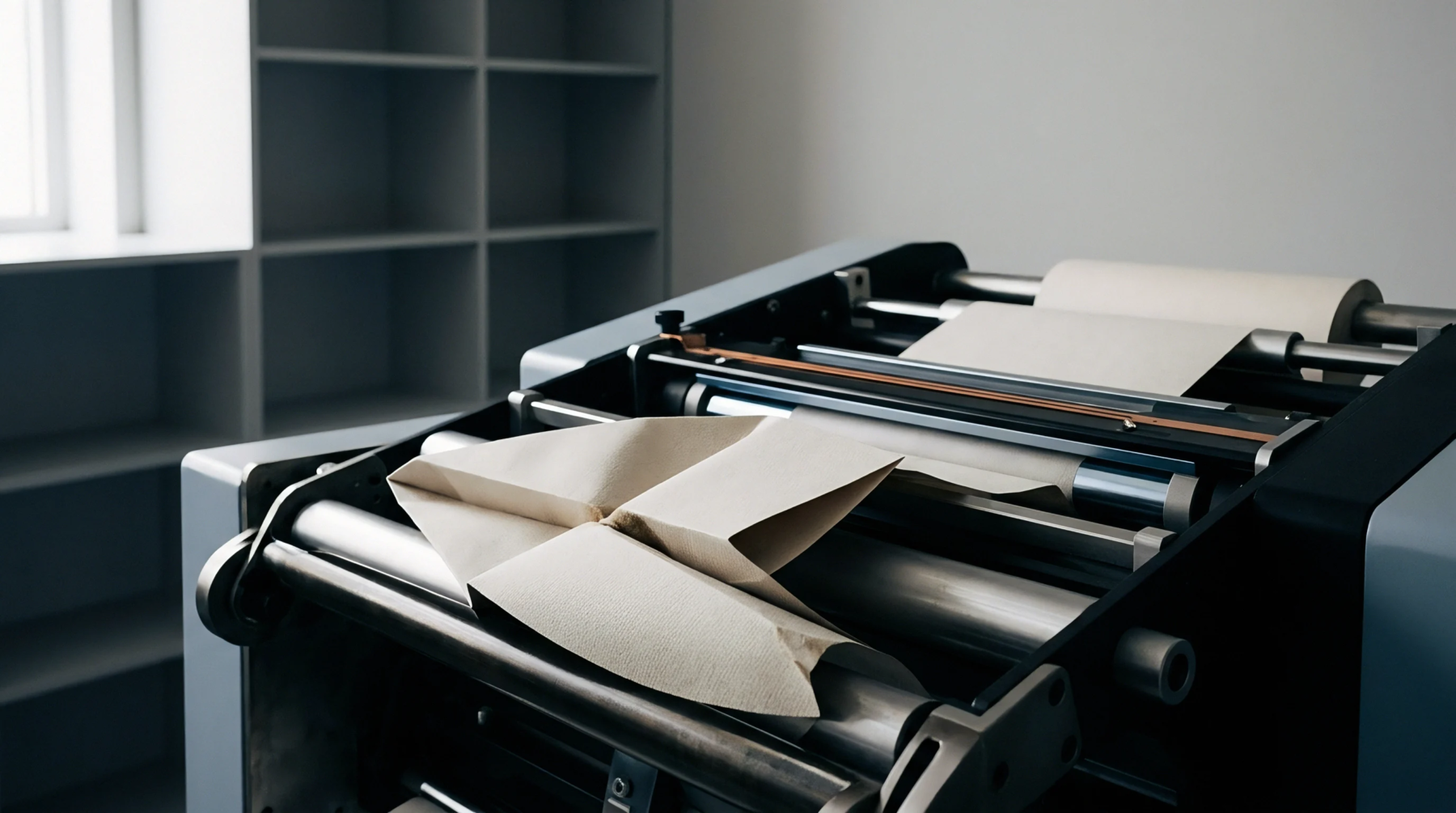
Uncoated folding boxboard requires matrix channel width equal to creasing rule thickness plus 1.8 times caliper to prevent top liner cracking during folding.

Hardwood pulp substitution increases sheet density but reduces caliper, dropping bending stiffness cubically and eroding high-speed converting line speed headroom.
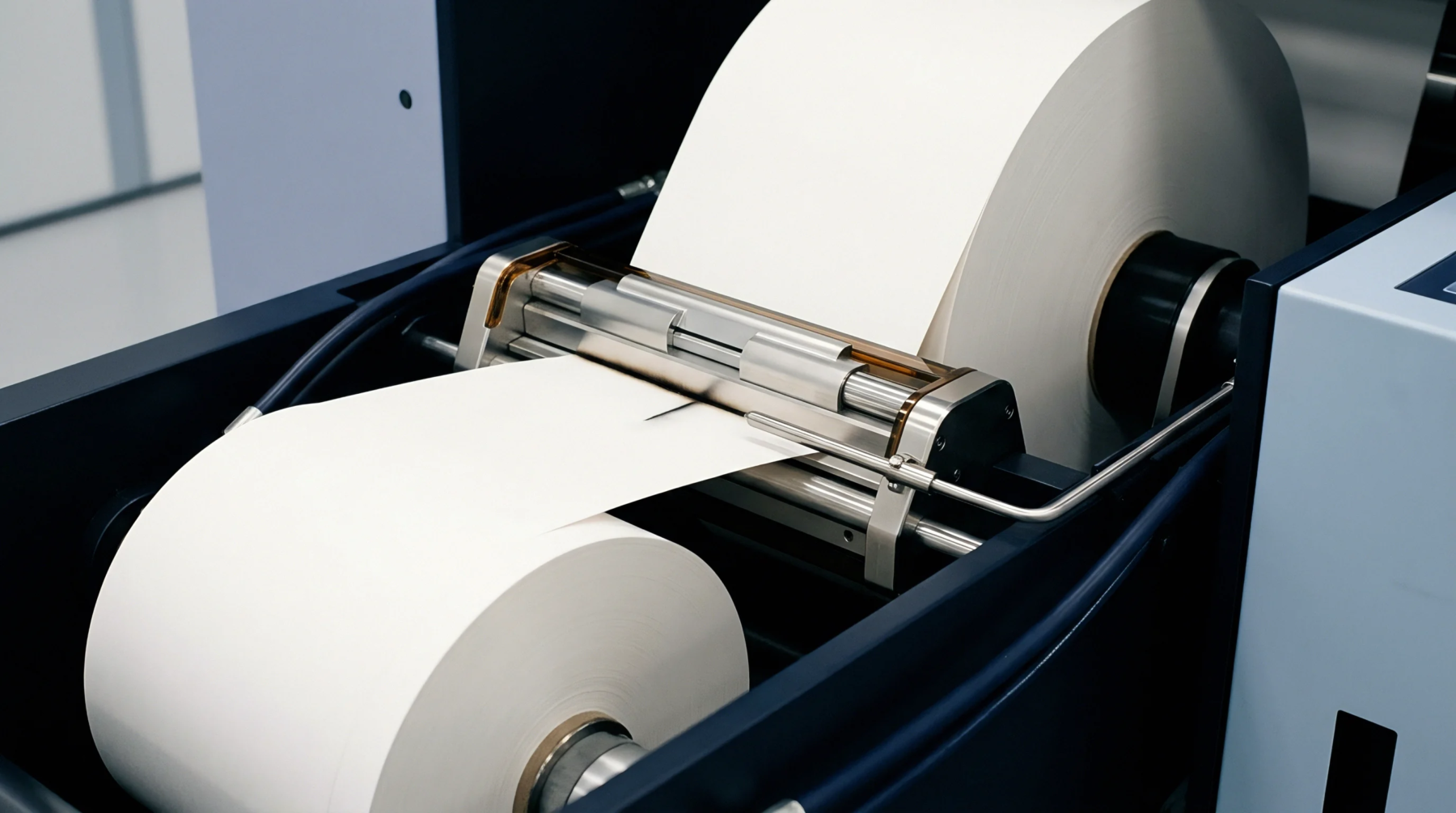
High-bulk BCTMP cores maintain boxboard bending stiffness during caliper downgauging while chemical wet-end additives prevent delamination under score creasing.

Core layer mechanical pulp distribution controls folding boxboard bulk and bending stiffness, enabling weight reduction while preserving box structural integrity.
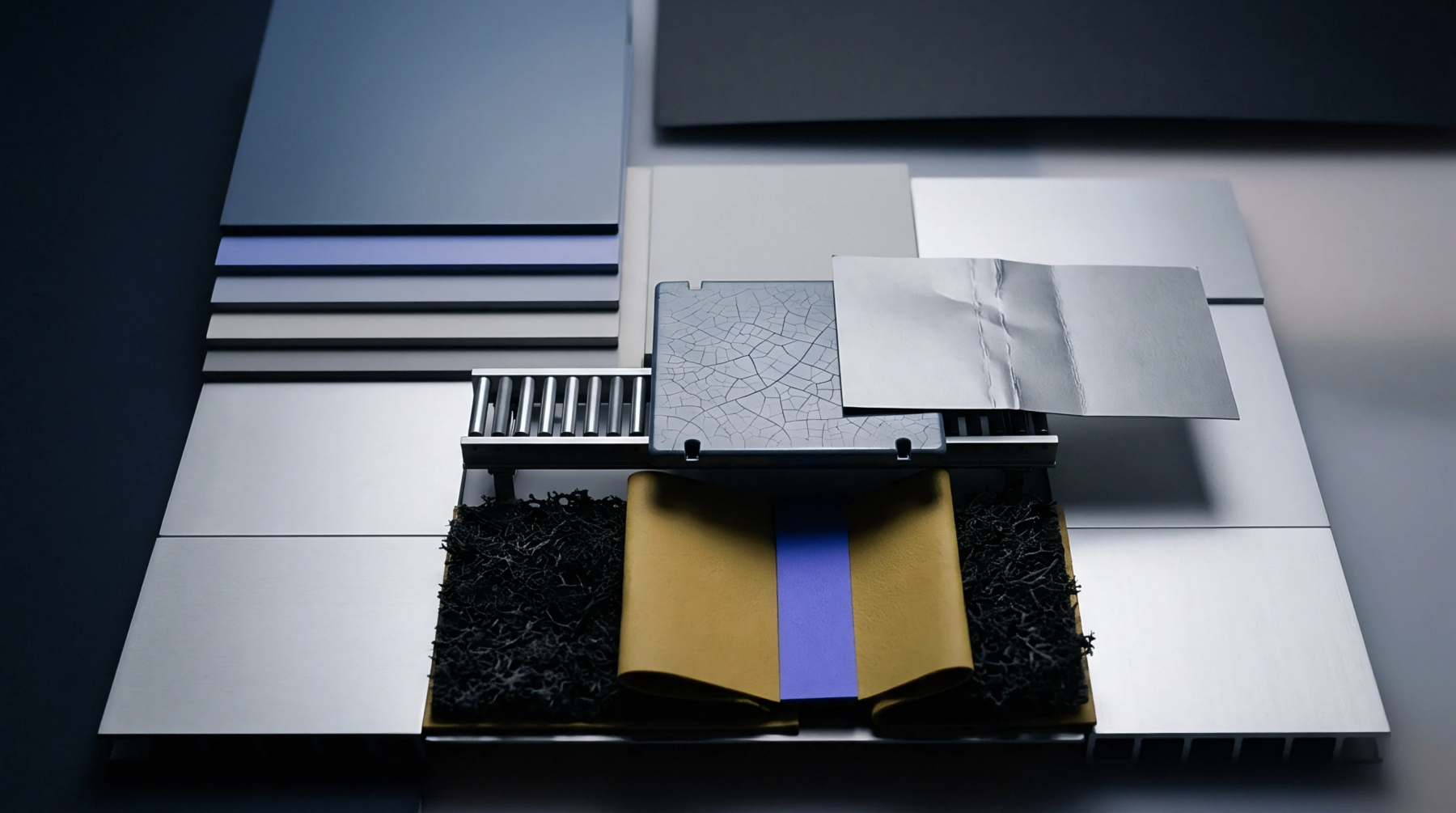
Controlled low energy refining of middle ply mechanical pulp yields superior Z direction tensile development without caliper loss in multi ply boxboard.
Optimizing multi-ply boxboard caliper requires balancing mechanical core thickness against chemical skin elastic modulus to maximize bending stiffness per unit weight.
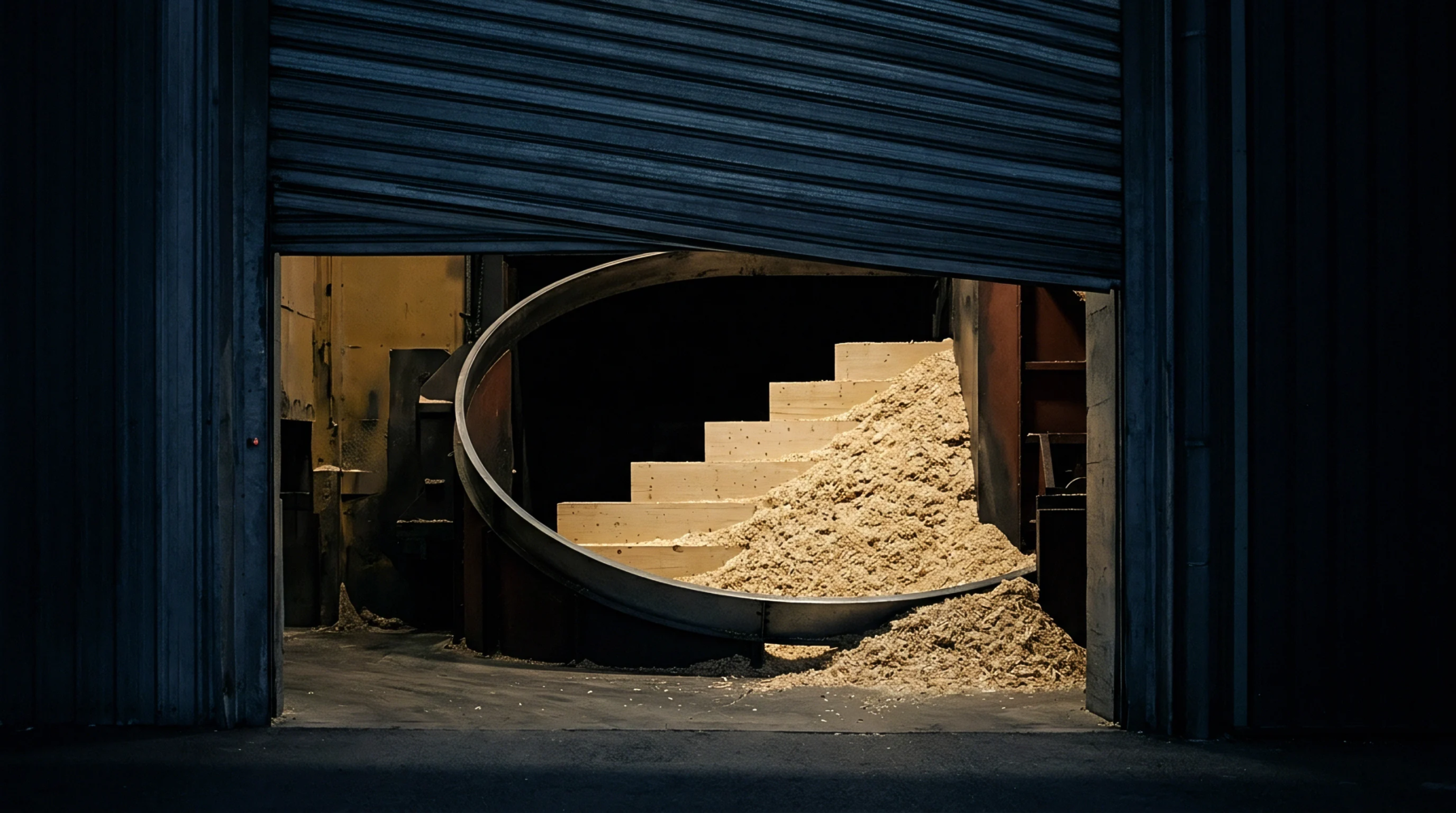
Core bulk retention during shoe press dewatering requires asymmetric pressure profiles and controlled temperature to prevent mechanical pulp lumen collapse.
Low transverse shear modulus in foamed cores reduces effective bending stiffness and causes early compression collapse on short spans.
Expertise is a utility, not a secret. sentiention™ publishes its working knowledge as open reference: intelligence layer covering the materials it sources, the markets it enters, and the reference that serves both.