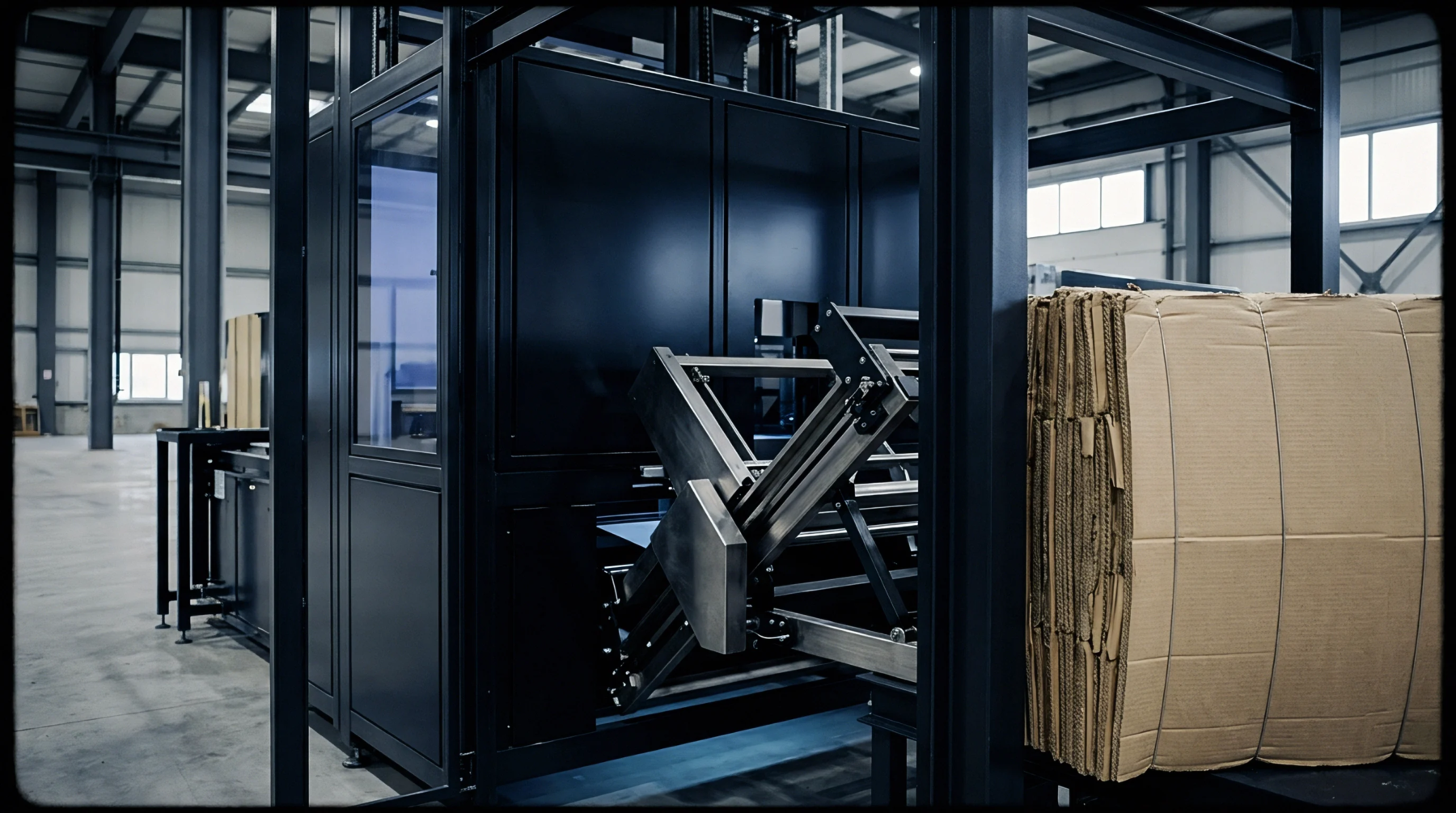
Predictive Mechanical Creasing Models for Standard Fiberboard Conversion
Predictive mechanical creasing models calculate rule penetration and matrix pairing to induce controlled delamination while preventing surface liner fracture.
Predictive mechanical creasing models calculate rule penetration and matrix pairing to induce controlled delamination while preventing surface liner fracture.
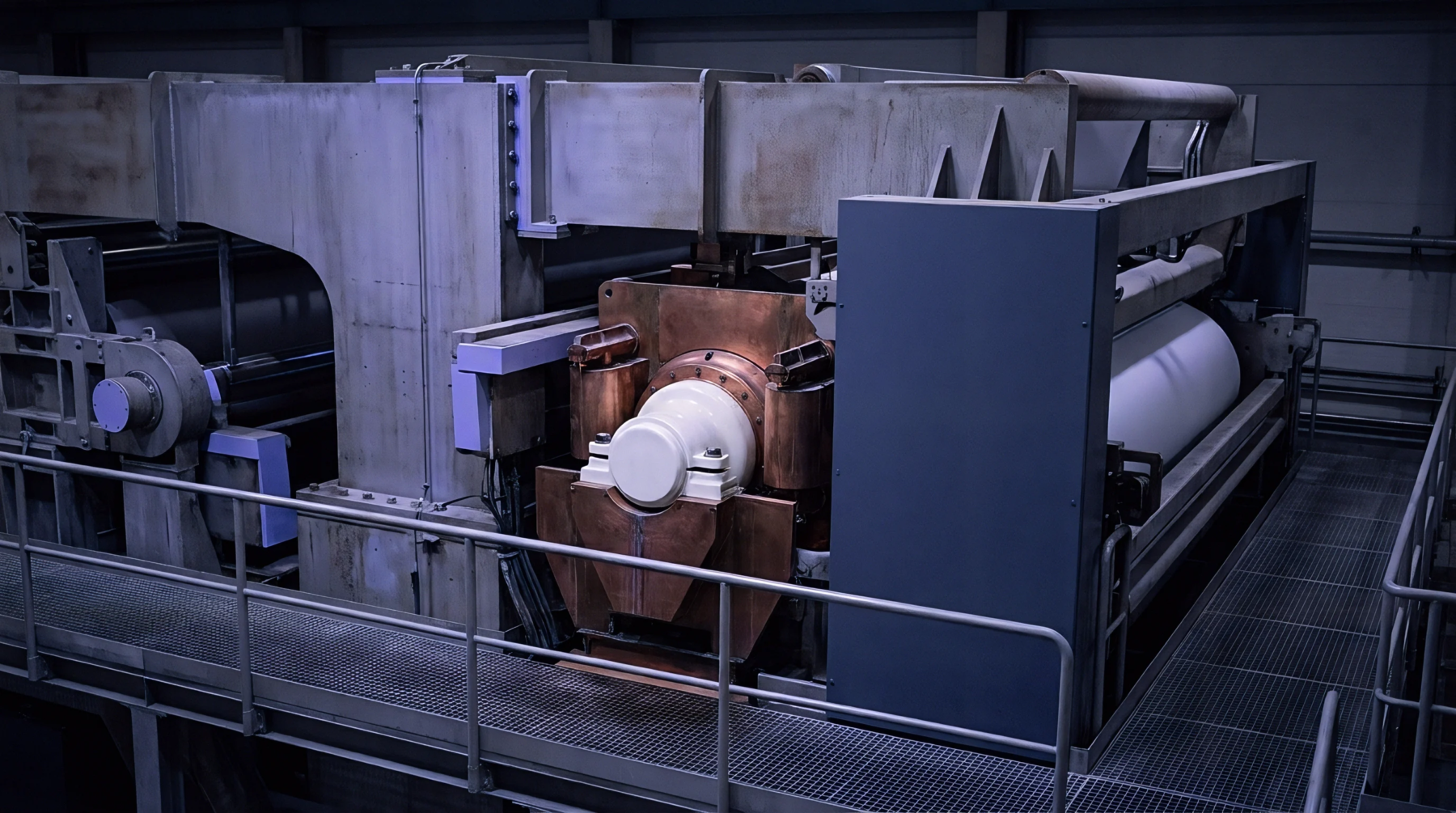
Core bulk preservation requires extending nip dwell and heating surfaces to smooth outer plies while keeping central mechanical fibres below glass transition.
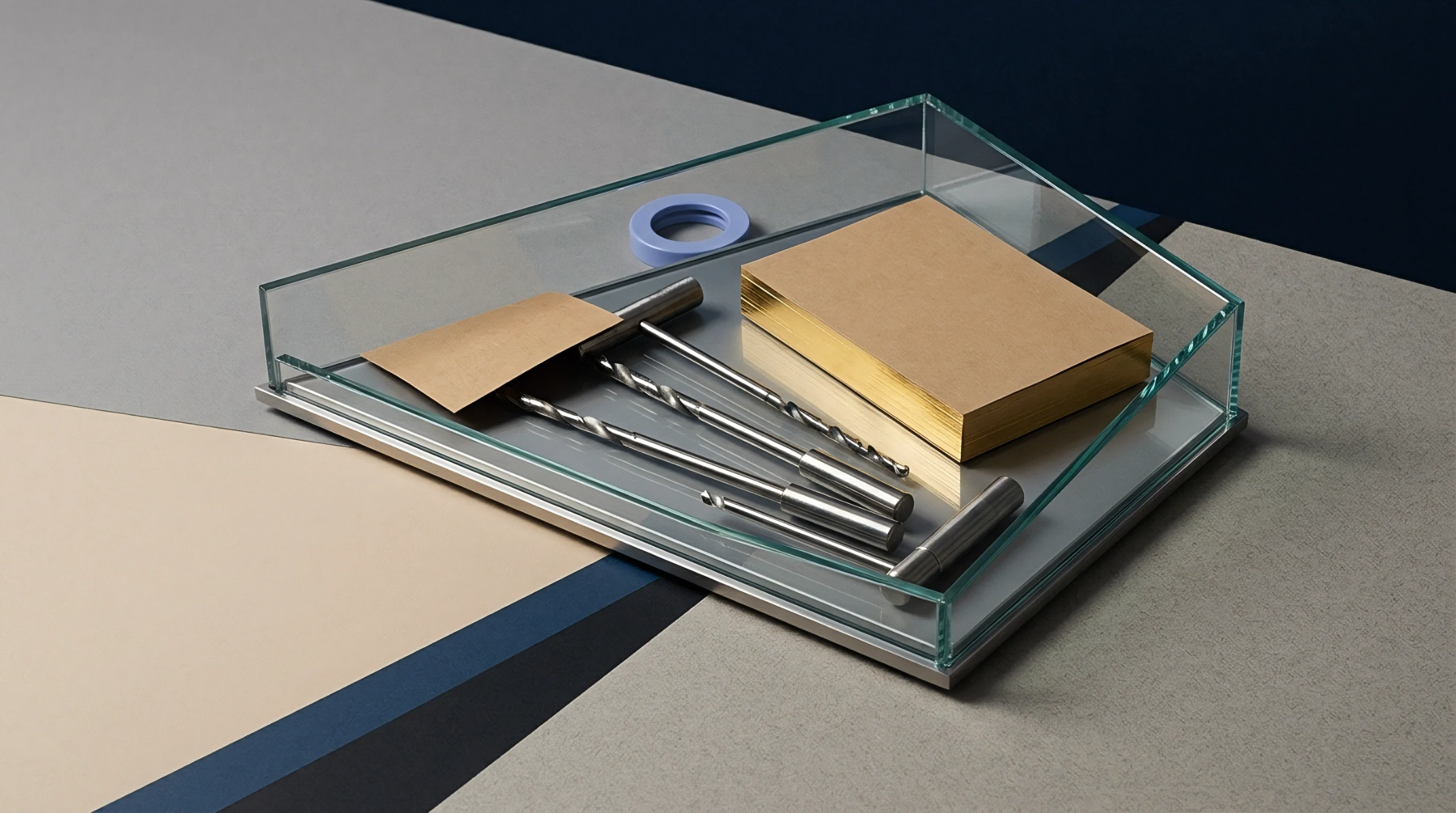
Verify paperboard grammage under ISO 536 by conditioning punch specimens at 23 C and 50 percent relative humidity under ISO 187 to protect converting area yield.
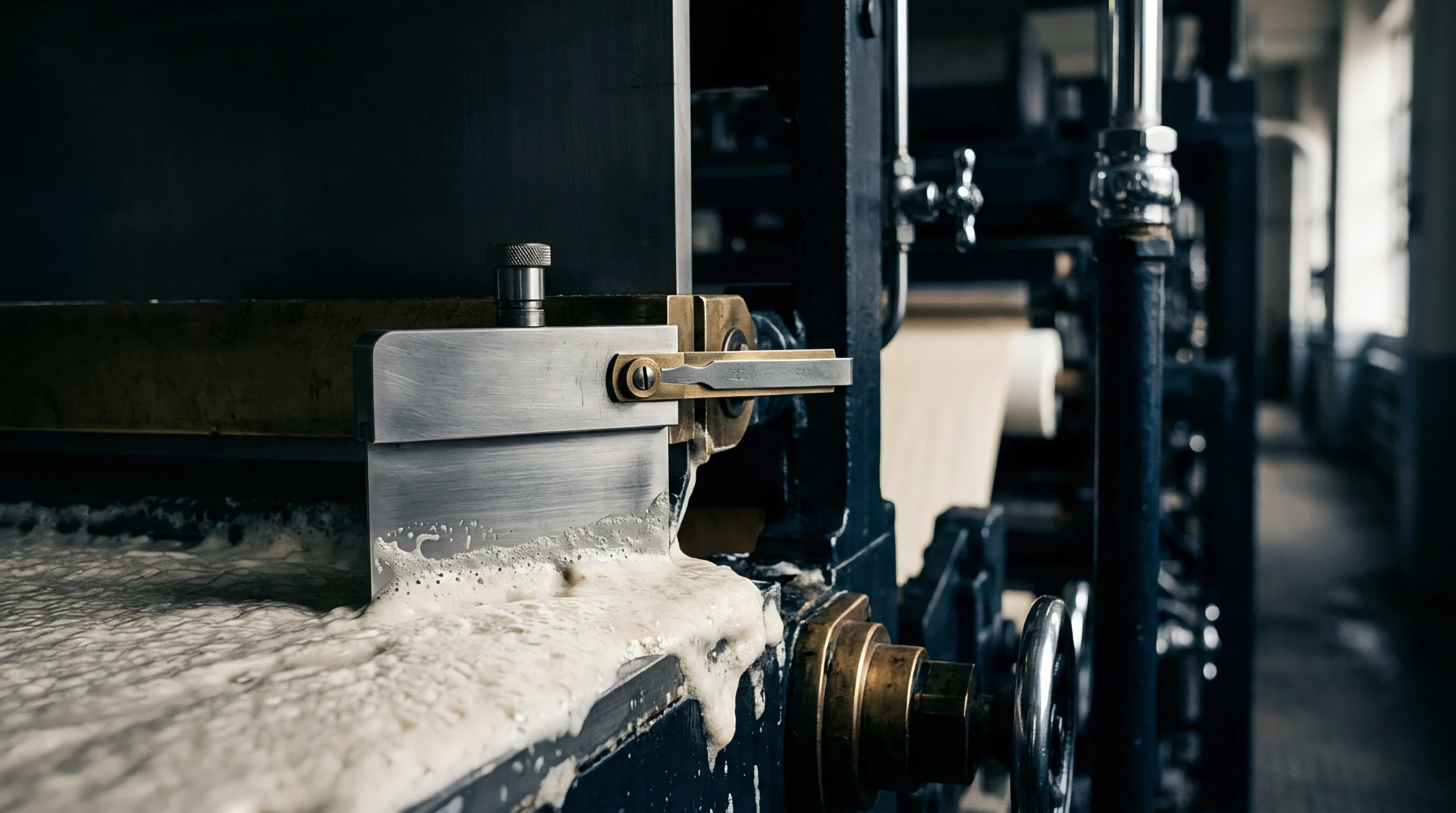
Heated soft-nip calendering closes sheet surface pores to control aqueous barrier holdout while preserving the bulk required for carton creasing.
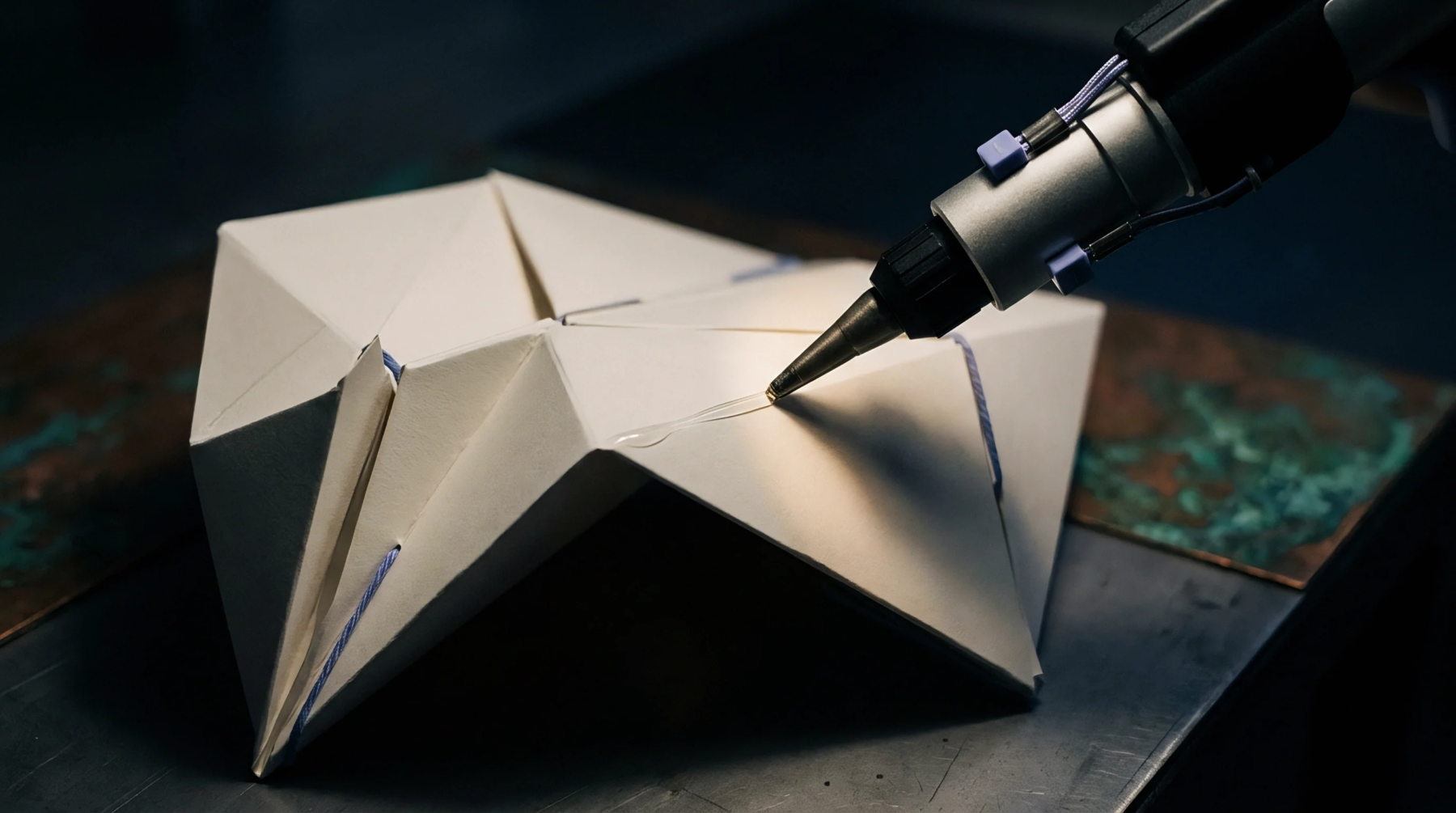
Spectroscopic FTIR peak ratios and Klason lignin extraction reliably detect unannounced chemi-thermomechanical pulp substitutions in export carton shipments.
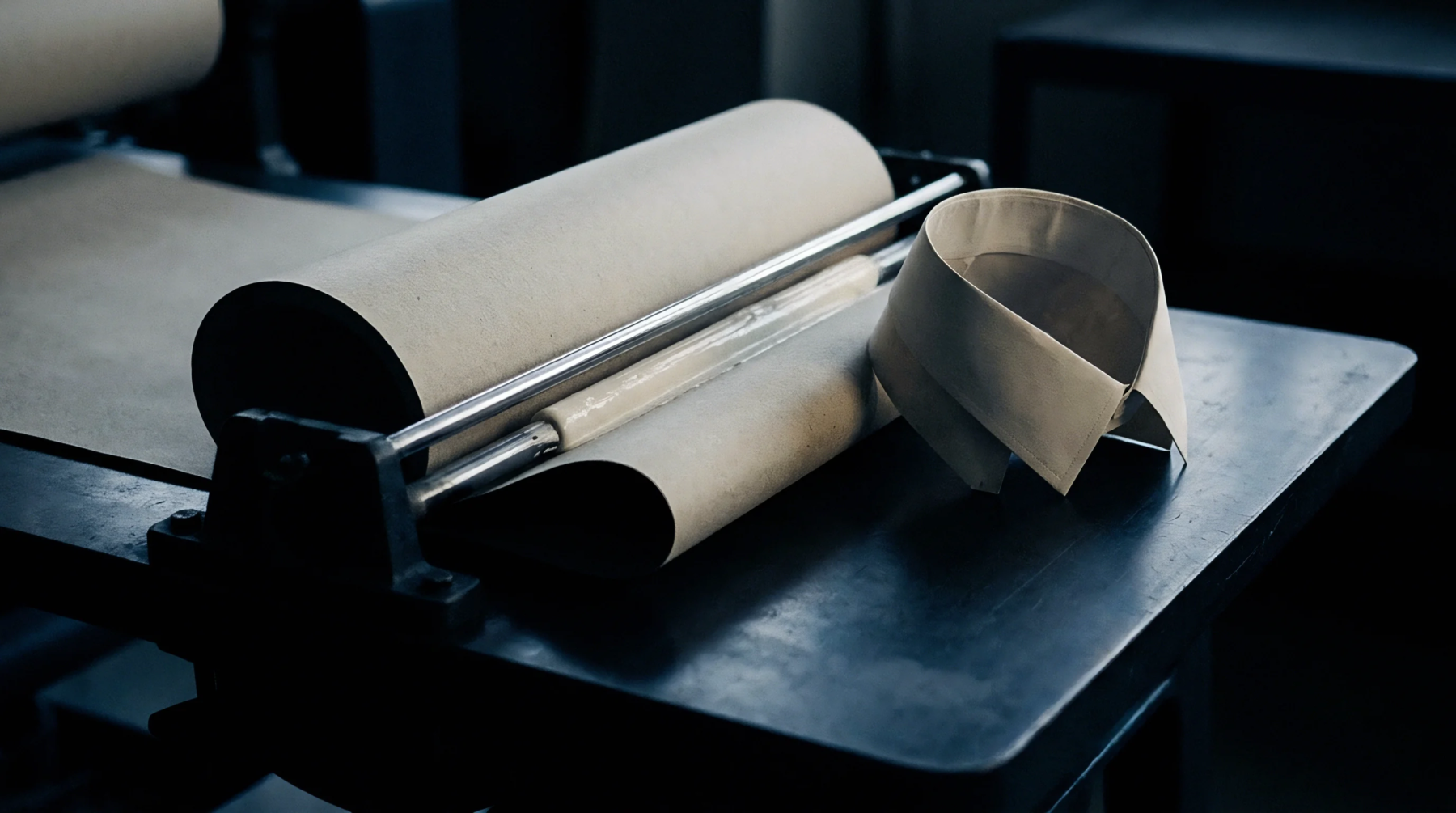
Cross direction bending stiffness scales with the cube of ply thickness, while short span compression governs vertical carton stack strength under ISO 9895.

Select high-bulk folding boxboard using caliper-derived yield arithmetic and verified crease recovery ratios to run stable on high-speed cartoning lines.
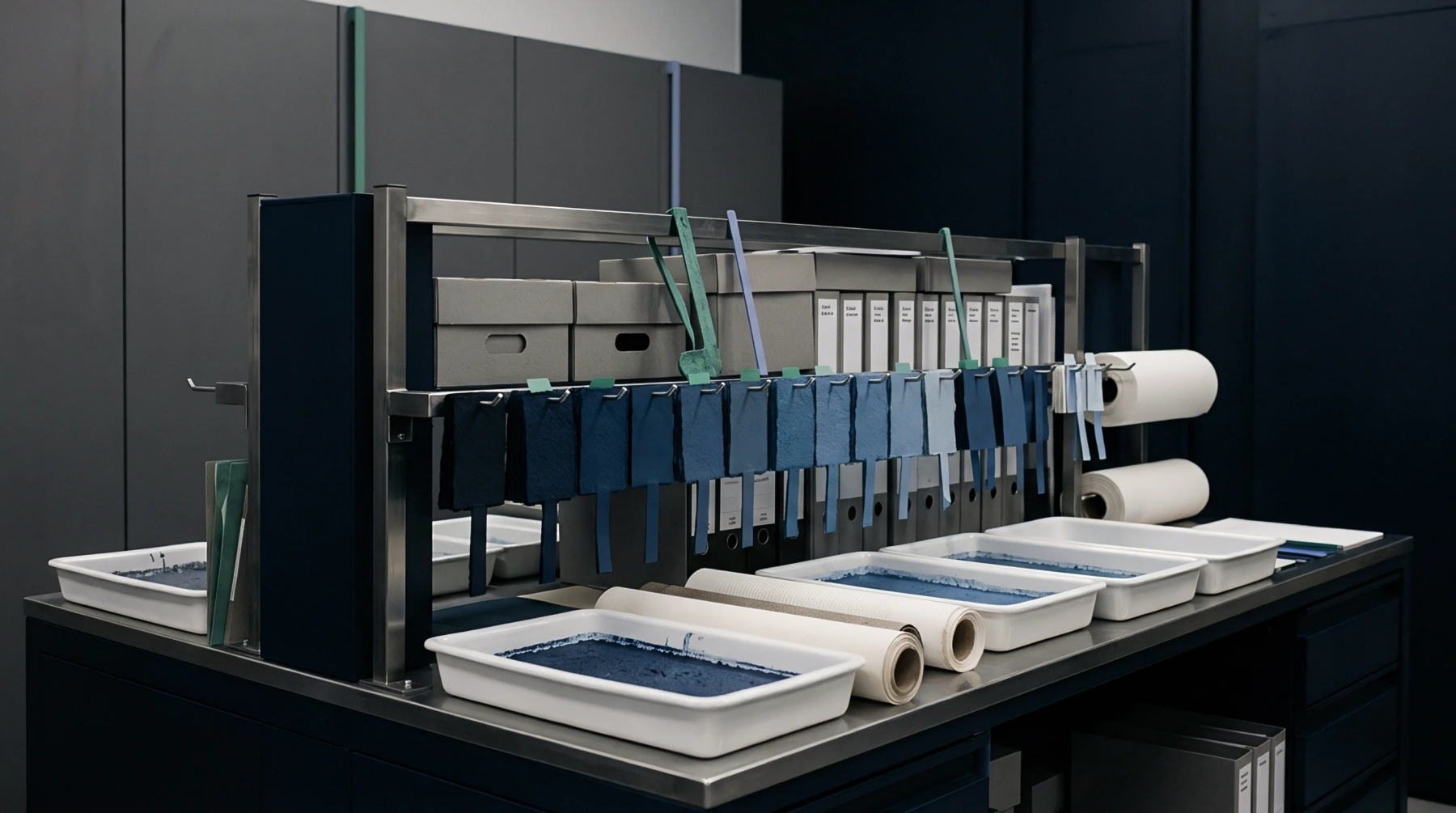
Dynamic moisture gradients across coated cartonboard slash bending modulus well before reaching equilibrium, demanding transient rather than static design.
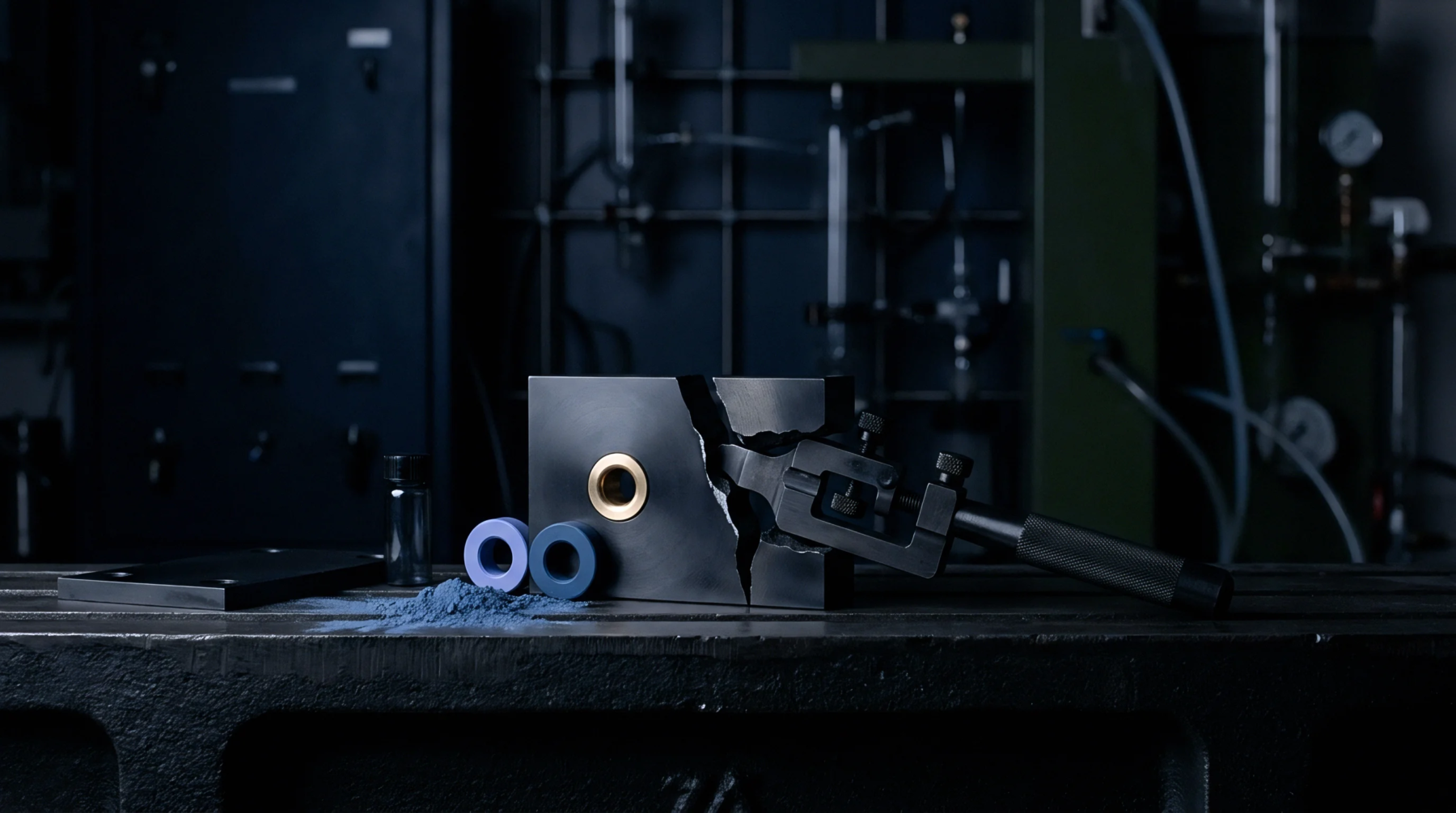
Dynamic strain velocity embrittles recycled multi-ply board, requiring widened crease channels and derated insertion speeds to prevent score line delamination.

Mechano-sorptive cycling accelerates transverse delamination in recycled multi-ply board, collapsing stacked cartons when interlaminar shear exceeds ZD tensile bond.
Fine screen slots below 0.12 mm reject rigid plastics but pass flexible polyethylene micro-flakes when pulp consistency and pulse pressure rise.
Thermally conditioning surface plies above binder glass transition depresses surface roughness without crushing core mechanical plies, boosting caliper yield.
Temperature gradient calendering preserves FBB mechanical bulk by softening surface fibres while keeping core BCTMP below glass transition to protect stiffness.
Dynamic moisture cycles accelerate double coated board stack creep through sorption asymmetry, requiring safety factors above 3.0 to avoid collapse.
Water sorption depresses latex film glass transition temperatures, slashing barrier composite stiffness by up to 45% and requiring controlled crosslinking.
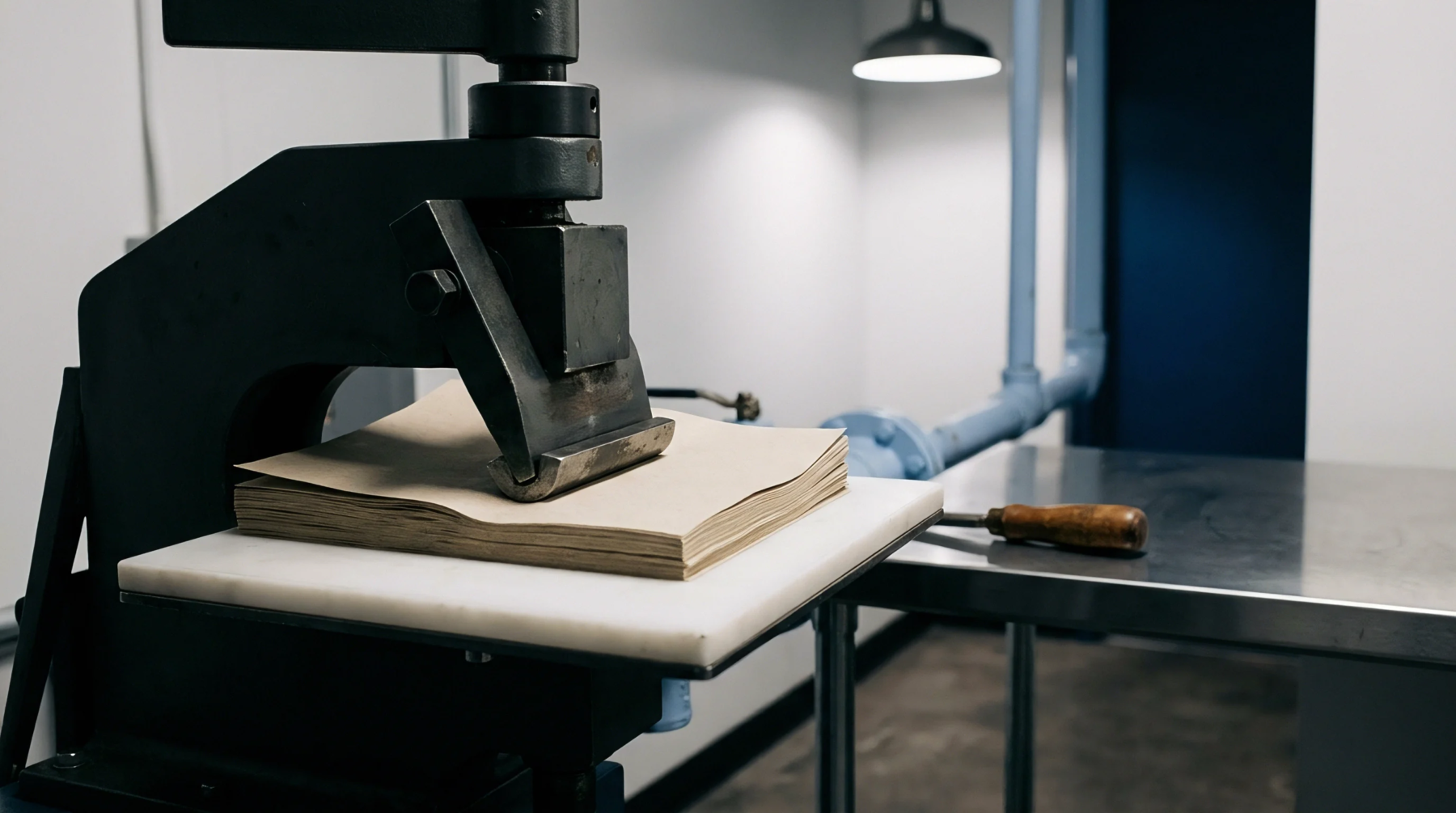
Nesting carton blanks across web deckles saves converting trim but rotates crease lines against machine grain, escalating carton erection failures at speed.
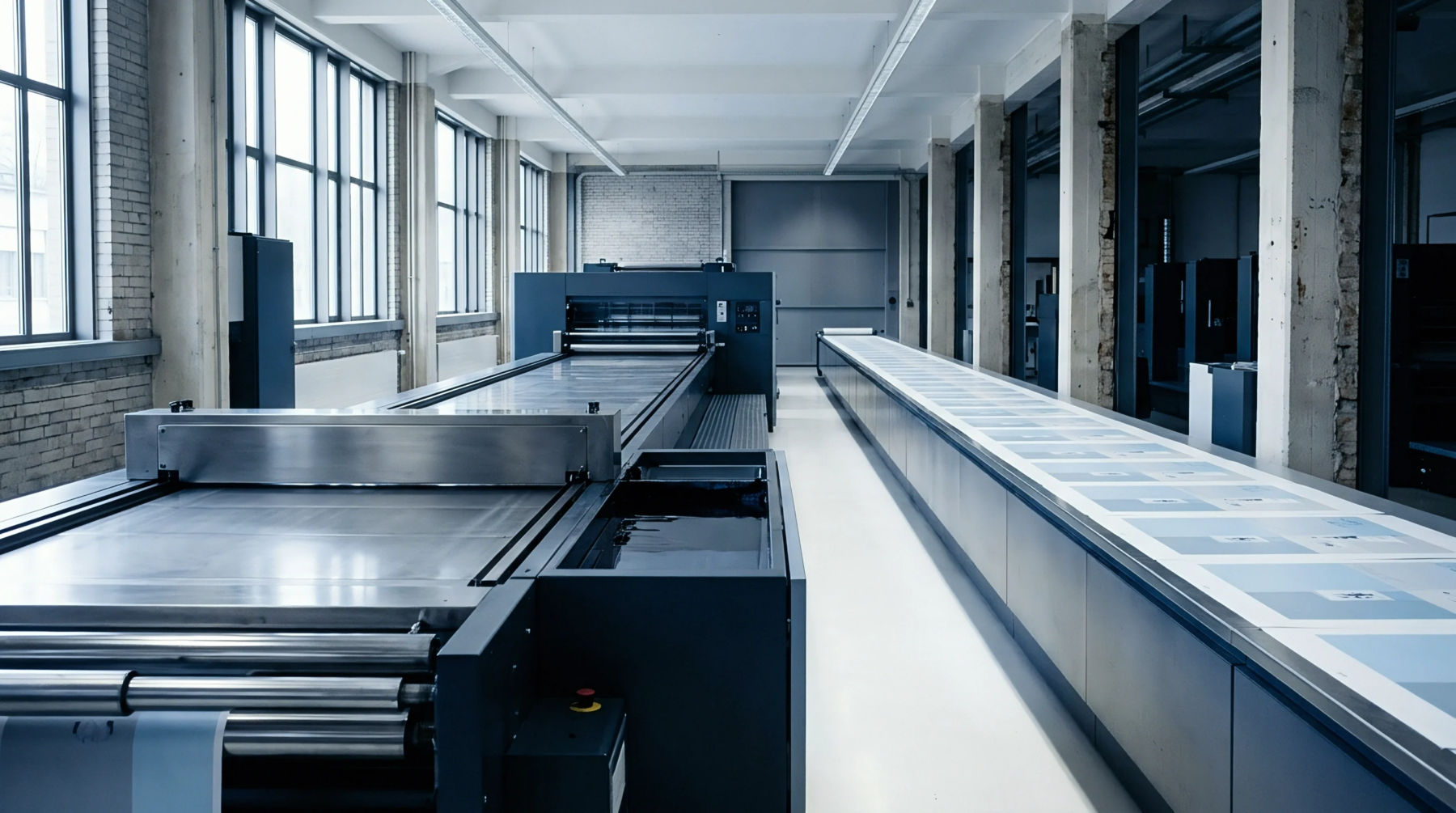
Parent sheet yield optimization balances mill deckle widths, carton grain direction, and interlocking nested dies to lower delivered carton unit costs.
Optimizing triple ply folding boxboard stiffness requires maximizing middle layer bulk using BCTMP while placing high elastic modulus chemical pulp in outer skins.
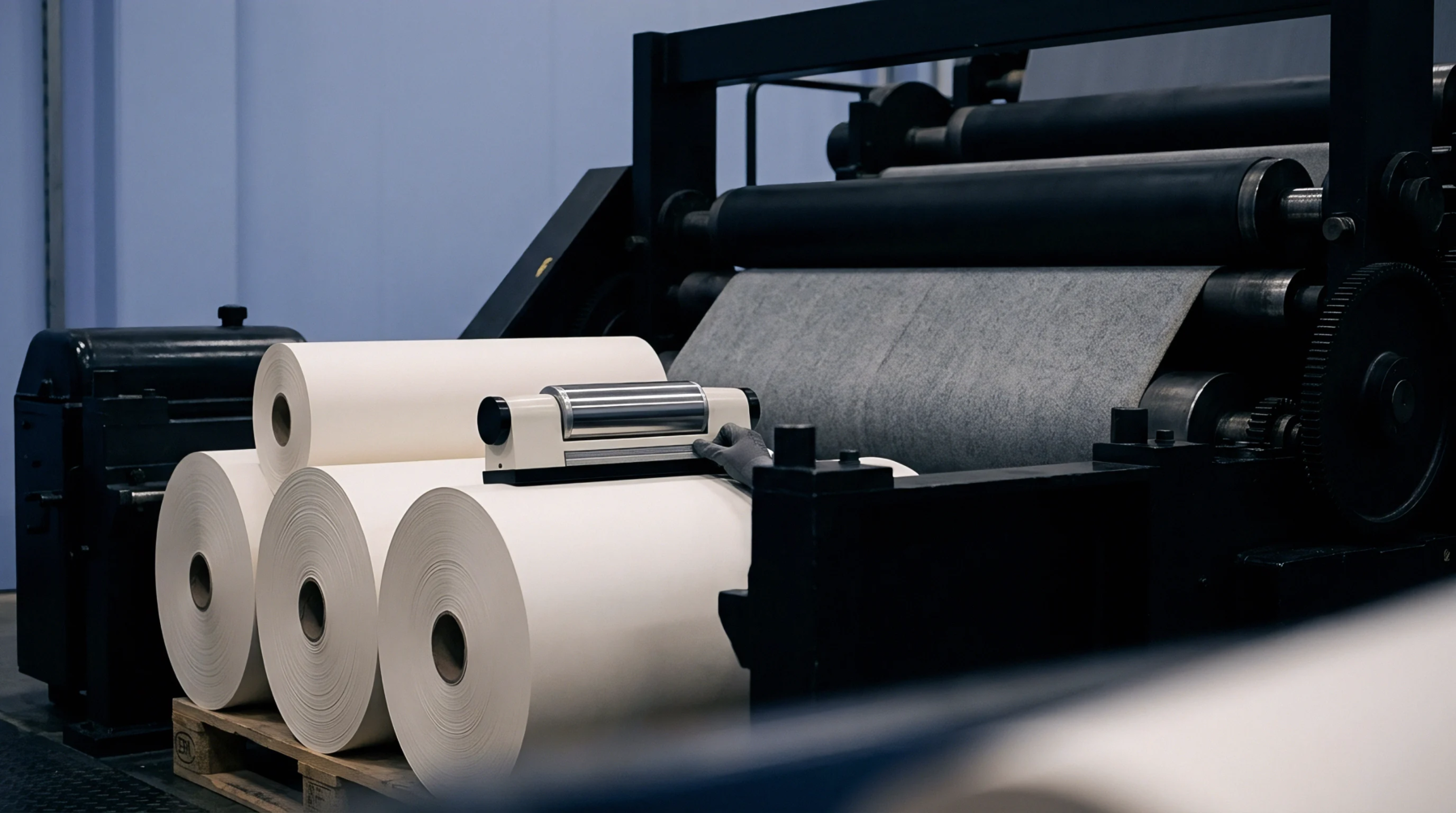
Optical penetration depth correction in continuous board web profilometry mathematically compensates for subsurface scattering to ensure true mechanical caliper.
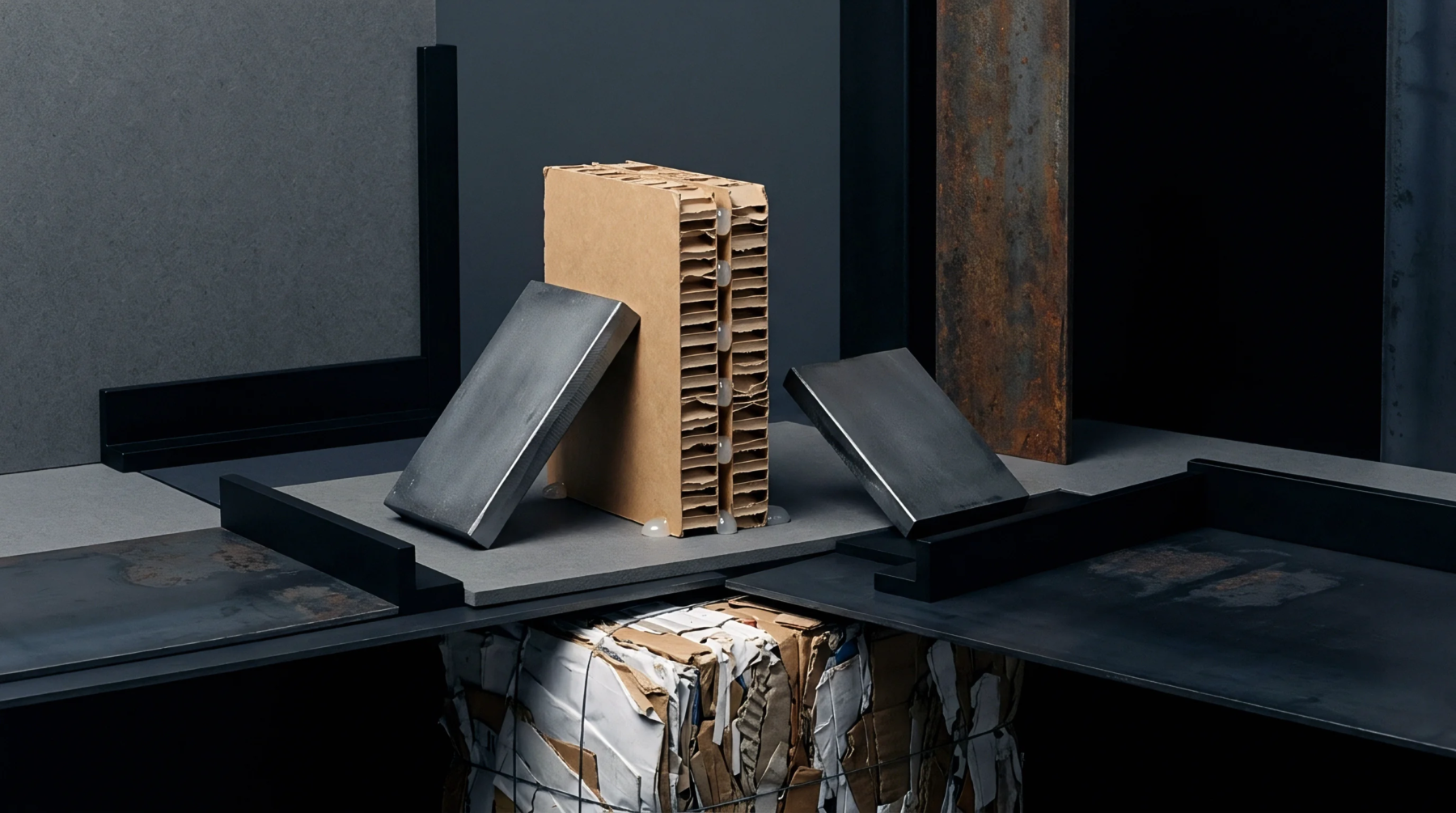
Hygral edge waving in recycled paperboard skids results from perimeter moisture absorption driving compressive buckling against a dry, rigid core.
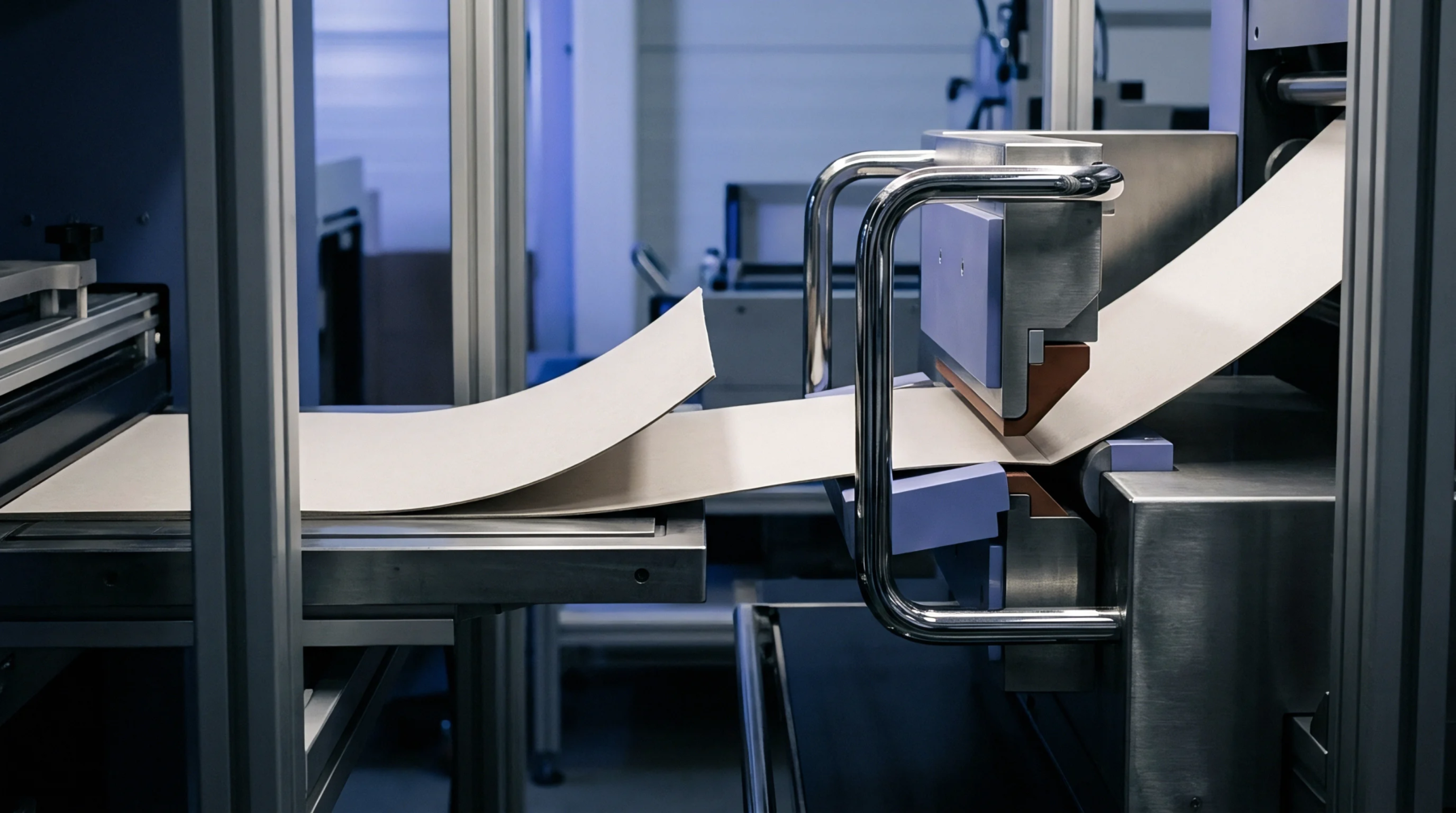
Inline acoustic time-of-flight profiling maps internal board ply delamination at line speed, preventing cartoner jams without marking finished carton surfaces.

Ultrasonic attenuation decay rates directly quantify paperboard crease delamination depth, enabling real-time inline verification of folding stiffness.
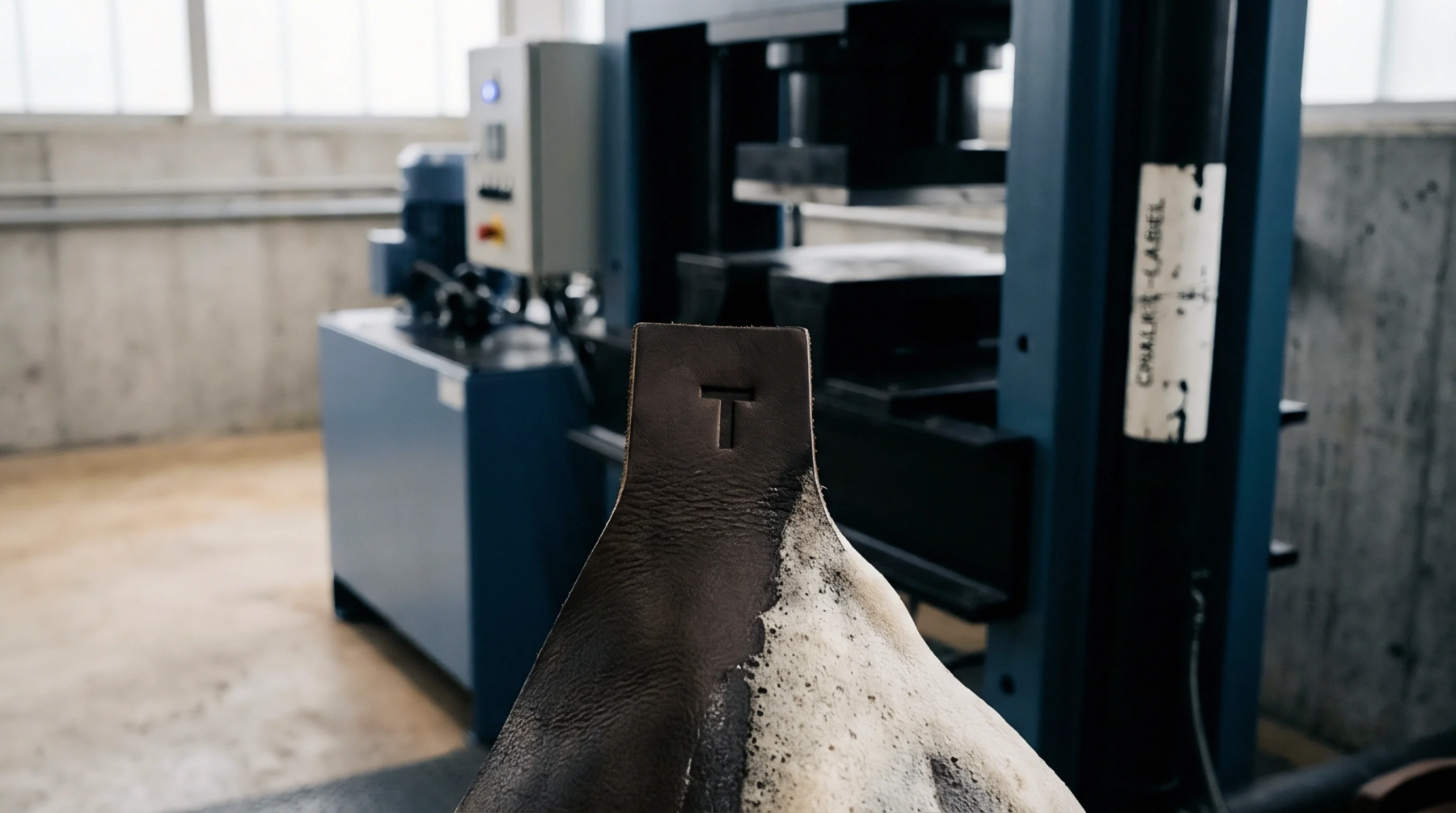
Dynamic micro-stepping impression control compensates for strain-rate stiffness shifts during press speed ramps, preserving multi-ply board caliper and strength.
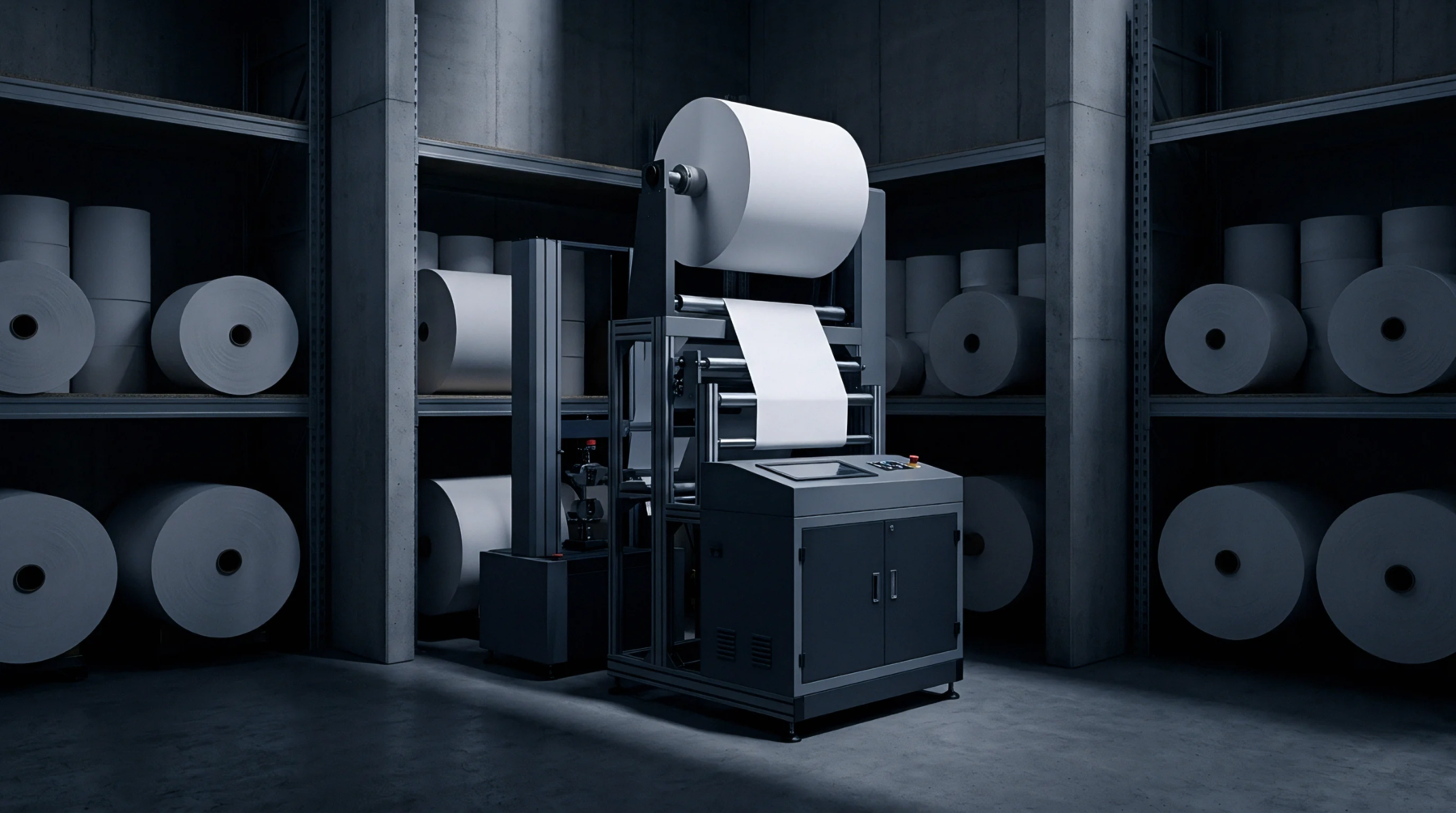
Retain board bulk and bending stiffness by applying surface moisture gradients to lower outer ply glass transition temperatures before soft nip compression.
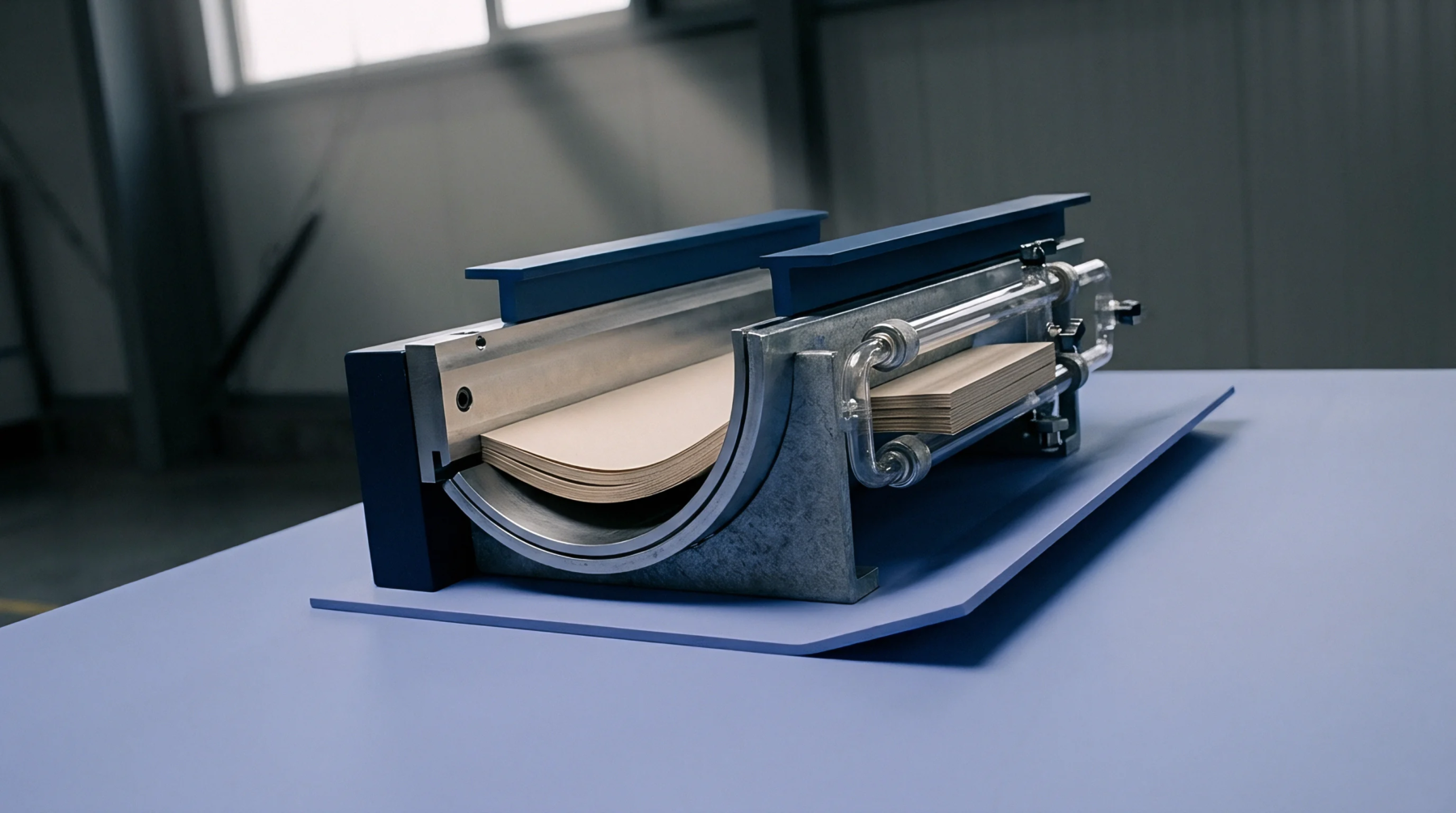
Dynamic Mechanical Analysis quantifies z-axis caliper loss under dynamic converting loads to prevent carton collapse and protect structural bending stiffness.
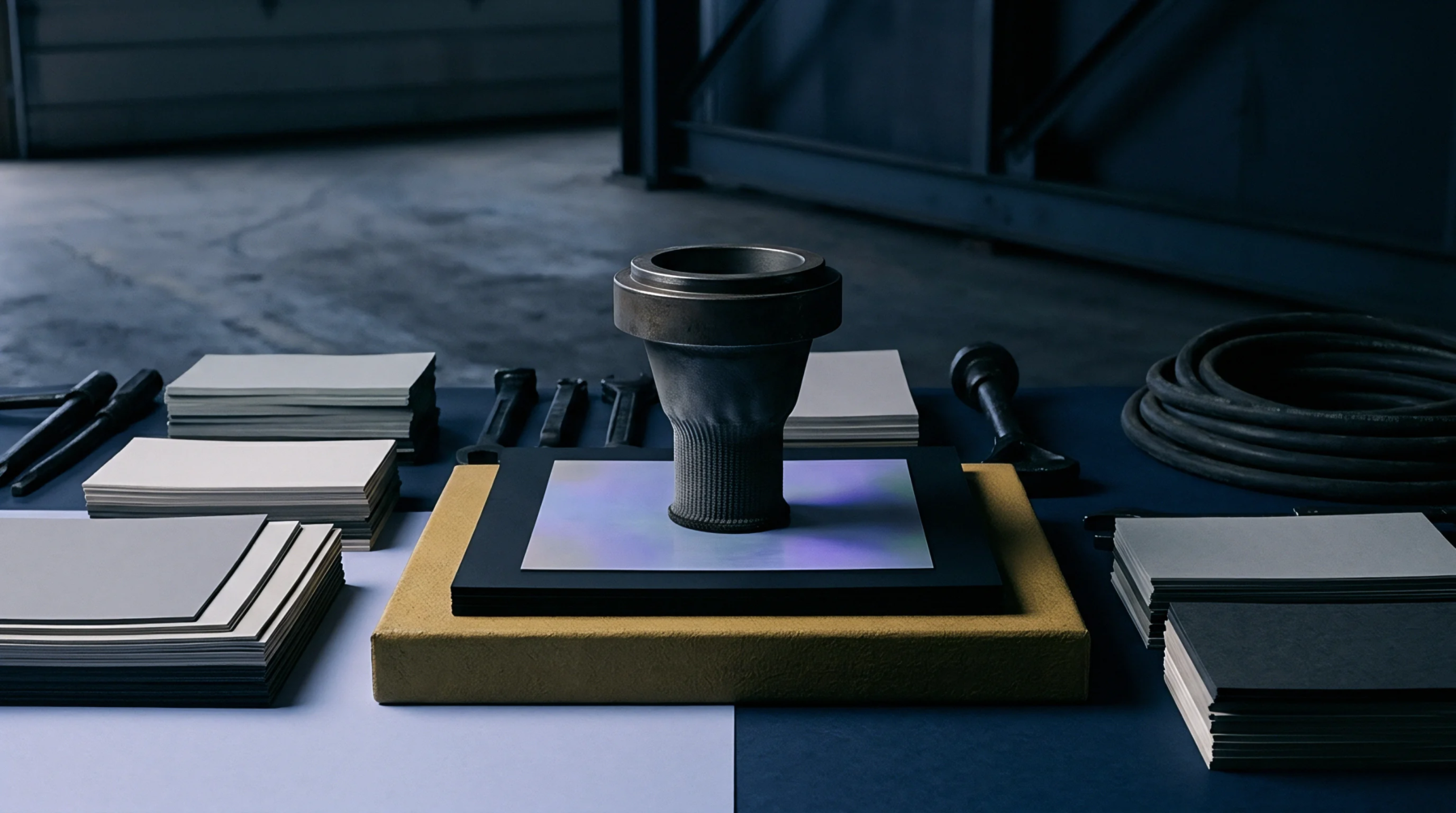
Predictive stiffness loss modeling prevents folder-gluer waste by adjusting crease depth and binder chemistry to compensate for high-speed dynamic strain.
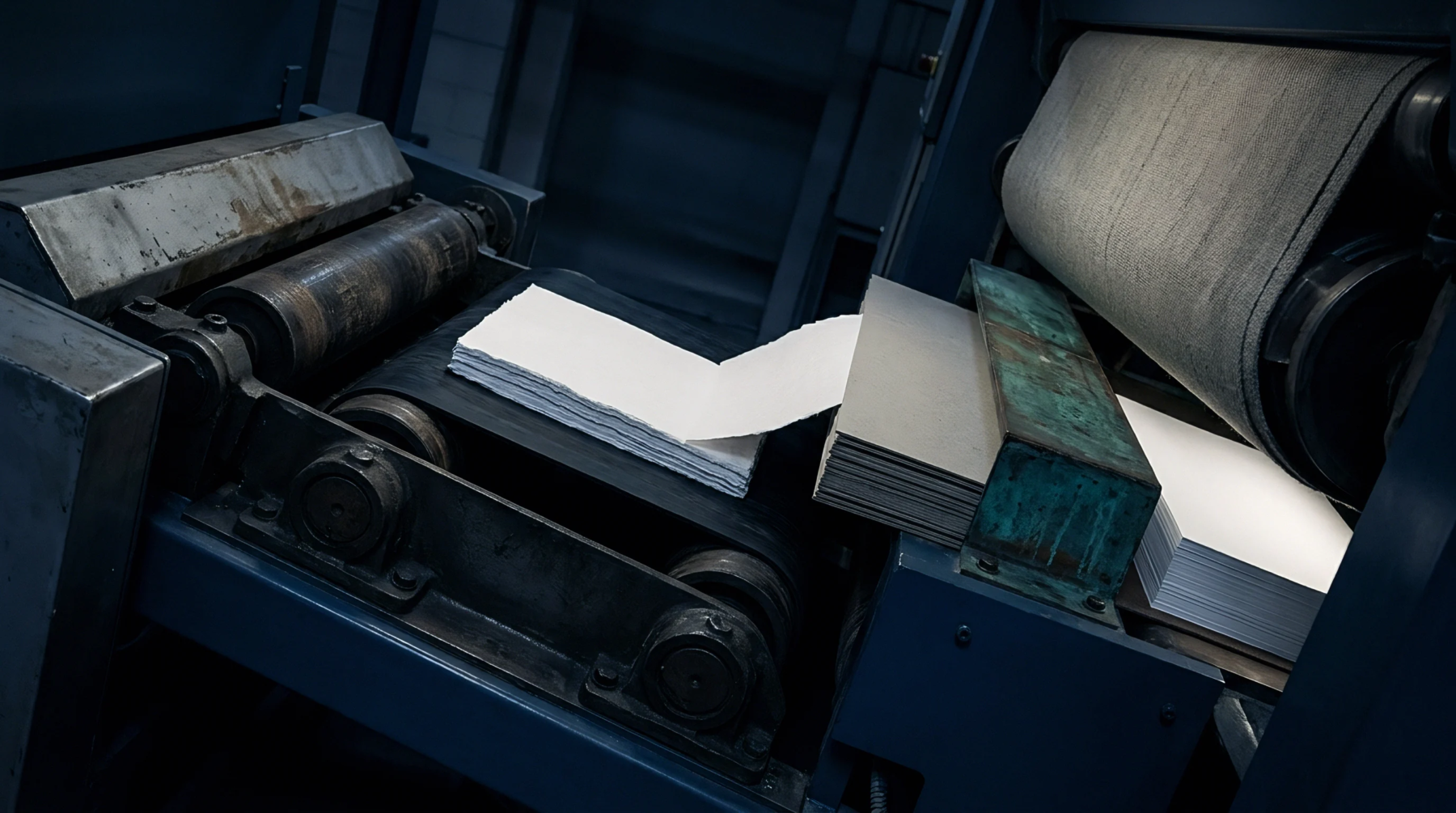
Dynamic pass line vibration cancellation restores laser caliper gauge resolution down to sub-micron accuracy by eliminating phase-lag z-axis position errors.
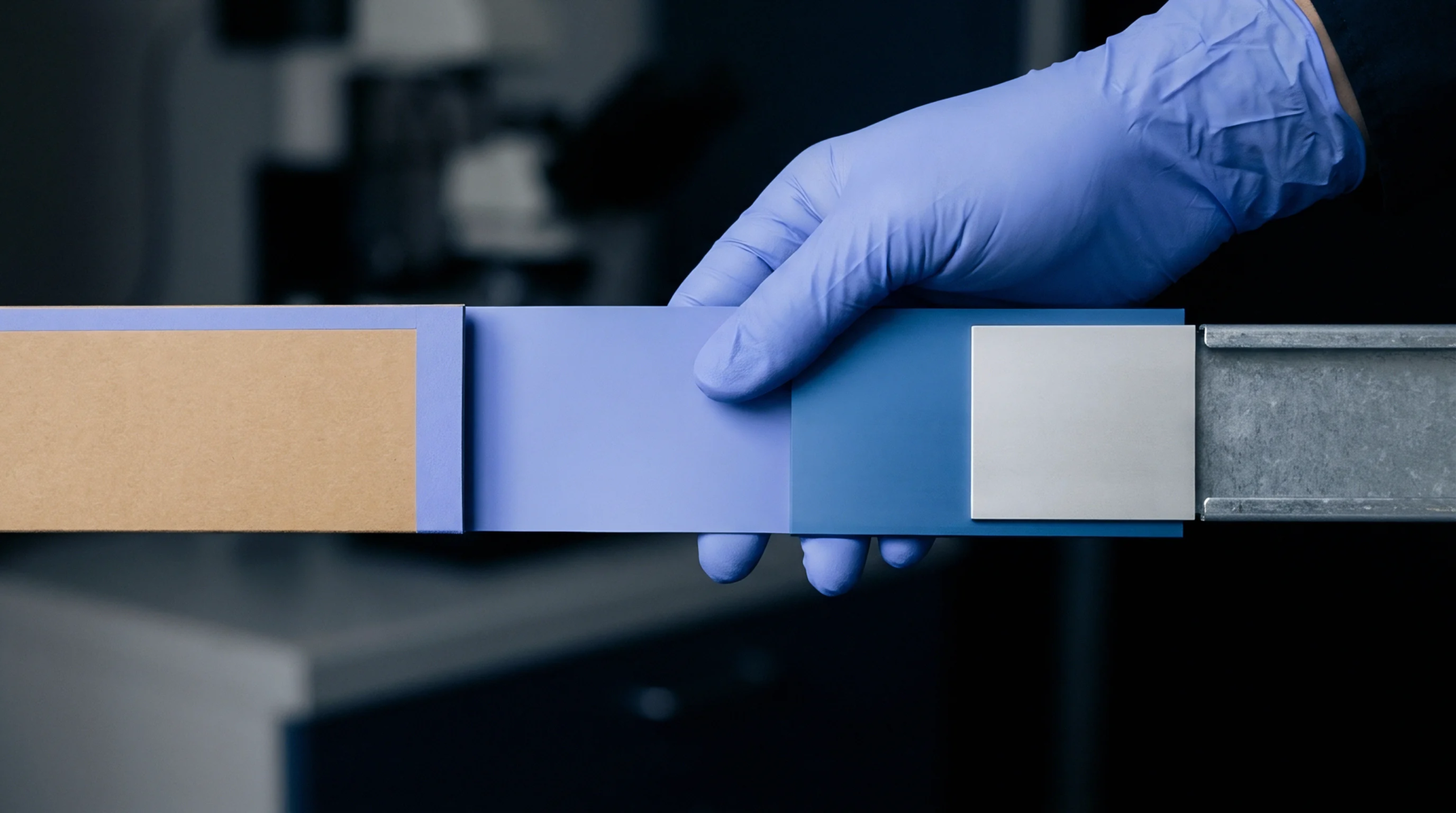
Valid boxboard physical testing requires ISO 187 conditioning at 23°C and 50% RH to prevent hysteresis errors in stiffness, yield, and creasing metrics.
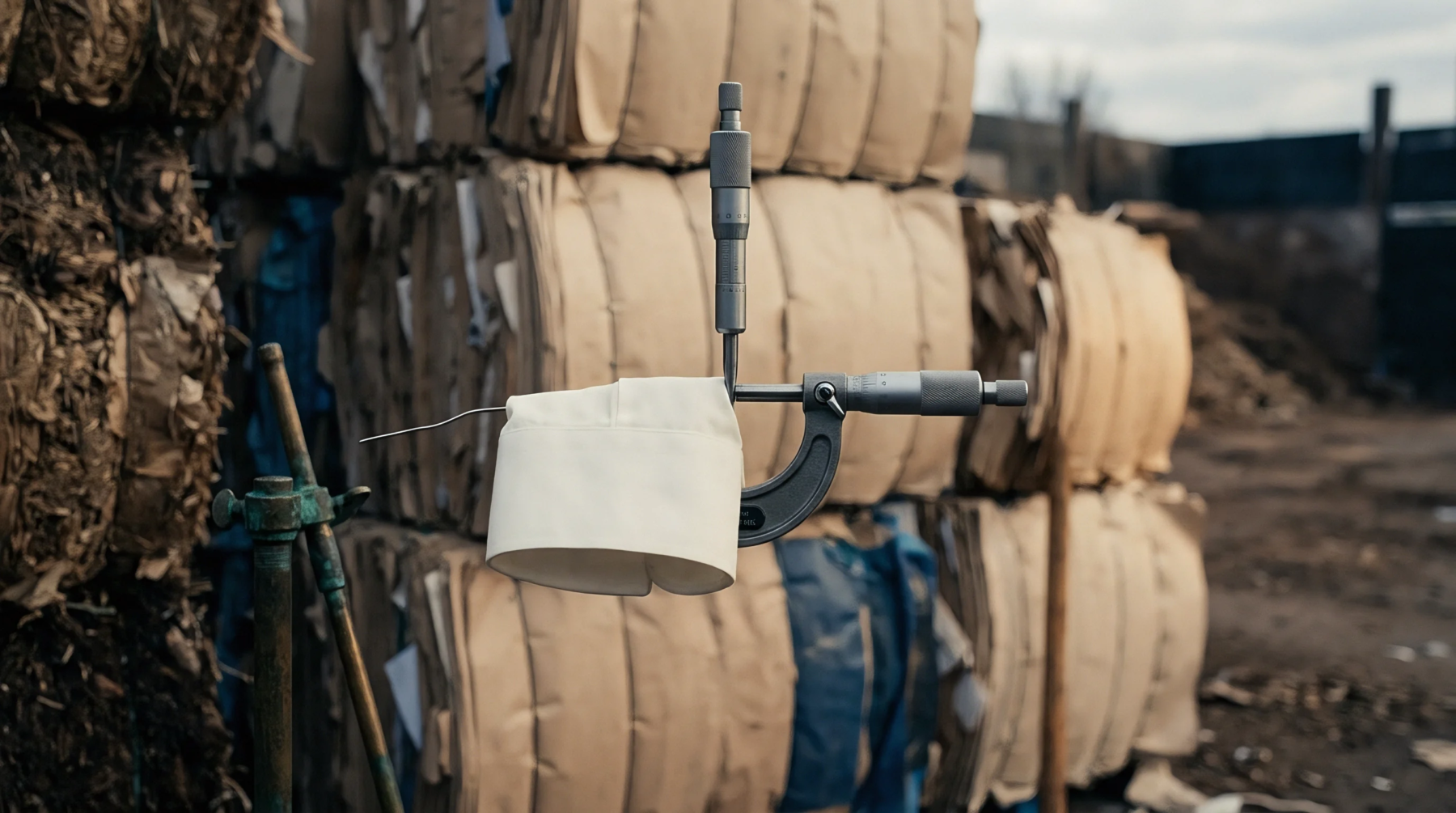
Paperboard expands five to seven times more across the grain than along it, requiring precise humidity control and pass timing to maintain converting register.
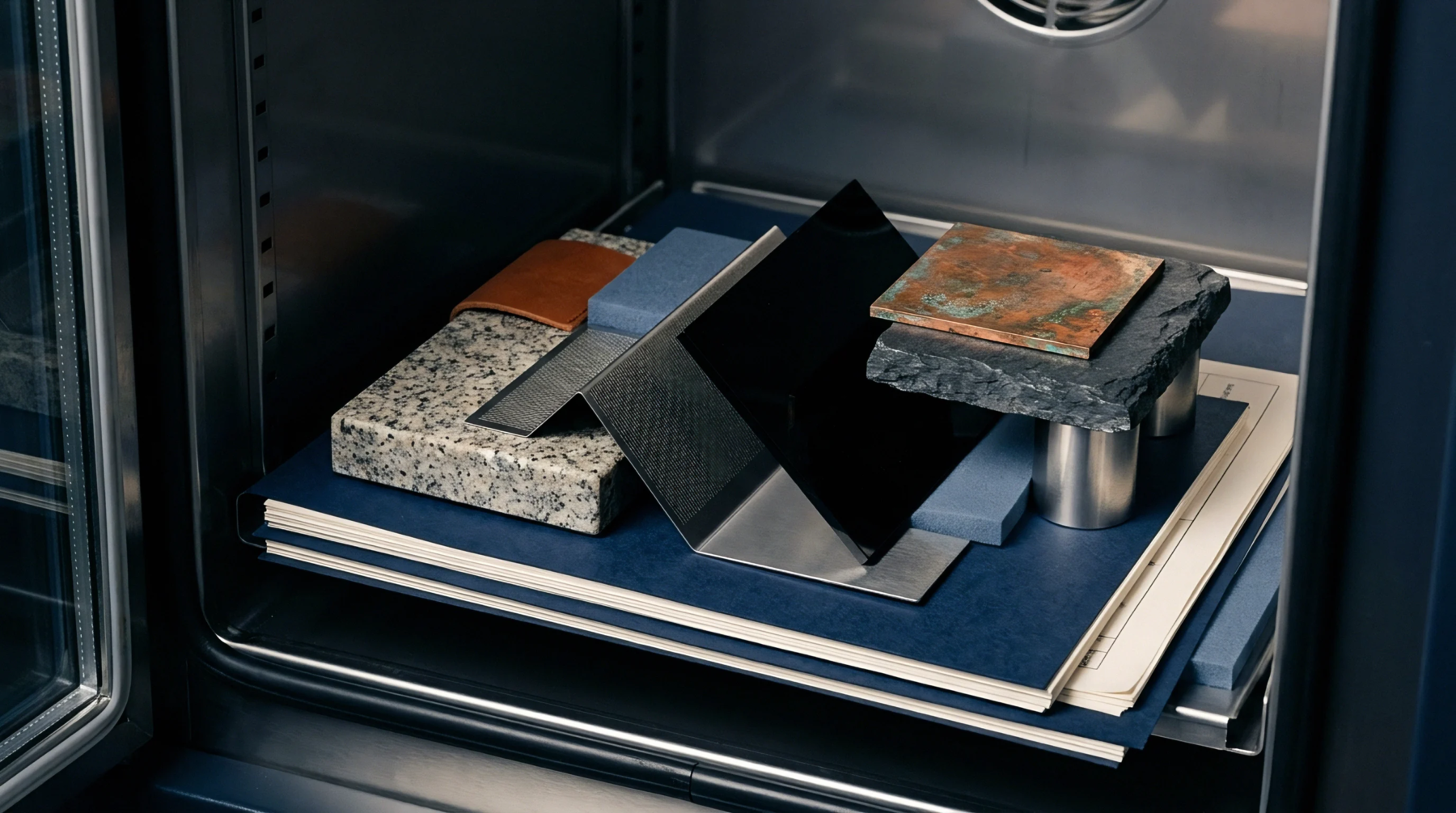
Accelerated creep buckling protocols require cyclic humidity chambers and parallel platens to predict thin boxboard stacking failure under dead loads.
Expertise is a utility, not a secret. sentiention™ publishes its working knowledge as open reference: intelligence layer covering the materials it sources, the markets it enters, and the reference that serves both.