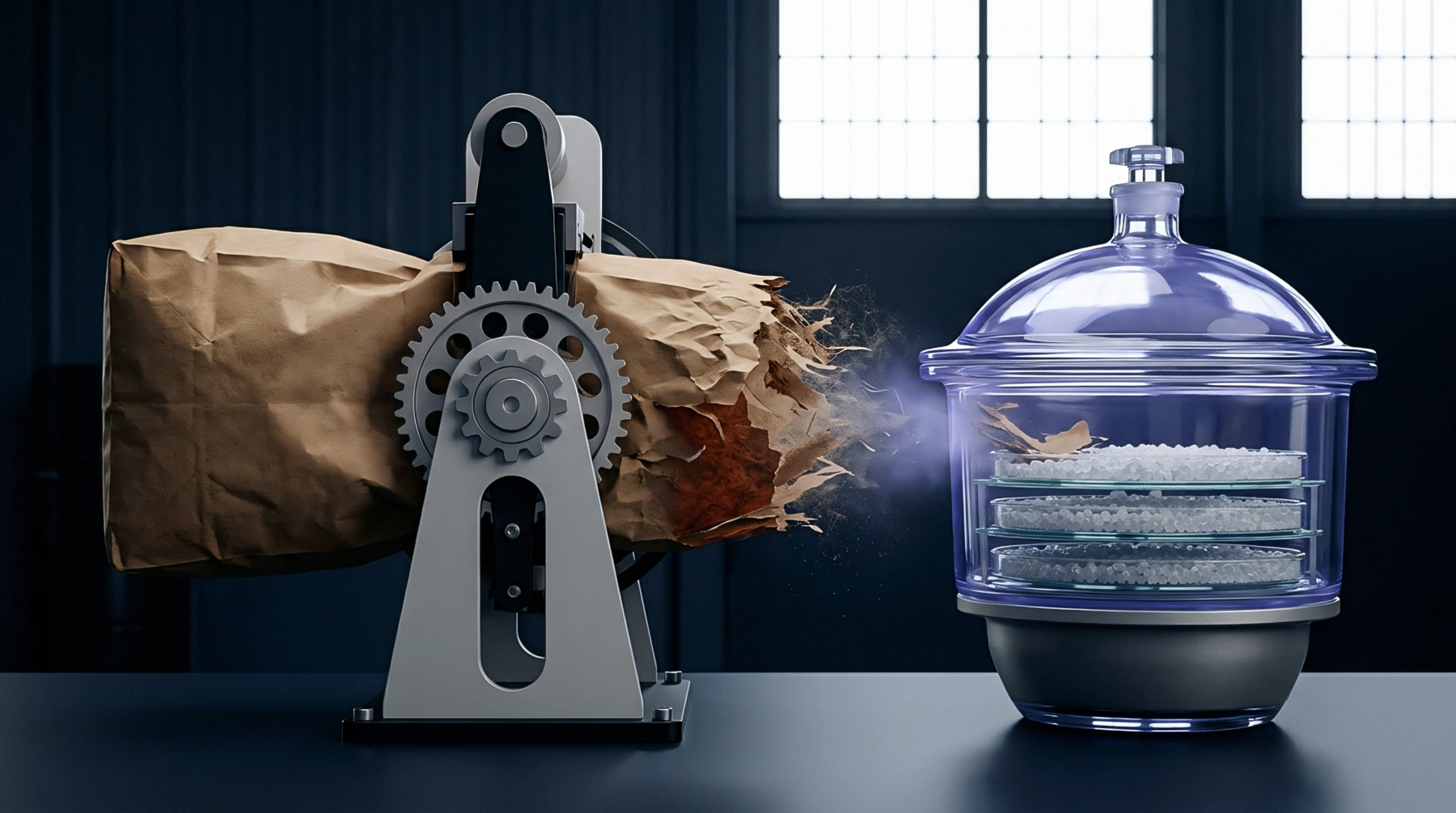
Recycled Boxboard Moisture Swelling and Multi-Ply Delamination Mechanisms
Moisture-driven delamination in recycled boxboard occurs when swelling middle plies shear weak starch interfaces under finishing stress and asymmetrical barrier curl.
Moisture-driven delamination in recycled boxboard occurs when swelling middle plies shear weak starch interfaces under finishing stress and asymmetrical barrier curl.
Dynamic vapor sorption kinetic modeling quantifies moisture diffusion rates and hysteresis in recycled testliner to prevent transit creep collapse.
Recycled corrugated mediums lose compressive strength rapidly under humid transit due to fiber hornification and capillary vapor sorption; standard Cobb tests fail to predict vapor creep.
Branched and dendritic polymer architectures eliminate ink misting at 500 m/min by cutting extensional relaxation times below 1.5 ms without loss of shear hold.
Refined mechanical stock requires early sacrificial coagulant scavenging to neutralize anionic trash before functional starches or sizes can bond the core.
Fractionated stock preparation isolates long fibers for low-intensity refining, raising compression strength and enabling containerboard grammage reduction.
Low thermal gradients trigger capillary condensation in small recycled furnish pores, disrupting hydrogen bonds and weakening packaging without direct water contact.
Subzero transit of unwrapped recycled board increases edge permeability by expanding perimeter pore channels, requiring controlled thermal equilibration before processing.
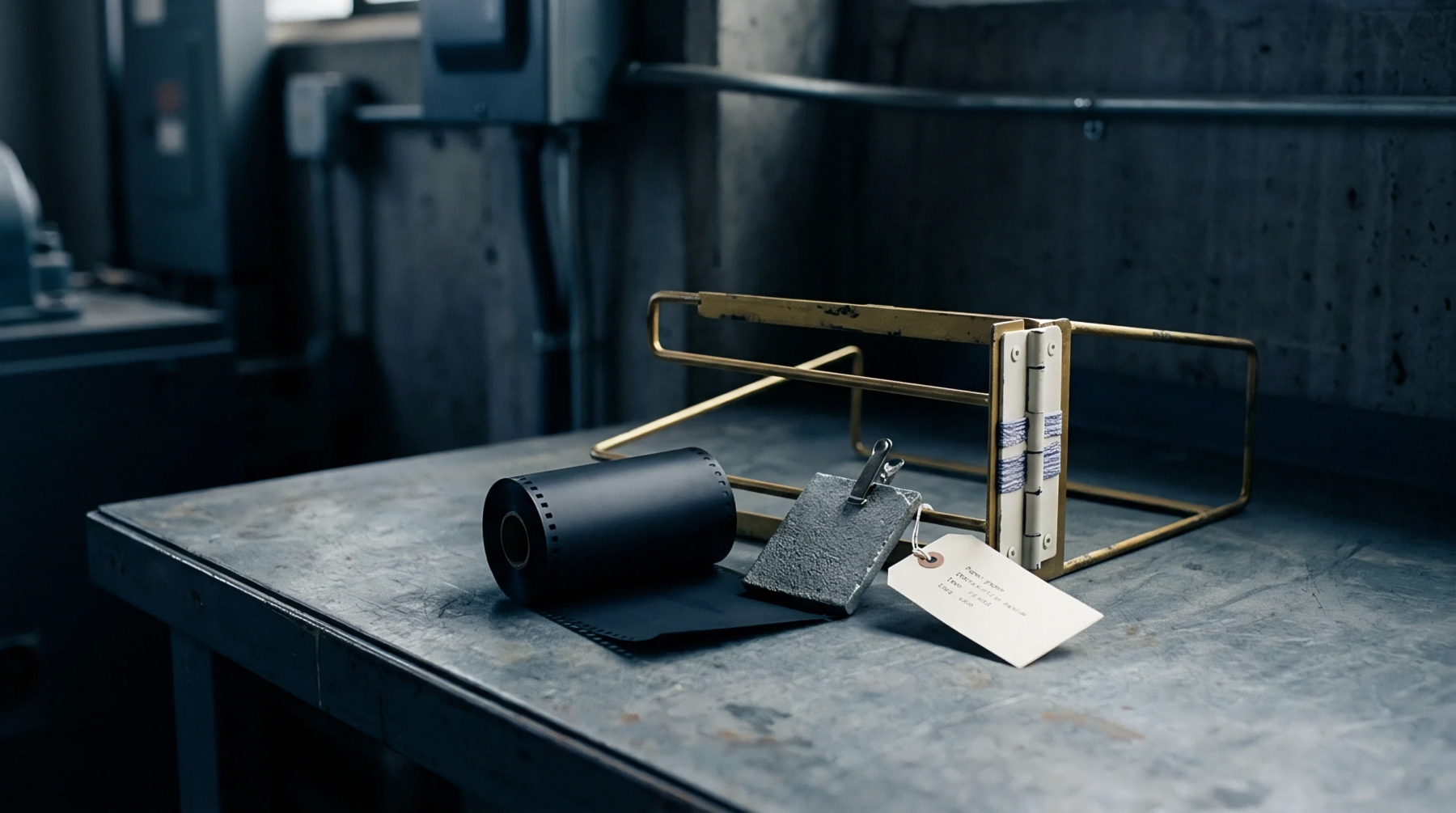
Thermal polypropylene film adhesion on bleached paperboard requires EVA melt flow at 95-115 °C to achieve mechanical micro-pore locking and fiber tear failure.
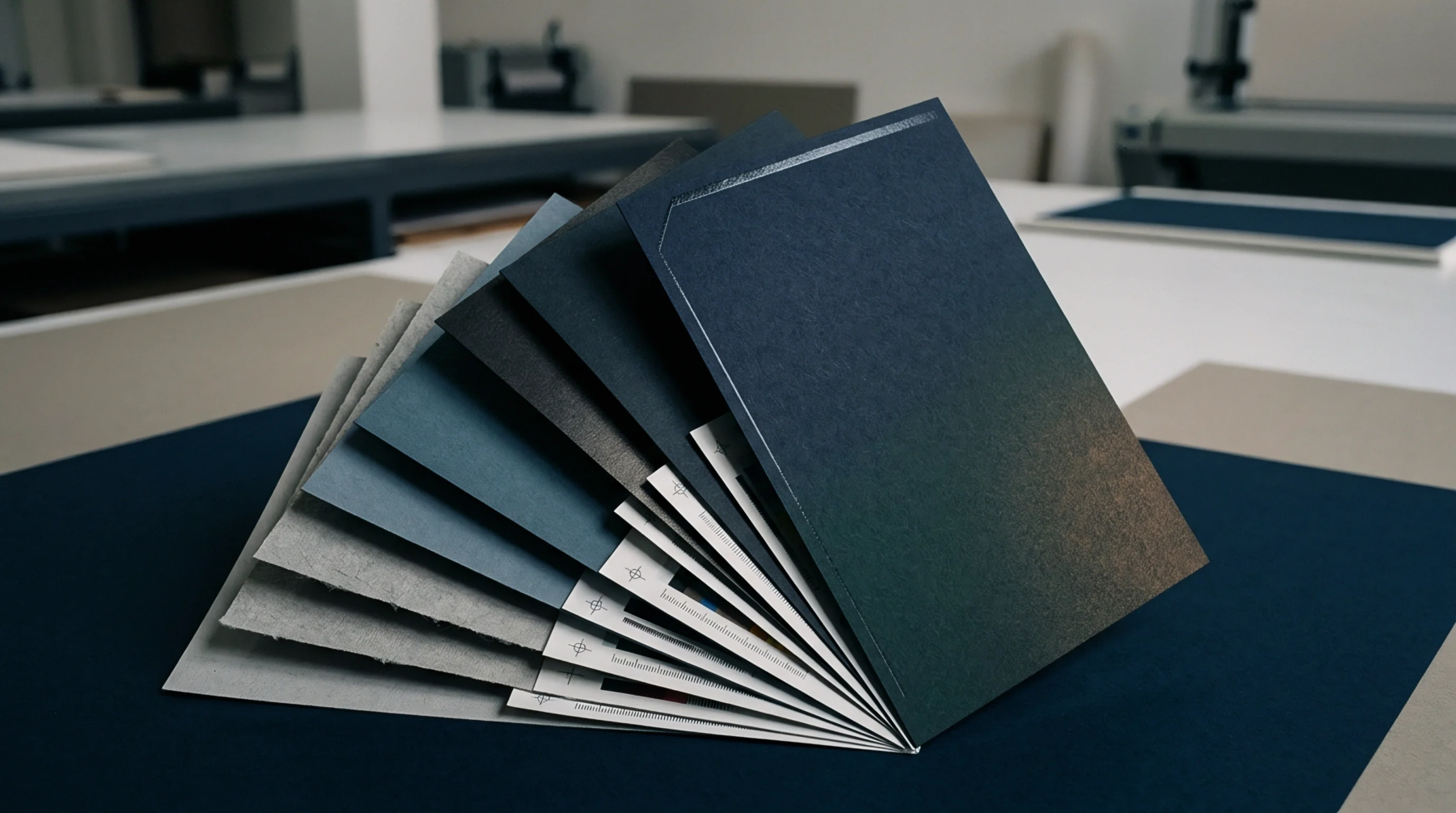
Surfactant residues collapse dynamic contact angles in hardwood stock, inducing vessel picking, ink strike-through, and optical density loss at high press speeds.

Aqueous barrier board selection requires balancing Cobb and WVTR specs against laboratory repulpability mass yields above 85 percent to minimize EPR eco-tariffs.
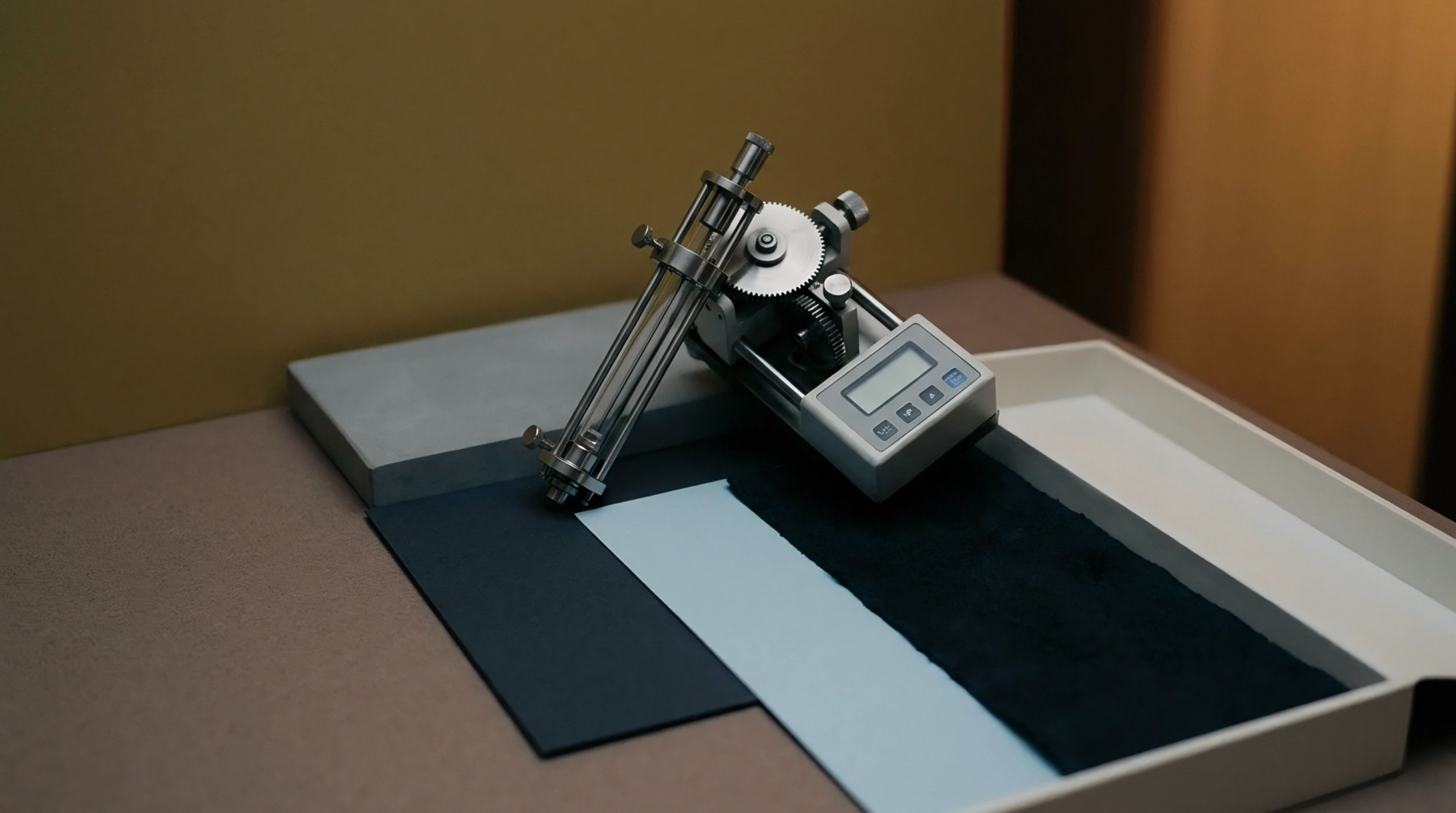
Controlling vacuum deaeration and dynamic contact line capillary numbers below critical thresholds prevents microbubble pinholing in high-speed barrier coatings.
Shoe press compaction reduces eucalyptus microfibrillar hydroxyl accessibility by up to thirty-eight percent, capping exit dryness gains against chemical costs.
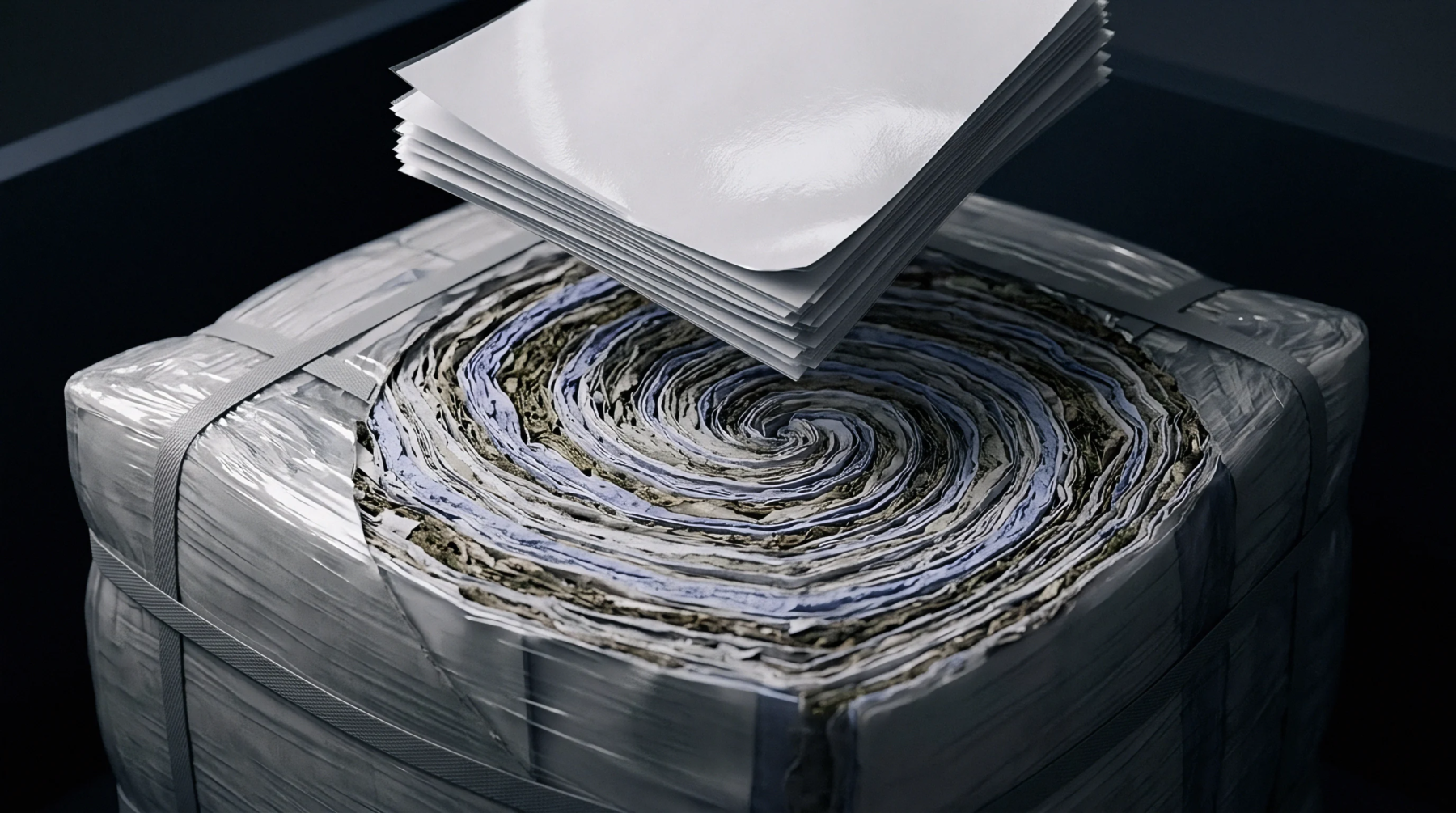
Verify physical furnish dockets and chemical marker assays rather than invoice credits to substantiate post-consumer claims in folding boxboard packaging.
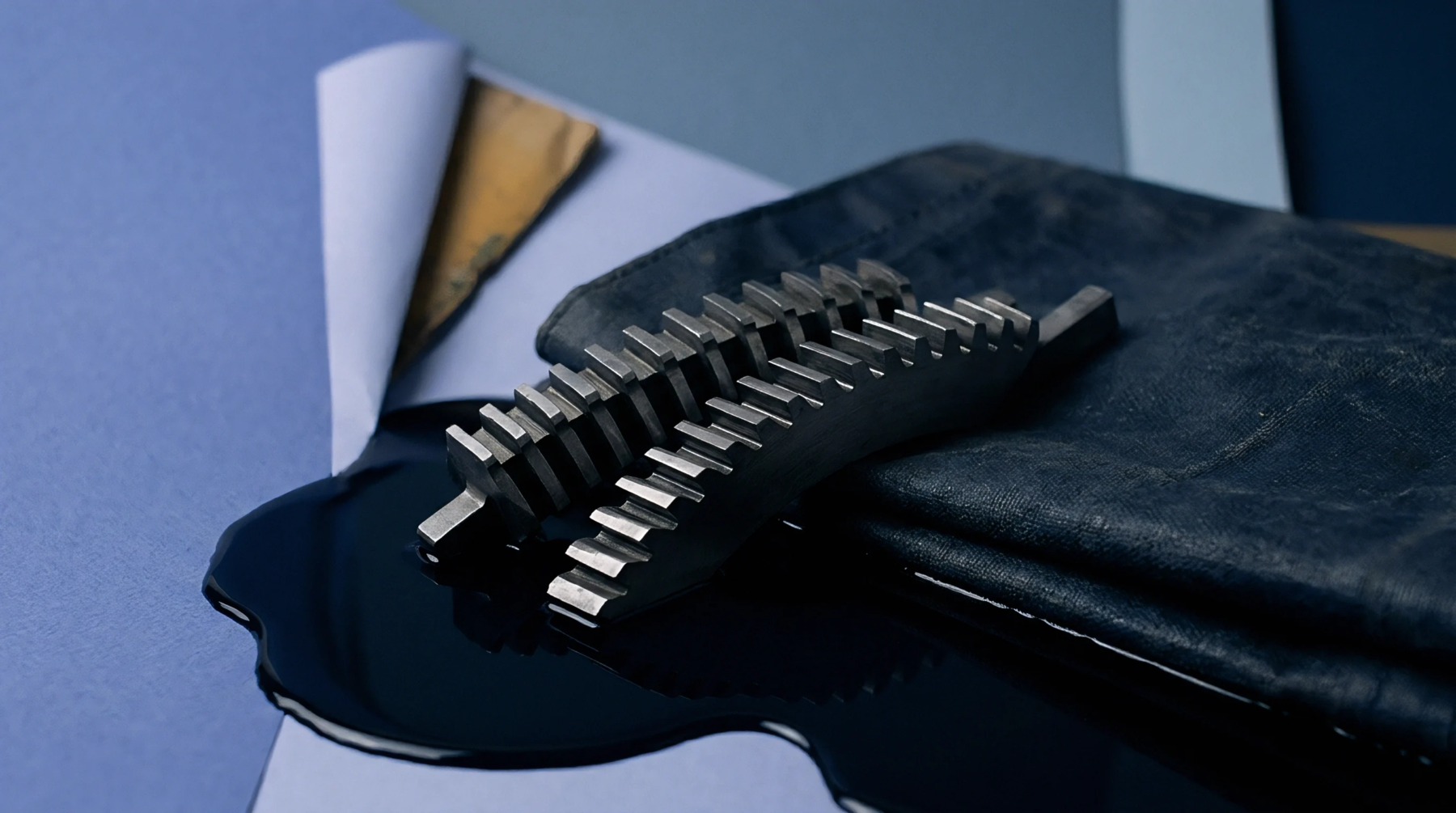
Molten frying fats trigger rapid autocatalytic hydrolytic scission and lipid plasticization in bio-polyester coatings, demanding high crystallinity and custom creasing.
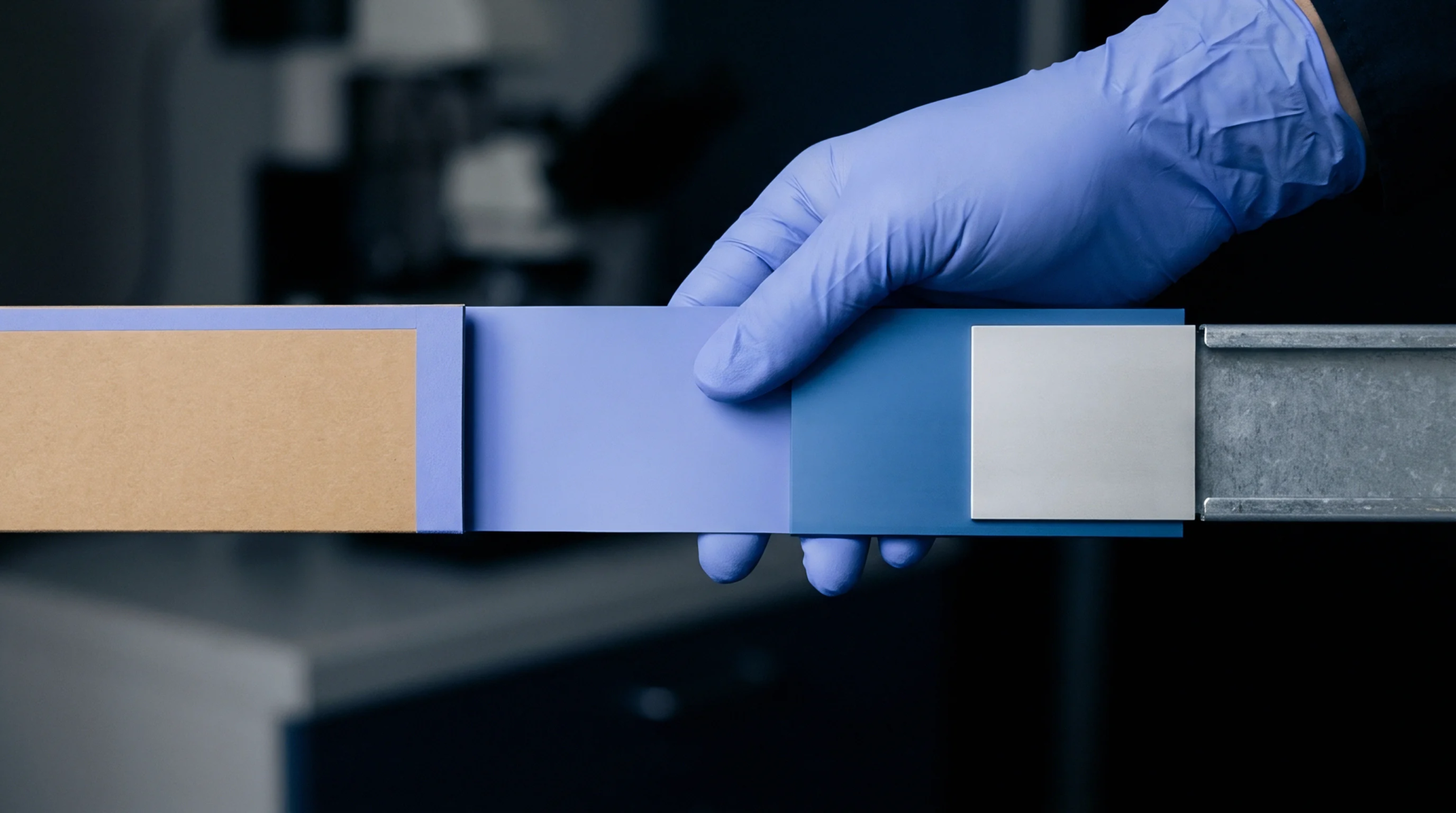
Laboratory physical testing of paperboard proves packaging structural compliance, verifies technical specifications, and prevents import liabilities.
Alkyl ketene dimer ring cleavage accelerates above pH 7.5 and 45°C, yielding inactive dialkyl ketones that ruin friction and drive sizing consumption.
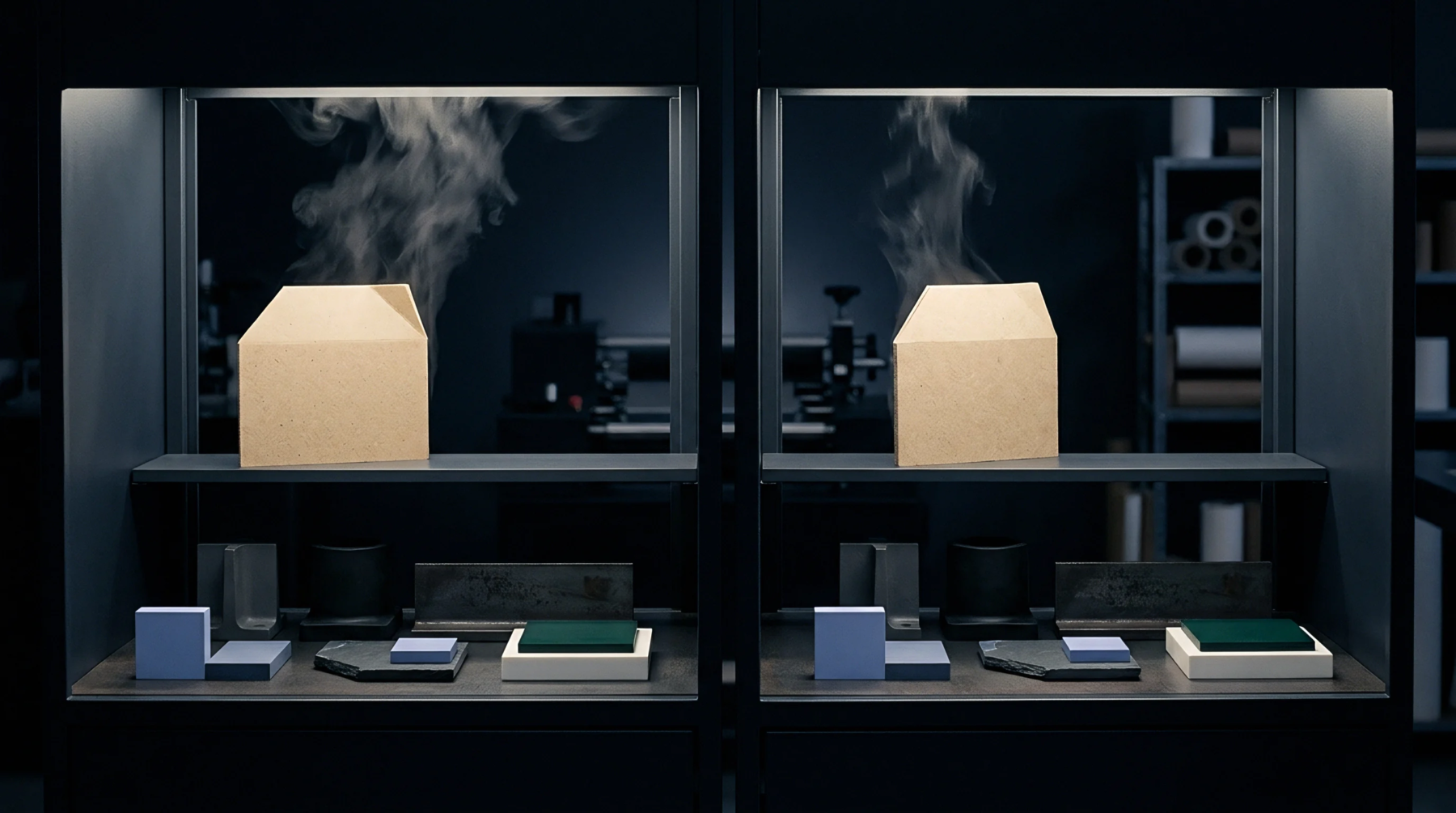
Water resistance on repulpable barrier board requires paired flat and scored gravimetric transmission data alongside verified fiber acceptance screen yields.
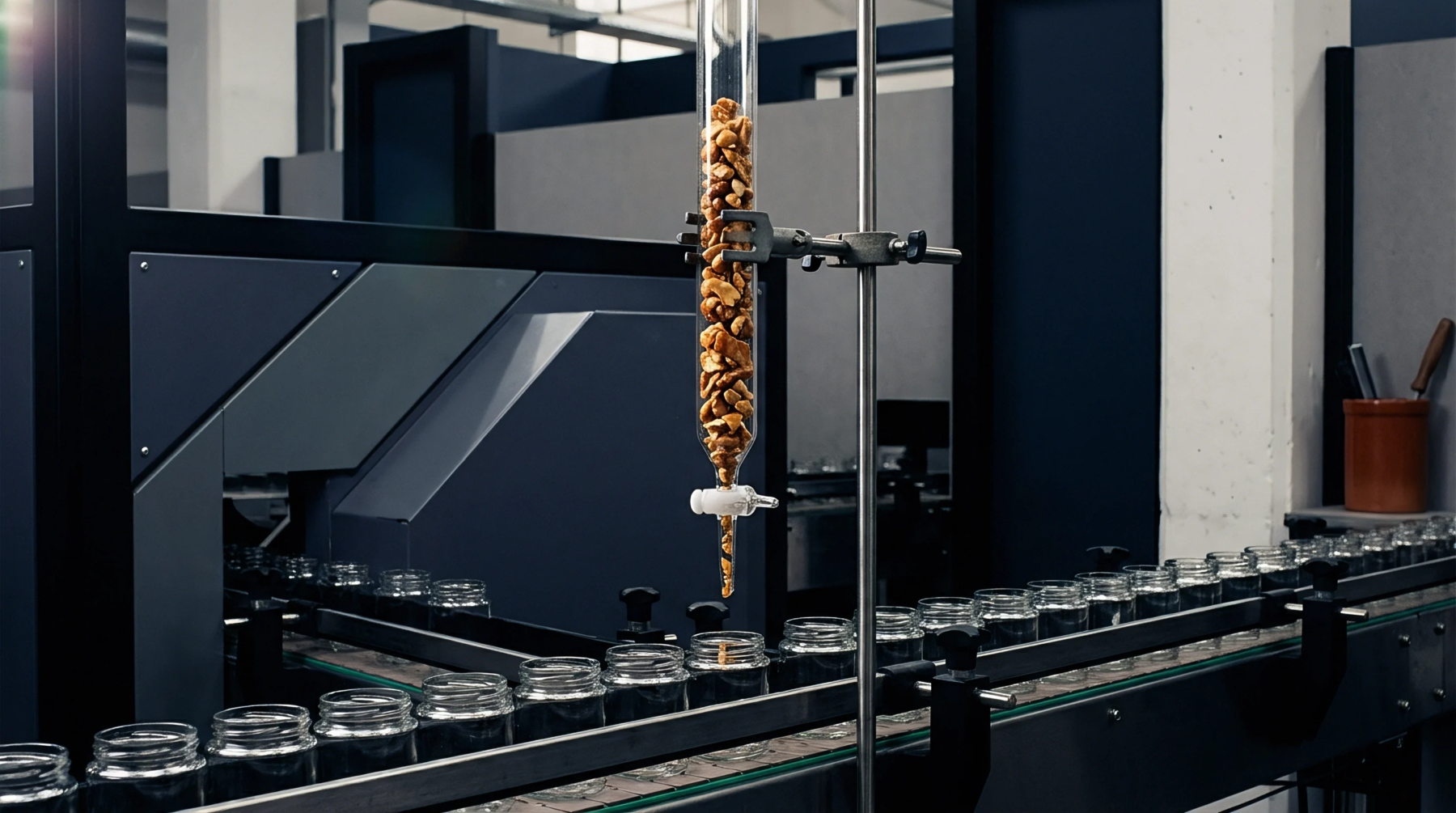
ISO 186 sampling requires isolating parent rolls, drawing randomized interior units, and conditioning under ISO 187 to protect sheet yield and legal claims.
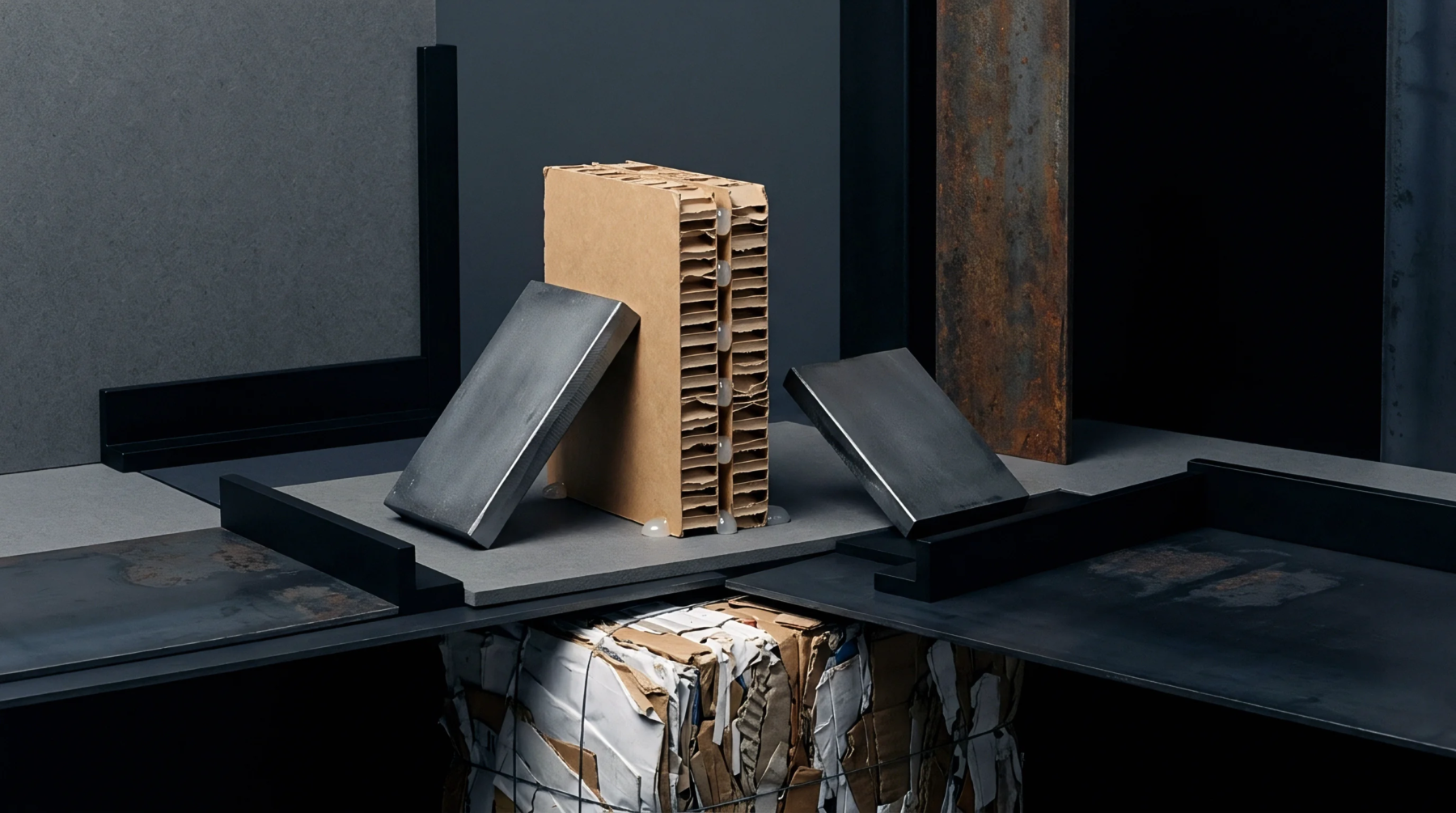
Multi-tier corrugated export survival demands virgin kraftliners, ketone-crosslinked wet starch, and safety factors adjusted for twenty-percent moisture uptake.
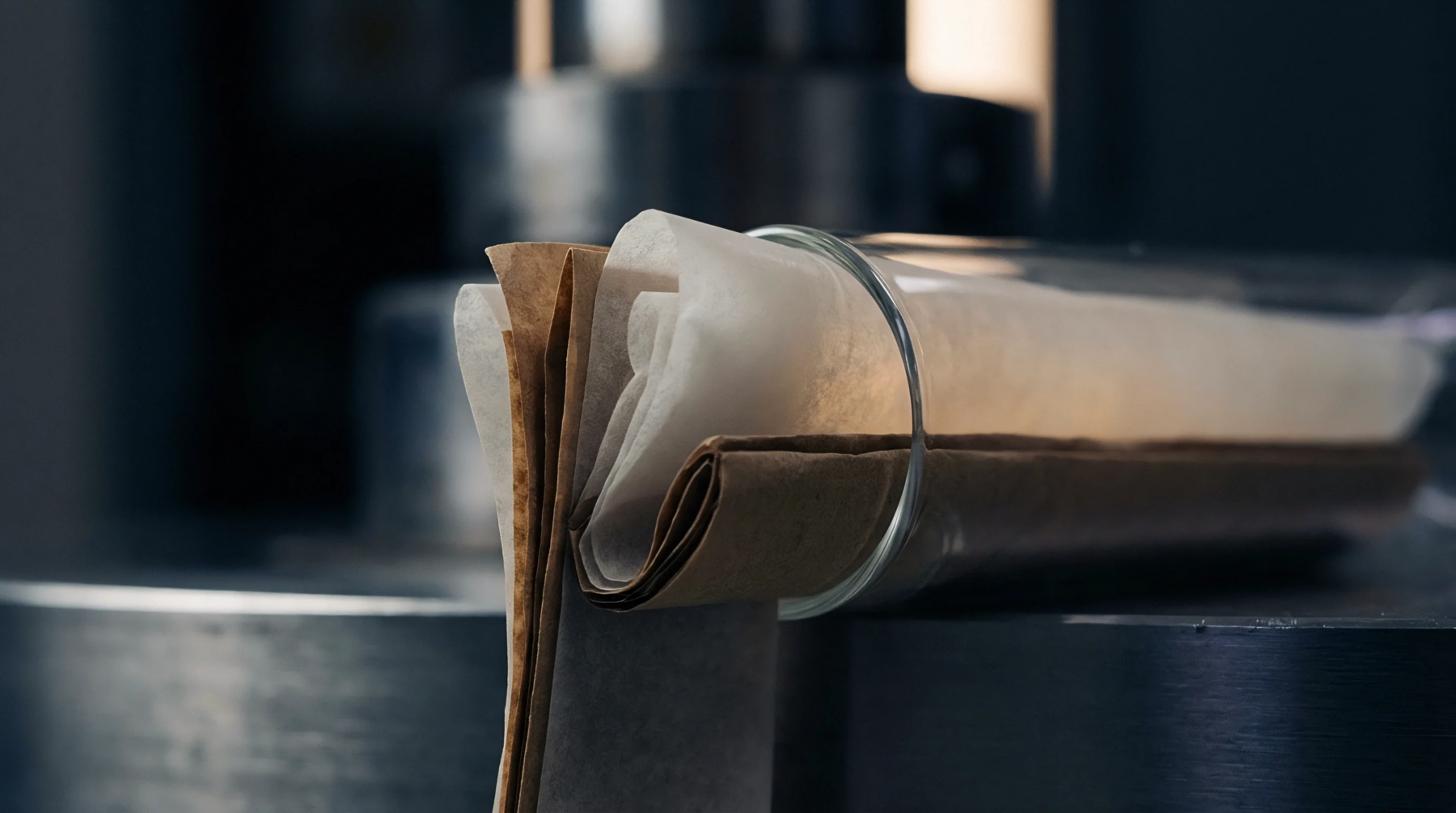
Dockside testing demands immediate outer wrap stripping, vapor-sealed sampling, and moisture-adjusted burst and compression checks before terminal exit.
Mineral pigment shape and pore distribution control ink setting, fiber coverage, and converting runnability, fixing real delivered costs per thousand sheets.
Aqueous ink vehicles dissolve interfibre hydrogen bonds within milliseconds, dropping cross-direction stiffness over 40% and driving web misregistration.
Recycled fibres limit transverse swelling through hornification yet amplify cross direction web misregistration when dried-in strains release unevenly.
Inline ultrasonic attenuation spectra quantify free surfactant depletion in opaque mineral slurries to stabilize millisecond surface tension on high-speed coaters.
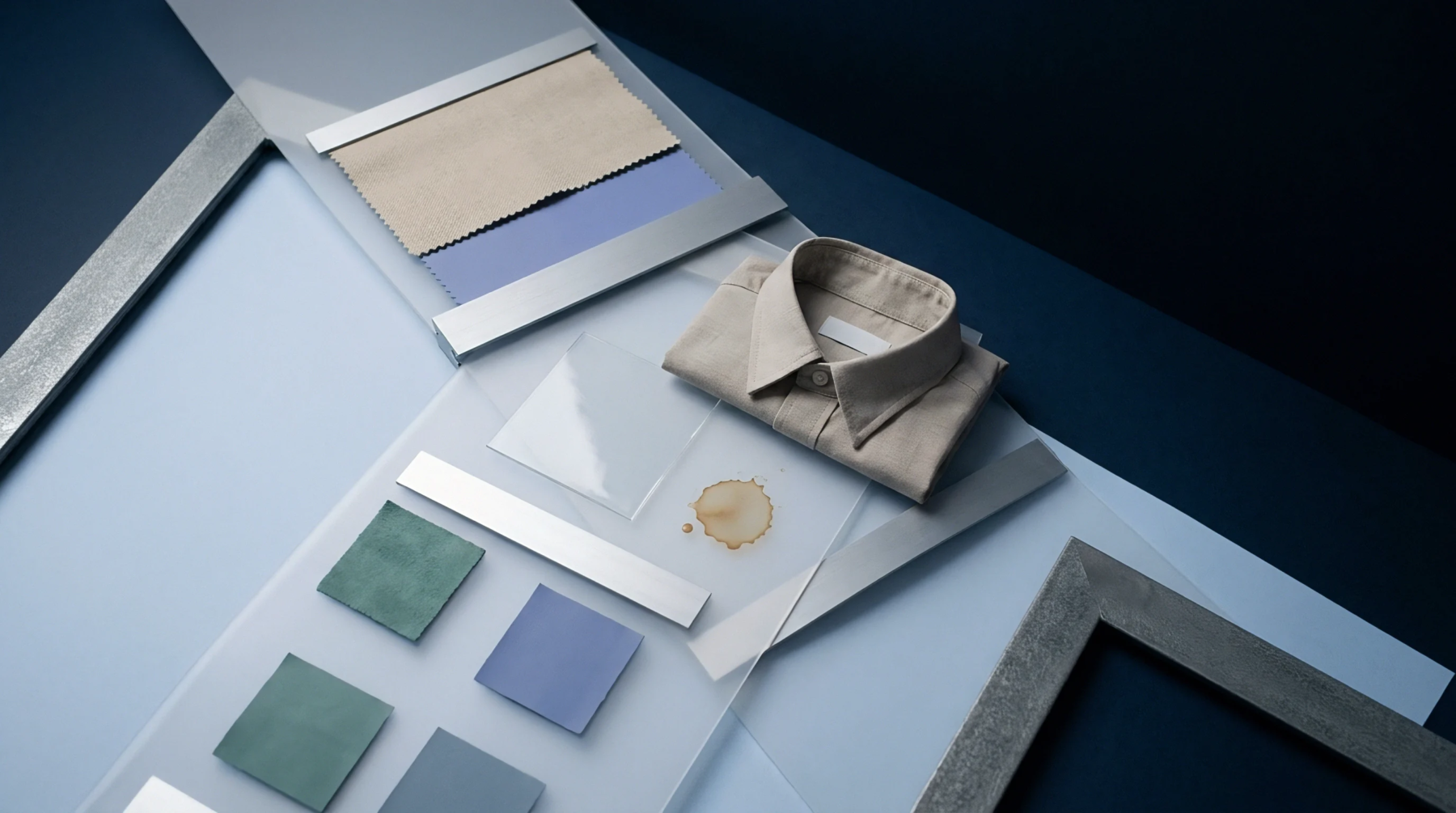
Dynamic surface tension controls curtain coating stability and heel air entrainment, dictating run speed, defect rates, and operational packaging costs.
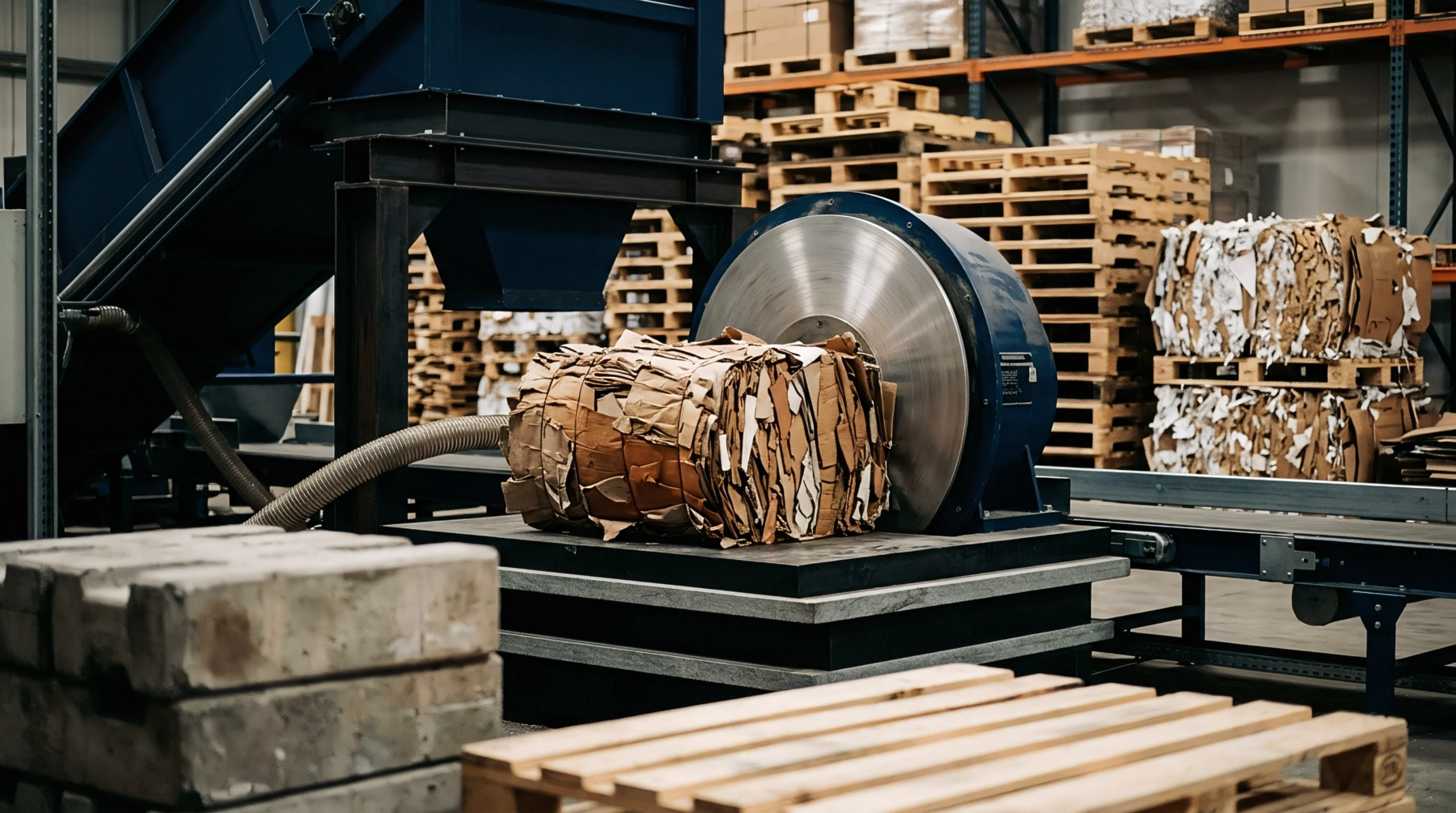
Recycled containerboard exhibits accelerated transient moisture diffusion and mechano-sorptive creep, causing rapid box collapse under cyclic humidity.
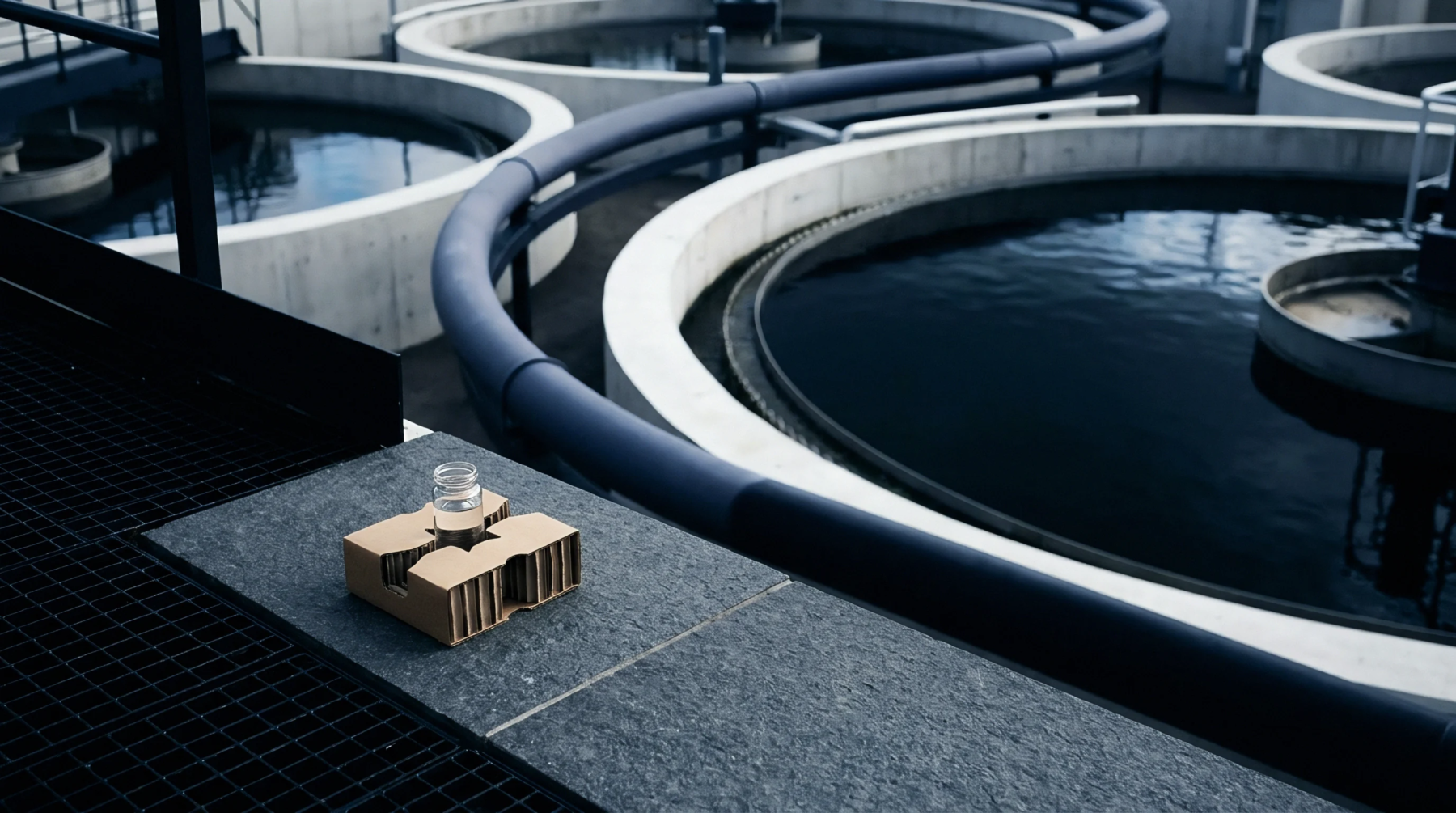
Thermodynamic moisture transport in corrugated packaging depends on non-Fickian diffusion kinetics, fiber plasticization, and severe mechanosorptive creep.
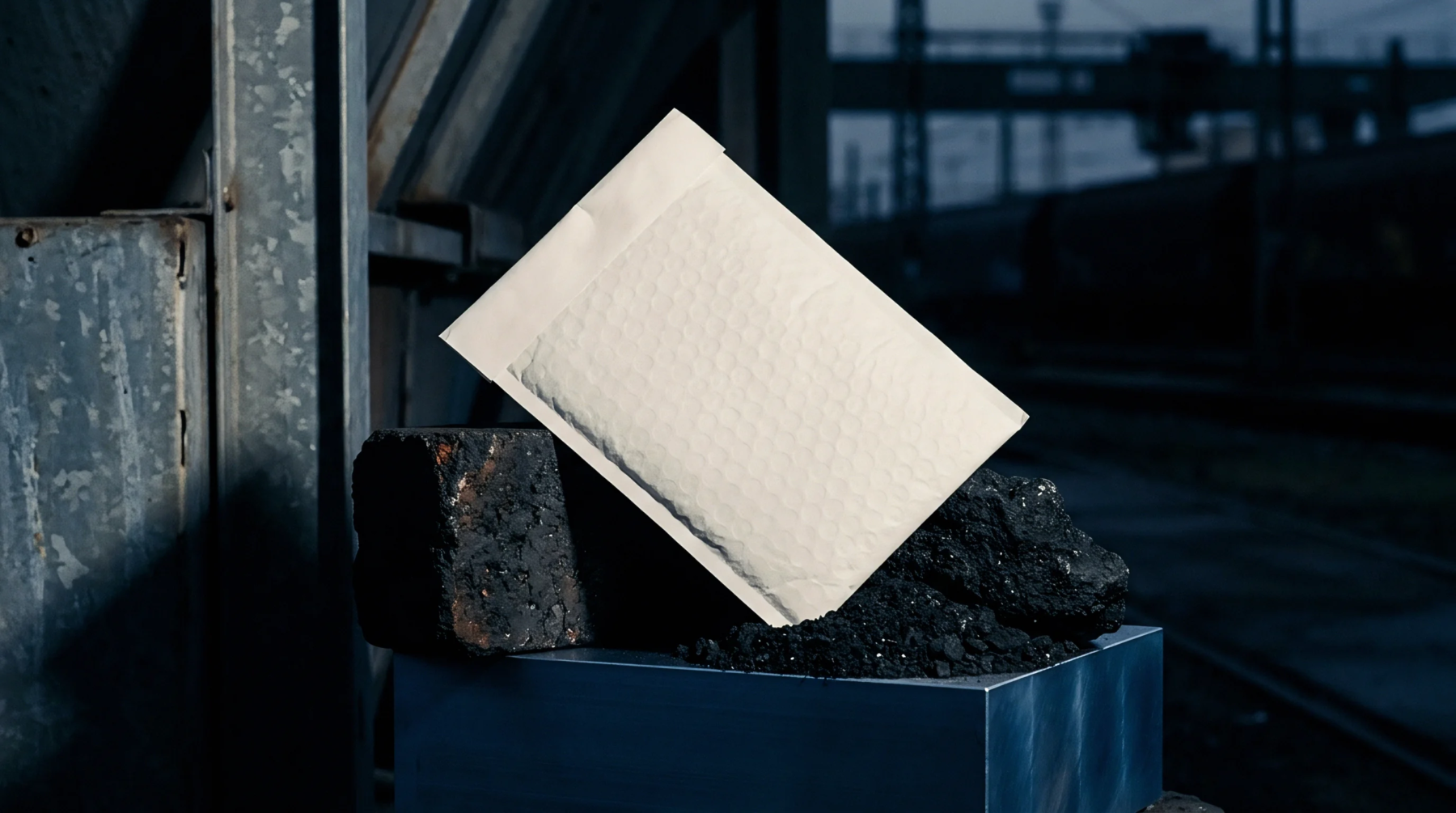
Marine container humidity drops paperboard compression by half, requiring virgin kraft furnishes and 4.0 safety factors to prevent column collapse at sea.
Boundary layer condensation drops containerboard compression fifty percent, demanding virgin kraft liners and desiccant capacity sized to total stowage moisture.
Expertise is a utility, not a secret. sentiention™ publishes its working knowledge as open reference: intelligence layer covering the materials it sources, the markets it enters, and the reference that serves both.