
PPWR Recyclability Grades Dated against a Packaging Redesign Cycle
Aligning packaging redesign cycles with PPWR recyclability milestones requires qualifying substrates 36 months before regulatory enforcement dates.
Aligning packaging redesign cycles with PPWR recyclability milestones requires qualifying substrates 36 months before regulatory enforcement dates.
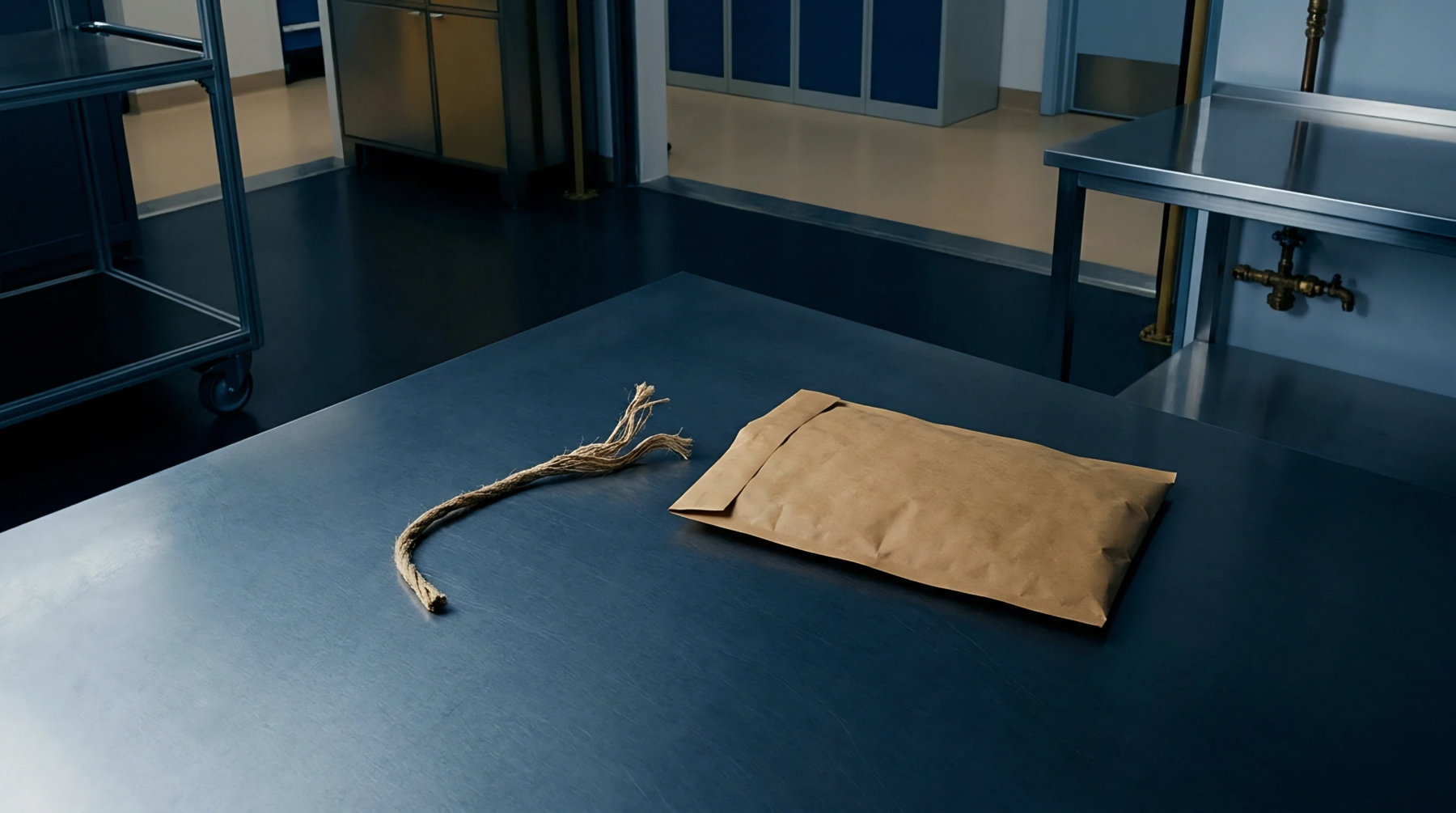
High-density refining and fluorine-free dispersion coatings block lipid migration and moisture breakdown where unrefined kraft papers fail under aggressive fills.
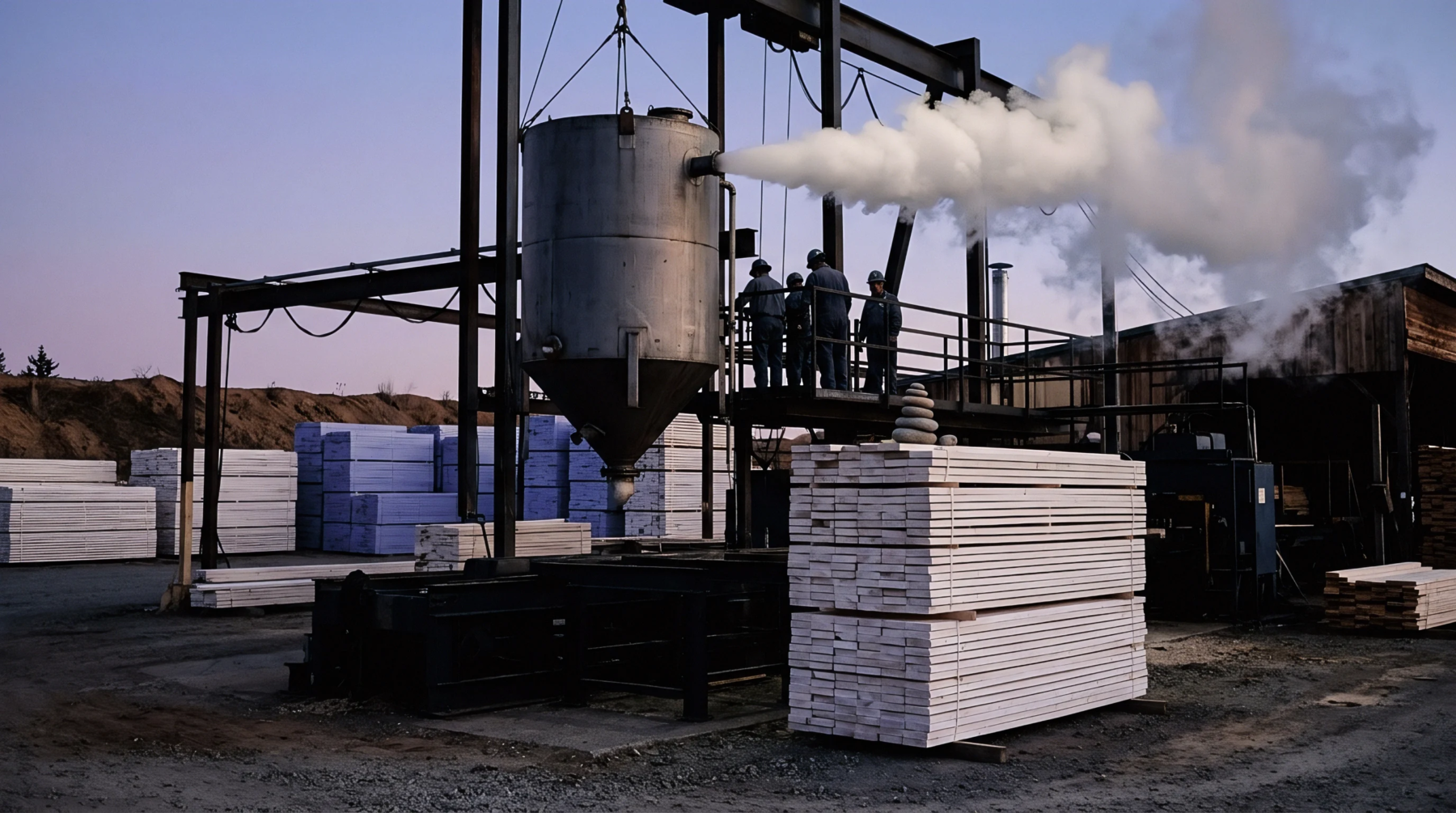
Unheated storage drives moisture ingress along sheet edges via psychrometric gradients, requiring sealed barrier wraps and strict thermal acclimation before press run.

Wide matrix channels and shallow penetration depth prevent polymer micro-fractures in dispersion-coated folding boxboard during creasing.

Maintaining high-shear flexographic barrier coating viscosity between 25 and 40 mPa.s prevents pinholing and preserves 300 percent elongation over creased board.
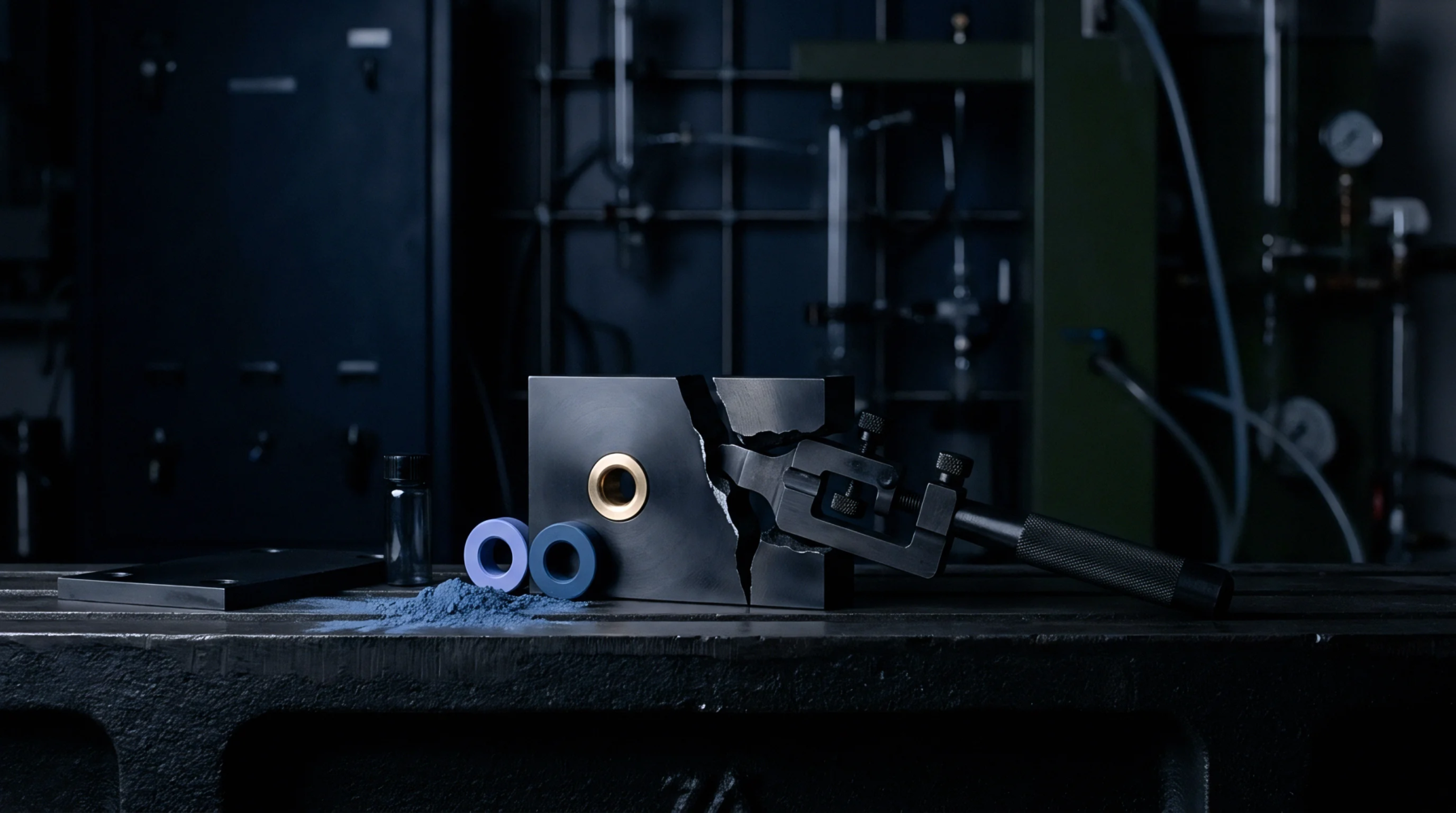
Optimizing creasing geometry for barrier board requires expanding female channel width and applying polished male rule radii to prevent barrier film splitting.
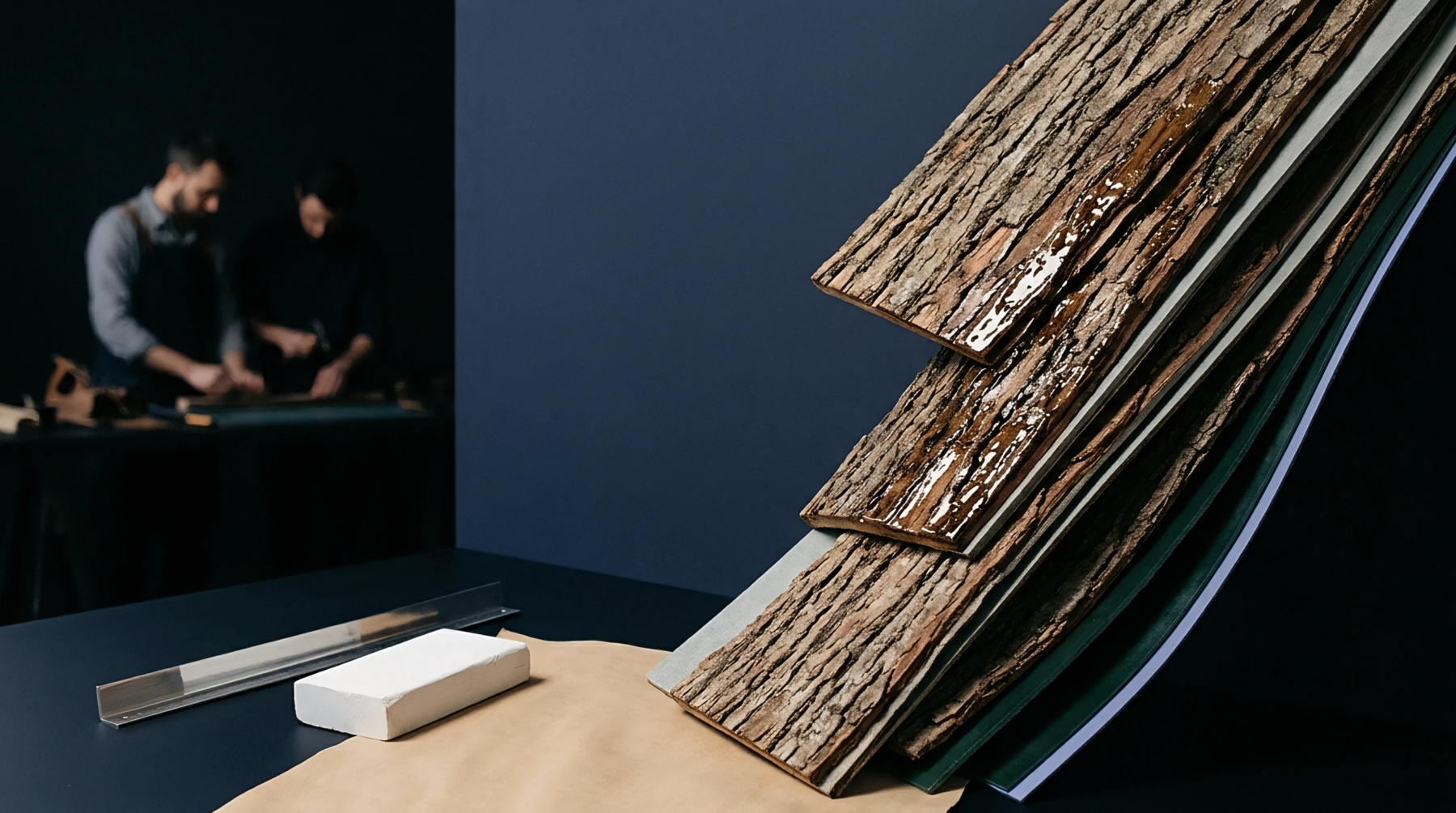
Barrier coated folding boxboard converting demands female matrix channels widened to one point seven times caliper to prevent micro-fissuring.
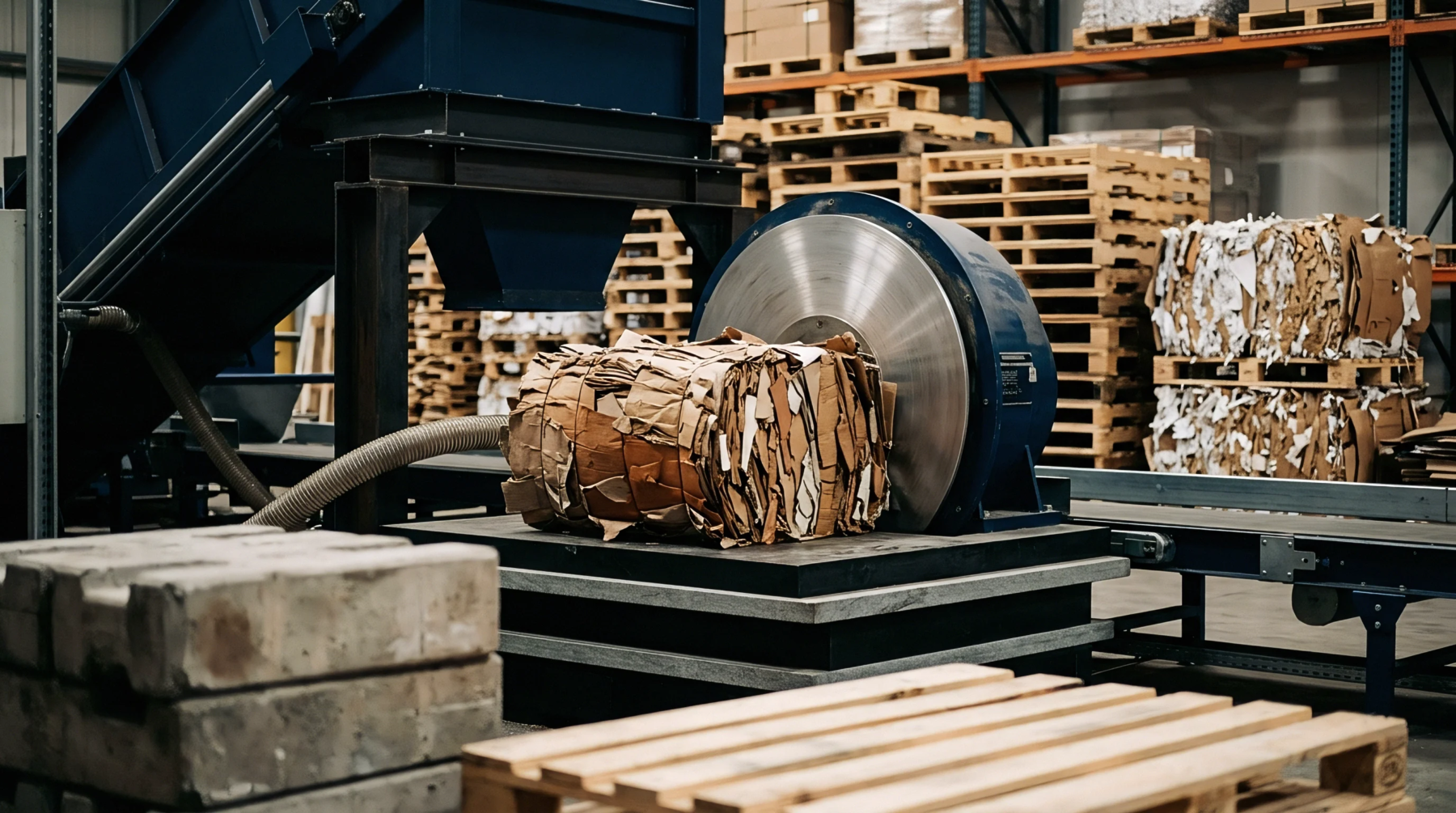
Polyethylene film wraps trap moisture desorbed by paperboard during thermal swings, elevating internal relative humidity and triggering mechanosorptive failure.

Aqueous latex barrier performance depends on controlling dynamic high-shear viscosity to ensure complete anilox cell release and eliminate film pinholing.
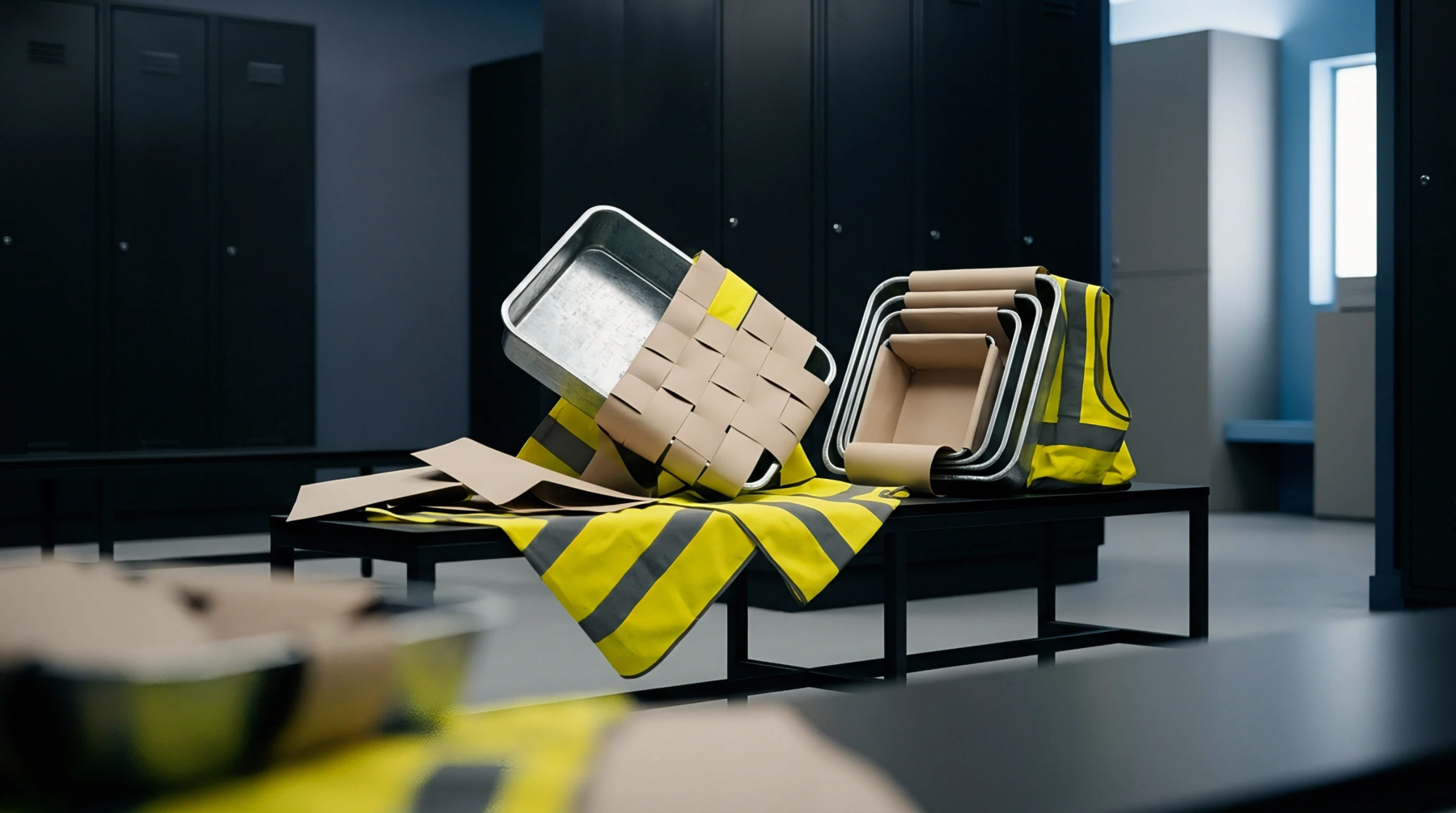
Water-based dispersion coatings achieve food barrier requirements while maintaining full fiber repulpability and standard mill recovery yields.
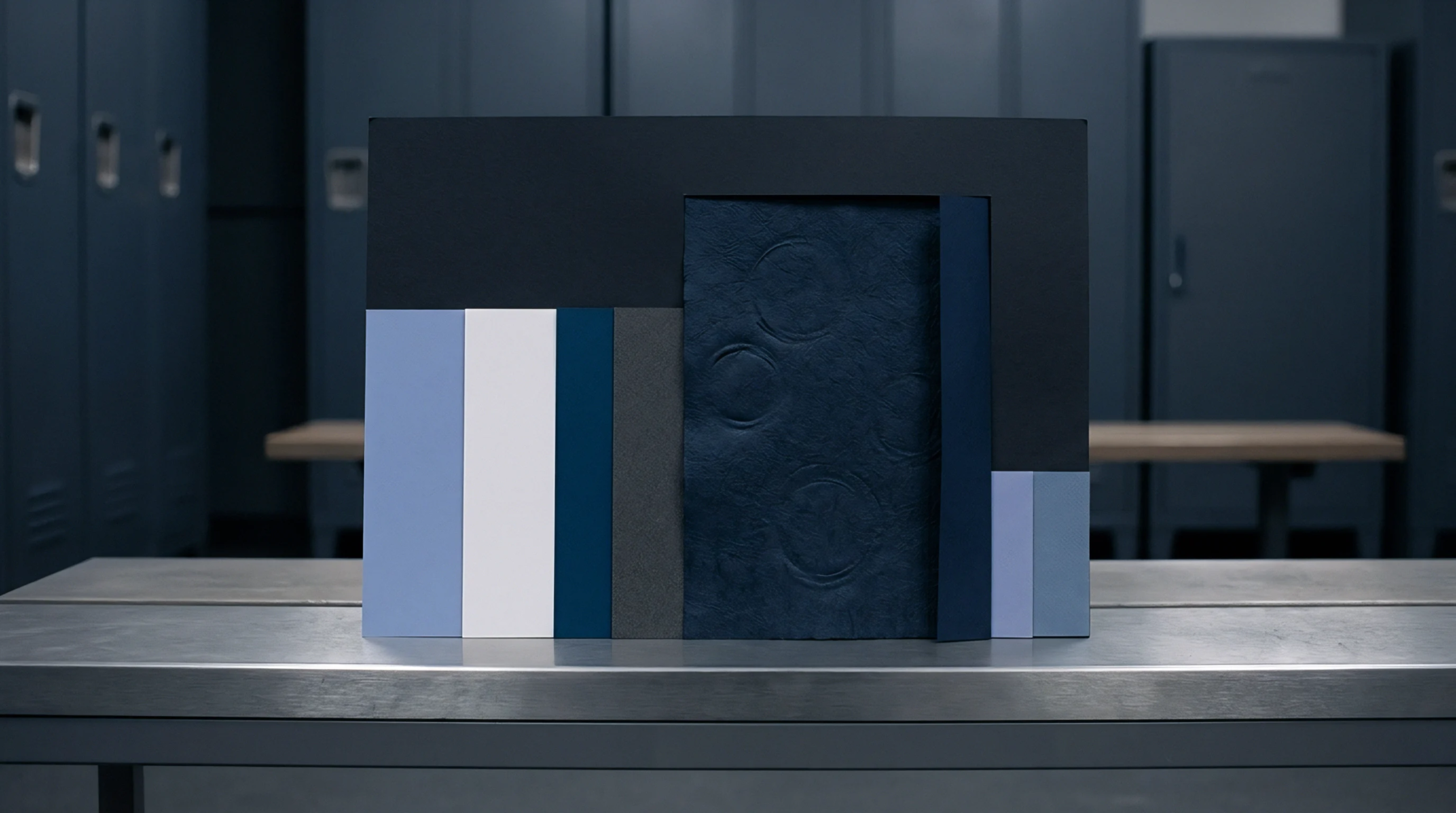
High frequency ultrasonic attenuation profiling non-destructively maps internal ply delamination and polymer barrier continuity during cartonboard creasing passes.
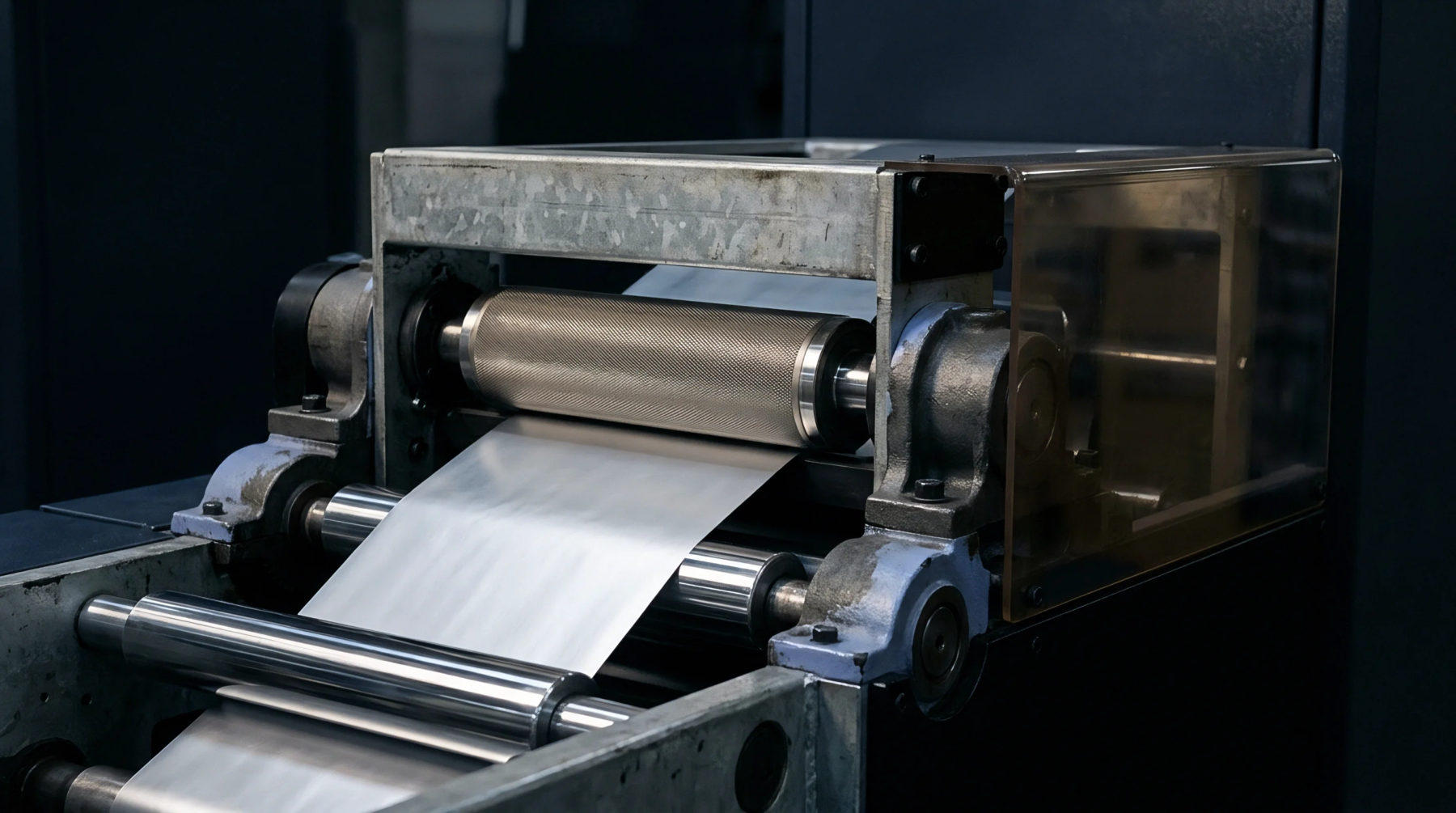
Dynamic moisture sorption degrades cellulosic packaging strength through mechano-sorptive creep, requiring GAB equilibrium mapping and transit humidity verification.
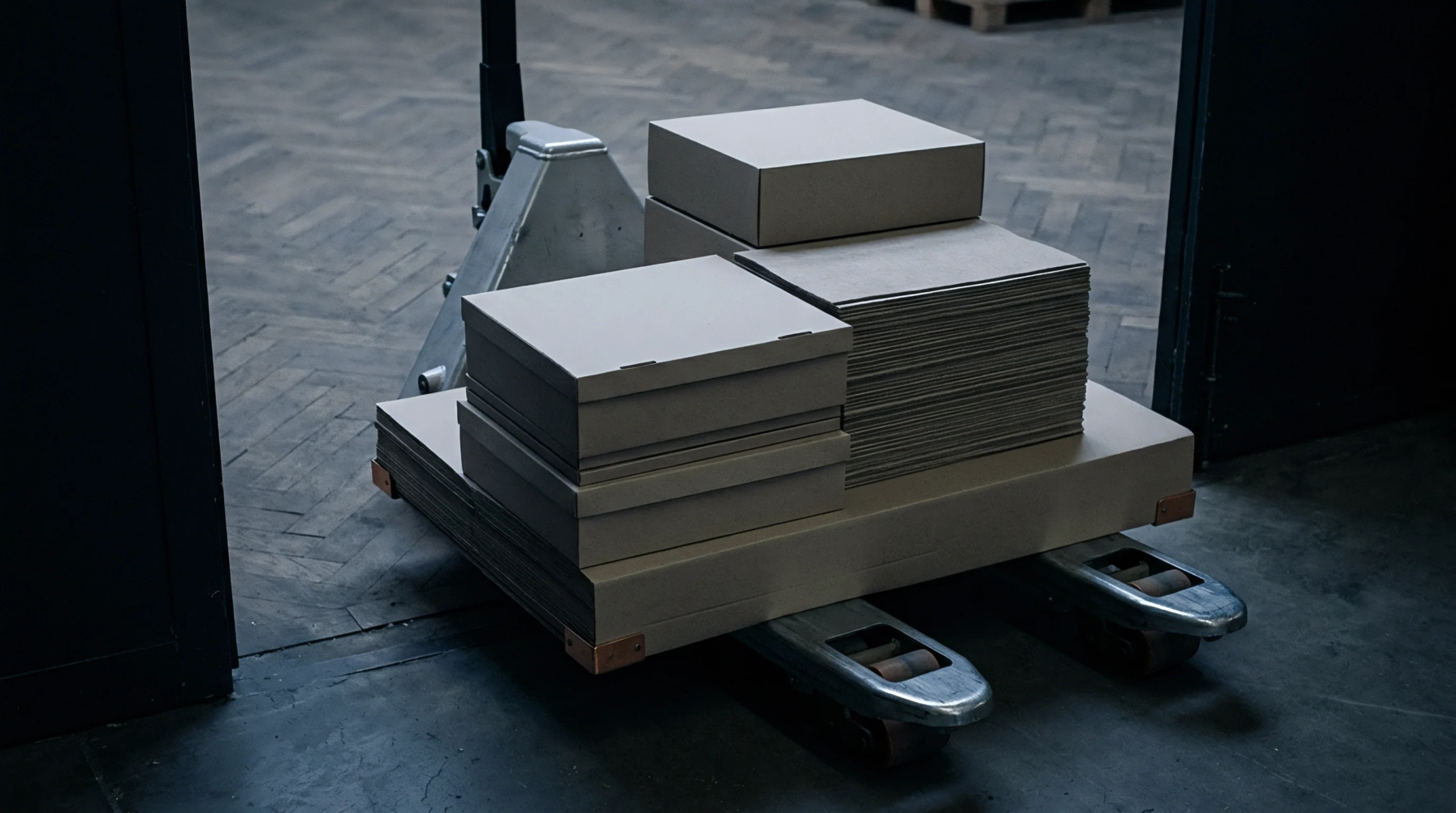
Thermal boundary layers inside stretch-wrapped pallets drive vapor condensation and localized corrugated compression strength failure during temperature transitions.
Flexographic aqueous latex barrier coating viscosity requires multi-shear rotational measurement to ensure accurate anilox transfer and barrier film continuity.
Microfibril moisture binding follows GAB sorption kinetics where mesopore condensation above M0 plasticizes fiber networks, requiring crosslinking to preserve barriers.
GAB isotherm modeling parameterizes microfibril monolayer saturation, identifying plasticization thresholds to qualify moisture barrier paperboard under PPWR and food contact rules.
Dynamic vapor sorption in recycled barrier substrates triggers localized interfibrillar swelling stresses that disrupt coating integrity under humidity transients.
Modeling transient moisture gradients and hygral stress in high-bulk recycled cartonboard skids establishes barrier wrap limits to prevent press edge waving
Moisture and thermal stress during converting plasticize aqueous latex coatings, reducing storage modulus and causing fold delamination unless web tension is optimized.
Crosslinked microfibril barrier qualification requires dynamic vapor sorption fitting to prove moisture resistance and verify regulatory compliance.
Poly-coated vapor transport follows Fickian diffusion governed by polymer density and coat weight until score line fractures shift mechanism to pore flow.

Dockside testing screens moisture, barrier integrity, and mechanical strength to verify paper substrate modifications before cargo clears port custody.
Aqueous barrier coatings on food contact paperboard require accredited migration, extraction, and permeation testing matching real food simulants and shelf temperatures.
Converting scrappage from single sided lamination negates small material savings once EU EPR tariffs penalize film coated board above five percent weight.
Interfacial shear delamination in dispersion-coated folding boxboards occurs when converting flexure stresses exceed polymer-fiber bond fracture energy.
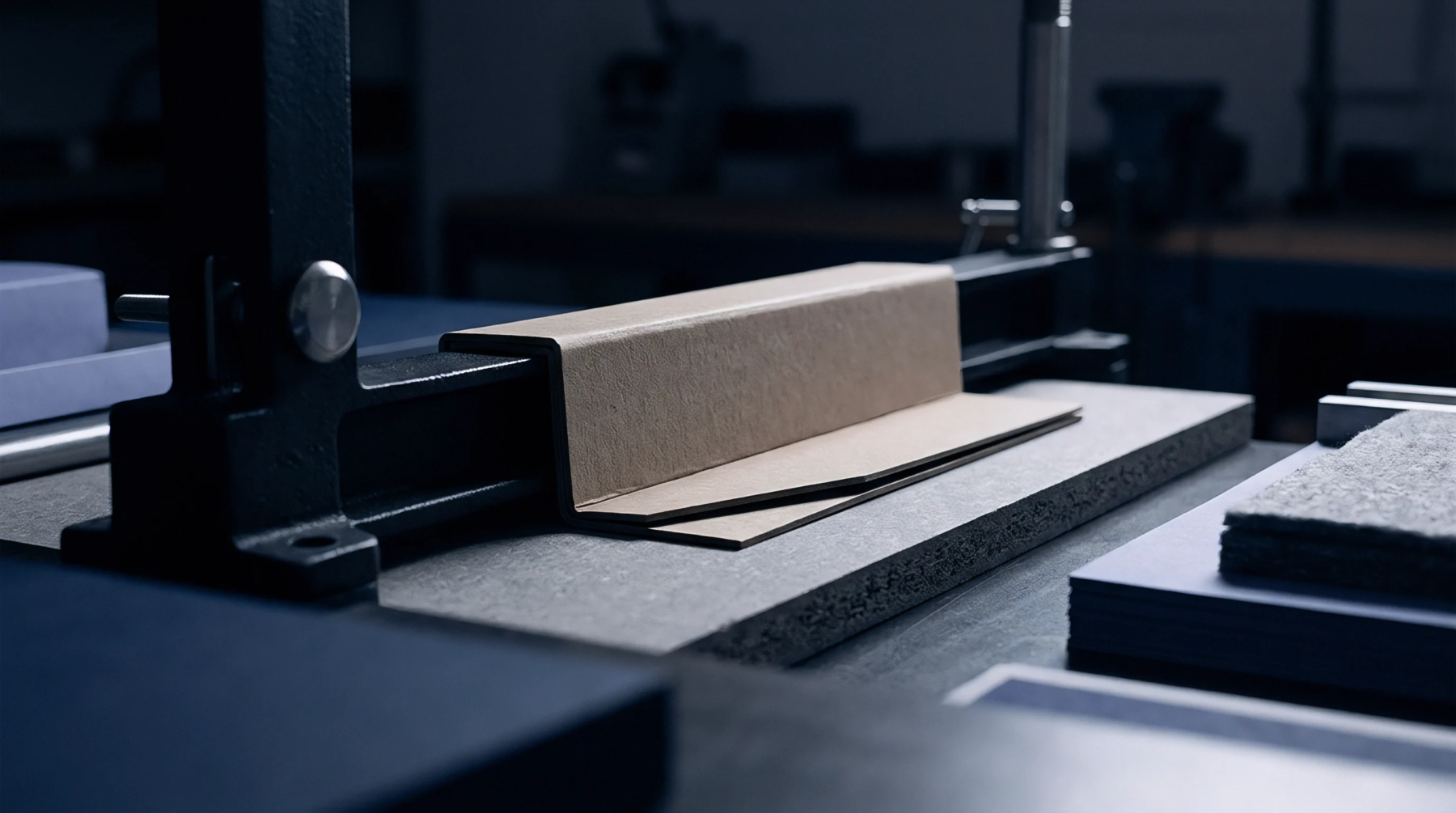
Aligning packaging redesign schedules with European recyclability deadlines requires twenty-four months to pass repulpability tests, tool lines, and secure EPR compliance.
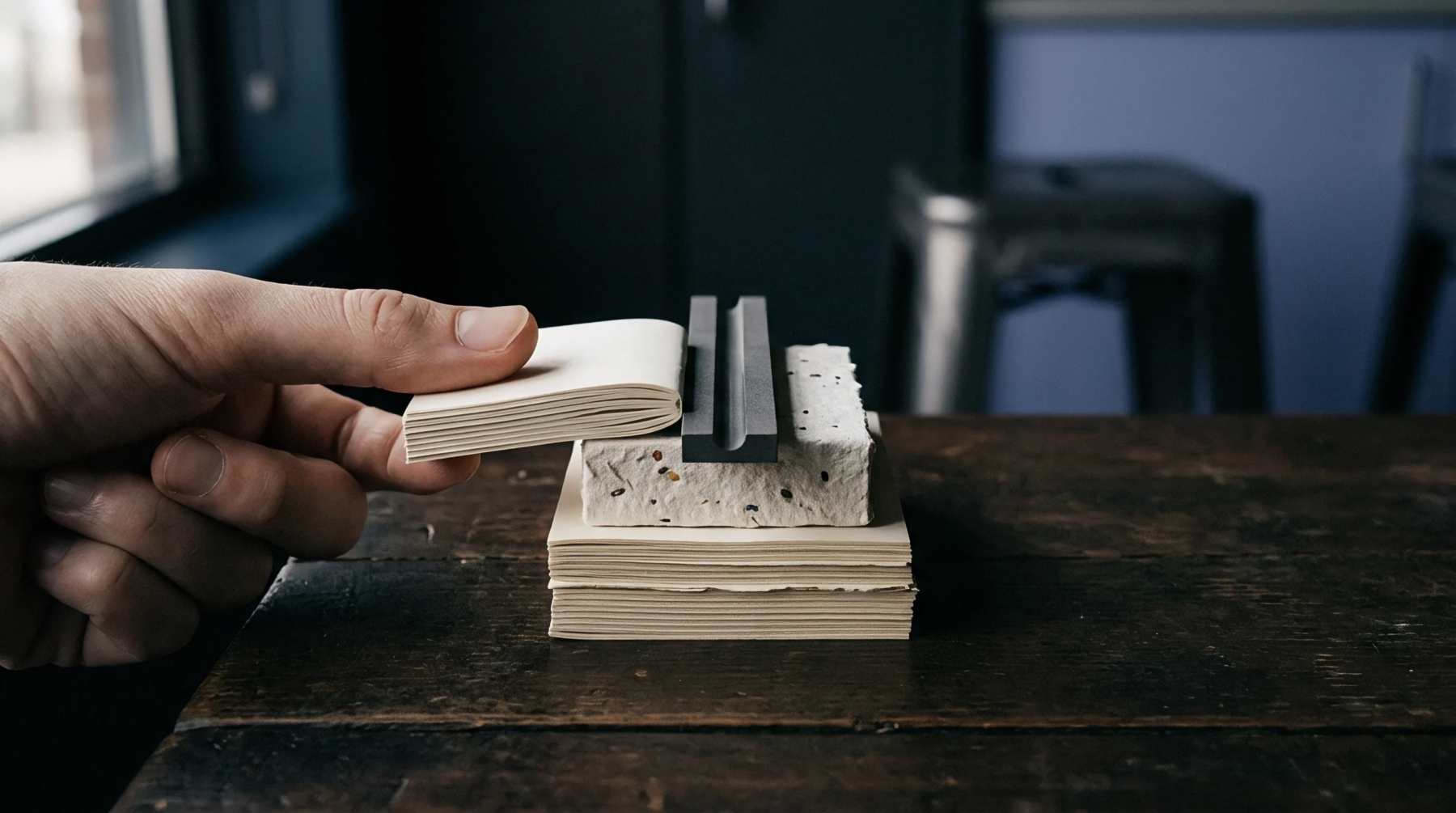
Aqueous dispersion barrier performance depends on wet coat weight uniformity, film drying coalescence, and creasing matrix geometry that prevents score line cracking.
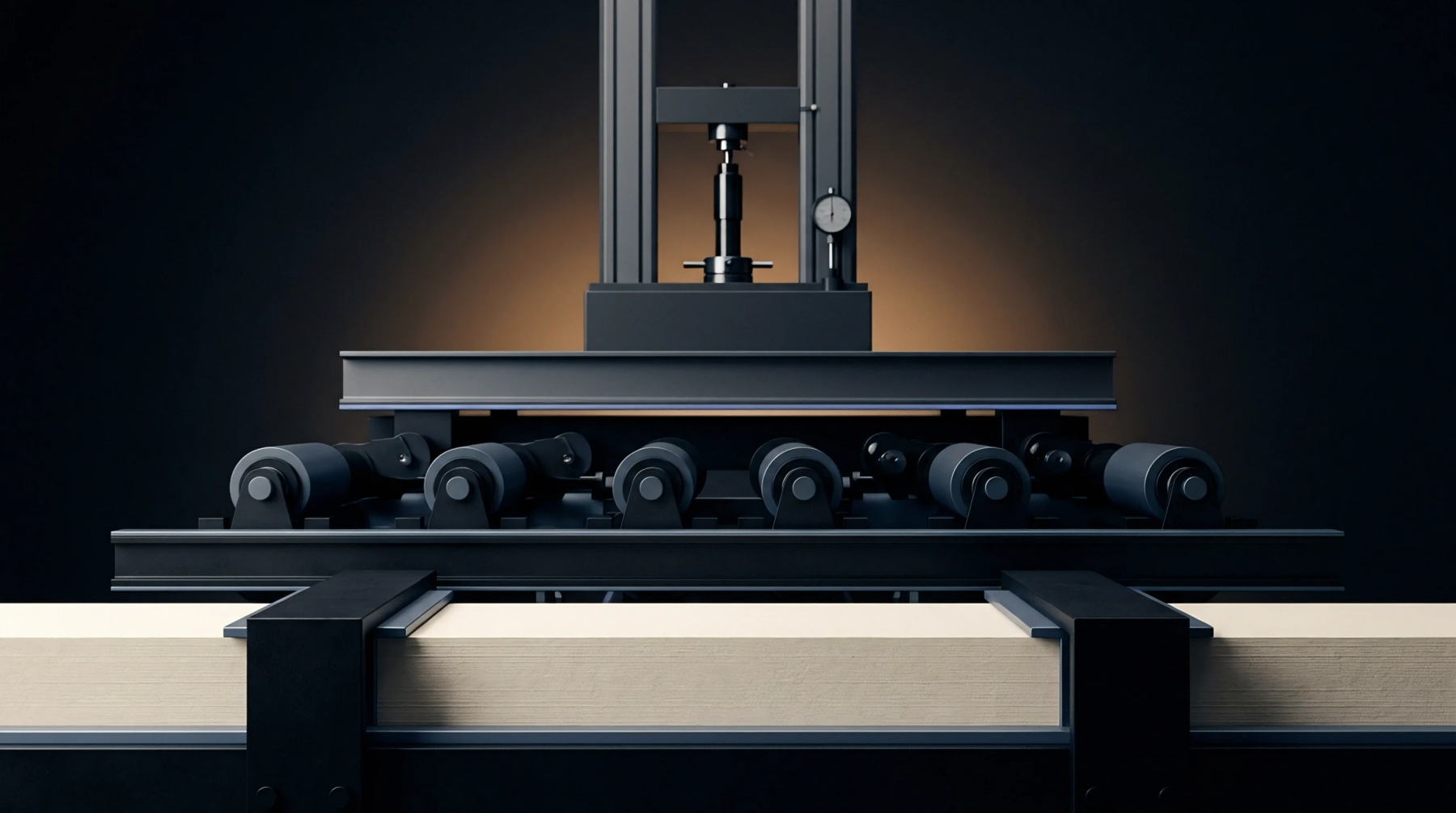
Aqueous dispersion barrier boards outperform extruded polyolefins by delivering over 95 percent wet end fiber yield and avoiding heavy EPR penalties.
Waterborne dispersion application on folding boxboard requires precise coat weight control, shear-matched viscosity, and staged drying to prevent pinholing.
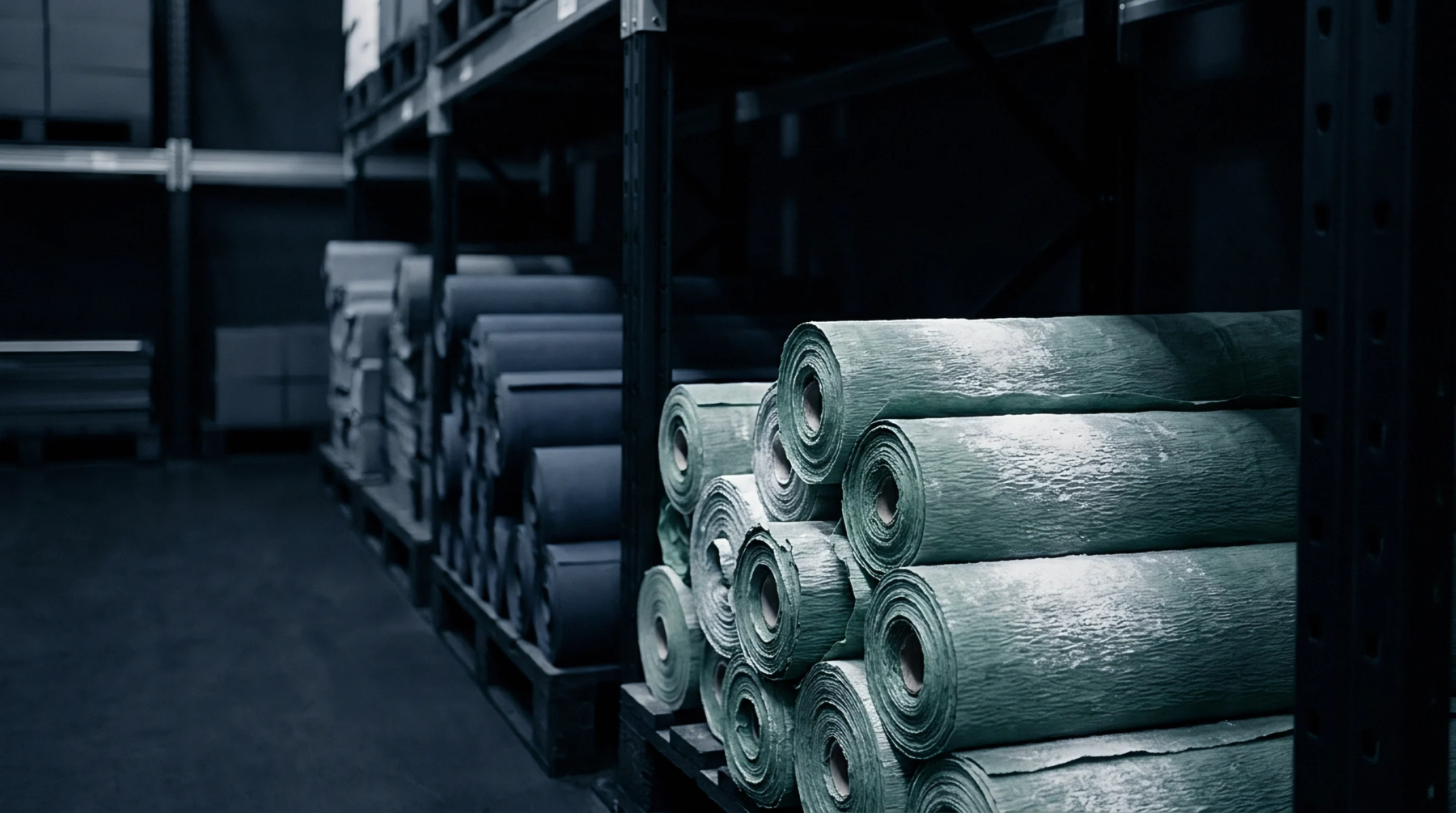
Aqueous dispersion barrier boards resist cold chain moisture through double-pass uniform coat weights and flexible low-Tg chemistry that prevents crease rupture.
Expertise is a utility, not a secret. sentiention™ publishes its working knowledge as open reference: intelligence layer covering the materials it sources, the markets it enters, and the reference that serves both.