
Measuring Paper Thickness with Optical Triangulation Gauges
Optical triangulation gauges measure paper thickness without surface contact but require wavelength filtering and furnish offsets to correct light penetration depth.
Optical triangulation gauges measure paper thickness without surface contact but require wavelength filtering and furnish offsets to correct light penetration depth.
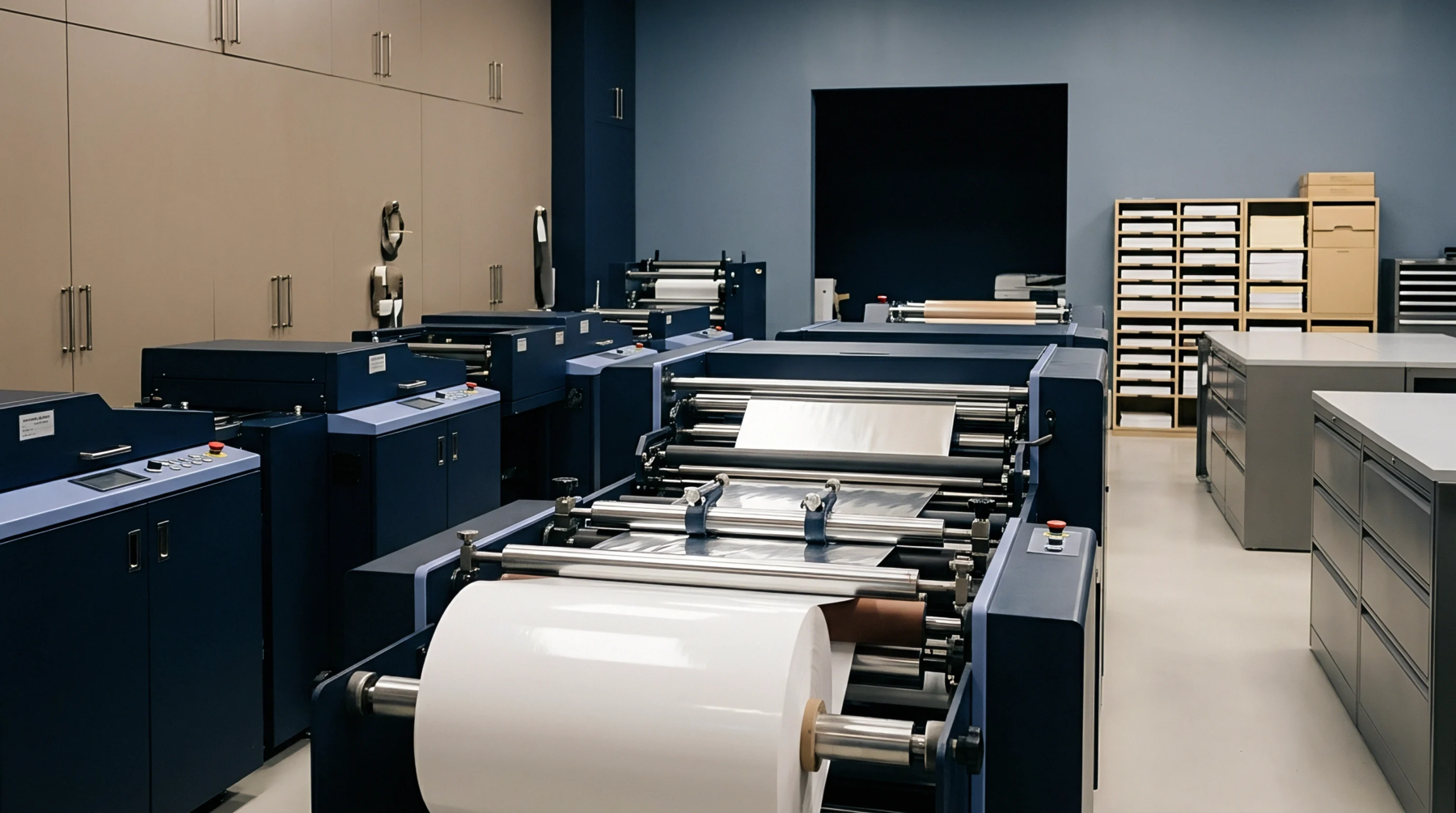
Real-time web caliper measurement requires continuous thermal compensation and ISO 534 offline correlation to prevent profile drift and converting failures.
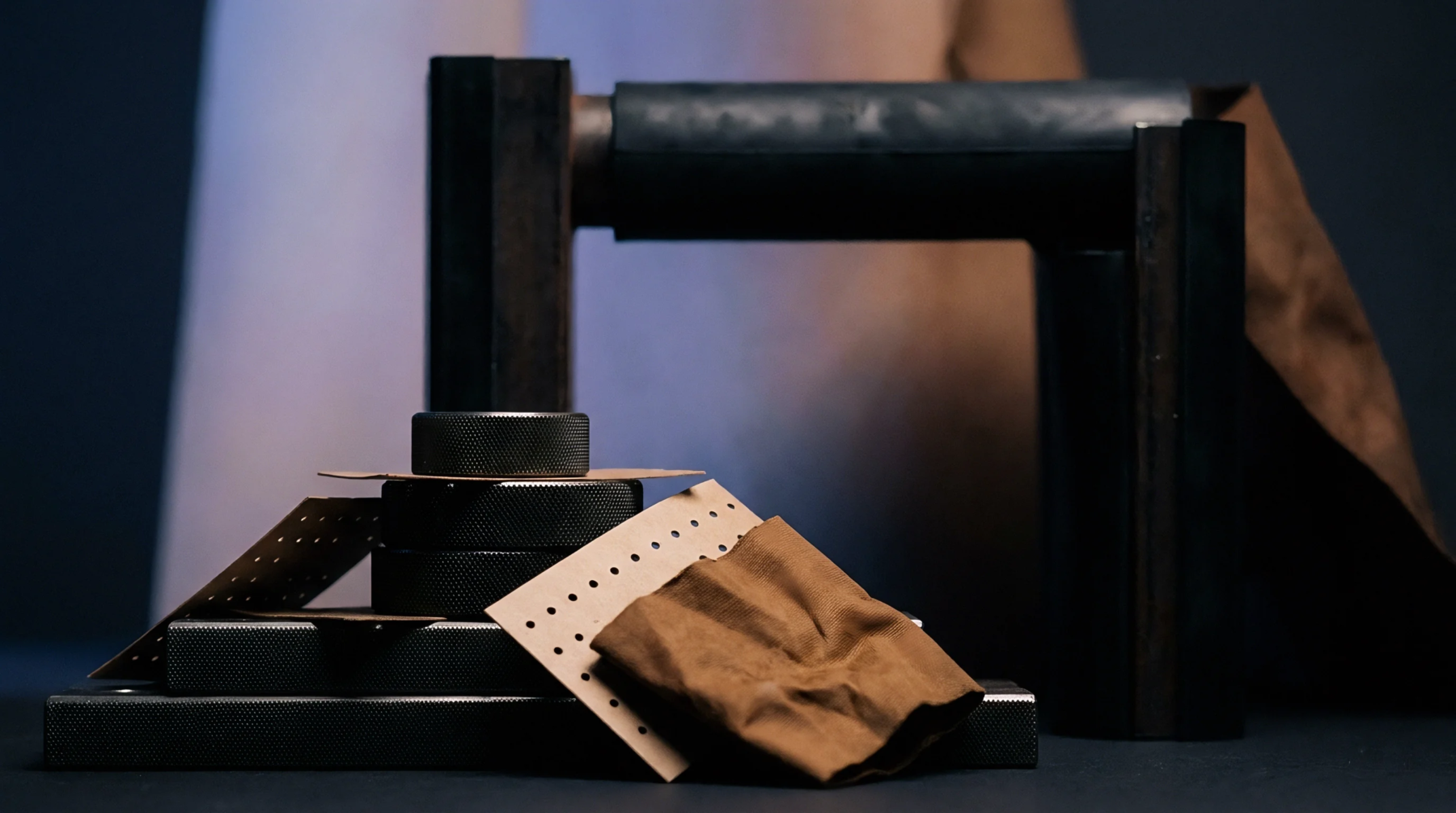
Subsurface laser scatter in recycled paper furnish creates false thickness readings that require ISO 534 mechanical contact micrometer calibration offsets.
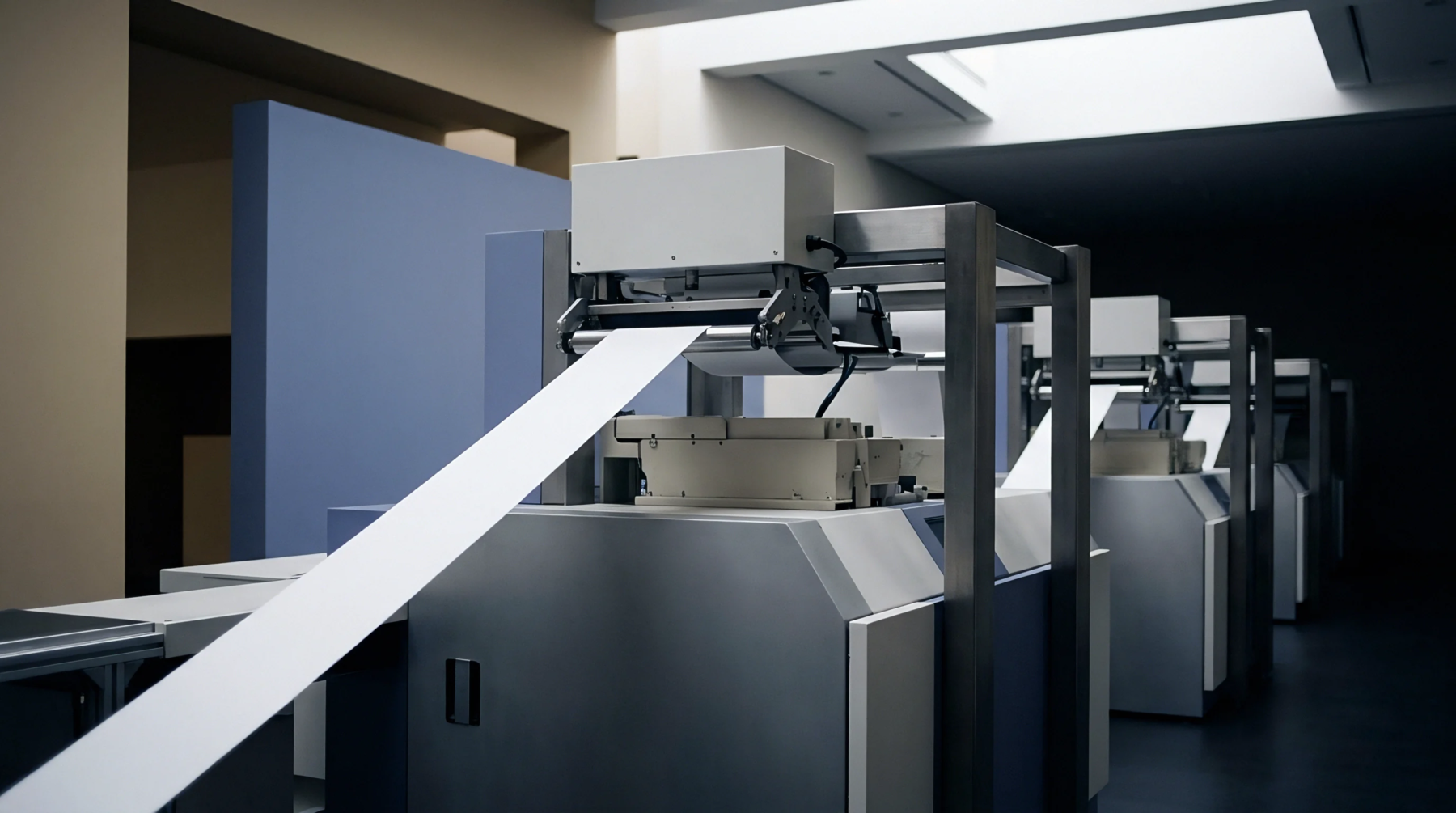
Telecentric dual-beam calibration relies on ceramic step standards and differential triangulation to prevent web flutter bias during caliper inspection.
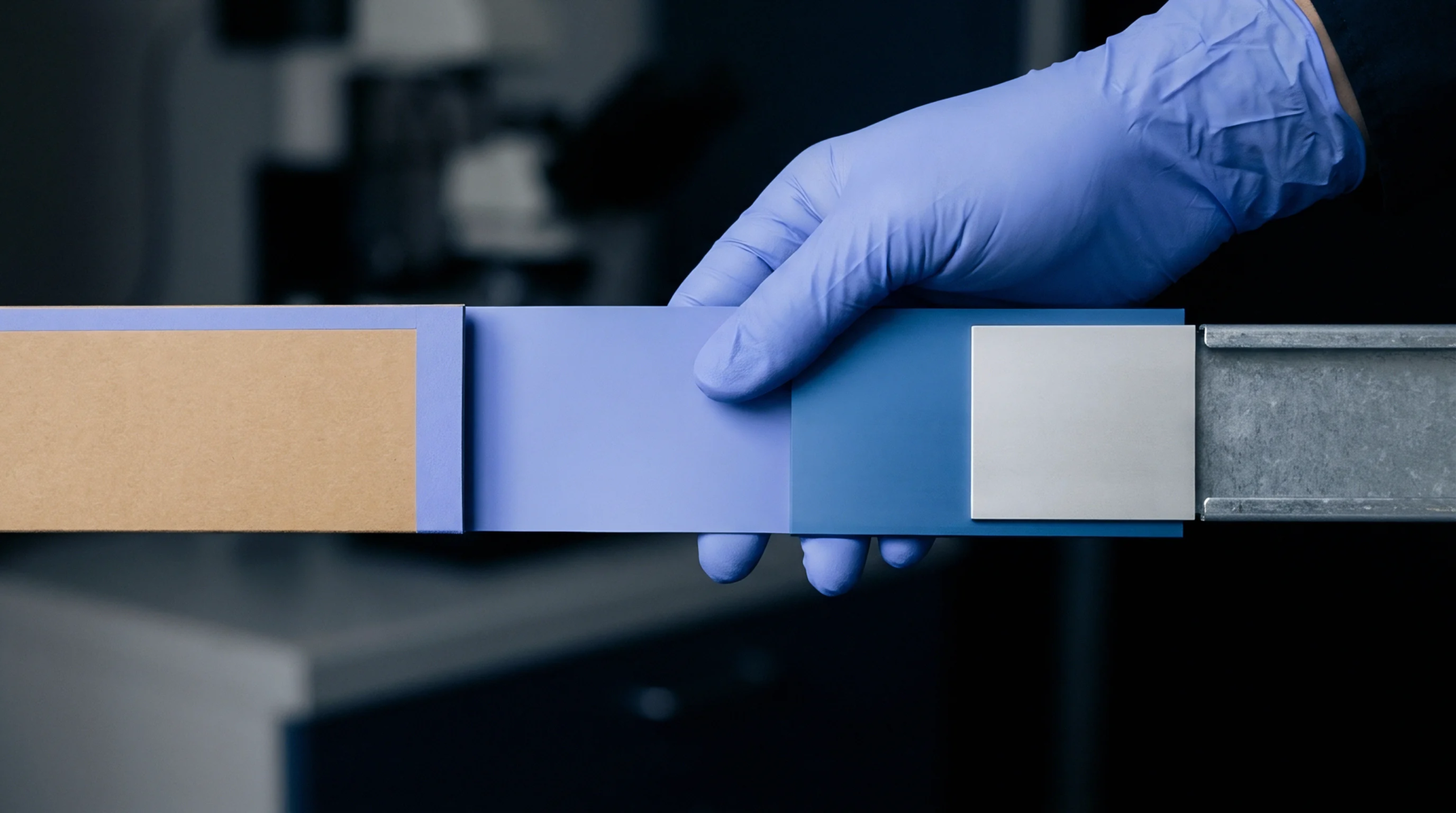
Decoupling viscoelastic fluid squeeze from optical light diffusion isolates true mechanical dot expansion across compressible paperboards.

Accurate physical dot gain prediction on low-density recycled linerboard requires coupling bulk compressibility with Cobb absorbency in RIP calibration.
Transient moisture diffusion in uncoated kraftliner drives rapid surface plasticization and cross-direction strain, undermining converting accuracy and box stack life.
Creep buckling in downgauged boxboard panels stems from lost bending stiffness and cyclic moisture creep, requiring higher bulk furnishes to offset caliper loss.
Preserving BCTMP intermediate layer bulk during multi-Fourdrinier wet pressing requires extended nip dwell times to prevent structural lumen collapse.
Adjusting mechanical pulp freeness between 450 and 550 mL CSF balances middle-ply specific volume against inter-ply bonding to lock in final paperboard caliper.
Optimizing interior BCTMP dewatering balances shoe press impulse against bulk retention to maximize press dryness while preserving folding boxboard stiffness.
Calibrate crease matrix depth to 70-75% of caliper on ultra-low-density CTMP boards to prevent lumen collapse and enable dual-hinge shear delamination.

Folding boxboard mechanical core thickness increases total caliper and bending stiffness at low grammage, reducing material weight and landed carton cost.
Online optical board thickness profiles systematically over-report caliper relative to ISO 534 mechanical lab standards due to surface roughness and compression factors.
Dynamic cross direction caliper profiling uses induction heating to thermally expand calender rolls, flattening peaks without crushing uncalendered core bulk.
Non-contact paperboard thickness control relies on precise laser, confocal, or nuclear physics combined with aerodynamic web stabilization to drive mill yield.
Dynamic Z-direction tensile failure in folding boxboard stems from high-strain-rate cleavage of mechanical core plies exceeding static bond test limits.

Deriving baseline caliper and density balances converting crease geometry, coating accumulation, and area yield to prevent line jams and control packaging cost.
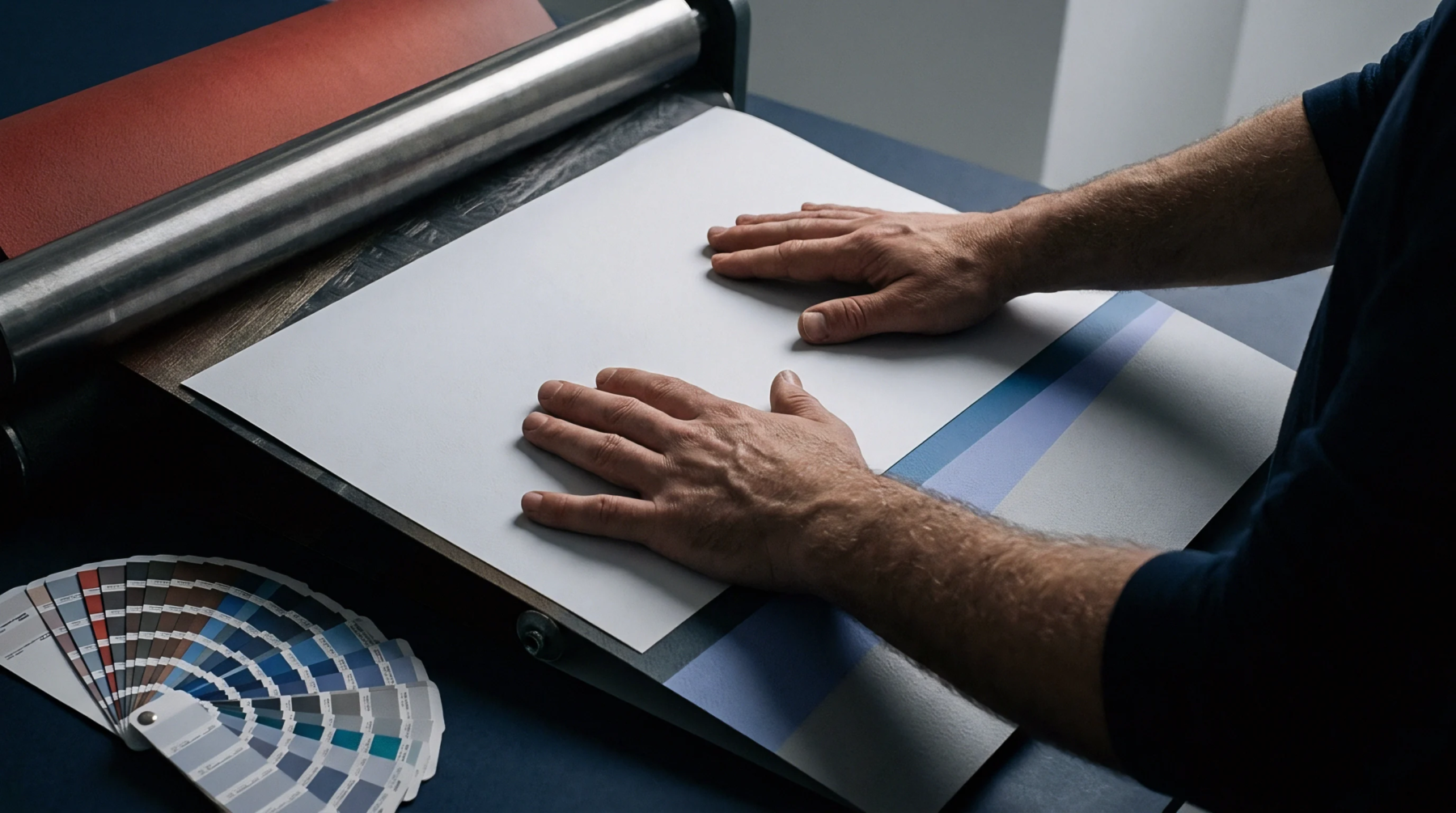
Viscoelastic strain limits during rotary embossing require matching tool shoulder radii and cylinder heat to substrate relaxation times to prevent rupture.

Cross-direction grammage drift forces wider edge trim allowances on rotary sheeters, reducing deckle yield and creating converting quality issues.

Maximizing parent sheet trim efficiency in folding boxboard balances paperboard machine deckle widths, sheet grain orientation, and press margins for minimum cost.
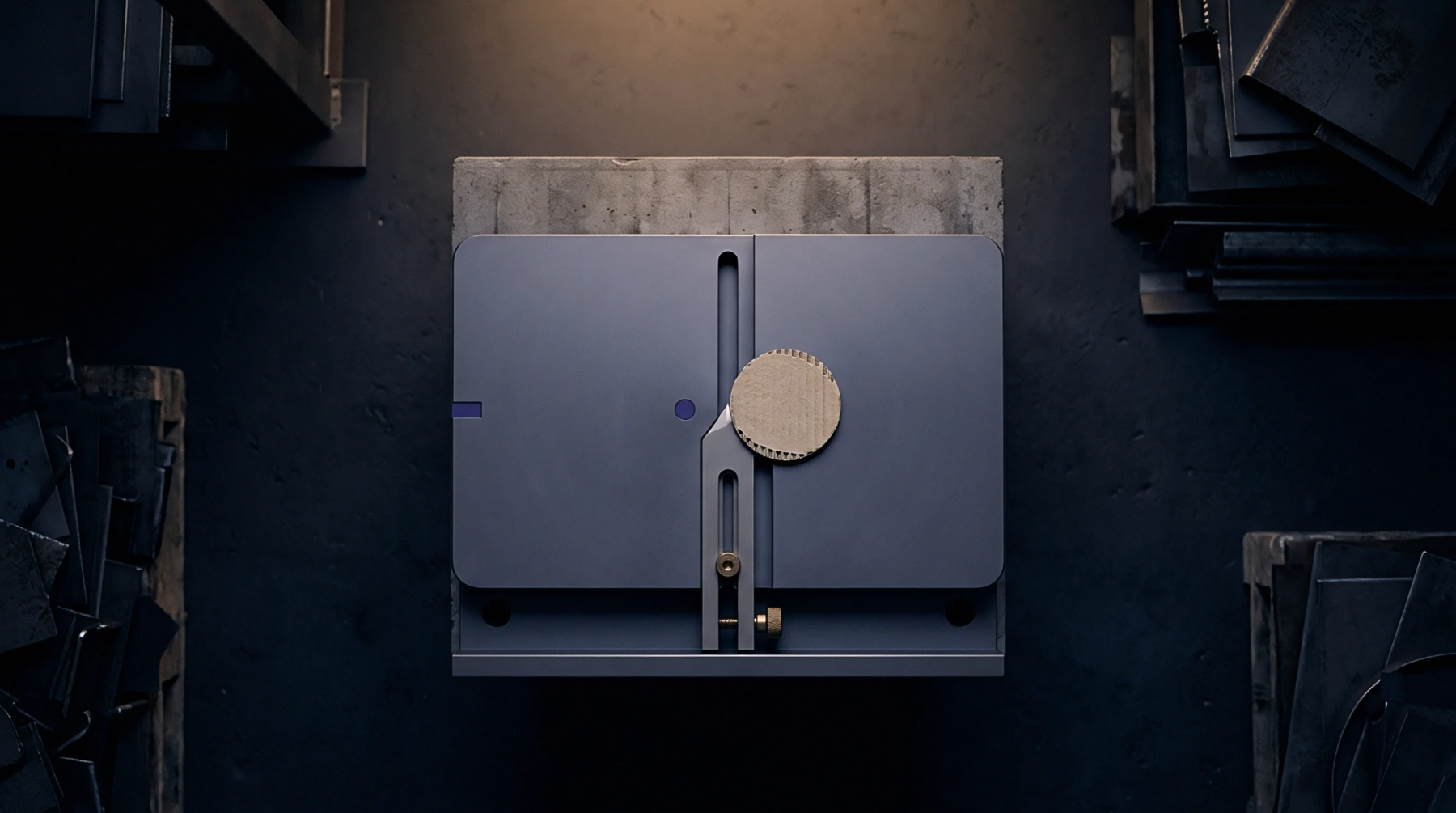
Middle ply mechanical furnish generates bending stiffness by maximizing caliper and bulk while balancing z-directional bond strength against score crack risks.
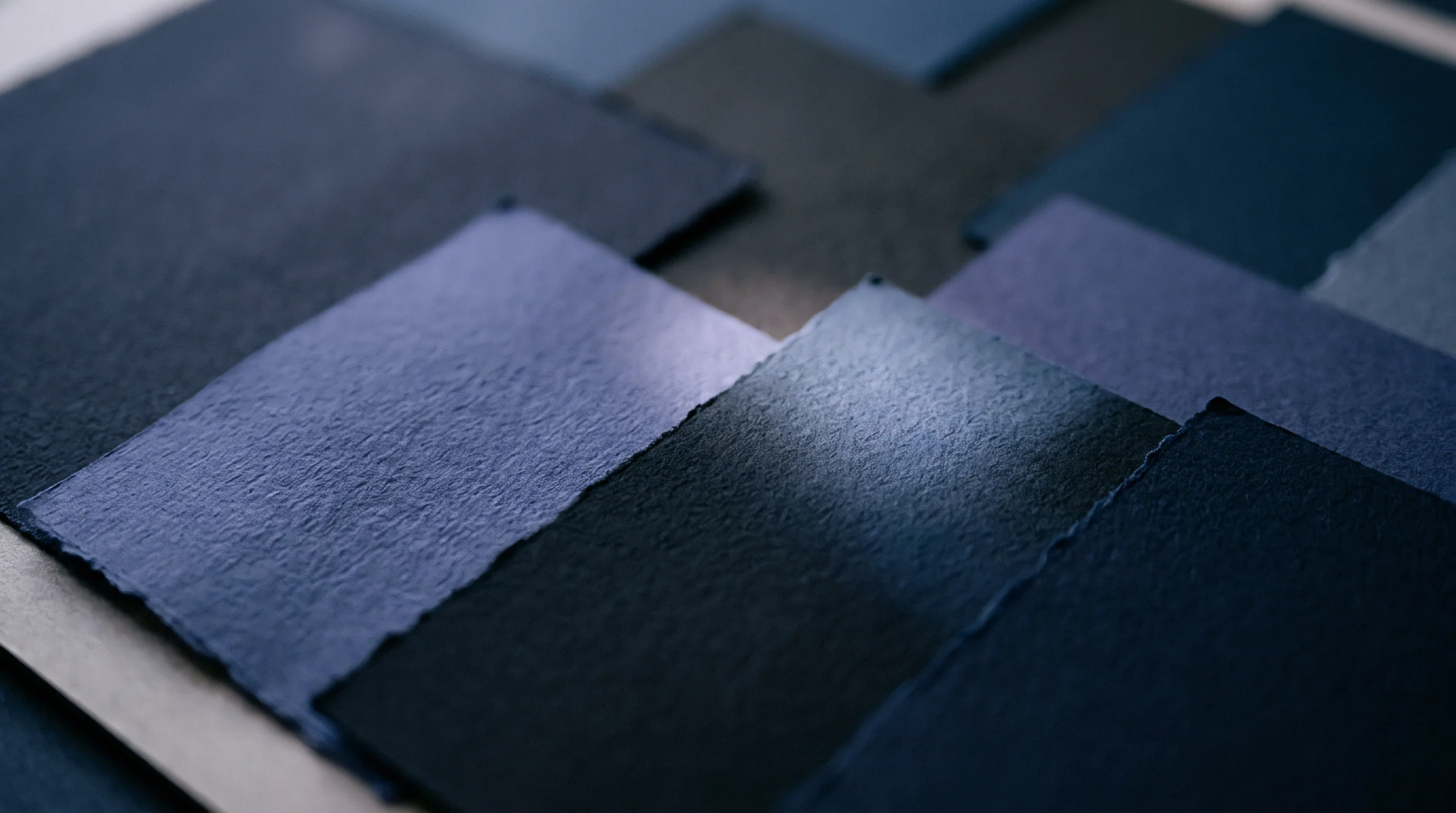
Unrefined eucalyptus sheet formation demands short, low-coarseness fibres to limit the crowding factor, prevent flocculation, and ensure uniform pore density.
Dynamic in-line impression control stabilizes print transfer on low-fibre board by continuously adjusting cylinder clearances to counteract web caliper swings.

Low z-direction strength in hornified secondary furnish causes score cracking unless female matrix channels are widened to 1.8 times board caliper.
Optical strain mapping identifies localized network micro-rupture and ply shear in multi-ply recycled liners long before conventional bulk tensile tests record failure.
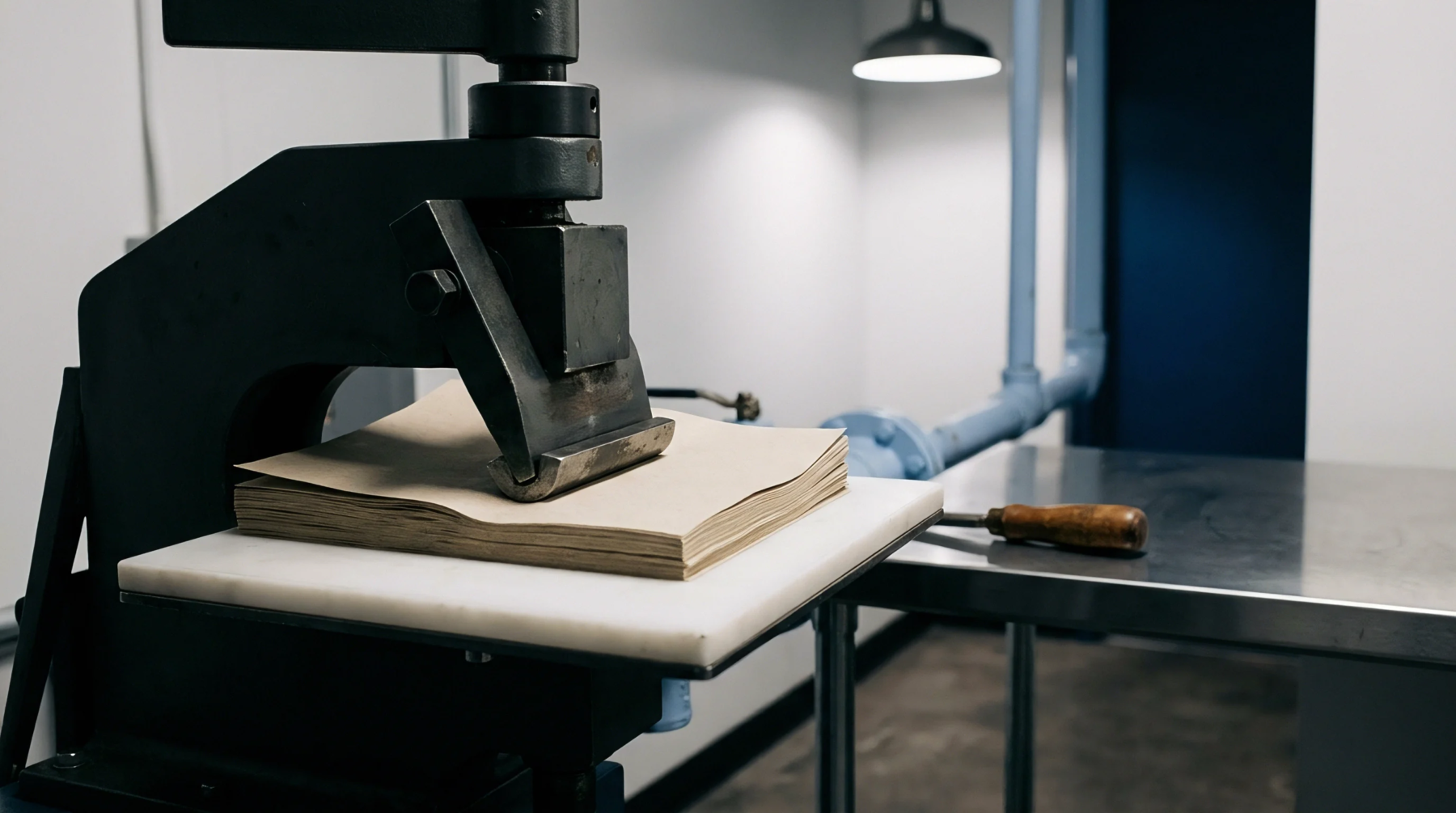
CTMP core plies maximize packaging board bending stiffness at lower basis weights, lowering landed carton costs despite lignin brightness reversion limits.
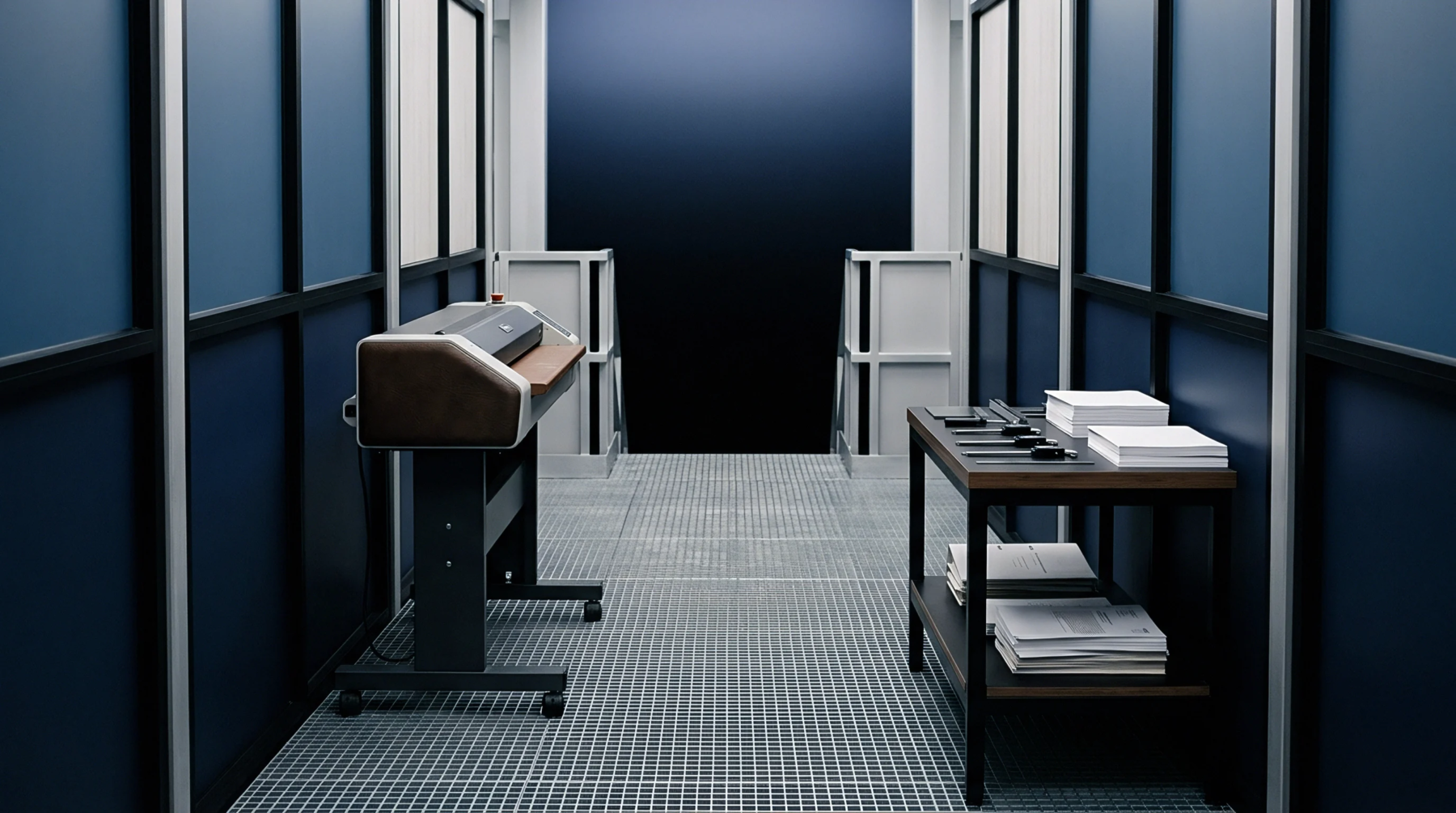
Predicting delamination boundaries in down-gauged BCTMP board requires narrowing matrix clearance to match reduced core mass under millisecond impact.
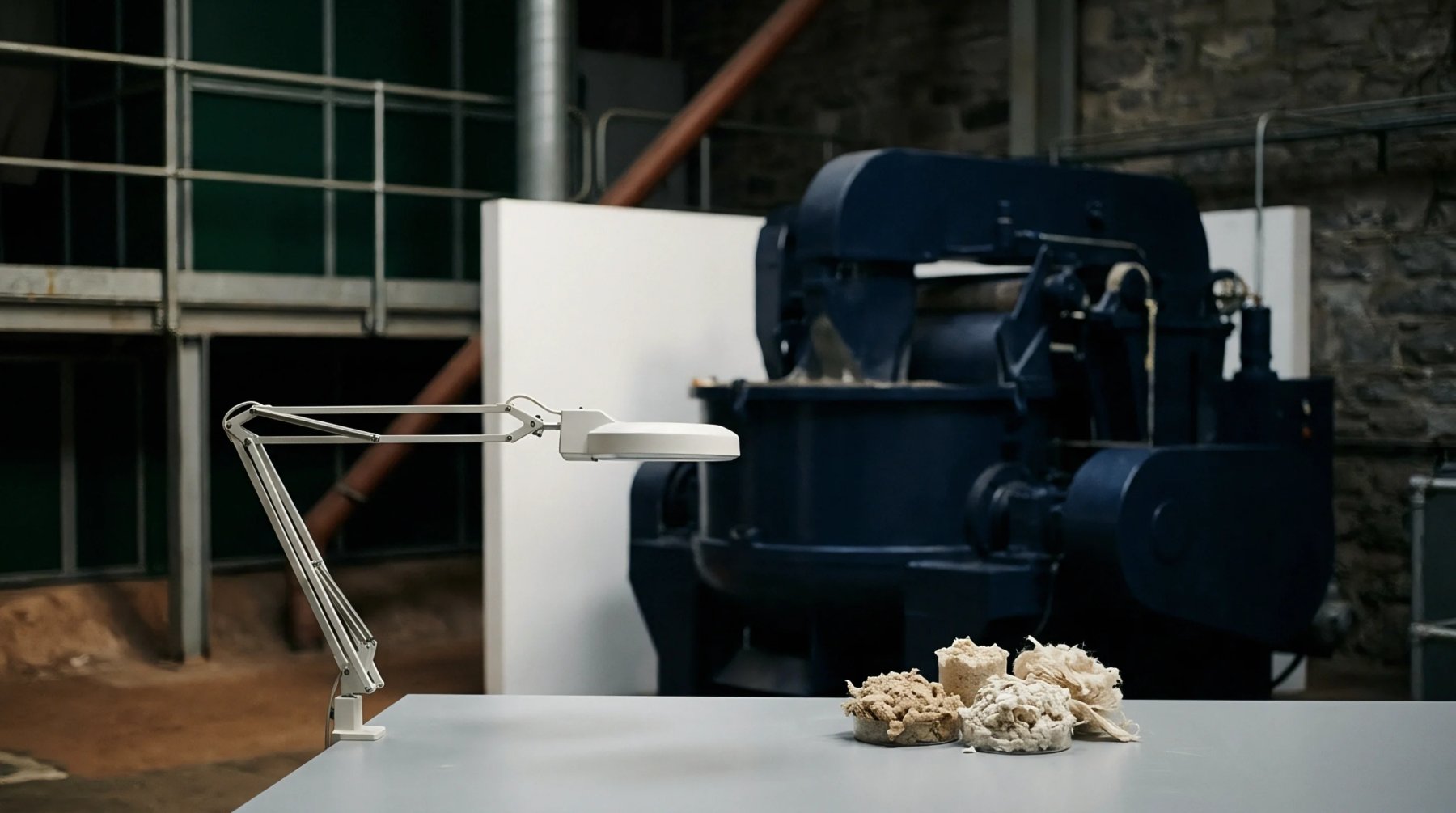
Optimize bleached pulp densification via low specific edge load refining and shoe pressing to flatten fiber lumens without sacrificing critical sheet caliper.
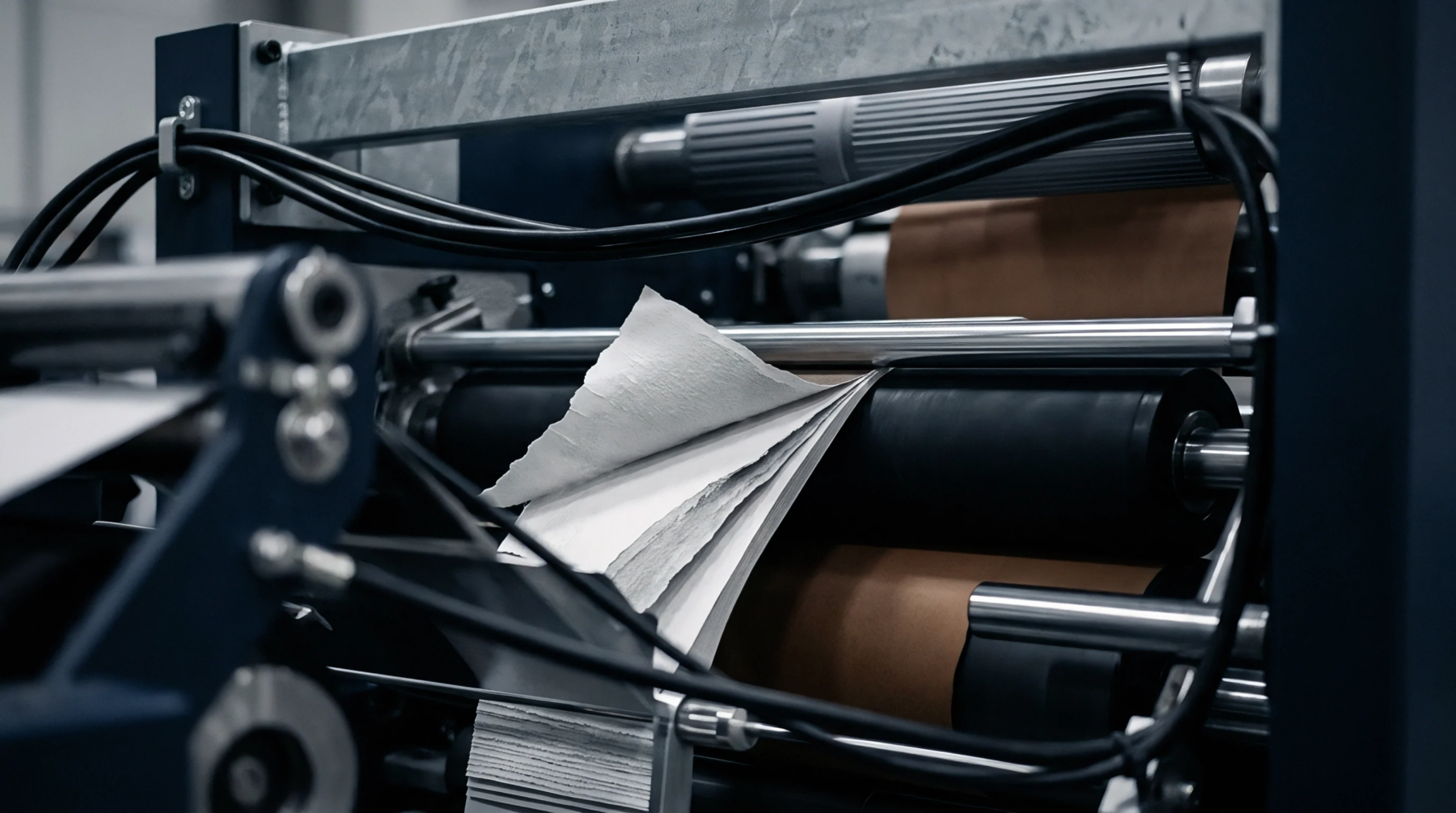
Tuning middle-ply CTMP density between 0.45 and 0.55 g/cm³ balances board flexural rigidity against vacuum porosity to prevent converting feeder misfeeds.
Expertise is a utility, not a secret. sentiention™ publishes its working knowledge as open reference: intelligence layer covering the materials it sources, the markets it enters, and the reference that serves both.