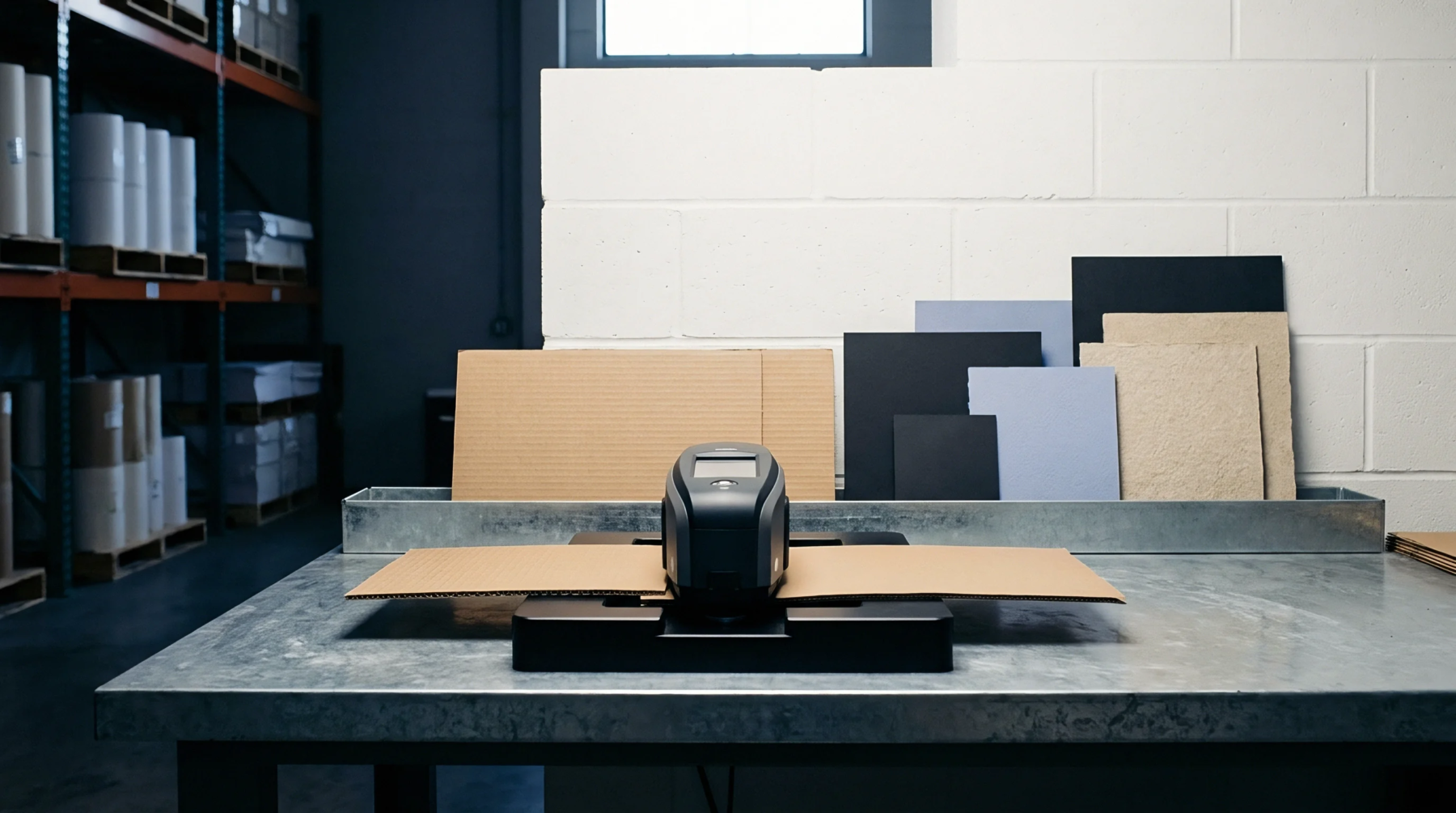
Grammage and Caliper Variance Mechanics in Packaging Board Swaps
Grammage and caliper variance mechanics govern substrate bulk, bending stiffness, press throughput, and sheet yield per metric tonne in packaging board swaps.
Grammage and caliper variance mechanics govern substrate bulk, bending stiffness, press throughput, and sheet yield per metric tonne in packaging board swaps.
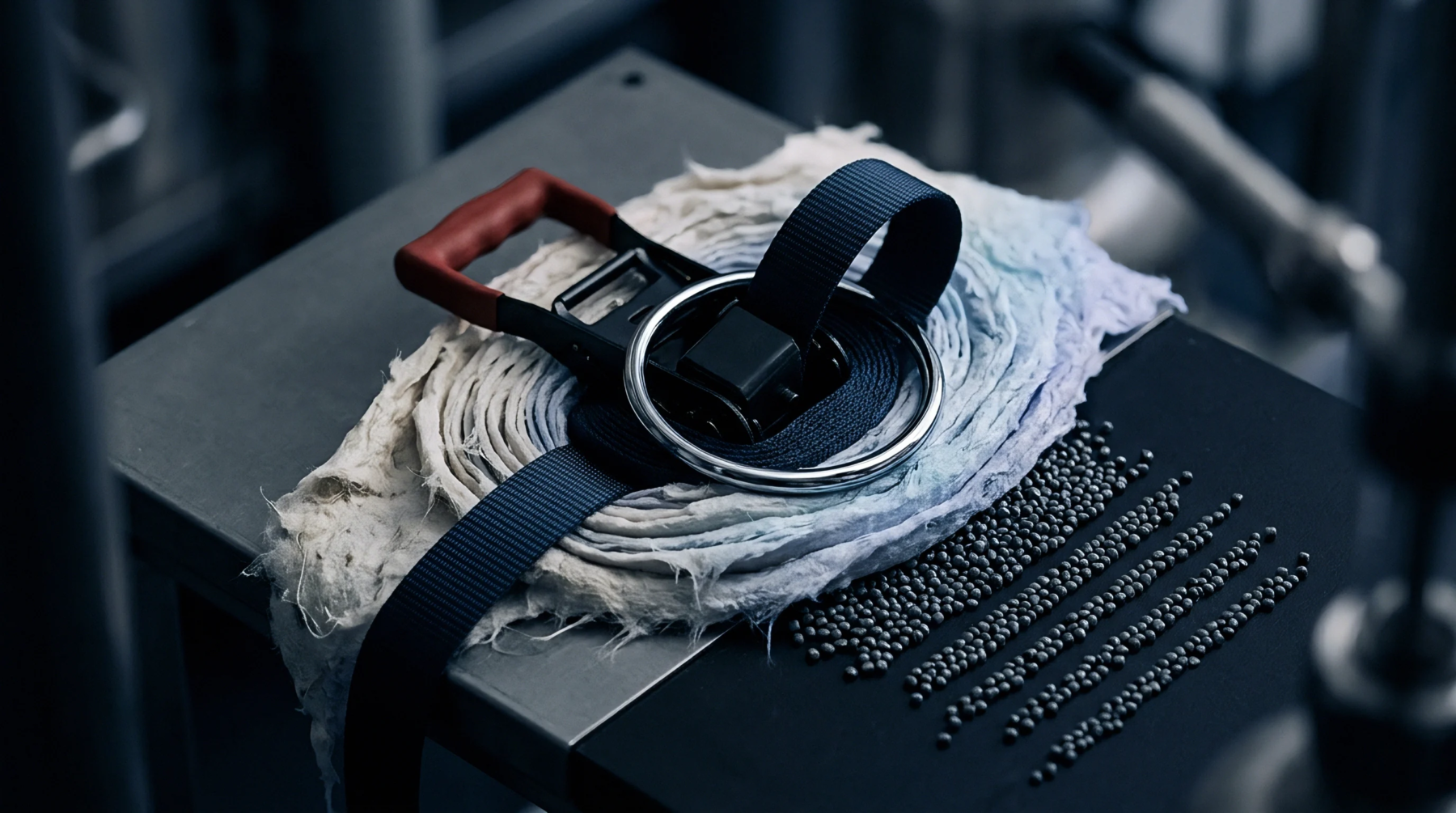
Low-fibre-length recycled substrates require wider matrix channels and precise moisture control to prevent outer liner rupture under tensile strain limits below 1.5%.

Core layer mechanical pulp distribution controls folding boxboard bulk and bending stiffness, enabling weight reduction while preserving box structural integrity.

Piezoelectric sensor frequency response calibration prevents amplitude distortion during high speed creasing by matching amplifier cutoff to rule strike transients.

Calibrated matrix channel width relies on board caliper, rule thickness, and fiber shear mechanics to prevent liner cracking and gluer jams.
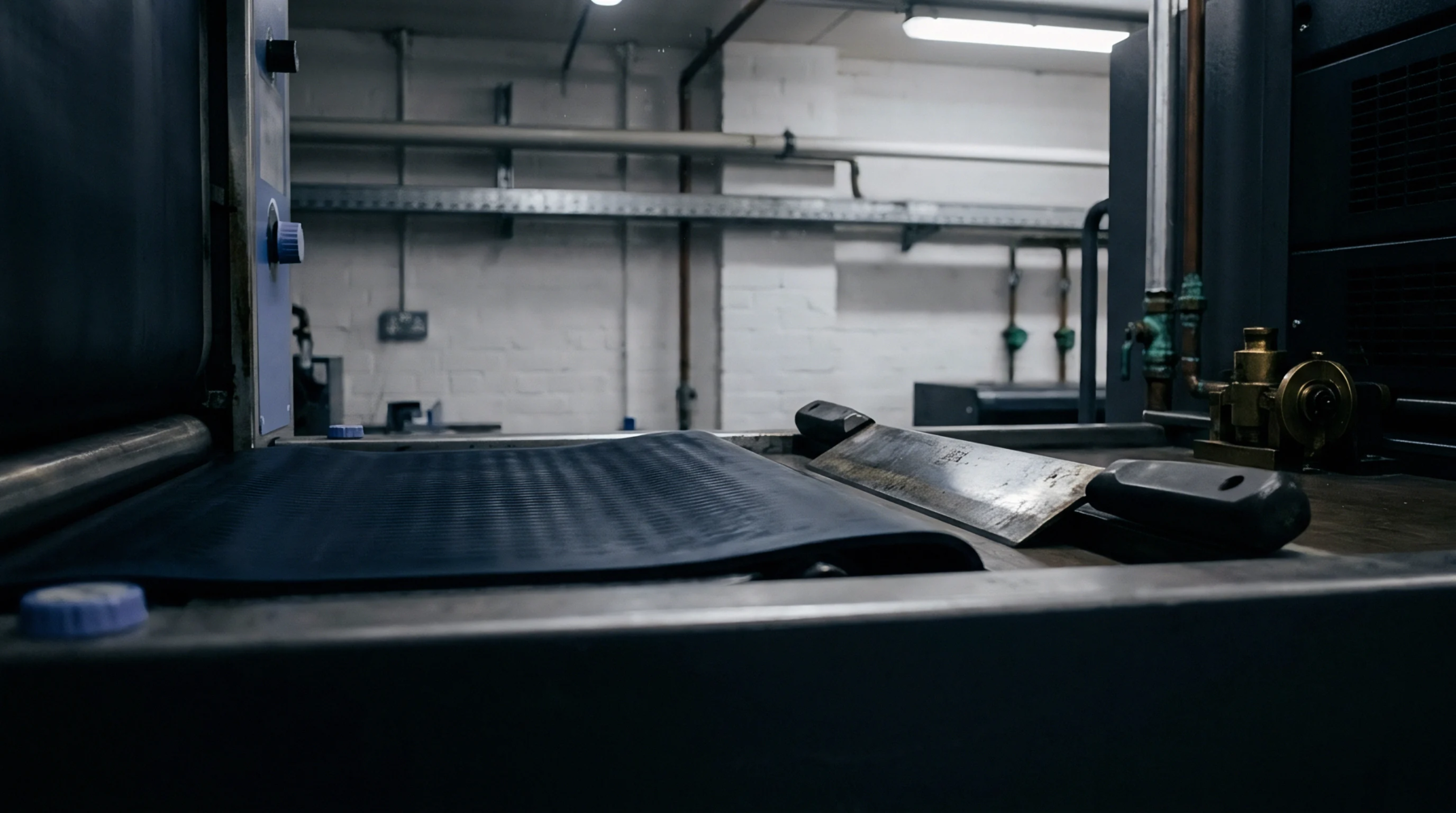
Acoustic impedance profiling detects multi-layer film debonding by measuring ultrasonic phase inversion and amplitude jumps caused by air voids at polymer boundaries.
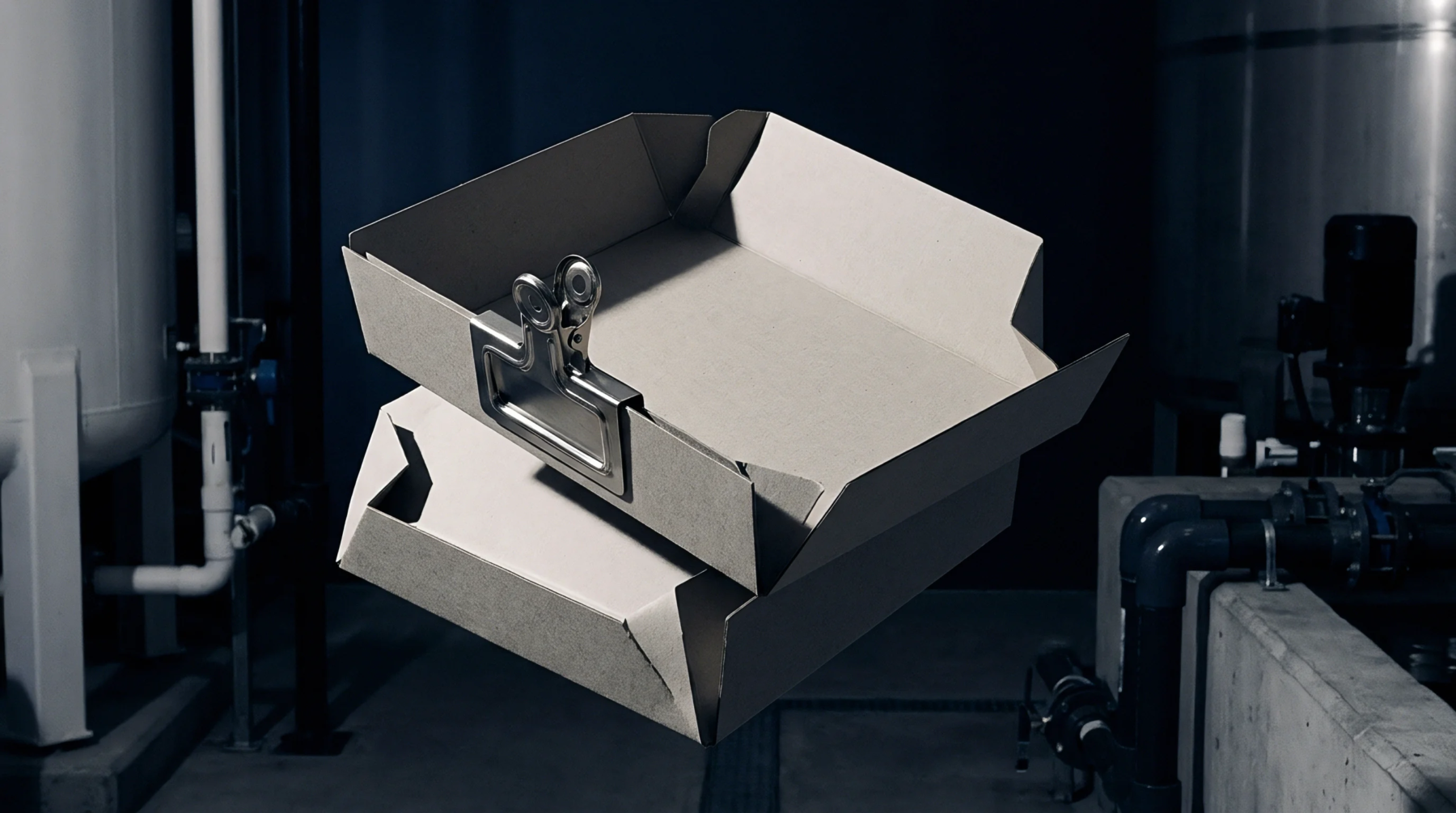
Dynamic strain rate hardening increases Z-direction stiffness during high-speed die cutting, demanding wider matrix channels to prevent crease cracking.
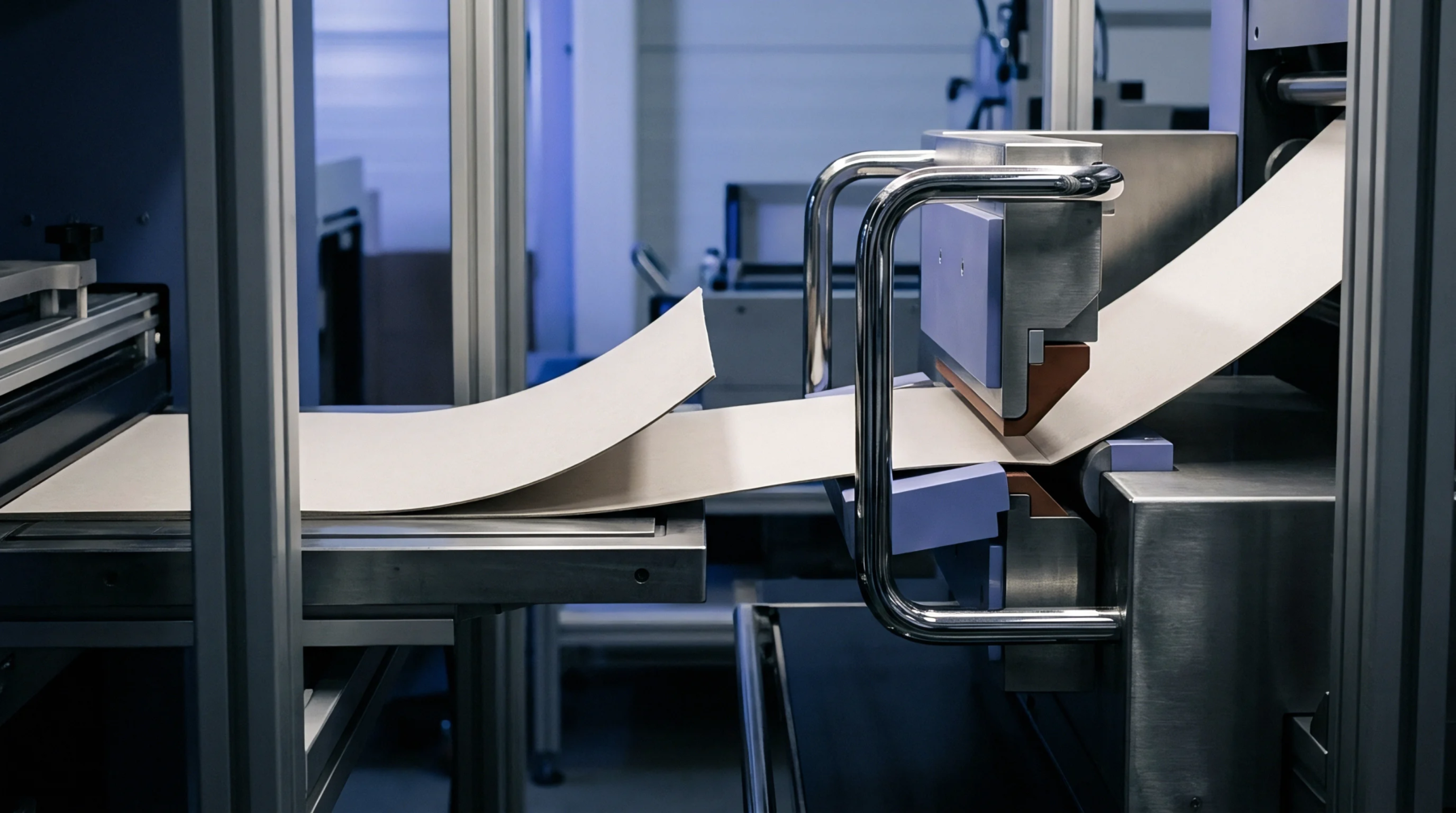
Inline acoustic time-of-flight profiling maps internal board ply delamination at line speed, preventing cartoner jams without marking finished carton surfaces.
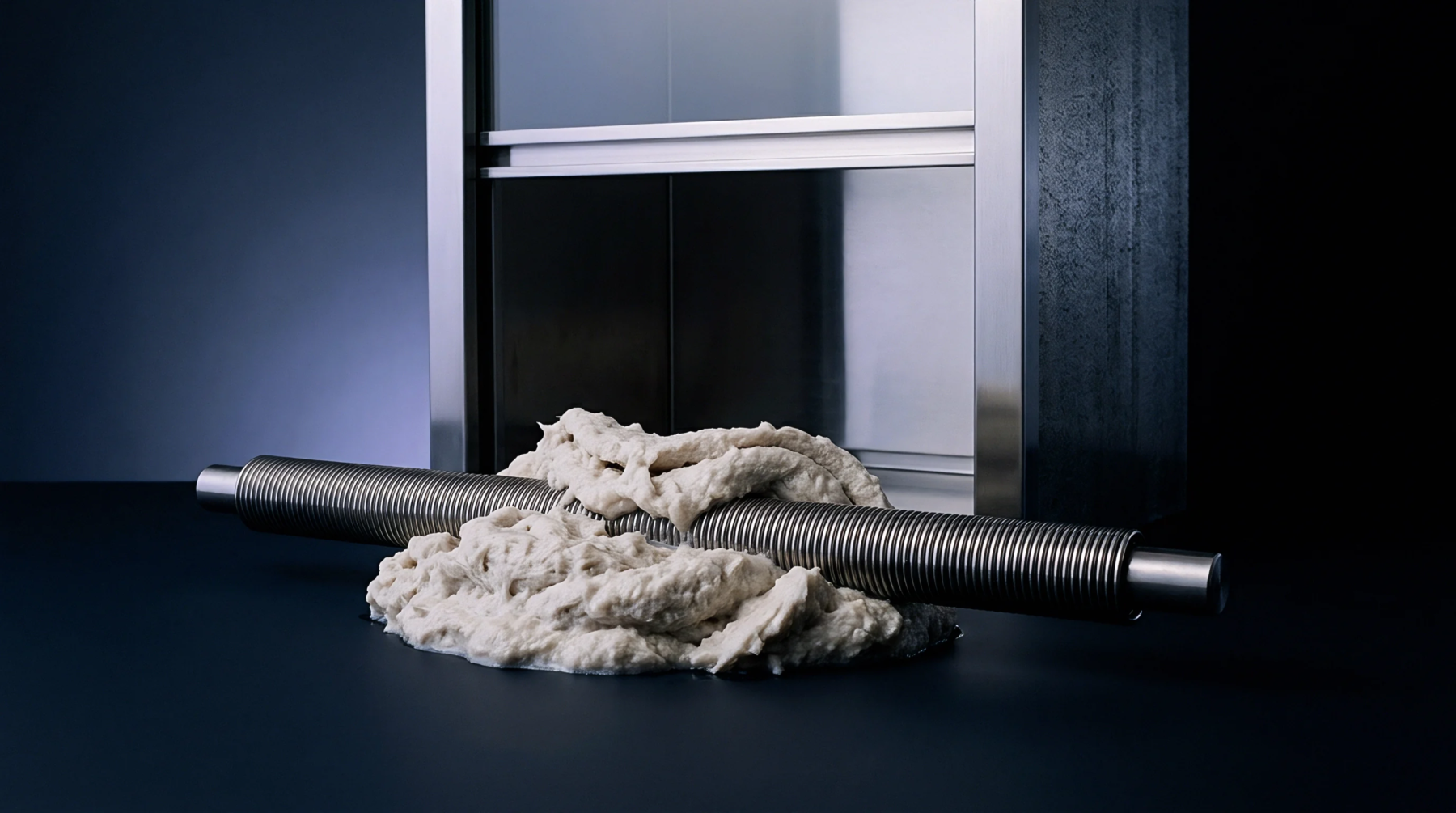
Exceeding polyolefin dynamic strain rate thresholds during micro-perforation causes brittle layer fracturing and severe z-direction secondary fiber delamination.
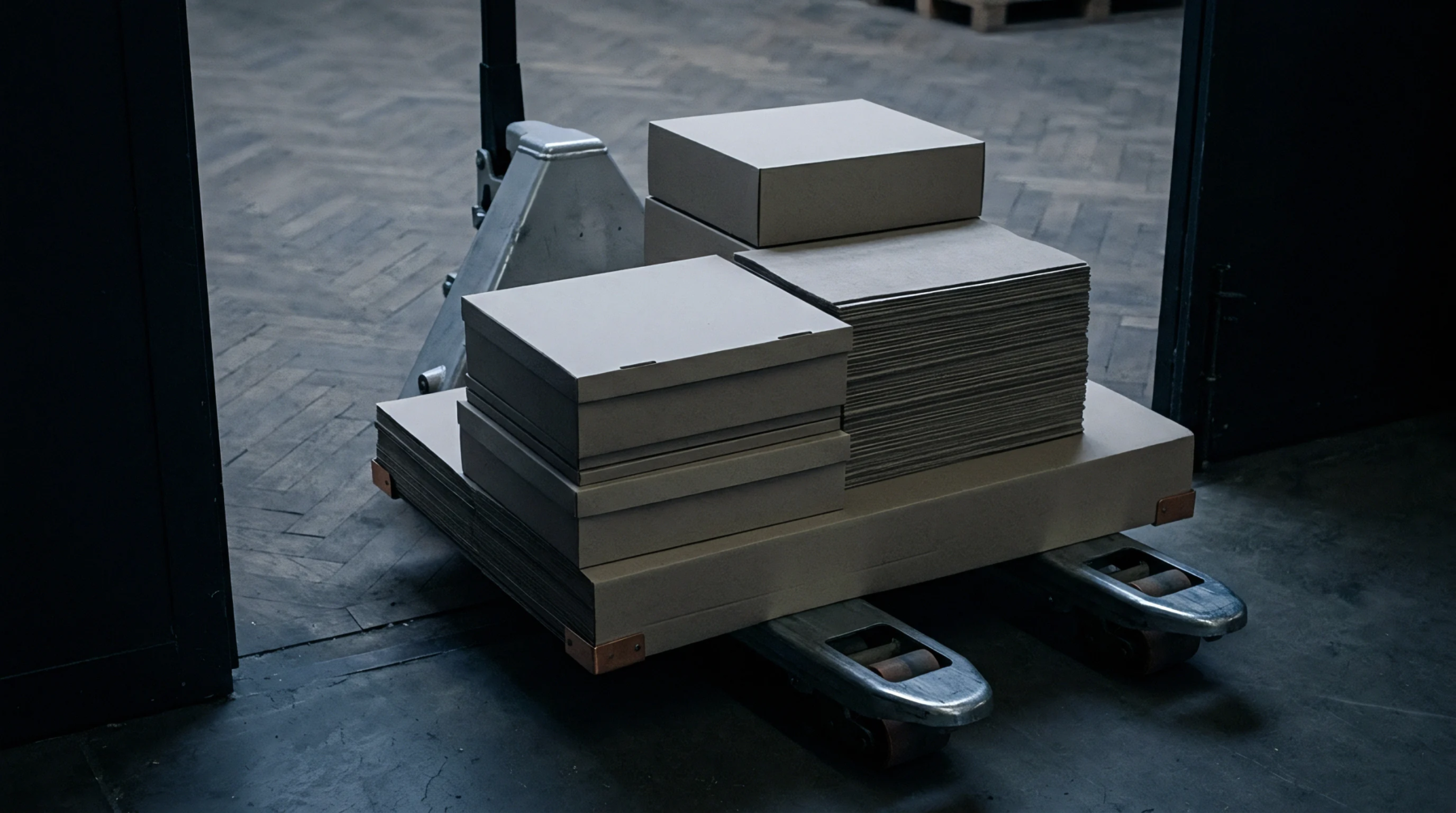
Selecting paperboard caliper and bulk requires balancing furnish density against flexural rigidity to maximize blank yield and carton compression strength.

Low-tortuosity carbonate coatings and minimum 150 J/m² Scott bond prevent heatset web blistering by venting flash steam before internal core delamination occurs.
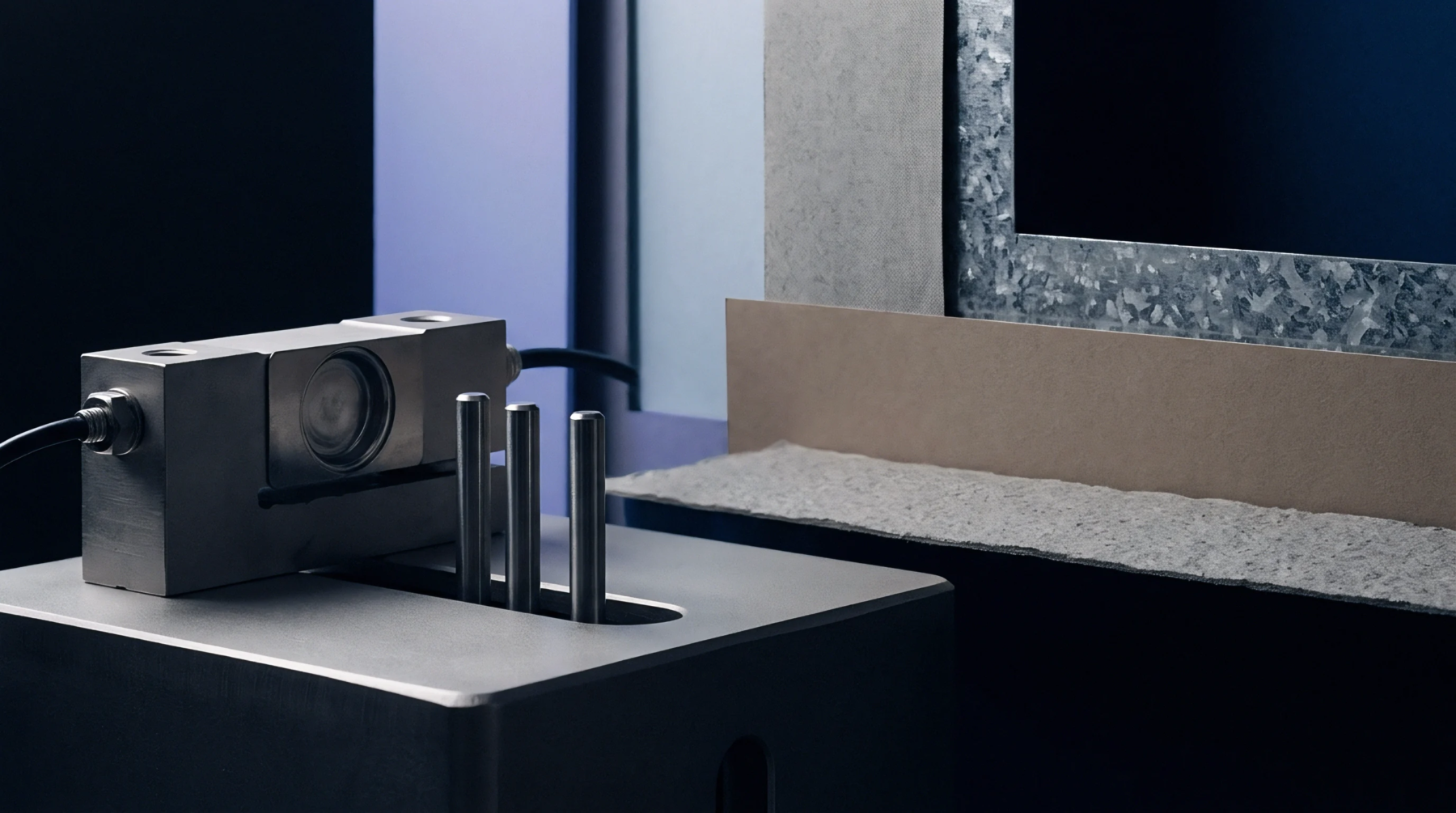
Compressive edge loading drives non-linear barrier failure when localized liner buckling exceeds polymer yield strain, requiring coupled transport models.
Optimizing machine profile variability control limits requires establishing statistical bounds on cross-web caliper and stiffness to prevent cartoner feed jams.
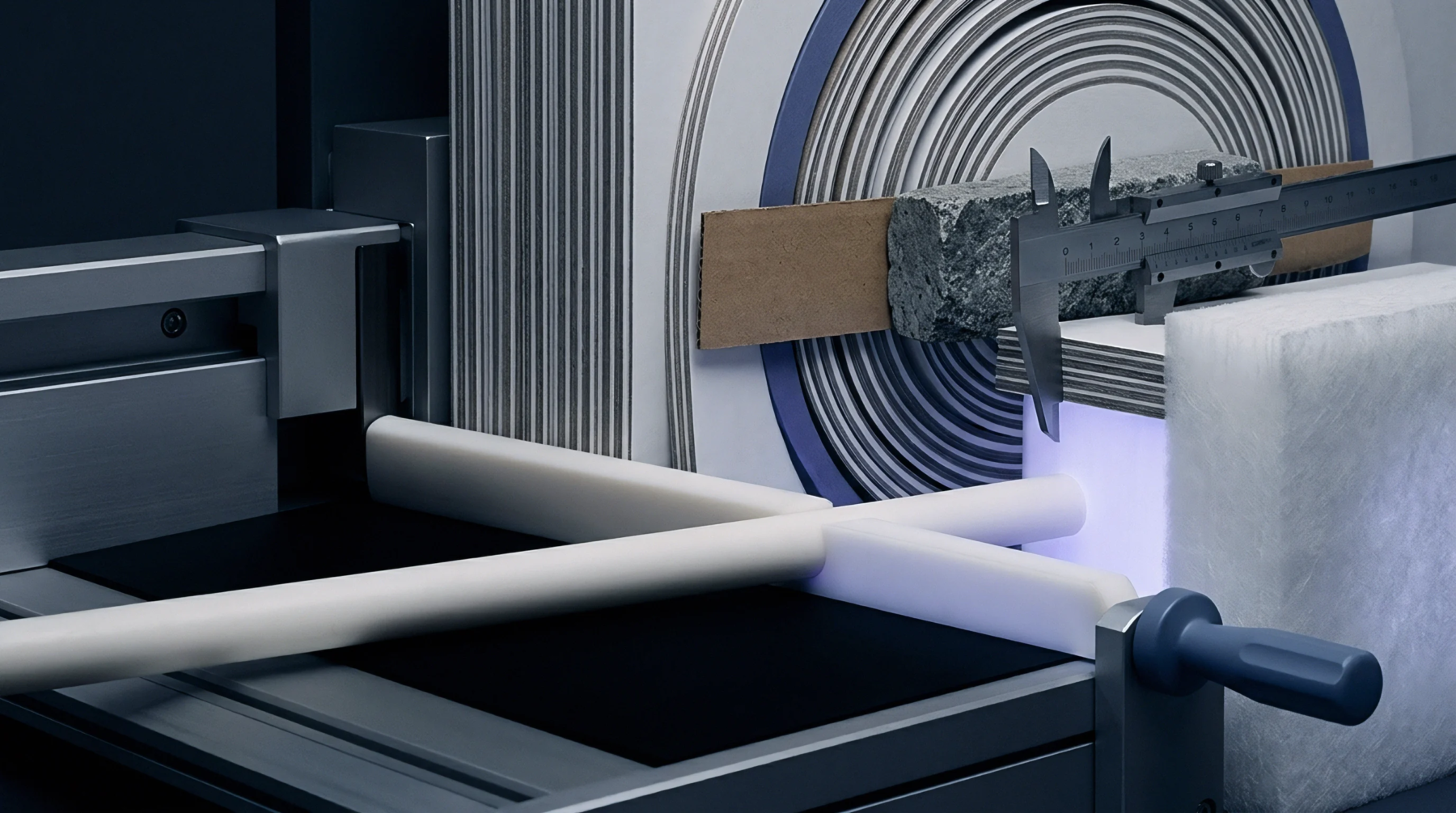
Air-coupled ultrasound inspects carton crease integrity by measuring Lamb wave velocity and attenuation drops across die-scored fiber delamination zones.

Polymeric film cracking along folding boxboard scores ceases when rule clearance maintains localized tensile elongation below seven percent across the bead.
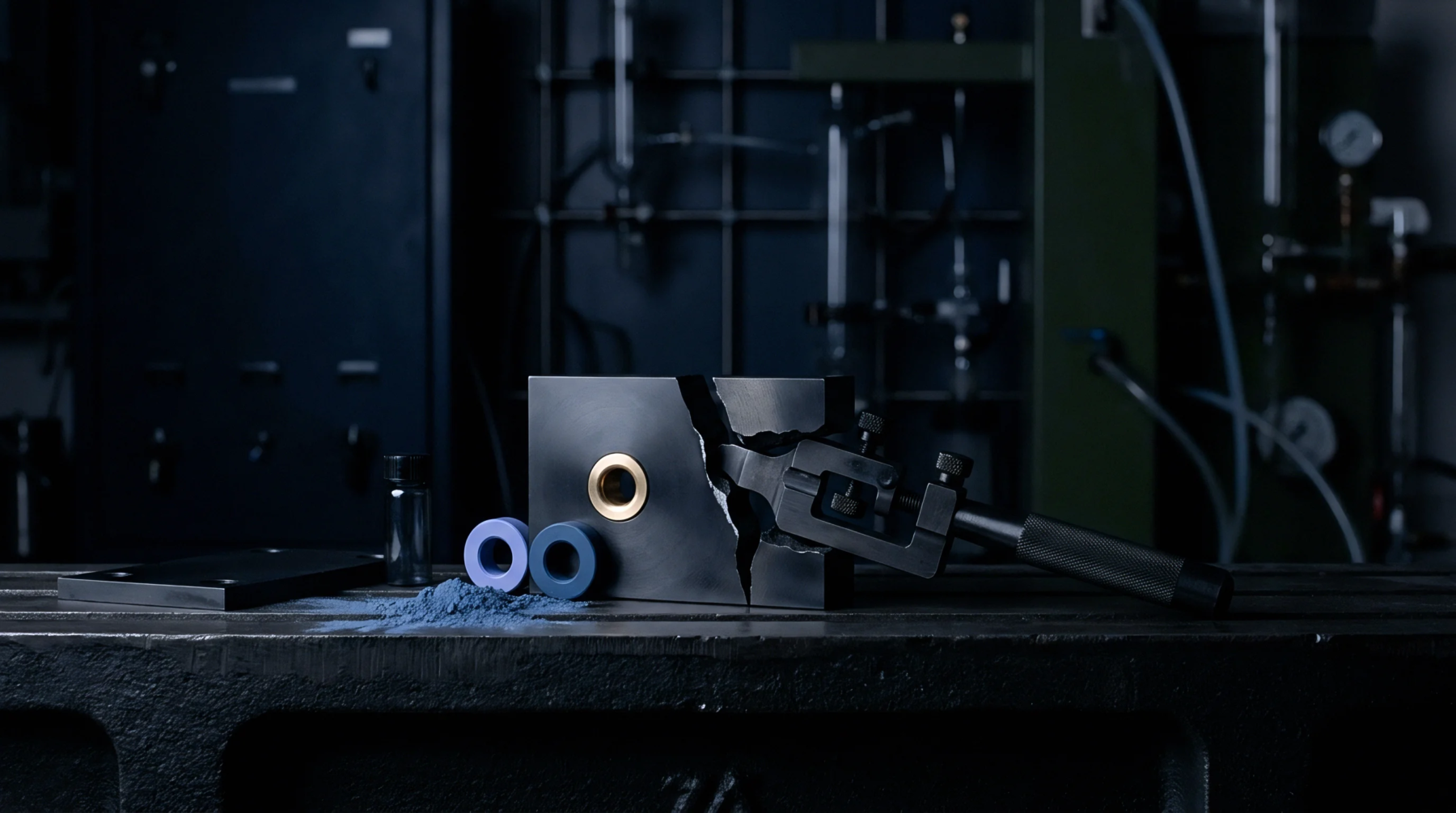
Predictive thermal models fail for folded cartons because die creasing causes physical microcracking that replaces solid diffusion with rapid gas permeation.

High bulk uncoated board requires expanding crease matrix channel widths to 1.8-2.1 times caliper to prevent liner cracking while adjusting stiffness board factor multipliers down to 0.82-0.88.

Microfibrillated cellulose additions restore z-direction shear resistance in high hardwood cartonboard, preventing folder-gluer score delamination.
Kinetic modeling predicts laminate failure by coupling additive diffusion rates to critical monolayer accumulation thresholds at the adhesive interface.

Acoustic emission calibrates multiply board creasing by tracking high-frequency ply delamination bursts to stop liner fractures before carton blanks leave the die.
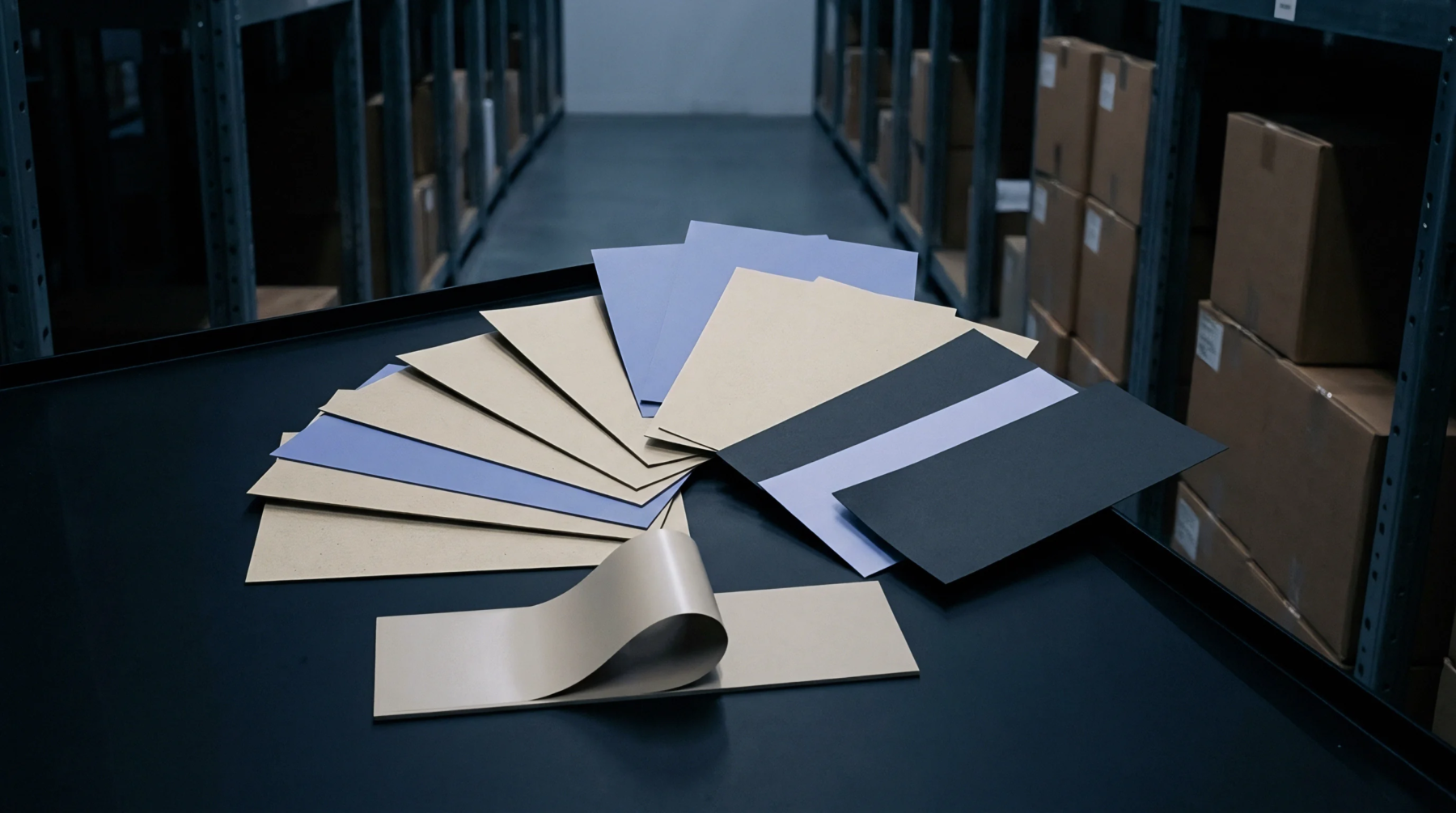
Verify cross-direction tensile strain on recycled linerboard under ISO 1924-2 to prevent carton scoreline cracking during high-speed folder-gluer converting.
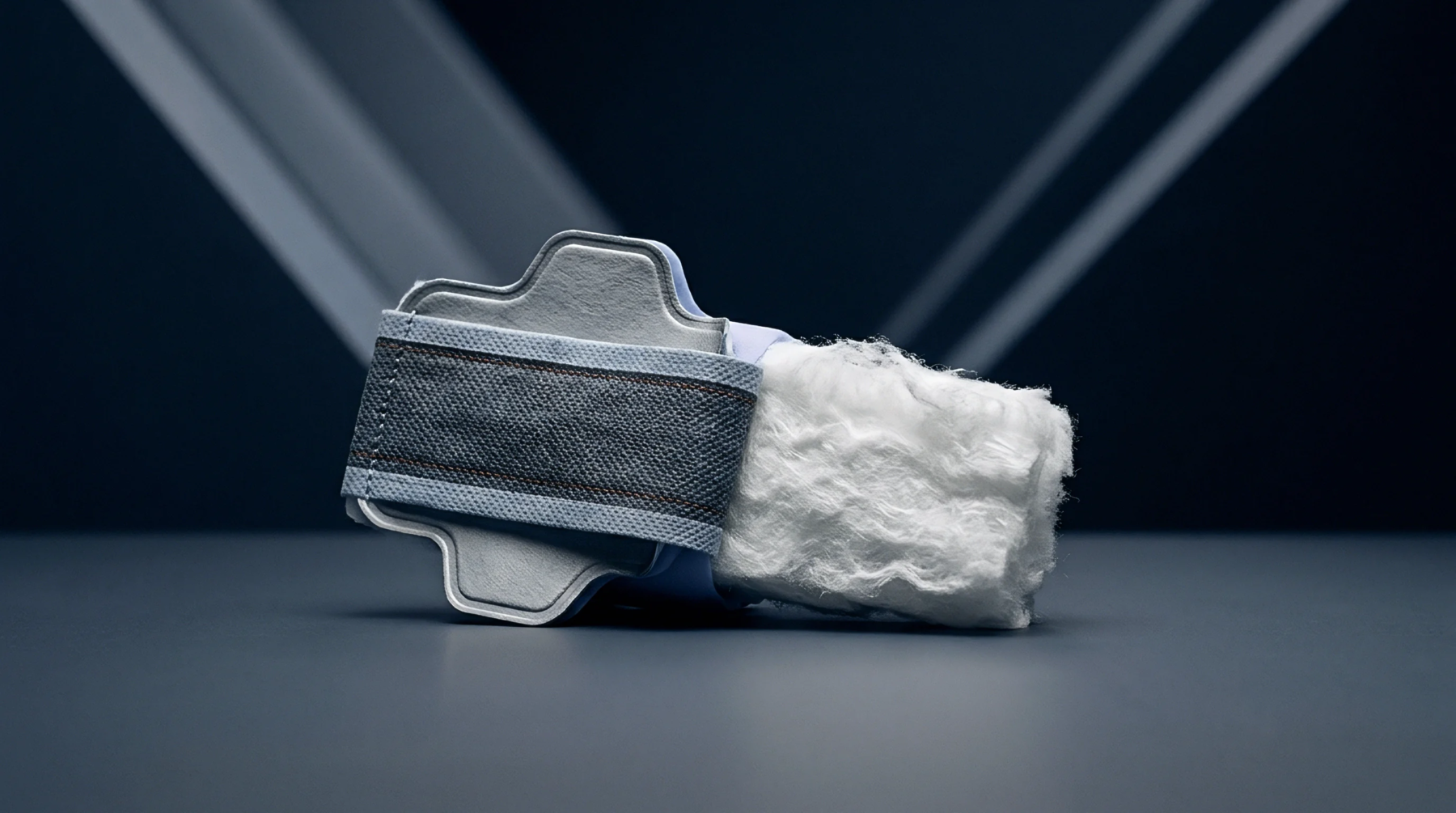
Acoustic impedance profiling measures reflected ultrasonic pulses to detect microscopic barrier pinholes, layer starvation, and score cracking non-destructively.
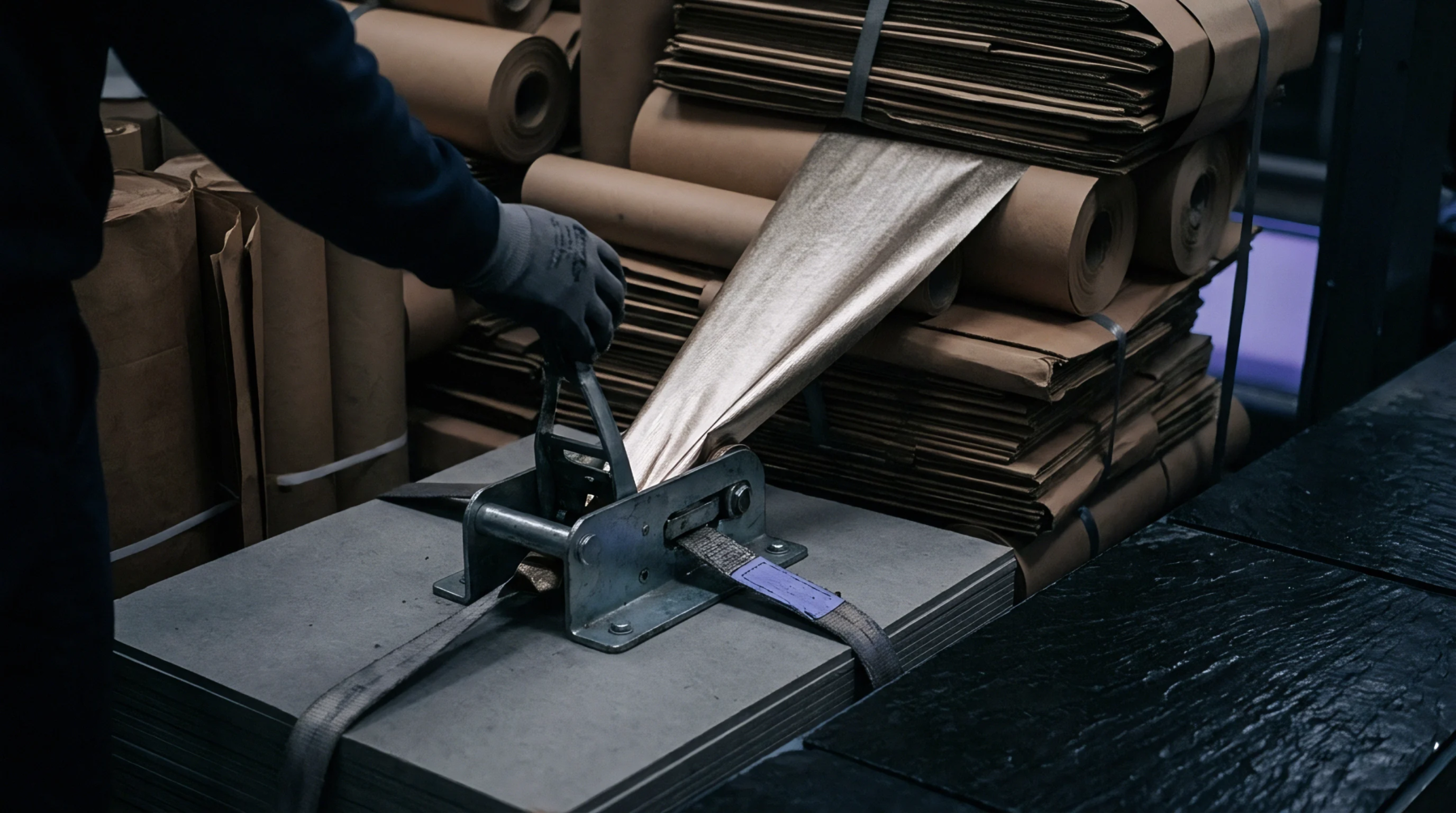
Polymer film microcracking on recycled board formats is predicted by dynamic strain-at-break testing under ISO 1924-3 at strain rates exceeding 200 s⁻¹.

Crease groove depth controls barrier strain limits; precise female matrix sizing prevents coating micro-cracking and maintains regulatory migration resistance.
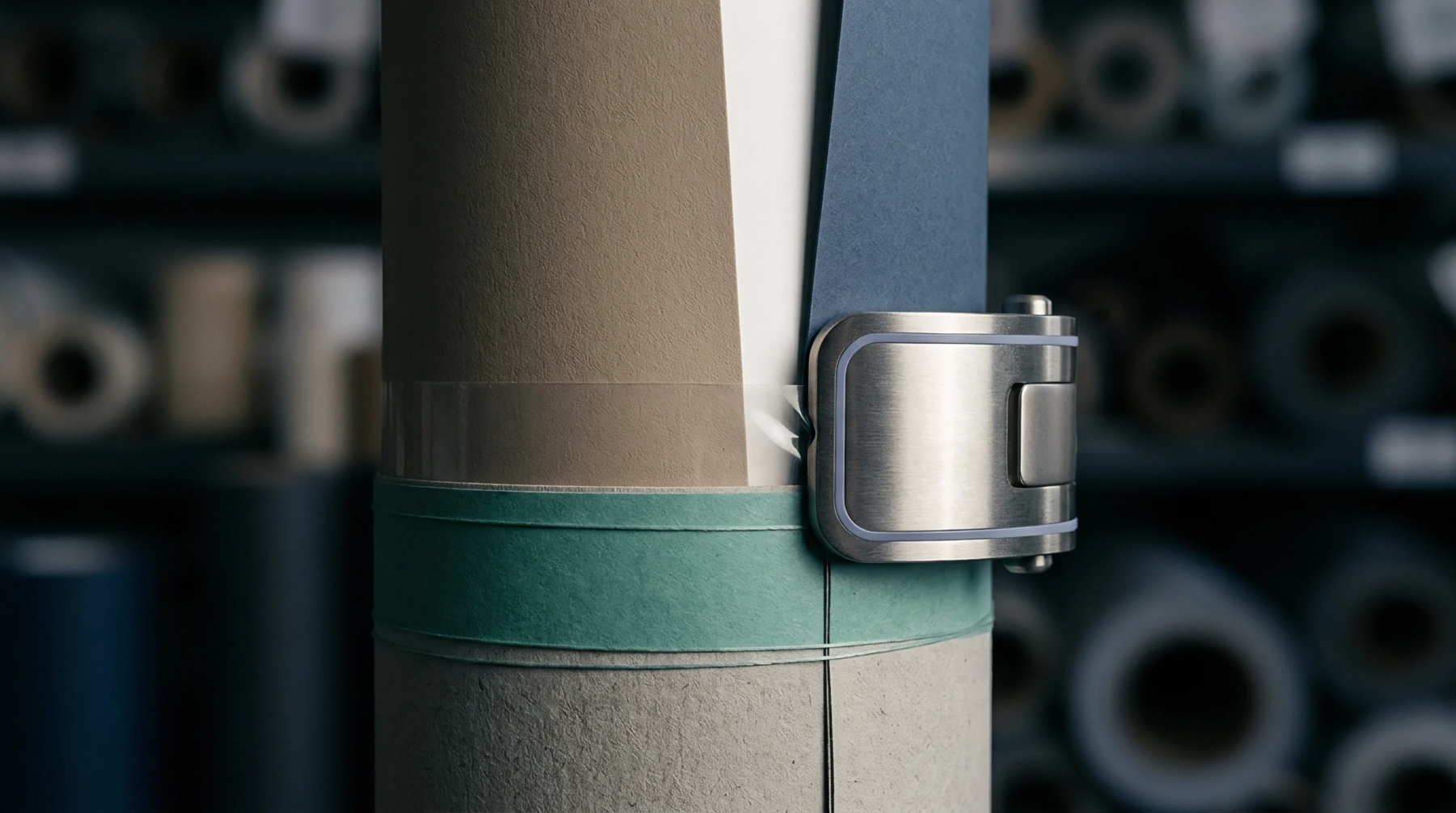
Dynamic Z-direction tensile failure in folding boxboard stems from high-strain-rate cleavage of mechanical core plies exceeding static bond test limits.
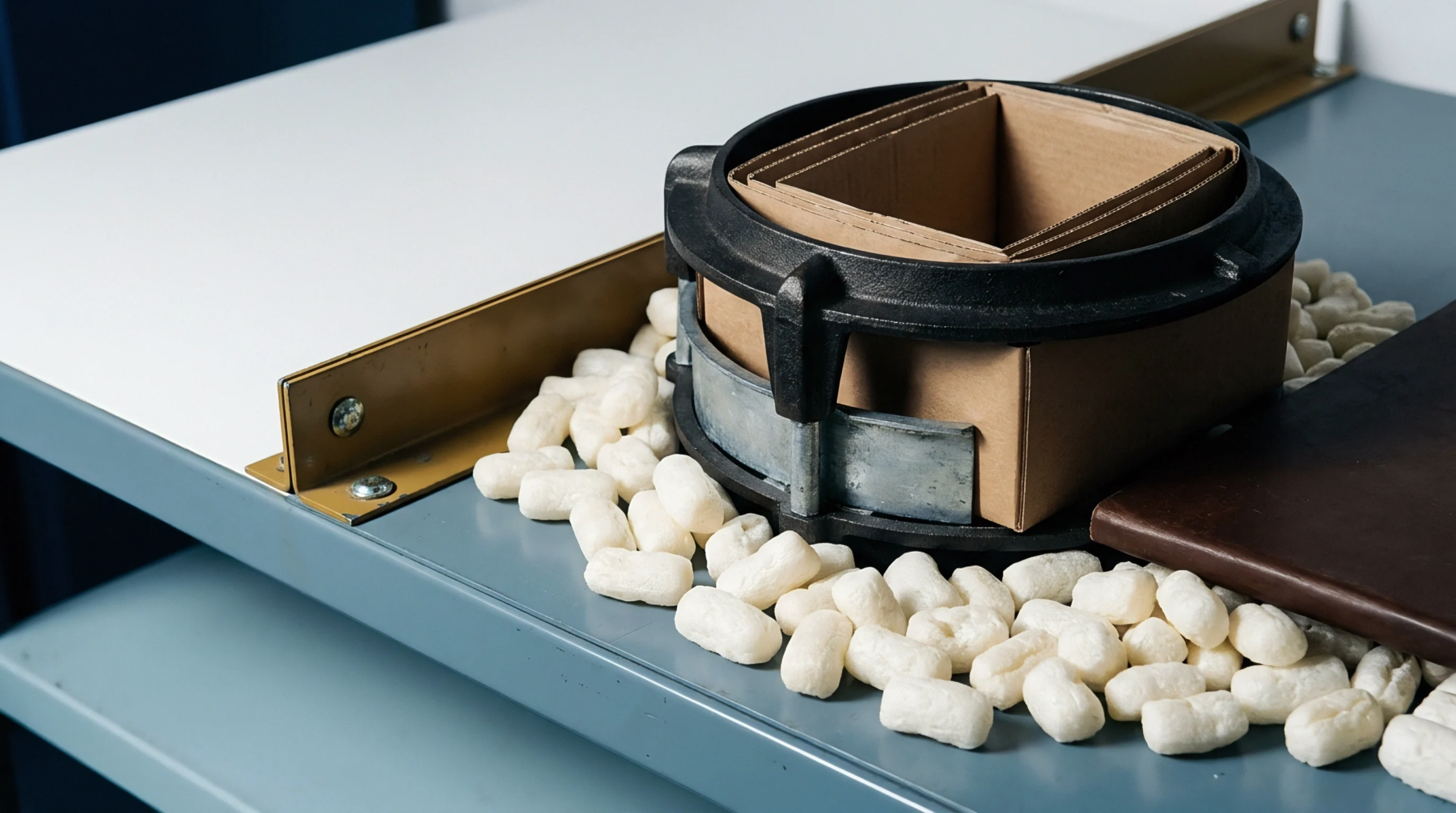
Controlled ply separation during cartonboard creasing prevents liner cracking, requiring precise matrix channel sizing and verified inter-ply bond strength.
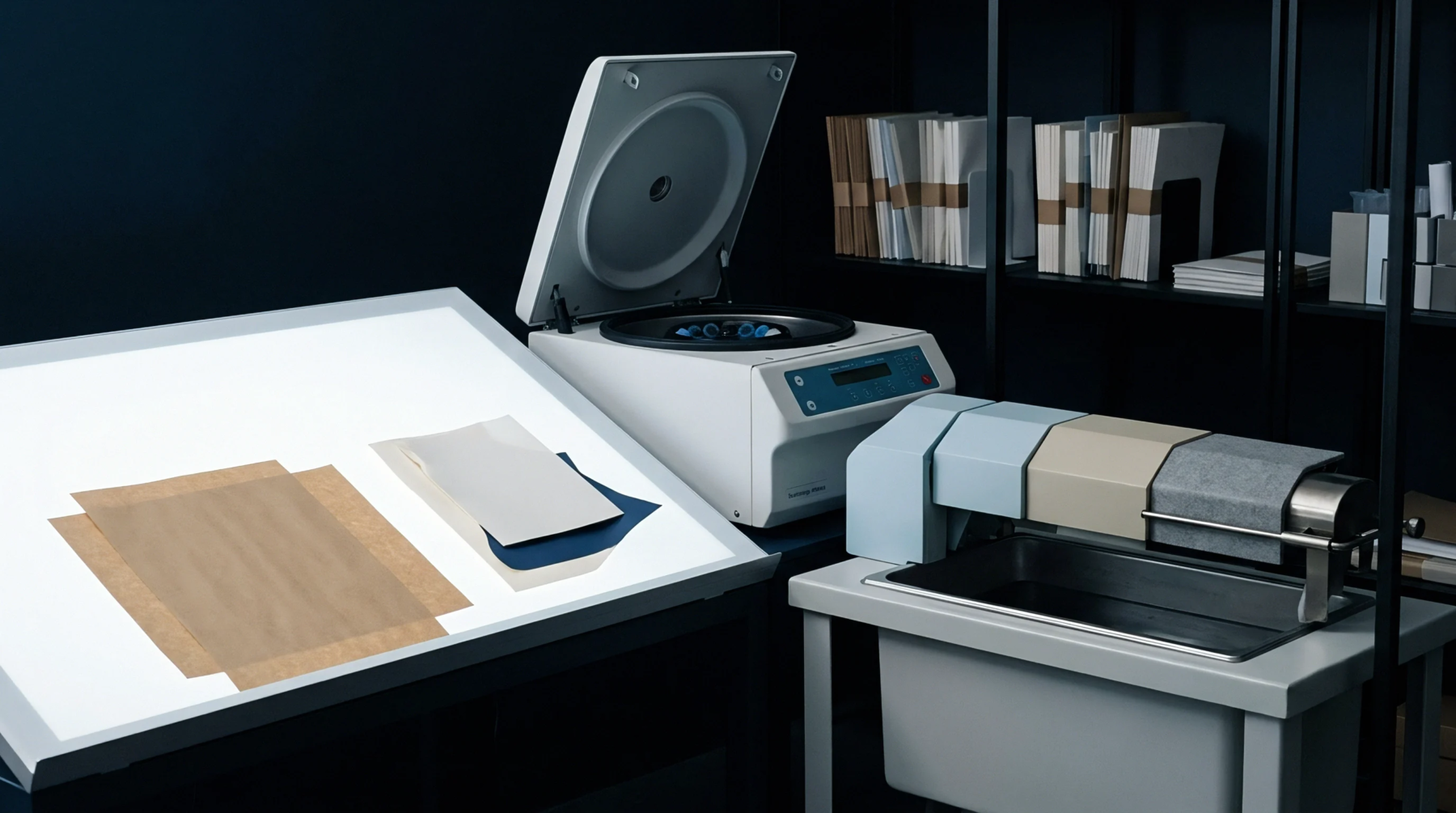
Standard paperboard bending resistance tests fix clamp distance, deflection angle, and rate to isolate true flexural rigidity from shear delamination.

Controlled delamination in folding boxboard requires maintaining Z-direction tensile strength between 160 and 220 kPa to prevent outer liner cracking.
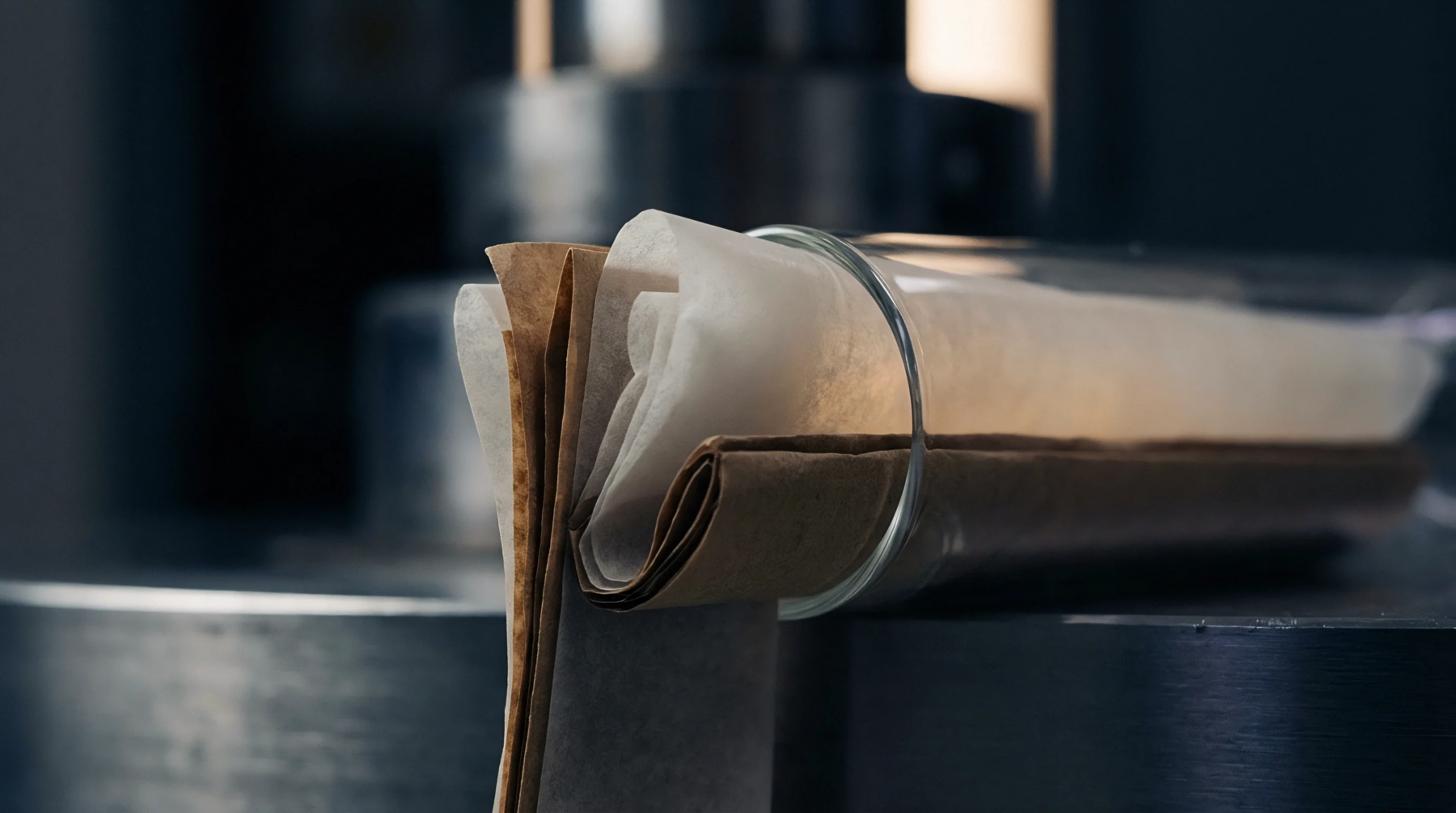
Interfacial bond strength testing validates multi-ply containerboard ply adhesion to prevent delamination during corrugation and transport.
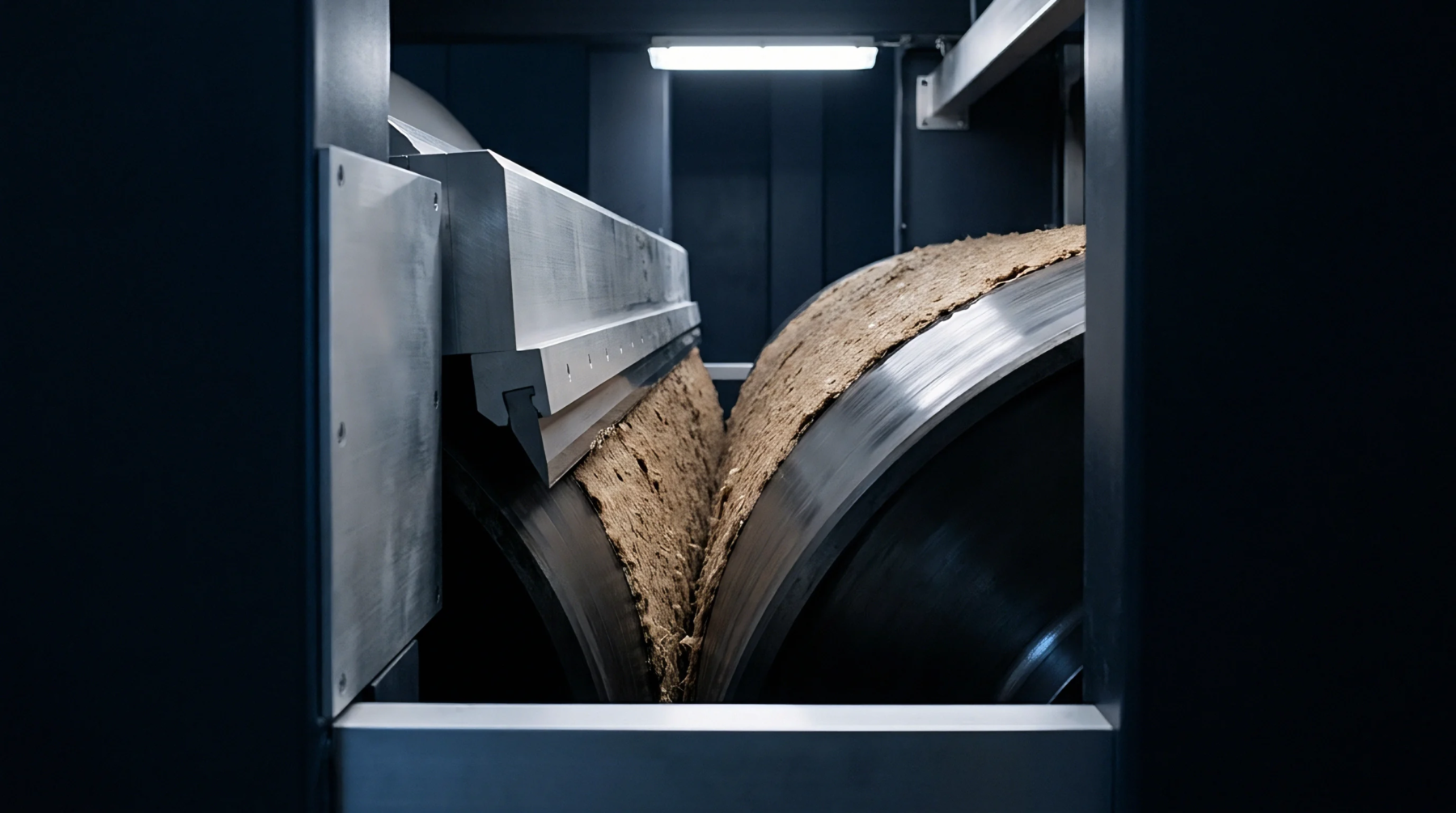
Dynamic delamination limits in ultra-low density mechanical plies require balancing fiber bulk against high-speed shear thresholds to prevent converting failure.
Expertise is a utility, not a secret. sentiention™ publishes its working knowledge as open reference: intelligence layer covering the materials it sources, the markets it enters, and the reference that serves both.