
Mechanical Pulp Freeness Adjustments for Multi-Ply Paperboard Caliper Stability
Adjusting mechanical pulp freeness between 450 and 550 mL CSF balances middle-ply specific volume against inter-ply bonding to lock in final paperboard caliper.
Adjusting mechanical pulp freeness between 450 and 550 mL CSF balances middle-ply specific volume against inter-ply bonding to lock in final paperboard caliper.
Calibrate crease matrix depth to 70-75% of caliper on ultra-low-density CTMP boards to prevent lumen collapse and enable dual-hinge shear delamination.
Downgauging virgin multi-ply packaging board requires substituting core mass with high-bulk CTMP to maintain thickness and flexural rigidity without losing box compression strength.

Folding boxboard mechanical core thickness increases total caliper and bending stiffness at low grammage, reducing material weight and landed carton cost.
Ultrasonic wave velocity verification isolates micro-delamination and dynamic stiffness drops in laminated cartonboard scores prior to line erection failures.

Correcting flexural rigidity tests for interlaminar shear prevents paperboard over-specification and reduces landed material costs by up to ten percent.
Dynamic resonance overlooks plastic slip; static two-point bending captures the true 25 percent rigidity loss occurring under moisture desorption hysteresis.
Dynamic cross direction caliper profiling uses induction heating to thermally expand calender rolls, flattening peaks without crushing uncalendered core bulk.
Optimal creasing of high yield folding boxboard requires adjusting female matrix width to 1.7 times board caliper to allow smooth internal BCTMP shear.

Determining softwood and hardwood fiber ratios across plies ensures bending stiffness and score integrity in recycled folding boxboard specifications.

Optimize creasing matrix channel widths to twice board caliper plus rule thickness plus twenty percent to prevent interfacial shear delamination along creases.

Forcing internal z-directional shear delamination during creasing creates an internal hinge that relieves outer coat tensile strain when folding.

Dynamic crease stiffness ratio optimization balances rule geometry and substrate mechanics to eliminate high-speed packaging jams and score cracking.

Optimizing matrix creasing channels for multi-ply recycled board requires widening the channel to 1.75 to 1.90 times caliper to absorb brittle shear stress.
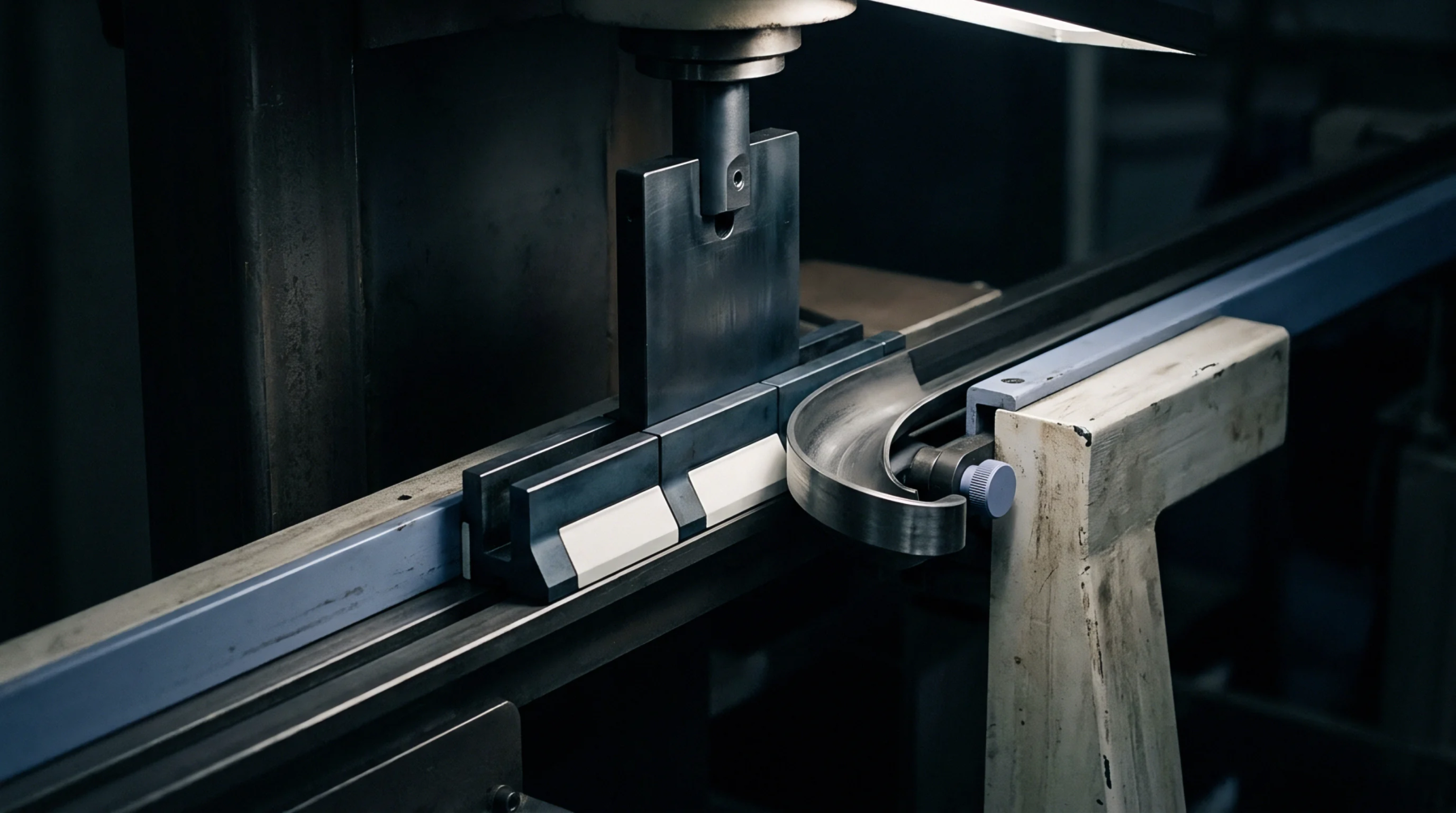
Optimizing crease tooling for coated recycled paperboard demands expanding counter channel widths to 1.65 times caliper to induce controlled ply delamination.

Cross-direction elongation between 3.2% and 4.8% prevents outer liner cracking on folding boxboard when matrix channel width equals rule size plus 1.5 times caliper.

Controlled multi-ply board creasing requires tuning rule penetration energy to exceed core shear strength without passing the outer liner tensile fracture limit.
Controlling virgin chemical-to-mechanical ratios across multi-ply board dictates flexural stiffness, barrier integrity, and customs duty classifications.
Controlled interlaminar delamination during high bulk boxboard creasing requires widened matrix channels to fracture low-density cores without breaking liners.
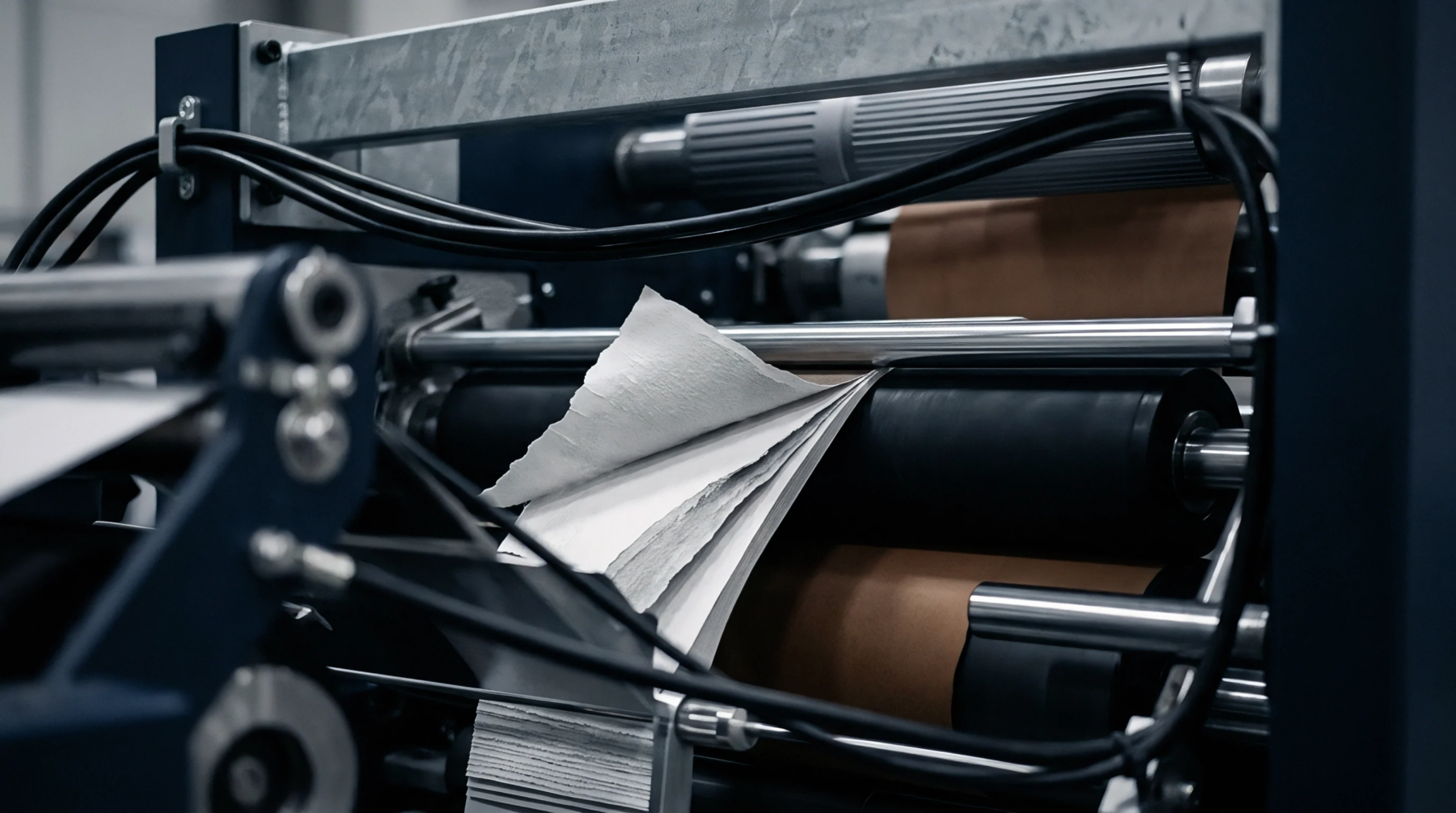
Tuning middle-ply CTMP density between 0.45 and 0.55 g/cm³ balances board flexural rigidity against vacuum porosity to prevent converting feeder misfeeds.
High bulk uncoated board requires expanding crease matrix channel widths to 1.8-2.1 times caliper to prevent liner cracking while adjusting stiffness board factor multipliers down to 0.82-0.88.
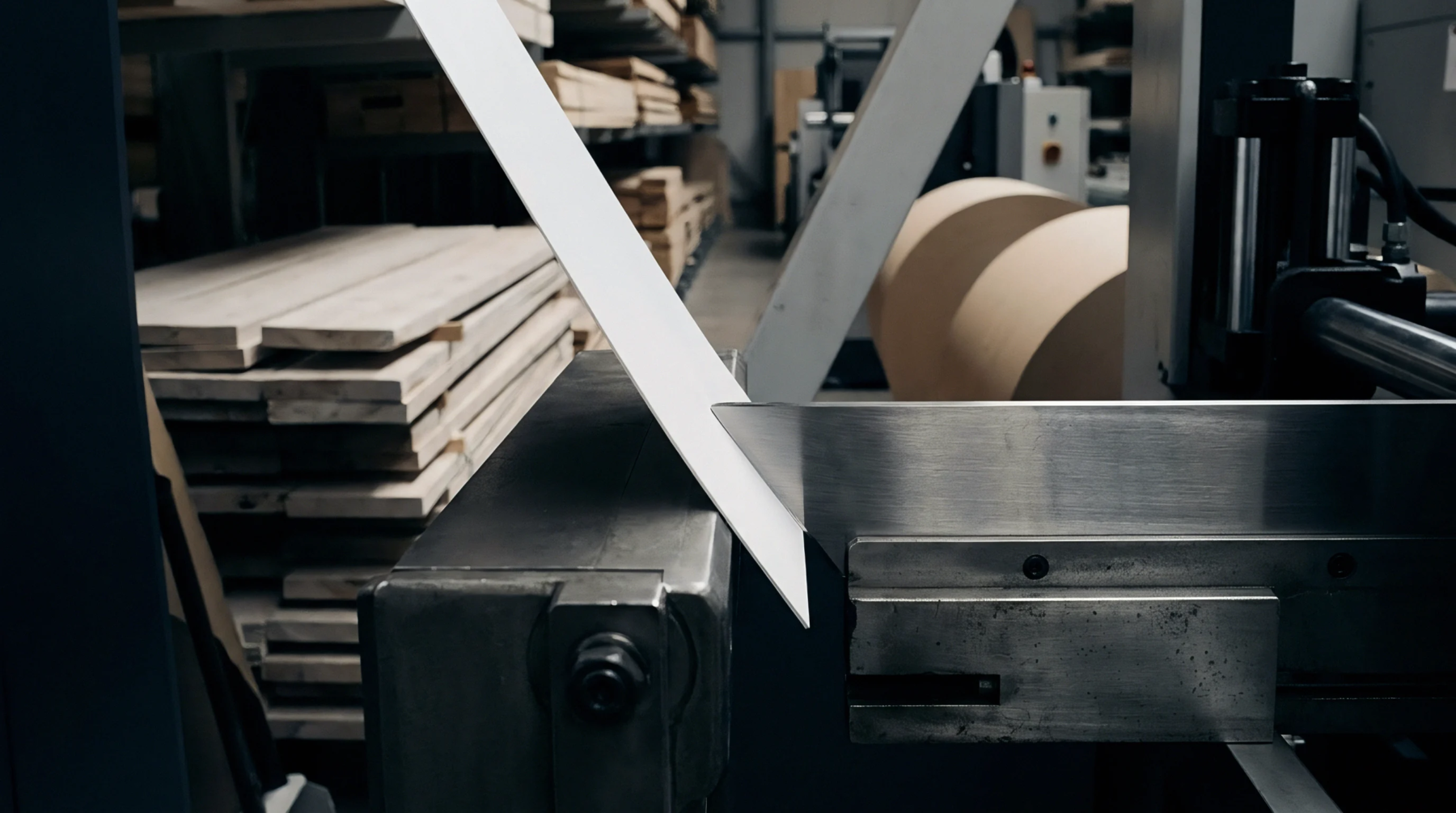
Swapping cartonboard to higher bulk furnishes increases square metre yield per tonne, reducing landed pack costs despite higher per-tonne substrate prices.
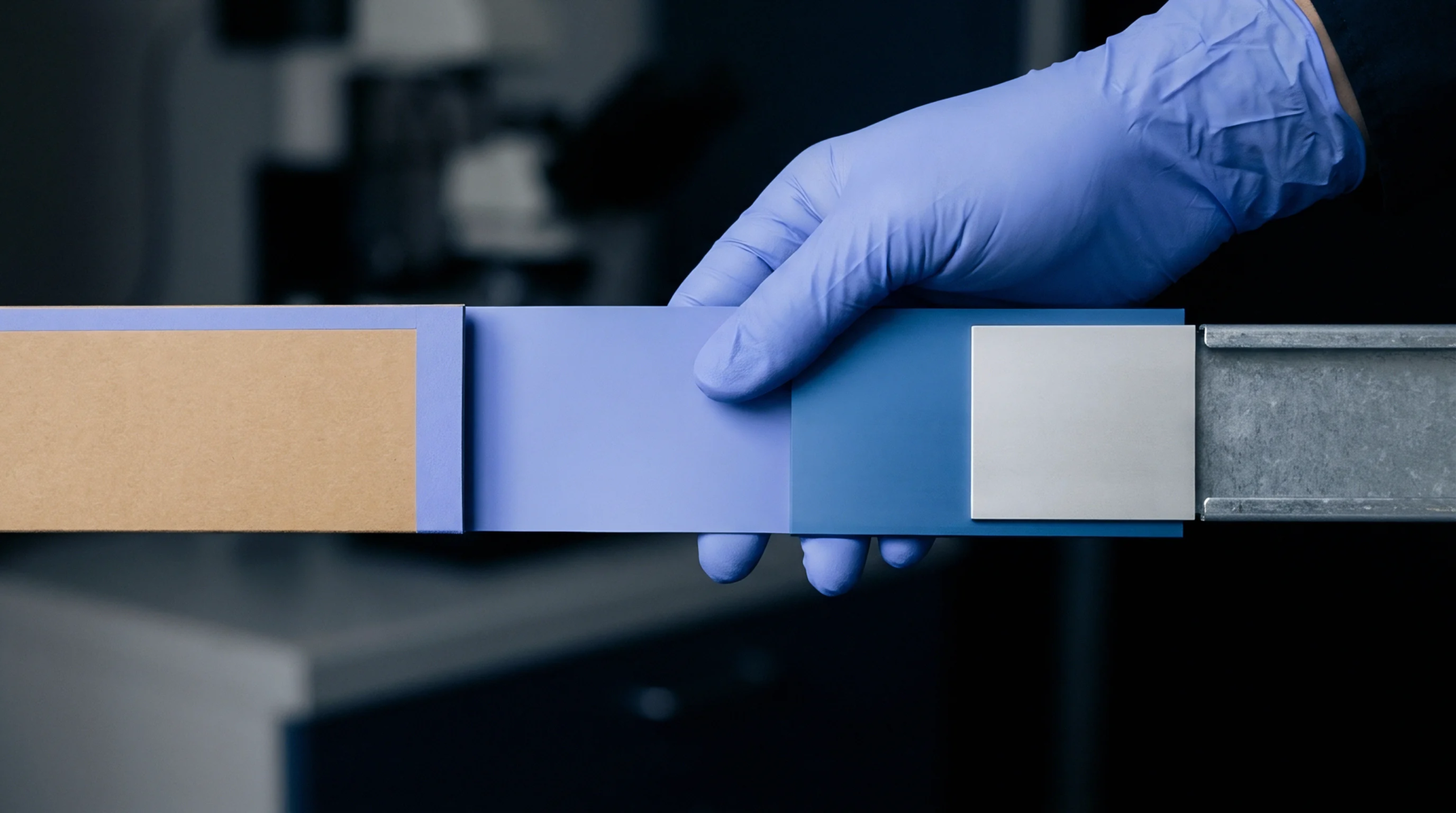
Laboratory physical testing of paperboard proves packaging structural compliance, verifies technical specifications, and prevents import liabilities.

Dynamic multi-ply board creasing requires rate-dependent matrix clearance adjustments to prevent top-liner shear splitting during millisecond tool indentation.
ISO 186 sampling requires isolating parent rolls, drawing randomized interior units, and conditioning under ISO 187 to protect sheet yield and legal claims.
Verify paperboard integrity by pairing short-span compression (ISO 9895) with bending stiffness (ISO 2493) to prevent carton jamming and stack failure.
Non-destructive acoustic testing tracks dynamic flexural rigidity loss in rehydrated fibers by calculating specific elastic stiffness from sound velocity squared.

Dual-axis decurling restores sheet flatness by plastic strain but degrades recycled board bending resistance by 12 to 23 percent via core ply micro-delamination.
Recycled paperboard loses flexural stiffness through fiber hornification and caliper collapse, demanding strict cubic-thickness specification over basis weight.
Online laser profilometry decouples baseboard moisture from tool wear by combining frequency filtering with synchronized upstream near-infrared moisture sensors.
Expertise is a utility, not a secret. sentiention™ publishes its working knowledge as open reference: intelligence layer covering the materials it sources, the markets it enters, and the reference that serves both.