
Spot UV against Hot Foil at the Break Even Run Length
Digital spot UV beats hot foil stamping on setup costs below 3,400 B2 sheets at 5% coverage, beyond which low foil area costs surpass high fluid burn.
Digital spot UV beats hot foil stamping on setup costs below 3,400 B2 sheets at 5% coverage, beyond which low foil area costs surpass high fluid burn.
Verify mill test certificates against ISO 2859 sampling on arrival; static swatches omit deckle variance, transit moisture creep, and food migration risks.

Unannounced paper grade substitution alters structural fiber bonding and surface chemistry, demanding dockside physical and chemical testing before press loading.
Downgauging folding boxboard demands increasing core bulk and outer ply elastic modulus to preserve caliper and bending stiffness under McKee formula laws.

Virgin SBS provides superior print brightness, stiffness consistency, and crack-free scoring, whereas recycled board lowers initial cost but adds waste.
Dynamic Mechanical Analysis reveals high-speed converting nips collapse high-bulk BCTMP middle plies, dropping bending stiffness up to twenty-six percent.
Preserving folding boxboard bending stiffness during weight reduction relies on maintaining mechanical core bulk while elevating outer ply elastic modulus.
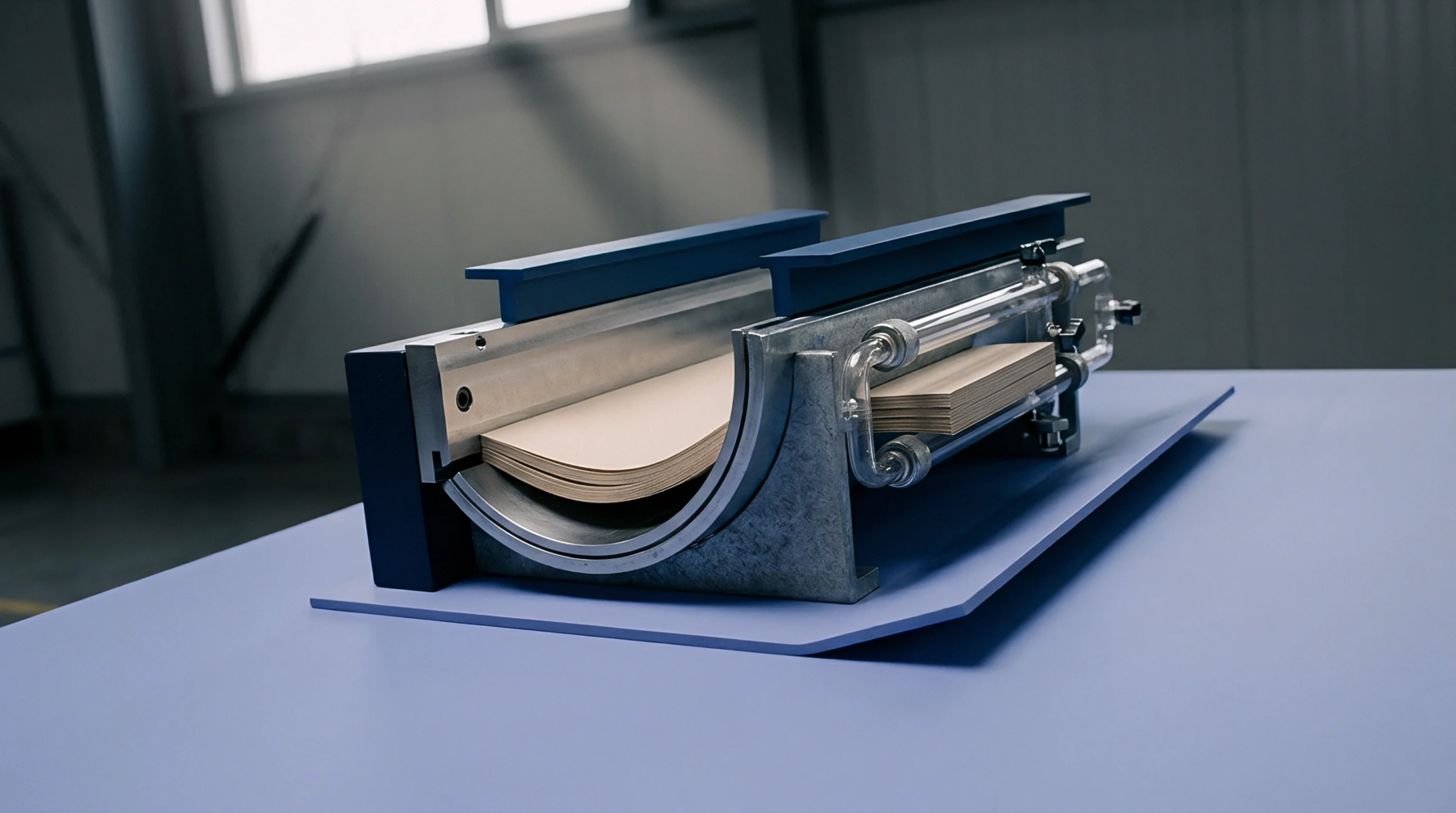
Imposition layouts that nest cartons across grain directions reduce parent sheet trim but induce bimodal stiffness variance and high-speed feeder jams.

Dynamic moisture sorption hysteresis accelerates mechano-sorptive creep failure in corrugated boxes during transit under cyclic relative humidity conditions.
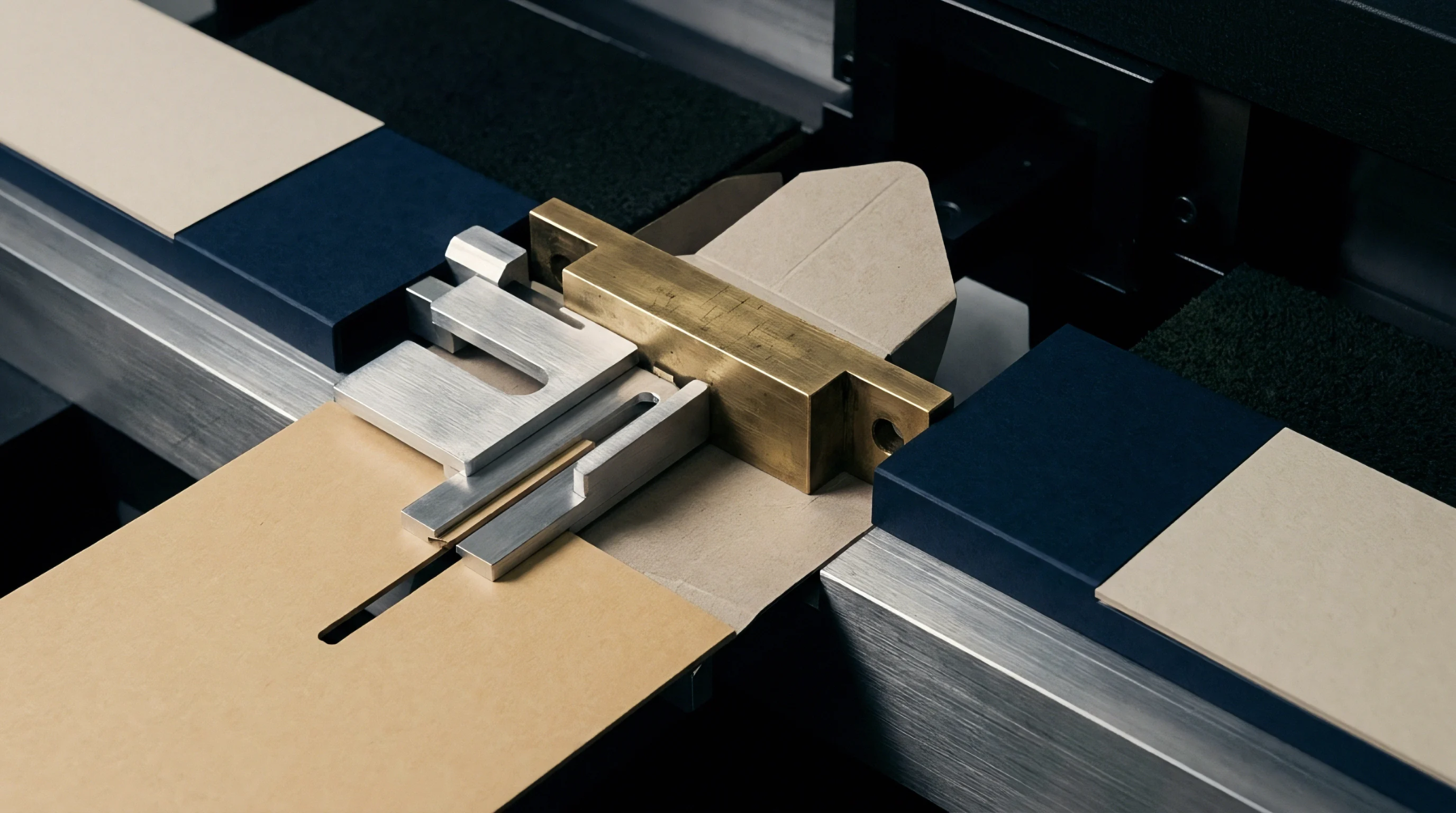
Dynamic mechanical analysis optimizes folding boxboard caliper retention by quantifying out-of-plane storage modulus decay in CTMP cores under high-speed converting loads.
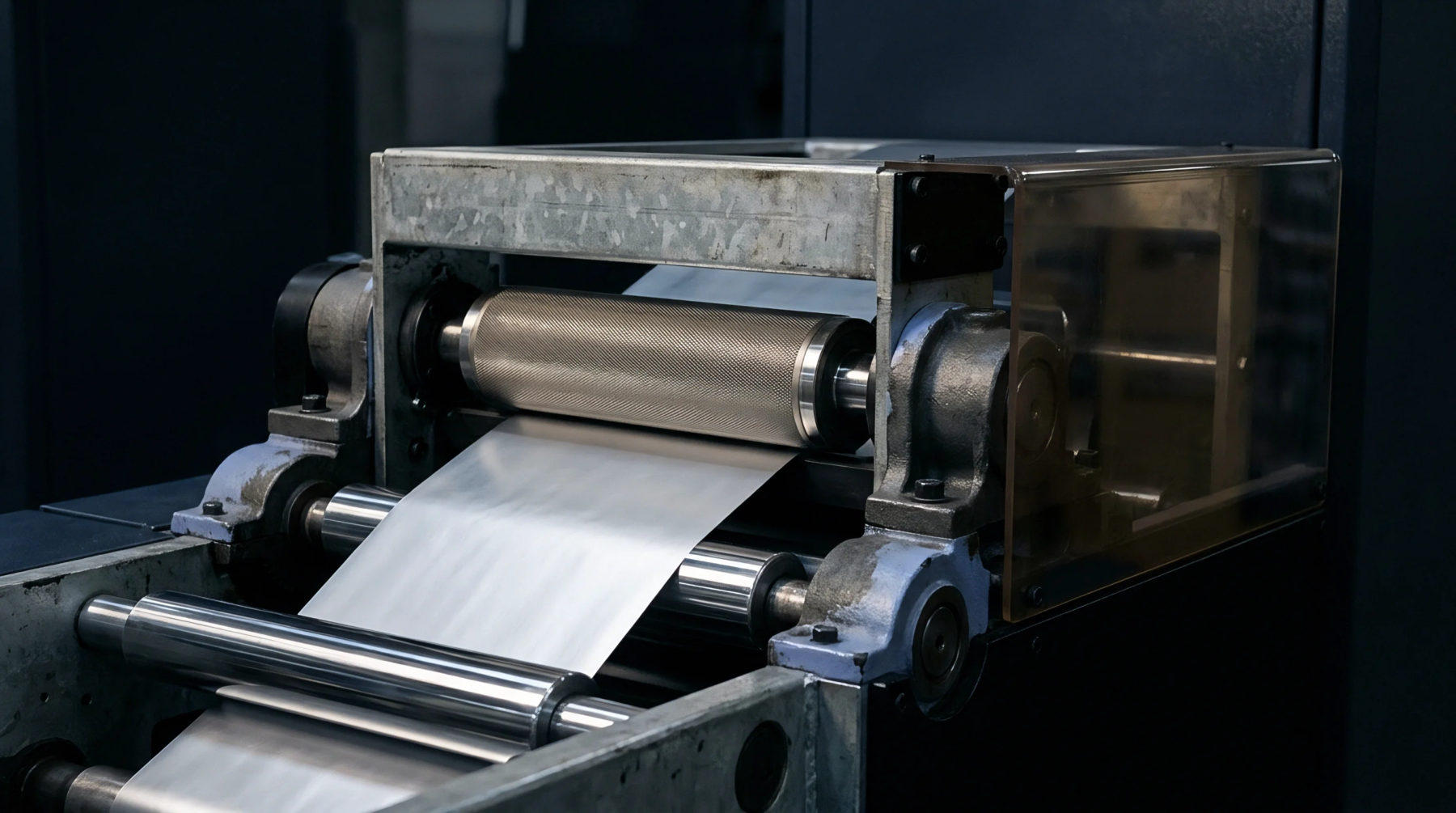
Dynamic moisture sorption degrades cellulosic packaging strength through mechano-sorptive creep, requiring GAB equilibrium mapping and transit humidity verification.
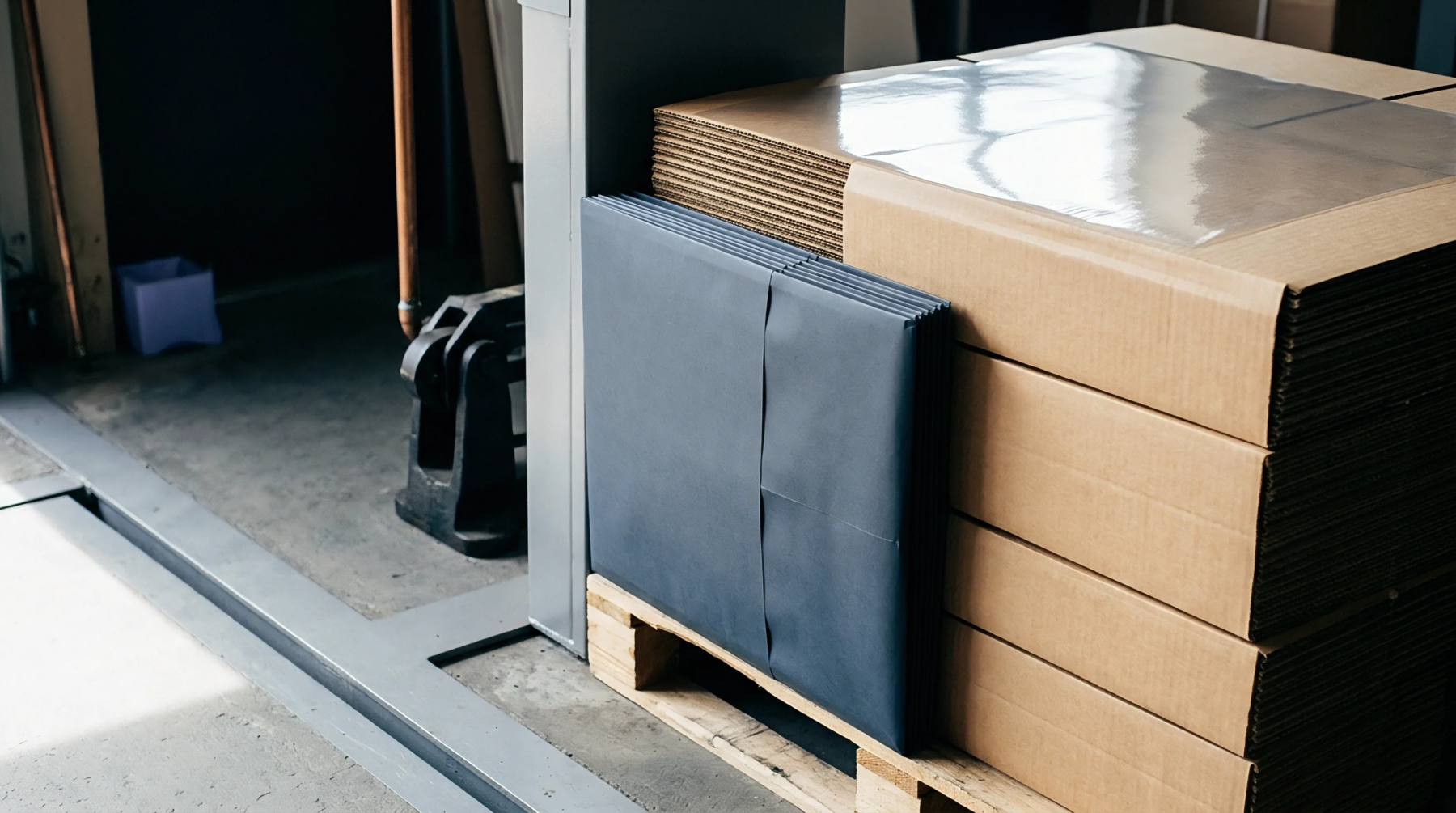
Dynamic ambient relative humidity accelerates creep collapse in corrugated boxes far beyond static moisture limits, requiring dynamic SCT safety factors in structural engineering.
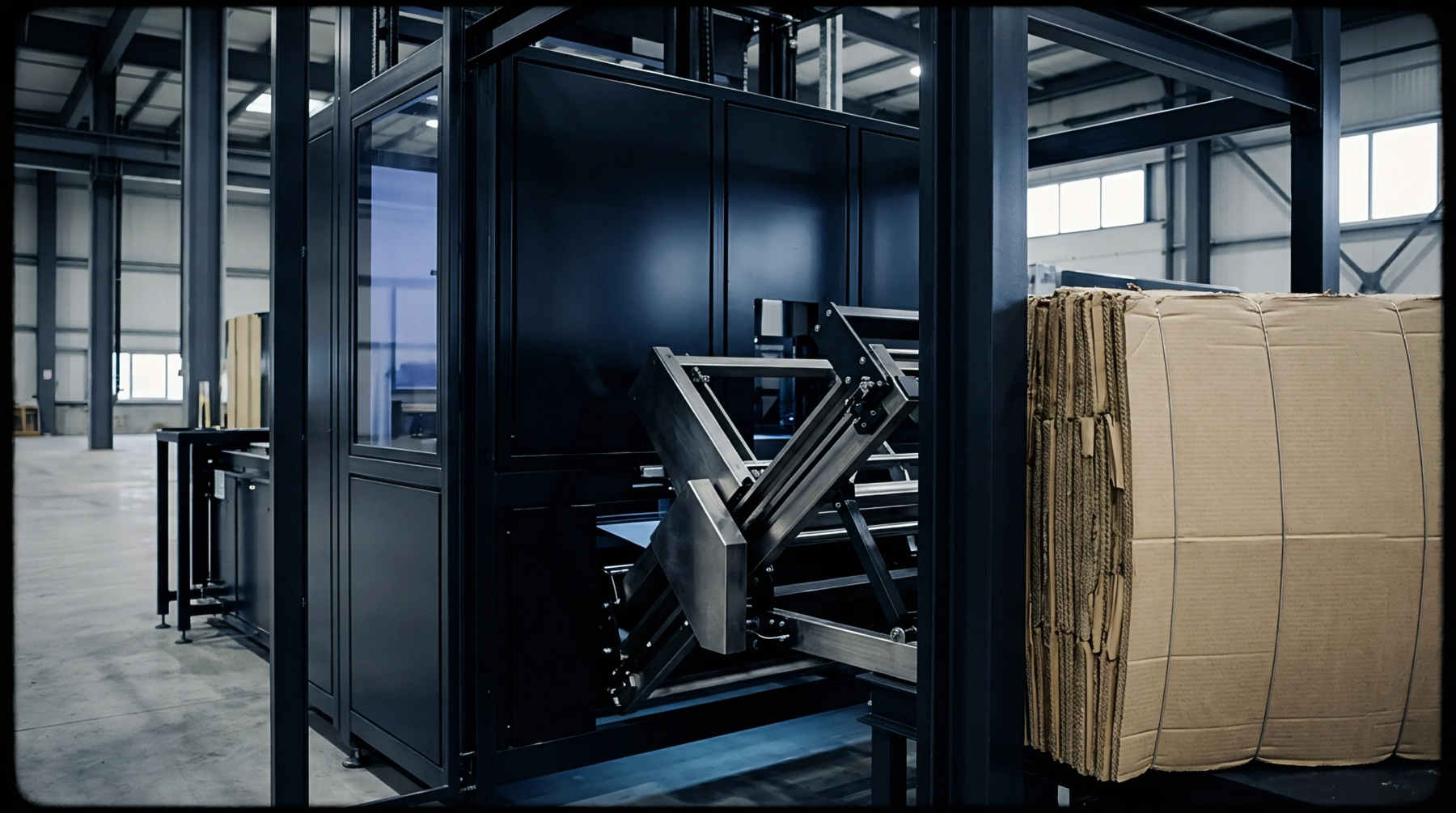
Dynamic relative humidity cycling drives exponential creep decay in corrugated board through mechano-sorptive bond cleavage, requiring dynamic safety factors.
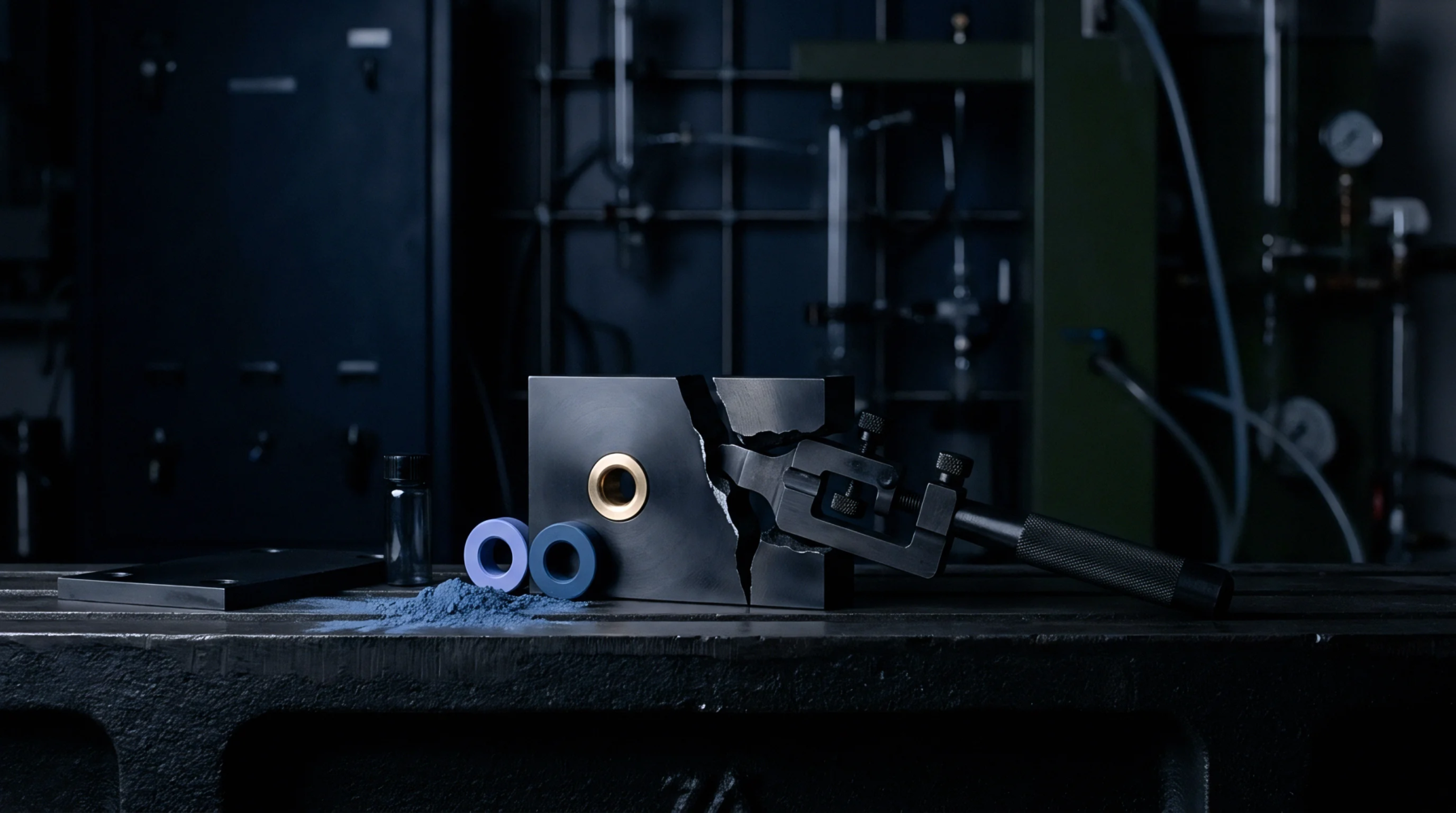
Dynamic ambient humidity accelerates creep failure in recycled containerboard, requiring increased structural safety factors and dynamic testing to prevent stack collapse.
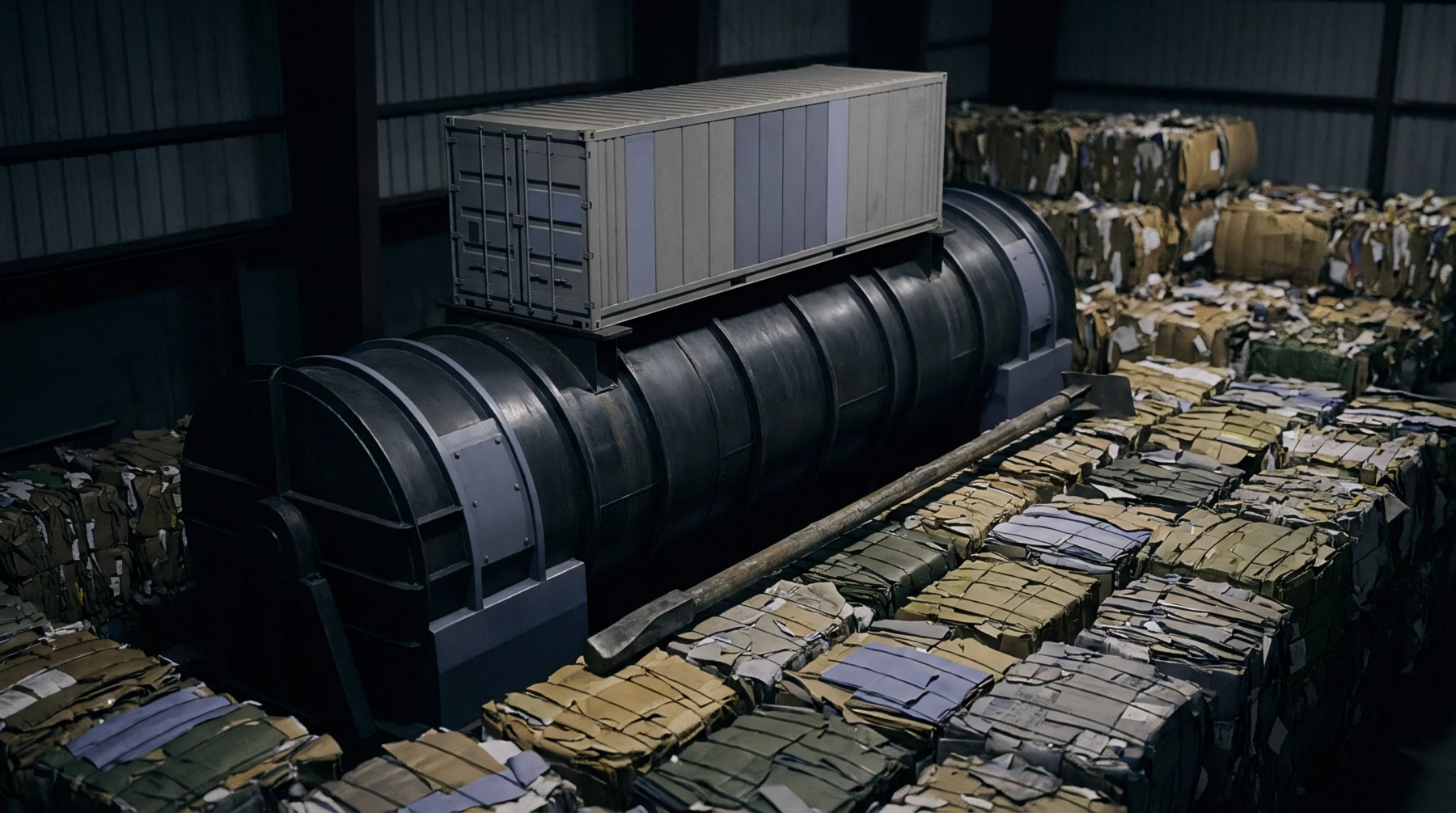
Paperboard loses up to sixty percent of top-load compression strength in high humidity due to transverse fiber swell and mechano-sorptive creep decay.

Optimizing folding boxboard stiffness requires balancing BCTMP core bulk with chemical pulp outer layers to maximize moment of inertia at target carton speeds.

Optimizing board bulk expands sheet caliper at lower basis weight, increasing bending stiffness and yield per tonne while lowering total material cost.
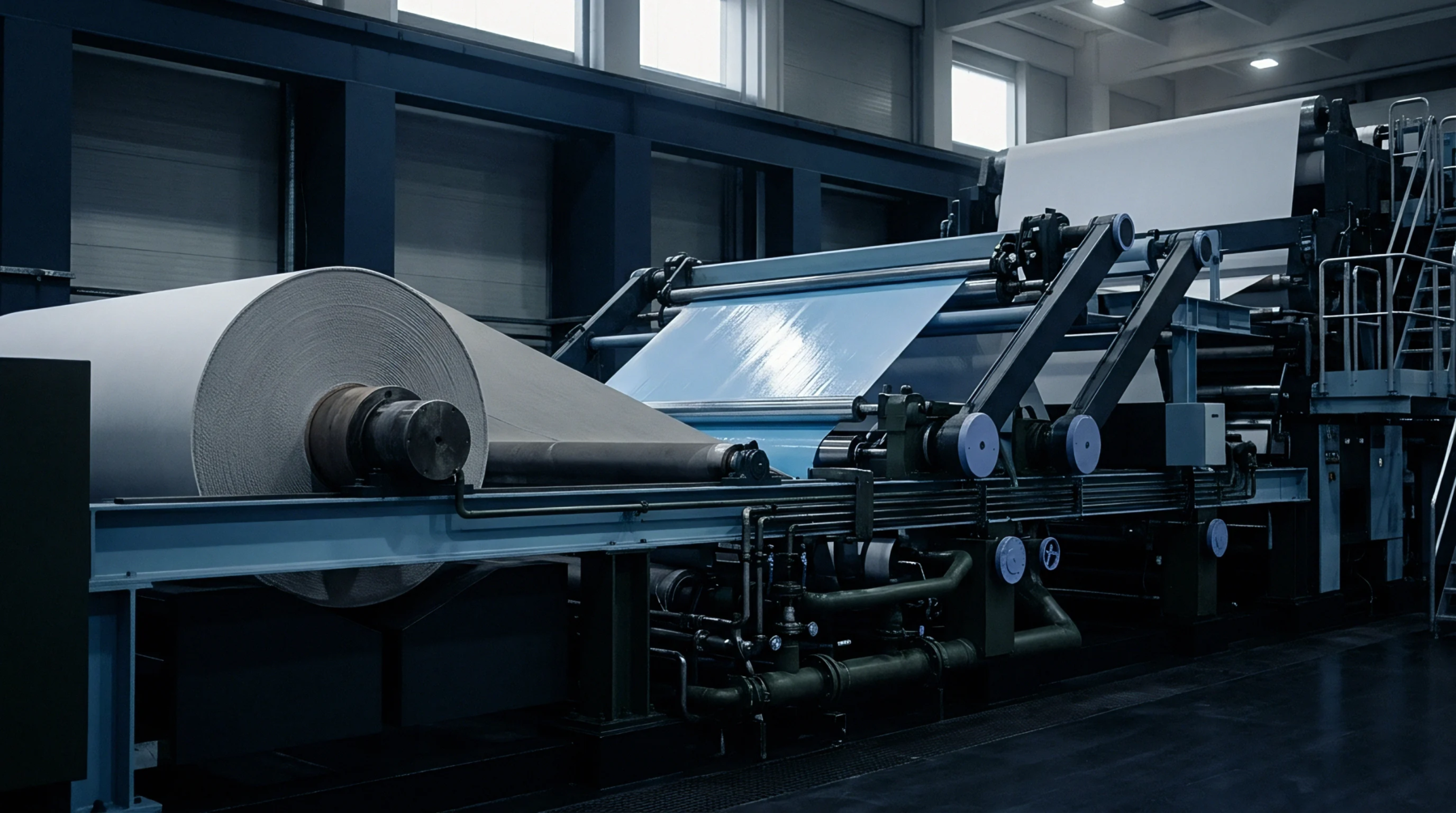
Dynamic climate chamber testing under cyclic relative humidity isolates mechanosorptive creep failure modes that standard static equilibrium conditioning miss.
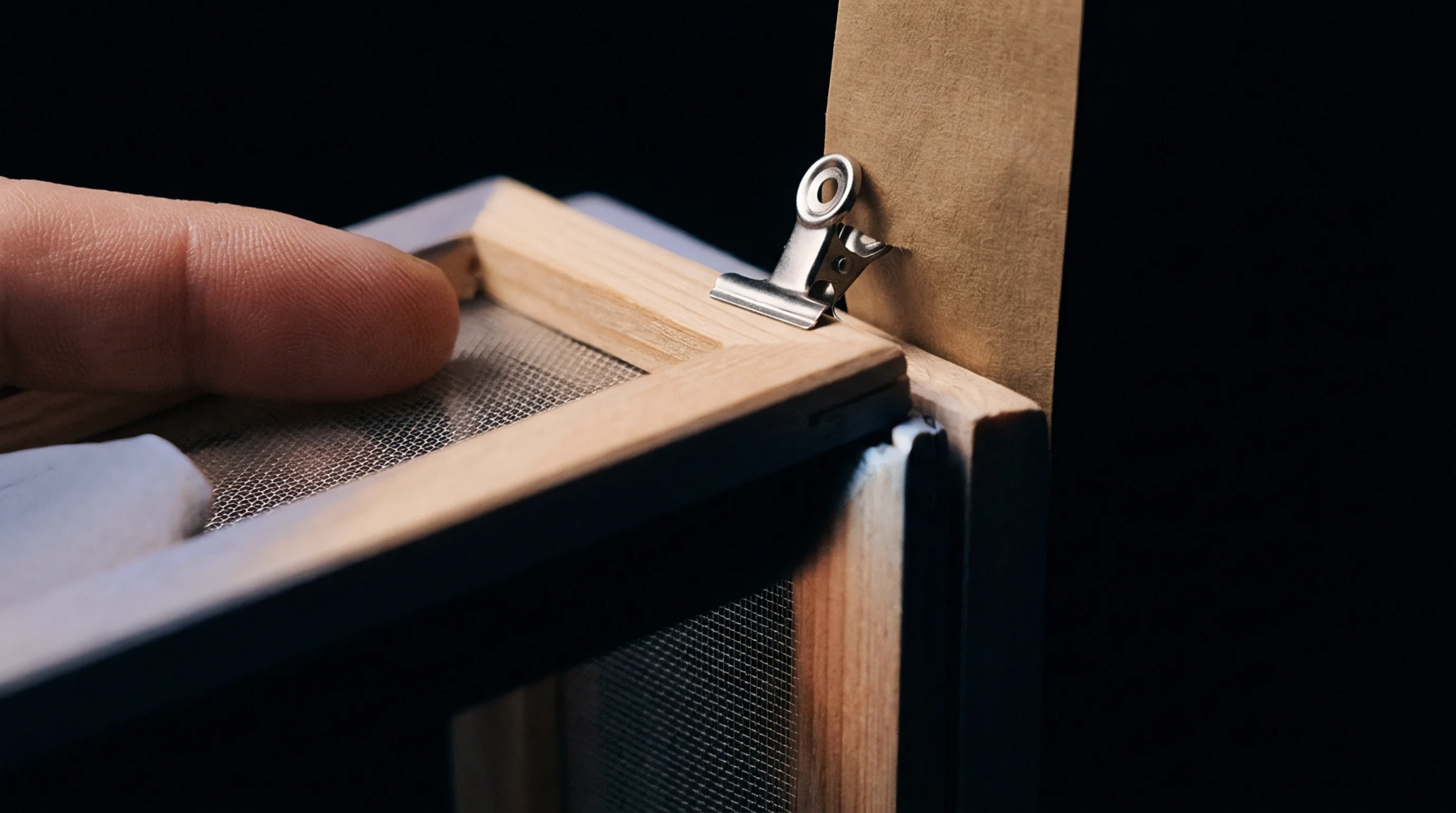
Recycled pulp webs suffer severe tensile network degradation under cyclic transit humidity due to moisture-driven hydrogen bond disruption and hornified fiber creep.

Unannounced substrate substitution alters box compression strength and tariff classification; laboratory fiber audits and batch thickness checks prevent failure.

Air-coupled ultrasonic guided waves quantify paperboard crease ply delamination and micro-cracking non-destructively, preventing box compression failure.

Mechanical decurling and fluid rehydration permanently degrade recycled paperboard flexural modulus by shear micro-delamination and fiber plasticization.

Unwrapped recycled board stacks in subzero transit suffer rapid edge permeability degradation, demanding strict edge moisture rejection limits at goods-in.
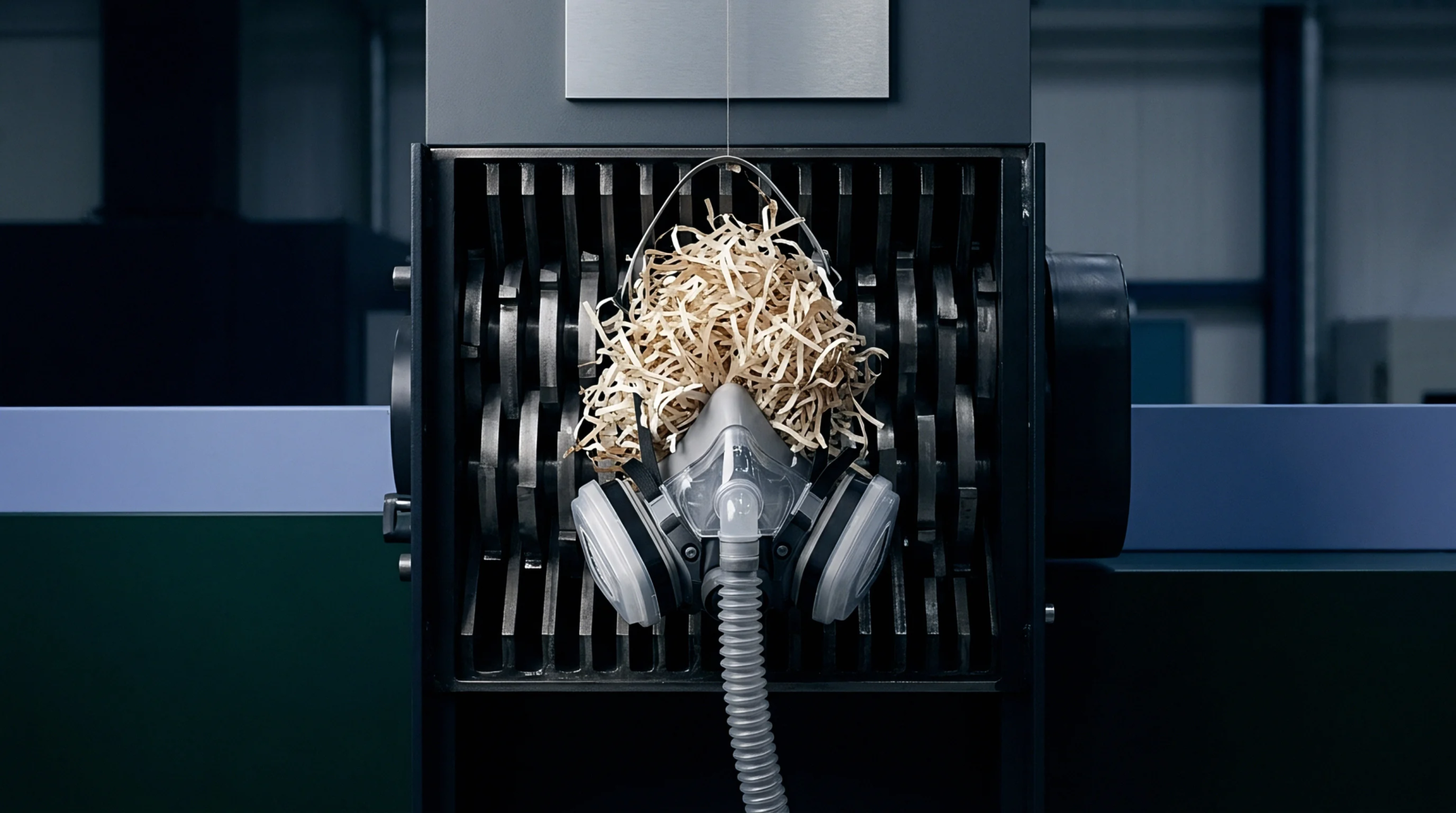
Multi-ply layering of post-consumer containerboard optimizes flexural stiffness and crush resistance by concentrating long fibers in outer faces.

Recycled fiber laminates experience accelerated creep under transient vapor flux, requiring increased structural safety factors in humid supply chains.

Primary creep kinetics dictate corrugated box stacking life under static relative humidity, requiring empirical power-law modeling for safety margins.

Optimizing multi-ply boxboard caliper requires balancing mechanical core thickness against chemical skin elastic modulus to maximize bending stiffness per unit weight.

Dynamic relative humidity accelerates corrugated compression creep via mechano-sorptive softening, requiring environmental safety factor multipliers up to 2.5.

Dynamic relative humidity cycling accelerates compressive creep in recycled corrugated substrates, requiring specific safety factor derating to prevent failure.
Low transverse shear modulus in foamed cores reduces effective bending stiffness and causes early compression collapse on short spans.
Expertise is a utility, not a secret. sentiention™ publishes its working knowledge as open reference: intelligence layer covering the materials it sources, the markets it enters, and the reference that serves both.