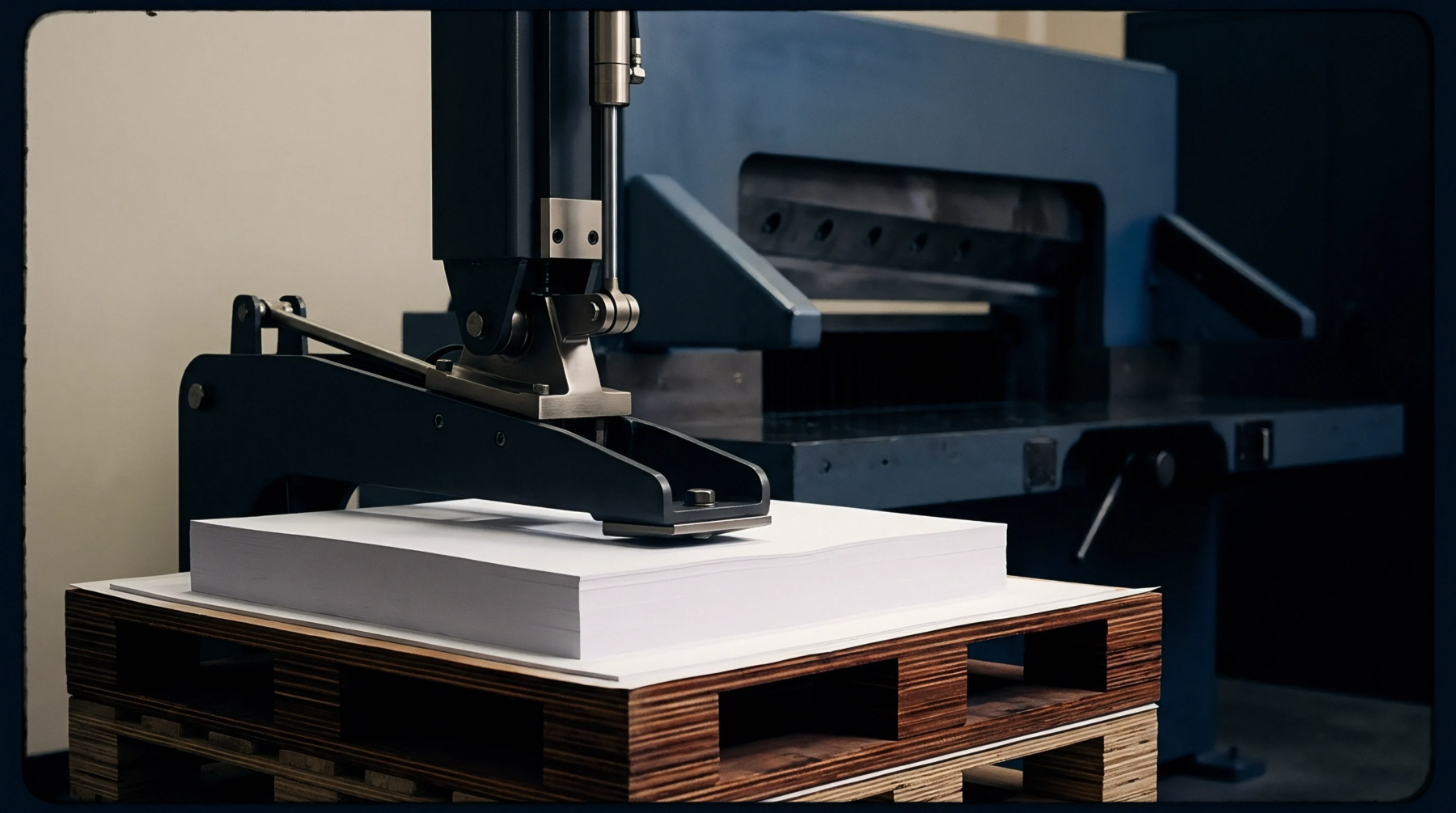
The Gap between a Tested Sample and the Shipped Pallet
Verify mill test certificates against ISO 2859 sampling on arrival; static swatches omit deckle variance, transit moisture creep, and food migration risks.
Verify mill test certificates against ISO 2859 sampling on arrival; static swatches omit deckle variance, transit moisture creep, and food migration risks.
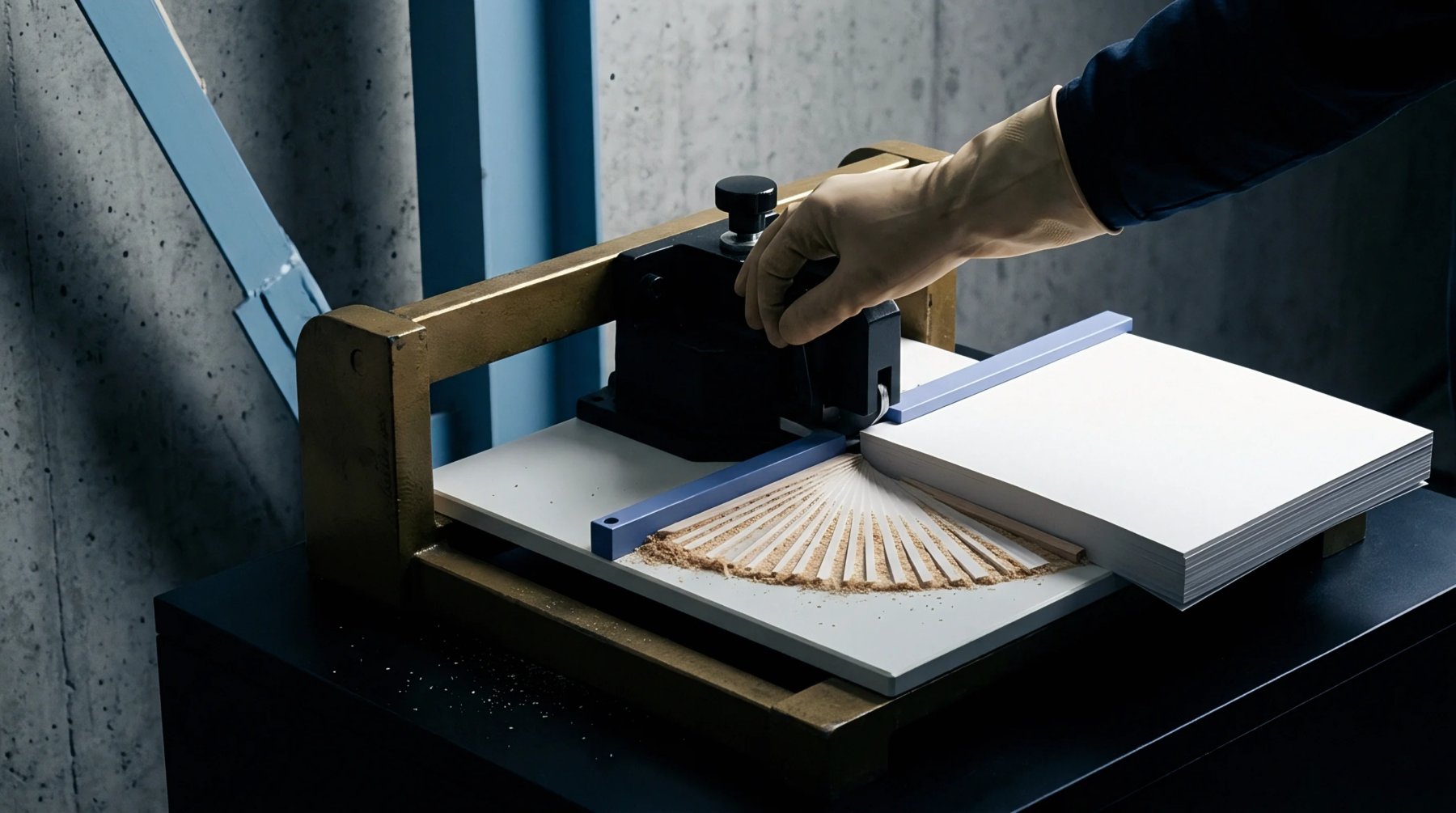
Preserving folding boxboard bending stiffness during weight reduction relies on maintaining mechanical core bulk while elevating outer ply elastic modulus.
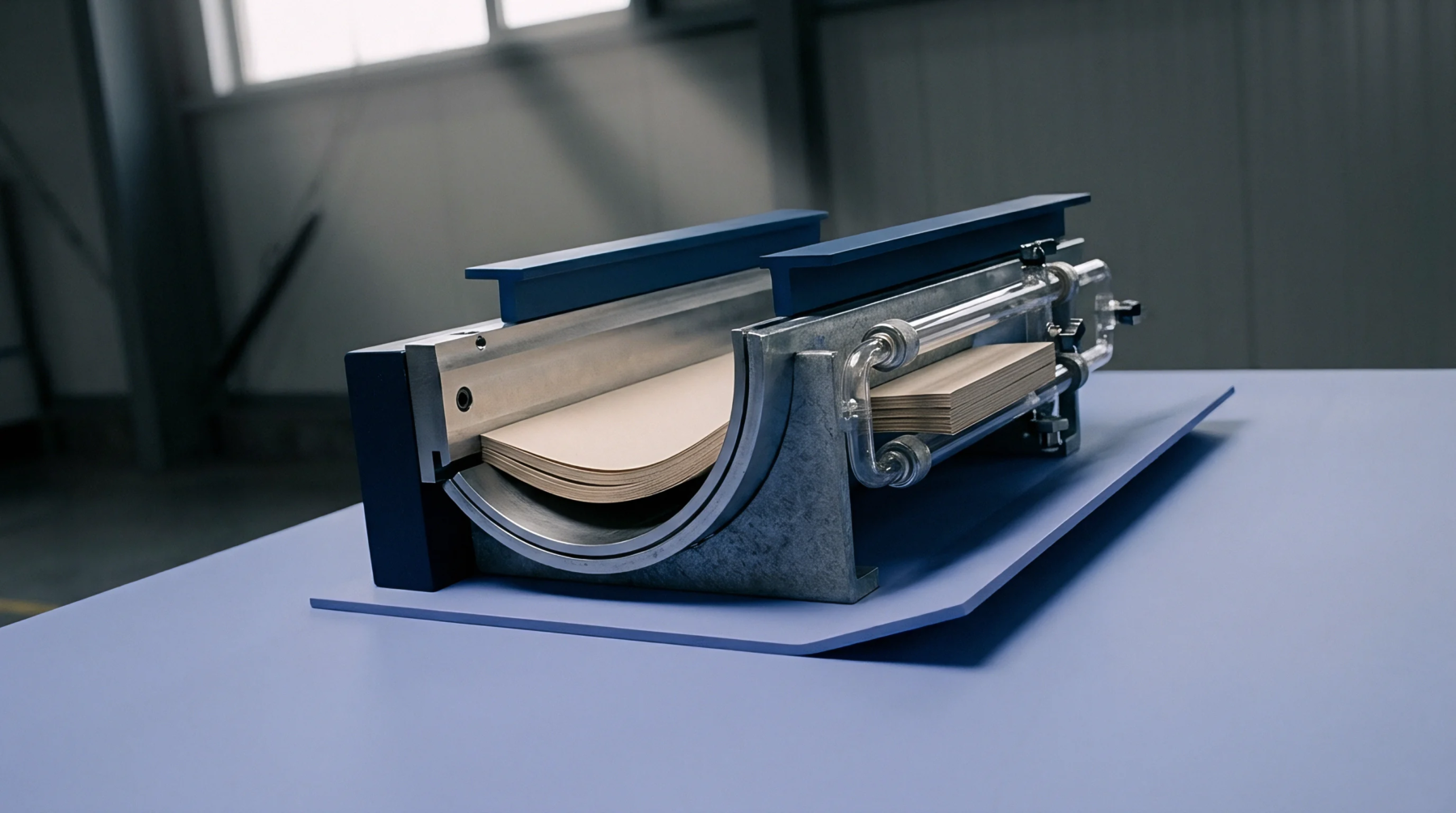
Imposition layouts that nest cartons across grain directions reduce parent sheet trim but induce bimodal stiffness variance and high-speed feeder jams.
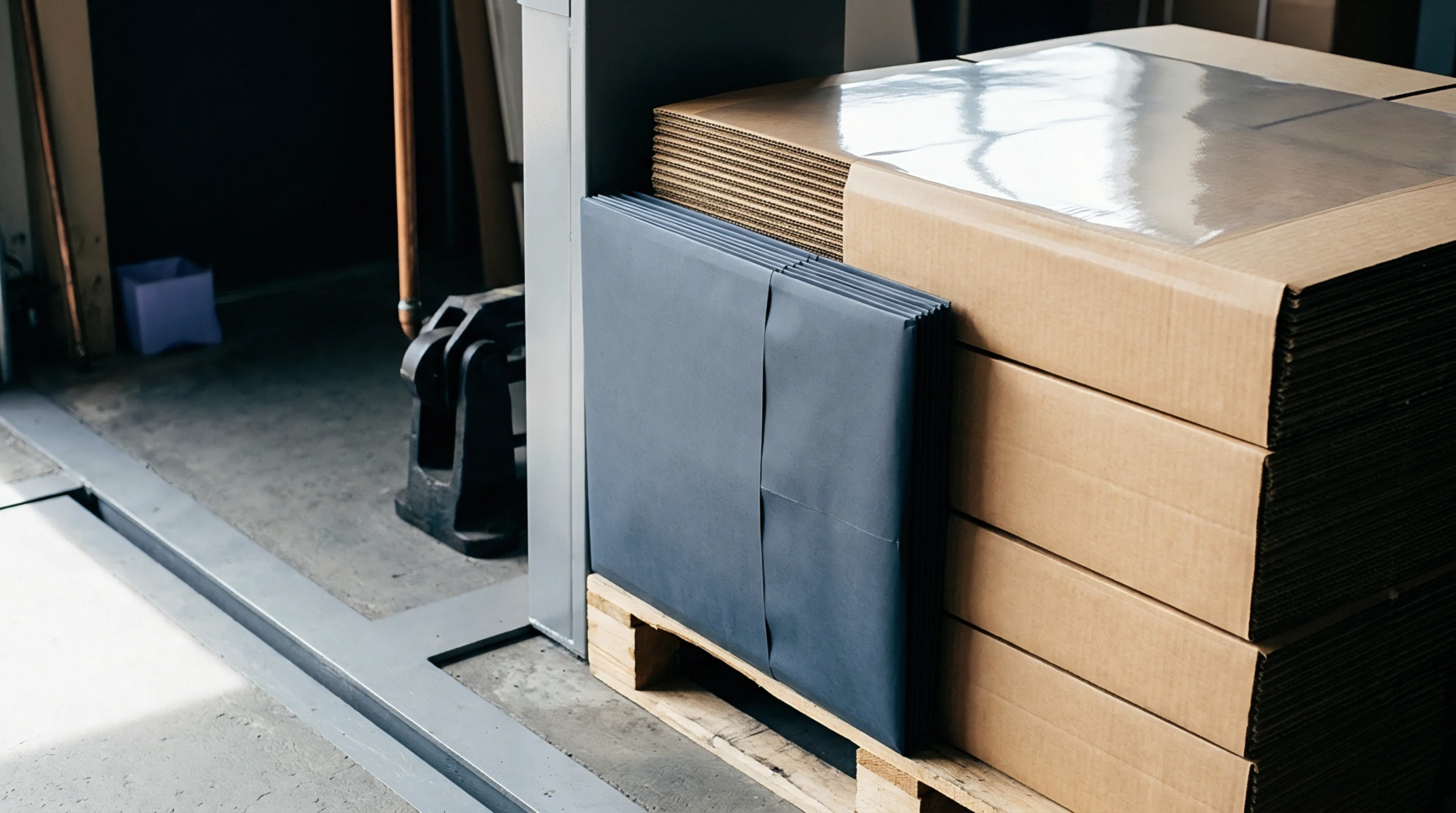
Dynamic ambient relative humidity accelerates creep collapse in corrugated boxes far beyond static moisture limits, requiring dynamic SCT safety factors in structural engineering.
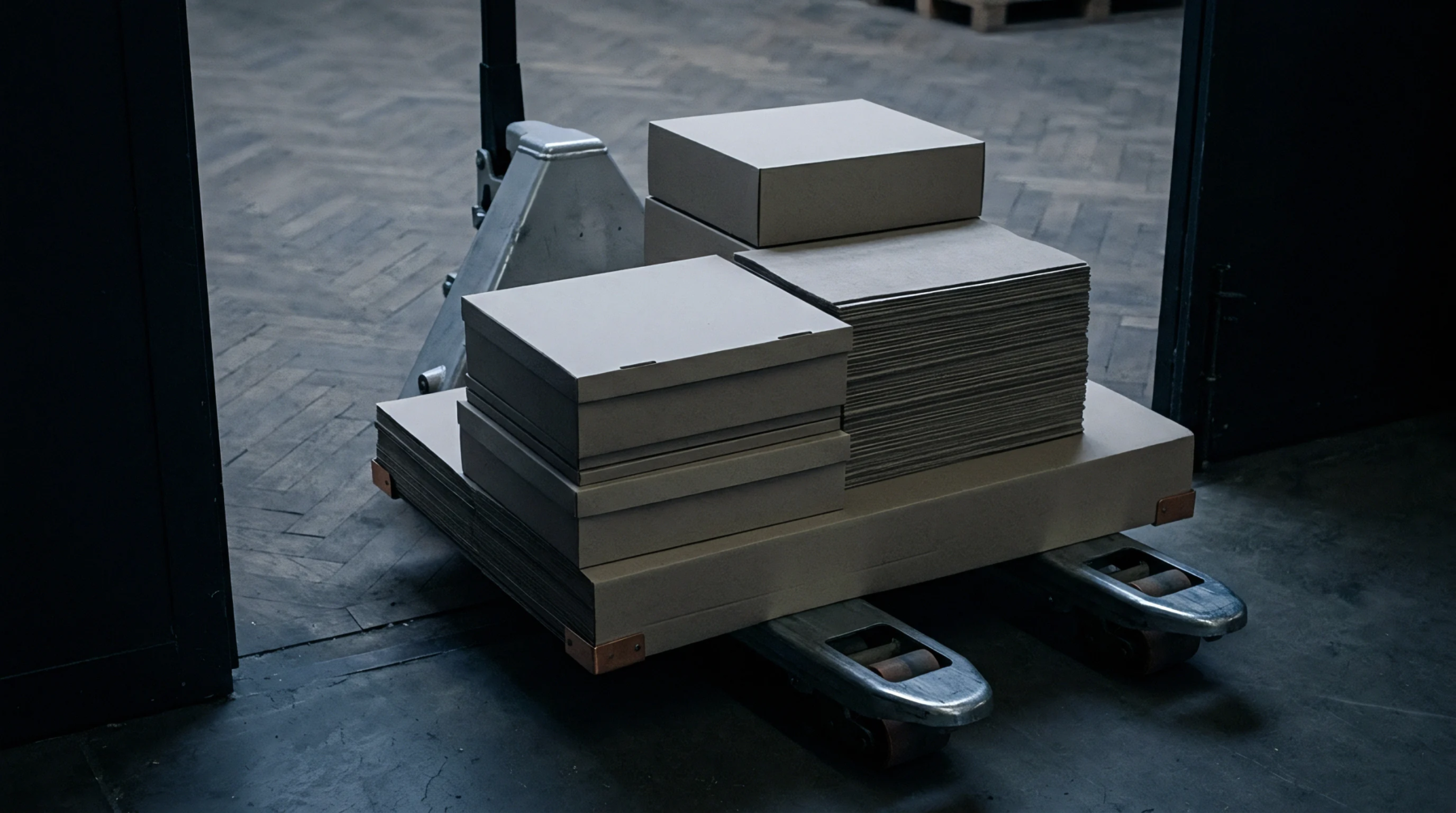
Thermal boundary layers inside stretch-wrapped pallets drive vapor condensation and localized corrugated compression strength failure during temperature transitions.
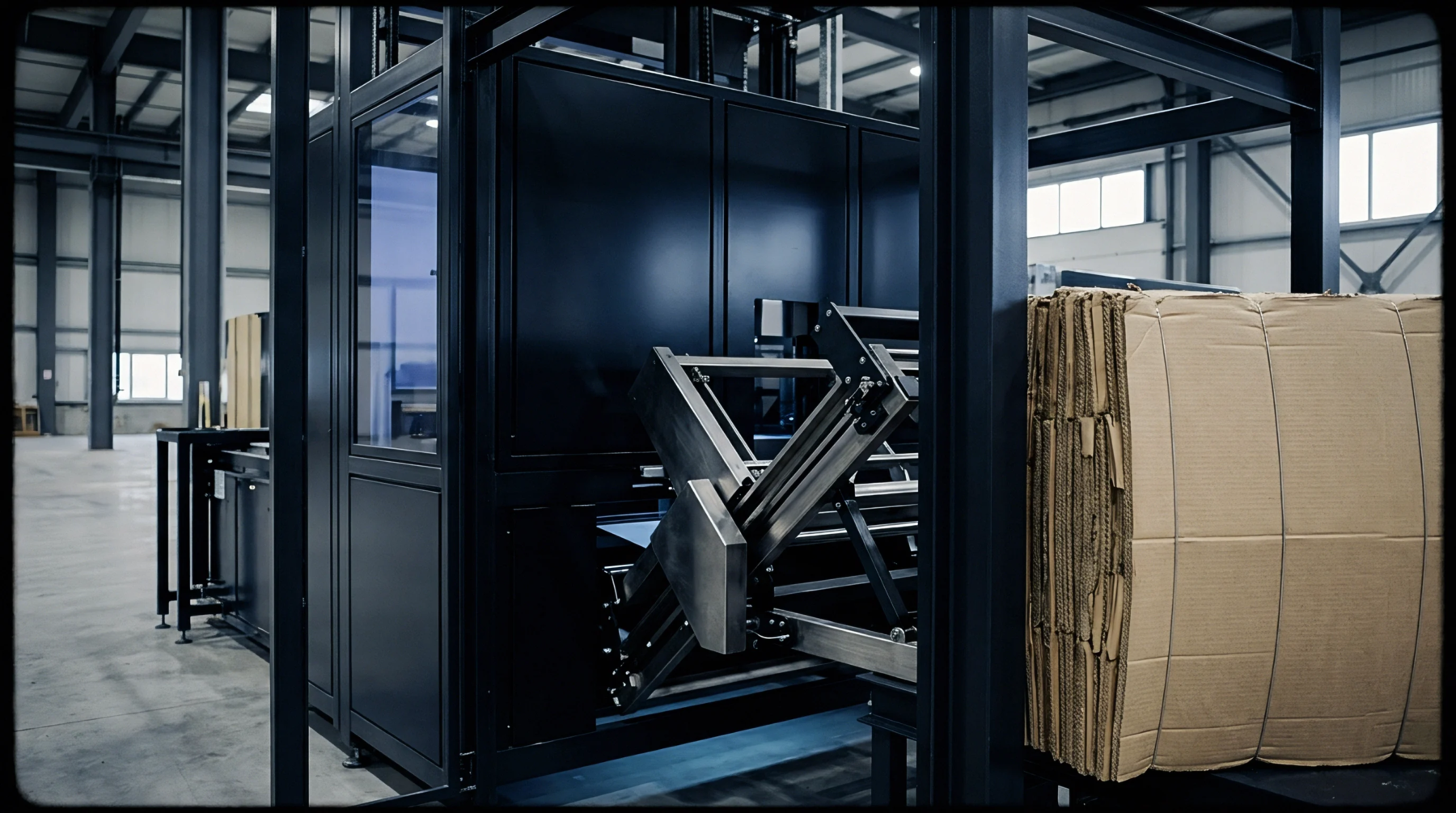
Dynamic relative humidity cycling drives exponential creep decay in corrugated board through mechano-sorptive bond cleavage, requiring dynamic safety factors.

Optimizing board bulk expands sheet caliper at lower basis weight, increasing bending stiffness and yield per tonne while lowering total material cost.
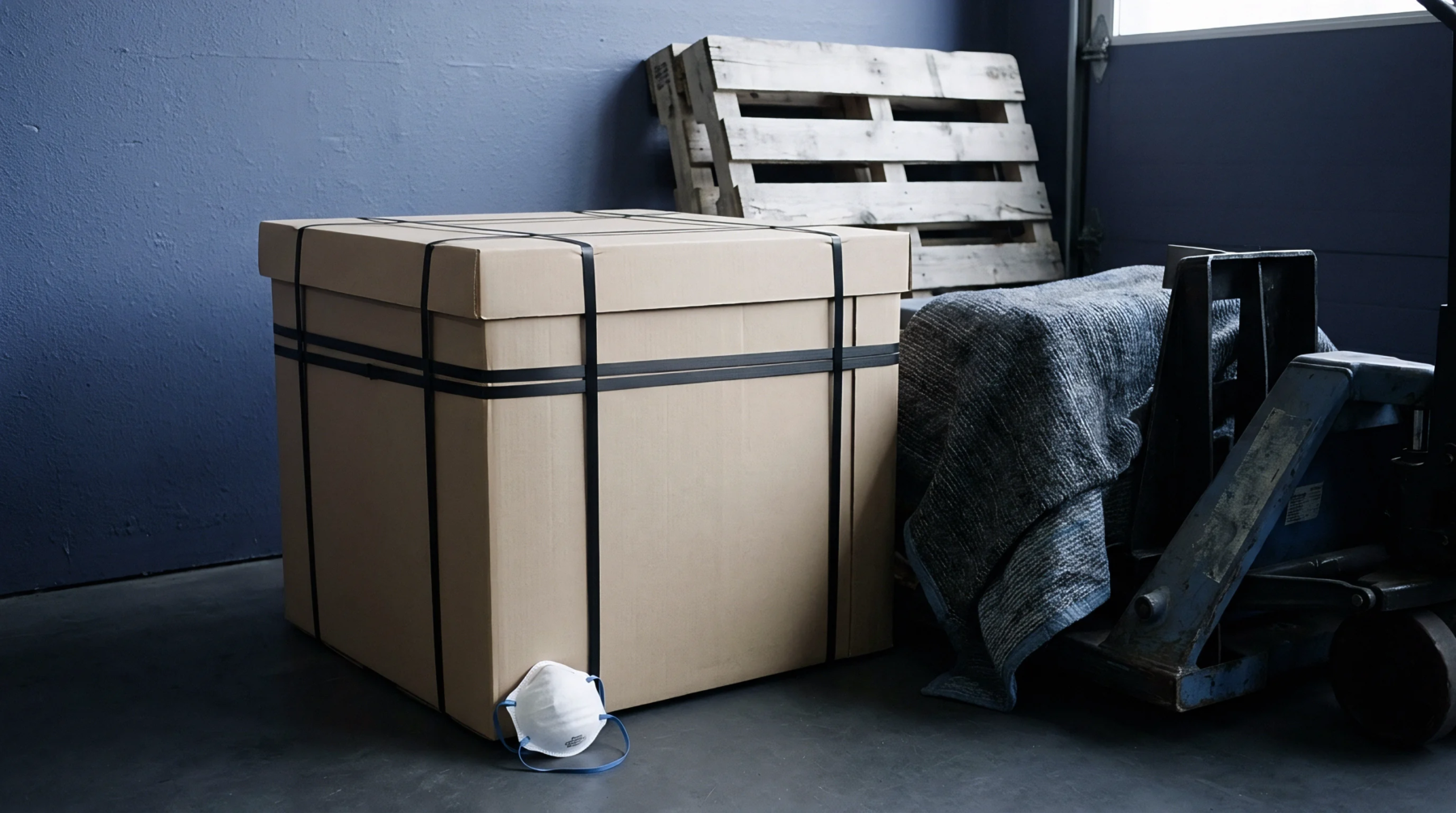
Unannounced substrate substitution alters box compression strength and tariff classification; laboratory fiber audits and batch thickness checks prevent failure.

Unwrapped recycled board stacks in subzero transit suffer rapid edge permeability degradation, demanding strict edge moisture rejection limits at goods-in.
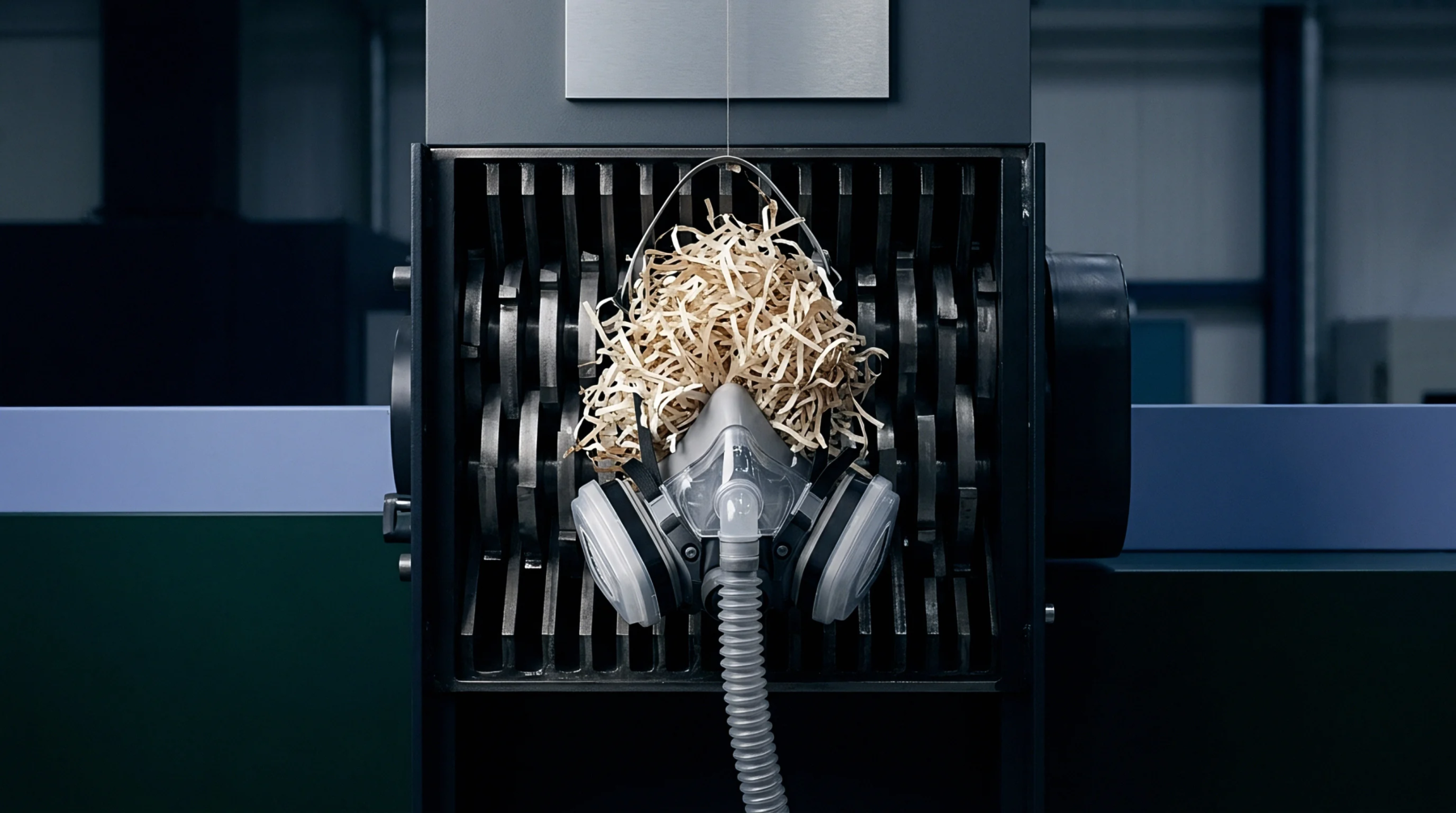
Multi-ply layering of post-consumer containerboard optimizes flexural stiffness and crush resistance by concentrating long fibers in outer faces.

Dynamic relative humidity accelerates corrugated compression creep via mechano-sorptive softening, requiring environmental safety factor multipliers up to 2.5.

Dynamic relative humidity cycling accelerates compressive creep in recycled corrugated substrates, requiring specific safety factor derating to prevent failure.

Recycled containerboard loses up to 45% compression strength under constant 85% RH; specify ISO 2233 derated SCT metrics to prevent static stack collapse.
Double wall static compression thresholds drop 40 to 60 percent above 80 percent humidity, requiring safety factor adjustments to prevent warehouse collapse.

Thermal gradients across stretch-wrapped pallets drive internal vapor to cold perimeters, causing condensation that cuts box strength by over forty percent.
Sorption hysteresis and internal buoyant convection degrade lower-tier corrugated strength in sealed cold-chain pallets, demanding moisture-resilient virgin fluting.

Dynamic hygral loading accelerates viscoelastic stress relaxation in recycled fibres, demanding higher safety factors and virgin reinforcement in packaging.

Dynamic cyclic humidity accelerates compressive creep in corrugated boxes, requiring derated safety factors and virgin fibre to prevent stack collapse.

Boundary layer condensation drops containerboard compression fifty percent, demanding virgin kraft liners and desiccant capacity sized to total stowage moisture.
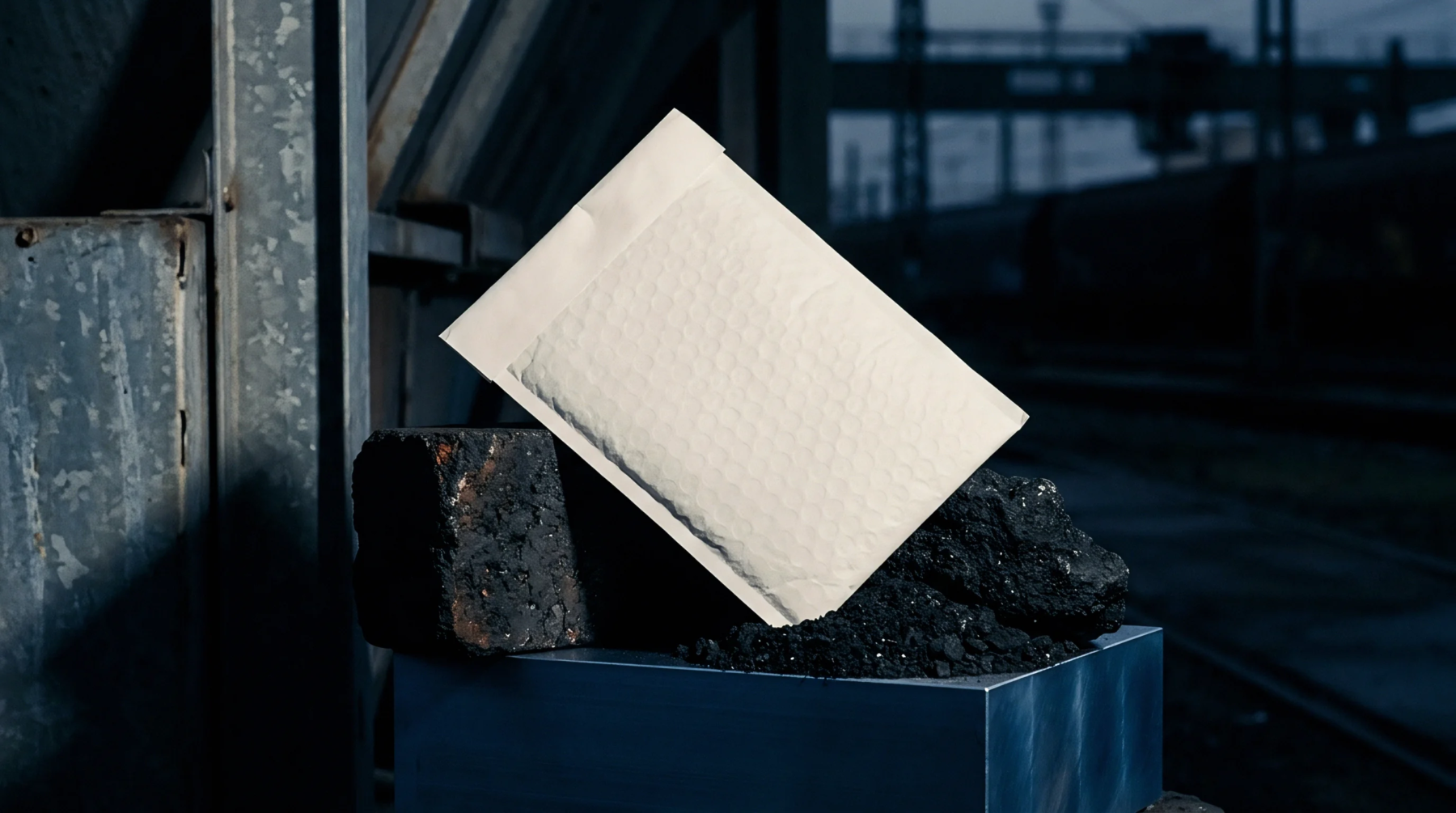
Marine container humidity drops paperboard compression by half, requiring virgin kraft furnishes and 4.0 safety factors to prevent column collapse at sea.
Thermodynamic moisture transport in corrugated packaging depends on non-Fickian diffusion kinetics, fiber plasticization, and severe mechanosorptive creep.

Recycled fluting creep under cyclic humidity causes warehouse pallet collapse unless procurement contracts enforce dynamic hygro-mechanical test thresholds.
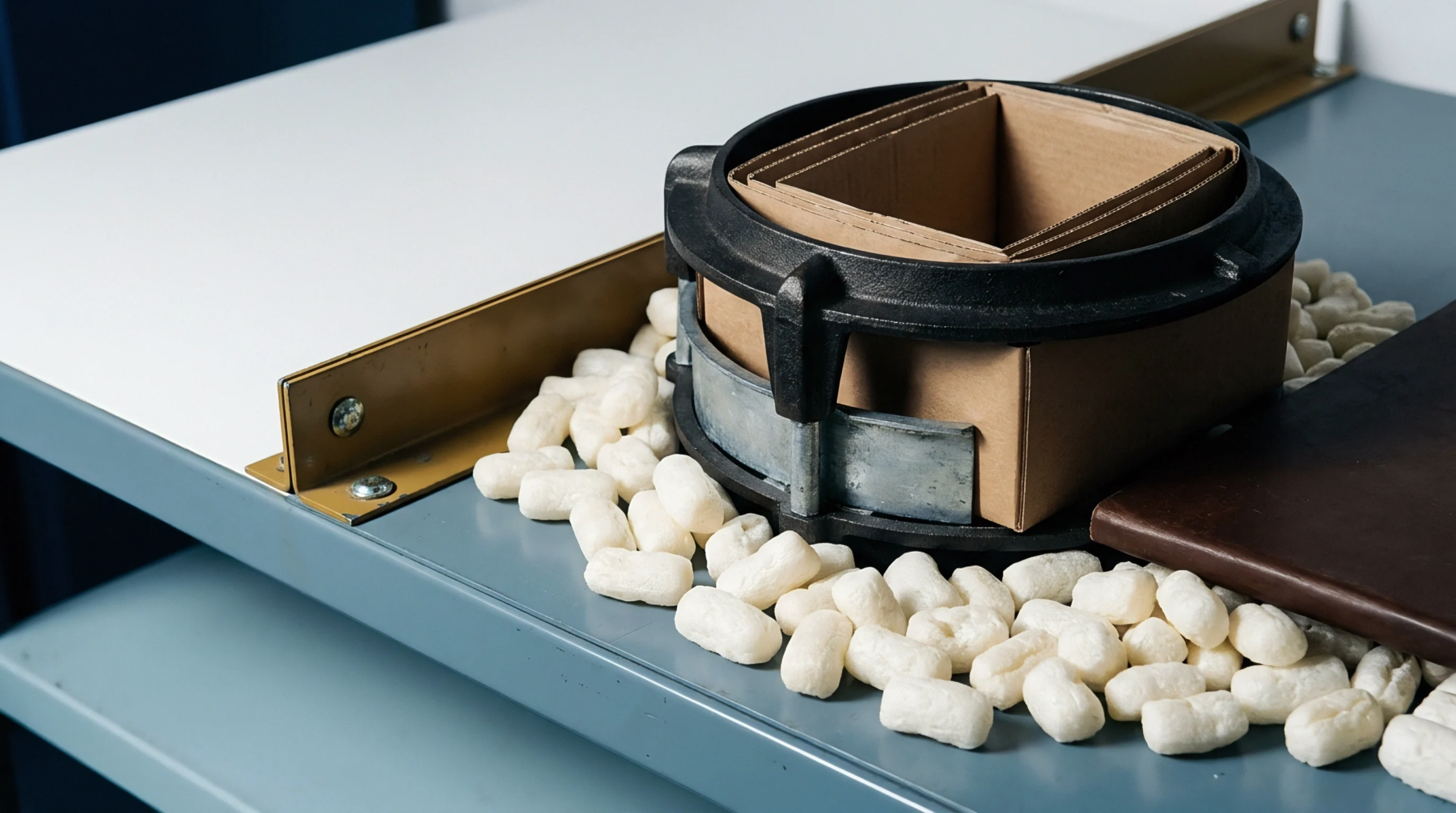
Nonlinear shell formulations integrating hygro-expansion and mechano-sorptive creep predict humidity-driven flute buckling to prevent packaging transit collapse.

Dynamic mechanical creep compliance in recycled paper networks accelerates fivefold under cyclic humidity, requiring safety factor adjustments to prevent collapse.
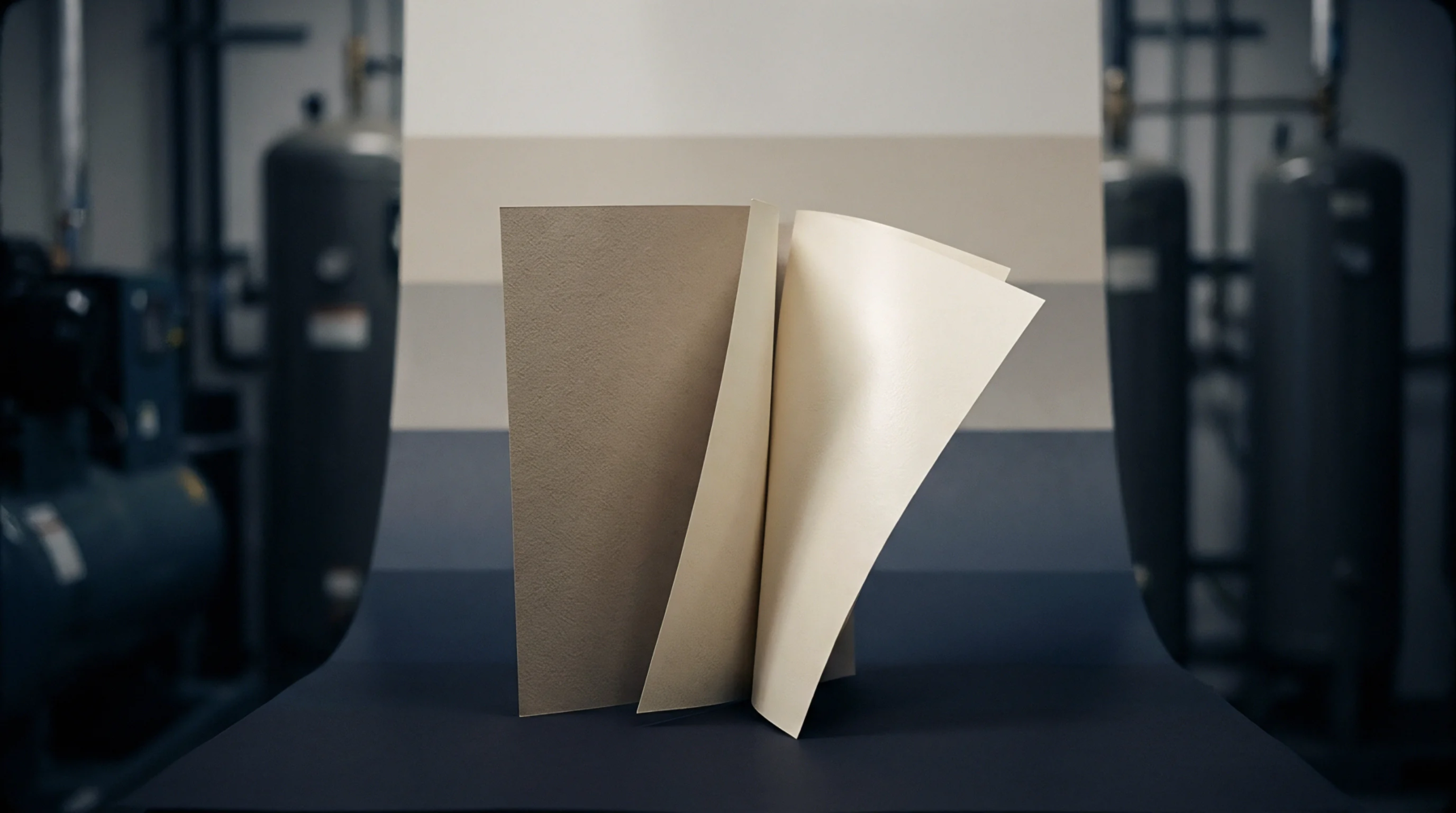
Recycled containerboard loses stiffness when hornified fibers slip under shear, which buyers offset with higher grammage or starch addition.

Compressive edge loading drives non-linear barrier failure when localized liner buckling exceeds polymer yield strain, requiring coupled transport models.

Acceptance Quality Limit carton inspection pairs ISO 2859-1 sampling math with physical flute and joint testing to validate lots before paper release.
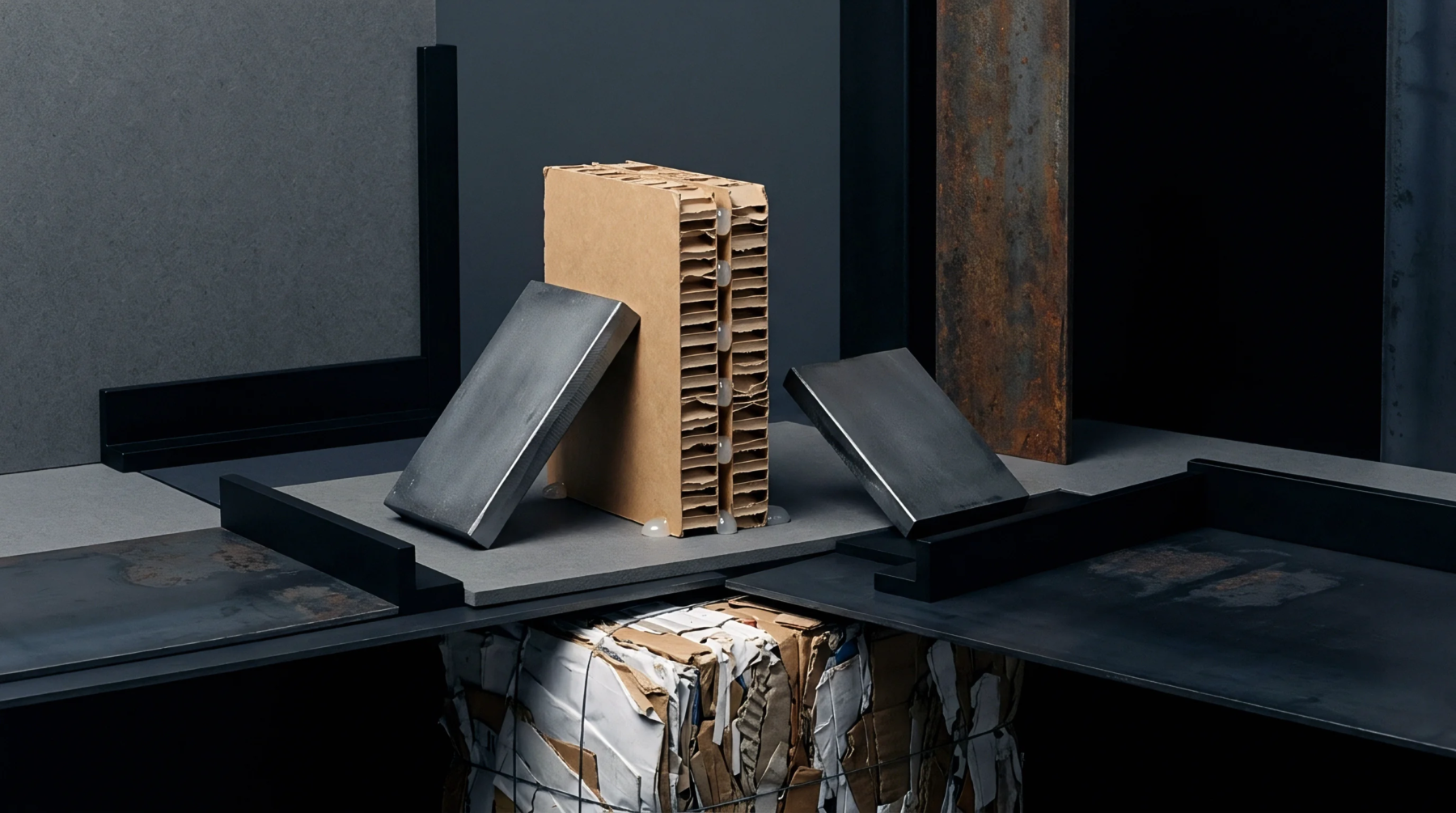
Multi-tier corrugated export survival demands virgin kraftliners, ketone-crosslinked wet starch, and safety factors adjusted for twenty-percent moisture uptake.
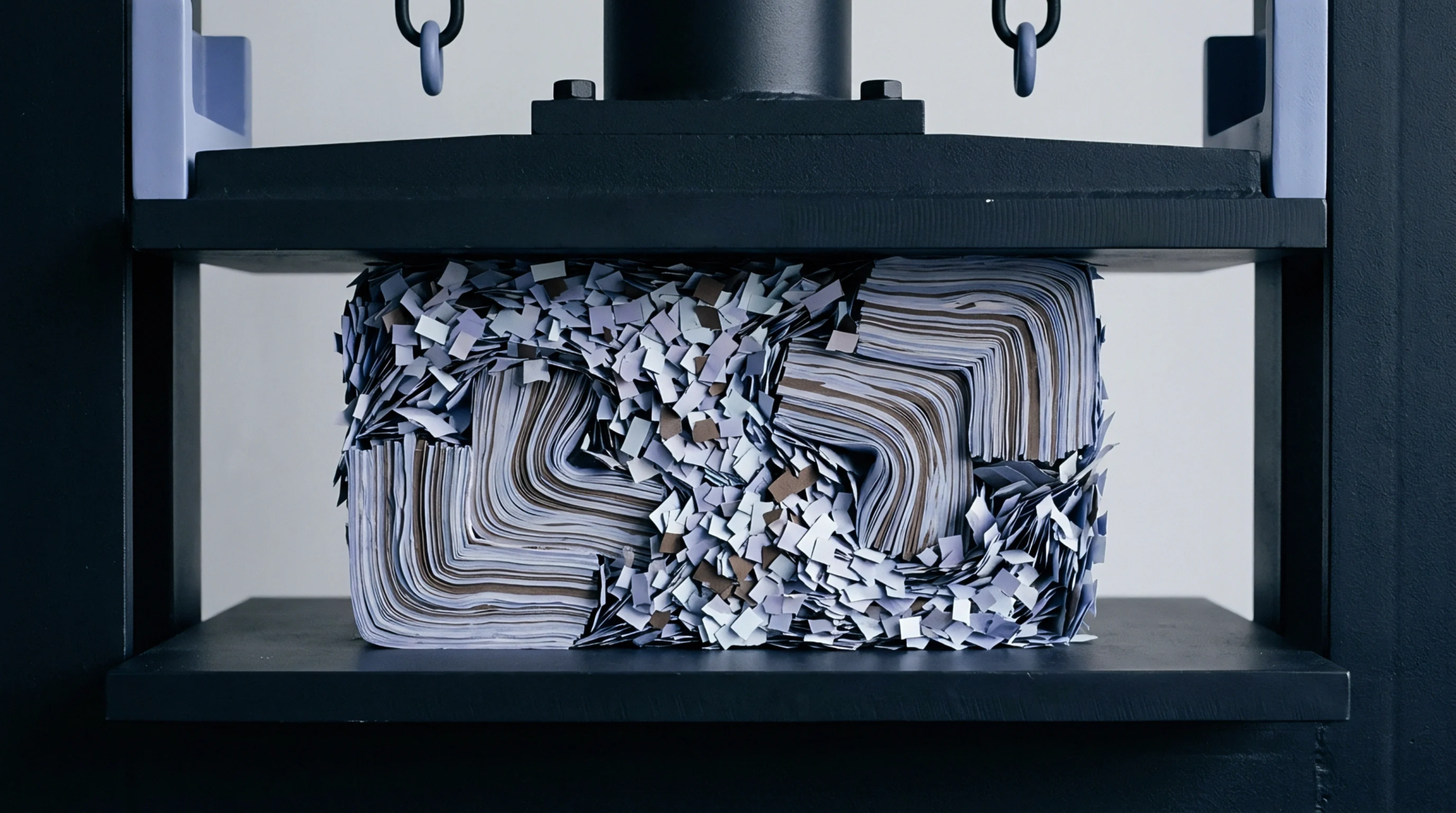
Dynamic moisture gradients across multi-ply board destroy transverse shear stiffness, precipitating sudden carton compression collapse under high strain rates.

Long softwood fibers maximize board bending resistance by increasing elastic modulus on outer plies while maintaining the caliper needed for flexural stiffness.
Expertise is a utility, not a secret. sentiention™ publishes its working knowledge as open reference: intelligence layer covering the materials it sources, the markets it enters, and the reference that serves both.