Spot UV against Hot Foil at the Break Even Run Length
Digital spot UV beats hot foil stamping on setup costs below 3,400 B2 sheets at 5% coverage, beyond which low foil area costs surpass high fluid burn.
Digital spot UV beats hot foil stamping on setup costs below 3,400 B2 sheets at 5% coverage, beyond which low foil area costs surpass high fluid burn.
Radiant UV lamp infrared energy and mechanical nip friction strip paperboard surface moisture, driving hygrothermal curl and score cracking that require cold-mirror optics, UV-LED arrays, or chilled impression rolls to preserve converting yield.
Grammage and caliper specifications require ISO test method conditioning standards and tight bulk tolerance clauses to prevent converting line failures and yield losses.
Dynamic Mechanical Analysis reveals high-speed converting nips collapse high-bulk BCTMP middle plies, dropping bending stiffness up to twenty-six percent.
Unheated warehouse storage alters boxboard moisture equilibrium, inducing wavy edges and core bond loss; thermal acclimation before press release prevents spoilage.
Paperboard loses up to sixty percent of top-load compression strength in high humidity due to transverse fiber swell and mechano-sorptive creep decay.
Widening matrix channel width to 1.7 times board caliper mitigates score cracking on recycled board by promoting controlled internal ply delamination.
Dynamic paperboard creasing requires speed-adjusted tooling channel geometry to prevent barrier micro-fracturing and maintain shelf-life performance.
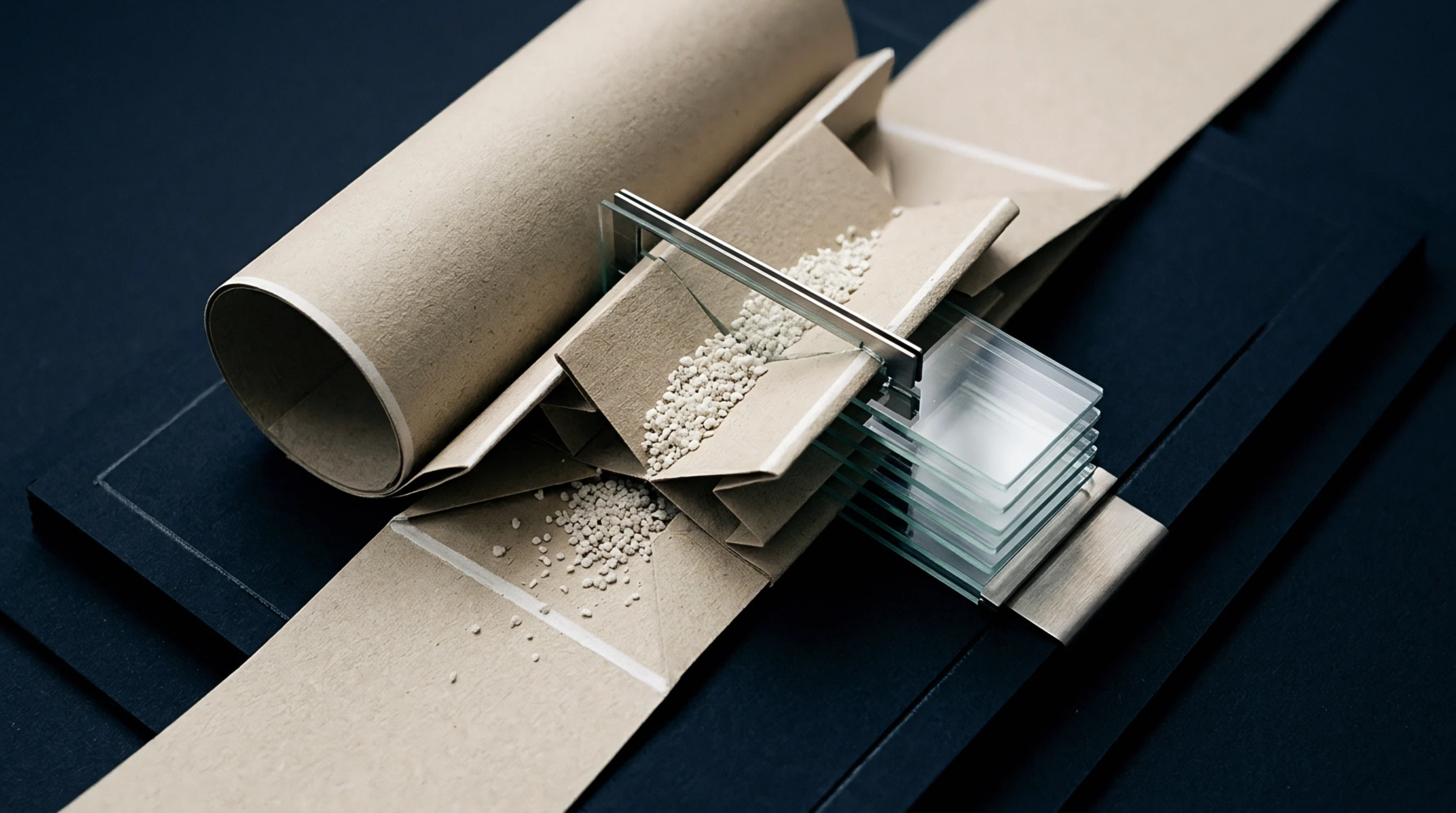
Cross direction creasing of chemical pulp requires expanding matrix channel width to 1.5 to 1.7 times board caliper plus rule width to prevent liner cracking.
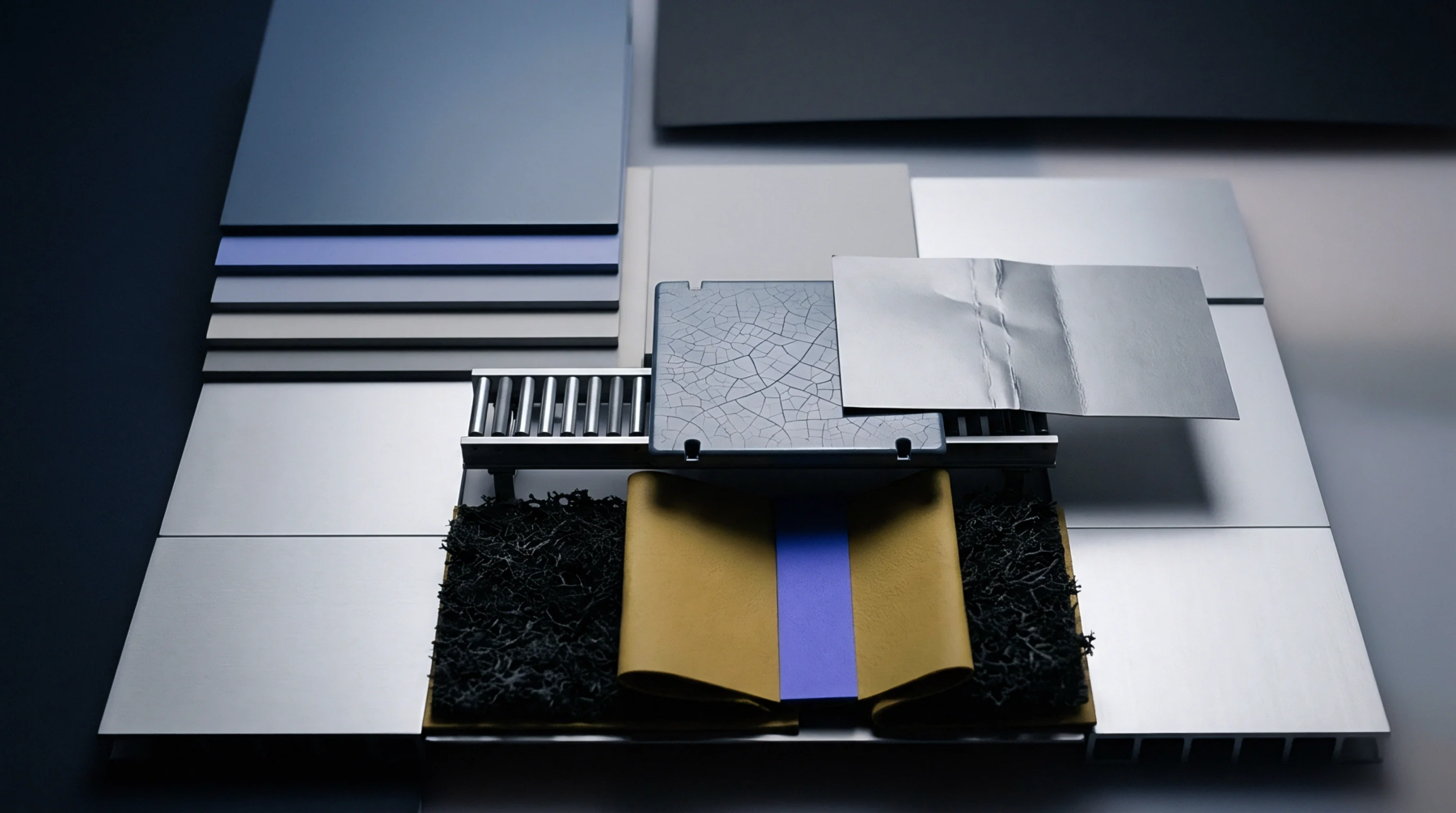
Controlled low energy refining of middle ply mechanical pulp yields superior Z direction tensile development without caliper loss in multi ply boxboard.
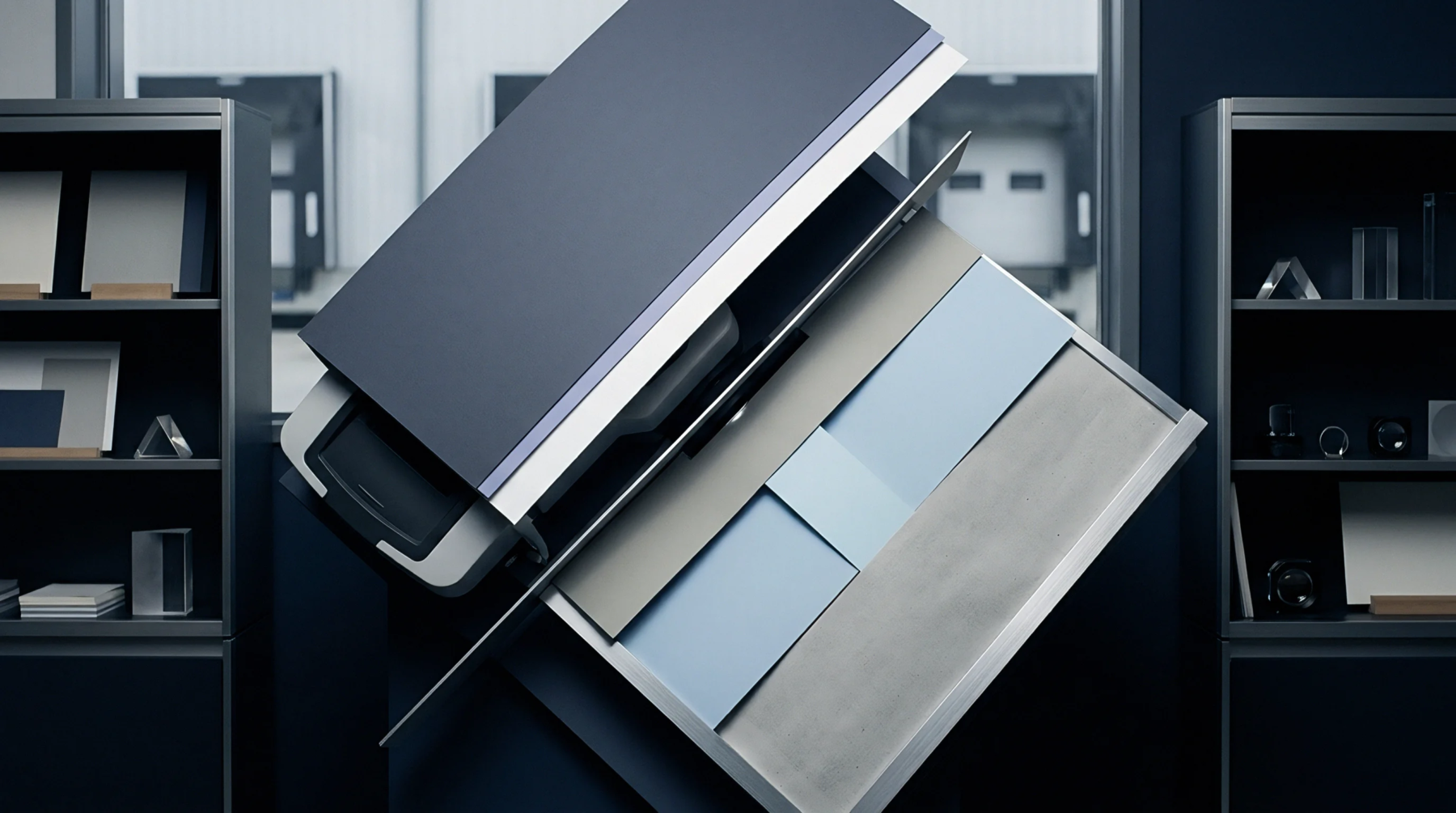
High erection speeds induce inter-ply shear strain that causes carton delamination when Z-direction bond strength drops below 180 Joules per square metre.
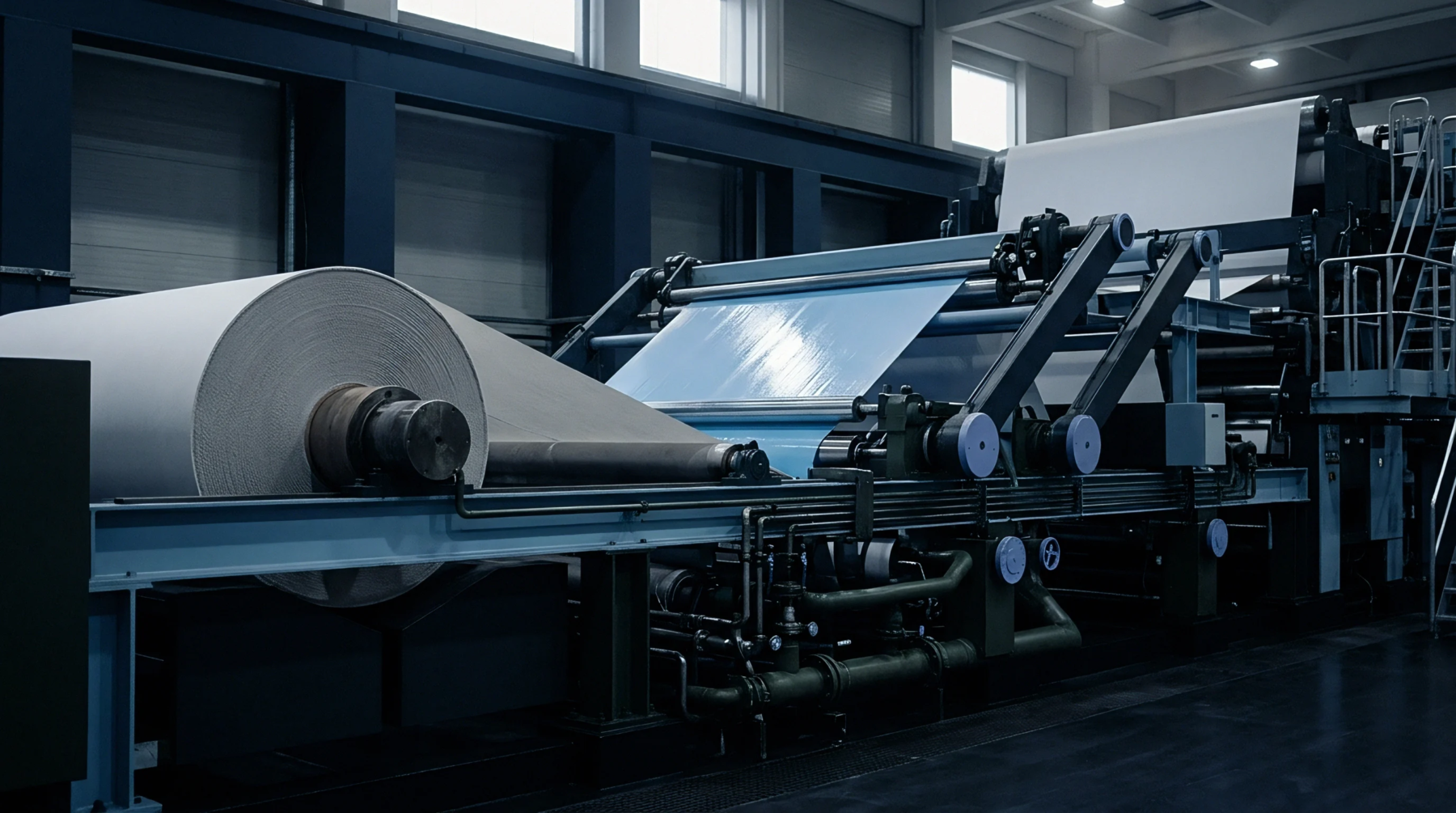
Dynamic moisture entry plasticizes paperboard core binders and depresses matrix glass transition, driving interlaminar delamination and pallet stack collapse.
Modifying creasing matrix channel width and male rule tip radius prevents polymer film elongation cracking and maintains gas barrier integrity across folded scores.
Extrusion and dispersion coating elongation limits require matching tool tip geometry and board moisture to prevent outer-fiber micro-cracking under scoring press kinematics.
Maintain crease depth penetration between 0.45 and 0.65 of board caliper with a 1.4 to 1.6 channel multiplier to promote internal shear and eliminate cracking.
Elevated humidity reduces Z-directional tensile limits by forty percent, demanding wider matrix channels and pressure-sensitive tape with high tack shear adhesive.
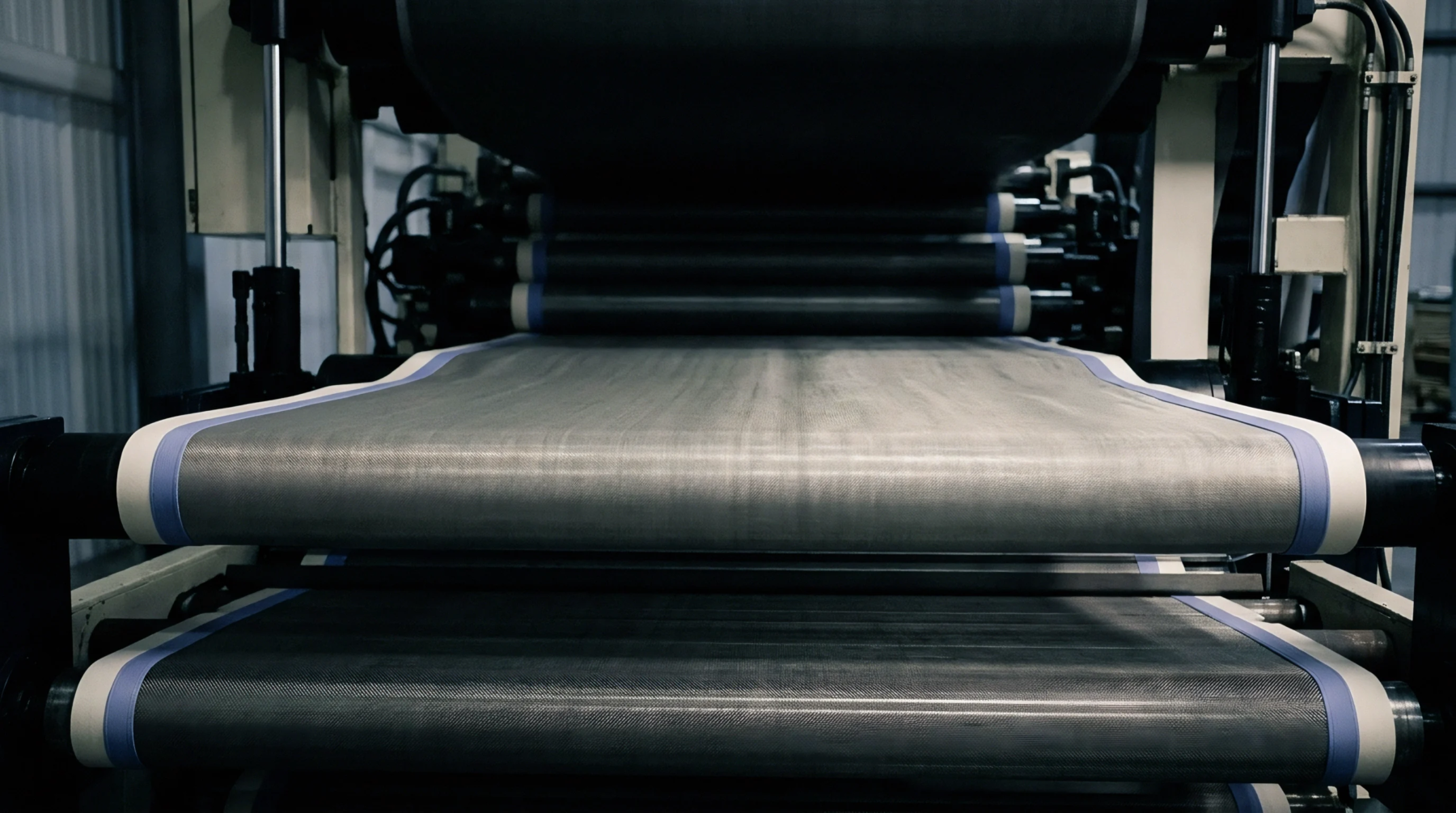
Reverse side water application restores moisture balance and eliminates curl by re-wetting dry wire-side fibers before converting stresses lock the sheet.
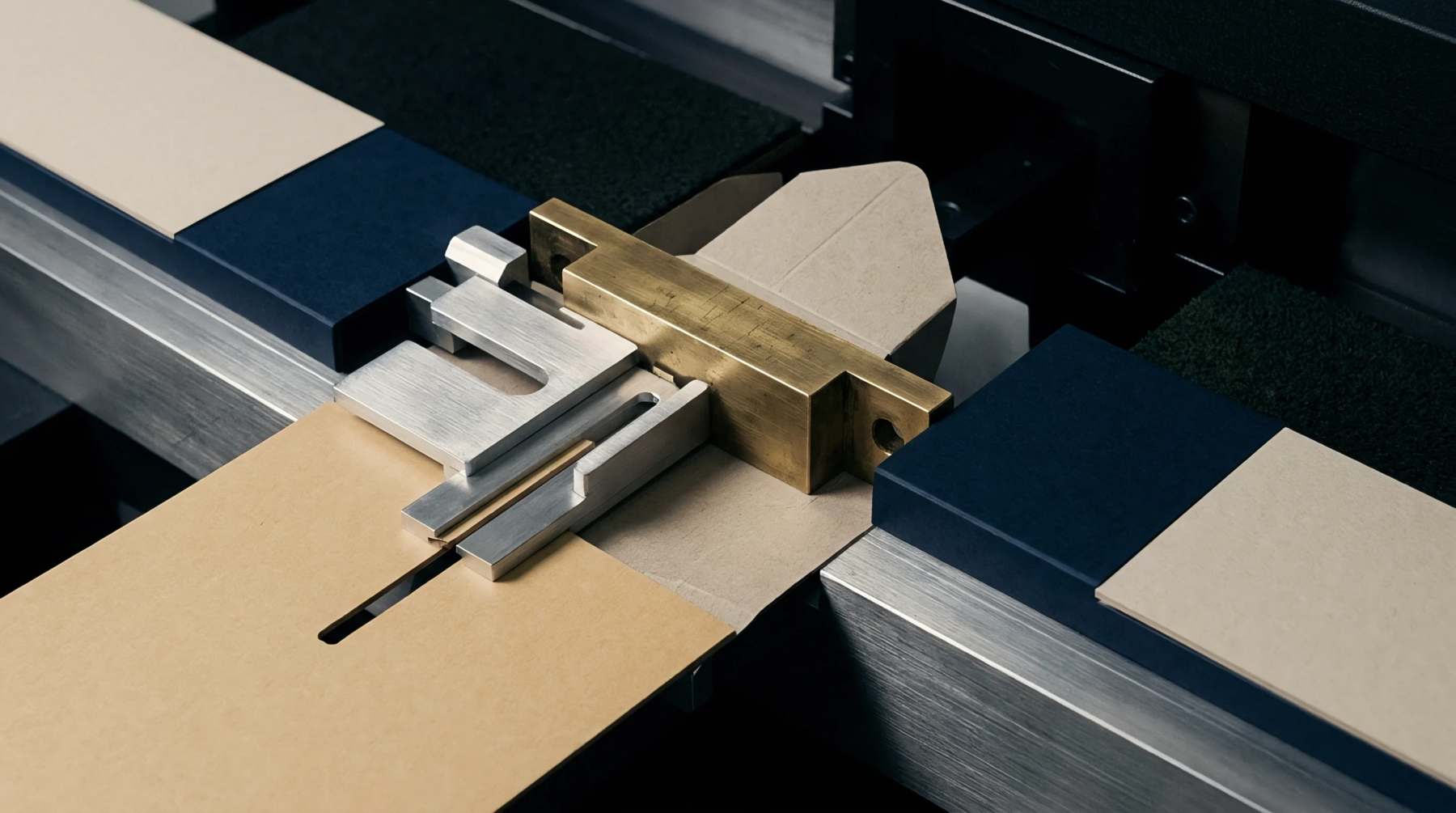
Clay coating orientation and core pulp density govern transient thermal lag across cartonboards, dictating minimum dwell times for heat seal activation.
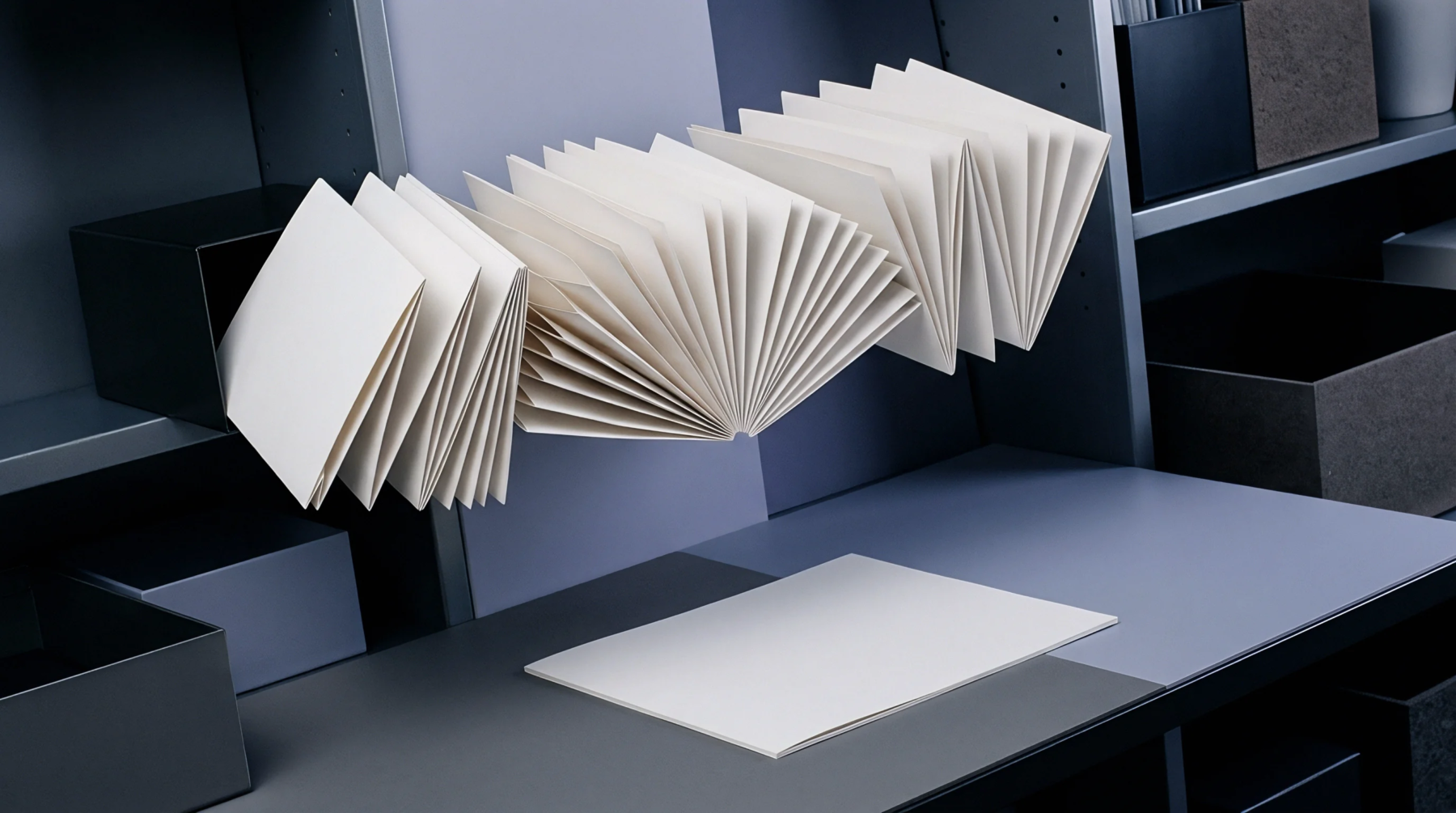
Z-directional tensile variance in multi-ply recycled board stems from uneven wet consolidation, high ash, and poor starch cooking, causing severe converting failure.
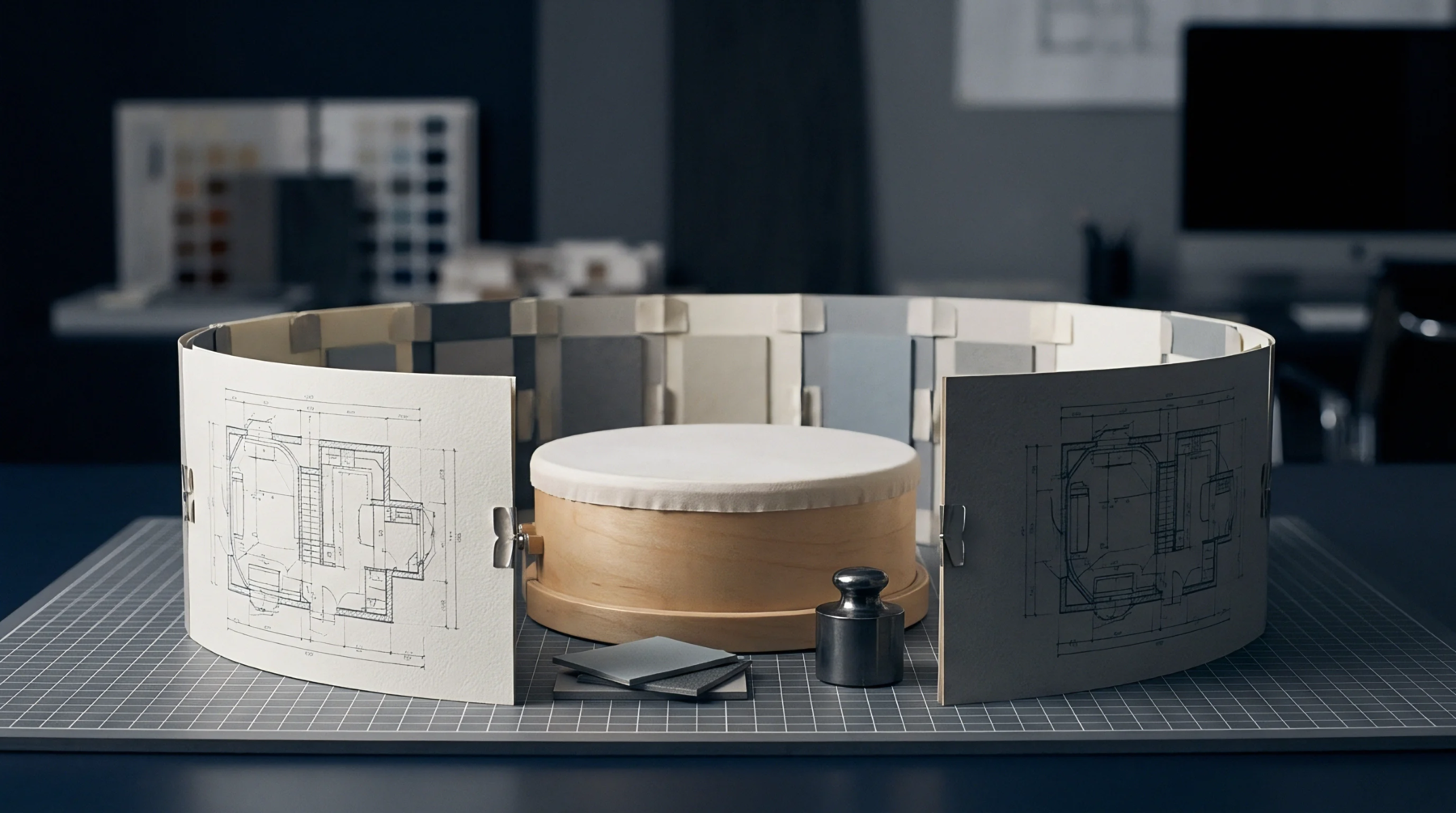
Transverse moisture gradients across laminated heavyweight boxboard drive CD curl and score cracking; strict 72-hour pallet acclimatization prevents converting scrap.
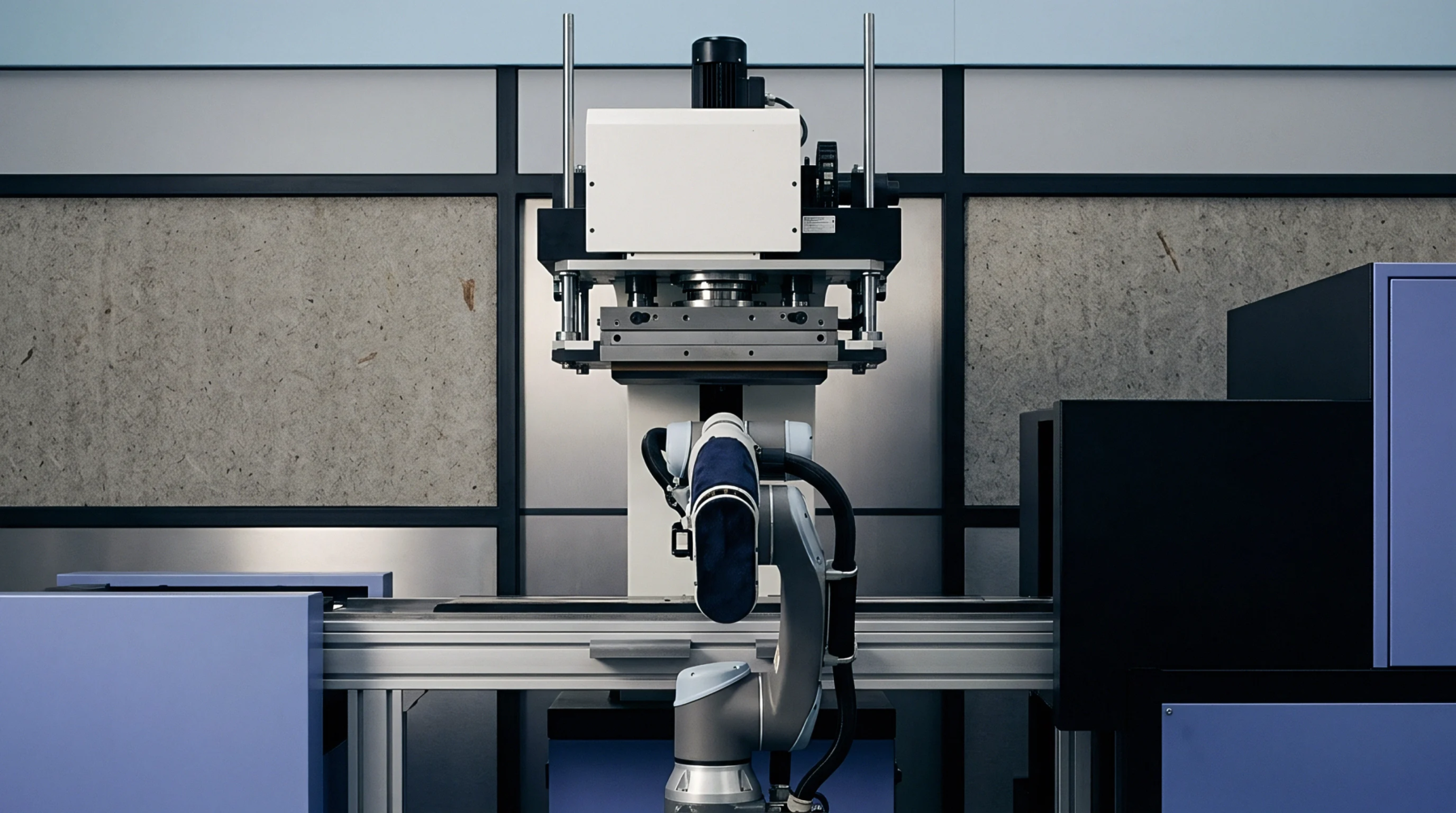
Dynamic triangulation drift in multi-ply recycled boxboard converting stems from surface roughness noise, hygroexpansion curl, and interlayer shear slip.
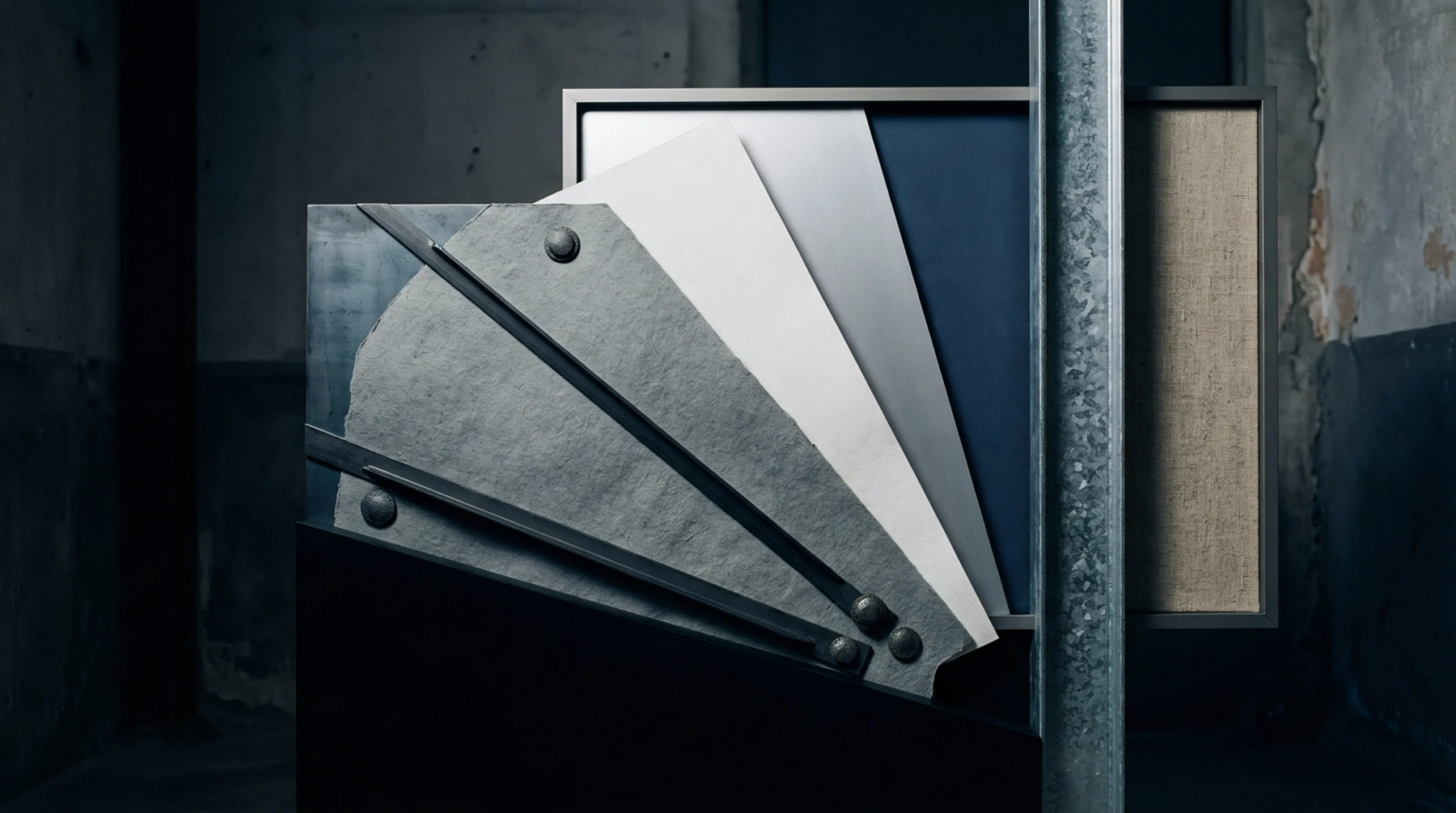
Compensating male punch penetration depth by thirty percent balances viscoelastic fiber recovery across recycled cartonboard platen tooling passes.
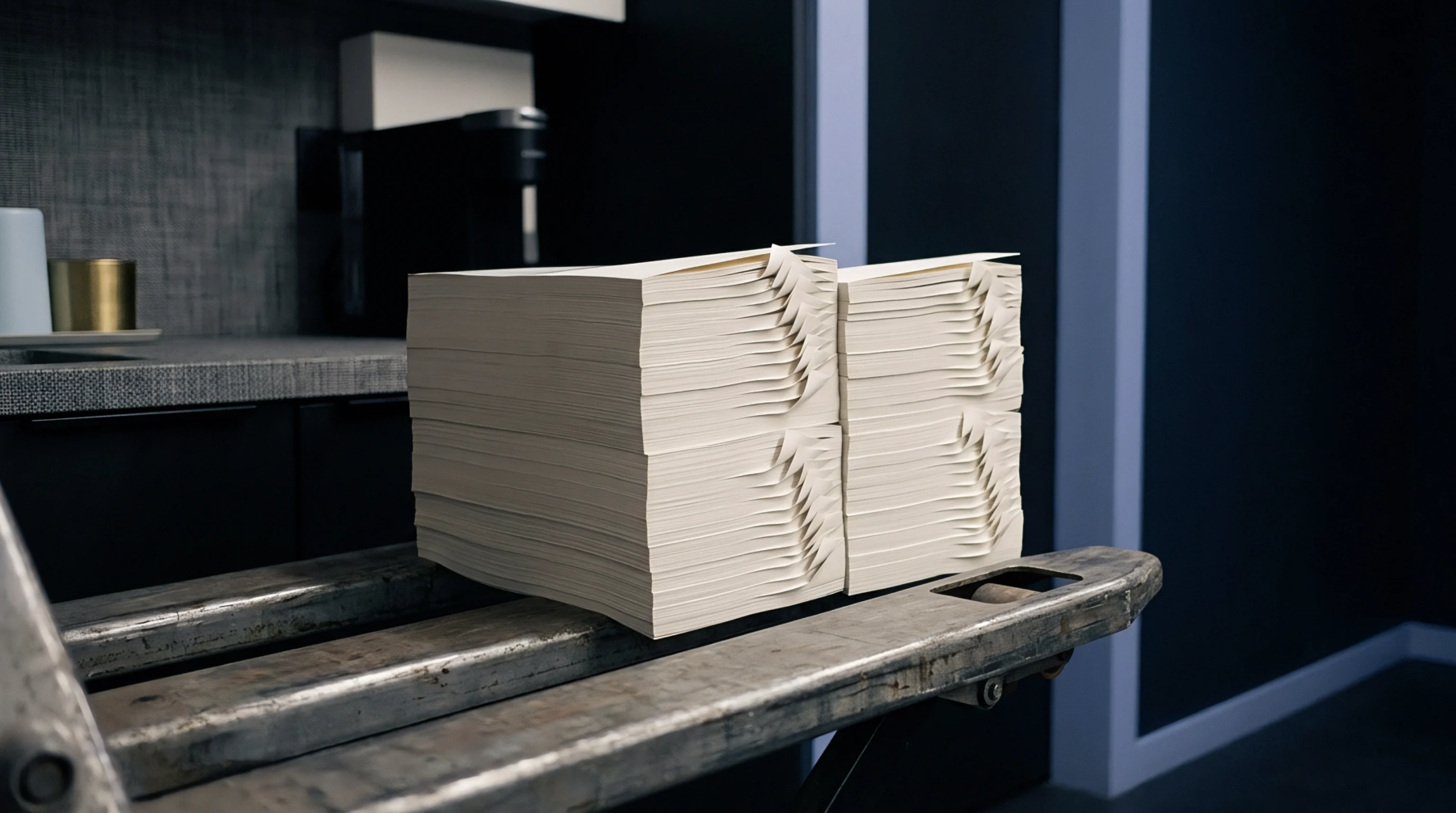
High bulk uncoated board requires expanding crease matrix channel widths to 1.8-2.1 times caliper to prevent liner cracking while adjusting stiffness board factor multipliers down to 0.82-0.88.
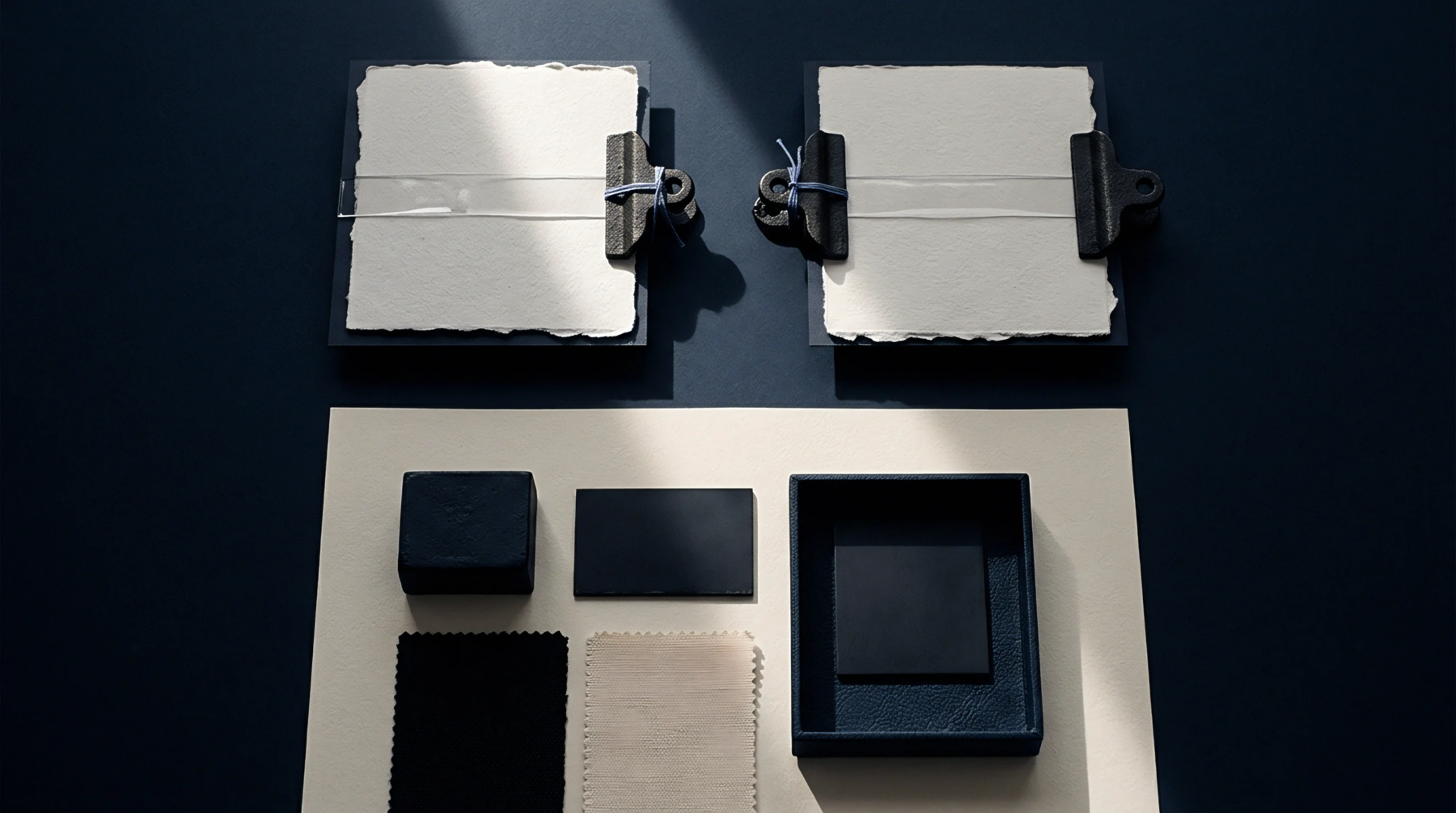
Optimizing matrix creasing channels for multi-ply recycled board requires widening the channel to 1.75 to 1.90 times caliper to absorb brittle shear stress.
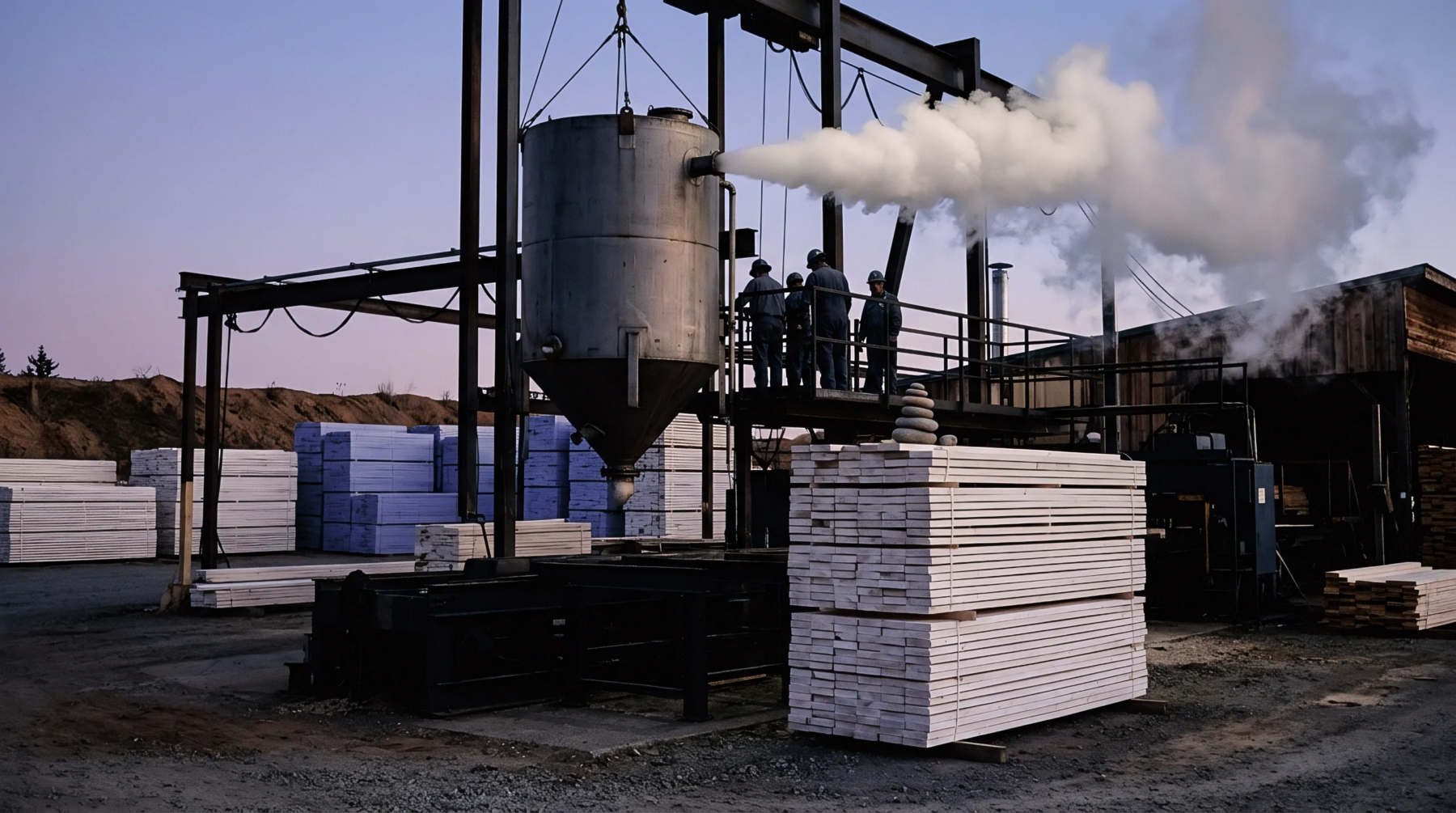
Thermal pressure collapses hornified recycled fiber networks permanently, driving localized caliper loss, blister delamination, and scoreline failures on converting.
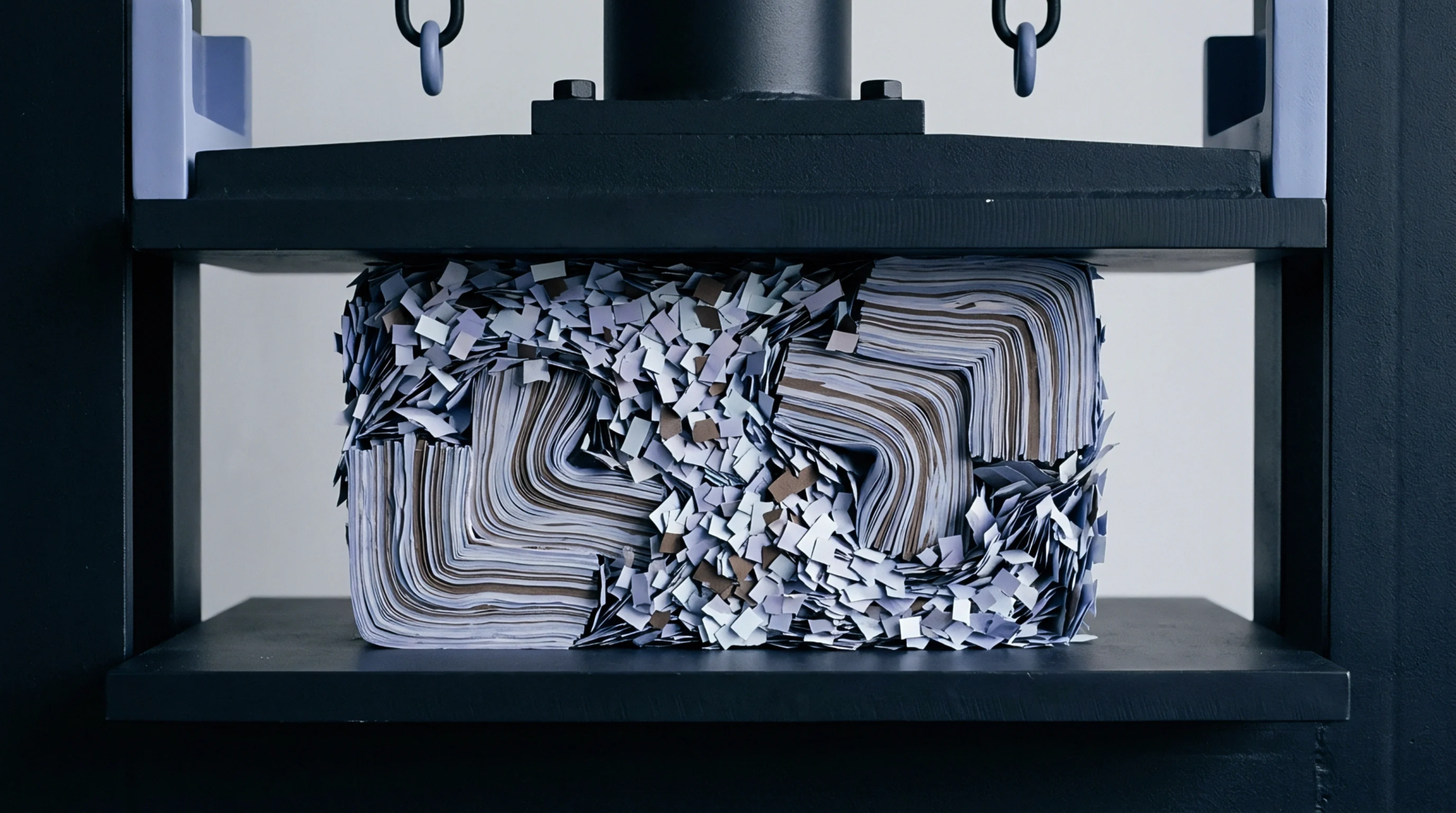
Dynamic moisture creep reduces corrugated compression strength up to 92 percent, requiring furnish-specific derating beyond standard static McKee formulas.
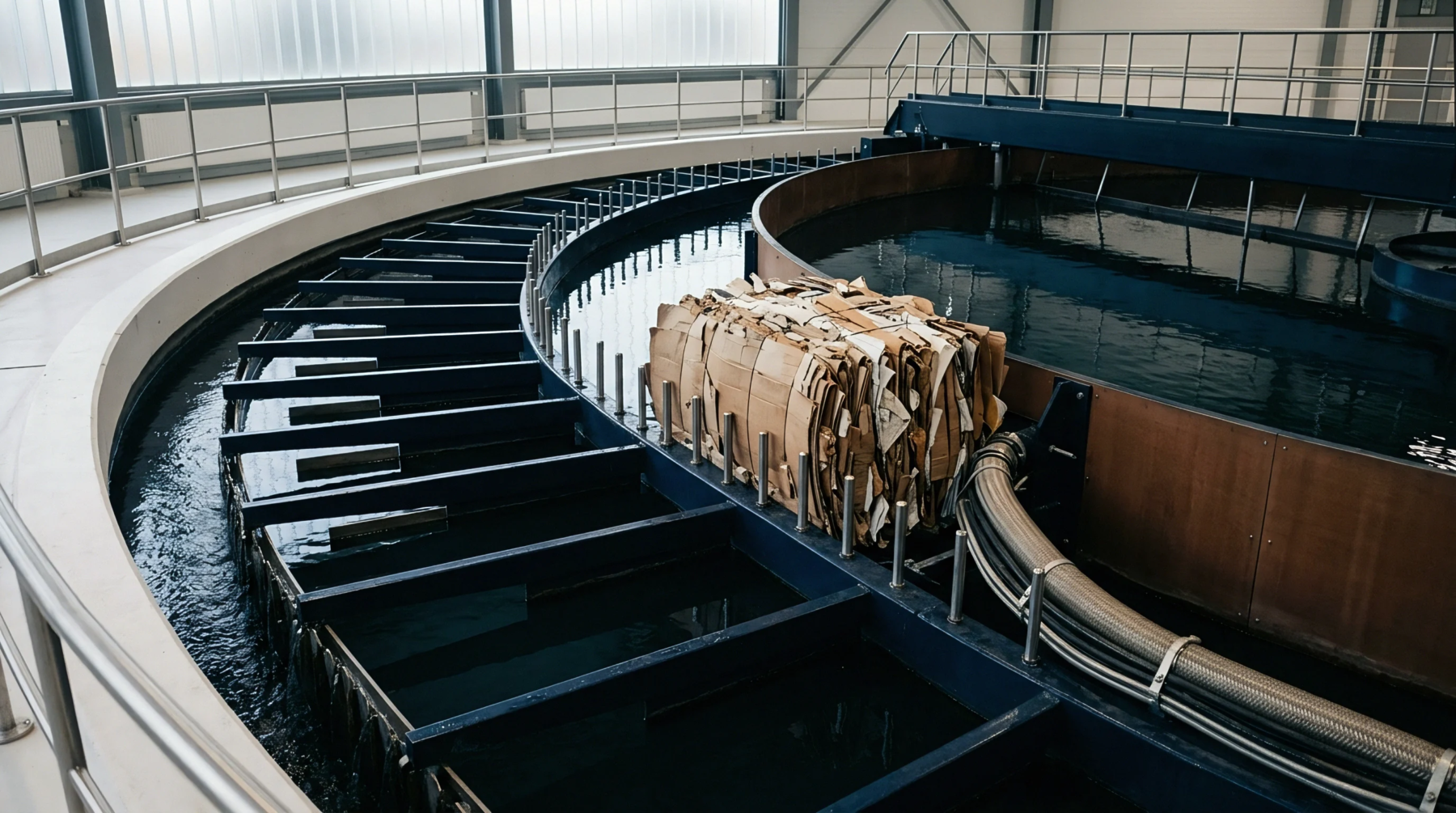
Recycled containerboard loses up to sixty percent of compression strength under moisture cycling due to mechanosorptive creep in shortened secondary fibers.
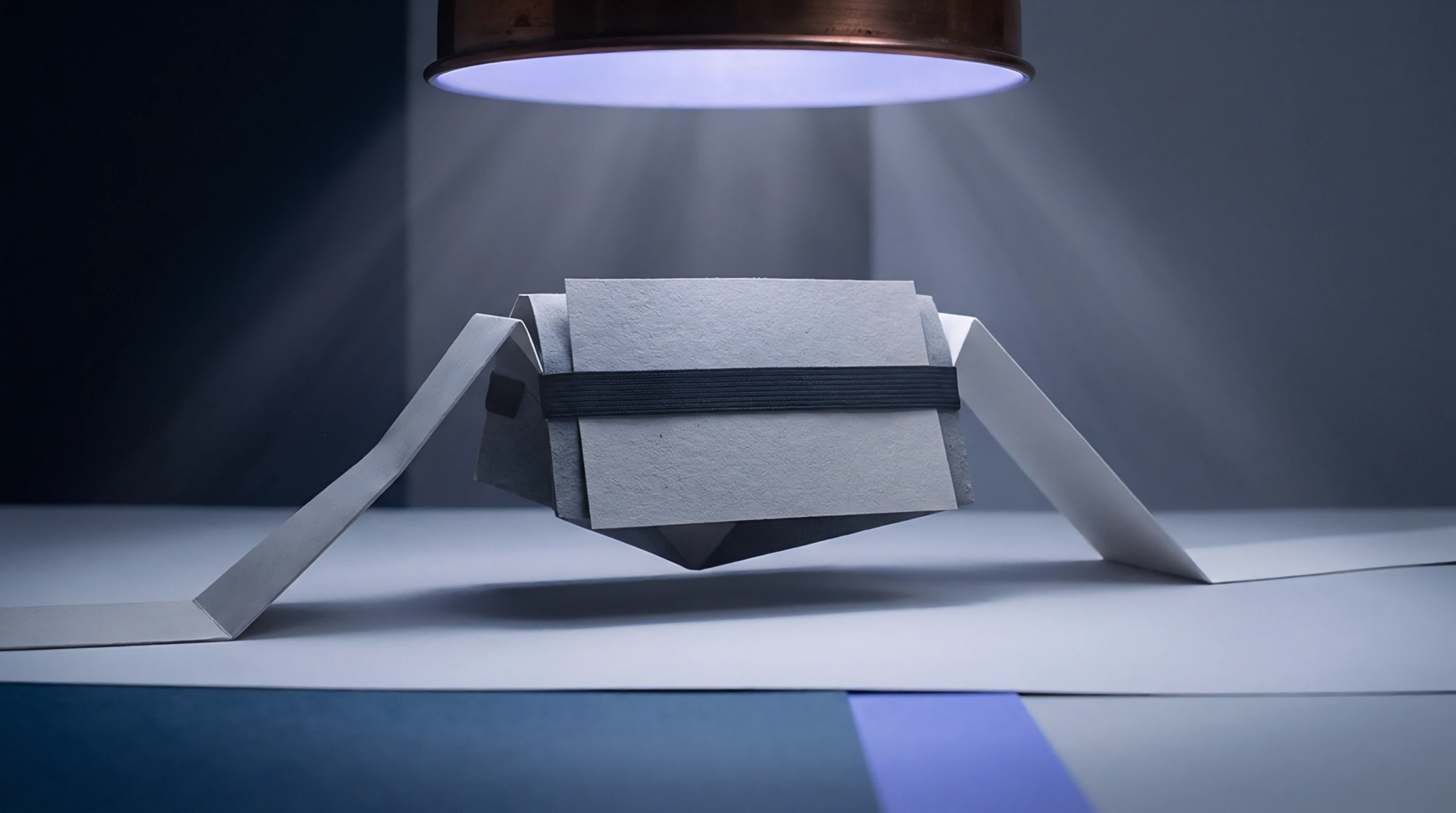
Dynamic Z-directional shear failure limits high-speed fluting; maintaining Scott bond above 220 J/m2 prevents mid-plane delamination at speeds over 400 m/min.
Ultrasonic pulse velocity measuring C33 compressional stiffness and Gxz shear modulus provides exact non-destructive Z-plane elastic moduli for SBS board.
Folding boxboard mechanical core thickness increases total caliper and bending stiffness at low grammage, reducing material weight and landed carton cost.
Expertise is a utility, not a secret. sentiention™ publishes its working knowledge as open reference: intelligence layer covering the materials it sources, the markets it enters, and the reference that serves both.